भारत के रक्षा बेड़े को मिलेगी नई ताकत: बोइंग और मरलिनहॉक ने मिलाया हाथ; आत्मनिर्भरता के साथ और क्या होगा खास?
भारत के रक्षा क्षेत्र के लिए एक बहुत बड़ी और अच्छी खबर आई है। बंगलूरू…
भारत के रक्षा क्षेत्र के लिए एक बहुत बड़ी और अच्छी खबर आई है। बंगलूरू…

“The greatest pain is that we couldn’t bring the World Cup back home to our country. If anyone deserved to live that feeling again, it was you.” Rodrigo De Paul wrote on social media after Argentina’s heartbreaking 1-0 defeat to Spain in the final, admitting that the loss will hurt for a long time.
Spain controlled the match from the beginning till the end, dominating ball possession for most of the match. Lionel Scaloni’s side struggled to build through midfield, and did not manage to score, with Ferran Torres’ 106th-minute goal proving to be the clincher for Spain.
De Paul said the bond between the team and the fans goes beyond the trophy, and that this shared identity is what he is holding on to as he processes the defeat.
“There were so many people waiting for us to fall, but that only made us stronger. Their attacks, their conspiracies, and their hate only proved how much our smiles and our way of being bother them.”
De Paul’s message closed with his love for the shirt and his country: “Today more than ever, I am proud to be Argentine.”
Published on Jul 22, 2026
“The greatest pain is that we couldn’t bring the World Cup back home to our country. If anyone deserved to live that feeling again, it was you.” Rodrigo De Paul wrote on social media after Argentina’s heartbreaking 1-0 defeat to Spain in the final, admitting that the loss will hurt for a long time.
Spain controlled the match from the beginning till the end, dominating ball possession for most of the match. Lionel Scaloni’s side struggled to build through midfield, and did not manage to score, with Ferran Torres’ 106th-minute goal proving to be the clincher for Spain.
De Paul said the bond between the team and the fans goes beyond the trophy, and that this shared identity is what he is holding on to as he processes the defeat.
“There were so many people waiting for us to fall, but that only made us stronger. Their attacks, their conspiracies, and their hate only proved how much our smiles and our way of being bother them.”
De Paul’s message closed with his love for the shirt and his country: “Today more than ever, I am proud to be Argentine.”
Published on Jul 22, 2026
“The greatest pain is that we couldn’t bring the World Cup back home to our…
तकनीकी शिक्षा मंत्री इंदर सिंह परमार ने सवाल का जवाब दिया।मध्य प्रदेश में निजी शिक्षण…
In 1962, President John F. Kennedy delivered a speech assuring that America would explore the…
मध्यप्रदेश राज्य महिला आयोग की मंगलवार को हुई जनसुनवाई में एक ऐसा मामला सामने आया,…

प्रसिद्ध फिल्ममेकर अनुराग कश्यप फिल्ममेकर सैयद शादान की नई शॉर्ट फिल्म चार दीवारी को प्रेज़ेंट करने जा रहे हैं। यह फिल्म 2026 के फैंटासिया इंटरनेशन फिल्म फेस्टिवल में कनाडा के मॉन्ट्रियल में अपना नॉर्थ अमेरिका प्रीमियर करेगी।
यह भारतीय स्वतंत्र सिनेमा (इंडिपेंडेंट सिनेमा) के लिए एक बड़ी उपलब्धि है, क्योंकि चार दीवारी इस साल इस प्रतिष्ठित अंतरराष्ट्रीय फिल्म फेस्टिवल के लिए चुनी गई गिनी-चुनी भारतीय फिल्मों में शामिल है। फैंटासिया इंटरनेशन फिल्म फेस्टिवल को दुनिया का सबसे बड़ा जॉनर फिल्म फेस्टिवल माना जाता है।
शिवेक गुप्ता और सैयद शादान द्वारा निर्मित यह साइकोलॉजिकल हॉरर थ्रिलर फिल्म फेगमेंट्स ड’ऐसी सेक्शन के लिए चुनी गई है और इसका नॉर्थ अमेरिका प्रीमियर 30 जुलाई 2026 को होगा।
चार दीवारी की कहानी एक ऐसे व्यक्ति की है, जो रहने के लिए एक साधारण सा घर किराए पर लेता है। लेकिन जल्द ही उसे पता चलता है कि उस घर की दीवारों में एक बेहद डरावना राज छिपा है। मनोवैज्ञानिक तनाव और डरावने माहौल से भरपूर यह फिल्म डर, अकेलेपन और उन अनदेखे रहस्यों की कहानी है, जो कभी-कभी हमारे अपने घरों में भी छिपे हो सकते हैं।
नई और अलग तरह की फिल्मों को हमेशा समर्थन देने वाले अनुराग कश्यप ने रंजन सिंह के साथ मिलकर चार दीवारी को प्रेज़ेंट करने का फैसला किया है। इससे फिल्म की कलात्मक सोच और अंतरराष्ट्रीय स्तर पर उसकी पहचान को और मज़बूती मिली है। उनकी मौजूदगी इस फिल्म को वैश्विक फिल्म फेस्टिवल सर्किट में एक नई पहचान दिलाने में मदद करेगी।
फिल्म के बारे में बात करते हुए अनुराग कश्यप ने कहा, “‘चार दीवारी’ आपको शुरू से ही एक अजीब-सा डर महसूस कराती है। आप जो कुछ होता हुआ देखते हैं, आपको लगता है कि ऐसा हो ही नहीं सकता। लेकिन धीरे-धीरे फिल्म आपको उसी डर के बीच ले जाती है, जिससे आप पूरे समय बचना चाहते हैं। मुझे यह फिल्म बहुत पसंद आई।”
रंजन सिंह ने कहा,”चार दीवारी एक बेहतरीन शॉर्ट थ्रिलर है। इसने मुझे इस जॉनर की कई क्लासिक फिल्मों की याद दिला दी। फिल्म का माहौल रहस्यमय, गंभीर और चौंकाने वाला है। शादान की अपनी एक अलग पहचान और कहानी कहने का अंदाज़ है, और मुझे लगता है कि फैंटासिया इस फिल्म के प्रीमियर के लिए बिल्कुल सही मंच है।”
फिल्म के नॉर्थ अमेरिका प्रीमियर और अनुराग कश्यप के समर्थन पर खुशी जताते हुए सैयद शादान ने कहा, “चार दीवारी की शुरुआत एक साधारण लेकिन बेचैन कर देने वाले विचार से हुई थी – क्या हो अगर हमारे आसपास की दीवारें हमसे ज़्यादा बातें याद रखती हों? यह डर, अकेलेपन और उन अनदेखे बोझों की कहानी है जो जगहें अपने भीतर समेटे रहती हैं। फैंटासिया जैसे फिल्म फेस्टिवल में फिल्म का प्रीमियर होना मेरे लिए एक सपना पूरा होने जैसा है। यह फेस्टिवल हमेशा से अलग और साहसी जॉनर फिल्मों का सम्मान करता आया है। अनुराग सर का इस फिल्म से बतौर प्रेज़ेंटर जुड़ना इस सफर को और भी खास बना देता है। एक इंडिपेंडेंट फिल्ममेकर के तौर पर उनकी सराहना और समर्थन मेरे लिए बहुत मायने रखता है।”
फैंटासिया इंटरनेशन फिल्म फेस्टिवल दुनिया के सबसे प्रतिष्ठित जॉनर फिल्म फेस्टिवल्स में से एक है। यह हॉरर, थ्रिलर, फैंटेसी और साइंस फिक्शन फिल्मों के लिए एक बड़ा मंच माना जाता है और दुनियाभर की कई बेहतरीन फिल्मों की शुरुआत इसी फेस्टिवल से हुई है। चार दीवारी का फेगमेंट्स ड’ऐसी सेक्शन में चयन होना समकालीन एशियाई सिनेमा की चुनिंदा फिल्मों के बीच इसकी मज़बूत पहचान को दर्शाता है और फिल्म को नॉर्थ अमेरिका में अपनी शुरुआत के लिए एक महत्वपूर्ण अंतरराष्ट्रीय मंच प्रदान करता है।
अनुराग कश्यप और रंजन सिंह द्वारा प्रस्तुत और दुनिया के सबसे प्रतिष्ठित जॉनर फिल्म फेस्टिवल्स में नॉर्थ अमेरिका प्रीमियर के साथ, चार दीवारी सैयद शादान और भारतीय इंडिपेंडेंट सिनेमा के लिए एक महत्वपूर्ण उपलब्धि साबित होने जा रही है।

प्रसिद्ध फिल्ममेकर अनुराग कश्यप फिल्ममेकर सैयद शादान की नई शॉर्ट फिल्म चार दीवारी को प्रेज़ेंट करने जा रहे हैं। यह फिल्म 2026 के फैंटासिया इंटरनेशन फिल्म फेस्टिवल में कनाडा के मॉन्ट्रियल में अपना नॉर्थ अमेरिका प्रीमियर करेगी।
यह भारतीय स्वतंत्र सिनेमा (इंडिपेंडेंट सिनेमा) के लिए एक बड़ी उपलब्धि है, क्योंकि चार दीवारी इस साल इस प्रतिष्ठित अंतरराष्ट्रीय फिल्म फेस्टिवल के लिए चुनी गई गिनी-चुनी भारतीय फिल्मों में शामिल है। फैंटासिया इंटरनेशन फिल्म फेस्टिवल को दुनिया का सबसे बड़ा जॉनर फिल्म फेस्टिवल माना जाता है।
शिवेक गुप्ता और सैयद शादान द्वारा निर्मित यह साइकोलॉजिकल हॉरर थ्रिलर फिल्म फेगमेंट्स ड’ऐसी सेक्शन के लिए चुनी गई है और इसका नॉर्थ अमेरिका प्रीमियर 30 जुलाई 2026 को होगा।
चार दीवारी की कहानी एक ऐसे व्यक्ति की है, जो रहने के लिए एक साधारण सा घर किराए पर लेता है। लेकिन जल्द ही उसे पता चलता है कि उस घर की दीवारों में एक बेहद डरावना राज छिपा है। मनोवैज्ञानिक तनाव और डरावने माहौल से भरपूर यह फिल्म डर, अकेलेपन और उन अनदेखे रहस्यों की कहानी है, जो कभी-कभी हमारे अपने घरों में भी छिपे हो सकते हैं।
नई और अलग तरह की फिल्मों को हमेशा समर्थन देने वाले अनुराग कश्यप ने रंजन सिंह के साथ मिलकर चार दीवारी को प्रेज़ेंट करने का फैसला किया है। इससे फिल्म की कलात्मक सोच और अंतरराष्ट्रीय स्तर पर उसकी पहचान को और मज़बूती मिली है। उनकी मौजूदगी इस फिल्म को वैश्विक फिल्म फेस्टिवल सर्किट में एक नई पहचान दिलाने में मदद करेगी।
फिल्म के बारे में बात करते हुए अनुराग कश्यप ने कहा, “‘चार दीवारी’ आपको शुरू से ही एक अजीब-सा डर महसूस कराती है। आप जो कुछ होता हुआ देखते हैं, आपको लगता है कि ऐसा हो ही नहीं सकता। लेकिन धीरे-धीरे फिल्म आपको उसी डर के बीच ले जाती है, जिससे आप पूरे समय बचना चाहते हैं। मुझे यह फिल्म बहुत पसंद आई।”
रंजन सिंह ने कहा,”चार दीवारी एक बेहतरीन शॉर्ट थ्रिलर है। इसने मुझे इस जॉनर की कई क्लासिक फिल्मों की याद दिला दी। फिल्म का माहौल रहस्यमय, गंभीर और चौंकाने वाला है। शादान की अपनी एक अलग पहचान और कहानी कहने का अंदाज़ है, और मुझे लगता है कि फैंटासिया इस फिल्म के प्रीमियर के लिए बिल्कुल सही मंच है।”
फिल्म के नॉर्थ अमेरिका प्रीमियर और अनुराग कश्यप के समर्थन पर खुशी जताते हुए सैयद शादान ने कहा, “चार दीवारी की शुरुआत एक साधारण लेकिन बेचैन कर देने वाले विचार से हुई थी – क्या हो अगर हमारे आसपास की दीवारें हमसे ज़्यादा बातें याद रखती हों? यह डर, अकेलेपन और उन अनदेखे बोझों की कहानी है जो जगहें अपने भीतर समेटे रहती हैं। फैंटासिया जैसे फिल्म फेस्टिवल में फिल्म का प्रीमियर होना मेरे लिए एक सपना पूरा होने जैसा है। यह फेस्टिवल हमेशा से अलग और साहसी जॉनर फिल्मों का सम्मान करता आया है। अनुराग सर का इस फिल्म से बतौर प्रेज़ेंटर जुड़ना इस सफर को और भी खास बना देता है। एक इंडिपेंडेंट फिल्ममेकर के तौर पर उनकी सराहना और समर्थन मेरे लिए बहुत मायने रखता है।”
फैंटासिया इंटरनेशन फिल्म फेस्टिवल दुनिया के सबसे प्रतिष्ठित जॉनर फिल्म फेस्टिवल्स में से एक है। यह हॉरर, थ्रिलर, फैंटेसी और साइंस फिक्शन फिल्मों के लिए एक बड़ा मंच माना जाता है और दुनियाभर की कई बेहतरीन फिल्मों की शुरुआत इसी फेस्टिवल से हुई है। चार दीवारी का फेगमेंट्स ड’ऐसी सेक्शन में चयन होना समकालीन एशियाई सिनेमा की चुनिंदा फिल्मों के बीच इसकी मज़बूत पहचान को दर्शाता है और फिल्म को नॉर्थ अमेरिका में अपनी शुरुआत के लिए एक महत्वपूर्ण अंतरराष्ट्रीय मंच प्रदान करता है।
अनुराग कश्यप और रंजन सिंह द्वारा प्रस्तुत और दुनिया के सबसे प्रतिष्ठित जॉनर फिल्म फेस्टिवल्स में नॉर्थ अमेरिका प्रीमियर के साथ, चार दीवारी सैयद शादान और भारतीय इंडिपेंडेंट सिनेमा के लिए एक महत्वपूर्ण उपलब्धि साबित होने जा रही है।
Anurag Kashyap: अनुराग कश्यप और रंजन सिंह द्वारा प्रस्तुत चार दीवारी इस साल चुनी गई गिनी-चुनी भारतीय फिल्मों में से एक है। फिल्म का नॉर्थ अमेरिका प्रीमियर 30 जुलाई को मॉन्ट्रियल में आयोजित प्रतिष्ठित फेगमेंट्स ड’ऐसी सेक्शन में होगा।
प्रसिद्ध फिल्ममेकर अनुराग कश्यप फिल्ममेकर सैयद शादान की नई शॉर्ट फिल्म चार दीवारी को प्रेज़ेंट करने जा रहे हैं। यह फिल्म 2026 के फैंटासिया इंटरनेशन फिल्म फेस्टिवल में कनाडा के मॉन्ट्रियल में अपना नॉर्थ अमेरिका प्रीमियर करेगी।
यह भारतीय स्वतंत्र सिनेमा (इंडिपेंडेंट सिनेमा) के लिए एक बड़ी उपलब्धि है, क्योंकि चार दीवारी इस साल इस प्रतिष्ठित अंतरराष्ट्रीय फिल्म फेस्टिवल के लिए चुनी गई गिनी-चुनी भारतीय फिल्मों में शामिल है। फैंटासिया इंटरनेशन फिल्म फेस्टिवल को दुनिया का सबसे बड़ा जॉनर फिल्म फेस्टिवल माना जाता है।
शिवेक गुप्ता और सैयद शादान द्वारा निर्मित यह साइकोलॉजिकल हॉरर थ्रिलर फिल्म फेगमेंट्स ड’ऐसी सेक्शन के लिए चुनी गई है और इसका नॉर्थ अमेरिका प्रीमियर 30 जुलाई 2026 को होगा।
चार दीवारी की कहानी एक ऐसे व्यक्ति की है, जो रहने के लिए एक साधारण सा घर किराए पर लेता है। लेकिन जल्द ही उसे पता चलता है कि उस घर की दीवारों में एक बेहद डरावना राज छिपा है। मनोवैज्ञानिक तनाव और डरावने माहौल से भरपूर यह फिल्म डर, अकेलेपन और उन अनदेखे रहस्यों की कहानी है, जो कभी-कभी हमारे अपने घरों में भी छिपे हो सकते हैं।
नई और अलग तरह की फिल्मों को हमेशा समर्थन देने वाले अनुराग कश्यप ने रंजन सिंह के साथ मिलकर चार दीवारी को प्रेज़ेंट करने का फैसला किया है। इससे फिल्म की कलात्मक सोच और अंतरराष्ट्रीय स्तर पर उसकी पहचान को और मज़बूती मिली है। उनकी मौजूदगी इस फिल्म को वैश्विक फिल्म फेस्टिवल सर्किट में एक नई पहचान दिलाने में मदद करेगी।
फिल्म के बारे में बात करते हुए अनुराग कश्यप ने कहा, “‘चार दीवारी’ आपको शुरू से ही एक अजीब-सा डर महसूस कराती है। आप जो कुछ होता हुआ देखते हैं, आपको लगता है कि ऐसा हो ही नहीं सकता। लेकिन धीरे-धीरे फिल्म आपको उसी डर के बीच ले जाती है, जिससे आप पूरे समय बचना चाहते हैं। मुझे यह फिल्म बहुत पसंद आई।”
रंजन सिंह ने कहा,”चार दीवारी एक बेहतरीन शॉर्ट थ्रिलर है। इसने मुझे इस जॉनर की कई क्लासिक फिल्मों की याद दिला दी। फिल्म का माहौल रहस्यमय, गंभीर और चौंकाने वाला है। शादान की अपनी एक अलग पहचान और कहानी कहने का अंदाज़ है, और मुझे लगता है कि फैंटासिया इस फिल्म के प्रीमियर के लिए बिल्कुल सही मंच है।”
फिल्म के नॉर्थ अमेरिका प्रीमियर और अनुराग कश्यप के समर्थन पर खुशी जताते हुए सैयद शादान ने कहा, “चार दीवारी की शुरुआत एक साधारण लेकिन बेचैन कर देने वाले विचार से हुई थी – क्या हो अगर हमारे आसपास की दीवारें हमसे ज़्यादा बातें याद रखती हों? यह डर, अकेलेपन और उन अनदेखे बोझों की कहानी है जो जगहें अपने भीतर समेटे रहती हैं। फैंटासिया जैसे फिल्म फेस्टिवल में फिल्म का प्रीमियर होना मेरे लिए एक सपना पूरा होने जैसा है। यह फेस्टिवल हमेशा से अलग और साहसी जॉनर फिल्मों का सम्मान करता आया है। अनुराग सर का इस फिल्म से बतौर प्रेज़ेंटर जुड़ना इस सफर को और भी खास बना देता है। एक इंडिपेंडेंट फिल्ममेकर के तौर पर उनकी सराहना और समर्थन मेरे लिए बहुत मायने रखता है।”
फैंटासिया इंटरनेशन फिल्म फेस्टिवल दुनिया के सबसे प्रतिष्ठित जॉनर फिल्म फेस्टिवल्स में से एक है। यह हॉरर, थ्रिलर, फैंटेसी और साइंस फिक्शन फिल्मों के लिए एक बड़ा मंच माना जाता है और दुनियाभर की कई बेहतरीन फिल्मों की शुरुआत इसी फेस्टिवल से हुई है। चार दीवारी का फेगमेंट्स ड’ऐसी सेक्शन में चयन होना समकालीन एशियाई सिनेमा की चुनिंदा फिल्मों के बीच इसकी मज़बूत पहचान को दर्शाता है और फिल्म को नॉर्थ अमेरिका में अपनी शुरुआत के लिए एक महत्वपूर्ण अंतरराष्ट्रीय मंच प्रदान करता है।
अनुराग कश्यप और रंजन सिंह द्वारा प्रस्तुत और दुनिया के सबसे प्रतिष्ठित जॉनर फिल्म फेस्टिवल्स में नॉर्थ अमेरिका प्रीमियर के साथ, चार दीवारी सैयद शादान और भारतीय इंडिपेंडेंट सिनेमा के लिए एक महत्वपूर्ण उपलब्धि साबित होने जा रही है।
Anurag Kashyap: अनुराग कश्यप और रंजन सिंह द्वारा प्रस्तुत चार दीवारी इस साल चुनी गई…
![Volkswagen Thinks Your E-Bike Needs a Pair of Smart Glasses
Volkswagen is bringing some high-tech car features to a new line of electric bikes, including an optional pair of smart glasses. The German automaker recently unveiled two premium Volkswagen-branded e-bikes developed by n+, a bike company that has previously partnered with Mercedes-AMG’s Formula 1 team. © Volkswagen The companies say the bikes were designed with the same “safety-first philosophy” as a modern passenger vehicle and come packed with tech more commonly found in cars like radar, a rearview camera, blind-spot alerts and turn signals. These e-bikes arrive as automakers and startups are showing growing interest in smaller and cheaper electric vehicles designed for shorter trips. But Volkswagen’s smart bikes are surprisingly loaded with more safety features than many of the alternatives.
The bikes’ main feature is the Smart View system, which pairs a rear-facing camera with a screen mounted between the bikes’ handlebars. It also uses radar to provide blind-spot alerts, helping riders to stay aware of approaching traffic without having to take their eyes off the road.
© Volkswagen The bikes also feature an LED strip integrated into the frame’s top tube that acts as a high-visibility daytime running light. It glows red when the rider brakes and amber to signal a turn. Beyond those standard features, Volkswagen and n+ are also offering some optional safety gear. The first is a smart helmet that connects to the bike over Bluetooth and uses high-visibility LEDs that synched to the bike’s brake and turn signals. The helmet also includes a built-in accelerometer that can detect a possible crash and automatically send a text message to the rider’s emergency contacts.
And finally, riders can grab a pair of smart glasses with a heads-up display that puts navigation directions, blind-spot warnings, and other ride information directly within their field of vision. © Volkswagen “[T]echnologies like these are most commonly known from the automotive world. Seeing them make their way onto an e-bike demonstrates how technologies can evolve and be adapted in meaningful ways,” said Peter Jost, CEO of Volkswagen Accessories, Lifestyle & Licenses, in a press release. The smart e-bikes come in two models. The Sport model is designed with agility in mind, while the Crossover model is built for comfort and includes a rear cargo tray. Both bikes offer pedal assistance up to 25 kilometers per hour (about 15.5 mph) and have a maximum estimated range of 160 kilometers (99 miles). The actual range will vary depending on factors like terrain, wind, tire pressure, and rider weight. Battery extenders are available for both models
The Sport model starts at ,999, while the Crossover starts at ,349. The optional smart helmet costs 9, and the smart glasses will set customers back another 9. #Volkswagen #Thinks #EBike #Pair #Smart #Glassese-bikes,smart glasses,Volkswagen](https://gizmodo.com/app/uploads/2026/07/volkswagen-smart-bike.jpeg "Volkswagen Thinks Your E-Bike Needs a Pair of Smart Glasses
Volkswagen is bringing some high-tech car features to a new line of electric bikes, including an optional pair of smart glasses. The German automaker recently unveiled two premium Volkswagen-branded e-bikes developed by n+, a bike company that has previously partnered with Mercedes-AMG’s Formula 1 team. © Volkswagen The companies say the bikes were designed with the same “safety-first philosophy” as a modern passenger vehicle and come packed with tech more commonly found in cars like radar, a rearview camera, blind-spot alerts and turn signals. These e-bikes arrive as automakers and startups are showing growing interest in smaller and cheaper electric vehicles designed for shorter trips. But Volkswagen’s smart bikes are surprisingly loaded with more safety features than many of the alternatives.
The bikes’ main feature is the Smart View system, which pairs a rear-facing camera with a screen mounted between the bikes’ handlebars. It also uses radar to provide blind-spot alerts, helping riders to stay aware of approaching traffic without having to take their eyes off the road.
© Volkswagen The bikes also feature an LED strip integrated into the frame’s top tube that acts as a high-visibility daytime running light. It glows red when the rider brakes and amber to signal a turn. Beyond those standard features, Volkswagen and n+ are also offering some optional safety gear. The first is a smart helmet that connects to the bike over Bluetooth and uses high-visibility LEDs that synched to the bike’s brake and turn signals. The helmet also includes a built-in accelerometer that can detect a possible crash and automatically send a text message to the rider’s emergency contacts.
And finally, riders can grab a pair of smart glasses with a heads-up display that puts navigation directions, blind-spot warnings, and other ride information directly within their field of vision. © Volkswagen “[T]echnologies like these are most commonly known from the automotive world. Seeing them make their way onto an e-bike demonstrates how technologies can evolve and be adapted in meaningful ways,” said Peter Jost, CEO of Volkswagen Accessories, Lifestyle & Licenses, in a press release. The smart e-bikes come in two models. The Sport model is designed with agility in mind, while the Crossover model is built for comfort and includes a rear cargo tray. Both bikes offer pedal assistance up to 25 kilometers per hour (about 15.5 mph) and have a maximum estimated range of 160 kilometers (99 miles). The actual range will vary depending on factors like terrain, wind, tire pressure, and rider weight. Battery extenders are available for both models
The Sport model starts at ,999, while the Crossover starts at ,349. The optional smart helmet costs 9, and the smart glasses will set customers back another 9. #Volkswagen #Thinks #EBike #Pair #Smart #Glassese-bikes,smart glasses,Volkswagen")
The companies say the bikes were designed with the same “safety-first philosophy” as a modern passenger vehicle and come packed with tech more commonly found in cars like radar, a rearview camera, blind-spot alerts and turn signals.
These e-bikes arrive as automakers and startups are showing growing interest in smaller and cheaper electric vehicles designed for shorter trips. But Volkswagen’s smart bikes are surprisingly loaded with more safety features than many of the alternatives.
The bikes’ main feature is the Smart View system, which pairs a rear-facing camera with a screen mounted between the bikes’ handlebars. It also uses radar to provide blind-spot alerts, helping riders to stay aware of approaching traffic without having to take their eyes off the road.
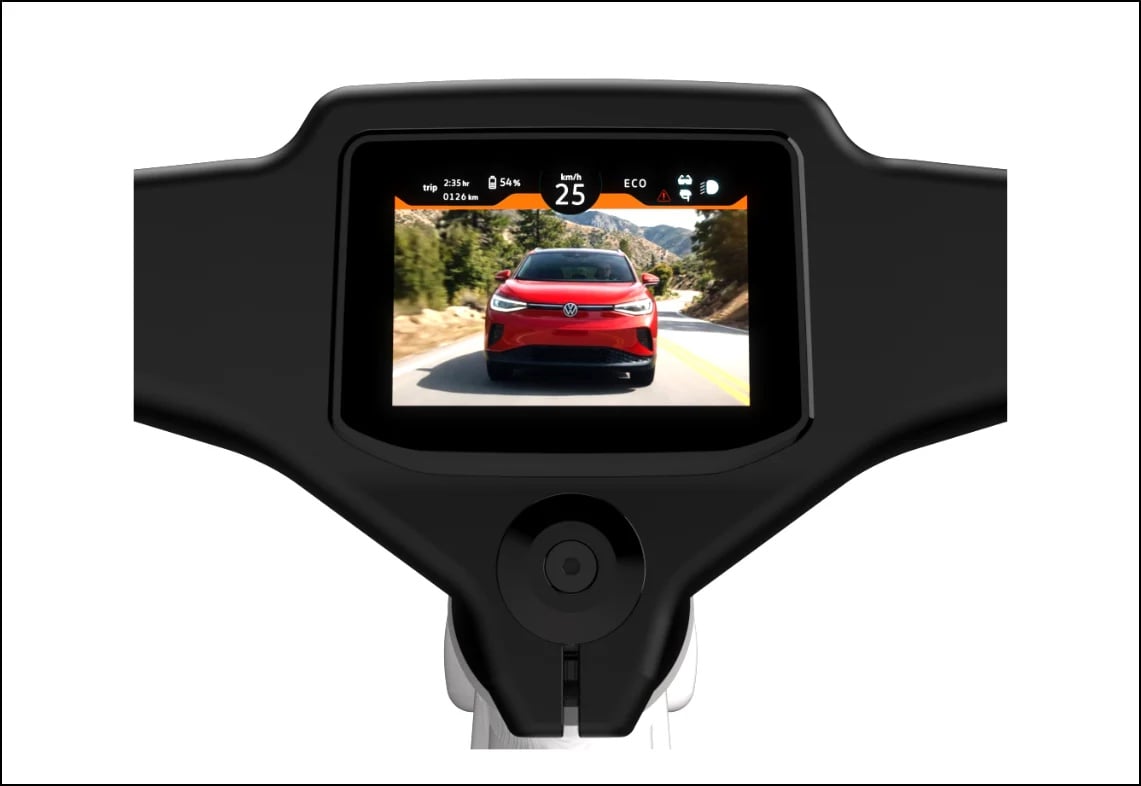
The bikes also feature an LED strip integrated into the frame’s top tube that acts as a high-visibility daytime running light. It glows red when the rider brakes and amber to signal a turn.
Beyond those standard features, Volkswagen and n+ are also offering some optional safety gear.
The first is a smart helmet that connects to the bike over Bluetooth and uses high-visibility LEDs that synched to the bike’s brake and turn signals. The helmet also includes a built-in accelerometer that can detect a possible crash and automatically send a text message to the rider’s emergency contacts.
And finally, riders can grab a pair of smart glasses with a heads-up display that puts navigation directions, blind-spot warnings, and other ride information directly within their field of vision.
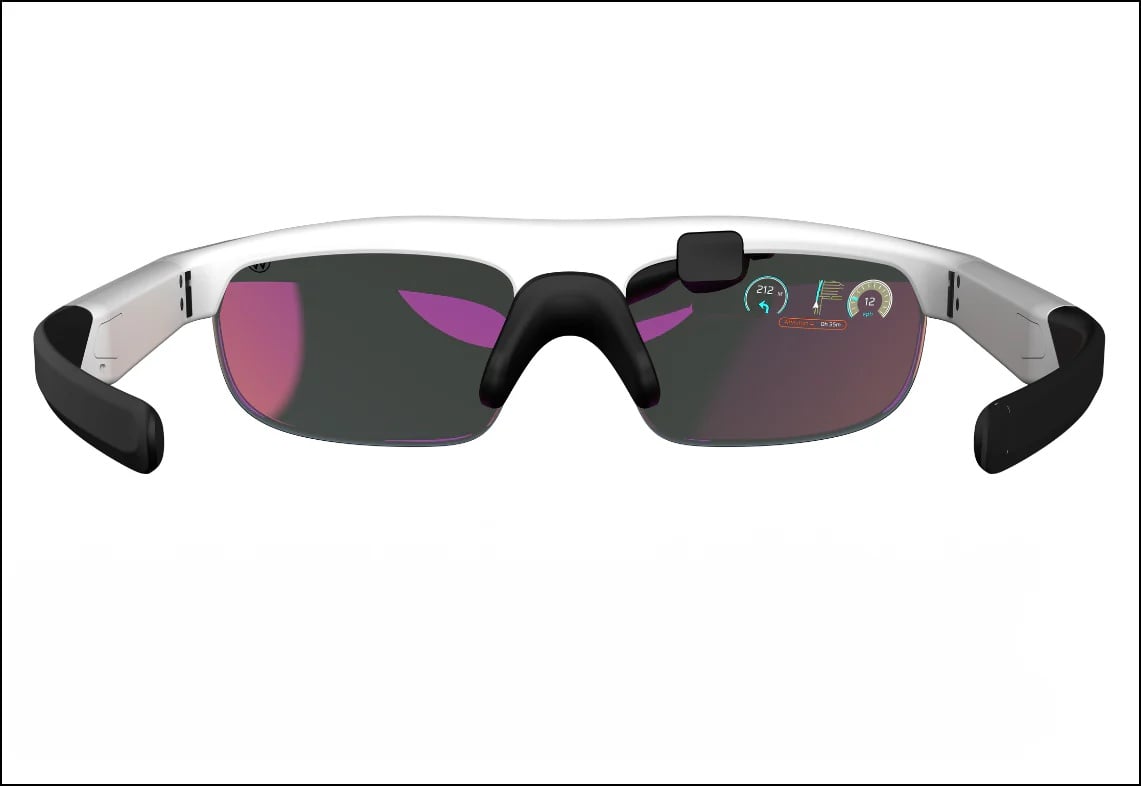
“[T]echnologies like these are most commonly known from the automotive world. Seeing them make their way onto an e-bike demonstrates how technologies can evolve and be adapted in meaningful ways,” said Peter Jost, CEO of Volkswagen Accessories, Lifestyle & Licenses, in a press release.
The smart e-bikes come in two models. The Sport model is designed with agility in mind, while the Crossover model is built for comfort and includes a rear cargo tray.
Both bikes offer pedal assistance up to 25 kilometers per hour (about 15.5 mph) and have a maximum estimated range of 160 kilometers (99 miles). The actual range will vary depending on factors like terrain, wind, tire pressure, and rider weight. Battery extenders are available for both models
The Sport model starts at $3,999, while the Crossover starts at $4,349. The optional smart helmet costs $399, and the smart glasses will set customers back another $499.
![Volkswagen Thinks Your E-Bike Needs a Pair of Smart Glasses
Volkswagen is bringing some high-tech car features to a new line of electric bikes, including an optional pair of smart glasses. The German automaker recently unveiled two premium Volkswagen-branded e-bikes developed by n+, a bike company that has previously partnered with Mercedes-AMG’s Formula 1 team. © Volkswagen The companies say the bikes were designed with the same “safety-first philosophy” as a modern passenger vehicle and come packed with tech more commonly found in cars like radar, a rearview camera, blind-spot alerts and turn signals. These e-bikes arrive as automakers and startups are showing growing interest in smaller and cheaper electric vehicles designed for shorter trips. But Volkswagen’s smart bikes are surprisingly loaded with more safety features than many of the alternatives.
The bikes’ main feature is the Smart View system, which pairs a rear-facing camera with a screen mounted between the bikes’ handlebars. It also uses radar to provide blind-spot alerts, helping riders to stay aware of approaching traffic without having to take their eyes off the road.
© Volkswagen The bikes also feature an LED strip integrated into the frame’s top tube that acts as a high-visibility daytime running light. It glows red when the rider brakes and amber to signal a turn. Beyond those standard features, Volkswagen and n+ are also offering some optional safety gear. The first is a smart helmet that connects to the bike over Bluetooth and uses high-visibility LEDs that synched to the bike’s brake and turn signals. The helmet also includes a built-in accelerometer that can detect a possible crash and automatically send a text message to the rider’s emergency contacts.
And finally, riders can grab a pair of smart glasses with a heads-up display that puts navigation directions, blind-spot warnings, and other ride information directly within their field of vision. © Volkswagen “[T]echnologies like these are most commonly known from the automotive world. Seeing them make their way onto an e-bike demonstrates how technologies can evolve and be adapted in meaningful ways,” said Peter Jost, CEO of Volkswagen Accessories, Lifestyle & Licenses, in a press release. The smart e-bikes come in two models. The Sport model is designed with agility in mind, while the Crossover model is built for comfort and includes a rear cargo tray. Both bikes offer pedal assistance up to 25 kilometers per hour (about 15.5 mph) and have a maximum estimated range of 160 kilometers (99 miles). The actual range will vary depending on factors like terrain, wind, tire pressure, and rider weight. Battery extenders are available for both models
The Sport model starts at ,999, while the Crossover starts at ,349. The optional smart helmet costs 9, and the smart glasses will set customers back another 9. #Volkswagen #Thinks #EBike #Pair #Smart #Glassese-bikes,smart glasses,Volkswagen](https://i1.wp.com/gizmodo.com/app/uploads/2026/07/volkswagen-smart-bike.jpeg?ssl=1 "Volkswagen Thinks Your E-Bike Needs a Pair of Smart Glasses
Volkswagen is bringing some high-tech car features to a new line of electric bikes, including an optional pair of smart glasses. The German automaker recently unveiled two premium Volkswagen-branded e-bikes developed by n+, a bike company that has previously partnered with Mercedes-AMG’s Formula 1 team. © Volkswagen The companies say the bikes were designed with the same “safety-first philosophy” as a modern passenger vehicle and come packed with tech more commonly found in cars like radar, a rearview camera, blind-spot alerts and turn signals. These e-bikes arrive as automakers and startups are showing growing interest in smaller and cheaper electric vehicles designed for shorter trips. But Volkswagen’s smart bikes are surprisingly loaded with more safety features than many of the alternatives.
The bikes’ main feature is the Smart View system, which pairs a rear-facing camera with a screen mounted between the bikes’ handlebars. It also uses radar to provide blind-spot alerts, helping riders to stay aware of approaching traffic without having to take their eyes off the road.
© Volkswagen The bikes also feature an LED strip integrated into the frame’s top tube that acts as a high-visibility daytime running light. It glows red when the rider brakes and amber to signal a turn. Beyond those standard features, Volkswagen and n+ are also offering some optional safety gear. The first is a smart helmet that connects to the bike over Bluetooth and uses high-visibility LEDs that synched to the bike’s brake and turn signals. The helmet also includes a built-in accelerometer that can detect a possible crash and automatically send a text message to the rider’s emergency contacts.
And finally, riders can grab a pair of smart glasses with a heads-up display that puts navigation directions, blind-spot warnings, and other ride information directly within their field of vision. © Volkswagen “[T]echnologies like these are most commonly known from the automotive world. Seeing them make their way onto an e-bike demonstrates how technologies can evolve and be adapted in meaningful ways,” said Peter Jost, CEO of Volkswagen Accessories, Lifestyle & Licenses, in a press release. The smart e-bikes come in two models. The Sport model is designed with agility in mind, while the Crossover model is built for comfort and includes a rear cargo tray. Both bikes offer pedal assistance up to 25 kilometers per hour (about 15.5 mph) and have a maximum estimated range of 160 kilometers (99 miles). The actual range will vary depending on factors like terrain, wind, tire pressure, and rider weight. Battery extenders are available for both models
The Sport model starts at ,999, while the Crossover starts at ,349. The optional smart helmet costs 9, and the smart glasses will set customers back another 9. #Volkswagen #Thinks #EBike #Pair #Smart #Glassese-bikes,smart glasses,Volkswagen")
The companies say the bikes were designed with the same “safety-first philosophy” as a modern passenger vehicle and come packed with tech more commonly found in cars like radar, a rearview camera, blind-spot alerts and turn signals.
These e-bikes arrive as automakers and startups are showing growing interest in smaller and cheaper electric vehicles designed for shorter trips. But Volkswagen’s smart bikes are surprisingly loaded with more safety features than many of the alternatives.
The bikes’ main feature is the Smart View system, which pairs a rear-facing camera with a screen mounted between the bikes’ handlebars. It also uses radar to provide blind-spot alerts, helping riders to stay aware of approaching traffic without having to take their eyes off the road.
The bikes also feature an LED strip integrated into the frame’s top tube that acts as a high-visibility daytime running light. It glows red when the rider brakes and amber to signal a turn.
Beyond those standard features, Volkswagen and n+ are also offering some optional safety gear.
The first is a smart helmet that connects to the bike over Bluetooth and uses high-visibility LEDs that synched to the bike’s brake and turn signals. The helmet also includes a built-in accelerometer that can detect a possible crash and automatically send a text message to the rider’s emergency contacts.
And finally, riders can grab a pair of smart glasses with a heads-up display that puts navigation directions, blind-spot warnings, and other ride information directly within their field of vision.
“[T]echnologies like these are most commonly known from the automotive world. Seeing them make their way onto an e-bike demonstrates how technologies can evolve and be adapted in meaningful ways,” said Peter Jost, CEO of Volkswagen Accessories, Lifestyle & Licenses, in a press release.
The smart e-bikes come in two models. The Sport model is designed with agility in mind, while the Crossover model is built for comfort and includes a rear cargo tray.
Both bikes offer pedal assistance up to 25 kilometers per hour (about 15.5 mph) and have a maximum estimated range of 160 kilometers (99 miles). The actual range will vary depending on factors like terrain, wind, tire pressure, and rider weight. Battery extenders are available for both models
The Sport model starts at $3,999, while the Crossover starts at $4,349. The optional smart helmet costs $399, and the smart glasses will set customers back another $499.
Volkswagen is bringing some high-tech car features to a new line of electric bikes, including an optional pair of smart glasses.
The German automaker recently unveiled two premium Volkswagen-branded e-bikes developed by n+, a bike company that has previously partnered with Mercedes-AMG’s Formula 1 team.
The companies say the bikes were designed with the same “safety-first philosophy” as a modern passenger vehicle and come packed with tech more commonly found in cars like radar, a rearview camera, blind-spot alerts and turn signals.
These e-bikes arrive as automakers and startups are showing growing interest in smaller and cheaper electric vehicles designed for shorter trips. But Volkswagen’s smart bikes are surprisingly loaded with more safety features than many of the alternatives.
The bikes’ main feature is the Smart View system, which pairs a rear-facing camera with a screen mounted between the bikes’ handlebars. It also uses radar to provide blind-spot alerts, helping riders to stay aware of approaching traffic without having to take their eyes off the road.
The bikes also feature an LED strip integrated into the frame’s top tube that acts as a high-visibility daytime running light. It glows red when the rider brakes and amber to signal a turn.
Beyond those standard features, Volkswagen and n+ are also offering some optional safety gear.
The first is a smart helmet that connects to the bike over Bluetooth and uses high-visibility LEDs that synched to the bike’s brake and turn signals. The helmet also includes a built-in accelerometer that can detect a possible crash and automatically send a text message to the rider’s emergency contacts.
And finally, riders can grab a pair of smart glasses with a heads-up display that puts navigation directions, blind-spot warnings, and other ride information directly within their field of vision.
“[T]echnologies like these are most commonly known from the automotive world. Seeing them make their way onto an e-bike demonstrates how technologies can evolve and be adapted in meaningful ways,” said Peter Jost, CEO of Volkswagen Accessories, Lifestyle & Licenses, in a press release.
The smart e-bikes come in two models. The Sport model is designed with agility in mind, while the Crossover model is built for comfort and includes a rear cargo tray.
Both bikes offer pedal assistance up to 25 kilometers per hour (about 15.5 mph) and have a maximum estimated range of 160 kilometers (99 miles). The actual range will vary depending on factors like terrain, wind, tire pressure, and rider weight. Battery extenders are available for both models
The Sport model starts at $3,999, while the Crossover starts at $4,349. The optional smart helmet costs $399, and the smart glasses will set customers back another $499.
Volkswagen is bringing some high-tech car features to a new line of electric bikes, including…
Sponsored Story Paul Wilmot Communications is looking for an ambitious and enthusiastic Junior Account Executive…
Kate Spade New York has appointed Jonathan Saunders as its new executive creative director, effective…
The Lord of the Rings: The Rings of Power introduced The Stranger, a mysterious man…