×
vivo T4 Lite Review: Best Phone Under 10K?

vivo T4 Lite Review: Best Phone Under 10K?

Most brands shy away from the sub-10k budget segment simply because the compromises needed to design a phone fit for purpose are pretty extensive. But after launching multiple T series phones this year, vivo has just come out with the all-new T4 Lite, which features a 90Hz display, the MediaTek Dimensity 6300 chip, and a 50MP Sony camera—all for just INR 9,999.

I had the opportunity to test out the vivo T4 Lite for a week. And in this review, I’ll share my experience of using the phone in everyday life, which should hopefully help you decide if it’s worth shelling out the money for.

vivo T4 Lite Review

Hisan Kidwai

Summary

At just INR 9,999, the vivo T4 Lite gets a lot of things right. You get a pretty design, a high-refresh-rate display, decent performance, and good daytime cameras.

Design & Hardware

When making a phone with such a tight budget, design isn’t the top priority, as there are many more important things to focus on. However, this isn’t the case with the T4 Lite, which, in the Titanium Gold color, looks pretty neat. The design is premium, and the way light shimmers on the back makes using the T4 Lite an eye-catcher in every way.

Plus, the positioning of the dual camera module mimics that of much more expensive vivo phones, which adds to the premium touch.

Image of the back design

Similarly, I quite liked the plastic sides since they are both good-looking and protect the device from drops. However, I would advise using the included case, as dropping the phone can scuff up the sides. The sides also house the fingerprint scanner, which works as expected, though not as fast as I’ve seen from other makers.

Display

Image of the display on the vivo t4 lite

The vivo T4 Lite features a 6.74-inch HD+ LCD panel with a 90Hz refresh rate. For the money, there isn’t much to complain about. The display is serviceable in almost every condition, reproduces good-looking colors, and makes for a decent media experience.

On the other hand, the outdoor visibility was somewhat less desirable, as the panel wasn’t entirely visible when exposed to direct sunlight. Nevertheless, if you just need the phone to work or study, it’s totally okay.

Performance

Image of a person using the device

vivo T4 Lite comes with MediaTek’s new Dimensity 6300 chipset, which features two high-performance Cortex-A76 cores clocked at up to 2.4 GHz and six power-efficient Cortex-A55 cores clocked at up to 2.0 GHz, along with the ARM Mali-G57 MC2 GPU. My unit also came with 8GB of LPDDR4X RAM and 128GB UFS 2.2 storage.

I recently reviewed the OPPO K13x, which includes the same processor, and performed pretty decently. Unfortunately, the vivo T4 Lite falls a bit short, as I’ve noticed hitches and lag in everyday tasks. There was a slight delay with almost every task, whether opening apps, navigating the UI, or taking pictures.

The 90Hz refresh rate also fluctuated sometimes, which became a major distraction. That said, it’s important to mention that the performance of the T4 Lite is not bad by any means.

Benchmarks & Gaming

image of a person gaming on the vivo t4 lite

To put the Dimensity 6300 through its paces, I also ran a series of benchmarks. In Geekbench, the device scored 899 in the single-core and 2344 in the multi-core tests. On the other hand, in AnTuTu, the phone scored 676777 points.

Coming to gaming, I played a bit of BGMI and CODM on the T4 Lite, and the experience was okayish. At Smooth and Ultra settings, the gameplay was not ideal, with dropped frames in high-intensity areas.

Battery Life & Charging

Image of a person taking a call

Battery life is the strongest point of the T4 Lite, all thanks to the massive 6,000 mAh cell. Paired with the mid-range processor, the device easily lasted two days on a single charge. To put this in perspective, the days included taking multiple camera samples, playing a few rounds of BGMI, and scrolling social media.

When it was finally time to recharge, the included fast charger took the battery from 20% to 80% in just around 90 minutes. A full charge can be done in 150 minutes.

Cameras

Image of a person taking a photo with the vivo t4 lite

In terms of optics, the T4 Lite houses a 50MP Sony IMX852 main camera sensor with an f/1.8 aperture. While you also get a 2MP bokeh lens, it is of little use and serves primarily an aesthetic purpose. The picture quality in daylight was pretty good. There were enough details, the colors looked accurate, and there was some HDR too. The portrait performance was also decent, with a natural depth of field and colors.

Unfortunately, the quality falls off a cliff at low light. The shots have a lot of grain, the sharpness is low, and the colors look washed out. That said, this phenomenon is present with every other budget phone and isn’t exclusive to the T4 Lite.

Like others, the video is limited to 1080p at 60fps, and the quality is usable in daytime scenarios. As usual, noise is everywhere in artificial and low-lighting scenarios, which hinders the output.

The selfie shooter, on the other hand, was pretty decent with natural colors and a good amount of sharpness. There’s a beauty filter pre-applied, but you can disable it pretty easily.

Should you buy the vivo T4 Lite?
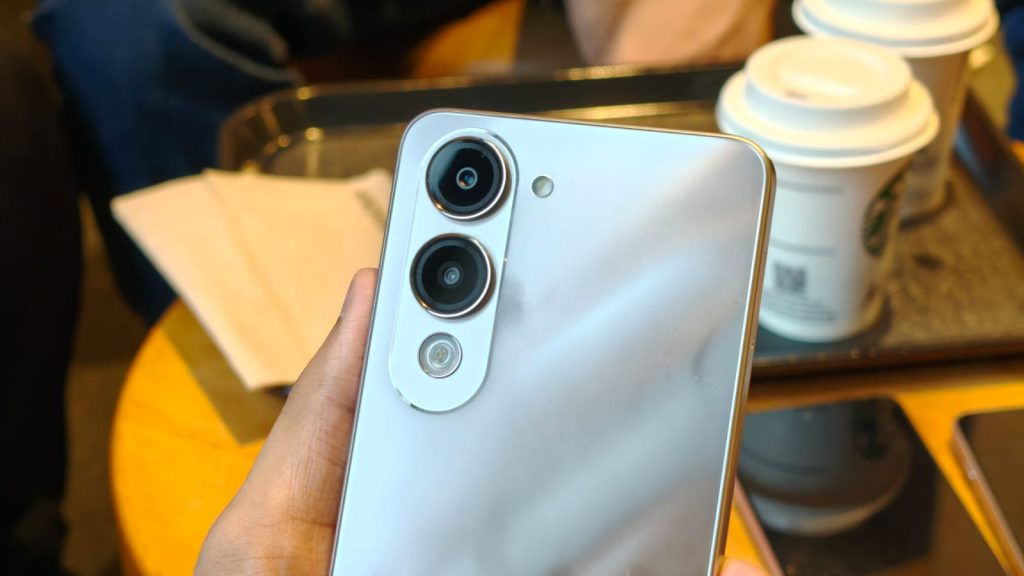
Image of the design of the phone

At INR 9,999, the vivo T4 Lite is one of the very budget phones from a big company under the 10K INR segment. And for the price, it gets a lot of things right, like a pretty design, a high-refresh-rate display, decent performance, and good daytime cameras.

Sure, there are some drawbacks too, like the performance hiccups. But if you aren’t coming from a much more expensive phone like mine, you won’t notice the performance dips at all. And that’s why the vivo T4 Lite gets a recommendation from my end.

Source link
#vivo #Lite #Review #Phone #10K


The Pixel Watch 4 proved Google could make a truly great Android smartwatch, so for this year’s Pixel Watch 5, the company apparently doesn’t plan to change much. According to a Google Play Console listing spotted by 9to5Google, the Pixel Watch 5 may end up using the exact same Qualcomm chip as the Pixel Watch 4, just with a smidge more RAM.

The listing specifically names a device called “google godric_btwifi” using a “Qualcomm SW5100” with a 4x ARM Cortex-A53 CPU and a Qualcomm Adreno 702. That suggests Google is using a chip in the same Snapdragon W5 family as it did on its smartwatches starting with the Pixel Watch 2. It may even be the exact same Snapdragon W5 Gen 2 chip as the Pixel Watch 4 if the yet-to-be-listed co-processor hasn’t been changed. That’s a notable difference from early leaks that suggested Google might introduce its own Tensor chip for the Pixel Watch 5.

One place the smartwatch could be different is memory: the listing shows the Pixel Watch 5 as having 3GB of RAM, a 1GB increase over the Pixel Watch 4. This might not change the day-to-day experience of using the smartwatch, but it could enable new Gemini Intelligence features Google has planned.

Combined with leaked renders of the Pixel Watch 5, which show the wearable as looking more or less like the Pixel Watch that came before it, Google’s new smartwatch seems like not much of an upgrade. It’ll reportedly be available in new “Dark Anthracite” (dark gray) and “Pyrite” (green) colors, and Google will likely introduce new bands, but nothing about what’s leaked so far suggests the watch will do anything different than it did before.

Google could still wow in the software department—for example, the company patented technology for measuring arterial stiffness that could show up on a future watch—but it’ll still have an uphill battle selling the smartwatch. Dealabs reported earlier this month that the Pixel Watch 5 will likely start at $400, $50 more than the Pixel Watch 4. That price might be harder to swallow if the watch also looks nearly identical to last year’s model.

Increasingly, it seems like the Pixel Watch story Google will be telling at its upcoming Made by Google event will be focused on software. That’s one of the company’s strengths, but it remains to be seen whether the Pixel Watch 5 will be worth the upgrade.

#Temper #Excitement #Pixel #WatchGoogle,Google Pixel,smart watch,Wearables">You Might Want to Temper Your Excitement for the Pixel Watch 5
                The Pixel Watch 4 proved Google could make a truly great Android smartwatch, so for this year’s Pixel Watch 5, the company apparently doesn’t plan to change much. According to a Google Play Console listing spotted by 9to5Google, the Pixel Watch 5 may end up using the exact same Qualcomm chip as the Pixel Watch 4, just with a smidge more RAM. The listing specifically names a device called “google godric_btwifi” using a “Qualcomm SW5100” with a 4x ARM Cortex-A53 CPU and a Qualcomm Adreno 702. That suggests Google is using a chip in the same Snapdragon W5 family as it did on its smartwatches starting with the Pixel Watch 2. It may even be the exact same Snapdragon W5 Gen 2 chip as the Pixel Watch 4 if the yet-to-be-listed co-processor hasn’t been changed. That’s a notable difference from early leaks that suggested Google might introduce its own Tensor chip for the Pixel Watch 5. One place the smartwatch could be different is memory: the listing shows the Pixel Watch 5 as having 3GB of RAM, a 1GB increase over the Pixel Watch 4. This might not change the day-to-day experience of using the smartwatch, but it could enable new Gemini Intelligence features Google has planned.

 Combined with leaked renders of the Pixel Watch 5, which show the wearable as looking more or less like the Pixel Watch that came before it, Google’s new smartwatch seems like not much of an upgrade. It’ll reportedly be available in new “Dark Anthracite” (dark gray) and “Pyrite” (green) colors, and Google will likely introduce new bands, but nothing about what’s leaked so far suggests the watch will do anything different than it did before.

 Google could still wow in the software department—for example, the company patented technology for measuring arterial stiffness that could show up on a future watch—but it’ll still have an uphill battle selling the smartwatch. Dealabs reported earlier this month that the Pixel Watch 5 will likely start at 0,  more than the Pixel Watch 4. That price might be harder to swallow if the watch also looks nearly identical to last year’s model. Increasingly, it seems like the Pixel Watch story Google will be telling at its upcoming Made by Google event will be focused on software. That’s one of the company’s strengths, but it remains to be seen whether the Pixel Watch 5 will be worth the upgrade.      #Temper #Excitement #Pixel #WatchGoogle,Google Pixel,smart watch,Wearables

Pixel Watch 4 proved Google could make a truly great Android smartwatch, so for this year’s Pixel Watch 5, the company apparently doesn’t plan to change much. According to a Google Play Console listing spotted by 9to5Google, the Pixel Watch 5 may end up using the exact same Qualcomm chip as the Pixel Watch 4, just with a smidge more RAM.

The listing specifically names a device called “google godric_btwifi” using a “Qualcomm SW5100” with a 4x ARM Cortex-A53 CPU and a Qualcomm Adreno 702. That suggests Google is using a chip in the same Snapdragon W5 family as it did on its smartwatches starting with the Pixel Watch 2. It may even be the exact same Snapdragon W5 Gen 2 chip as the Pixel Watch 4 if the yet-to-be-listed co-processor hasn’t been changed. That’s a notable difference from early leaks that suggested Google might introduce its own Tensor chip for the Pixel Watch 5.

One place the smartwatch could be different is memory: the listing shows the Pixel Watch 5 as having 3GB of RAM, a 1GB increase over the Pixel Watch 4. This might not change the day-to-day experience of using the smartwatch, but it could enable new Gemini Intelligence features Google has planned.

Combined with leaked renders of the Pixel Watch 5, which show the wearable as looking more or less like the Pixel Watch that came before it, Google’s new smartwatch seems like not much of an upgrade. It’ll reportedly be available in new “Dark Anthracite” (dark gray) and “Pyrite” (green) colors, and Google will likely introduce new bands, but nothing about what’s leaked so far suggests the watch will do anything different than it did before.

Google could still wow in the software department—for example, the company patented technology for measuring arterial stiffness that could show up on a future watch—but it’ll still have an uphill battle selling the smartwatch. Dealabs reported earlier this month that the Pixel Watch 5 will likely start at $400, $50 more than the Pixel Watch 4. That price might be harder to swallow if the watch also looks nearly identical to last year’s model.

Increasingly, it seems like the Pixel Watch story Google will be telling at its upcoming Made by Google event will be focused on software. That’s one of the company’s strengths, but it remains to be seen whether the Pixel Watch 5 will be worth the upgrade.

#Temper #Excitement #Pixel #WatchGoogle,Google Pixel,smart watch,Wearables">You Might Want to Temper Your Excitement for the Pixel Watch 5You Might Want to Temper Your Excitement for the Pixel Watch 5
                The Pixel Watch 4 proved Google could make a truly great Android smartwatch, so for this year’s Pixel Watch 5, the company apparently doesn’t plan to change much. According to a Google Play Console listing spotted by 9to5Google, the Pixel Watch 5 may end up using the exact same Qualcomm chip as the Pixel Watch 4, just with a smidge more RAM. The listing specifically names a device called “google godric_btwifi” using a “Qualcomm SW5100” with a 4x ARM Cortex-A53 CPU and a Qualcomm Adreno 702. That suggests Google is using a chip in the same Snapdragon W5 family as it did on its smartwatches starting with the Pixel Watch 2. It may even be the exact same Snapdragon W5 Gen 2 chip as the Pixel Watch 4 if the yet-to-be-listed co-processor hasn’t been changed. That’s a notable difference from early leaks that suggested Google might introduce its own Tensor chip for the Pixel Watch 5. One place the smartwatch could be different is memory: the listing shows the Pixel Watch 5 as having 3GB of RAM, a 1GB increase over the Pixel Watch 4. This might not change the day-to-day experience of using the smartwatch, but it could enable new Gemini Intelligence features Google has planned.

 Combined with leaked renders of the Pixel Watch 5, which show the wearable as looking more or less like the Pixel Watch that came before it, Google’s new smartwatch seems like not much of an upgrade. It’ll reportedly be available in new “Dark Anthracite” (dark gray) and “Pyrite” (green) colors, and Google will likely introduce new bands, but nothing about what’s leaked so far suggests the watch will do anything different than it did before.

 Google could still wow in the software department—for example, the company patented technology for measuring arterial stiffness that could show up on a future watch—but it’ll still have an uphill battle selling the smartwatch. Dealabs reported earlier this month that the Pixel Watch 5 will likely start at $400, $50 more than the Pixel Watch 4. That price might be harder to swallow if the watch also looks nearly identical to last year’s model. Increasingly, it seems like the Pixel Watch story Google will be telling at its upcoming Made by Google event will be focused on software. That’s one of the company’s strengths, but it remains to be seen whether the Pixel Watch 5 will be worth the upgrade.      #Temper #Excitement #Pixel #WatchGoogle,Google Pixel,smart watch,Wearables

The Pixel Watch 4 proved Google could make a truly great Android smartwatch, so for this year’s Pixel Watch 5, the company apparently doesn’t plan to change much. According to a Google Play Console listing spotted by 9to5Google, the Pixel Watch 5 may end up using the exact same Qualcomm chip as the Pixel Watch 4, just with a smidge more RAM.

The listing specifically names a device called “google godric_btwifi” using a “Qualcomm SW5100” with a 4x ARM Cortex-A53 CPU and a Qualcomm Adreno 702. That suggests Google is using a chip in the same Snapdragon W5 family as it did on its smartwatches starting with the Pixel Watch 2. It may even be the exact same Snapdragon W5 Gen 2 chip as the Pixel Watch 4 if the yet-to-be-listed co-processor hasn’t been changed. That’s a notable difference from early leaks that suggested Google might introduce its own Tensor chip for the Pixel Watch 5.

One place the smartwatch could be different is memory: the listing shows the Pixel Watch 5 as having 3GB of RAM, a 1GB increase over the Pixel Watch 4. This might not change the day-to-day experience of using the smartwatch, but it could enable new Gemini Intelligence features Google has planned.

Combined with leaked renders of the Pixel Watch 5, which show the wearable as looking more or less like the Pixel Watch that came before it, Google’s new smartwatch seems like not much of an upgrade. It’ll reportedly be available in new “Dark Anthracite” (dark gray) and “Pyrite” (green) colors, and Google will likely introduce new bands, but nothing about what’s leaked so far suggests the watch will do anything different than it did before.

Google could still wow in the software department—for example, the company patented technology for measuring arterial stiffness that could show up on a future watch—but it’ll still have an uphill battle selling the smartwatch. Dealabs reported earlier this month that the Pixel Watch 5 will likely start at $400, $50 more than the Pixel Watch 4. That price might be harder to swallow if the watch also looks nearly identical to last year’s model.

Increasingly, it seems like the Pixel Watch story Google will be telling at its upcoming Made by Google event will be focused on software. That’s one of the company’s strengths, but it remains to be seen whether the Pixel Watch 5 will be worth the upgrade.

#Temper #Excitement #Pixel #WatchGoogle,Google Pixel,smart watch,Wearables

The world could face the strongest El Niño since recordkeeping began, increasing the likelihood of extreme weather events and significant, long-term economic impacts globally.

A new analysis by Berkeley Earth climate scientist Zeke Hausfather paints a worrying picture of the climate phenomenon developing in the Pacific Ocean. Models have consistently forecast that this year’s El Niño—characterized by hotter than normal waters in the eastern tropical Pacific—could be among the strongest on records. Hausfather’s analysis using the El Niño forecast based on 14 climate models through July indicates that “this year’s El Niño is not only very likely to be the strongest event since reliable records began—it may end up the strongest by a truly mind-blowing margin.”

Climate researchers measure the strength of El Niño by looking at the temperatures in a region of the Pacific known as Niño 3.4, which covers the eastern and central part of the ocean basin. The new analysis relies on 667 simulations and compares them with historical records of the most intense El Niño events since 1877. It also disentangles El Niño’s intensity from the background warming driven by fossil fuels, making it easier to draw comparisons between super El Niños.

The model average shows that heat in the Niño 3.4 region could peak at 3.6 degrees Celsius (6.5 degrees Fahrenheit) above normal levels. This figure would exceed the previous record—set during the 2015-2016 El Niño episode—by approximately 0.8 degrees Celsius. It’s rare for records to fall by such a wide spread.

“For context, the gap between the strongest and the fifth strongest El Niño of the past 150 years is only about 0.5C. The models are forecasting something outside the envelope of anything we have ever observed,” Hausfather writes.

Of course, what happens in the tropical Pacific doesn’t stay in the tropical Pacific. El Niño rearranges the atmosphere, changing weather patterns around the world. The more intense the El Niño, the more intense the impacts (usually).

Record-breaking ocean heat in the Pacific combined with warming driven by carbon emissions could send the global temperature to new highs. But it takes a while for the extra heat released by El Niño to work its way through the vast climate system, meaning that next year is when we’ll see the full impact of this year’s Pacific heat wave on the global average temperature. According to his projections, global temperatures in 2027 could reach up to 1.7 degrees Celsius above the preindustrial average, well above the 1.5 degrees Celsius threshold that’s been dubbed a relatively safe level of global warming.

But the world won’t have to wait until 2027 to feel the heat of El Niño. A separate analysis by Carbon Brief shows that the odds are increasing for 2026 to set an annual heat record, with the likelihood up from 19 percent in April to 35 percent as of July. And the forecasters are expecting extreme weather associated with El Niño to impact various parts of the globe in the coming months. In fact, some impacts are already here: Fisheries in the eastern Pacific are seeing lower catches, with the Peruvian government setting up a ban for catching anchovies this spring.

Hausfather’s analysis also revealed that the phenomenon is developing faster than usual. According to the comparison, this year’s El Niño is intensifying more rapidly than the 1997-1998 event, another super El Niño. It also differs significantly from the 2015 event, which began when the ocean was already showing signs of prior warming—in other words, it had a running start. That’s particularly striking because this year began with La Niña, the cooler-than-normal cousin of El Niño, so it had a bit of work to do before it even got going.

#Niño #Track #Strongest #Recordclimate,environment,weather,el nino">The 2026 El Niño Is on Track to Be the Strongest on RecordThe world could face the strongest El Niño since recordkeeping began, increasing the likelihood of extreme weather events and significant, long-term economic impacts globally.A new analysis by Berkeley Earth climate scientist Zeke Hausfather paints a worrying picture of the climate phenomenon developing in the Pacific Ocean. Models have consistently forecast that this year’s El Niño—characterized by hotter than normal waters in the eastern tropical Pacific—could be among the strongest on records. Hausfather’s analysis using the El Niño forecast based on 14 climate models through July indicates that “this year’s El Niño is not only very likely to be the strongest event since reliable records began—it may end up the strongest by a truly mind-blowing margin.”Climate researchers measure the strength of El Niño by looking at the temperatures in a region of the Pacific known as Niño 3.4, which covers the eastern and central part of the ocean basin. The new analysis relies on 667 simulations and compares them with historical records of the most intense El Niño events since 1877. It also disentangles El Niño’s intensity from the background warming driven by fossil fuels, making it easier to draw comparisons between super El Niños.The model average shows that heat in the Niño 3.4 region could peak at 3.6 degrees Celsius (6.5 degrees Fahrenheit) above normal levels. This figure would exceed the previous record—set during the 2015-2016 El Niño episode—by approximately 0.8 degrees Celsius. It’s rare for records to fall by such a wide spread.“For context, the gap between the strongest and the fifth strongest El Niño of the past 150 years is only about 0.5C. The models are forecasting something outside the envelope of anything we have ever observed,” Hausfather writes.Of course, what happens in the tropical Pacific doesn’t stay in the tropical Pacific. El Niño rearranges the atmosphere, changing weather patterns around the world. The more intense the El Niño, the more intense the impacts (usually).Record-breaking ocean heat in the Pacific combined with warming driven by carbon emissions could send the global temperature to new highs. But it takes a while for the extra heat released by El Niño to work its way through the vast climate system, meaning that next year is when we’ll see the full impact of this year’s Pacific heat wave on the global average temperature. According to his projections, global temperatures in 2027 could reach up to 1.7 degrees Celsius above the preindustrial average, well above the 1.5 degrees Celsius threshold that’s been dubbed a relatively safe level of global warming.But the world won’t have to wait until 2027 to feel the heat of El Niño. A separate analysis by Carbon Brief shows that the odds are increasing for 2026 to set an annual heat record, with the likelihood up from 19 percent in April to 35 percent as of July. And the forecasters are expecting extreme weather associated with El Niño to impact various parts of the globe in the coming months. In fact, some impacts are already here: Fisheries in the eastern Pacific are seeing lower catches, with the Peruvian government setting up a ban for catching anchovies this spring.Hausfather’s analysis also revealed that the phenomenon is developing faster than usual. According to the comparison, this year’s El Niño is intensifying more rapidly than the 1997-1998 event, another super El Niño. It also differs significantly from the 2015 event, which began when the ocean was already showing signs of prior warming—in other words, it had a running start. That’s particularly striking because this year began with La Niña, the cooler-than-normal cousin of El Niño, so it had a bit of work to do before it even got going.#Niño #Track #Strongest #Recordclimate,environment,weather,el nino

strongest El Niño since recordkeeping began, increasing the likelihood of extreme weather events and significant, long-term economic impacts globally.

A new analysis by Berkeley Earth climate scientist Zeke Hausfather paints a worrying picture of the climate phenomenon developing in the Pacific Ocean. Models have consistently forecast that this year’s El Niño—characterized by hotter than normal waters in the eastern tropical Pacific—could be among the strongest on records. Hausfather’s analysis using the El Niño forecast based on 14 climate models through July indicates that “this year’s El Niño is not only very likely to be the strongest event since reliable records began—it may end up the strongest by a truly mind-blowing margin.”

Climate researchers measure the strength of El Niño by looking at the temperatures in a region of the Pacific known as Niño 3.4, which covers the eastern and central part of the ocean basin. The new analysis relies on 667 simulations and compares them with historical records of the most intense El Niño events since 1877. It also disentangles El Niño’s intensity from the background warming driven by fossil fuels, making it easier to draw comparisons between super El Niños.

The model average shows that heat in the Niño 3.4 region could peak at 3.6 degrees Celsius (6.5 degrees Fahrenheit) above normal levels. This figure would exceed the previous record—set during the 2015-2016 El Niño episode—by approximately 0.8 degrees Celsius. It’s rare for records to fall by such a wide spread.

“For context, the gap between the strongest and the fifth strongest El Niño of the past 150 years is only about 0.5C. The models are forecasting something outside the envelope of anything we have ever observed,” Hausfather writes.

Of course, what happens in the tropical Pacific doesn’t stay in the tropical Pacific. El Niño rearranges the atmosphere, changing weather patterns around the world. The more intense the El Niño, the more intense the impacts (usually).

Record-breaking ocean heat in the Pacific combined with warming driven by carbon emissions could send the global temperature to new highs. But it takes a while for the extra heat released by El Niño to work its way through the vast climate system, meaning that next year is when we’ll see the full impact of this year’s Pacific heat wave on the global average temperature. According to his projections, global temperatures in 2027 could reach up to 1.7 degrees Celsius above the preindustrial average, well above the 1.5 degrees Celsius threshold that’s been dubbed a relatively safe level of global warming.

But the world won’t have to wait until 2027 to feel the heat of El Niño. A separate analysis by Carbon Brief shows that the odds are increasing for 2026 to set an annual heat record, with the likelihood up from 19 percent in April to 35 percent as of July. And the forecasters are expecting extreme weather associated with El Niño to impact various parts of the globe in the coming months. In fact, some impacts are already here: Fisheries in the eastern Pacific are seeing lower catches, with the Peruvian government setting up a ban for catching anchovies this spring.

Hausfather’s analysis also revealed that the phenomenon is developing faster than usual. According to the comparison, this year’s El Niño is intensifying more rapidly than the 1997-1998 event, another super El Niño. It also differs significantly from the 2015 event, which began when the ocean was already showing signs of prior warming—in other words, it had a running start. That’s particularly striking because this year began with La Niña, the cooler-than-normal cousin of El Niño, so it had a bit of work to do before it even got going.

#Niño #Track #Strongest #Recordclimate,environment,weather,el nino">The 2026 El Niño Is on Track to Be the Strongest on Record

The world could face the strongest El Niño since recordkeeping began, increasing the likelihood of extreme weather events and significant, long-term economic impacts globally.

A new analysis by Berkeley Earth climate scientist Zeke Hausfather paints a worrying picture of the climate phenomenon developing in the Pacific Ocean. Models have consistently forecast that this year’s El Niño—characterized by hotter than normal waters in the eastern tropical Pacific—could be among the strongest on records. Hausfather’s analysis using the El Niño forecast based on 14 climate models through July indicates that “this year’s El Niño is not only very likely to be the strongest event since reliable records began—it may end up the strongest by a truly mind-blowing margin.”

Climate researchers measure the strength of El Niño by looking at the temperatures in a region of the Pacific known as Niño 3.4, which covers the eastern and central part of the ocean basin. The new analysis relies on 667 simulations and compares them with historical records of the most intense El Niño events since 1877. It also disentangles El Niño’s intensity from the background warming driven by fossil fuels, making it easier to draw comparisons between super El Niños.

The model average shows that heat in the Niño 3.4 region could peak at 3.6 degrees Celsius (6.5 degrees Fahrenheit) above normal levels. This figure would exceed the previous record—set during the 2015-2016 El Niño episode—by approximately 0.8 degrees Celsius. It’s rare for records to fall by such a wide spread.

“For context, the gap between the strongest and the fifth strongest El Niño of the past 150 years is only about 0.5C. The models are forecasting something outside the envelope of anything we have ever observed,” Hausfather writes.

Of course, what happens in the tropical Pacific doesn’t stay in the tropical Pacific. El Niño rearranges the atmosphere, changing weather patterns around the world. The more intense the El Niño, the more intense the impacts (usually).

Record-breaking ocean heat in the Pacific combined with warming driven by carbon emissions could send the global temperature to new highs. But it takes a while for the extra heat released by El Niño to work its way through the vast climate system, meaning that next year is when we’ll see the full impact of this year’s Pacific heat wave on the global average temperature. According to his projections, global temperatures in 2027 could reach up to 1.7 degrees Celsius above the preindustrial average, well above the 1.5 degrees Celsius threshold that’s been dubbed a relatively safe level of global warming.

But the world won’t have to wait until 2027 to feel the heat of El Niño. A separate analysis by Carbon Brief shows that the odds are increasing for 2026 to set an annual heat record, with the likelihood up from 19 percent in April to 35 percent as of July. And the forecasters are expecting extreme weather associated with El Niño to impact various parts of the globe in the coming months. In fact, some impacts are already here: Fisheries in the eastern Pacific are seeing lower catches, with the Peruvian government setting up a ban for catching anchovies this spring.

Hausfather’s analysis also revealed that the phenomenon is developing faster than usual. According to the comparison, this year’s El Niño is intensifying more rapidly than the 1997-1998 event, another super El Niño. It also differs significantly from the 2015 event, which began when the ocean was already showing signs of prior warming—in other words, it had a running start. That’s particularly striking because this year began with La Niña, the cooler-than-normal cousin of El Niño, so it had a bit of work to do before it even got going.

#Niño #Track #Strongest #Recordclimate,environment,weather,el nino

Post Comment