×
The ‘Silent Night, Deadly Night’ Remake Doesn’t Ring in the Holiday Cheer

The ‘Silent Night, Deadly Night’ Remake Doesn’t Ring in the Holiday Cheer

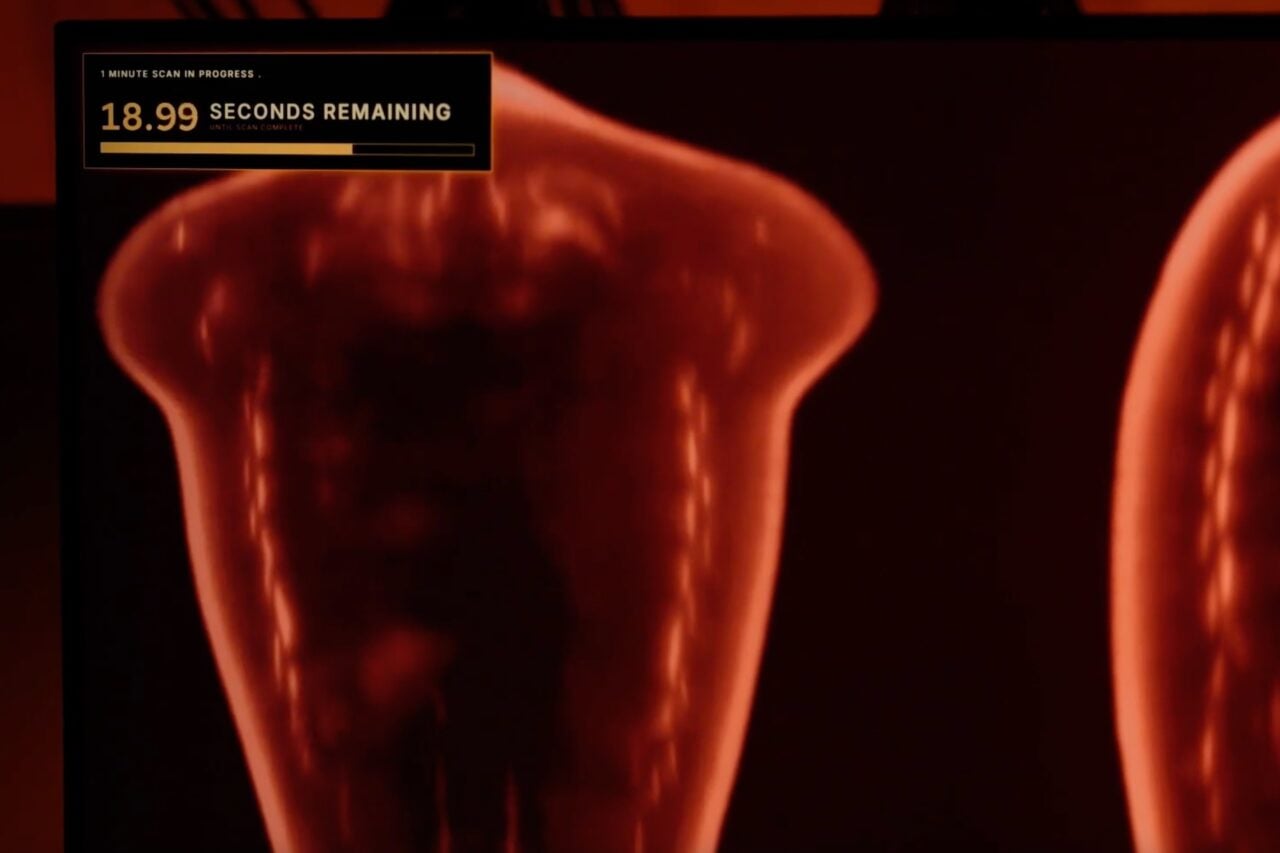
A serial killer dressed as Santa Claus hacks his way through a small Minnesota town. Along the way, he also falls in love with a local business owner. He’s evil; he should be the villain, but in Silent Night, Deadly Night, we’re forced to consider, maybe he’s not?

Written and directed by Mike P. Nelson, Silent Night, Deadly Night is a remake of the 1984 cult classic of the same name by Charles E. Sellier Jr. That film also followed a man dressed as Santa who thinks he’s killing for good, but, in this remake, things get even deeper, as the film paints its central character as a hero with a fatal flaw, instead of a psychopath. And in that balance is where the film loses its way.

Each Christmas, Billy (Rohan Campbell of Halloween Ends) puts on a Santa suit and kills one person every day leading up to the holiday. He’s done this for years, inspired in large part by the man who killed his parents in front of him as a child, who subsequently possessed him. Now, Billy lives with a killer inside him, who talks to him about life, love, murder, and more. On the run from his latest killing spree, Billy lands in a small town and becomes instantly infatuated with Pamela (Ruby Modine), who works in the local Christmas shop. The two strike up a friendship, then a romance, as Billy simultaneously begins killing the people around her.

While Billy’s motivations seem sinister at first, we quickly learn that he and his serial killer subconscious are choosing victims based on their past transgressions. They are sometimes just as naughty as he is. So, as the film goes forward, his axe murders are presented less as evil and more as stopping evil. The issue with that is the film is infinitely more interesting when Billy has to struggle with hiding his evil side. Watching a killer masquerade as a nice, normal guy gives the film some stakes and drama. Once it pulls the curtain back on his true motivations, all that goes away, and any kind of mystery or tension just becomes about killing.

And, with this being a horror movie, that should be okay. But Silent Night, Deadly Night never really wows us with its violence or gore. It’s just there. Billy sneaks around, kills someone, and goes back to his day. One scene does stand out as you actively root for Billy against a particular set of characters, but for the most part, the kills are kind of quick, easy, and frankly boring.

Which, unfortunately, becomes the tone of the whole film. The movie slogs on as Billy kills, tries to hide it from Pamela, and then slowly that changes, too. It coasts on the idea that seeing a person killing people as Santa Claus with an axe is enough, especially if there’s a very loose story around it with a hint of character motivation. But it’s not. It gets stale very quickly, especially since Campbell plays every facet of his character exactly the same. Modine brings life and likability to Pamela, which is welcome, but she is rarely given much to do. Things do get a little more interesting by the end as a large mystery gets wrapped in, but by that point, it’s hard to forgive everything that’s come before.

I’ve never seen the original Silent Night, Deadly Night (I know, I know), so it’s impossible for me to compare the two. What I can do is say this remake had a few good ideas in it, one or two decent scenes, but was much too familiar and monotonous to impress. If anything, it did make me want to finally watch the original, just to see how far away from center this had to go to be this disappointing.

Silent Night, Deadly Night had its world premiere at Fantastic Fest 2025. It’s coming to theaters on December 12.

Want more io9 news? Check out when to expect the latest Marvel, Star Wars, and Star Trek releases, what’s next for the DC Universe on film and TV, and everything you need to know about the future of Doctor Who.

Source link
#Silent #Night #Deadly #Night #Remake #Doesnt #Ring #Holiday #Cheer

F-series, bringing a strong focus on selfie photography, durability, and long battery life. The lineup includes the OPPO F33 5G and F33 Pro 5G, both of which feature a 50MP ultra-wide front camera, AI-powered editing tools, and a massive 7,000mAh battery, as well as high durability ratings. Here’s what you need to know about them.

Big Focus on Selfies and AI Photography

The highlight of the OPPO F33 series is its 50MP ultra-wide front camera with a 100° field of view, which aims to capture more people in a single frame without distortion. The Pro variant also introduces auto-switching to 0.6x zoom when multiple faces are detected, making group selfies more seamless. OPPO has also added a multicolored front fill light for better low-light selfies, along with features such as autofocus and electronic image stabilization.

On the rear, the phones feature a 50MP main camera paired with a depth sensor for portrait shots. The camera system is backed by a wide range of AI tools, including object removal, scene enhancement, portrait lighting, and more. We are currently putting all these claims to the test, so keep an eye on our review dropping pretty soon.

New Design and Performance

OPPO F33, F33 Pro Launch in India with IP69K Rating, Dimensity 6380 Max and 7,000 mAh Battery
	
OPPO has finally taken the covers off its popular F-series, bringing a strong focus on selfie photography, durability, and long battery life. The lineup includes the OPPO F33 5G and F33 Pro 5G, both of which feature a 50MP ultra-wide front camera, AI-powered editing tools, and a massive 7,000mAh battery, as well as high durability ratings. Here’s what you need to know about them. 


Big Focus on Selfies and AI Photography


The highlight of the OPPO F33 series is its 50MP ultra-wide front camera with a 100° field of view, which aims to capture more people in a single frame without distortion. The Pro variant also introduces auto-switching to 0.6x zoom when multiple faces are detected, making group selfies more seamless. OPPO has also added a multicolored front fill light for better low-light selfies, along with features such as autofocus and electronic image stabilization.


On the rear, the phones feature a 50MP main camera paired with a depth sensor for portrait shots. The camera system is backed by a wide range of AI tools, including object removal, scene enhancement, portrait lighting, and more. We are currently putting all these claims to the test, so keep an eye on our review dropping pretty soon. 


New Design and Performance


The OPPO F33 Pro 5G introduces a redesigned camera module called the Starry Sea Lens, giving the phone a more premium look. The devices also feature a one-piece unibody design with a mix of glossy and matte finishes. On the front, both models come with a 6.57-inch AMOLED display with a 120Hz refresh rate and high brightness levels.


Under the hood, both devices are powered by the MediaTek Dimensity 6360 MAX processor, paired with up to 12GB RAM. As always, durability is another highlight. The OPPO F33 series comes with IP69K, IP68, and IP66 ratings, offering protection against dust, water immersion, and even high-pressure water jets. The phones also feature a 360-degree armor body with aerospace-grade materials and shock-absorbing internals, along with military-grade certifications for harsh conditions


The F33 series runs on ColorOS 16, bringing AI features like document scanning, writing assistance, and system-wide optimizations. It also integrates Google Gemini for smart assistance across apps. Connectivity is another area OPPO is focusing on, with the F33 series being positioned as India’s first Jio-certified 5G++ smartphone. Battery life is handled by a 7,000mAh unit with 80W fast charging, which OPPO claims can fully charge the phone in around 69 minutes. 


Price and Availability


The OPPO F33 series will be available via Flipkart, Amazon, OPPO’s online store, and offline retail outlets.


OPPO F33 Pro 5G

8GB + 128GB: ₹37,999


8GB + 256GB: ₹40,999


OPPO F33 5G

6GB + 128GB: ₹31,999


8GB + 128GB: ₹34,999


8GB + 256GB: ₹37,999


The F33 Pro goes on sale from April 23, while the standard F33 will be available starting April 26.

#OPPO #F33 #F33 #Pro #Launch #India #IP69K #Rating #Dimensity #Max #mAh #BatteryOppo

The OPPO F33 Pro 5G introduces a redesigned camera module called the Starry Sea Lens, giving the phone a more premium look. The devices also feature a one-piece unibody design with a mix of glossy and matte finishes. On the front, both models come with a 6.57-inch AMOLED display with a 120Hz refresh rate and high brightness levels.

Under the hood, both devices are powered by the MediaTek Dimensity 6360 MAX processor, paired with up to 12GB RAM. As always, durability is another highlight. The OPPO F33 series comes with IP69K, IP68, and IP66 ratings, offering protection against dust, water immersion, and even high-pressure water jets. The phones also feature a 360-degree armor body with aerospace-grade materials and shock-absorbing internals, along with military-grade certifications for harsh conditions

The F33 series runs on ColorOS 16, bringing AI features like document scanning, writing assistance, and system-wide optimizations. It also integrates Google Gemini for smart assistance across apps. Connectivity is another area OPPO is focusing on, with the F33 series being positioned as India’s first Jio-certified 5G++ smartphone. Battery life is handled by a 7,000mAh unit with 80W fast charging, which OPPO claims can fully charge the phone in around 69 minutes.

Price and Availability

F33 price

The OPPO F33 series will be available via Flipkart, Amazon, OPPO’s online store, and offline retail outlets.

  1. OPPO F33 Pro 5G
    • 8GB + 128GB: ₹37,999
    • 8GB + 256GB: ₹40,999
  2. OPPO F33 5G
    • 6GB + 128GB: ₹31,999
    • 8GB + 128GB: ₹34,999
    • 8GB + 256GB: ₹37,999

The F33 Pro goes on sale from April 23, while the standard F33 will be available starting April 26.

#OPPO #F33 #F33 #Pro #Launch #India #IP69K #Rating #Dimensity #Max #mAh #BatteryOppo">OPPO F33, F33 Pro Launch in India with IP69K Rating, Dimensity 6380 Max and 7,000 mAh Battery
	
OPPO has finally taken the covers off its popular F-series, bringing a strong focus on selfie photography, durability, and long battery life. The lineup includes the OPPO F33 5G and F33 Pro 5G, both of which feature a 50MP ultra-wide front camera, AI-powered editing tools, and a massive 7,000mAh battery, as well as high durability ratings. Here’s what you need to know about them. 


Big Focus on Selfies and AI Photography


The highlight of the OPPO F33 series is its 50MP ultra-wide front camera with a 100° field of view, which aims to capture more people in a single frame without distortion. The Pro variant also introduces auto-switching to 0.6x zoom when multiple faces are detected, making group selfies more seamless. OPPO has also added a multicolored front fill light for better low-light selfies, along with features such as autofocus and electronic image stabilization.


On the rear, the phones feature a 50MP main camera paired with a depth sensor for portrait shots. The camera system is backed by a wide range of AI tools, including object removal, scene enhancement, portrait lighting, and more. We are currently putting all these claims to the test, so keep an eye on our review dropping pretty soon. 


New Design and Performance


The OPPO F33 Pro 5G introduces a redesigned camera module called the Starry Sea Lens, giving the phone a more premium look. The devices also feature a one-piece unibody design with a mix of glossy and matte finishes. On the front, both models come with a 6.57-inch AMOLED display with a 120Hz refresh rate and high brightness levels.


Under the hood, both devices are powered by the MediaTek Dimensity 6360 MAX processor, paired with up to 12GB RAM. As always, durability is another highlight. The OPPO F33 series comes with IP69K, IP68, and IP66 ratings, offering protection against dust, water immersion, and even high-pressure water jets. The phones also feature a 360-degree armor body with aerospace-grade materials and shock-absorbing internals, along with military-grade certifications for harsh conditions


The F33 series runs on ColorOS 16, bringing AI features like document scanning, writing assistance, and system-wide optimizations. It also integrates Google Gemini for smart assistance across apps. Connectivity is another area OPPO is focusing on, with the F33 series being positioned as India’s first Jio-certified 5G++ smartphone. Battery life is handled by a 7,000mAh unit with 80W fast charging, which OPPO claims can fully charge the phone in around 69 minutes. 


Price and Availability


The OPPO F33 series will be available via Flipkart, Amazon, OPPO’s online store, and offline retail outlets.


OPPO F33 Pro 5G

8GB + 128GB: ₹37,999


8GB + 256GB: ₹40,999


OPPO F33 5G

6GB + 128GB: ₹31,999


8GB + 128GB: ₹34,999


8GB + 256GB: ₹37,999


The F33 Pro goes on sale from April 23, while the standard F33 will be available starting April 26.

#OPPO #F33 #F33 #Pro #Launch #India #IP69K #Rating #Dimensity #Max #mAh #BatteryOppo

, bringing a strong focus on selfie photography, durability, and long battery life. The lineup includes the OPPO F33 5G and F33 Pro 5G, both of which feature a 50MP ultra-wide front camera, AI-powered editing tools, and a massive 7,000mAh battery, as well as high durability ratings. Here’s what you need to know about them.

Big Focus on Selfies and AI Photography

The highlight of the OPPO F33 series is its 50MP ultra-wide front camera with a 100° field of view, which aims to capture more people in a single frame without distortion. The Pro variant also introduces auto-switching to 0.6x zoom when multiple faces are detected, making group selfies more seamless. OPPO has also added a multicolored front fill light for better low-light selfies, along with features such as autofocus and electronic image stabilization.

On the rear, the phones feature a 50MP main camera paired with a depth sensor for portrait shots. The camera system is backed by a wide range of AI tools, including object removal, scene enhancement, portrait lighting, and more. We are currently putting all these claims to the test, so keep an eye on our review dropping pretty soon.

New Design and Performance

OPPO F33, F33 Pro Launch in India with IP69K Rating, Dimensity 6380 Max and 7,000 mAh Battery
	
OPPO has finally taken the covers off its popular F-series, bringing a strong focus on selfie photography, durability, and long battery life. The lineup includes the OPPO F33 5G and F33 Pro 5G, both of which feature a 50MP ultra-wide front camera, AI-powered editing tools, and a massive 7,000mAh battery, as well as high durability ratings. Here’s what you need to know about them. 


Big Focus on Selfies and AI Photography


The highlight of the OPPO F33 series is its 50MP ultra-wide front camera with a 100° field of view, which aims to capture more people in a single frame without distortion. The Pro variant also introduces auto-switching to 0.6x zoom when multiple faces are detected, making group selfies more seamless. OPPO has also added a multicolored front fill light for better low-light selfies, along with features such as autofocus and electronic image stabilization.


On the rear, the phones feature a 50MP main camera paired with a depth sensor for portrait shots. The camera system is backed by a wide range of AI tools, including object removal, scene enhancement, portrait lighting, and more. We are currently putting all these claims to the test, so keep an eye on our review dropping pretty soon. 


New Design and Performance


The OPPO F33 Pro 5G introduces a redesigned camera module called the Starry Sea Lens, giving the phone a more premium look. The devices also feature a one-piece unibody design with a mix of glossy and matte finishes. On the front, both models come with a 6.57-inch AMOLED display with a 120Hz refresh rate and high brightness levels.


Under the hood, both devices are powered by the MediaTek Dimensity 6360 MAX processor, paired with up to 12GB RAM. As always, durability is another highlight. The OPPO F33 series comes with IP69K, IP68, and IP66 ratings, offering protection against dust, water immersion, and even high-pressure water jets. The phones also feature a 360-degree armor body with aerospace-grade materials and shock-absorbing internals, along with military-grade certifications for harsh conditions


The F33 series runs on ColorOS 16, bringing AI features like document scanning, writing assistance, and system-wide optimizations. It also integrates Google Gemini for smart assistance across apps. Connectivity is another area OPPO is focusing on, with the F33 series being positioned as India’s first Jio-certified 5G++ smartphone. Battery life is handled by a 7,000mAh unit with 80W fast charging, which OPPO claims can fully charge the phone in around 69 minutes. 


Price and Availability


The OPPO F33 series will be available via Flipkart, Amazon, OPPO’s online store, and offline retail outlets.


OPPO F33 Pro 5G

8GB + 128GB: ₹37,999


8GB + 256GB: ₹40,999


OPPO F33 5G

6GB + 128GB: ₹31,999


8GB + 128GB: ₹34,999


8GB + 256GB: ₹37,999


The F33 Pro goes on sale from April 23, while the standard F33 will be available starting April 26.

#OPPO #F33 #F33 #Pro #Launch #India #IP69K #Rating #Dimensity #Max #mAh #BatteryOppo

The OPPO F33 Pro 5G introduces a redesigned camera module called the Starry Sea Lens, giving the phone a more premium look. The devices also feature a one-piece unibody design with a mix of glossy and matte finishes. On the front, both models come with a 6.57-inch AMOLED display with a 120Hz refresh rate and high brightness levels.

Under the hood, both devices are powered by the MediaTek Dimensity 6360 MAX processor, paired with up to 12GB RAM. As always, durability is another highlight. The OPPO F33 series comes with IP69K, IP68, and IP66 ratings, offering protection against dust, water immersion, and even high-pressure water jets. The phones also feature a 360-degree armor body with aerospace-grade materials and shock-absorbing internals, along with military-grade certifications for harsh conditions

The F33 series runs on ColorOS 16, bringing AI features like document scanning, writing assistance, and system-wide optimizations. It also integrates Google Gemini for smart assistance across apps. Connectivity is another area OPPO is focusing on, with the F33 series being positioned as India’s first Jio-certified 5G++ smartphone. Battery life is handled by a 7,000mAh unit with 80W fast charging, which OPPO claims can fully charge the phone in around 69 minutes.

Price and Availability

F33 price

The OPPO F33 series will be available via Flipkart, Amazon, OPPO’s online store, and offline retail outlets.

  1. OPPO F33 Pro 5G
    • 8GB + 128GB: ₹37,999
    • 8GB + 256GB: ₹40,999
  2. OPPO F33 5G
    • 6GB + 128GB: ₹31,999
    • 8GB + 128GB: ₹34,999
    • 8GB + 256GB: ₹37,999

The F33 Pro goes on sale from April 23, while the standard F33 will be available starting April 26.

#OPPO #F33 #F33 #Pro #Launch #India #IP69K #Rating #Dimensity #Max #mAh #BatteryOppo">OPPO F33, F33 Pro Launch in India with IP69K Rating, Dimensity 6380 Max and 7,000 mAh Battery

OPPO has finally taken the covers off its popular F-series, bringing a strong focus on selfie photography, durability, and long battery life. The lineup includes the OPPO F33 5G and F33 Pro 5G, both of which feature a 50MP ultra-wide front camera, AI-powered editing tools, and a massive 7,000mAh battery, as well as high durability ratings. Here’s what you need to know about them.

Big Focus on Selfies and AI Photography

The highlight of the OPPO F33 series is its 50MP ultra-wide front camera with a 100° field of view, which aims to capture more people in a single frame without distortion. The Pro variant also introduces auto-switching to 0.6x zoom when multiple faces are detected, making group selfies more seamless. OPPO has also added a multicolored front fill light for better low-light selfies, along with features such as autofocus and electronic image stabilization.

On the rear, the phones feature a 50MP main camera paired with a depth sensor for portrait shots. The camera system is backed by a wide range of AI tools, including object removal, scene enhancement, portrait lighting, and more. We are currently putting all these claims to the test, so keep an eye on our review dropping pretty soon.

New Design and Performance

OPPO F33, F33 Pro Launch in India with IP69K Rating, Dimensity 6380 Max and 7,000 mAh Battery
	
OPPO has finally taken the covers off its popular F-series, bringing a strong focus on selfie photography, durability, and long battery life. The lineup includes the OPPO F33 5G and F33 Pro 5G, both of which feature a 50MP ultra-wide front camera, AI-powered editing tools, and a massive 7,000mAh battery, as well as high durability ratings. Here’s what you need to know about them. 


Big Focus on Selfies and AI Photography


The highlight of the OPPO F33 series is its 50MP ultra-wide front camera with a 100° field of view, which aims to capture more people in a single frame without distortion. The Pro variant also introduces auto-switching to 0.6x zoom when multiple faces are detected, making group selfies more seamless. OPPO has also added a multicolored front fill light for better low-light selfies, along with features such as autofocus and electronic image stabilization.


On the rear, the phones feature a 50MP main camera paired with a depth sensor for portrait shots. The camera system is backed by a wide range of AI tools, including object removal, scene enhancement, portrait lighting, and more. We are currently putting all these claims to the test, so keep an eye on our review dropping pretty soon. 


New Design and Performance


The OPPO F33 Pro 5G introduces a redesigned camera module called the Starry Sea Lens, giving the phone a more premium look. The devices also feature a one-piece unibody design with a mix of glossy and matte finishes. On the front, both models come with a 6.57-inch AMOLED display with a 120Hz refresh rate and high brightness levels.


Under the hood, both devices are powered by the MediaTek Dimensity 6360 MAX processor, paired with up to 12GB RAM. As always, durability is another highlight. The OPPO F33 series comes with IP69K, IP68, and IP66 ratings, offering protection against dust, water immersion, and even high-pressure water jets. The phones also feature a 360-degree armor body with aerospace-grade materials and shock-absorbing internals, along with military-grade certifications for harsh conditions


The F33 series runs on ColorOS 16, bringing AI features like document scanning, writing assistance, and system-wide optimizations. It also integrates Google Gemini for smart assistance across apps. Connectivity is another area OPPO is focusing on, with the F33 series being positioned as India’s first Jio-certified 5G++ smartphone. Battery life is handled by a 7,000mAh unit with 80W fast charging, which OPPO claims can fully charge the phone in around 69 minutes. 


Price and Availability


The OPPO F33 series will be available via Flipkart, Amazon, OPPO’s online store, and offline retail outlets.


OPPO F33 Pro 5G

8GB + 128GB: ₹37,999


8GB + 256GB: ₹40,999


OPPO F33 5G

6GB + 128GB: ₹31,999


8GB + 128GB: ₹34,999


8GB + 256GB: ₹37,999


The F33 Pro goes on sale from April 23, while the standard F33 will be available starting April 26.

#OPPO #F33 #F33 #Pro #Launch #India #IP69K #Rating #Dimensity #Max #mAh #BatteryOppo

The OPPO F33 Pro 5G introduces a redesigned camera module called the Starry Sea Lens, giving the phone a more premium look. The devices also feature a one-piece unibody design with a mix of glossy and matte finishes. On the front, both models come with a 6.57-inch AMOLED display with a 120Hz refresh rate and high brightness levels.

Under the hood, both devices are powered by the MediaTek Dimensity 6360 MAX processor, paired with up to 12GB RAM. As always, durability is another highlight. The OPPO F33 series comes with IP69K, IP68, and IP66 ratings, offering protection against dust, water immersion, and even high-pressure water jets. The phones also feature a 360-degree armor body with aerospace-grade materials and shock-absorbing internals, along with military-grade certifications for harsh conditions

The F33 series runs on ColorOS 16, bringing AI features like document scanning, writing assistance, and system-wide optimizations. It also integrates Google Gemini for smart assistance across apps. Connectivity is another area OPPO is focusing on, with the F33 series being positioned as India’s first Jio-certified 5G++ smartphone. Battery life is handled by a 7,000mAh unit with 80W fast charging, which OPPO claims can fully charge the phone in around 69 minutes.

Price and Availability

F33 price

The OPPO F33 series will be available via Flipkart, Amazon, OPPO’s online store, and offline retail outlets.

  1. OPPO F33 Pro 5G
    • 8GB + 128GB: ₹37,999
    • 8GB + 256GB: ₹40,999
  2. OPPO F33 5G
    • 6GB + 128GB: ₹31,999
    • 8GB + 128GB: ₹34,999
    • 8GB + 256GB: ₹37,999

The F33 Pro goes on sale from April 23, while the standard F33 will be available starting April 26.

#OPPO #F33 #F33 #Pro #Launch #India #IP69K #Rating #Dimensity #Max #mAh #BatteryOppo
four astronauts returned from their trip around the Moon, a crew of tiny space travelers were already on the move. Scientists sent microscopic worms to the International Space Station (ISS) as part of the same broader effort to extend human presence deeper into space.

The space-faring worms arrived at the space station on Monday aboard Northrop Grumman’s Cygnus XL spacecraft. The uncrewed spacecraft delivered about 11,000 pounds (4,990 kilograms) of science equipment and supplies to the ISS, including a miniature space laboratory with the wriggly inhabitants inside.

The scientists behind the experiment are hoping these small creatures will help better inform them on human health during long duration space travel.

Space worms

The experiment, led by the University of Exeter in England, is designed to study how living organisms respond to the harsh space environment. “It might sound surprising, but these tiny worms could play a big role in the future of human spaceflight,” U.K. Space Minister Liz Lloyd said in a statement.

The worms are called C. elegans nematode worms, a tiny roundworm that measures around 1 millimeter in length. Because of its transparent body, researchers can watch its cells develop under a microscope. The roundworm is also fast-growing and genetically tractable, making it an ideal candidate for biological research.

The worms are placed inside a miniature lab called the Petri Pod. The self-contained experiment is housed in a unit that measures approximately 4 x 11 inches (10 x 30 centimeters) and weighs around 6 pounds (3 kilograms).

A Crew of Worms on the ISS Aims to Help Scientists Unlock the Secrets of Space Travel
                Shortly after four astronauts returned from their trip around the Moon, a crew of tiny space travelers were already on the move. Scientists sent microscopic worms to the International Space Station (ISS) as part of the same broader effort to extend human presence deeper into space. The space-faring worms arrived at the space station on Monday aboard Northrop Grumman’s Cygnus XL spacecraft. The uncrewed spacecraft delivered about 11,000 pounds (4,990 kilograms) of science equipment and supplies to the ISS, including a miniature space laboratory with the wriggly inhabitants inside.

 The scientists behind the experiment are hoping these small creatures will help better inform them on human health during long duration space travel. Space worms The experiment, led by the University of Exeter in England, is designed to study how living organisms respond to the harsh space environment. “It might sound surprising, but these tiny worms could play a big role in the future of human spaceflight,” U.K. Space Minister Liz Lloyd said in a statement. The worms are called C. elegans nematode worms, a tiny roundworm that measures around 1 millimeter in length. Because of its transparent body, researchers can watch its cells develop under a microscope. The roundworm is also fast-growing and genetically tractable, making it an ideal candidate for biological research.

 The worms are placed inside a miniature lab called the Petri Pod. The self-contained experiment is housed in a unit that measures approximately 4 x 11 inches (10 x 30 centimeters) and weighs around 6 pounds (3 kilograms). The Petri Pod provides a miniaturized life support system. Credit: University of Exeter The unit has 12 chambers, four of which can be actively imaged using fluorescent and white light. Each chamber provides a miniaturized life support environment for the worms, maintaining temperature, pressure and a trapped volume of air for them to breathe when exposed to the vacuum of space. They will also receive a supply of food through an agar carrier.

 Miniature mission The worms will spend some time inside the space station before being mounted on the outside of the ISS. From there, the small creatures will spend around 15 weeks inside their miniaturized environment while being exposed to zero-gravity and radiation of outer space. Throughout that time, the researchers will monitor the worms’ health, using miniaturized cameras to capture stills and time-lapse videos. The experiment will collect data on temperature, pressure, and accumulated dose of radiation experienced by the worms, and send the data back to Earth.

 “NASA’s Artemis programme marks a new era of human exploration, with astronauts set to live and work on the Moon for extended periods for the first time. To do that safely, we need to understand how the body responds to the extreme conditions of deep space,” Tim Etheridge, a researcher at the University of Exeter Medical School, said in a statement. “By studying how these worms survive and adapt in space, we can begin to identify the biological mechanisms that will ultimately help protect astronauts during long-duration missions – and bring us one step closer to humans living on the Moon.”      #Crew #Worms #ISS #Aims #Scientists #Unlock #Secrets #Space #Travelinternational space station,Worms
The Petri Pod provides a miniaturized life support system. Credit: University of Exeter

The unit has 12 chambers, four of which can be actively imaged using fluorescent and white light. Each chamber provides a miniaturized life support environment for the worms, maintaining temperature, pressure and a trapped volume of air for them to breathe when exposed to the vacuum of space. They will also receive a supply of food through an agar carrier.

Miniature mission

The worms will spend some time inside the space station before being mounted on the outside of the ISS. From there, the small creatures will spend around 15 weeks inside their miniaturized environment while being exposed to zero-gravity and radiation of outer space.

Throughout that time, the researchers will monitor the worms’ health, using miniaturized cameras to capture stills and time-lapse videos. The experiment will collect data on temperature, pressure, and accumulated dose of radiation experienced by the worms, and send the data back to Earth.

“NASA’s Artemis programme marks a new era of human exploration, with astronauts set to live and work on the Moon for extended periods for the first time. To do that safely, we need to understand how the body responds to the extreme conditions of deep space,” Tim Etheridge, a researcher at the University of Exeter Medical School, said in a statement. “By studying how these worms survive and adapt in space, we can begin to identify the biological mechanisms that will ultimately help protect astronauts during long-duration missions – and bring us one step closer to humans living on the Moon.”

#Crew #Worms #ISS #Aims #Scientists #Unlock #Secrets #Space #Travelinternational space station,Worms">A Crew of Worms on the ISS Aims to Help Scientists Unlock the Secrets of Space Travel
                Shortly after four astronauts returned from their trip around the Moon, a crew of tiny space travelers were already on the move. Scientists sent microscopic worms to the International Space Station (ISS) as part of the same broader effort to extend human presence deeper into space. The space-faring worms arrived at the space station on Monday aboard Northrop Grumman’s Cygnus XL spacecraft. The uncrewed spacecraft delivered about 11,000 pounds (4,990 kilograms) of science equipment and supplies to the ISS, including a miniature space laboratory with the wriggly inhabitants inside.

 The scientists behind the experiment are hoping these small creatures will help better inform them on human health during long duration space travel. Space worms The experiment, led by the University of Exeter in England, is designed to study how living organisms respond to the harsh space environment. “It might sound surprising, but these tiny worms could play a big role in the future of human spaceflight,” U.K. Space Minister Liz Lloyd said in a statement. The worms are called C. elegans nematode worms, a tiny roundworm that measures around 1 millimeter in length. Because of its transparent body, researchers can watch its cells develop under a microscope. The roundworm is also fast-growing and genetically tractable, making it an ideal candidate for biological research.

 The worms are placed inside a miniature lab called the Petri Pod. The self-contained experiment is housed in a unit that measures approximately 4 x 11 inches (10 x 30 centimeters) and weighs around 6 pounds (3 kilograms). The Petri Pod provides a miniaturized life support system. Credit: University of Exeter The unit has 12 chambers, four of which can be actively imaged using fluorescent and white light. Each chamber provides a miniaturized life support environment for the worms, maintaining temperature, pressure and a trapped volume of air for them to breathe when exposed to the vacuum of space. They will also receive a supply of food through an agar carrier.

 Miniature mission The worms will spend some time inside the space station before being mounted on the outside of the ISS. From there, the small creatures will spend around 15 weeks inside their miniaturized environment while being exposed to zero-gravity and radiation of outer space. Throughout that time, the researchers will monitor the worms’ health, using miniaturized cameras to capture stills and time-lapse videos. The experiment will collect data on temperature, pressure, and accumulated dose of radiation experienced by the worms, and send the data back to Earth.

 “NASA’s Artemis programme marks a new era of human exploration, with astronauts set to live and work on the Moon for extended periods for the first time. To do that safely, we need to understand how the body responds to the extreme conditions of deep space,” Tim Etheridge, a researcher at the University of Exeter Medical School, said in a statement. “By studying how these worms survive and adapt in space, we can begin to identify the biological mechanisms that will ultimately help protect astronauts during long-duration missions – and bring us one step closer to humans living on the Moon.”      #Crew #Worms #ISS #Aims #Scientists #Unlock #Secrets #Space #Travelinternational space station,Worms

, a crew of tiny space travelers were already on the move. Scientists sent microscopic worms to the International Space Station (ISS) as part of the same broader effort to extend human presence deeper into space.

The space-faring worms arrived at the space station on Monday aboard Northrop Grumman’s Cygnus XL spacecraft. The uncrewed spacecraft delivered about 11,000 pounds (4,990 kilograms) of science equipment and supplies to the ISS, including a miniature space laboratory with the wriggly inhabitants inside.

The scientists behind the experiment are hoping these small creatures will help better inform them on human health during long duration space travel.

Space worms

The experiment, led by the University of Exeter in England, is designed to study how living organisms respond to the harsh space environment. “It might sound surprising, but these tiny worms could play a big role in the future of human spaceflight,” U.K. Space Minister Liz Lloyd said in a statement.

The worms are called C. elegans nematode worms, a tiny roundworm that measures around 1 millimeter in length. Because of its transparent body, researchers can watch its cells develop under a microscope. The roundworm is also fast-growing and genetically tractable, making it an ideal candidate for biological research.

The worms are placed inside a miniature lab called the Petri Pod. The self-contained experiment is housed in a unit that measures approximately 4 x 11 inches (10 x 30 centimeters) and weighs around 6 pounds (3 kilograms).

A Crew of Worms on the ISS Aims to Help Scientists Unlock the Secrets of Space Travel
                Shortly after four astronauts returned from their trip around the Moon, a crew of tiny space travelers were already on the move. Scientists sent microscopic worms to the International Space Station (ISS) as part of the same broader effort to extend human presence deeper into space. The space-faring worms arrived at the space station on Monday aboard Northrop Grumman’s Cygnus XL spacecraft. The uncrewed spacecraft delivered about 11,000 pounds (4,990 kilograms) of science equipment and supplies to the ISS, including a miniature space laboratory with the wriggly inhabitants inside.

 The scientists behind the experiment are hoping these small creatures will help better inform them on human health during long duration space travel. Space worms The experiment, led by the University of Exeter in England, is designed to study how living organisms respond to the harsh space environment. “It might sound surprising, but these tiny worms could play a big role in the future of human spaceflight,” U.K. Space Minister Liz Lloyd said in a statement. The worms are called C. elegans nematode worms, a tiny roundworm that measures around 1 millimeter in length. Because of its transparent body, researchers can watch its cells develop under a microscope. The roundworm is also fast-growing and genetically tractable, making it an ideal candidate for biological research.

 The worms are placed inside a miniature lab called the Petri Pod. The self-contained experiment is housed in a unit that measures approximately 4 x 11 inches (10 x 30 centimeters) and weighs around 6 pounds (3 kilograms). The Petri Pod provides a miniaturized life support system. Credit: University of Exeter The unit has 12 chambers, four of which can be actively imaged using fluorescent and white light. Each chamber provides a miniaturized life support environment for the worms, maintaining temperature, pressure and a trapped volume of air for them to breathe when exposed to the vacuum of space. They will also receive a supply of food through an agar carrier.

 Miniature mission The worms will spend some time inside the space station before being mounted on the outside of the ISS. From there, the small creatures will spend around 15 weeks inside their miniaturized environment while being exposed to zero-gravity and radiation of outer space. Throughout that time, the researchers will monitor the worms’ health, using miniaturized cameras to capture stills and time-lapse videos. The experiment will collect data on temperature, pressure, and accumulated dose of radiation experienced by the worms, and send the data back to Earth.

 “NASA’s Artemis programme marks a new era of human exploration, with astronauts set to live and work on the Moon for extended periods for the first time. To do that safely, we need to understand how the body responds to the extreme conditions of deep space,” Tim Etheridge, a researcher at the University of Exeter Medical School, said in a statement. “By studying how these worms survive and adapt in space, we can begin to identify the biological mechanisms that will ultimately help protect astronauts during long-duration missions – and bring us one step closer to humans living on the Moon.”      #Crew #Worms #ISS #Aims #Scientists #Unlock #Secrets #Space #Travelinternational space station,Worms
The Petri Pod provides a miniaturized life support system. Credit: University of Exeter

The unit has 12 chambers, four of which can be actively imaged using fluorescent and white light. Each chamber provides a miniaturized life support environment for the worms, maintaining temperature, pressure and a trapped volume of air for them to breathe when exposed to the vacuum of space. They will also receive a supply of food through an agar carrier.

Miniature mission

The worms will spend some time inside the space station before being mounted on the outside of the ISS. From there, the small creatures will spend around 15 weeks inside their miniaturized environment while being exposed to zero-gravity and radiation of outer space.

Throughout that time, the researchers will monitor the worms’ health, using miniaturized cameras to capture stills and time-lapse videos. The experiment will collect data on temperature, pressure, and accumulated dose of radiation experienced by the worms, and send the data back to Earth.

“NASA’s Artemis programme marks a new era of human exploration, with astronauts set to live and work on the Moon for extended periods for the first time. To do that safely, we need to understand how the body responds to the extreme conditions of deep space,” Tim Etheridge, a researcher at the University of Exeter Medical School, said in a statement. “By studying how these worms survive and adapt in space, we can begin to identify the biological mechanisms that will ultimately help protect astronauts during long-duration missions – and bring us one step closer to humans living on the Moon.”

#Crew #Worms #ISS #Aims #Scientists #Unlock #Secrets #Space #Travelinternational space station,Worms">A Crew of Worms on the ISS Aims to Help Scientists Unlock the Secrets of Space Travel

Shortly after four astronauts returned from their trip around the Moon, a crew of tiny space travelers were already on the move. Scientists sent microscopic worms to the International Space Station (ISS) as part of the same broader effort to extend human presence deeper into space.

The space-faring worms arrived at the space station on Monday aboard Northrop Grumman’s Cygnus XL spacecraft. The uncrewed spacecraft delivered about 11,000 pounds (4,990 kilograms) of science equipment and supplies to the ISS, including a miniature space laboratory with the wriggly inhabitants inside.

The scientists behind the experiment are hoping these small creatures will help better inform them on human health during long duration space travel.

Space worms

The experiment, led by the University of Exeter in England, is designed to study how living organisms respond to the harsh space environment. “It might sound surprising, but these tiny worms could play a big role in the future of human spaceflight,” U.K. Space Minister Liz Lloyd said in a statement.

The worms are called C. elegans nematode worms, a tiny roundworm that measures around 1 millimeter in length. Because of its transparent body, researchers can watch its cells develop under a microscope. The roundworm is also fast-growing and genetically tractable, making it an ideal candidate for biological research.

The worms are placed inside a miniature lab called the Petri Pod. The self-contained experiment is housed in a unit that measures approximately 4 x 11 inches (10 x 30 centimeters) and weighs around 6 pounds (3 kilograms).

A Crew of Worms on the ISS Aims to Help Scientists Unlock the Secrets of Space Travel
                Shortly after four astronauts returned from their trip around the Moon, a crew of tiny space travelers were already on the move. Scientists sent microscopic worms to the International Space Station (ISS) as part of the same broader effort to extend human presence deeper into space. The space-faring worms arrived at the space station on Monday aboard Northrop Grumman’s Cygnus XL spacecraft. The uncrewed spacecraft delivered about 11,000 pounds (4,990 kilograms) of science equipment and supplies to the ISS, including a miniature space laboratory with the wriggly inhabitants inside.

 The scientists behind the experiment are hoping these small creatures will help better inform them on human health during long duration space travel. Space worms The experiment, led by the University of Exeter in England, is designed to study how living organisms respond to the harsh space environment. “It might sound surprising, but these tiny worms could play a big role in the future of human spaceflight,” U.K. Space Minister Liz Lloyd said in a statement. The worms are called C. elegans nematode worms, a tiny roundworm that measures around 1 millimeter in length. Because of its transparent body, researchers can watch its cells develop under a microscope. The roundworm is also fast-growing and genetically tractable, making it an ideal candidate for biological research.

 The worms are placed inside a miniature lab called the Petri Pod. The self-contained experiment is housed in a unit that measures approximately 4 x 11 inches (10 x 30 centimeters) and weighs around 6 pounds (3 kilograms). The Petri Pod provides a miniaturized life support system. Credit: University of Exeter The unit has 12 chambers, four of which can be actively imaged using fluorescent and white light. Each chamber provides a miniaturized life support environment for the worms, maintaining temperature, pressure and a trapped volume of air for them to breathe when exposed to the vacuum of space. They will also receive a supply of food through an agar carrier.

 Miniature mission The worms will spend some time inside the space station before being mounted on the outside of the ISS. From there, the small creatures will spend around 15 weeks inside their miniaturized environment while being exposed to zero-gravity and radiation of outer space. Throughout that time, the researchers will monitor the worms’ health, using miniaturized cameras to capture stills and time-lapse videos. The experiment will collect data on temperature, pressure, and accumulated dose of radiation experienced by the worms, and send the data back to Earth.

 “NASA’s Artemis programme marks a new era of human exploration, with astronauts set to live and work on the Moon for extended periods for the first time. To do that safely, we need to understand how the body responds to the extreme conditions of deep space,” Tim Etheridge, a researcher at the University of Exeter Medical School, said in a statement. “By studying how these worms survive and adapt in space, we can begin to identify the biological mechanisms that will ultimately help protect astronauts during long-duration missions – and bring us one step closer to humans living on the Moon.”      #Crew #Worms #ISS #Aims #Scientists #Unlock #Secrets #Space #Travelinternational space station,Worms
The Petri Pod provides a miniaturized life support system. Credit: University of Exeter

The unit has 12 chambers, four of which can be actively imaged using fluorescent and white light. Each chamber provides a miniaturized life support environment for the worms, maintaining temperature, pressure and a trapped volume of air for them to breathe when exposed to the vacuum of space. They will also receive a supply of food through an agar carrier.

Miniature mission

The worms will spend some time inside the space station before being mounted on the outside of the ISS. From there, the small creatures will spend around 15 weeks inside their miniaturized environment while being exposed to zero-gravity and radiation of outer space.

Throughout that time, the researchers will monitor the worms’ health, using miniaturized cameras to capture stills and time-lapse videos. The experiment will collect data on temperature, pressure, and accumulated dose of radiation experienced by the worms, and send the data back to Earth.

“NASA’s Artemis programme marks a new era of human exploration, with astronauts set to live and work on the Moon for extended periods for the first time. To do that safely, we need to understand how the body responds to the extreme conditions of deep space,” Tim Etheridge, a researcher at the University of Exeter Medical School, said in a statement. “By studying how these worms survive and adapt in space, we can begin to identify the biological mechanisms that will ultimately help protect astronauts during long-duration missions – and bring us one step closer to humans living on the Moon.”

#Crew #Worms #ISS #Aims #Scientists #Unlock #Secrets #Space #Travelinternational space station,Worms

Post Comment