
Some cultural moments stay with us long after the headlines fade, and the introduction of the Viola Davis Barbie doll is one of them. Even though Mattel unveiled this tribute last year, the excitement it stirred continues to echo—especially for those who saw their own stories reflected in it. The Viola Davis Barbie doll was created as part of Barbie’s 65th-anniversary “Role Models” series, and its impact endures.
Its arrival felt like a long-awaited acknowledgment of a woman whose life, work, and advocacy have shaped a generation. From the first announcement, the Viola Davis Barbie doll sparked conversations about visibility, triumph, and the power of seeing a Black woman honored on such a global stage.
As the doll appeared online and across media platforms, many were reminded of how deeply Davis has inspired viewers throughout her career. An Academy Award-winning actress, producer, and advocate for diversity in Hollywood, she has built her legacy on humanity-rich performances and an unwavering insistence on belonging. Therefore, when Mattel revealed a doll in her likeness—modeled after her unforgettable 2018 Golden Globes look—it felt less like a collectible moment and more like a cultural milestone.
A Beautifully Thoughtful Tribute
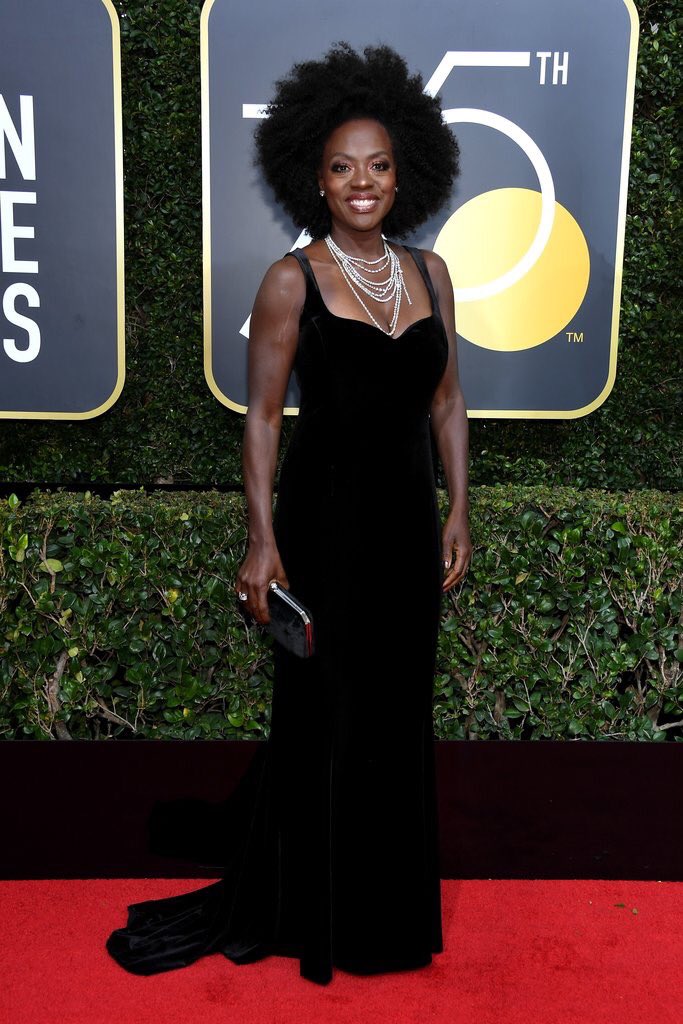
The Viola Davis Barbie doll was designed with careful attention to the elements that captured her essence that evening at the 2018 Golden Globes. The sleek black gown, the elegant necklace, and her full, natural afro were all chosen to honor her beauty, confidence, and authenticity. Although the doll was never produced for sale, its symbolic weight far exceeded any shelf value.
Davis herself shared that she hoped the doll would “make little 6-year-old Viola squeal.” Her reaction reminded many adults of their own childhood longing to feel seen, appreciated, and worthy—feelings that dolls, toys, and cultural symbols quietly shape.
Why Representation Like This Still Matters
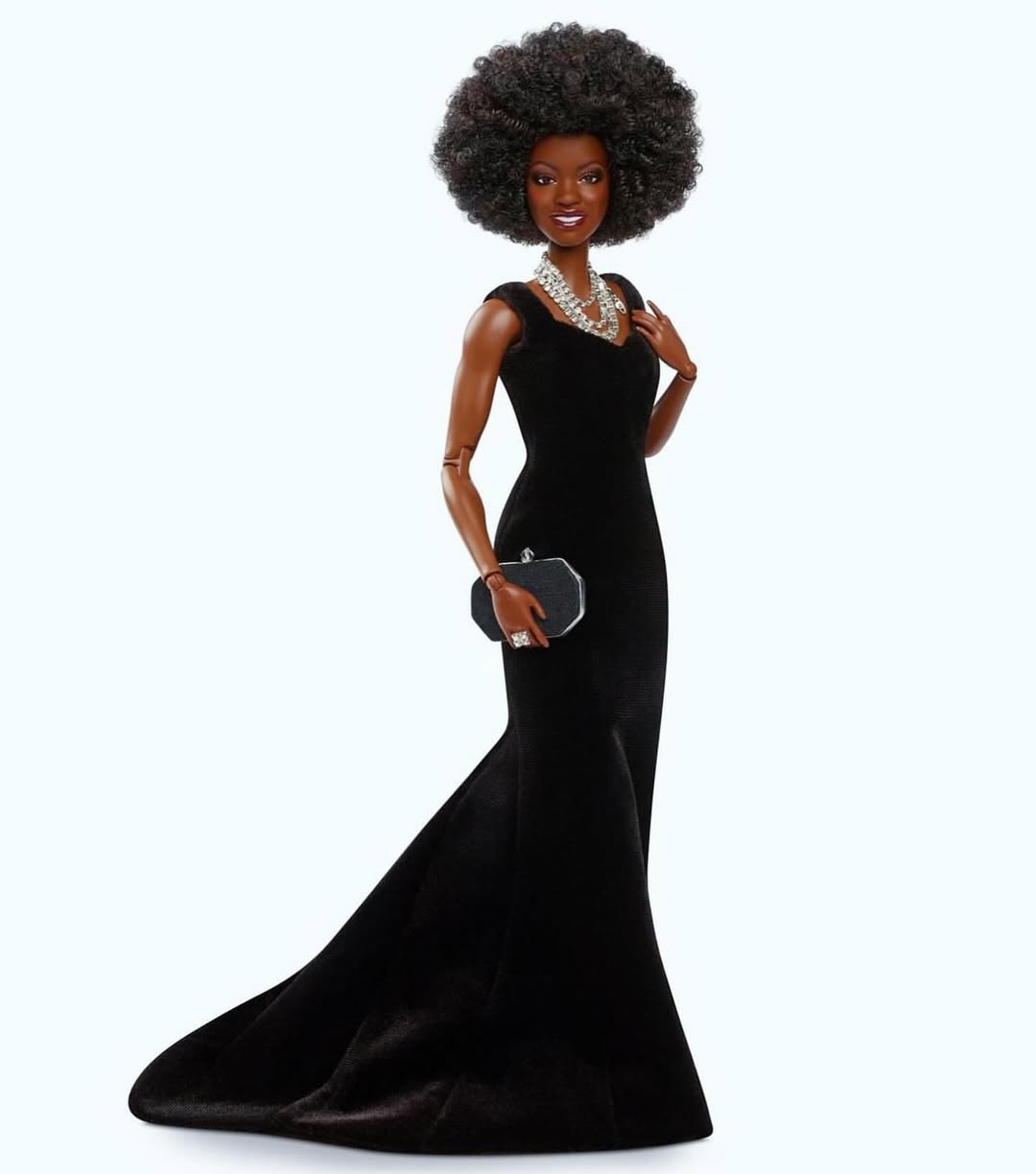
The arrival of the Viola Davis Barbie doll reignited the ongoing conversation about the importance of representation—especially for Black girls who are still forming a sense of identity and possibility. Barbie has always held a unique place in childhood; she becomes a canvas for imagination, ambition, self-expression, and play. When a girl sees a doll who looks like her, with features that mirror her skin tone, hair texture, and cultural presence, it communicates a powerful truth: she belongs.
Seeing a doll embodying a woman like Davis, who built her career on talent, discipline, honesty, and advocacy, reinforces that they, too, are worthy of visibility and celebration. Representation here is not only symbolic; it is also formative. It contributes to confidence, belonging, and imagination.
Black Barbie dolls, along with dolls honoring historical and cultural icons like Bessie Coleman, Ava DuVernay, Madam C.J. Walker, Tina Turner, Pat McGrath, Laverne Cox, and Ida B. Wells, help expand the narrative of who can be celebrated. They plant early seeds of confidence and broaden a child’s understanding of what success, beauty, and achievement look like. Representation ensures that young girls grow up knowing that their dreams are valid and their stories deserve space.
This influence often extends beyond childhood. Adults who grew up without diverse dolls frequently express how meaningful these modern releases feel—even decades later. It’s a reminder of the emotional imprint toys can leave and how visibility in early play often shapes a person’s worldview.
A Legacy Larger Than the Doll
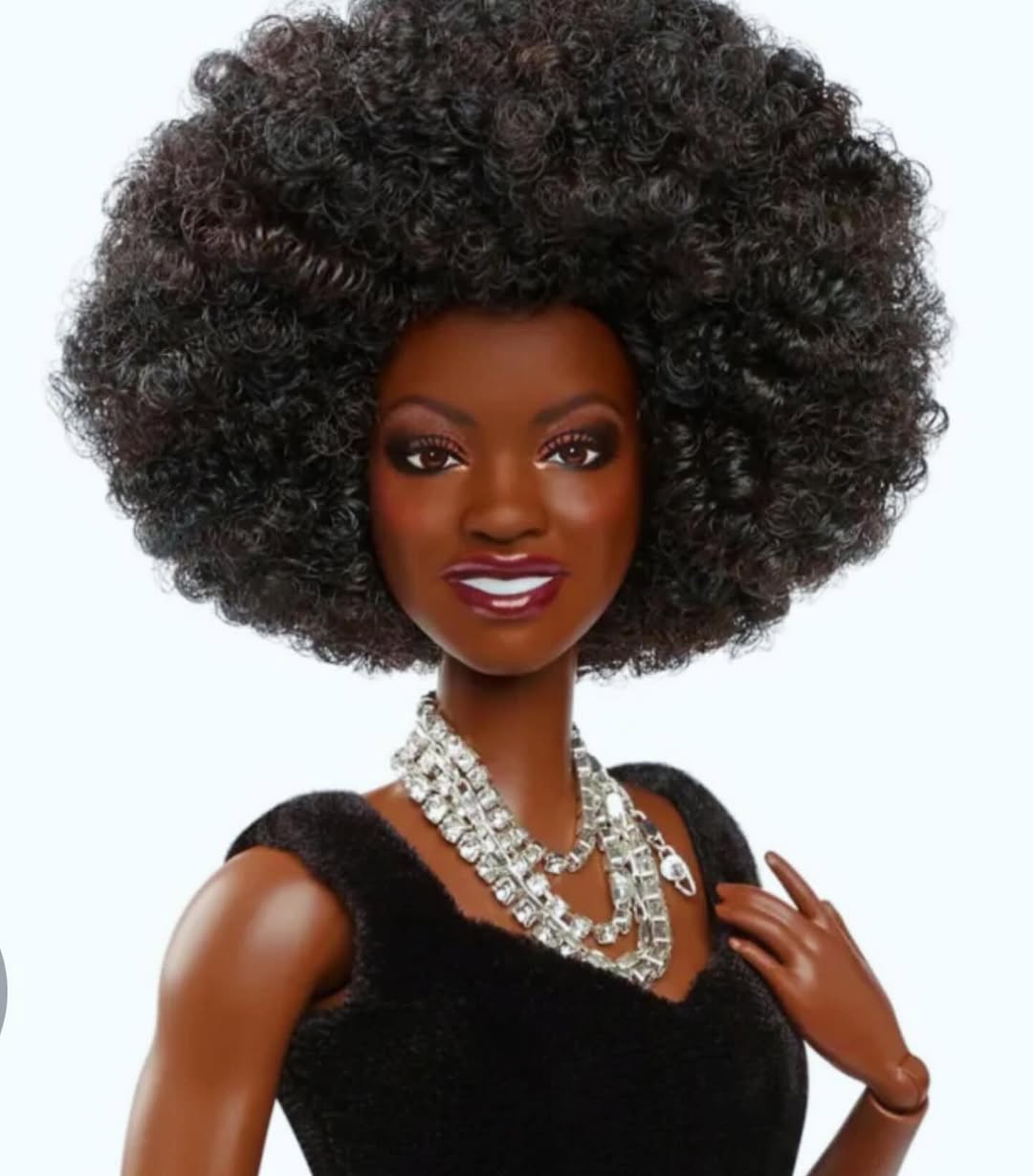
The Viola Davis Barbie doll also coincided with a cultural shift. Coming on the heels of Greta Gerwig’s record-breaking Barbie film and Mattel’s renewed storytelling theme for the year, the doll highlighted a broader movement toward inclusivity. It aligned with Barbie’s stated mission—to help children imagine their own stories and futures.
For Davis, whose career has been defined by resilience and brilliance, the tribute felt particularly fitting. Through JuVee Productions, she has expanded storytelling to include voices that rarely receive mainstream attention. Through her roles—from How to Get Away with Murder to The Woman King—she has portrayed women with depth, agency, and emotional complexity. And through her advocacy, she continues to champion spaces where talent from marginalized backgrounds can thrive.

Her doll may not sit on store shelves, but its message remains timeless: representation fuels possibility, and honoring Black women helps reshape the stories the next generation grows up believing.
By immortalizing Davis in a doll, Barbie adds another chapter to a much broader movement: one that continues to challenge outdated narratives and replace them with possibility. And as more children grow up seeing themselves accurately mirrored in the toys they love, the future of representation looks a little brighter, and far more inclusive than before.
Featured image: @violadavis/Instagram
—Read also
Here’s Why We Need More Black Women Like Viola Davis In Hollywood

Source link
#Viola #Davis #Barbie #Doll #Lasting #Symbol #Beauty #Power #Possibility


Post Comment