
For decades, makeup was the ultimate beauty tool. From the bold red lips of the ‘50s to the contoured faces of the 2010s, cosmetics have long been the quick fix for anyone looking to enhance their appearance. But in 2025, beauty is evolving. The focus has shifted from heavy layers of makeup to practices such as hair restoration that prioritise authenticity, wellness, and subtle self-enhancement.
Today, confidence is no longer just about what you put on your face. It’s about how you take care of yourself—from your skin and body to your mental well-being—and, for many, how small, natural-looking medical treatments can complement that journey.
The Shift from Cosmetics to Confidence
The beauty industry is experiencing a reset. Instead of chasing perfection through thick foundation or dramatic contouring, people are embracing the “less is more” philosophy. This change reflects a deeper cultural shift — one where authenticity, wellness, and individuality are celebrated more than surface-level perfection.
The rise of the clean-girl aesthetic and the ever-popular ‘no-makeup makeup‘ trend are proof of this evolution. Glowing skin, brushed brows, and natural tones have replaced full-glam looks as the new standard of aspiration. Even luxury brands are pivoting their campaigns to highlight skin-first beauty. They often featuring models with minimal makeup and visible freckles, showing that imperfection is now part of the ideal.
The Role Of Social Media In Shifting Beauty Standards
Social media has played a big role in this transformation. Platforms like TikTok and Instagram have amplified trends such as “skin cycling” and “glass skin,” where the focus is less about hiding flaws and more about achieving a healthy, natural radiance. The influence of Gen Z, in particular, has pushed the industry to prioritize transparency and relatability over airbrushed perfection.
More than ever, beauty is being measured not by how much you cover, but by how confidently you carry your natural self. This doesn’t mean makeup has lost its relevance—it simply means its role has evolved. Makeup is now seen as an enhancer rather than a mask, a creative tool to highlight features instead of a necessity to fit in.
Just as skin-first beauty is reshaping makeup trends, hair is undergoing its own transformation in the self-confidence conversation. Thicker, fuller hair has long been associated with vitality and youth, and for many, it plays a central role in how they feel about their appearance. As a result, the demand for hair restoration has grown—not purely as a cosmetic fix, but as a confidence-restoring solution that helps people feel more like themselves again.
Hair Restoration: Confidence from the Roots

One of the biggest confidence-related concerns, especially for men but increasingly for women, is hair loss. While makeup and skincare can enhance features, thinning hair often feels harder to conceal. That’s where modern medical aesthetics steps in.
According to fuehairtransplants.co.uk, treatments like FUE hair transplants offer a minimally invasive, natural-looking solution. Unlike outdated procedures, today’s techniques focus on artistry—restoring hairlines that suit a person’s face shape and ensuring results that blend seamlessly.
Clinics like London Treatment Rooms, a surgeon-led practice in Putney, London–which specialises in hair restoration–are at the forefront of this shift. By combining medical expertise with an artistic approach, they help patients regain not only their hair but also their confidence.
For many, this kind of treatment is about more than appearance; it’s about feeling comfortable and empowered in everyday life.
Here are more ways beauty ideals are changing in today’s world…
The Rise of Self-Care Culture
Beyond aesthetics, self-care has evolved into a full-fledged lifestyle movement, blending beauty, health, and emotional well-being. Where once makeup was the centrepiece of beauty routines, skincare has now taken the spotlight—and routines are just as elaborate. Multi-step regimens with serums, SPF, retinols, and barrier-repair creams have gained cult followings. Consumers now treat skincare less as an indulgence and more as an investment in long-term confidence.

But self-care goes far beyond skincare products. Fitness, nutrition, sleep, and mental wellness are now seen as essential to beauty, with people acknowledging that how you feel on the inside directly reflects how you look on the outside. Whether it’s yoga, meditation, mindful eating, or even digital detoxing, the focus has shifted toward holistic well-being that naturally radiates outward.
Social media has amplified this cultural shift. Platforms like TikTok and Instagram have popularised “skinfluencers” and wellness creators who prioritise authenticity over perfection. They share acne journeys, bare-faced selfies, struggles with skin sensitivity, and the importance of SPF—making transparency the new aspiration. Instead of chasing unrealistic ideals, audiences are embracing routines that focus on health, sustainability, and self-acceptance.
The message is clear: real beauty starts with self-care. This isn’t just a passing trend but a generational redefinition of what it means to look good and feel good. And as more people build self-care into their daily lives, beauty is no longer about covering flaw—it’s about cultivating confidence from the inside out.
Medical Aesthetics Go Mainstream
At the same time, the taboo around medical aesthetics has all but disappeared. Treatments like Botox, fillers, chemical peels, and skin resurfacing were once the closely guarded secrets of celebrities or quietly spoken about in beauty circles. Today, they’ve become part of everyday conversation, widely accessible, normalised, and increasingly celebrated as part of a holistic self-care routine.
What’s driving this shift is not just accessibility but a change in motivation. People are no longer chasing dramatic makeovers or cookie-cutter ideals. Instead, the focus is on subtle enhancements that refresh and restore, helping individuals look natural and more in tune with their authentic selves. Think softening fine lines, brightening tired skin, or restoring volume in ways that are almost invisible to others but deeply empowering to the person.
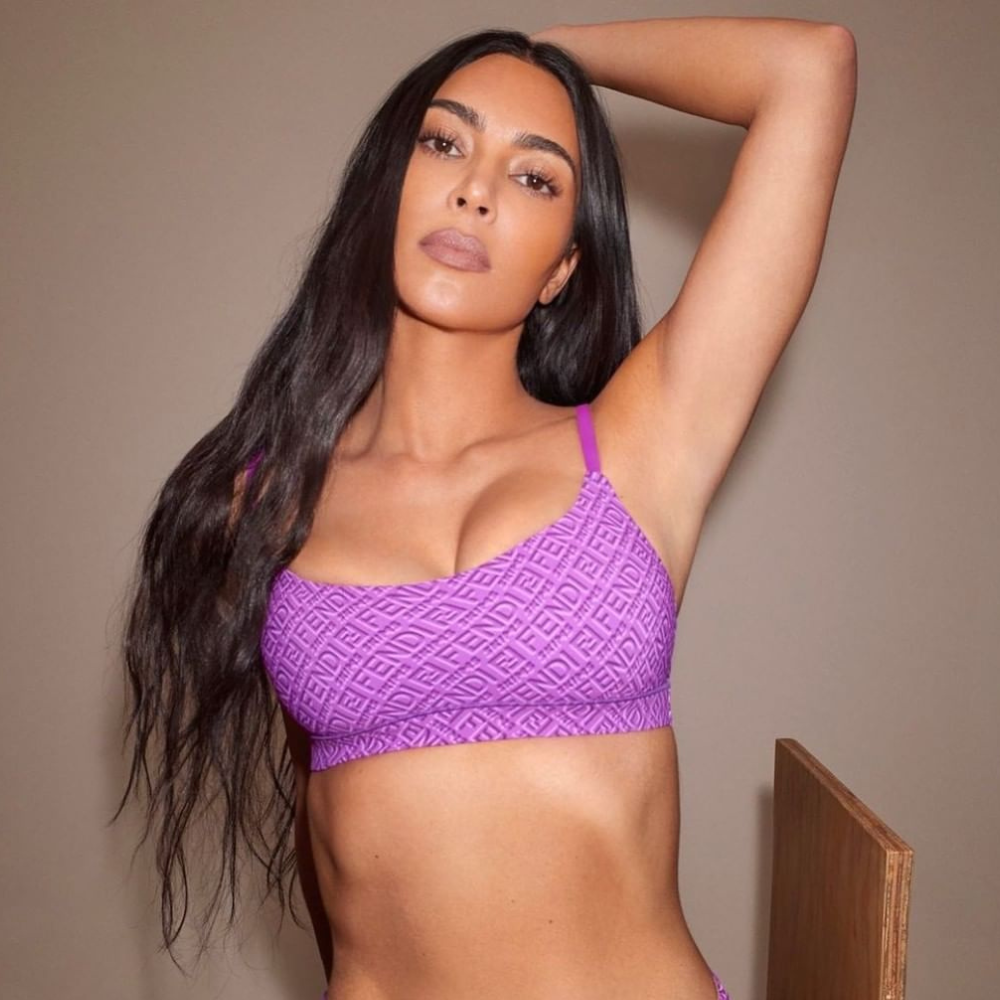
Social media has been a huge catalyst for this normalisation. Influencers and celebrities now openly discuss their “tweakments”—a term that highlights just how minor and approachable many of these procedures have become. Stars like the Kardashians, Chrissy Teigen, and even male public figures have shared their experiences, removing the stigma and positioning aesthetics as just another tool in the beauty and wellness toolbox.
The industry itself has evolved to match this mindset. Clinics now focus on customised, less invasive treatments tailored to the individual’s features rather than one-size-fits-all approaches. This has reframed medical aesthetics from being about vanity to being about empowerment: a way to age gracefully, maintain confidence, and invest in long-term well-being.
In many ways, aesthetics has joined skincare and fitness as part of a preventative lifestyle approach—not something to “fix flaws” later in life, but something to support confidence and self-image along the way.
Beyond Vanity: The Psychology of Feeling Good
Critics often dismiss aesthetics as vanity, but research suggests otherwise. Studies consistently show that when people feel good about how they look, they experience higher self-esteem, greater confidence in professional and social settings, and even improved mental health.
Younger generations are also reframing the narrative. Millennials and Gen Z see preventative treatments not as a way to “fix flaws” but as part of maintaining their overall wellness—no different than a gym membership or regular skincare routine.
The truth is simple: when small changes make people feel more aligned with their best selves, the impact can be profound.
Conclusion: Confidence, Redefined
In today’s beauty landscape, confidence comes from a blend of self-care, authenticity, and subtle enhancements. Makeup still has its place, but it’s no longer the only, or even the main, way people define beauty.
Instead, the movement is about balance. Skincare, mindfulness, fitness, and medical aesthetics all play a role in helping individuals feel radiant inside and out.
The new definition of beauty is not about covering up—it’s about revealing the best version of yourself and embracing the confidence that comes with it.
Featured Image: max-kegfire/iStock
For the latest in fashion, lifestyle and culture, follow us on Instagram @StyleRave_
—Read also
Source link
#Beauty #Makeup #SelfCare #Medical #Aesthetics #Redefining #Confidence


Post Comment