×
Beyond Meat’s protein soda might be its last chance and best hope

Beyond Meat’s protein soda might be its last chance and best hope

Beyond Meat just launched a new product that’s even further from meat than ever before: a protein soda. Beyond Immerse is the company’s first product that makes no attempt to replicate meat whatsoever, marking a sharp shift in Beyond’s business model. It might seem like it comes out of left field, but it all clicks into place once you know just how badly the veggie burger business is working out for Beyond. A pivot to protein is still a long shot for a company that’s never turned an annual profit — but it’s an attempt to tap into the one market left that might offer it hope.

Immerse is an oddity in and of itself. Unlike most protein drinks, which are usually chalky at best, it claims to be “crisp and refreshing” and comes in three fruity flavors: Peach Mango, Lemon Lime, and Orange Tangerine. Each flavor then comes in two versions, with either 10g or 20g of protein, at either 60 or 100 calories per 12oz can, with 7g of fiber either way.

As you’d expect from Beyond, Immerse is entirely plant-based. The protein comes from peas and the fiber from tapioca, with stevia, “natural flavors,” and a few juice concentrates and food colorings to round out the ingredient list. Beyond makes sure this ticks off a few more of the health food boxes, promising plenty of antioxidants and electrolytes too.

Immerse’s macronutrients are almost suspiciously impressive. I drink a protein shake most days, and 100 calories’ worth of my powder of choice would only net me 19g of protein and essentially no fiber at all, delivered in a semi-palatable sludge that I must try — and fail — to convince myself tastes like a milkshake. If Immerse can actually deliver better macros, and is as “crisp and invigorating” as Beyond promises, the appeal is obvious. Other people seem to agree. On the Beyond Test Kitchen site, where the limited first run of Immerse is exclusively available, every released flavor is already sold out.

Beyond is still emphasizing its plant-based credentials with Immerse.
Image: Beyond Meat

Perhaps that shouldn’t be surprising. Protein snacks, drinks, and supplements are a big and growing business. US sales of ready-made protein shakes grew 71 percent between 2021 and 2025, and they’re now an $8 billion market. Much of that protein comes from dairy-based whey, but plant-based protein is growing too — sales of both drinks and powders grew 11 percent from 2023 to 2024 according to the Good Food Institute, making up a $450 million business in its own right. Those numbers pale in comparison to the larger “functional drinks” market — prebiotics, probiotics, fiber, protein, electrolytes, preworkout, postworkout, CBD, and more — that was worth over $200 billion in 2024 and is only expected to grow from here. The drinks fridge in my local store is overflowing with gut-friendly kombucha, cold-pressed ginger shots, and electrolyte-packed recovery drinks from brands big and small, with more every time I look. Poppi, a prebiotic soda that touts the benefits of apple cider vinegar, has drawn investment from Shark Tank, spent millions to run Super Bowl ads two years in a row, and in 2025 was acquired by Pepsi for a cool $1.95 billion (it also settled a class action lawsuit alleging its “gut-healthy” claims were misleading, but hey, it can’t all be good news).

If there’s one thing Beyond needs right now, it’s profit

You can see why Beyond wants in. It’s already got “pioneering expertise in unlocking the power of plants,” according to founder and CEO Ethan Brown, and is one of the few brands in plant-based food that can truly claim to be a household name. More to the point, protein drinks are clearly profitable — and if there’s one thing Beyond needs right now, it’s profit.

Beyond Meat was founded by Brown in 2009 and within a few years was generating excited headlines suggesting that the future of food was here. In 2019, Beyond went public; its shares launched at $25 each but rose to $65 on the first day of trading, making it the fastest-growing US IPO since Palm Inc. in 2000. A few months later shares peaked at just under $240 each, giving the company a valuation of over $14 billion. It secured supermarket distribution with Walmart, Target, and Kroger; supplied its fake meat to McDonald’s, KFC, and Subway.

But the glory days didn’t last long. Beyond has posted straight losses ever since it went public. Profit sometimes seems like an optional afterthought in modern capitalism, but if investors don’t see profit, they do expect to see growth, and that’s where Beyond has stalled: after a peak in 2021, Beyond’s annual revenue has steadily declined, down to $326 million in 2024. None of those fast food deals yielded permanent products on US menus. Beyond’s stock price has been in freefall for years, aside from a short-lived rally as a meme stock last October. It’s currently trading at below a dollar per share, placing it at risk of being delisted from the Nasdaq stock exchange, and is facing a class action lawsuit from its own shareholders, who allege it hid the need for a $77.4 million write-down of aging assets.

Photo of the Beyond Burger at Hard Rock Cafe

A recent burger at Hard Rock Cafe was Beyond Meat’s first new nationwide restaurant partnership in years.
Image: Beyond Meat

What went wrong? While Beyond Meat’s management have no doubt made mistakes over the years, really it’s simply the highest profile victim of a collapse in the market for meatless meat. The Good Food Institute found that US plant-based meat sales had dropped 7 percent from 2023 to 2024, marking the third straight year of decline. “The category is smaller today than it was two years ago, four years ago, five years ago,” Peter McGuinness, the CEO of Beyond’s chief rival Impossible Foods, told New York earlier this month. “That’s not good.”

In fact Beyond and Impossible have arguably done well by surviving so long, but both are struggling. Impossible has never delivered on long-rumored plans for an IPO of its own, likely put off by Beyond’s public problems, but has suffered repeated rounds of layoffs; last year McGuinness told The Wall Street Journal that profitability was likely years away.

By 2025, only 22 percent of Americans were trying to reduce their meat intake, down from 37 percent three years earlier

Both companies sit at the nexus of two major trends that are working against them. The first is that meat is back on the menu. The Good Food Institute notes a 4 percent decline in sales of plant-based foods between 2023 and 2024, while the Food Industry Association found that meat sales grew almost 5 percent over the same period, to a record $105 billion. The number of vegetarians and vegans has declined, with Gallup’s 2023 Consumption Habits poll estimating 1 percent of the US population are vegan and 4 percent vegetarian, down from 3 percent and 5 percent in 2018. But vegetarians were never meant to be Beyond’s whole market — it was supposed to persuade swathes of the rest of us to eat less meat in favor of plant-based alternatives. For a while it seemed to be working — by 2023, nearly half of US restaurants offered vegan menu options, and cutting back on meat consumption, especially to reduce climate impact, was at the core of the cultural zeitgeist. But by 2025, only 22 percent of Americans were trying to reduce their meat intake, down from 37 percent three years earlier.

That would be bad enough for Beyond, but it has a second problem: processed food is out too. And a patty of pea protein, oils, and starches, pushed through an extruder and treated so that it will appear to bleed, is pretty darn processed. Researchers have linked ultra-processed foods (UPFs) to 32 different harmful health effects, The Lancet has labeled them a global health threat, and San Francisco is suing processed food giants. Then there’s RFK Jr., whose new dietary guidelines include perhaps the only part of current American health policy I could get behind, urging Americans to limit highly processed foods (and, in a double whammy for Beyond, to eat more meat). There’s no real evidence yet of a decline in sales of UPFs as a whole, but anyone trying to eat more healthily right now is unlikely to be recommended Beyond patties. Instead they might be told to eat whole foods, to stick to snacks with fewer than five ingredients, to eat more meat but maybe cut back on beef. Beyond doesn’t enter the picture.

This all goes some way to explaining why Beyond has turned for salvation in, of all things, soda. Next time you’re passing a supermarket drinks fridge, take a look at the “wellness drinks” on offer. You know two things they almost all have in common? They don’t include meat (I hope), and they’re pretty heavily processed. Health-conscious eaters don’t want their food to be made in a factory or packed with preservatives, but rarely seem to mind when it comes to what they drink. My Instagram feed is packed with fitfluencers promoting “clean” eating and whole foods, while they shill branded discount codes for processed protein powders. There’s a double standard at work that likely won’t last forever, but as long as it does, you can see why Beyond Meat wants to take full advantage.

It’s unlikely that a protein soda, no matter how refreshing or fiber-packed, will turn Beyond’s fortunes round entirely. But right now it doesn’t need that: it just needs time. Time to persuade investors to stick around, time to pull the share price up by a buck or two, and maybe just time for food fads to change once more and give meatless meat a second life.

Follow topics and authors from this story to see more like this in your personalized homepage feed and to receive email updates.


Source link
#Meats #protein #soda #chance #hope

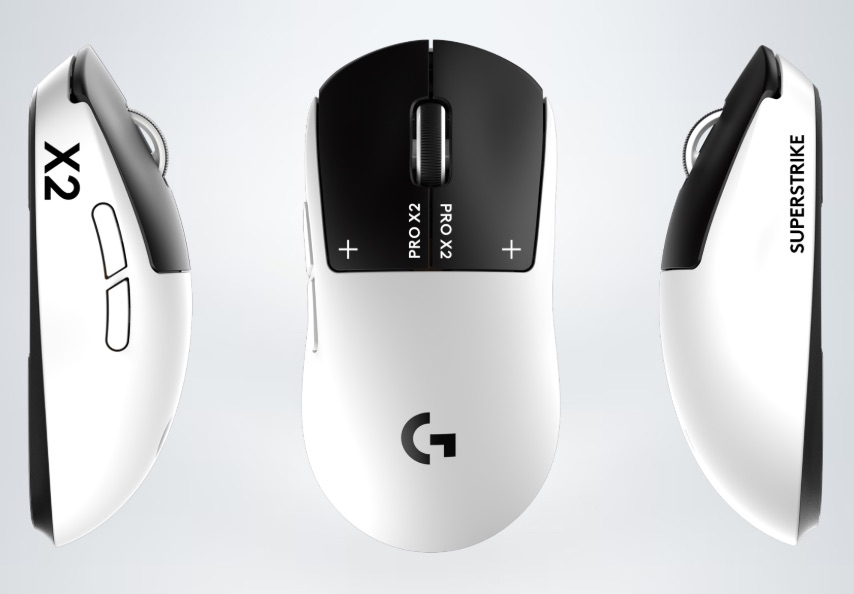
gaming mouse world has pretty much been the same for the last few years, with the only real improvement being weight savings. Now, Logitech has just introduced a new high-end gaming mouse in India, the Pro X2 Superstrike, and it’s bringing something genuinely new to the table. With it, the company is trying to rethink how mouse clicks work entirely, replacing traditional mechanical switches with a new system designed for faster response and better control. Here’s what you need to know about it.

A New Way to Click

The biggest highlight of the PRO X2 SUPERSTRIKE is its Haptic Inductive Trigger System (HITS), which ditches conventional microswitches in favor of inductive analog sensing paired with real-time haptic feedback.

In simpler terms, clicks aren’t just registered—they’re felt instantly. The system allows players to adjust the sensitivity of each click, with multiple actuation levels and reset points to suit their playstyle. Whether you prefer quick taps in FPS games or more deliberate clicks in strategy titles, the mouse can be tuned accordingly. Logitech claims this setup can reduce click latency by up to 30 milliseconds, and if this is true, it’ll reshape the landscape altogether. We have the Pro X2 for testing purposes, so keep an eye out for the full review dropping soon.

Beyond the click tech, the PRO X2 SUPERSTRIKE packs serious hardware. It features Logitech’s HERO 2 sensor with up to 44K DPI and supports an 8K polling rate, meaning it sends data to your PC every 0.125 milliseconds. The mouse is also capable of tracking extremely fast movements, with support for high acceleration and precise tracking even during rapid flicks. Despite all that, Logitech has kept the weight down to around 65 grams, making it suitable for long gaming sessions without fatigue. It also includes PTFE feet for smoother gliding and a battery life of up to 90 hours, which should easily last through extended sessions.

The Logitech G PRO X2 SUPERSTRIKE will be available in India in a Lunar Eclipse color option, priced at ₹23,995.

#Logitech #PRO #SUPERSTRIKE #Mouse #Debuts #Haptic #Click #System #44K #DPIlogitech,logitech g">Logitech PRO X2 SUPERSTRIKE Mouse Debuts With Haptic Click System, 44K DPI
	
The gaming mouse world has pretty much been the same for the last few years, with the only real improvement being weight savings. Now, Logitech has just introduced a new high-end gaming mouse in India, the Pro X2 Superstrike, and it’s bringing something genuinely new to the table. With it, the company is trying to rethink how mouse clicks work entirely, replacing traditional mechanical switches with a new system designed for faster response and better control. Here’s what you need to know about it. 


A New Way to Click


The biggest highlight of the PRO X2 SUPERSTRIKE is its Haptic Inductive Trigger System (HITS), which ditches conventional microswitches in favor of inductive analog sensing paired with real-time haptic feedback.


In simpler terms, clicks aren’t just registered—they’re felt instantly. The system allows players to adjust the sensitivity of each click, with multiple actuation levels and reset points to suit their playstyle. Whether you prefer quick taps in FPS games or more deliberate clicks in strategy titles, the mouse can be tuned accordingly. Logitech claims this setup can reduce click latency by up to 30 milliseconds, and if this is true, it’ll reshape the landscape altogether. We have the Pro X2 for testing purposes, so keep an eye out for the full review dropping soon. 


Beyond the click tech, the PRO X2 SUPERSTRIKE packs serious hardware. It features Logitech’s HERO 2 sensor with up to 44K DPI and supports an 8K polling rate, meaning it sends data to your PC every 0.125 milliseconds. The mouse is also capable of tracking extremely fast movements, with support for high acceleration and precise tracking even during rapid flicks. Despite all that, Logitech has kept the weight down to around 65 grams, making it suitable for long gaming sessions without fatigue. It also includes PTFE feet for smoother gliding and a battery life of up to 90 hours, which should easily last through extended sessions.


The Logitech G PRO X2 SUPERSTRIKE will be available in India in a Lunar Eclipse color option, priced at ₹23,995.


#Logitech #PRO #SUPERSTRIKE #Mouse #Debuts #Haptic #Click #System #44K #DPIlogitech,logitech g

world has pretty much been the same for the last few years, with the only real improvement being weight savings. Now, Logitech has just introduced a new high-end gaming mouse in India, the Pro X2 Superstrike, and it’s bringing something genuinely new to the table. With it, the company is trying to rethink how mouse clicks work entirely, replacing traditional mechanical switches with a new system designed for faster response and better control. Here’s what you need to know about it.

A New Way to Click

The biggest highlight of the PRO X2 SUPERSTRIKE is its Haptic Inductive Trigger System (HITS), which ditches conventional microswitches in favor of inductive analog sensing paired with real-time haptic feedback.

In simpler terms, clicks aren’t just registered—they’re felt instantly. The system allows players to adjust the sensitivity of each click, with multiple actuation levels and reset points to suit their playstyle. Whether you prefer quick taps in FPS games or more deliberate clicks in strategy titles, the mouse can be tuned accordingly. Logitech claims this setup can reduce click latency by up to 30 milliseconds, and if this is true, it’ll reshape the landscape altogether. We have the Pro X2 for testing purposes, so keep an eye out for the full review dropping soon.

Beyond the click tech, the PRO X2 SUPERSTRIKE packs serious hardware. It features Logitech’s HERO 2 sensor with up to 44K DPI and supports an 8K polling rate, meaning it sends data to your PC every 0.125 milliseconds. The mouse is also capable of tracking extremely fast movements, with support for high acceleration and precise tracking even during rapid flicks. Despite all that, Logitech has kept the weight down to around 65 grams, making it suitable for long gaming sessions without fatigue. It also includes PTFE feet for smoother gliding and a battery life of up to 90 hours, which should easily last through extended sessions.

The Logitech G PRO X2 SUPERSTRIKE will be available in India in a Lunar Eclipse color option, priced at ₹23,995.

#Logitech #PRO #SUPERSTRIKE #Mouse #Debuts #Haptic #Click #System #44K #DPIlogitech,logitech g">Logitech PRO X2 SUPERSTRIKE Mouse Debuts With Haptic Click System, 44K DPI

The gaming mouse world has pretty much been the same for the last few years, with the only real improvement being weight savings. Now, Logitech has just introduced a new high-end gaming mouse in India, the Pro X2 Superstrike, and it’s bringing something genuinely new to the table. With it, the company is trying to rethink how mouse clicks work entirely, replacing traditional mechanical switches with a new system designed for faster response and better control. Here’s what you need to know about it.

A New Way to Click

The biggest highlight of the PRO X2 SUPERSTRIKE is its Haptic Inductive Trigger System (HITS), which ditches conventional microswitches in favor of inductive analog sensing paired with real-time haptic feedback.

In simpler terms, clicks aren’t just registered—they’re felt instantly. The system allows players to adjust the sensitivity of each click, with multiple actuation levels and reset points to suit their playstyle. Whether you prefer quick taps in FPS games or more deliberate clicks in strategy titles, the mouse can be tuned accordingly. Logitech claims this setup can reduce click latency by up to 30 milliseconds, and if this is true, it’ll reshape the landscape altogether. We have the Pro X2 for testing purposes, so keep an eye out for the full review dropping soon.

Beyond the click tech, the PRO X2 SUPERSTRIKE packs serious hardware. It features Logitech’s HERO 2 sensor with up to 44K DPI and supports an 8K polling rate, meaning it sends data to your PC every 0.125 milliseconds. The mouse is also capable of tracking extremely fast movements, with support for high acceleration and precise tracking even during rapid flicks. Despite all that, Logitech has kept the weight down to around 65 grams, making it suitable for long gaming sessions without fatigue. It also includes PTFE feet for smoother gliding and a battery life of up to 90 hours, which should easily last through extended sessions.

The Logitech G PRO X2 SUPERSTRIKE will be available in India in a Lunar Eclipse color option, priced at ₹23,995.

#Logitech #PRO #SUPERSTRIKE #Mouse #Debuts #Haptic #Click #System #44K #DPIlogitech,logitech g
wired earbuds enjoying all of the shine. A yearning for wired audio is bringing its good friend along for the ride: the king of all things MP3. The one, the only, the iPod.

That’s right, the iPod is f*cking back. Not in an official sense, of course—it was discontinued officially in 2022—but it’s back in a very unofficial capacity. By nostalgia’s standards, the iPod is relevant once more, and you’ve probably got your phone (or the icky apps in it) to thank for that.

Okay, but how “back” is it?

The iPod is pretty back, to be honest. As the AP notes, secondhand sites like eBay are basically loaded with listings for used iPods, and on a more empirical level, Back Market, which also sells used and refurbished electronics, tells the AP that used iPod sales jumped 48% since 2024.

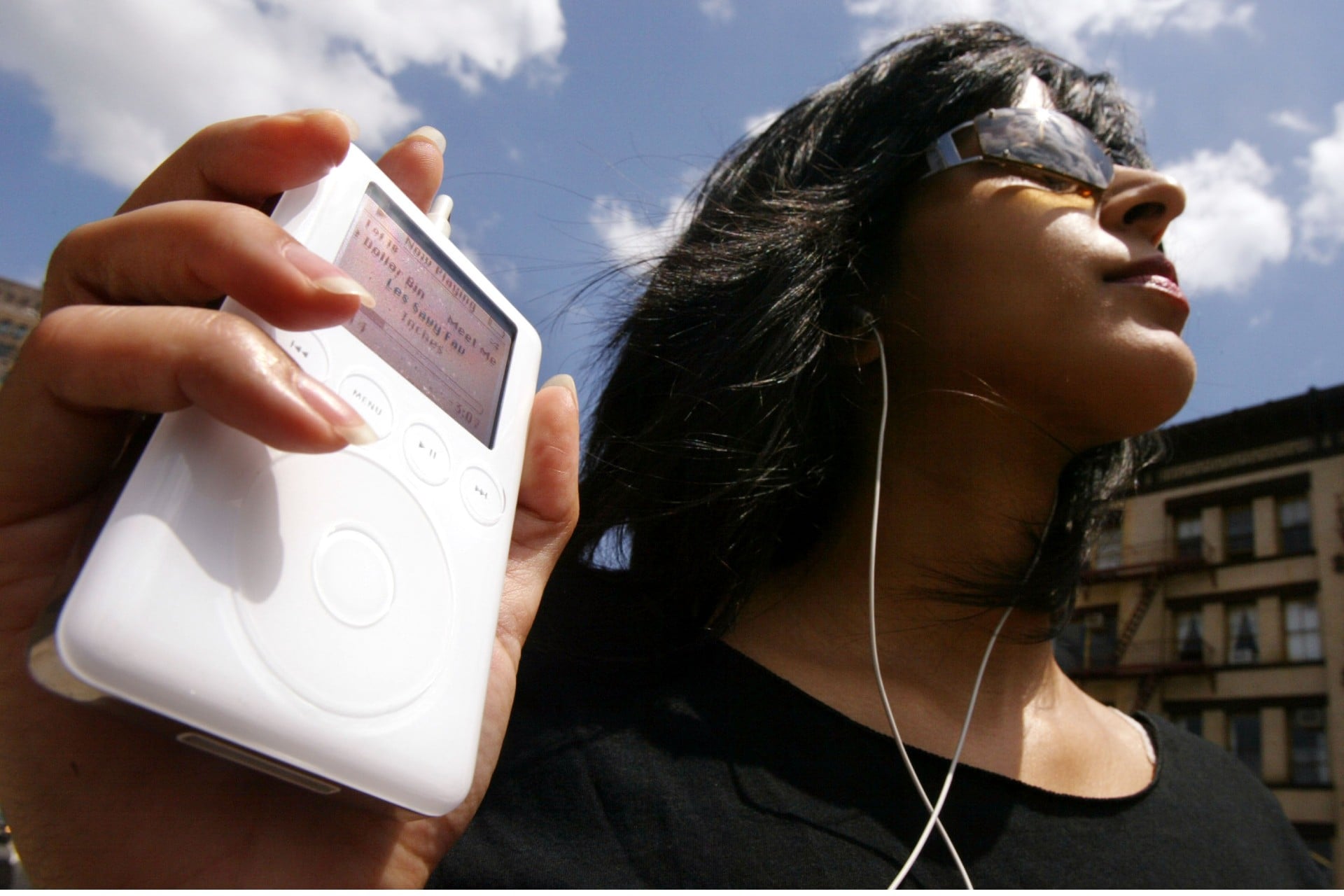
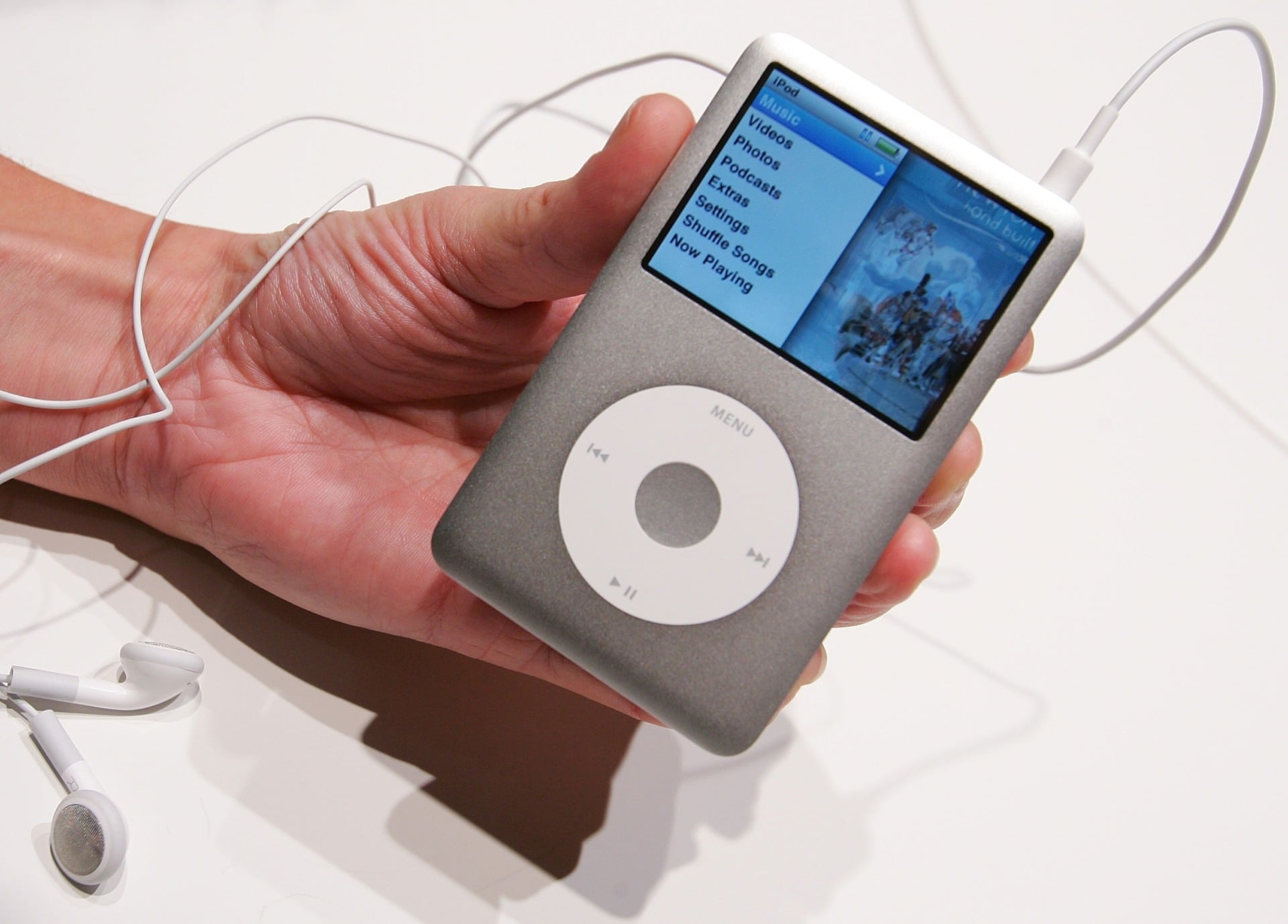
Anecdotally, I’ve been seeing the iPod everywhere, not just in a literal sense, but in a spiritual one. As I’ve written about before, digital audio players (DAPs) are seemingly a real category again, and new DAPs come in all shapes and sizes. There are DAPs shaped like cassette players, big utilitarian rectangles, and tiny little MP3-playing hunks of plastic. None of them has the iPod’s iconic click wheel, of course, but the spirit that the iPod helped popularize is still there. It’s a dedicated device that carries your music and almost nothing more.

The World Is Basically Begging for Another iPod
                Audio nostalgia is a thing right now, and it’s not just wired earbuds enjoying all of the shine. A yearning for wired audio is bringing its good friend along for the ride: the king of all things MP3. The one, the only, the iPod. That’s right, the iPod is f*cking back. Not in an official sense, of course—it was discontinued officially in 2022—but it’s back in a very unofficial capacity. By nostalgia’s standards, the iPod is relevant once more, and you’ve probably got your phone (or the icky apps in it) to thank for that.

 Okay, but how “back” is it? The iPod is pretty back, to be honest. As the AP notes, secondhand sites like eBay are basically loaded with listings for used iPods, and on a more empirical level, Back Market, which also sells used and refurbished electronics, tells the AP that used iPod sales jumped 48% since 2024. Anecdotally, I’ve been seeing the iPod everywhere, not just in a literal sense, but in a spiritual one. As I’ve written about before, digital audio players (DAPs) are seemingly a real category again, and new DAPs come in all shapes and sizes. There are DAPs shaped like cassette players, big utilitarian rectangles, and tiny little MP3-playing hunks of plastic. None of them has the iPod’s iconic click wheel, of course, but the spirit that the iPod helped popularize is still there. It’s a dedicated device that carries your music and almost nothing more. © Mario Tama / Getty Images On a more iPod-specific note, there are also people trying to replicate the iPod experience on your phone, like this guy building an iPod maker. Or how about people marrying AirPods Max with an iPod—wires and all. It’s even inspiring new products, like this upcoming AI gadget from two ex-Apple employees who tell Wired that the iPod Shuffle was a big inspiration design-wise. Those are all just window dressing, though, compared to the loads of people who actually bother to refurbish iPods, whether for personal use, resale, or because they’re nostalgic about the days when you could walk around listening to music without your phone delivering stress-inducing emails.

 None of this interest in iPods is brand new, by any means—people have been modding iPods or selling them secondhand for a while now, but it feels as though it’s reached a tipping point. It’s hard to pinpoint why exactly iPods feel more relevant than ever, but nostalgia doesn’t quite cover it.

 There’s also the Spotify of it all. Remember owning stuff? There’s no denying that nostalgia is a driving force in the iPod’s renewed relevance. Gen Z in particular has zeroed in on the early-2000s for inspiration, whether in fashion or tech, and there’s not a more iconic gadget from the early aughts than the iPod. According to Anshel Sag, a tech analyst for Moor Insights & Strategy, renewed interest in the iPod has been a long time coming. For one, Sag says there’s a resurgence in interest in wired earbuds, specifically EarPods, Apple’s wired earbuds that predate AirPods. Not only are they cheap, but they also deliver much higher fidelity than lots of wireless earbuds you can buy, even in the midrange.

 Then there’s the comeback of formats like vinyl and CDs, which have helped to create more interest in the idea of owning music as opposed to just borrowing it through a streaming service. Owning things! Remember that? It’s that last part, streaming, that feels particularly potent, though. As convenient as streaming music is, people have felt the slow creep of subscriptions on their wallets, and Spotify is a part of that. In January, Spotify raised its prices once again, this time reaching  a month. For context, in 2023, subscription fees rose from .99 to .99, and again in 2024 from .99 to .99. Apple Music is more affordable, but not by much at  per month.

 It’s been a slow turn of the dial, but coupled with the weight of other streaming services, the burden is palpable. And how does one deal with that burden? By opting out, of course. © Cate Gillon / Staff “I think people are evaluating all their streaming services, whether it’s music or TV or movies…because the price has ballooned,” Sag told Gizmodo. “Every time a service goes up in price, they become hyperaware of all the streaming services they’re paying for, and that includes music.

 Sag also says that the younger generation is also more aware of how artists make money and how much of a cut they get from streaming services. “They might not want to actually pay for the streaming service because they don’t think the artists are getting what they deserve and might otherwise just pay for the music directly from the artist and put it on their iPod, or whatever their choice of music player is.” As others have covered, it’s impossible to discount the ripple effects from the backlash against phones when it comes to nostalgic gadgets like iPods. There’s a yearning for phone-free experiences, and iPods deliver that. Sag notes that there’s also independence with gadgets like iPods or CDs and vinyl that appeals to those (particularly Gen Z) who feel bereft of things to hold onto. “There’s a demand for something that isn’t tied to a streaming connection that always sounds good, no matter where you are—and you’re in control of the experience,” Sag says. “And that’s why I think stuff like iPods is having a bit of a comeback.”

 Mostly, it’s what Sag calls “a perfect storm.” There’s no one answer to why iPods are back, and whether our love of them ever left is debatable, but somehow they do feel magnetic again. We’ll probably not live to see the day when new iPods exist, getting churned out of Foxconn like the next iPhone, but that’s for the best. They’d probably just have Apple Music on them anyway.      #World #Basically #Begging #iPodApple,audio,iPod
© Mario Tama / Getty Images

On a more iPod-specific note, there are also people trying to replicate the iPod experience on your phone, like this guy building an iPod maker. Or how about people marrying AirPods Max with an iPod—wires and all. It’s even inspiring new products, like this upcoming AI gadget from two ex-Apple employees who tell Wired that the iPod Shuffle was a big inspiration design-wise. Those are all just window dressing, though, compared to the loads of people who actually bother to refurbish iPods, whether for personal use, resale, or because they’re nostalgic about the days when you could walk around listening to music without your phone delivering stress-inducing emails.

None of this interest in iPods is brand new, by any means—people have been modding iPods or selling them secondhand for a while now, but it feels as though it’s reached a tipping point. It’s hard to pinpoint why exactly iPods feel more relevant than ever, but nostalgia doesn’t quite cover it.

There’s also the Spotify of it all.

Remember owning stuff?

There’s no denying that nostalgia is a driving force in the iPod’s renewed relevance. Gen Z in particular has zeroed in on the early-2000s for inspiration, whether in fashion or tech, and there’s not a more iconic gadget from the early aughts than the iPod.

According to Anshel Sag, a tech analyst for Moor Insights & Strategy, renewed interest in the iPod has been a long time coming. For one, Sag says there’s a resurgence in interest in wired earbuds, specifically EarPods, Apple’s wired earbuds that predate AirPods. Not only are they cheap, but they also deliver much higher fidelity than lots of wireless earbuds you can buy, even in the midrange.

Then there’s the comeback of formats like vinyl and CDs, which have helped to create more interest in the idea of owning music as opposed to just borrowing it through a streaming service. Owning things! Remember that?

It’s that last part, streaming, that feels particularly potent, though. As convenient as streaming music is, people have felt the slow creep of subscriptions on their wallets, and Spotify is a part of that. In January, Spotify raised its prices once again, this time reaching $13 a month. For context, in 2023, subscription fees rose from $9.99 to $10.99, and again in 2024 from $10.99 to $11.99. Apple Music is more affordable, but not by much at $11 per month.

It’s been a slow turn of the dial, but coupled with the weight of other streaming services, the burden is palpable. And how does one deal with that burden? By opting out, of course.

New Ipod Launch
© Cate Gillon / Staff

“I think people are evaluating all their streaming services, whether it’s music or TV or movies…because the price has ballooned,” Sag told Gizmodo. “Every time a service goes up in price, they become hyperaware of all the streaming services they’re paying for, and that includes music.

Sag also says that the younger generation is also more aware of how artists make money and how much of a cut they get from streaming services. “They might not want to actually pay for the streaming service because they don’t think the artists are getting what they deserve and might otherwise just pay for the music directly from the artist and put it on their iPod, or whatever their choice of music player is.”

As others have covered, it’s impossible to discount the ripple effects from the backlash against phones when it comes to nostalgic gadgets like iPods. There’s a yearning for phone-free experiences, and iPods deliver that. Sag notes that there’s also independence with gadgets like iPods or CDs and vinyl that appeals to those (particularly Gen Z) who feel bereft of things to hold onto.

“There’s a demand for something that isn’t tied to a streaming connection that always sounds good, no matter where you are—and you’re in control of the experience,” Sag says. “And that’s why I think stuff like iPods is having a bit of a comeback.”

Mostly, it’s what Sag calls “a perfect storm.” There’s no one answer to why iPods are back, and whether our love of them ever left is debatable, but somehow they do feel magnetic again. We’ll probably not live to see the day when new iPods exist, getting churned out of Foxconn like the next iPhone, but that’s for the best. They’d probably just have Apple Music on them anyway.

#World #Basically #Begging #iPodApple,audio,iPod">The World Is Basically Begging for Another iPod
                Audio nostalgia is a thing right now, and it’s not just wired earbuds enjoying all of the shine. A yearning for wired audio is bringing its good friend along for the ride: the king of all things MP3. The one, the only, the iPod. That’s right, the iPod is f*cking back. Not in an official sense, of course—it was discontinued officially in 2022—but it’s back in a very unofficial capacity. By nostalgia’s standards, the iPod is relevant once more, and you’ve probably got your phone (or the icky apps in it) to thank for that.

 Okay, but how “back” is it? The iPod is pretty back, to be honest. As the AP notes, secondhand sites like eBay are basically loaded with listings for used iPods, and on a more empirical level, Back Market, which also sells used and refurbished electronics, tells the AP that used iPod sales jumped 48% since 2024. Anecdotally, I’ve been seeing the iPod everywhere, not just in a literal sense, but in a spiritual one. As I’ve written about before, digital audio players (DAPs) are seemingly a real category again, and new DAPs come in all shapes and sizes. There are DAPs shaped like cassette players, big utilitarian rectangles, and tiny little MP3-playing hunks of plastic. None of them has the iPod’s iconic click wheel, of course, but the spirit that the iPod helped popularize is still there. It’s a dedicated device that carries your music and almost nothing more. © Mario Tama / Getty Images On a more iPod-specific note, there are also people trying to replicate the iPod experience on your phone, like this guy building an iPod maker. Or how about people marrying AirPods Max with an iPod—wires and all. It’s even inspiring new products, like this upcoming AI gadget from two ex-Apple employees who tell Wired that the iPod Shuffle was a big inspiration design-wise. Those are all just window dressing, though, compared to the loads of people who actually bother to refurbish iPods, whether for personal use, resale, or because they’re nostalgic about the days when you could walk around listening to music without your phone delivering stress-inducing emails.

 None of this interest in iPods is brand new, by any means—people have been modding iPods or selling them secondhand for a while now, but it feels as though it’s reached a tipping point. It’s hard to pinpoint why exactly iPods feel more relevant than ever, but nostalgia doesn’t quite cover it.

 There’s also the Spotify of it all. Remember owning stuff? There’s no denying that nostalgia is a driving force in the iPod’s renewed relevance. Gen Z in particular has zeroed in on the early-2000s for inspiration, whether in fashion or tech, and there’s not a more iconic gadget from the early aughts than the iPod. According to Anshel Sag, a tech analyst for Moor Insights & Strategy, renewed interest in the iPod has been a long time coming. For one, Sag says there’s a resurgence in interest in wired earbuds, specifically EarPods, Apple’s wired earbuds that predate AirPods. Not only are they cheap, but they also deliver much higher fidelity than lots of wireless earbuds you can buy, even in the midrange.

 Then there’s the comeback of formats like vinyl and CDs, which have helped to create more interest in the idea of owning music as opposed to just borrowing it through a streaming service. Owning things! Remember that? It’s that last part, streaming, that feels particularly potent, though. As convenient as streaming music is, people have felt the slow creep of subscriptions on their wallets, and Spotify is a part of that. In January, Spotify raised its prices once again, this time reaching  a month. For context, in 2023, subscription fees rose from .99 to .99, and again in 2024 from .99 to .99. Apple Music is more affordable, but not by much at  per month.

 It’s been a slow turn of the dial, but coupled with the weight of other streaming services, the burden is palpable. And how does one deal with that burden? By opting out, of course. © Cate Gillon / Staff “I think people are evaluating all their streaming services, whether it’s music or TV or movies…because the price has ballooned,” Sag told Gizmodo. “Every time a service goes up in price, they become hyperaware of all the streaming services they’re paying for, and that includes music.

 Sag also says that the younger generation is also more aware of how artists make money and how much of a cut they get from streaming services. “They might not want to actually pay for the streaming service because they don’t think the artists are getting what they deserve and might otherwise just pay for the music directly from the artist and put it on their iPod, or whatever their choice of music player is.” As others have covered, it’s impossible to discount the ripple effects from the backlash against phones when it comes to nostalgic gadgets like iPods. There’s a yearning for phone-free experiences, and iPods deliver that. Sag notes that there’s also independence with gadgets like iPods or CDs and vinyl that appeals to those (particularly Gen Z) who feel bereft of things to hold onto. “There’s a demand for something that isn’t tied to a streaming connection that always sounds good, no matter where you are—and you’re in control of the experience,” Sag says. “And that’s why I think stuff like iPods is having a bit of a comeback.”

 Mostly, it’s what Sag calls “a perfect storm.” There’s no one answer to why iPods are back, and whether our love of them ever left is debatable, but somehow they do feel magnetic again. We’ll probably not live to see the day when new iPods exist, getting churned out of Foxconn like the next iPhone, but that’s for the best. They’d probably just have Apple Music on them anyway.      #World #Basically #Begging #iPodApple,audio,iPod

enjoying all of the shine. A yearning for wired audio is bringing its good friend along for the ride: the king of all things MP3. The one, the only, the iPod.

That’s right, the iPod is f*cking back. Not in an official sense, of course—it was discontinued officially in 2022—but it’s back in a very unofficial capacity. By nostalgia’s standards, the iPod is relevant once more, and you’ve probably got your phone (or the icky apps in it) to thank for that.

Okay, but how “back” is it?

The iPod is pretty back, to be honest. As the AP notes, secondhand sites like eBay are basically loaded with listings for used iPods, and on a more empirical level, Back Market, which also sells used and refurbished electronics, tells the AP that used iPod sales jumped 48% since 2024.

Anecdotally, I’ve been seeing the iPod everywhere, not just in a literal sense, but in a spiritual one. As I’ve written about before, digital audio players (DAPs) are seemingly a real category again, and new DAPs come in all shapes and sizes. There are DAPs shaped like cassette players, big utilitarian rectangles, and tiny little MP3-playing hunks of plastic. None of them has the iPod’s iconic click wheel, of course, but the spirit that the iPod helped popularize is still there. It’s a dedicated device that carries your music and almost nothing more.

The World Is Basically Begging for Another iPod
                Audio nostalgia is a thing right now, and it’s not just wired earbuds enjoying all of the shine. A yearning for wired audio is bringing its good friend along for the ride: the king of all things MP3. The one, the only, the iPod. That’s right, the iPod is f*cking back. Not in an official sense, of course—it was discontinued officially in 2022—but it’s back in a very unofficial capacity. By nostalgia’s standards, the iPod is relevant once more, and you’ve probably got your phone (or the icky apps in it) to thank for that.

 Okay, but how “back” is it? The iPod is pretty back, to be honest. As the AP notes, secondhand sites like eBay are basically loaded with listings for used iPods, and on a more empirical level, Back Market, which also sells used and refurbished electronics, tells the AP that used iPod sales jumped 48% since 2024. Anecdotally, I’ve been seeing the iPod everywhere, not just in a literal sense, but in a spiritual one. As I’ve written about before, digital audio players (DAPs) are seemingly a real category again, and new DAPs come in all shapes and sizes. There are DAPs shaped like cassette players, big utilitarian rectangles, and tiny little MP3-playing hunks of plastic. None of them has the iPod’s iconic click wheel, of course, but the spirit that the iPod helped popularize is still there. It’s a dedicated device that carries your music and almost nothing more. © Mario Tama / Getty Images On a more iPod-specific note, there are also people trying to replicate the iPod experience on your phone, like this guy building an iPod maker. Or how about people marrying AirPods Max with an iPod—wires and all. It’s even inspiring new products, like this upcoming AI gadget from two ex-Apple employees who tell Wired that the iPod Shuffle was a big inspiration design-wise. Those are all just window dressing, though, compared to the loads of people who actually bother to refurbish iPods, whether for personal use, resale, or because they’re nostalgic about the days when you could walk around listening to music without your phone delivering stress-inducing emails.

 None of this interest in iPods is brand new, by any means—people have been modding iPods or selling them secondhand for a while now, but it feels as though it’s reached a tipping point. It’s hard to pinpoint why exactly iPods feel more relevant than ever, but nostalgia doesn’t quite cover it.

 There’s also the Spotify of it all. Remember owning stuff? There’s no denying that nostalgia is a driving force in the iPod’s renewed relevance. Gen Z in particular has zeroed in on the early-2000s for inspiration, whether in fashion or tech, and there’s not a more iconic gadget from the early aughts than the iPod. According to Anshel Sag, a tech analyst for Moor Insights & Strategy, renewed interest in the iPod has been a long time coming. For one, Sag says there’s a resurgence in interest in wired earbuds, specifically EarPods, Apple’s wired earbuds that predate AirPods. Not only are they cheap, but they also deliver much higher fidelity than lots of wireless earbuds you can buy, even in the midrange.

 Then there’s the comeback of formats like vinyl and CDs, which have helped to create more interest in the idea of owning music as opposed to just borrowing it through a streaming service. Owning things! Remember that? It’s that last part, streaming, that feels particularly potent, though. As convenient as streaming music is, people have felt the slow creep of subscriptions on their wallets, and Spotify is a part of that. In January, Spotify raised its prices once again, this time reaching  a month. For context, in 2023, subscription fees rose from .99 to .99, and again in 2024 from .99 to .99. Apple Music is more affordable, but not by much at  per month.

 It’s been a slow turn of the dial, but coupled with the weight of other streaming services, the burden is palpable. And how does one deal with that burden? By opting out, of course. © Cate Gillon / Staff “I think people are evaluating all their streaming services, whether it’s music or TV or movies…because the price has ballooned,” Sag told Gizmodo. “Every time a service goes up in price, they become hyperaware of all the streaming services they’re paying for, and that includes music.

 Sag also says that the younger generation is also more aware of how artists make money and how much of a cut they get from streaming services. “They might not want to actually pay for the streaming service because they don’t think the artists are getting what they deserve and might otherwise just pay for the music directly from the artist and put it on their iPod, or whatever their choice of music player is.” As others have covered, it’s impossible to discount the ripple effects from the backlash against phones when it comes to nostalgic gadgets like iPods. There’s a yearning for phone-free experiences, and iPods deliver that. Sag notes that there’s also independence with gadgets like iPods or CDs and vinyl that appeals to those (particularly Gen Z) who feel bereft of things to hold onto. “There’s a demand for something that isn’t tied to a streaming connection that always sounds good, no matter where you are—and you’re in control of the experience,” Sag says. “And that’s why I think stuff like iPods is having a bit of a comeback.”

 Mostly, it’s what Sag calls “a perfect storm.” There’s no one answer to why iPods are back, and whether our love of them ever left is debatable, but somehow they do feel magnetic again. We’ll probably not live to see the day when new iPods exist, getting churned out of Foxconn like the next iPhone, but that’s for the best. They’d probably just have Apple Music on them anyway.      #World #Basically #Begging #iPodApple,audio,iPod
© Mario Tama / Getty Images

On a more iPod-specific note, there are also people trying to replicate the iPod experience on your phone, like this guy building an iPod maker. Or how about people marrying AirPods Max with an iPod—wires and all. It’s even inspiring new products, like this upcoming AI gadget from two ex-Apple employees who tell Wired that the iPod Shuffle was a big inspiration design-wise. Those are all just window dressing, though, compared to the loads of people who actually bother to refurbish iPods, whether for personal use, resale, or because they’re nostalgic about the days when you could walk around listening to music without your phone delivering stress-inducing emails.

None of this interest in iPods is brand new, by any means—people have been modding iPods or selling them secondhand for a while now, but it feels as though it’s reached a tipping point. It’s hard to pinpoint why exactly iPods feel more relevant than ever, but nostalgia doesn’t quite cover it.

There’s also the Spotify of it all.

Remember owning stuff?

There’s no denying that nostalgia is a driving force in the iPod’s renewed relevance. Gen Z in particular has zeroed in on the early-2000s for inspiration, whether in fashion or tech, and there’s not a more iconic gadget from the early aughts than the iPod.

According to Anshel Sag, a tech analyst for Moor Insights & Strategy, renewed interest in the iPod has been a long time coming. For one, Sag says there’s a resurgence in interest in wired earbuds, specifically EarPods, Apple’s wired earbuds that predate AirPods. Not only are they cheap, but they also deliver much higher fidelity than lots of wireless earbuds you can buy, even in the midrange.

Then there’s the comeback of formats like vinyl and CDs, which have helped to create more interest in the idea of owning music as opposed to just borrowing it through a streaming service. Owning things! Remember that?

It’s that last part, streaming, that feels particularly potent, though. As convenient as streaming music is, people have felt the slow creep of subscriptions on their wallets, and Spotify is a part of that. In January, Spotify raised its prices once again, this time reaching $13 a month. For context, in 2023, subscription fees rose from $9.99 to $10.99, and again in 2024 from $10.99 to $11.99. Apple Music is more affordable, but not by much at $11 per month.

It’s been a slow turn of the dial, but coupled with the weight of other streaming services, the burden is palpable. And how does one deal with that burden? By opting out, of course.

New Ipod Launch
© Cate Gillon / Staff

“I think people are evaluating all their streaming services, whether it’s music or TV or movies…because the price has ballooned,” Sag told Gizmodo. “Every time a service goes up in price, they become hyperaware of all the streaming services they’re paying for, and that includes music.

Sag also says that the younger generation is also more aware of how artists make money and how much of a cut they get from streaming services. “They might not want to actually pay for the streaming service because they don’t think the artists are getting what they deserve and might otherwise just pay for the music directly from the artist and put it on their iPod, or whatever their choice of music player is.”

As others have covered, it’s impossible to discount the ripple effects from the backlash against phones when it comes to nostalgic gadgets like iPods. There’s a yearning for phone-free experiences, and iPods deliver that. Sag notes that there’s also independence with gadgets like iPods or CDs and vinyl that appeals to those (particularly Gen Z) who feel bereft of things to hold onto.

“There’s a demand for something that isn’t tied to a streaming connection that always sounds good, no matter where you are—and you’re in control of the experience,” Sag says. “And that’s why I think stuff like iPods is having a bit of a comeback.”

Mostly, it’s what Sag calls “a perfect storm.” There’s no one answer to why iPods are back, and whether our love of them ever left is debatable, but somehow they do feel magnetic again. We’ll probably not live to see the day when new iPods exist, getting churned out of Foxconn like the next iPhone, but that’s for the best. They’d probably just have Apple Music on them anyway.

#World #Basically #Begging #iPodApple,audio,iPod">The World Is Basically Begging for Another iPod

Audio nostalgia is a thing right now, and it’s not just wired earbuds enjoying all of the shine. A yearning for wired audio is bringing its good friend along for the ride: the king of all things MP3. The one, the only, the iPod.

That’s right, the iPod is f*cking back. Not in an official sense, of course—it was discontinued officially in 2022—but it’s back in a very unofficial capacity. By nostalgia’s standards, the iPod is relevant once more, and you’ve probably got your phone (or the icky apps in it) to thank for that.

Okay, but how “back” is it?

The iPod is pretty back, to be honest. As the AP notes, secondhand sites like eBay are basically loaded with listings for used iPods, and on a more empirical level, Back Market, which also sells used and refurbished electronics, tells the AP that used iPod sales jumped 48% since 2024.

Anecdotally, I’ve been seeing the iPod everywhere, not just in a literal sense, but in a spiritual one. As I’ve written about before, digital audio players (DAPs) are seemingly a real category again, and new DAPs come in all shapes and sizes. There are DAPs shaped like cassette players, big utilitarian rectangles, and tiny little MP3-playing hunks of plastic. None of them has the iPod’s iconic click wheel, of course, but the spirit that the iPod helped popularize is still there. It’s a dedicated device that carries your music and almost nothing more.

The World Is Basically Begging for Another iPod
                Audio nostalgia is a thing right now, and it’s not just wired earbuds enjoying all of the shine. A yearning for wired audio is bringing its good friend along for the ride: the king of all things MP3. The one, the only, the iPod. That’s right, the iPod is f*cking back. Not in an official sense, of course—it was discontinued officially in 2022—but it’s back in a very unofficial capacity. By nostalgia’s standards, the iPod is relevant once more, and you’ve probably got your phone (or the icky apps in it) to thank for that.

 Okay, but how “back” is it? The iPod is pretty back, to be honest. As the AP notes, secondhand sites like eBay are basically loaded with listings for used iPods, and on a more empirical level, Back Market, which also sells used and refurbished electronics, tells the AP that used iPod sales jumped 48% since 2024. Anecdotally, I’ve been seeing the iPod everywhere, not just in a literal sense, but in a spiritual one. As I’ve written about before, digital audio players (DAPs) are seemingly a real category again, and new DAPs come in all shapes and sizes. There are DAPs shaped like cassette players, big utilitarian rectangles, and tiny little MP3-playing hunks of plastic. None of them has the iPod’s iconic click wheel, of course, but the spirit that the iPod helped popularize is still there. It’s a dedicated device that carries your music and almost nothing more. © Mario Tama / Getty Images On a more iPod-specific note, there are also people trying to replicate the iPod experience on your phone, like this guy building an iPod maker. Or how about people marrying AirPods Max with an iPod—wires and all. It’s even inspiring new products, like this upcoming AI gadget from two ex-Apple employees who tell Wired that the iPod Shuffle was a big inspiration design-wise. Those are all just window dressing, though, compared to the loads of people who actually bother to refurbish iPods, whether for personal use, resale, or because they’re nostalgic about the days when you could walk around listening to music without your phone delivering stress-inducing emails.

 None of this interest in iPods is brand new, by any means—people have been modding iPods or selling them secondhand for a while now, but it feels as though it’s reached a tipping point. It’s hard to pinpoint why exactly iPods feel more relevant than ever, but nostalgia doesn’t quite cover it.

 There’s also the Spotify of it all. Remember owning stuff? There’s no denying that nostalgia is a driving force in the iPod’s renewed relevance. Gen Z in particular has zeroed in on the early-2000s for inspiration, whether in fashion or tech, and there’s not a more iconic gadget from the early aughts than the iPod. According to Anshel Sag, a tech analyst for Moor Insights & Strategy, renewed interest in the iPod has been a long time coming. For one, Sag says there’s a resurgence in interest in wired earbuds, specifically EarPods, Apple’s wired earbuds that predate AirPods. Not only are they cheap, but they also deliver much higher fidelity than lots of wireless earbuds you can buy, even in the midrange.

 Then there’s the comeback of formats like vinyl and CDs, which have helped to create more interest in the idea of owning music as opposed to just borrowing it through a streaming service. Owning things! Remember that? It’s that last part, streaming, that feels particularly potent, though. As convenient as streaming music is, people have felt the slow creep of subscriptions on their wallets, and Spotify is a part of that. In January, Spotify raised its prices once again, this time reaching  a month. For context, in 2023, subscription fees rose from .99 to .99, and again in 2024 from .99 to .99. Apple Music is more affordable, but not by much at  per month.

 It’s been a slow turn of the dial, but coupled with the weight of other streaming services, the burden is palpable. And how does one deal with that burden? By opting out, of course. © Cate Gillon / Staff “I think people are evaluating all their streaming services, whether it’s music or TV or movies…because the price has ballooned,” Sag told Gizmodo. “Every time a service goes up in price, they become hyperaware of all the streaming services they’re paying for, and that includes music.

 Sag also says that the younger generation is also more aware of how artists make money and how much of a cut they get from streaming services. “They might not want to actually pay for the streaming service because they don’t think the artists are getting what they deserve and might otherwise just pay for the music directly from the artist and put it on their iPod, or whatever their choice of music player is.” As others have covered, it’s impossible to discount the ripple effects from the backlash against phones when it comes to nostalgic gadgets like iPods. There’s a yearning for phone-free experiences, and iPods deliver that. Sag notes that there’s also independence with gadgets like iPods or CDs and vinyl that appeals to those (particularly Gen Z) who feel bereft of things to hold onto. “There’s a demand for something that isn’t tied to a streaming connection that always sounds good, no matter where you are—and you’re in control of the experience,” Sag says. “And that’s why I think stuff like iPods is having a bit of a comeback.”

 Mostly, it’s what Sag calls “a perfect storm.” There’s no one answer to why iPods are back, and whether our love of them ever left is debatable, but somehow they do feel magnetic again. We’ll probably not live to see the day when new iPods exist, getting churned out of Foxconn like the next iPhone, but that’s for the best. They’d probably just have Apple Music on them anyway.      #World #Basically #Begging #iPodApple,audio,iPod
© Mario Tama / Getty Images

On a more iPod-specific note, there are also people trying to replicate the iPod experience on your phone, like this guy building an iPod maker. Or how about people marrying AirPods Max with an iPod—wires and all. It’s even inspiring new products, like this upcoming AI gadget from two ex-Apple employees who tell Wired that the iPod Shuffle was a big inspiration design-wise. Those are all just window dressing, though, compared to the loads of people who actually bother to refurbish iPods, whether for personal use, resale, or because they’re nostalgic about the days when you could walk around listening to music without your phone delivering stress-inducing emails.

None of this interest in iPods is brand new, by any means—people have been modding iPods or selling them secondhand for a while now, but it feels as though it’s reached a tipping point. It’s hard to pinpoint why exactly iPods feel more relevant than ever, but nostalgia doesn’t quite cover it.

There’s also the Spotify of it all.

Remember owning stuff?

There’s no denying that nostalgia is a driving force in the iPod’s renewed relevance. Gen Z in particular has zeroed in on the early-2000s for inspiration, whether in fashion or tech, and there’s not a more iconic gadget from the early aughts than the iPod.

According to Anshel Sag, a tech analyst for Moor Insights & Strategy, renewed interest in the iPod has been a long time coming. For one, Sag says there’s a resurgence in interest in wired earbuds, specifically EarPods, Apple’s wired earbuds that predate AirPods. Not only are they cheap, but they also deliver much higher fidelity than lots of wireless earbuds you can buy, even in the midrange.

Then there’s the comeback of formats like vinyl and CDs, which have helped to create more interest in the idea of owning music as opposed to just borrowing it through a streaming service. Owning things! Remember that?

It’s that last part, streaming, that feels particularly potent, though. As convenient as streaming music is, people have felt the slow creep of subscriptions on their wallets, and Spotify is a part of that. In January, Spotify raised its prices once again, this time reaching $13 a month. For context, in 2023, subscription fees rose from $9.99 to $10.99, and again in 2024 from $10.99 to $11.99. Apple Music is more affordable, but not by much at $11 per month.

It’s been a slow turn of the dial, but coupled with the weight of other streaming services, the burden is palpable. And how does one deal with that burden? By opting out, of course.

New Ipod Launch
© Cate Gillon / Staff

“I think people are evaluating all their streaming services, whether it’s music or TV or movies…because the price has ballooned,” Sag told Gizmodo. “Every time a service goes up in price, they become hyperaware of all the streaming services they’re paying for, and that includes music.

Sag also says that the younger generation is also more aware of how artists make money and how much of a cut they get from streaming services. “They might not want to actually pay for the streaming service because they don’t think the artists are getting what they deserve and might otherwise just pay for the music directly from the artist and put it on their iPod, or whatever their choice of music player is.”

As others have covered, it’s impossible to discount the ripple effects from the backlash against phones when it comes to nostalgic gadgets like iPods. There’s a yearning for phone-free experiences, and iPods deliver that. Sag notes that there’s also independence with gadgets like iPods or CDs and vinyl that appeals to those (particularly Gen Z) who feel bereft of things to hold onto.

“There’s a demand for something that isn’t tied to a streaming connection that always sounds good, no matter where you are—and you’re in control of the experience,” Sag says. “And that’s why I think stuff like iPods is having a bit of a comeback.”

Mostly, it’s what Sag calls “a perfect storm.” There’s no one answer to why iPods are back, and whether our love of them ever left is debatable, but somehow they do feel magnetic again. We’ll probably not live to see the day when new iPods exist, getting churned out of Foxconn like the next iPhone, but that’s for the best. They’d probably just have Apple Music on them anyway.

#World #Basically #Begging #iPodApple,audio,iPod

Post Comment