×
Co-founder of Elon Musk’s xAI departs the company | TechCrunch

Co-founder of Elon Musk’s xAI departs the company | TechCrunch

Igor Babuschkin, a co-founder of Elon Musk’s xAI startup, announced his departure from the company on Wednesday in a post on X. Babuschkin led engineering teams at xAI and helped build the startup into one of Silicon Valley’s leading AI model developers just a few years after it was founded.

“Today was my last day at xAI, the company that I helped start with Elon Musk in 2023,” Babuschkin wrote in the post. “I still remember the day I first met Elon, we talked for hours about AI and what the future might hold. We both felt that a new AI company with a different kind of mission was needed.”

Babuschkin is leaving xAI to launch his own venture capital firm, Babuschkin Ventures, which he says will support AI safety research and back startups that “advance humanity and unlock the mysteries of our universe.”

The xAI co-founder says he was inspired to start the firm after a dinner with Max Tegmark, the founder of the Future of Life Institute, in which they discussed how AI systems could be built safely to encourage the flourishing of future generations. In his post, Babuschkin says his parents immigrated to the U.S. from Russia in pursuit of a better life for their children.

Babuschkin’s departure comes after a tumultuous few months for xAI, in which the company became engrossed in several scandals related to its AI chatbot Grok. For instance, Grok was found to cite Musk’s personal opinions when trying to answer controversial questions. In another case, xAI’s chatbot went on antisemitic rants and called itself “Mechahitler.” Most recently, xAI unveiled a new feature in Grok that allowed users to make AI-generated videos resembling nude public figures, such as Taylor Swift.

These scandals have at times overshadowed the performance of xAI’s models, which are state-of-the-art on several benchmarks compared to AI models from OpenAI, Google DeepMind, and Anthropic.

Prior to co-founding xAI, Babuschkin was part of a research team at Google DeepMind that pioneered AlphaStar in 2019, a breakthrough AI system that could defeat top-ranked players at the video game StarCraft. Babuschkin also worked as a researcher at OpenAI in the years before it released ChatGPT.

Techcrunch event

San Francisco
|
October 27-29, 2025

In his post, Babuschkin details some of the challenges he and Musk faced in building up xAI. He notes that industry veterans called xAI’s goal of building its Memphis, Tennessee supercomputer in just three months “impossible.”

xAI was able to build its AI supercomputer in record time, however, environmentalists warn that the temporary gas turbines powering the cluster are pumping out emissions into neighboring communities and exacerbating their longstanding health issues.

Nevertheless, Babuschkin says he’s already looking back fondly on his time at xAI, and “feels like a proud parent, driving away after sending their kid away to college.”

“I learned 2 priceless lessons from Elon: #1 be fearless in rolling up your sleeves to personally dig into technical problems, #2 have a maniacal sense of urgency,” said Babuschkin.

We’re always looking to evolve, and by providing some insight into your perspective and feedback into TechCrunch and our coverage and events, you can help us! Fill out this survey to let us know how we’re doing and get the chance to win a prize in return!


Source link
#Cofounder #Elon #Musks #xAI #departs #company #TechCrunch

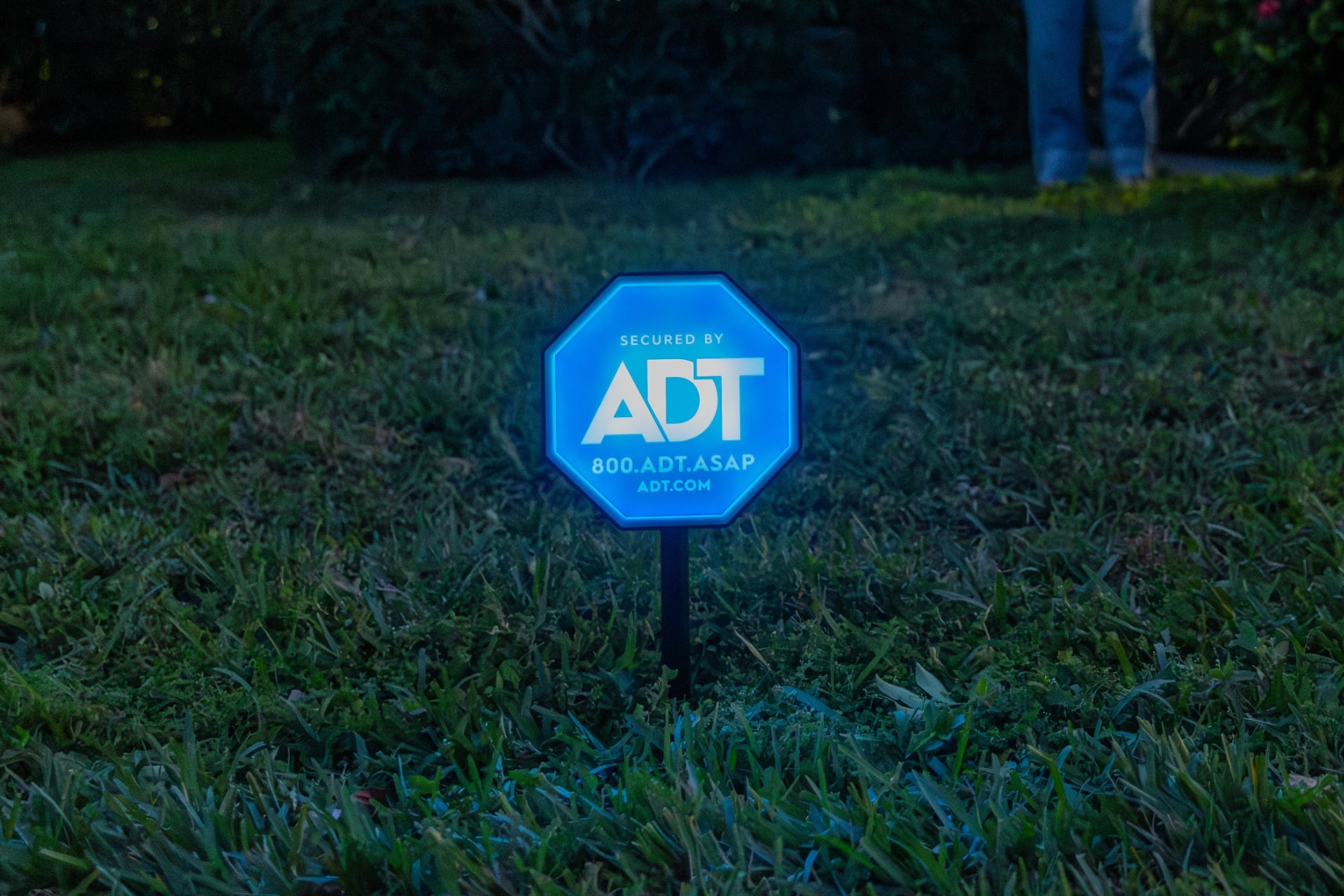
You know those little ADT security signs? You know, the ADT logo-emblazoned yard signs or stickers you find in front of houses or slapped on a window by the front door. Well, ADT is rethinking them: today, the home security company announced the ADT Live Light, a light-up version of its logo yard sign that will—you guessed it—shine when your ADT alarm system has been tripped. 

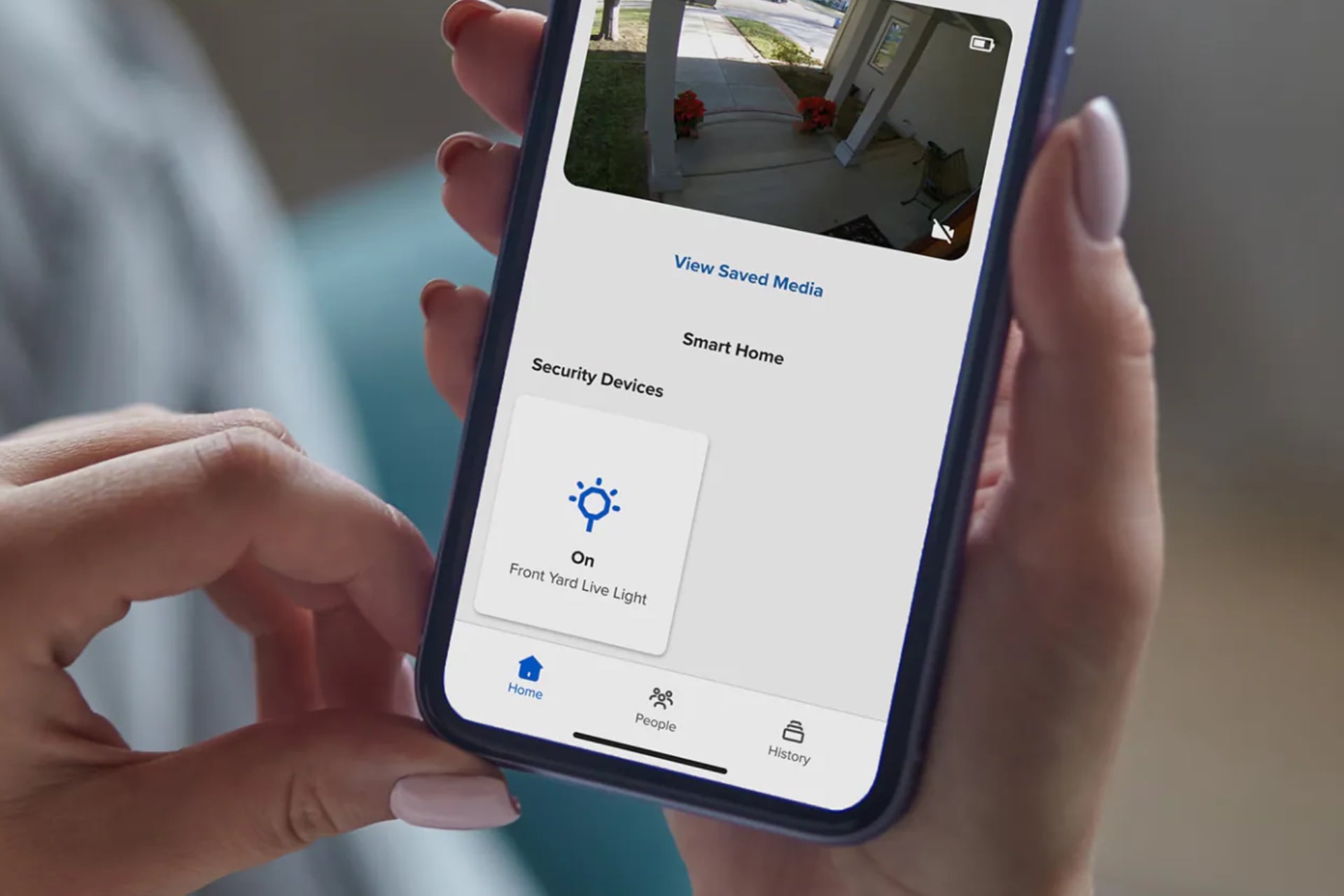
Besides being a visual indicator for your neighbors that something is amiss, ADT says the Live Light could be useful in helping first responders identify which house is yours. It would also serve the same purpose as the stickers and yard signs that came before it: letting would-be intruders know that they risk triggering an alarm by messing with your stuff. And while it can activate automatically, you can also turn it on using the ADT+ app if you want.

The Live Light is wireless and powered by three included AAA lithium batteries. It’s IP65-rated, meaning it should be dust-proof and resistant to water jets from any direction, and should operate in temperatures ranging from 4 to 122 degrees Fahrenheit. Both good things if you’re expecting people to leave their light-up sign out in the elements year-round (although those of us in the Midwest might want to bring it in for a couple of months in the winter). The sign itself is 10 x 10 inches tall and 1.75 inches thick, and goes into the ground with a 21-inch stake, although it can also be wall-mounted. 

The Live Light requires a $25-per-month ADT Professional Monitoring subscription and costs $50, including professional installation. There’s no option to install it yourself; ADT requires that one of its own installers carry out what doesn’t strike me as a terribly complicated procedure. (But what do I know? I’m just a little ol’ country technology reporter.)

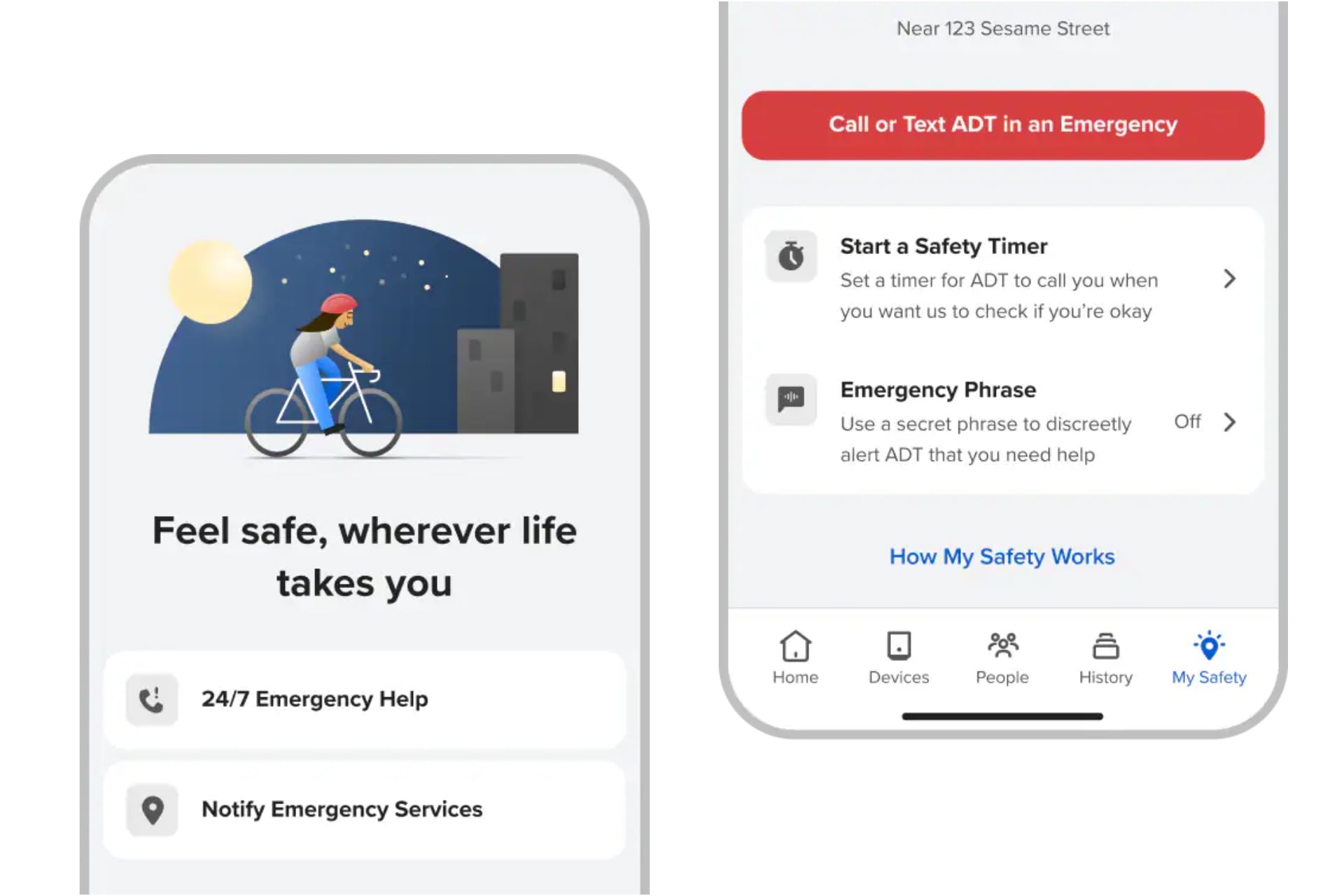
Images showing the ADT My Safety feature in the ADT+ app.
© ADT

ADT also announced a new ADT+ app feature called My Safety. My Safety extends ADT’s subscriber service beyond your house by letting you do things like set a check-in timer that, if missed, will prompt ADT to contact emergency services for you. It also offers the manual options of speaking or texting with ADT agents, or setting an “Emergency Phrase” that lets you speak a custom phrase to summon help—that is, ADT will again contact emergency services for you. The company says subscribers will be able to use that last feature even if their phone isn’t in their hand, and I’ve asked exactly how that works.

For the My Safety feature, there’s no call history, and for subscriptions with multiple people on them, only the person who initiates a call with ADT monitoring will be able to see status, activity, alerts, and notifications. It’s nice to see the company has thought of that—it can be important for victims of abuse to be able to discreetly seek help. An ADT representative told Gizmodo via email that the ADT+ app update with My Safety is available now for all subscribers in the U.S., except in Milwaukee, WI.

#ADTs #Big #Idea #LightUp #ADT #Sign #YardADT,apps,Home security,Smart Home">ADT’s New Big Idea Is a Light-Up ADT Sign for Your Yard
                You know those little ADT security signs? You know, the ADT logo-emblazoned yard signs or stickers you find in front of houses or slapped on a window by the front door. Well, ADT is rethinking them: today, the home security company announced the ADT Live Light, a light-up version of its logo yard sign that will—you guessed it—shine when your ADT alarm system has been tripped. 

 Besides being a visual indicator for your neighbors that something is amiss, ADT says the Live Light could be useful in helping first responders identify which house is yours. It would also serve the same purpose as the stickers and yard signs that came before it: letting would-be intruders know that they risk triggering an alarm by messing with your stuff. And while it can activate automatically, you can also turn it on using the ADT+ app if you want.  			 				 			 				 				© ADT 				 			 				 			 				 				© ADT 				 		  The Live Light is wireless and powered by three included AAA lithium batteries. It’s IP65-rated, meaning it should be dust-proof and resistant to water jets from any direction, and should operate in temperatures ranging from 4 to 122 degrees Fahrenheit. Both good things if you’re expecting people to leave their light-up sign out in the elements year-round (although those of us in the Midwest might want to bring it in for a couple of months in the winter). The sign itself is 10 x 10 inches tall and 1.75 inches thick, and goes into the ground with a 21-inch stake, although it can also be wall-mounted.  The Live Light requires a -per-month ADT Professional Monitoring subscription and costs , including professional installation. There’s no option to install it yourself; ADT requires that one of its own installers carry out what doesn’t strike me as a terribly complicated procedure. (But what do I know? I’m just a little ol’ country technology reporter.) © ADT ADT also announced a new ADT+ app feature called My Safety. My Safety extends ADT’s subscriber service beyond your house by letting you do things like set a check-in timer that, if missed, will prompt ADT to contact emergency services for you. It also offers the manual options of speaking or texting with ADT agents, or setting an “Emergency Phrase” that lets you speak a custom phrase to summon help—that is, ADT will again contact emergency services for you. The company says subscribers will be able to use that last feature even if their phone isn’t in their hand, and I’ve asked exactly how that works.

 For the My Safety feature, there’s no call history, and for subscriptions with multiple people on them, only the person who initiates a call with ADT monitoring will be able to see status, activity, alerts, and notifications. It’s nice to see the company has thought of that—it can be important for victims of abuse to be able to discreetly seek help. An ADT representative told Gizmodo via email that the ADT+ app update with My Safety is available now for all subscribers in the U.S., except in Milwaukee, WI.      #ADTs #Big #Idea #LightUp #ADT #Sign #YardADT,apps,Home security,Smart Home

ADT Live Light, a light-up version of its logo yard sign that will—you guessed it—shine when your ADT alarm system has been tripped. 

Besides being a visual indicator for your neighbors that something is amiss, ADT says the Live Light could be useful in helping first responders identify which house is yours. It would also serve the same purpose as the stickers and yard signs that came before it: letting would-be intruders know that they risk triggering an alarm by messing with your stuff. And while it can activate automatically, you can also turn it on using the ADT+ app if you want.

The Live Light is wireless and powered by three included AAA lithium batteries. It’s IP65-rated, meaning it should be dust-proof and resistant to water jets from any direction, and should operate in temperatures ranging from 4 to 122 degrees Fahrenheit. Both good things if you’re expecting people to leave their light-up sign out in the elements year-round (although those of us in the Midwest might want to bring it in for a couple of months in the winter). The sign itself is 10 x 10 inches tall and 1.75 inches thick, and goes into the ground with a 21-inch stake, although it can also be wall-mounted. 

The Live Light requires a $25-per-month ADT Professional Monitoring subscription and costs $50, including professional installation. There’s no option to install it yourself; ADT requires that one of its own installers carry out what doesn’t strike me as a terribly complicated procedure. (But what do I know? I’m just a little ol’ country technology reporter.)

Images showing the ADT My Safety feature in the ADT+ app.
© ADT

ADT also announced a new ADT+ app feature called My Safety. My Safety extends ADT’s subscriber service beyond your house by letting you do things like set a check-in timer that, if missed, will prompt ADT to contact emergency services for you. It also offers the manual options of speaking or texting with ADT agents, or setting an “Emergency Phrase” that lets you speak a custom phrase to summon help—that is, ADT will again contact emergency services for you. The company says subscribers will be able to use that last feature even if their phone isn’t in their hand, and I’ve asked exactly how that works.

For the My Safety feature, there’s no call history, and for subscriptions with multiple people on them, only the person who initiates a call with ADT monitoring will be able to see status, activity, alerts, and notifications. It’s nice to see the company has thought of that—it can be important for victims of abuse to be able to discreetly seek help. An ADT representative told Gizmodo via email that the ADT+ app update with My Safety is available now for all subscribers in the U.S., except in Milwaukee, WI.

#ADTs #Big #Idea #LightUp #ADT #Sign #YardADT,apps,Home security,Smart Home">ADT’s New Big Idea Is a Light-Up ADT Sign for Your Yard

You know those little ADT security signs? You know, the ADT logo-emblazoned yard signs or stickers you find in front of houses or slapped on a window by the front door. Well, ADT is rethinking them: today, the home security company announced the ADT Live Light, a light-up version of its logo yard sign that will—you guessed it—shine when your ADT alarm system has been tripped. 

Besides being a visual indicator for your neighbors that something is amiss, ADT says the Live Light could be useful in helping first responders identify which house is yours. It would also serve the same purpose as the stickers and yard signs that came before it: letting would-be intruders know that they risk triggering an alarm by messing with your stuff. And while it can activate automatically, you can also turn it on using the ADT+ app if you want.

The Live Light is wireless and powered by three included AAA lithium batteries. It’s IP65-rated, meaning it should be dust-proof and resistant to water jets from any direction, and should operate in temperatures ranging from 4 to 122 degrees Fahrenheit. Both good things if you’re expecting people to leave their light-up sign out in the elements year-round (although those of us in the Midwest might want to bring it in for a couple of months in the winter). The sign itself is 10 x 10 inches tall and 1.75 inches thick, and goes into the ground with a 21-inch stake, although it can also be wall-mounted. 

The Live Light requires a $25-per-month ADT Professional Monitoring subscription and costs $50, including professional installation. There’s no option to install it yourself; ADT requires that one of its own installers carry out what doesn’t strike me as a terribly complicated procedure. (But what do I know? I’m just a little ol’ country technology reporter.)

Images showing the ADT My Safety feature in the ADT+ app.
© ADT

ADT also announced a new ADT+ app feature called My Safety. My Safety extends ADT’s subscriber service beyond your house by letting you do things like set a check-in timer that, if missed, will prompt ADT to contact emergency services for you. It also offers the manual options of speaking or texting with ADT agents, or setting an “Emergency Phrase” that lets you speak a custom phrase to summon help—that is, ADT will again contact emergency services for you. The company says subscribers will be able to use that last feature even if their phone isn’t in their hand, and I’ve asked exactly how that works.

For the My Safety feature, there’s no call history, and for subscriptions with multiple people on them, only the person who initiates a call with ADT monitoring will be able to see status, activity, alerts, and notifications. It’s nice to see the company has thought of that—it can be important for victims of abuse to be able to discreetly seek help. An ADT representative told Gizmodo via email that the ADT+ app update with My Safety is available now for all subscribers in the U.S., except in Milwaukee, WI.

#ADTs #Big #Idea #LightUp #ADT #Sign #YardADT,apps,Home security,Smart Home

Post Comment