×
Deadspin | Report: Changing course, NWSL not expected to vote on schedule flip  May 24, 2025; Bridgeview, Illinois, USA; The logo of the National Women’s Soccer League at SeatGeek Stadium before the game between the Chicago Stars and the Kansas City Current. Mandatory Credit: Matt Cashore-Imagn Images   A highly-anticipated vote this week by the NWSL Board of Governors on a calendar flip is now not expected to take place, according to a Monday report by CBS Sports.  On April 17, reports indicated that the board of governors would vote on the issue, but those went unconfirmed by the league.  Currently, the NWSL season runs from March to November. Top circuits in Europe start in late summer or early fall and end in late spring. MLS is making the transition to that format next season.  The NWSL board previously voted against a calendar shift in 2024, according to ESPN.  In a response to media inquiries, a league spokesman seemed to indicate the status quo regarding the schedule.  “The NWSL has been actively evaluating its competition calendar, including the potential to align more closely with the international soccer landscape,” a league spokesperson said in a statement to CBS Sports. “No decision has been made at this time. Any change of this magnitude will be thoughtfully considered and we are taking input from all key stakeholders.”  One of those stakeholder are the players, who responded through the NWSL Players Union a day after the April 17 ESPN report.   “We recognize the pros and cons of each and acknowledge that factors outside our control — including the Women’s International Match Calendar and limited control over facilities — are driving this conversation,” began the statement given to The Athletic.  “We remain concerned, however, that the issue is being framed around the wrong question. The right question is not whether the league should flip the calendar, but whether the right conditions exist to do so responsibly. Right now, they do not. The ability to navigate weather-related disruptions depends on consistent control over facilities and operational flexibility across clubs, and that standard has not been met league-wide.  “Our top priorities in any scenario are protecting and promoting Player health, safety, and performance. As a general matter, a majority of Players polled on this question currently oppose flipping the calendar.”  Although the NWSL has complete authority to alter the schedule to fall-to-spring, the league’s CBA with the union specifies that the league is required to provide the union at least one year’s notice.  Moreover, since many franchise are in the northeast and the schedule would include playing in winter months, the CBA would require the league to implement an “extreme cold policy.”  –Field Level Media   #Deadspin #Report #Changing #NWSL #expected #vote #schedule #flip
Deadspin | Report: Changing course, NWSL not expected to vote on schedule flip
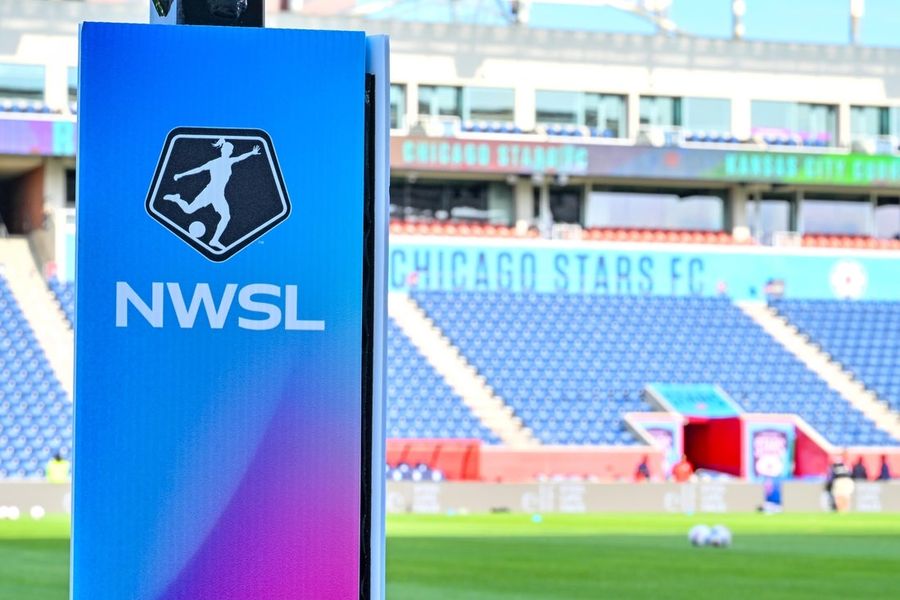
Deadspin | Report: Changing course, NWSL not expected to vote on schedule flip  May 24, 2025; Bridgeview, Illinois, USA; The logo of the National Women’s Soccer League at SeatGeek Stadium before the game between the Chicago Stars and the Kansas City Current. Mandatory Credit: Matt Cashore-Imagn Images   A highly-anticipated vote this week by the NWSL Board of Governors on a calendar flip is now not expected to take place, according to a Monday report by CBS Sports.  On April 17, reports indicated that the board of governors would vote on the issue, but those went unconfirmed by the league.  Currently, the NWSL season runs from March to November. Top circuits in Europe start in late summer or early fall and end in late spring. MLS is making the transition to that format next season.  The NWSL board previously voted against a calendar shift in 2024, according to ESPN.  In a response to media inquiries, a league spokesman seemed to indicate the status quo regarding the schedule.  “The NWSL has been actively evaluating its competition calendar, including the potential to align more closely with the international soccer landscape,” a league spokesperson said in a statement to CBS Sports. “No decision has been made at this time. Any change of this magnitude will be thoughtfully considered and we are taking input from all key stakeholders.”  One of those stakeholder are the players, who responded through the NWSL Players Union a day after the April 17 ESPN report.   “We recognize the pros and cons of each and acknowledge that factors outside our control — including the Women’s International Match Calendar and limited control over facilities — are driving this conversation,” began the statement given to The Athletic.  “We remain concerned, however, that the issue is being framed around the wrong question. The right question is not whether the league should flip the calendar, but whether the right conditions exist to do so responsibly. Right now, they do not. The ability to navigate weather-related disruptions depends on consistent control over facilities and operational flexibility across clubs, and that standard has not been met league-wide.  “Our top priorities in any scenario are protecting and promoting Player health, safety, and performance. As a general matter, a majority of Players polled on this question currently oppose flipping the calendar.”  Although the NWSL has complete authority to alter the schedule to fall-to-spring, the league’s CBA with the union specifies that the league is required to provide the union at least one year’s notice.  Moreover, since many franchise are in the northeast and the schedule would include playing in winter months, the CBA would require the league to implement an “extreme cold policy.”  –Field Level Media   #Deadspin #Report #Changing #NWSL #expected #vote #schedule #flipMay 24, 2025; Bridgeview, Illinois, USA; The logo of the National Women’s Soccer League at SeatGeek Stadium before the game between the Chicago Stars and the Kansas City Current. Mandatory Credit: Matt Cashore-Imagn Images

A highly-anticipated vote this week by the NWSL Board of Governors on a calendar flip is now not expected to take place, according to a Monday report by CBS Sports.

On April 17, reports indicated that the board of governors would vote on the issue, but those went unconfirmed by the league.

Currently, the NWSL season runs from March to November. Top circuits in Europe start in late summer or early fall and end in late spring. MLS is making the transition to that format next season.

The NWSL board previously voted against a calendar shift in 2024, according to ESPN.

In a response to media inquiries, a league spokesman seemed to indicate the status quo regarding the schedule.

“The NWSL has been actively evaluating its competition calendar, including the potential to align more closely with the international soccer landscape,” a league spokesperson said in a statement to CBS Sports. “No decision has been made at this time. Any change of this magnitude will be thoughtfully considered and we are taking input from all key stakeholders.”


One of those stakeholder are the players, who responded through the NWSL Players Union a day after the April 17 ESPN report.

“We recognize the pros and cons of each and acknowledge that factors outside our control — including the Women’s International Match Calendar and limited control over facilities — are driving this conversation,” began the statement given to The Athletic.

“We remain concerned, however, that the issue is being framed around the wrong question. The right question is not whether the league should flip the calendar, but whether the right conditions exist to do so responsibly. Right now, they do not. The ability to navigate weather-related disruptions depends on consistent control over facilities and operational flexibility across clubs, and that standard has not been met league-wide.

“Our top priorities in any scenario are protecting and promoting Player health, safety, and performance. As a general matter, a majority of Players polled on this question currently oppose flipping the calendar.”

Although the NWSL has complete authority to alter the schedule to fall-to-spring, the league’s CBA with the union specifies that the league is required to provide the union at least one year’s notice.

Moreover, since many franchise are in the northeast and the schedule would include playing in winter months, the CBA would require the league to implement an “extreme cold policy.”

–Field Level Media

#Deadspin #Report #Changing #NWSL #expected #vote #schedule #flip

May 24, 2025; Bridgeview, Illinois, USA; The logo of the National Women’s Soccer League at SeatGeek Stadium before the game between the Chicago Stars and the Kansas City Current. Mandatory Credit: Matt Cashore-Imagn Images

A highly-anticipated vote this week by the NWSL Board of Governors on a calendar flip is now not expected to take place, according to a Monday report by CBS Sports.

On April 17, reports indicated that the board of governors would vote on the issue, but those went unconfirmed by the league.

Currently, the NWSL season runs from March to November. Top circuits in Europe start in late summer or early fall and end in late spring. MLS is making the transition to that format next season.

The NWSL board previously voted against a calendar shift in 2024, according to ESPN.

In a response to media inquiries, a league spokesman seemed to indicate the status quo regarding the schedule.

“The NWSL has been actively evaluating its competition calendar, including the potential to align more closely with the international soccer landscape,” a league spokesperson said in a statement to CBS Sports. “No decision has been made at this time. Any change of this magnitude will be thoughtfully considered and we are taking input from all key stakeholders.”

One of those stakeholder are the players, who responded through the NWSL Players Union a day after the April 17 ESPN report.

“We recognize the pros and cons of each and acknowledge that factors outside our control — including the Women’s International Match Calendar and limited control over facilities — are driving this conversation,” began the statement given to The Athletic.

“We remain concerned, however, that the issue is being framed around the wrong question. The right question is not whether the league should flip the calendar, but whether the right conditions exist to do so responsibly. Right now, they do not. The ability to navigate weather-related disruptions depends on consistent control over facilities and operational flexibility across clubs, and that standard has not been met league-wide.

“Our top priorities in any scenario are protecting and promoting Player health, safety, and performance. As a general matter, a majority of Players polled on this question currently oppose flipping the calendar.”

Although the NWSL has complete authority to alter the schedule to fall-to-spring, the league’s CBA with the union specifies that the league is required to provide the union at least one year’s notice.

Moreover, since many franchise are in the northeast and the schedule would include playing in winter months, the CBA would require the league to implement an “extreme cold policy.”

–Field Level Media

Source link
#Deadspin #Report #Changing #NWSL #expected #vote #schedule #flip

Previous post

How can India qualify for FIFA U-17 World Cup after North Korea withdrew from Asian Cup? <div id="content-body-70915742" itemprop="articleBody"><p>India was handed a major boost for its FIFA Under-17 World Cup 2026 qualification hopes after the Democratic Republic of Korea withdrew from the U-17 AFC Asian Cup last week.</p><p>Korea DPR, also known as North Korea, was drawn with India, Australia and Uzbekistan in the U-17 Asian Cup, which is scheduled to take place in Saudi Arabia between May 5 and 22. Nine teams from the Asian Cup will play in the World Cup, including host Qatar.</p><p>However, a late withdrawal from Korea meant only three teams will compete from the group.</p><h4 class="sub_head">How is that a boost for India’s World Cup hopes?</h4><p>The top two teams from each group will qualify for the U-17 World Cup. As a result, India will now need to finish in the top two from a pool of three teams to qualify for the World Cup.</p><p>India has two matches in the group stages:</p><ul class="article-body article-bullet-list"><li> India vs Australia </li><li> India vs Uzbekistan </li></ul><h4 class="sub_head">How can India qualify for the FIFA U-17 World Cup?</h4><p><b>Scenario 1: </b>India wins one match and draws/wins the other <b>(4 points or more) </b>— With at least four points, India will qualify.</p><p><b>Scenario 2: </b>India wins one match and loses another <b>(3 points) </b>— If the team India beat also loses its other match, India will qualify.</p><p>But if every team wins one match each, the teams will end up with three points each. Then the following criteria will be considered.</p><ul class="article-body article-bullet-list"><li> Points in head-to-head matches among tied teams; </li><li> Goal difference in head-to-head matches among tied teams. </li><li> Goals scored in head-to-head matches among tied teams; </li><li> If more than two teams were tied, and after applying all head-to-head criteria above, a subset of teams were still tied, all head-to-head criteria above were reapplied exclusively to this subset of teams; </li><li> Goal difference in all group matches; </li><li> Goals scored in all group matches; </li><li> Penalty shoot-out if only two teams were tied and they met in the last round of the group. </li><li> Disciplinary points (yellow card = 1 point, red card as a result of two yellow cards = 3 points, direct red card = 3 points, yellow card followed by direct red card = 4 points); </li><li> Drawing of lots. </li></ul><p><b>Scenario 3: </b>India draws both matches <b>(2 points) </b>— India will qualify if the third group–stage match ends with anything but a draw.</p><p>If Uzbekistan vs Australia ends in a draw, then all three teams end up with the same points. Then the following criteria will be considered.</p><ul class="article-body article-bullet-list"><li> Points in head-to-head matches among tied teams; </li><li> Goal difference in head-to-head matches among tied teams. </li><li> Goals scored in head-to-head matches among tied teams; </li><li> If more than two teams were tied, and after applying all head-to-head criteria above, a subset of teams were still tied, all head-to-head criteria above were reapplied exclusively to this subset of teams; </li><li> Goal difference in all group matches; </li><li> Goals scored in all group matches; </li><li> Penalty shoot-out if only two teams were tied and they met in the last round of the group. </li><li> Disciplinary points (yellow card = 1 point, red card as a result of two yellow cards = 3 points, direct red card = 3 points, yellow card followed by direct red card = 4 points); </li><li> Drawing of lots. </li></ul><p><b>Scenario 4: </b>India draws one match and loses the other <b>(1 point) </b>— The other match will have to be a draw, India will need to lose by a narrow margin and must score in its draw. Only then will India stand a chance to qualify.</p><h4 class="sub_head">Has India played in the FIFA U-17 World Cup before?</h4><p>India has played in the FIFA U-17 World Cup only once in 2017, when it qualified by default as the host. It is yet to qualify for the World Cup on merit.</p><p class="publish-time" id="end-of-article">Published on Apr 28, 2026</p></div> #India #qualify #FIFA #U17 #World #Cup #North #Korea #withdrew #Asian #Cup

Next post

The Hottest Anti-AI Gadget Is a Cyberdeck<div><p class="paywall">In the years following the book’s release, a bro-y community of hobbyists has dabbled with their own wires and screens to create homebrew devices, frequently for <a href="https://www.youtube.com/watch?v=L8XOqrKBM5w" class="text link">hacking purposes</a> or on-the-go coding. Historically, decks have resembled a heavy-duty laptop, featuring a screen and small keyboard, often sleek, utilitarian, and housed in a Pelican briefcase to survive imagined, apocalyptic scenarios. One niche ham radio YouTuber, over a year ago, titled his <a href="https://www.youtube.com/watch?v=wMsRV6hZrxA" class="text link">tutorial video</a> “DIY Doomsday Cyberdeck EMAIL/TEXT without INTERNET” and, of course, included the “prepper” hashtag.</p><p class="paywall">What sets Tan’s cyberdeck apart is its aesthetic. Inside her refurbished clamshell purse, hardware-wise, is a Raspberry Pi single-board computer with a small keyboard and screen. All fairly standard stuff—the cyberdeck’s feminine shell and crafty details are what subverts expectations. “I’ve not seen anyone do a hyper-femme one before,” she says. Tan felt an appreciation for the tactical aesthetic previously established by the cyberdeck community, but she wanted to craft a version that felt more authentic to her style. “I’ve always been very anti-minimalist,” she says. “In my life, I want color, and I want everything that I own to convey that it’s me.”</p><p class="paywall">To make her mermaid cyberdeck less reliant on internet access, she has transferred heaps of files from her PC, uploading songs, books, maps, Wikipedia articles, and even some photos of her cats directly onto the device. When the custom mouse is connected, she can even run <em>Doom</em> on it.</p><figure class="AssetEmbedWrapper-iJvQnD cOWUYC asset-embed"><div class="AssetEmbedAssetContainer-fnduJP iaVSwI asset-embed__asset-container"><span class="SpanWrapper-kFnjvc eKnjjD responsive-asset AssetEmbedResponsiveAsset-gaAbQ hXaxHA asset-embed__responsive-asset"><picture class="ResponsiveImagePicture-jKunQM gjCCFj AssetEmbedResponsiveAsset-gaAbQ hXaxHA asset-embed__responsive-asset responsive-image"><img alt="Photo of Cyberdeck" loading="lazy" class="ResponsiveImageContainer-dkeESL cQPiWi responsive-image__image" srcset="https://media.wired.com/photos/69ebcad9abbfb24bd7bfb5e9/master/w_120,c_limit/Annike_Cyberdeck.jpg 120w, https://media.wired.com/photos/69ebcad9abbfb24bd7bfb5e9/master/w_240,c_limit/Annike_Cyberdeck.jpg 240w, https://media.wired.com/photos/69ebcad9abbfb24bd7bfb5e9/master/w_320,c_limit/Annike_Cyberdeck.jpg 320w, https://media.wired.com/photos/69ebcad9abbfb24bd7bfb5e9/master/w_640,c_limit/Annike_Cyberdeck.jpg 640w, https://media.wired.com/photos/69ebcad9abbfb24bd7bfb5e9/master/w_960,c_limit/Annike_Cyberdeck.jpg 960w, https://media.wired.com/photos/69ebcad9abbfb24bd7bfb5e9/master/w_1280,c_limit/Annike_Cyberdeck.jpg 1280w, https://media.wired.com/photos/69ebcad9abbfb24bd7bfb5e9/master/w_1600,c_limit/Annike_Cyberdeck.jpg 1600w" sizes="100vw" src="https://media.wired.com/photos/69ebcad9abbfb24bd7bfb5e9/master/w_1600%2Cc_limit/Annike_Cyberdeck.jpg"/></picture></span></div><div class="CaptionWrapper-bpPcvW iDPSlt caption AssetEmbedCaption-eZIMNW gMgneI asset-embed__caption" data-testid="caption-wrapper"><span class="BaseText-fEwdHD CaptionText-cQpRdU kRTNAB hbiMYj caption__text"><p>In addition to her mermaid-inspired cyberdeck, Tan also shared the construction of a deck featuring solar panels on TikTok.</p> </span><span class="BaseText-fEwdHD CaptionCredit-cUgOGk iQbGEh hRFzlA caption__credit">Courtesy of Annike Tan</span></div></figure><p class="paywall">Tan says the audience for her widely viewed TikToks are around three-fourths women. “A lot of people had the response, ‘Oh, I didn’t know you could make a computer like this. I thought it had to be a gray box, like every other Mac or Dell or whatever,’” says Ling Lu, a 28-year-old product designer and illustrator who lives in New York City. She was inspired by Tan’s videos to try to make her own whimsical gadget, the “<a data-offer-url="https://www.tiktok.com/@fishlooker_/video/7625667606153858322?_r=1&_t=ZP-95cwqzl46Bj" class="external-link text link" data-event-click="{"element":"ExternalLink","outgoingURL":"https://www.tiktok.com/@fishlooker_/video/7625667606153858322?_r=1&_t=ZP-95cwqzl46Bj"}" href="https://www.tiktok.com/@fishlooker_/video/7625667606153858322?_r=1&_t=ZP-95cwqzl46Bj" rel="nofollow noopener" target="_blank">cyberduck</a>” audio journal, an avian-shaped recording device for personal use.</p></div><script async src="//www.tiktok.com/embed.js"></script>#Hottest #AntiAI #Gadget #Cyberdeckcomputer,diy,hacking,tiktok,trends,social media

Los Angeles Lakers v Golden State Warriors

SAN FRANCISCO, CALIFORNIA – OCTOBER 18: Anthony Davis #3 and LeBron James #23 of the Los Angeles Lakers sit on the bench during their preseason game against the Golden State Warriors at Chase Center on October 18, 2024 in San Francisco, California. NOTE TO USER: User expressly acknowledges and agrees that, by downloading and/or using this photograph, user is consenting to the terms and conditions of the Getty Images License Agreement. (Photo by Ezra Shaw/Getty Images)
Getty Images

#Warriors #LeBron #James #sweepstakes #bailing #Anthony #Davis #trade #report">Warriors out of LeBron James sweepstakes after bailing on Anthony Davis trade, per report  SAN FRANCISCO, CALIFORNIA – OCTOBER 18: Anthony Davis #3 and LeBron James #23 of the Los Angeles Lakers sit on the bench during their preseason game against the Golden State Warriors at Chase Center on October 18, 2024 in San Francisco, California. NOTE TO USER: User expressly acknowledges and agrees that, by downloading and/or using this photograph, user is consenting to the terms and conditions of the Getty Images License Agreement. (Photo by Ezra Shaw/Getty Images) Getty Images  #Warriors #LeBron #James #sweepstakes #bailing #Anthony #Davis #trade #report

There is a particular kind of grief in sport that has little to do with defeat. It arrives not when a team loses, but when time finally catches up with the players who once seemed beyond its reach.

This FIFA World Cup has felt full of those moments. Luka Modric leaving with Croatia gone. Cristiano Ronaldo, who for so long bent matches to his will, walking away from another one. Manuel Neuer, for years football’s last great illusionist in goal, no longer carrying the same aura of permanence.

These were not just elite footballers; they were part of the architecture of the sport, figures so omnipresent for so long that they came to feel less like athletes and more like fixed points in our own lives.

Every major tournament had them somewhere in the frame. Modric gliding through the midfield with that strange combination of delicacy and defiance, Ronaldo summoning goals and drama with the force of habit, Neuer redrawing what a sweeper-goalkeeper could be. Their brilliance stretched across so many summers that it began to feel normal, and that was perhaps the greatest trick of all. Greatness, repeated often enough, starts to masquerade as permanence.

But sport, with its occasional cruelty, has a way of reminding us that permanence was never part of the bargain. This World Cup has exposed the mortality of men who once seemed immune to it. The legs do not always obey. The recovery takes a little longer. The moments still come, but not always on command. The body, eventually, begins to negotiate with the mind. And so, one by one, the stars who seemed to live outside time have begun to look what they always were underneath the myth: mere mortals.

Perhaps that is why Lionel Messi’s presence in this tournament feels so affecting. He is still here, still resisting and still playing as if he has found a private loophole in the laws of ageing. Around him, Argentina carries the urgency of men who know exactly what this moment means.

In Messi’s defiance, a generation watches its heroes grow old – FIFA World Cup 2026  There is a particular kind of grief in sport that has little to do with defeat. It arrives not when a team loses, but when time finally catches up with the players who once seemed beyond its reach.This FIFA World Cup has felt full of those moments. Luka Modric leaving with Croatia gone. Cristiano Ronaldo, who for so long bent matches to his will, walking away from another one. Manuel Neuer, for years football’s last great illusionist in goal, no longer carrying the same aura of permanence.These were not just elite footballers; they were part of the architecture of the sport, figures so omnipresent for so long that they came to feel less like athletes and more like fixed points in our own lives.Every major tournament had them somewhere in the frame. Modric gliding through the midfield with that strange combination of delicacy and defiance, Ronaldo summoning goals and drama with the force of habit, Neuer redrawing what a sweeper-goalkeeper could be. Their brilliance stretched across so many summers that it began to feel normal, and that was perhaps the greatest trick of all. Greatness, repeated often enough, starts to masquerade as permanence.But sport, with its occasional cruelty, has a way of reminding us that permanence was never part of the bargain. This World Cup has exposed the mortality of men who once seemed immune to it. The legs do not always obey. The recovery takes a little longer. The moments still come, but not always on command. The body, eventually, begins to negotiate with the mind. And so, one by one, the stars who seemed to live outside time have begun to look what they always were underneath the myth: mere mortals.Perhaps that is why Lionel Messi’s presence in this tournament feels so affecting. He is still here, still resisting and still playing as if he has found a private loophole in the laws of ageing. Around him, Argentina carries the urgency of men who know exactly what this moment means.Against time: Lionel Messi remains the old giant still holding back the inevitable with that familiar left foot and stubborn shrug of genius.
                                                            | Photo Credit: 
                                AFP
                            Against time: Lionel Messi remains the old giant still holding back the inevitable with that familiar left foot and stubborn shrug of genius.
                                                            | Photo Credit: 
                                AFP
                                                    There is something faintly familiar in the way his teammates seem to be fighting not only for a trophy but for the dignity of a farewell, for the chance to make sure that when their great man finally walks away, he does so with his head held high. It recalls, in its own way, those late-career years of Sachin Tendulkar, when Indian cricket seemed to understand that every innings, every tour, every knock might be one of the last chances to honour a figure who had towered over its imagination for a generation.The runs still mattered, but so did the ceremony of care around him, the collective desire to protect the ending of someone who had given so much. Maybe that is why these exits land differently as we get older. When we were younger, sporting heroes felt eternal. Tendulkar seemed as though he had always existed and somehow always would.ALSO READ: Europe holds firm grip over World Cup destiny with Messi’s Argentina offering resistanceThen came Roger Federer, making tennis look too graceful to be real; Rafael Nadal, with his fury, faith and wounded endurance; Novak Djokovic, the last great disruptor who has also now reached the stage where each tournament is shadowed by the thought of how many more are left.In cricket, Virat Kohli has moved from prodigy to elder statesman, playing just one format. And now football’s old gods, too, are being claimed by time. Their ageing has a way of confronting us with our own. You notice the greying beard in the mirror. The stiffness in your back after a long flight. The niggling pain in the knee after a walk up to the stadium media centre.Passing seasons: Virat Kohli, Roger Federer, and Rafael Nadal, who once felt eternal, now stand as reminders that even the brightest eras must eventually yield to time.
                                                            | Photo Credit: 
                                AFP, GETTY IMAGES, AP
                            Passing seasons: Virat Kohli, Roger Federer, and Rafael Nadal, who once felt eternal, now stand as reminders that even the brightest eras must eventually yield to time.
                                                            | Photo Credit: 
                                AFP, GETTY IMAGES, AP
                                                    You tell yourself these are manageable, that life is carrying on, that the body can be bargained with. But then you watch Modric labour where once he floated, or Ronaldo rage against the limits of legs that no longer answer every call, and that illusion breaks a little. If they can fade, then what chance do the rest of us have? These men were supposed to outlast ordinary rules. We were the mortals.That, perhaps, is why sport’s greatest stars matter beyond medals and numbers. They do not simply entertain us; they become markers of our own passage through life. We remember where we were when Tendulkar made that hundred, when Federer glided through another Wimbledon fortnight, when Nadal clawed through another five-set war, when Ronaldo leapt above defenders as though gravity could be compromised, when Messi finally won a World Cup.They become companions to our years. Their careers are the thread that stitches together school and work, first love and heartbreak, new cities and old friendships, parents growing older and children growing up. And so, when they begin to disappear, it is never only their ending we are mourning. It is the passing of our own seasons too.Maybe that is the ache running through this World Cup. Beneath the tactics and scorelines, beneath the noise of a new generation arriving, there is the unmistakable sense of an era loosening its grip. The old giants are not all gone yet. Messi remains, still defiant, holding back the inevitable with that familiar left foot and that stubborn little shrug of genius. But even his survival sharpens the feeling rather than easing it. It reminds us that the ending is near.And perhaps that is enough for now. One last run. One last attempt to hold the darkness off a little longer. One last tournament in which the old gods can still be glimpsed in the light, even if the light is beginning to fade.Published on Jul 08, 2026  #Messis #defiance #generation #watches #heroes #grow #FIFA #World #Cup

Against time: Lionel Messi remains the old giant still holding back the inevitable with that familiar left foot and stubborn shrug of genius. | Photo Credit: AFP

lightbox-info

Against time: Lionel Messi remains the old giant still holding back the inevitable with that familiar left foot and stubborn shrug of genius. | Photo Credit: AFP

There is something faintly familiar in the way his teammates seem to be fighting not only for a trophy but for the dignity of a farewell, for the chance to make sure that when their great man finally walks away, he does so with his head held high. It recalls, in its own way, those late-career years of Sachin Tendulkar, when Indian cricket seemed to understand that every innings, every tour, every knock might be one of the last chances to honour a figure who had towered over its imagination for a generation.

The runs still mattered, but so did the ceremony of care around him, the collective desire to protect the ending of someone who had given so much. Maybe that is why these exits land differently as we get older. When we were younger, sporting heroes felt eternal. Tendulkar seemed as though he had always existed and somehow always would.

ALSO READ: Europe holds firm grip over World Cup destiny with Messi’s Argentina offering resistance

Then came Roger Federer, making tennis look too graceful to be real; Rafael Nadal, with his fury, faith and wounded endurance; Novak Djokovic, the last great disruptor who has also now reached the stage where each tournament is shadowed by the thought of how many more are left.

In cricket, Virat Kohli has moved from prodigy to elder statesman, playing just one format. And now football’s old gods, too, are being claimed by time. Their ageing has a way of confronting us with our own. You notice the greying beard in the mirror. The stiffness in your back after a long flight. The niggling pain in the knee after a walk up to the stadium media centre.

Passing seasons: Virat Kohli, Roger Federer, and Rafael Nadal, who once felt eternal, now stand as reminders that even the brightest eras must eventually yield to time.

Passing seasons: Virat Kohli, Roger Federer, and Rafael Nadal, who once felt eternal, now stand as reminders that even the brightest eras must eventually yield to time. | Photo Credit: AFP, GETTY IMAGES, AP

lightbox-info

Passing seasons: Virat Kohli, Roger Federer, and Rafael Nadal, who once felt eternal, now stand as reminders that even the brightest eras must eventually yield to time. | Photo Credit: AFP, GETTY IMAGES, AP

You tell yourself these are manageable, that life is carrying on, that the body can be bargained with. But then you watch Modric labour where once he floated, or Ronaldo rage against the limits of legs that no longer answer every call, and that illusion breaks a little. If they can fade, then what chance do the rest of us have? These men were supposed to outlast ordinary rules. We were the mortals.

That, perhaps, is why sport’s greatest stars matter beyond medals and numbers. They do not simply entertain us; they become markers of our own passage through life. We remember where we were when Tendulkar made that hundred, when Federer glided through another Wimbledon fortnight, when Nadal clawed through another five-set war, when Ronaldo leapt above defenders as though gravity could be compromised, when Messi finally won a World Cup.

They become companions to our years. Their careers are the thread that stitches together school and work, first love and heartbreak, new cities and old friendships, parents growing older and children growing up. And so, when they begin to disappear, it is never only their ending we are mourning. It is the passing of our own seasons too.

Maybe that is the ache running through this World Cup. Beneath the tactics and scorelines, beneath the noise of a new generation arriving, there is the unmistakable sense of an era loosening its grip. The old giants are not all gone yet. Messi remains, still defiant, holding back the inevitable with that familiar left foot and that stubborn little shrug of genius. But even his survival sharpens the feeling rather than easing it. It reminds us that the ending is near.

And perhaps that is enough for now. One last run. One last attempt to hold the darkness off a little longer. One last tournament in which the old gods can still be glimpsed in the light, even if the light is beginning to fade.

Published on Jul 08, 2026

#Messis #defiance #generation #watches #heroes #grow #FIFA #World #Cup">In Messi’s defiance, a generation watches its heroes grow old – FIFA World Cup 2026  There is a particular kind of grief in sport that has little to do with defeat. It arrives not when a team loses, but when time finally catches up with the players who once seemed beyond its reach.This FIFA World Cup has felt full of those moments. Luka Modric leaving with Croatia gone. Cristiano Ronaldo, who for so long bent matches to his will, walking away from another one. Manuel Neuer, for years football’s last great illusionist in goal, no longer carrying the same aura of permanence.These were not just elite footballers; they were part of the architecture of the sport, figures so omnipresent for so long that they came to feel less like athletes and more like fixed points in our own lives.Every major tournament had them somewhere in the frame. Modric gliding through the midfield with that strange combination of delicacy and defiance, Ronaldo summoning goals and drama with the force of habit, Neuer redrawing what a sweeper-goalkeeper could be. Their brilliance stretched across so many summers that it began to feel normal, and that was perhaps the greatest trick of all. Greatness, repeated often enough, starts to masquerade as permanence.But sport, with its occasional cruelty, has a way of reminding us that permanence was never part of the bargain. This World Cup has exposed the mortality of men who once seemed immune to it. The legs do not always obey. The recovery takes a little longer. The moments still come, but not always on command. The body, eventually, begins to negotiate with the mind. And so, one by one, the stars who seemed to live outside time have begun to look what they always were underneath the myth: mere mortals.Perhaps that is why Lionel Messi’s presence in this tournament feels so affecting. He is still here, still resisting and still playing as if he has found a private loophole in the laws of ageing. Around him, Argentina carries the urgency of men who know exactly what this moment means.Against time: Lionel Messi remains the old giant still holding back the inevitable with that familiar left foot and stubborn shrug of genius.
                                                            | Photo Credit: 
                                AFP
                            Against time: Lionel Messi remains the old giant still holding back the inevitable with that familiar left foot and stubborn shrug of genius.
                                                            | Photo Credit: 
                                AFP
                                                    There is something faintly familiar in the way his teammates seem to be fighting not only for a trophy but for the dignity of a farewell, for the chance to make sure that when their great man finally walks away, he does so with his head held high. It recalls, in its own way, those late-career years of Sachin Tendulkar, when Indian cricket seemed to understand that every innings, every tour, every knock might be one of the last chances to honour a figure who had towered over its imagination for a generation.The runs still mattered, but so did the ceremony of care around him, the collective desire to protect the ending of someone who had given so much. Maybe that is why these exits land differently as we get older. When we were younger, sporting heroes felt eternal. Tendulkar seemed as though he had always existed and somehow always would.ALSO READ: Europe holds firm grip over World Cup destiny with Messi’s Argentina offering resistanceThen came Roger Federer, making tennis look too graceful to be real; Rafael Nadal, with his fury, faith and wounded endurance; Novak Djokovic, the last great disruptor who has also now reached the stage where each tournament is shadowed by the thought of how many more are left.In cricket, Virat Kohli has moved from prodigy to elder statesman, playing just one format. And now football’s old gods, too, are being claimed by time. Their ageing has a way of confronting us with our own. You notice the greying beard in the mirror. The stiffness in your back after a long flight. The niggling pain in the knee after a walk up to the stadium media centre.Passing seasons: Virat Kohli, Roger Federer, and Rafael Nadal, who once felt eternal, now stand as reminders that even the brightest eras must eventually yield to time.
                                                            | Photo Credit: 
                                AFP, GETTY IMAGES, AP
                            Passing seasons: Virat Kohli, Roger Federer, and Rafael Nadal, who once felt eternal, now stand as reminders that even the brightest eras must eventually yield to time.
                                                            | Photo Credit: 
                                AFP, GETTY IMAGES, AP
                                                    You tell yourself these are manageable, that life is carrying on, that the body can be bargained with. But then you watch Modric labour where once he floated, or Ronaldo rage against the limits of legs that no longer answer every call, and that illusion breaks a little. If they can fade, then what chance do the rest of us have? These men were supposed to outlast ordinary rules. We were the mortals.That, perhaps, is why sport’s greatest stars matter beyond medals and numbers. They do not simply entertain us; they become markers of our own passage through life. We remember where we were when Tendulkar made that hundred, when Federer glided through another Wimbledon fortnight, when Nadal clawed through another five-set war, when Ronaldo leapt above defenders as though gravity could be compromised, when Messi finally won a World Cup.They become companions to our years. Their careers are the thread that stitches together school and work, first love and heartbreak, new cities and old friendships, parents growing older and children growing up. And so, when they begin to disappear, it is never only their ending we are mourning. It is the passing of our own seasons too.Maybe that is the ache running through this World Cup. Beneath the tactics and scorelines, beneath the noise of a new generation arriving, there is the unmistakable sense of an era loosening its grip. The old giants are not all gone yet. Messi remains, still defiant, holding back the inevitable with that familiar left foot and that stubborn little shrug of genius. But even his survival sharpens the feeling rather than easing it. It reminds us that the ending is near.And perhaps that is enough for now. One last run. One last attempt to hold the darkness off a little longer. One last tournament in which the old gods can still be glimpsed in the light, even if the light is beginning to fade.Published on Jul 08, 2026  #Messis #defiance #generation #watches #heroes #grow #FIFA #World #Cup

Europe holds firm grip over World Cup destiny with Messi’s Argentina offering resistance

Then came Roger Federer, making tennis look too graceful to be real; Rafael Nadal, with his fury, faith and wounded endurance; Novak Djokovic, the last great disruptor who has also now reached the stage where each tournament is shadowed by the thought of how many more are left.

In cricket, Virat Kohli has moved from prodigy to elder statesman, playing just one format. And now football’s old gods, too, are being claimed by time. Their ageing has a way of confronting us with our own. You notice the greying beard in the mirror. The stiffness in your back after a long flight. The niggling pain in the knee after a walk up to the stadium media centre.

Passing seasons: Virat Kohli, Roger Federer, and Rafael Nadal, who once felt eternal, now stand as reminders that even the brightest eras must eventually yield to time.

Passing seasons: Virat Kohli, Roger Federer, and Rafael Nadal, who once felt eternal, now stand as reminders that even the brightest eras must eventually yield to time. | Photo Credit: AFP, GETTY IMAGES, AP

lightbox-info

Passing seasons: Virat Kohli, Roger Federer, and Rafael Nadal, who once felt eternal, now stand as reminders that even the brightest eras must eventually yield to time. | Photo Credit: AFP, GETTY IMAGES, AP

You tell yourself these are manageable, that life is carrying on, that the body can be bargained with. But then you watch Modric labour where once he floated, or Ronaldo rage against the limits of legs that no longer answer every call, and that illusion breaks a little. If they can fade, then what chance do the rest of us have? These men were supposed to outlast ordinary rules. We were the mortals.

That, perhaps, is why sport’s greatest stars matter beyond medals and numbers. They do not simply entertain us; they become markers of our own passage through life. We remember where we were when Tendulkar made that hundred, when Federer glided through another Wimbledon fortnight, when Nadal clawed through another five-set war, when Ronaldo leapt above defenders as though gravity could be compromised, when Messi finally won a World Cup.

They become companions to our years. Their careers are the thread that stitches together school and work, first love and heartbreak, new cities and old friendships, parents growing older and children growing up. And so, when they begin to disappear, it is never only their ending we are mourning. It is the passing of our own seasons too.

Maybe that is the ache running through this World Cup. Beneath the tactics and scorelines, beneath the noise of a new generation arriving, there is the unmistakable sense of an era loosening its grip. The old giants are not all gone yet. Messi remains, still defiant, holding back the inevitable with that familiar left foot and that stubborn little shrug of genius. But even his survival sharpens the feeling rather than easing it. It reminds us that the ending is near.

And perhaps that is enough for now. One last run. One last attempt to hold the darkness off a little longer. One last tournament in which the old gods can still be glimpsed in the light, even if the light is beginning to fade.

Published on Jul 08, 2026

#Messis #defiance #generation #watches #heroes #grow #FIFA #World #Cup">In Messi’s defiance, a generation watches its heroes grow old – FIFA World Cup 2026

There is a particular kind of grief in sport that has little to do with defeat. It arrives not when a team loses, but when time finally catches up with the players who once seemed beyond its reach.

This FIFA World Cup has felt full of those moments. Luka Modric leaving with Croatia gone. Cristiano Ronaldo, who for so long bent matches to his will, walking away from another one. Manuel Neuer, for years football’s last great illusionist in goal, no longer carrying the same aura of permanence.

These were not just elite footballers; they were part of the architecture of the sport, figures so omnipresent for so long that they came to feel less like athletes and more like fixed points in our own lives.

Every major tournament had them somewhere in the frame. Modric gliding through the midfield with that strange combination of delicacy and defiance, Ronaldo summoning goals and drama with the force of habit, Neuer redrawing what a sweeper-goalkeeper could be. Their brilliance stretched across so many summers that it began to feel normal, and that was perhaps the greatest trick of all. Greatness, repeated often enough, starts to masquerade as permanence.

But sport, with its occasional cruelty, has a way of reminding us that permanence was never part of the bargain. This World Cup has exposed the mortality of men who once seemed immune to it. The legs do not always obey. The recovery takes a little longer. The moments still come, but not always on command. The body, eventually, begins to negotiate with the mind. And so, one by one, the stars who seemed to live outside time have begun to look what they always were underneath the myth: mere mortals.

Perhaps that is why Lionel Messi’s presence in this tournament feels so affecting. He is still here, still resisting and still playing as if he has found a private loophole in the laws of ageing. Around him, Argentina carries the urgency of men who know exactly what this moment means.

In Messi’s defiance, a generation watches its heroes grow old – FIFA World Cup 2026  There is a particular kind of grief in sport that has little to do with defeat. It arrives not when a team loses, but when time finally catches up with the players who once seemed beyond its reach.This FIFA World Cup has felt full of those moments. Luka Modric leaving with Croatia gone. Cristiano Ronaldo, who for so long bent matches to his will, walking away from another one. Manuel Neuer, for years football’s last great illusionist in goal, no longer carrying the same aura of permanence.These were not just elite footballers; they were part of the architecture of the sport, figures so omnipresent for so long that they came to feel less like athletes and more like fixed points in our own lives.Every major tournament had them somewhere in the frame. Modric gliding through the midfield with that strange combination of delicacy and defiance, Ronaldo summoning goals and drama with the force of habit, Neuer redrawing what a sweeper-goalkeeper could be. Their brilliance stretched across so many summers that it began to feel normal, and that was perhaps the greatest trick of all. Greatness, repeated often enough, starts to masquerade as permanence.But sport, with its occasional cruelty, has a way of reminding us that permanence was never part of the bargain. This World Cup has exposed the mortality of men who once seemed immune to it. The legs do not always obey. The recovery takes a little longer. The moments still come, but not always on command. The body, eventually, begins to negotiate with the mind. And so, one by one, the stars who seemed to live outside time have begun to look what they always were underneath the myth: mere mortals.Perhaps that is why Lionel Messi’s presence in this tournament feels so affecting. He is still here, still resisting and still playing as if he has found a private loophole in the laws of ageing. Around him, Argentina carries the urgency of men who know exactly what this moment means.Against time: Lionel Messi remains the old giant still holding back the inevitable with that familiar left foot and stubborn shrug of genius.
                                                            | Photo Credit: 
                                AFP
                            Against time: Lionel Messi remains the old giant still holding back the inevitable with that familiar left foot and stubborn shrug of genius.
                                                            | Photo Credit: 
                                AFP
                                                    There is something faintly familiar in the way his teammates seem to be fighting not only for a trophy but for the dignity of a farewell, for the chance to make sure that when their great man finally walks away, he does so with his head held high. It recalls, in its own way, those late-career years of Sachin Tendulkar, when Indian cricket seemed to understand that every innings, every tour, every knock might be one of the last chances to honour a figure who had towered over its imagination for a generation.The runs still mattered, but so did the ceremony of care around him, the collective desire to protect the ending of someone who had given so much. Maybe that is why these exits land differently as we get older. When we were younger, sporting heroes felt eternal. Tendulkar seemed as though he had always existed and somehow always would.ALSO READ: Europe holds firm grip over World Cup destiny with Messi’s Argentina offering resistanceThen came Roger Federer, making tennis look too graceful to be real; Rafael Nadal, with his fury, faith and wounded endurance; Novak Djokovic, the last great disruptor who has also now reached the stage where each tournament is shadowed by the thought of how many more are left.In cricket, Virat Kohli has moved from prodigy to elder statesman, playing just one format. And now football’s old gods, too, are being claimed by time. Their ageing has a way of confronting us with our own. You notice the greying beard in the mirror. The stiffness in your back after a long flight. The niggling pain in the knee after a walk up to the stadium media centre.Passing seasons: Virat Kohli, Roger Federer, and Rafael Nadal, who once felt eternal, now stand as reminders that even the brightest eras must eventually yield to time.
                                                            | Photo Credit: 
                                AFP, GETTY IMAGES, AP
                            Passing seasons: Virat Kohli, Roger Federer, and Rafael Nadal, who once felt eternal, now stand as reminders that even the brightest eras must eventually yield to time.
                                                            | Photo Credit: 
                                AFP, GETTY IMAGES, AP
                                                    You tell yourself these are manageable, that life is carrying on, that the body can be bargained with. But then you watch Modric labour where once he floated, or Ronaldo rage against the limits of legs that no longer answer every call, and that illusion breaks a little. If they can fade, then what chance do the rest of us have? These men were supposed to outlast ordinary rules. We were the mortals.That, perhaps, is why sport’s greatest stars matter beyond medals and numbers. They do not simply entertain us; they become markers of our own passage through life. We remember where we were when Tendulkar made that hundred, when Federer glided through another Wimbledon fortnight, when Nadal clawed through another five-set war, when Ronaldo leapt above defenders as though gravity could be compromised, when Messi finally won a World Cup.They become companions to our years. Their careers are the thread that stitches together school and work, first love and heartbreak, new cities and old friendships, parents growing older and children growing up. And so, when they begin to disappear, it is never only their ending we are mourning. It is the passing of our own seasons too.Maybe that is the ache running through this World Cup. Beneath the tactics and scorelines, beneath the noise of a new generation arriving, there is the unmistakable sense of an era loosening its grip. The old giants are not all gone yet. Messi remains, still defiant, holding back the inevitable with that familiar left foot and that stubborn little shrug of genius. But even his survival sharpens the feeling rather than easing it. It reminds us that the ending is near.And perhaps that is enough for now. One last run. One last attempt to hold the darkness off a little longer. One last tournament in which the old gods can still be glimpsed in the light, even if the light is beginning to fade.Published on Jul 08, 2026  #Messis #defiance #generation #watches #heroes #grow #FIFA #World #Cup

Against time: Lionel Messi remains the old giant still holding back the inevitable with that familiar left foot and stubborn shrug of genius. | Photo Credit: AFP

lightbox-info

Against time: Lionel Messi remains the old giant still holding back the inevitable with that familiar left foot and stubborn shrug of genius. | Photo Credit: AFP

There is something faintly familiar in the way his teammates seem to be fighting not only for a trophy but for the dignity of a farewell, for the chance to make sure that when their great man finally walks away, he does so with his head held high. It recalls, in its own way, those late-career years of Sachin Tendulkar, when Indian cricket seemed to understand that every innings, every tour, every knock might be one of the last chances to honour a figure who had towered over its imagination for a generation.

The runs still mattered, but so did the ceremony of care around him, the collective desire to protect the ending of someone who had given so much. Maybe that is why these exits land differently as we get older. When we were younger, sporting heroes felt eternal. Tendulkar seemed as though he had always existed and somehow always would.

ALSO READ: Europe holds firm grip over World Cup destiny with Messi’s Argentina offering resistance

Then came Roger Federer, making tennis look too graceful to be real; Rafael Nadal, with his fury, faith and wounded endurance; Novak Djokovic, the last great disruptor who has also now reached the stage where each tournament is shadowed by the thought of how many more are left.

In cricket, Virat Kohli has moved from prodigy to elder statesman, playing just one format. And now football’s old gods, too, are being claimed by time. Their ageing has a way of confronting us with our own. You notice the greying beard in the mirror. The stiffness in your back after a long flight. The niggling pain in the knee after a walk up to the stadium media centre.

Passing seasons: Virat Kohli, Roger Federer, and Rafael Nadal, who once felt eternal, now stand as reminders that even the brightest eras must eventually yield to time.

Passing seasons: Virat Kohli, Roger Federer, and Rafael Nadal, who once felt eternal, now stand as reminders that even the brightest eras must eventually yield to time. | Photo Credit: AFP, GETTY IMAGES, AP

lightbox-info

Passing seasons: Virat Kohli, Roger Federer, and Rafael Nadal, who once felt eternal, now stand as reminders that even the brightest eras must eventually yield to time. | Photo Credit: AFP, GETTY IMAGES, AP

You tell yourself these are manageable, that life is carrying on, that the body can be bargained with. But then you watch Modric labour where once he floated, or Ronaldo rage against the limits of legs that no longer answer every call, and that illusion breaks a little. If they can fade, then what chance do the rest of us have? These men were supposed to outlast ordinary rules. We were the mortals.

That, perhaps, is why sport’s greatest stars matter beyond medals and numbers. They do not simply entertain us; they become markers of our own passage through life. We remember where we were when Tendulkar made that hundred, when Federer glided through another Wimbledon fortnight, when Nadal clawed through another five-set war, when Ronaldo leapt above defenders as though gravity could be compromised, when Messi finally won a World Cup.

They become companions to our years. Their careers are the thread that stitches together school and work, first love and heartbreak, new cities and old friendships, parents growing older and children growing up. And so, when they begin to disappear, it is never only their ending we are mourning. It is the passing of our own seasons too.

Maybe that is the ache running through this World Cup. Beneath the tactics and scorelines, beneath the noise of a new generation arriving, there is the unmistakable sense of an era loosening its grip. The old giants are not all gone yet. Messi remains, still defiant, holding back the inevitable with that familiar left foot and that stubborn little shrug of genius. But even his survival sharpens the feeling rather than easing it. It reminds us that the ending is near.

And perhaps that is enough for now. One last run. One last attempt to hold the darkness off a little longer. One last tournament in which the old gods can still be glimpsed in the light, even if the light is beginning to fade.

Published on Jul 08, 2026

#Messis #defiance #generation #watches #heroes #grow #FIFA #World #Cup

Post Comment