×
Deadspin | Several marquee names skipping PGA’s return to Trump National Doral  Rory McIlroy tees off on the fourth hole during the third round of the 2026 Masters. Credit: Grace Smith-Imagn Images   The PGA Tour is making its return to Trump National Doral following a 10-year hiatus this week, but even a signature event’s  million purse at the famous “Blue Monster” wasn’t enough to prevent several marquee names from opting out.  The Cadillac Championship is the fifth of eight signature events this season, featuring a .6 million winner’s check. The field is limited to only 72 players and without a cut, meaning every competitor is guaranteed at least ,000.   However, it also comes three weeks after the Masters and two weeks after the fourth signature event at the RBC Heritage. Another signature event is on tap at next week’s Truist Championship, which is followed by the second major of the year at the PGA Championship.   World No. 2 Rory McIlroy is skipping his second consecutive signature event since repeating at the Masters. No. 3 Matt Fitzpatrick, who played the Masters before winning the RBC Heritage and last week’s Zurich Classic, is also taking the week off.   So, too, are No. 9 Xander Schauffele, No. 12 Robert MacIntyre and No. 14 Ludvig Aberg.  Fifth-ranked Justin Rose will be on hand to tackle the Blue Monster, where he won in 2012. But that only comes after skipping the RBC Heritage following a tie for third at the Masters, where he held the lead on the back nine on Sunday.  Despite the massive purses and elevated FedEx Cup points on the line, the string of three signature events and two majors in a six-week span is forcing players to make some tough scheduling decisions.  “I looked at this period coming up and I think something had to give, for sure,” Rose said. ” … I felt like I knew what was coming, I knew what a big run of events were coming, obviously with PGA Championship being on the back of (these) three.   “When you’re having to miss great events to prepare for other great events, it’s not ideal. Obviously this event was added late in I guess the structure of the sort of elevated event structure that we had. This is obviously a new edition, so it had to fall somewhere.”   The makeup of the 2027 PGA Tour schedule and beyond has been an ongoing topic of discussion. After rumors of a massively revamped schedule began circulating earlier this year, the expectation is now for a first iteration of changes in 2027 followed by more in the following year.  The consensus seems to be that while the elevated purses are attractive — and difficult to walk away from — there are only so many events players can commit to over a short span. Adam Scott, who won the most recent PGA Tour event at Doral in 2016, said this year is stacking up as an exception rather than a new normal for the schedule.  The Cadillac Championship wasn’t announced as an addition to the 2026 schedule until last August.  “Ideally, this wouldn’t be the way,” Scott acknowledged. “It’s one event we’re talking about, so it makes that much of a difference adding one, it makes that much of a difference taking one away. I think we’ve got to get through this year and hopefully the schedule looks a little more balanced next year.”  Rose was asked what he believes the impact will be if a future schedule features fewer events that are all on an equal level.  “What the PGA Tour’s trying to do is create the best possible product and the best possible tournaments in the most appealing time of the year,” Rose said. “The players go, ‘That’s my job, this is the season, this is time to knuckle down and get down to business.’   “If that means that that flow of events suits you, then that’s what you have to commit to, to kind of give your best performance on the best courses or the courses that suit you the best, in order to accumulate the right amount of points to win the Fed(Ex) Cup. That’s the goal.   “Everybody’s going to have a slightly different recipe of how that’s done”  –Field Level Media    #Deadspin #marquee #names #skipping #PGAs #return #Trump #National #Doral
Deadspin | Several marquee names skipping PGA’s return to Trump National Doral
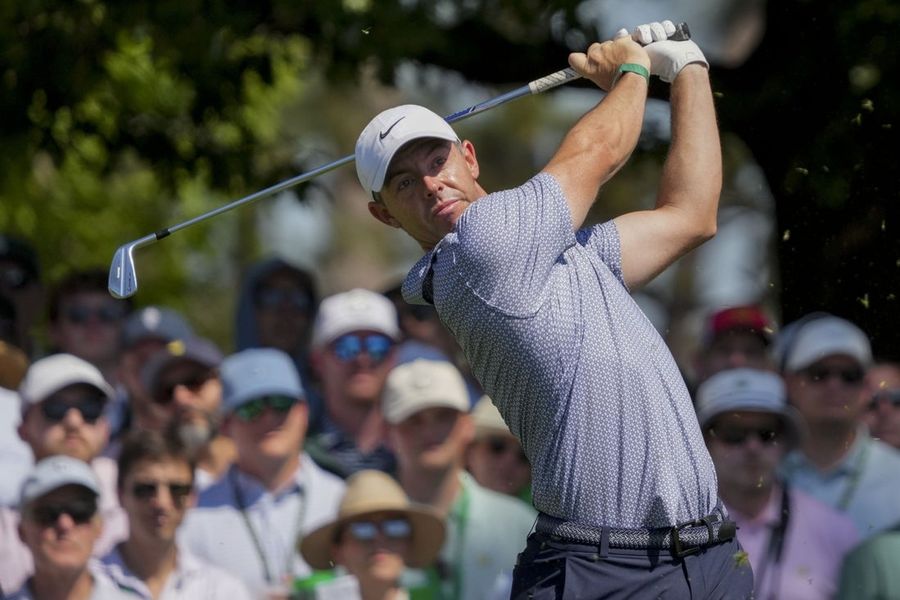
Deadspin | Several marquee names skipping PGA’s return to Trump National Doral  Rory McIlroy tees off on the fourth hole during the third round of the 2026 Masters. Credit: Grace Smith-Imagn Images   The PGA Tour is making its return to Trump National Doral following a 10-year hiatus this week, but even a signature event’s  million purse at the famous “Blue Monster” wasn’t enough to prevent several marquee names from opting out.  The Cadillac Championship is the fifth of eight signature events this season, featuring a .6 million winner’s check. The field is limited to only 72 players and without a cut, meaning every competitor is guaranteed at least ,000.   However, it also comes three weeks after the Masters and two weeks after the fourth signature event at the RBC Heritage. Another signature event is on tap at next week’s Truist Championship, which is followed by the second major of the year at the PGA Championship.   World No. 2 Rory McIlroy is skipping his second consecutive signature event since repeating at the Masters. No. 3 Matt Fitzpatrick, who played the Masters before winning the RBC Heritage and last week’s Zurich Classic, is also taking the week off.   So, too, are No. 9 Xander Schauffele, No. 12 Robert MacIntyre and No. 14 Ludvig Aberg.  Fifth-ranked Justin Rose will be on hand to tackle the Blue Monster, where he won in 2012. But that only comes after skipping the RBC Heritage following a tie for third at the Masters, where he held the lead on the back nine on Sunday.  Despite the massive purses and elevated FedEx Cup points on the line, the string of three signature events and two majors in a six-week span is forcing players to make some tough scheduling decisions.  “I looked at this period coming up and I think something had to give, for sure,” Rose said. ” … I felt like I knew what was coming, I knew what a big run of events were coming, obviously with PGA Championship being on the back of (these) three.   “When you’re having to miss great events to prepare for other great events, it’s not ideal. Obviously this event was added late in I guess the structure of the sort of elevated event structure that we had. This is obviously a new edition, so it had to fall somewhere.”   The makeup of the 2027 PGA Tour schedule and beyond has been an ongoing topic of discussion. After rumors of a massively revamped schedule began circulating earlier this year, the expectation is now for a first iteration of changes in 2027 followed by more in the following year.  The consensus seems to be that while the elevated purses are attractive — and difficult to walk away from — there are only so many events players can commit to over a short span. Adam Scott, who won the most recent PGA Tour event at Doral in 2016, said this year is stacking up as an exception rather than a new normal for the schedule.  The Cadillac Championship wasn’t announced as an addition to the 2026 schedule until last August.  “Ideally, this wouldn’t be the way,” Scott acknowledged. “It’s one event we’re talking about, so it makes that much of a difference adding one, it makes that much of a difference taking one away. I think we’ve got to get through this year and hopefully the schedule looks a little more balanced next year.”  Rose was asked what he believes the impact will be if a future schedule features fewer events that are all on an equal level.  “What the PGA Tour’s trying to do is create the best possible product and the best possible tournaments in the most appealing time of the year,” Rose said. “The players go, ‘That’s my job, this is the season, this is time to knuckle down and get down to business.’   “If that means that that flow of events suits you, then that’s what you have to commit to, to kind of give your best performance on the best courses or the courses that suit you the best, in order to accumulate the right amount of points to win the Fed(Ex) Cup. That’s the goal.   “Everybody’s going to have a slightly different recipe of how that’s done”  –Field Level Media    #Deadspin #marquee #names #skipping #PGAs #return #Trump #National #DoralRory McIlroy tees off on the fourth hole during the third round of the 2026 Masters. Credit: Grace Smith-Imagn Images

The PGA Tour is making its return to Trump National Doral following a 10-year hiatus this week, but even a signature event’s $20 million purse at the famous “Blue Monster” wasn’t enough to prevent several marquee names from opting out.

The Cadillac Championship is the fifth of eight signature events this season, featuring a $3.6 million winner’s check. The field is limited to only 72 players and without a cut, meaning every competitor is guaranteed at least $36,000.

However, it also comes three weeks after the Masters and two weeks after the fourth signature event at the RBC Heritage. Another signature event is on tap at next week’s Truist Championship, which is followed by the second major of the year at the PGA Championship.

World No. 2 Rory McIlroy is skipping his second consecutive signature event since repeating at the Masters. No. 3 Matt Fitzpatrick, who played the Masters before winning the RBC Heritage and last week’s Zurich Classic, is also taking the week off.

So, too, are No. 9 Xander Schauffele, No. 12 Robert MacIntyre and No. 14 Ludvig Aberg.

Fifth-ranked Justin Rose will be on hand to tackle the Blue Monster, where he won in 2012. But that only comes after skipping the RBC Heritage following a tie for third at the Masters, where he held the lead on the back nine on Sunday.

Despite the massive purses and elevated FedEx Cup points on the line, the string of three signature events and two majors in a six-week span is forcing players to make some tough scheduling decisions.

“I looked at this period coming up and I think something had to give, for sure,” Rose said. ” … I felt like I knew what was coming, I knew what a big run of events were coming, obviously with PGA Championship being on the back of (these) three.


“When you’re having to miss great events to prepare for other great events, it’s not ideal. Obviously this event was added late in I guess the structure of the sort of elevated event structure that we had. This is obviously a new edition, so it had to fall somewhere.”

The makeup of the 2027 PGA Tour schedule and beyond has been an ongoing topic of discussion. After rumors of a massively revamped schedule began circulating earlier this year, the expectation is now for a first iteration of changes in 2027 followed by more in the following year.

The consensus seems to be that while the elevated purses are attractive — and difficult to walk away from — there are only so many events players can commit to over a short span. Adam Scott, who won the most recent PGA Tour event at Doral in 2016, said this year is stacking up as an exception rather than a new normal for the schedule.

The Cadillac Championship wasn’t announced as an addition to the 2026 schedule until last August.

“Ideally, this wouldn’t be the way,” Scott acknowledged. “It’s one event we’re talking about, so it makes that much of a difference adding one, it makes that much of a difference taking one away. I think we’ve got to get through this year and hopefully the schedule looks a little more balanced next year.”

Rose was asked what he believes the impact will be if a future schedule features fewer events that are all on an equal level.

“What the PGA Tour’s trying to do is create the best possible product and the best possible tournaments in the most appealing time of the year,” Rose said. “The players go, ‘That’s my job, this is the season, this is time to knuckle down and get down to business.’

“If that means that that flow of events suits you, then that’s what you have to commit to, to kind of give your best performance on the best courses or the courses that suit you the best, in order to accumulate the right amount of points to win the Fed(Ex) Cup. That’s the goal.

“Everybody’s going to have a slightly different recipe of how that’s done”


–Field Level Media

#Deadspin #marquee #names #skipping #PGAs #return #Trump #National #Doral

Rory McIlroy tees off on the fourth hole during the third round of the 2026 Masters. Credit: Grace Smith-Imagn Images

The PGA Tour is making its return to Trump National Doral following a 10-year hiatus this week, but even a signature event’s $20 million purse at the famous “Blue Monster” wasn’t enough to prevent several marquee names from opting out.

The Cadillac Championship is the fifth of eight signature events this season, featuring a $3.6 million winner’s check. The field is limited to only 72 players and without a cut, meaning every competitor is guaranteed at least $36,000.

However, it also comes three weeks after the Masters and two weeks after the fourth signature event at the RBC Heritage. Another signature event is on tap at next week’s Truist Championship, which is followed by the second major of the year at the PGA Championship.

World No. 2 Rory McIlroy is skipping his second consecutive signature event since repeating at the Masters. No. 3 Matt Fitzpatrick, who played the Masters before winning the RBC Heritage and last week’s Zurich Classic, is also taking the week off.

So, too, are No. 9 Xander Schauffele, No. 12 Robert MacIntyre and No. 14 Ludvig Aberg.

Fifth-ranked Justin Rose will be on hand to tackle the Blue Monster, where he won in 2012. But that only comes after skipping the RBC Heritage following a tie for third at the Masters, where he held the lead on the back nine on Sunday.

Despite the massive purses and elevated FedEx Cup points on the line, the string of three signature events and two majors in a six-week span is forcing players to make some tough scheduling decisions.

“I looked at this period coming up and I think something had to give, for sure,” Rose said. ” … I felt like I knew what was coming, I knew what a big run of events were coming, obviously with PGA Championship being on the back of (these) three.

“When you’re having to miss great events to prepare for other great events, it’s not ideal. Obviously this event was added late in I guess the structure of the sort of elevated event structure that we had. This is obviously a new edition, so it had to fall somewhere.”

The makeup of the 2027 PGA Tour schedule and beyond has been an ongoing topic of discussion. After rumors of a massively revamped schedule began circulating earlier this year, the expectation is now for a first iteration of changes in 2027 followed by more in the following year.

The consensus seems to be that while the elevated purses are attractive — and difficult to walk away from — there are only so many events players can commit to over a short span. Adam Scott, who won the most recent PGA Tour event at Doral in 2016, said this year is stacking up as an exception rather than a new normal for the schedule.

The Cadillac Championship wasn’t announced as an addition to the 2026 schedule until last August.

“Ideally, this wouldn’t be the way,” Scott acknowledged. “It’s one event we’re talking about, so it makes that much of a difference adding one, it makes that much of a difference taking one away. I think we’ve got to get through this year and hopefully the schedule looks a little more balanced next year.”

Rose was asked what he believes the impact will be if a future schedule features fewer events that are all on an equal level.

“What the PGA Tour’s trying to do is create the best possible product and the best possible tournaments in the most appealing time of the year,” Rose said. “The players go, ‘That’s my job, this is the season, this is time to knuckle down and get down to business.’

“If that means that that flow of events suits you, then that’s what you have to commit to, to kind of give your best performance on the best courses or the courses that suit you the best, in order to accumulate the right amount of points to win the Fed(Ex) Cup. That’s the goal.

“Everybody’s going to have a slightly different recipe of how that’s done”

–Field Level Media

Source link
#Deadspin #marquee #names #skipping #PGAs #return #Trump #National #Doral

Previous post

Deadspin | Hailey Baptiste saves six match points to stun Aryna Sabalenka in Madrid <div id=""><section id="0" class=" w-full"><div class="xl:container mx-0 !px-4 py-0 pb-4 !mx-0 !px-0"><img src="https://images.deadspin.com/tr:w-900/28432161.jpg" srcset="https://images.deadspin.com/tr:w-900/28432161.jpg" alt="Tennis: BNP Paribas Open-Day 7" class="w-full" fetchpriority="high" loading="eager"/><span class="text-0.8 leading-tight">Mar 7, 2026; Indian Wells, CA, USA; Hailey Baptiste (USA) reacts after winning the second set during her second round match against Elena Rybakina (KAZ) in the BNP Paribas Open at the Indian Wells Tennis Garden. Mandatory Credit: Jayne Kamin-Oncea-Imagn Images<!-- --> <!-- --> </span></div></section><section id="section-1"> <p>Hailey Baptiste upset World No. 1 Aryna Sabalenka and did so in dramatic fashion, saving six match points en route to a 2-6, 6-2, 7-6 (6) victory in the quarterfinals of the Madrid Open on Tuesday.</p> </section><section id="section-2"> <p>The 30th-seeded Baptiste earned the first top-five victory of her young career by handing Sabalenka only her second loss of the season. The Belarusian saw a 15-match win streak come to a halt.</p> </section><section id="section-3"> <p>Baptiste, a 24-year-old from Washington, D.C., advanced to the semifinals of a WTA 1000 event for the first time after reaching the Miami Open quarterfinals last month — where she fell to Sabalenka.</p> </section><section id="section-4"> <p>“It just shows me where my game was. I’ve always believed it, and I feel like now I’m starting to put it into action and the world is seeing it as well,” Baptiste told Tennis Channel in a post-match interview.</p> </section><section id="section-5"> <p>Five of Baptiste’s six saved match points came during a marathon 10th game in the third set. Up 5-4, Sabalenka raced out to a 40-15 lead and had double match point. But it was Baptiste’s service game, and she fired an ace past Sabalenka before another big serve led to a Sabalenka shot in the net.</p> </section><section id="section-6"> <p>Sabalenka soon earned three advantages in a row, only for Baptiste to counter all three.</p> </section><section id="section-7"> <p>In the tiebreaker, Sabalenka squeaked ahead 6-5 but Baptiste saved match point No. 6 and won two more points from there to finish off the upset.</p> </section><br/><section id="section-8"> <p>“I definitely had a lot of nerves, but I had 28 chances yesterday and I didn’t get it done,” Baptiste said, referring to Monday’s marathon win in which Switzerland’s Belinda Bencic saved six of Baptiste’s match points.</p> </section> <section id="section-9"> <p>“I was able to get it on the first one, and I told my team, when I get my match point today, I’m going to win the first one that I get.”</p> </section><section id="section-10"> <p>Baptiste finished with 12 aces and saved 11 of 17 break points, while Sabalenka saved 8 of 14 break points and won exactly one fewer point than her opponent. Sabalenka had won the Sunshine Double (Indian Wells, Miami) plus her first three matches of the Madrid Open.</p> </section><section id="section-11"> <p>Baptiste’s next challenge will be a match against No. 9 seed Mirra Andreeva of Russia. In the only other match on Tuesday’s slate, Andreeva defeated Canadian 24th seed Leylah Fernandez 7-6 (1), 6-3.</p> </section><section id="section-12"> <p>On the day before her 19th birthday, Andreeva advanced to the semifinals of a WTA 1000 event for the first time since her victories at Dubai and Indian Wells last year.</p> </section><section id="section-13"> <p>“I’m so happy I cannot take the smile away from my face,” Andreeva said. “I’m extremely happy about the way I played and the result. It wouldn’t be a perfect birthday if I would lose today. I really didn’t want that to happen, and I was trying to give everything I had to be in a good mood tomorrow.”</p> </section><section id="section-14"> <p>Andreeva saved 12 of 15 break points while benefiting from Fernandez’s five double faults without an ace.</p> </section><section id="section-15"> <p>–Field Level Media</p> </section></div> #Deadspin #Hailey #Baptiste #saves #match #points #stun #Aryna #Sabalenka #Madrid

Next post

Deadspin | Vancouver police denied motorcade request for FIFA’s Gianni Infantino <div id=""><section id="0" class=" w-full"><div class="xl:container mx-0 !px-4 py-0 pb-4 !mx-0 !px-0"><img src="https://images.deadspin.com/tr:w-900/Sa57d0ae8-8ea1-4211-9c74-a4912f6a389e.jpg" srcset="https://images.deadspin.com/tr:w-900/Sa57d0ae8-8ea1-4211-9c74-a4912f6a389e.jpg" alt="FIFA President Gianni Infantino Holds World Cup Trophy" class="w-full" fetchpriority="high" loading="eager"/><span class="text-0.8 leading-tight">FIFA President Gianni Infantino holds the FIFA World Cup trophy at the World Economic Forum (WEF) meeting in Davos, Switzerland on Jan. 22, 2026. <!-- --> <!-- --> </span></div></section><section id="section-1"> <p>Vancouver’s police department denied a request for FIFA president Gianni Infantino to utilize a motorcade escort for his trip to the city this week for the annual FIFA Congress.</p> </section><section id="section-2"> <p>Per a report from Global News, the request was for a full motorcade escort, which would have allowed Infantino to travel through traffic lights and without interruption. Vancouver is set to host seven World Cup matches this summer including a Round of 32 and Round of 16 match.</p> </section><section id="section-3"> <p>“Any transportation arrangements that are made will be appropriate, measured, and consistent with how Vancouver safely hosts major international events,” Vancouver mayor Ken Simms’ office said in a statement.</p> </section><br/><section id="section-4"> <p>FIFA released a statement to multiple media outlets saying that Infantino was not involved in the decision to request the motorcade.</p> </section> <section id="section-5"> <p>“President was not aware of, or involved in, any requests with authorities in relation to his transportation and security matters for the 76th FIFA Congress,” FIFA’s statement said. “In line with previous arrangements for such events, FWC26 Canada, as local organisers, liaised with authorities requesting support in relation to all delegates, guests, and stakeholders.</p> </section><section id="section-6"> <p>“FIFA does not comment on transportation and security protocols involving the FIFA President and would like to thank law enforcement in Vancouver for their ongoing support this week.”</p> </section><section id="section-7"> <p>–Field Level Media</p> </section></div> #Deadspin #Vancouver #police #denied #motorcade #request #FIFAs #Gianni #Infantino

Bunting in Major League Baseball is the ultimate tool of confirmation bias, stretching from the most anti-analytics “he’s got a great swing” truthers to those who watch baseball on a spreadsheet — all of them can love the bunt.

Traditionalists will enjoy the old-school approach of bunting as a way to advance runners into scoring position. Some who hate the pitcher-dominant game will delight in the refusal to indulge the swing-and-miss world by just not swinging. Others, who love analytics and Moneyball, will point out that bunting in 2026 could be the ultimate edge in a world that has embraced strikeout-embracing power hitting. There’s something for everyone with the bunt.

But is that something actually there? With the 2026 MLB Bunting Revolution very much taking place, we must investigate if the success of the American League-leading Tampa Bay Rays is actually due to a statistically significant increase in bunts, or if the Buntassiance is actually a Bunt Mirage. In short: I’m team Bunt Mirage.

First, some rudimentary statistics about bunting in our postmodern society: bunting has increased overall this year, though it would be incorrect to say teams are bunting more across the board. Plenty of MLB teams have actually been bunting less than in 2025, including some powerhouses like the New York Yankees, Atlanta Braves and the sport’s hottest team: the Philadelphia Phillies. All three essentially never bunt. Meanwhile, the San Diego Padres, who were the MLB’s top bunting team last year at .30 sacrifice bunts per game, have cut that down by two-thirds amid their bid to win the National League West over the Los Angeles Dodgers. It is, however, true that the Tampa Bay Rays are bunting more than any team since pitchers stopped hitting in 2021 and the most period since the 2017 Colorado Rockies.

As of this writing, the Rays are 32-15, and hold a three game lead over the bunt-avoidant Yankees in the American League East. This has led to some discussions about if high-contact teams that skimp on power might be the next thing, and it has been heralded with much rejoicing by the bunt community. But I am supremely skeptical.

First and foremost, we are talking about 17 bunts here. Tampa Bay is fourth in the MLB in hits with 416, so right off the bat (pun moderately intended) we are hit with a sample size problem: any suggestion that bunts are correlated with wins relies on a problematically low number of events relative to other data we could be using. Saying “bunting” is why the Tampa Bay Rays are winning is like saying you and your neighbor’s lawn signs specifically swung the local school committee race. Like … maybe, but there were probably more powerful forces at work.

Using data that is sufficiently large, the Rays simply do not have the underlying analytics of the best team in the American League. Offensively, they have the largest positive difference between expected and actual average, slugging, and contact quality. Their pitching has enjoyed similar aberrations, with the best of those expected versus actual metrics from opposing hitters save for slugging, in which they are second-best.

That’s a mouthful, but all any of that really means is that the Rays have been hitting far better and their opponents have been hitting far worse than the data suggests they should be. In short, they’ve been lucky with whatever cosmic, intergalactic soup controls how baseballs fly on any given day. None of those metrics are influenced significantly by their 17 sacrifice bunts, which do not actually count against the hitters on base percentage for some completely unknown reason.

As for bunting itself, I’m not breaking new ground here when I tell you that bunting is almost-always bad for your baseball team. Using fancy-schmancy, albeit a tad-outmoded run-expectancy metrics, we find that all but the most specific sacrifice bunts reduce your chances of scoring runs. When Brad Pitt said “no bunting whatsoever” in Moneyball, that’s what he was talking about.

Using slightly more in-moded win probability metrics and this wonderful thing call the Game Strategy explorer on BaseballSavant.com, we discover that there are sacrifice bunts that increase your win probability, but only hyper specific ones: if there is a runner on second with zero outs and the game is tied in the bottom of the 8th, top of the 9th, bottom of the ninth or bottom of the 10th inning, a sacrifice bunt increases your probability of winning. That is it. It is literally never good when you are winning, it is literally never good if you are losing, it is literally never good anytime before the 8th inning or with more than zero outs, heck it is literally never good when the game is tied in the top of 10th inning. And all of that still implies that the bunt is successful, which is by no means a guarantee. Are you starting to see where I’m coming from?

Most notably, the beloved “bunt with a man on first with no outs” is never a good idea under any circumstances, but I think it’s better to unpack this one intuitively rather than just tell you it’s bad. Why would a manager bunt with a man on first? Because it puts a runner in scoring position roughly 65 percent of the time (the success rate of your average sac bunt attempt). Seems good right? Sure, but that also implies there is a radically better chance of getting an RBI hit in the next at bat rather than the current one, often why you see nine-hole hitters bunt to bring up the top of the order.

And perhaps there is, under extremely specific circumstances, an opportunity to raise your chances of an RBI hit by five to eight percent by bringing up a hitter with a better batting average. But it does not raise your chances of scoring a run, just that of an RBI hit in the next at-bat. And that is not, under any circumstances, worth an entire out. Bunting with a man on first with no outs is an effort by managers to control a game that often feels like a progression of random events. But no data or intuitive explanation supports that strategy.

Much has been written about the specific situations when bunting is good (tied, man on second, no outs, late innings), but just because those situations exist does not mean bunting is broadly a good strategy. In the big picture, laying down these ultra-specific bunts is too rare an occurrence to suggest they are the reasons for wins and losses. It’s just too small a data set and too specific an ask.

I concede that the Rays are constructed basically to ignore power hitting in favor of making contact to keep runners moving, but I do not concede that has anything to do with bunting now being a good idea. The argument for bunting put forth by Rays Manager Kevin Cash that “hitting is (bad word) hard” does not mean bunting has somehow gotten easier — sac bunt success rates has improved since pitchers stopped hitting, but only marginally.

There are specific instances when bunting is good, but I do not believe those instances are common enough nor statistically significant to suggest that bunting is somehow the great edge in Major League Baseball and everyone needs to follow the Rays to bunting Valhalla. It can be surprising and even effective if it results in a bunt-hit, but the skill set required to do that is so rare and esoteric that it is never worthwhile to invest in. I’d rather my hitters just swing the bat, which is cooler, more exciting and, wonderfully, just analytically better.

#MLBs #bunting #boom #mirage">Why MLB’s bunting boom is a mirage  Bunting in Major League Baseball is the ultimate tool of confirmation bias, stretching from the most anti-analytics “he’s got a great swing” truthers to those who watch baseball on a spreadsheet — all of them can love the bunt.Traditionalists will enjoy the old-school approach of bunting as a way to advance runners into scoring position. Some who hate the pitcher-dominant game will delight in the refusal to indulge the swing-and-miss world by just not swinging. Others, who love analytics and Moneyball, will point out that bunting in 2026 could be the ultimate edge in a world that has embraced strikeout-embracing power hitting. There’s something for everyone with the bunt.But is that something actually there? With the 2026 MLB Bunting Revolution very much taking place, we must investigate if the success of the American League-leading Tampa Bay Rays is actually due to a statistically significant increase in bunts, or if the Buntassiance is actually a Bunt Mirage. In short: I’m team Bunt Mirage.First, some rudimentary statistics about bunting in our postmodern society: bunting has increased overall this year, though it would be incorrect to say teams are bunting more across the board. Plenty of MLB teams have actually been bunting less than in 2025, including some powerhouses like the New York Yankees, Atlanta Braves and the sport’s hottest team: the Philadelphia Phillies. All three essentially never bunt. Meanwhile, the San Diego Padres, who were the MLB’s top bunting team last year at .30 sacrifice bunts per game, have cut that down by two-thirds amid their bid to win the National League West over the Los Angeles Dodgers. It is, however, true that the Tampa Bay Rays are bunting more than any team since pitchers stopped hitting in 2021 and the most period since the 2017 Colorado Rockies.As of this writing, the Rays are 32-15, and hold a three game lead over the bunt-avoidant Yankees in the American League East. This has led to some discussions about if high-contact teams that skimp on power might be the next thing, and it has been heralded with much rejoicing by the bunt community. But I am supremely skeptical.First and foremost, we are talking about 17 bunts here. Tampa Bay is fourth in the MLB in hits with 416, so right off the bat (pun moderately intended) we are hit with a sample size problem: any suggestion that bunts are correlated with wins relies on a problematically low number of events relative to other data we could be using. Saying “bunting” is why the Tampa Bay Rays are winning is like saying you and your neighbor’s lawn signs specifically swung the local school committee race. Like … maybe, but there were probably more powerful forces at work.Using data that is sufficiently large, the Rays simply do not have the underlying analytics of the best team in the American League. Offensively, they have the largest positive difference between expected and actual average, slugging, and contact quality. Their pitching has enjoyed similar aberrations, with the best of those expected versus actual metrics from opposing hitters save for slugging, in which they are second-best.That’s a mouthful, but all any of that really means is that the Rays have been hitting far better and their opponents have been hitting far worse than the data suggests they should be. In short, they’ve been lucky with whatever cosmic, intergalactic soup controls how baseballs fly on any given day. None of those metrics are influenced significantly by their 17 sacrifice bunts, which do not actually count against the hitters on base percentage for some completely unknown reason.As for bunting itself, I’m not breaking new ground here when I tell you that bunting is almost-always bad for your baseball team. Using fancy-schmancy, albeit a tad-outmoded run-expectancy metrics, we find that all but the most specific sacrifice bunts reduce your chances of scoring runs. When Brad Pitt said “no bunting whatsoever” in Moneyball, that’s what he was talking about.Using slightly more in-moded win probability metrics and this wonderful thing call the Game Strategy explorer on BaseballSavant.com, we discover that there are sacrifice bunts that increase your win probability, but only hyper specific ones: if there is a runner on second with zero outs and the game is tied in the bottom of the 8th, top of the 9th, bottom of the ninth or bottom of the 10th inning, a sacrifice bunt increases your probability of winning. That is it. It is literally never good when you are winning, it is literally never good if you are losing, it is literally never good anytime before the 8th inning or with more than zero outs, heck it is literally never good when the game is tied in the top of 10th inning. And all of that still implies that the bunt is successful, which is by no means a guarantee. Are you starting to see where I’m coming from?Most notably, the beloved “bunt with a man on first with no outs” is never a good idea under any circumstances, but I think it’s better to unpack this one intuitively rather than just tell you it’s bad. Why would a manager bunt with a man on first? Because it puts a runner in scoring position roughly 65 percent of the time (the success rate of your average sac bunt attempt). Seems good right? Sure, but that also implies there is a radically better chance of getting an RBI hit in the next at bat rather than the current one, often why you see nine-hole hitters bunt to bring up the top of the order.And perhaps there is, under extremely specific circumstances, an opportunity to raise your chances of an RBI hit by five to eight percent by bringing up a hitter with a better batting average. But it does not raise your chances of scoring a run, just that of an RBI hit in the next at-bat. And that is not, under any circumstances, worth an entire out. Bunting with a man on first with no outs is an effort by managers to control a game that often feels like a progression of random events. But no data or intuitive explanation supports that strategy.Much has been written about the specific situations when bunting is good (tied, man on second, no outs, late innings), but just because those situations exist does not mean bunting is broadly a good strategy. In the big picture, laying down these ultra-specific bunts is too rare an occurrence to suggest they are the reasons for wins and losses. It’s just too small a data set and too specific an ask.I concede that the Rays are constructed basically to ignore power hitting in favor of making contact to keep runners moving, but I do not concede that has anything to do with bunting now being a good idea. The argument for bunting put forth by Rays Manager Kevin Cash that “hitting is (bad word) hard” does not mean bunting has somehow gotten easier — sac bunt success rates has improved since pitchers stopped hitting, but only marginally. There are specific instances when bunting is good, but I do not believe those instances are common enough nor statistically significant to suggest that bunting is somehow the great edge in Major League Baseball and everyone needs to follow the Rays to bunting Valhalla. It can be surprising and even effective if it results in a bunt-hit, but the skill set required to do that is so rare and esoteric that it is never worthwhile to invest in. I’d rather my hitters just swing the bat, which is cooler, more exciting and, wonderfully, just analytically better.  #MLBs #bunting #boom #mirage

that bunting in 2026 could be the ultimate edge in a world that has embraced strikeout-embracing power hitting. There’s something for everyone with the bunt.

But is that something actually there? With the 2026 MLB Bunting Revolution very much taking place, we must investigate if the success of the American League-leading Tampa Bay Rays is actually due to a statistically significant increase in bunts, or if the Buntassiance is actually a Bunt Mirage. In short: I’m team Bunt Mirage.

First, some rudimentary statistics about bunting in our postmodern society: bunting has increased overall this year, though it would be incorrect to say teams are bunting more across the board. Plenty of MLB teams have actually been bunting less than in 2025, including some powerhouses like the New York Yankees, Atlanta Braves and the sport’s hottest team: the Philadelphia Phillies. All three essentially never bunt. Meanwhile, the San Diego Padres, who were the MLB’s top bunting team last year at .30 sacrifice bunts per game, have cut that down by two-thirds amid their bid to win the National League West over the Los Angeles Dodgers. It is, however, true that the Tampa Bay Rays are bunting more than any team since pitchers stopped hitting in 2021 and the most period since the 2017 Colorado Rockies.

As of this writing, the Rays are 32-15, and hold a three game lead over the bunt-avoidant Yankees in the American League East. This has led to some discussions about if high-contact teams that skimp on power might be the next thing, and it has been heralded with much rejoicing by the bunt community. But I am supremely skeptical.

First and foremost, we are talking about 17 bunts here. Tampa Bay is fourth in the MLB in hits with 416, so right off the bat (pun moderately intended) we are hit with a sample size problem: any suggestion that bunts are correlated with wins relies on a problematically low number of events relative to other data we could be using. Saying “bunting” is why the Tampa Bay Rays are winning is like saying you and your neighbor’s lawn signs specifically swung the local school committee race. Like … maybe, but there were probably more powerful forces at work.

Using data that is sufficiently large, the Rays simply do not have the underlying analytics of the best team in the American League. Offensively, they have the largest positive difference between expected and actual average, slugging, and contact quality. Their pitching has enjoyed similar aberrations, with the best of those expected versus actual metrics from opposing hitters save for slugging, in which they are second-best.

That’s a mouthful, but all any of that really means is that the Rays have been hitting far better and their opponents have been hitting far worse than the data suggests they should be. In short, they’ve been lucky with whatever cosmic, intergalactic soup controls how baseballs fly on any given day. None of those metrics are influenced significantly by their 17 sacrifice bunts, which do not actually count against the hitters on base percentage for some completely unknown reason.

As for bunting itself, I’m not breaking new ground here when I tell you that bunting is almost-always bad for your baseball team. Using fancy-schmancy, albeit a tad-outmoded run-expectancy metrics, we find that all but the most specific sacrifice bunts reduce your chances of scoring runs. When Brad Pitt said “no bunting whatsoever” in Moneyball, that’s what he was talking about.

Using slightly more in-moded win probability metrics and this wonderful thing call the Game Strategy explorer on BaseballSavant.com, we discover that there are sacrifice bunts that increase your win probability, but only hyper specific ones: if there is a runner on second with zero outs and the game is tied in the bottom of the 8th, top of the 9th, bottom of the ninth or bottom of the 10th inning, a sacrifice bunt increases your probability of winning. That is it. It is literally never good when you are winning, it is literally never good if you are losing, it is literally never good anytime before the 8th inning or with more than zero outs, heck it is literally never good when the game is tied in the top of 10th inning. And all of that still implies that the bunt is successful, which is by no means a guarantee. Are you starting to see where I’m coming from?

Most notably, the beloved “bunt with a man on first with no outs” is never a good idea under any circumstances, but I think it’s better to unpack this one intuitively rather than just tell you it’s bad. Why would a manager bunt with a man on first? Because it puts a runner in scoring position roughly 65 percent of the time (the success rate of your average sac bunt attempt). Seems good right? Sure, but that also implies there is a radically better chance of getting an RBI hit in the next at bat rather than the current one, often why you see nine-hole hitters bunt to bring up the top of the order.

And perhaps there is, under extremely specific circumstances, an opportunity to raise your chances of an RBI hit by five to eight percent by bringing up a hitter with a better batting average. But it does not raise your chances of scoring a run, just that of an RBI hit in the next at-bat. And that is not, under any circumstances, worth an entire out. Bunting with a man on first with no outs is an effort by managers to control a game that often feels like a progression of random events. But no data or intuitive explanation supports that strategy.

Much has been written about the specific situations when bunting is good (tied, man on second, no outs, late innings), but just because those situations exist does not mean bunting is broadly a good strategy. In the big picture, laying down these ultra-specific bunts is too rare an occurrence to suggest they are the reasons for wins and losses. It’s just too small a data set and too specific an ask.

I concede that the Rays are constructed basically to ignore power hitting in favor of making contact to keep runners moving, but I do not concede that has anything to do with bunting now being a good idea. The argument for bunting put forth by Rays Manager Kevin Cash that “hitting is (bad word) hard” does not mean bunting has somehow gotten easier — sac bunt success rates has improved since pitchers stopped hitting, but only marginally.

There are specific instances when bunting is good, but I do not believe those instances are common enough nor statistically significant to suggest that bunting is somehow the great edge in Major League Baseball and everyone needs to follow the Rays to bunting Valhalla. It can be surprising and even effective if it results in a bunt-hit, but the skill set required to do that is so rare and esoteric that it is never worthwhile to invest in. I’d rather my hitters just swing the bat, which is cooler, more exciting and, wonderfully, just analytically better.

#MLBs #bunting #boom #mirage">Why MLB’s bunting boom is a mirage

Bunting in Major League Baseball is the ultimate tool of confirmation bias, stretching from the most anti-analytics “he’s got a great swing” truthers to those who watch baseball on a spreadsheet — all of them can love the bunt.

Traditionalists will enjoy the old-school approach of bunting as a way to advance runners into scoring position. Some who hate the pitcher-dominant game will delight in the refusal to indulge the swing-and-miss world by just not swinging. Others, who love analytics and Moneyball, will point out that bunting in 2026 could be the ultimate edge in a world that has embraced strikeout-embracing power hitting. There’s something for everyone with the bunt.

But is that something actually there? With the 2026 MLB Bunting Revolution very much taking place, we must investigate if the success of the American League-leading Tampa Bay Rays is actually due to a statistically significant increase in bunts, or if the Buntassiance is actually a Bunt Mirage. In short: I’m team Bunt Mirage.

First, some rudimentary statistics about bunting in our postmodern society: bunting has increased overall this year, though it would be incorrect to say teams are bunting more across the board. Plenty of MLB teams have actually been bunting less than in 2025, including some powerhouses like the New York Yankees, Atlanta Braves and the sport’s hottest team: the Philadelphia Phillies. All three essentially never bunt. Meanwhile, the San Diego Padres, who were the MLB’s top bunting team last year at .30 sacrifice bunts per game, have cut that down by two-thirds amid their bid to win the National League West over the Los Angeles Dodgers. It is, however, true that the Tampa Bay Rays are bunting more than any team since pitchers stopped hitting in 2021 and the most period since the 2017 Colorado Rockies.

As of this writing, the Rays are 32-15, and hold a three game lead over the bunt-avoidant Yankees in the American League East. This has led to some discussions about if high-contact teams that skimp on power might be the next thing, and it has been heralded with much rejoicing by the bunt community. But I am supremely skeptical.

First and foremost, we are talking about 17 bunts here. Tampa Bay is fourth in the MLB in hits with 416, so right off the bat (pun moderately intended) we are hit with a sample size problem: any suggestion that bunts are correlated with wins relies on a problematically low number of events relative to other data we could be using. Saying “bunting” is why the Tampa Bay Rays are winning is like saying you and your neighbor’s lawn signs specifically swung the local school committee race. Like … maybe, but there were probably more powerful forces at work.

Using data that is sufficiently large, the Rays simply do not have the underlying analytics of the best team in the American League. Offensively, they have the largest positive difference between expected and actual average, slugging, and contact quality. Their pitching has enjoyed similar aberrations, with the best of those expected versus actual metrics from opposing hitters save for slugging, in which they are second-best.

That’s a mouthful, but all any of that really means is that the Rays have been hitting far better and their opponents have been hitting far worse than the data suggests they should be. In short, they’ve been lucky with whatever cosmic, intergalactic soup controls how baseballs fly on any given day. None of those metrics are influenced significantly by their 17 sacrifice bunts, which do not actually count against the hitters on base percentage for some completely unknown reason.

As for bunting itself, I’m not breaking new ground here when I tell you that bunting is almost-always bad for your baseball team. Using fancy-schmancy, albeit a tad-outmoded run-expectancy metrics, we find that all but the most specific sacrifice bunts reduce your chances of scoring runs. When Brad Pitt said “no bunting whatsoever” in Moneyball, that’s what he was talking about.

Using slightly more in-moded win probability metrics and this wonderful thing call the Game Strategy explorer on BaseballSavant.com, we discover that there are sacrifice bunts that increase your win probability, but only hyper specific ones: if there is a runner on second with zero outs and the game is tied in the bottom of the 8th, top of the 9th, bottom of the ninth or bottom of the 10th inning, a sacrifice bunt increases your probability of winning. That is it. It is literally never good when you are winning, it is literally never good if you are losing, it is literally never good anytime before the 8th inning or with more than zero outs, heck it is literally never good when the game is tied in the top of 10th inning. And all of that still implies that the bunt is successful, which is by no means a guarantee. Are you starting to see where I’m coming from?

Most notably, the beloved “bunt with a man on first with no outs” is never a good idea under any circumstances, but I think it’s better to unpack this one intuitively rather than just tell you it’s bad. Why would a manager bunt with a man on first? Because it puts a runner in scoring position roughly 65 percent of the time (the success rate of your average sac bunt attempt). Seems good right? Sure, but that also implies there is a radically better chance of getting an RBI hit in the next at bat rather than the current one, often why you see nine-hole hitters bunt to bring up the top of the order.

And perhaps there is, under extremely specific circumstances, an opportunity to raise your chances of an RBI hit by five to eight percent by bringing up a hitter with a better batting average. But it does not raise your chances of scoring a run, just that of an RBI hit in the next at-bat. And that is not, under any circumstances, worth an entire out. Bunting with a man on first with no outs is an effort by managers to control a game that often feels like a progression of random events. But no data or intuitive explanation supports that strategy.

Much has been written about the specific situations when bunting is good (tied, man on second, no outs, late innings), but just because those situations exist does not mean bunting is broadly a good strategy. In the big picture, laying down these ultra-specific bunts is too rare an occurrence to suggest they are the reasons for wins and losses. It’s just too small a data set and too specific an ask.

I concede that the Rays are constructed basically to ignore power hitting in favor of making contact to keep runners moving, but I do not concede that has anything to do with bunting now being a good idea. The argument for bunting put forth by Rays Manager Kevin Cash that “hitting is (bad word) hard” does not mean bunting has somehow gotten easier — sac bunt success rates has improved since pitchers stopped hitting, but only marginally.

There are specific instances when bunting is good, but I do not believe those instances are common enough nor statistically significant to suggest that bunting is somehow the great edge in Major League Baseball and everyone needs to follow the Rays to bunting Valhalla. It can be surprising and even effective if it results in a bunt-hit, but the skill set required to do that is so rare and esoteric that it is never worthwhile to invest in. I’d rather my hitters just swing the bat, which is cooler, more exciting and, wonderfully, just analytically better.

#MLBs #bunting #boom #mirage

Post Comment