
Fresh, radiant skin has become one of beauty’s biggest priorities, prompting many skincare enthusiasts to ask: What is a HydraFacial treatment, and why has it become one of the industry’s most sought-after services? Known for delivering smoother, brighter-looking skin with little to no downtime, the procedure has earned a loyal following among those seeking visible results without invasive treatments.
Its popularity also stems from how easily a HydraFacial treatment fits into modern skincare routines. You can schedule one before a wedding, after a vacation, or simply when your complexion appears dull and congested. Yet one common misconception is that a single appointment can address every concern. Healthy skin responds best to consistency, and the ideal treatment schedule depends on your skin type, lifestyle, and long-term goals.
Unlike traditional facials, which often prioritize either exfoliation or hydration, a HydraFacial treatment combines cleansing, exfoliation, gentle extraction, and intensive hydration in a single session. This multi-step approach explains its appeal among people dealing with dryness, enlarged pores, uneven texture, congestion, fine lines, or a loss of radiance. While the results can be impressive, realistic expectations remain important. The treatment can significantly improve the appearance of your skin, but it does not permanently change how your skin functions.
What Exactly Does a HydraFacial Do?
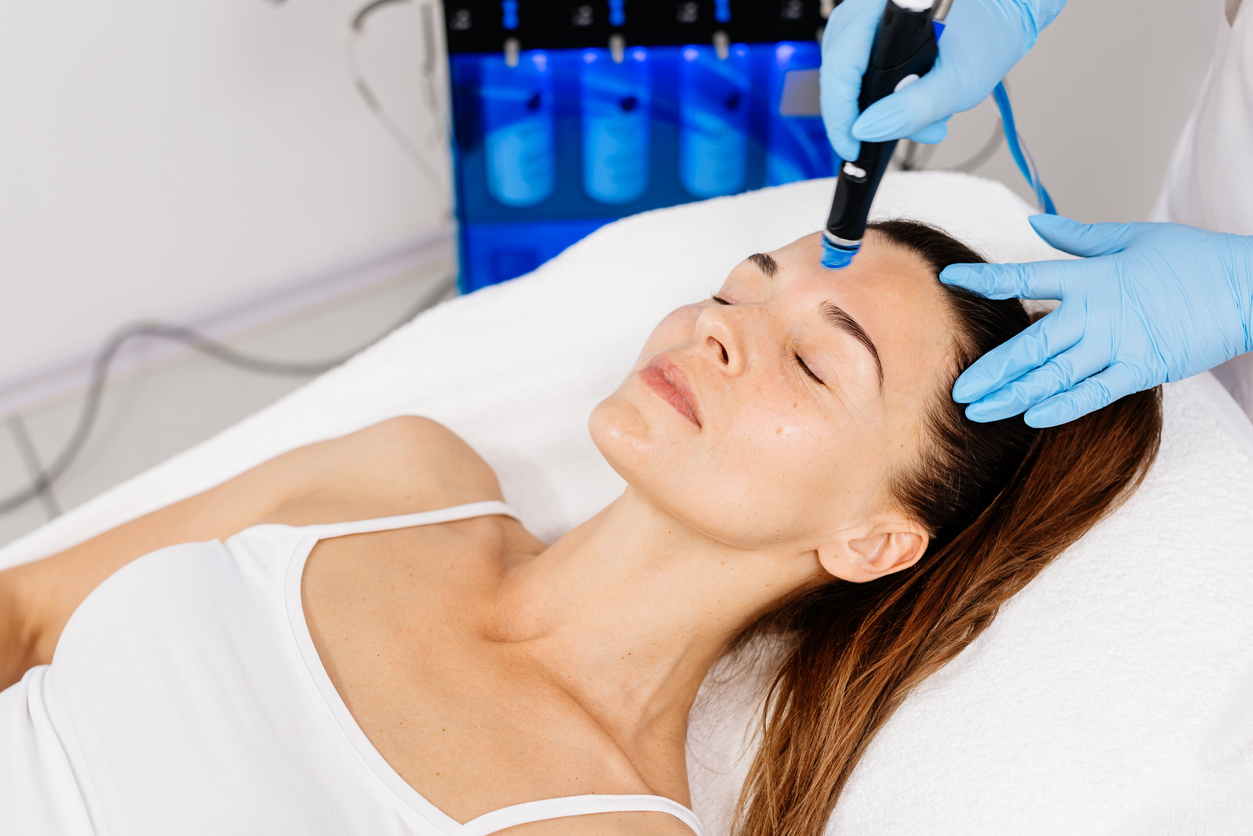
A HydraFacial is a non-invasive facial treatment that uses a patented vortex-like device to cleanse the skin while simultaneously delivering nourishing serums. Rather than relying on manual extractions that can sometimes leave the skin irritated, the device gently lifts away dirt, excess oil, dead skin cells, and impurities before infusing the skin with hydrating ingredients and antioxidants.
Most HydraFacial sessions include four essential steps:
- Deep cleansing to remove surface buildup
- Gentle exfoliation to reveal fresher skin
- Vacuum-assisted extraction to clear clogged pores
- Hydration with customized antioxidant- and peptide-rich serums
One reason dermatologists and licensed aestheticians recommend it so often is that the treatment is suitable for many skin types. Sensitive, oily, combination, and mature skin can all benefit when the treatment is customized appropriately.
Another advantage that receives less attention is consistency. Since the treatment is gentle, it can often be repeated regularly without placing excessive stress on the skin barrier, making it easier to maintain improvements over time.
Does a HydraFacial Give an Instant Glow?
Yes, and this is one reason it has become a favorite before important events. Immediately after treatment, many people notice brighter skin, smoother texture, cleaner pores, and a healthy-looking glow. Makeup also tends to sit more evenly on freshly hydrated skin, making the treatment popular before weddings, vacations, birthdays, and professional photo shoots.
That immediate brightness comes from removing layers of dead skin while replenishing moisture during the same appointment. Instead of simply making the skin look cleaner, the treatment helps improve hydration levels, allowing the complexion to reflect light more evenly.
Still, the post-treatment glow should not be confused with a permanent transformation. Daily sun exposure, dehydration, pollution, stress, and natural oil production continue to affect the skin after every appointment, which is why maintenance becomes an important part of any skincare plan.
How Long Do HydraFacial Results Last?
Results typically last between four and six weeks, although this varies from person to person.
Someone with oily or acne-prone skin may notice congestion returning sooner, while people with balanced or dry skin often enjoy smoother texture for a longer period. Lifestyle also plays an important role. Regular sunscreen use, a consistent skincare routine, adequate sleep, and proper hydration all help extend your results.
This is exactly why skincare professionals usually recommend treating HydraFacials as ongoing maintenance rather than one-time solutions.
How Often Should You Get a HydraFacial Treatment?
This is the question almost everyone asks, and fortunately, there isn’t a complicated answer.
For most people, scheduling a HydraFacial every four to six weeks is considered the ideal maintenance routine. That timeline aligns with your skin’s natural renewal cycle, allowing each treatment to build on the improvements from the previous appointment rather than starting over each time.
However, your personal schedule may vary depending on your skincare priorities:
- Oily or acne-prone skin: Every 3–4 weeks during active breakouts, then monthly for maintenance.
- Dry or dehydrated skin: Every 4–6 weeks helps replenish moisture consistently.
- Anti-aging goals: Monthly appointments can support smoother texture and improve the appearance of fine lines over time.
- Special events: One treatment about three to seven days before an event often provides the freshest-looking complexion.
Can You Get a HydraFacial Twice a Month?
The short answer is yes, but only in certain situations.
Someone preparing for a wedding, recovering from a breakout, or following a dermatologist’s treatment plan may benefit from scheduling two HydraFacials in one month. Since the procedure is gentle and does not rely on harsh exfoliation, healthy skin can usually tolerate more frequent appointments when recommended by a skincare professional.
That said, more isn’t always better. Healthy skin still needs time to complete its natural renewal cycle, so booking treatments too frequently without a specific reason may offer little additional benefit. Once you understand what makes a HydraFacial effective, it’s easier to see why most experts recommend monthly appointments rather than weekly visits.
When Should You Avoid a HydraFacial?

Although HydraFacials are considered safe for many skin types, there are times when postponing your appointment is the smarter choice.
You should generally wait if you have:
- Active sunburn
- Open cuts or wounds
- A skin infection
- Severe rosacea flare-ups
- Active eczema or dermatitis on the treatment area
- Recent injectable treatments, unless your provider advises otherwise
Pregnancy may also affect which booster serums can be used, so always inform your aesthetician beforehand.
This is another reason learning what your provider includes during every HydraFacial treatment matters just as much as choosing the right clinic. A proper consultation ensures the procedure is tailored to your skin rather than following a one-size-fits-all approach.
Do You Need to Wash Your Face After a HydraFacial?
Not immediately. Most skincare professionals recommend leaving the treatment serums on your skin for the rest of the day so they have enough time to absorb fully. Washing your face too soon can reduce the benefits of the hydrating ingredients infused during the appointment.
It’s also wise to skip heavy makeup, intense workouts, steam rooms, and excessive heat for at least 24 hours. Instead, focus on gentle cleansing later that evening or the following morning, followed by a moisturizer and broad-spectrum sunscreen.
Shop editor’s edit
Final Thoughts
HydraFacials have earned their place among today’s most popular professional skincare treatments for good reason. Still, the healthiest complexion rarely comes from a single appointment. Consistency, realistic expectations, and a good daily skincare routine are what keep those results going long after you leave the treatment room.
Ultimately, understanding what a HydraFacial can realistically deliver allows you to invest in your skin with confidence instead of chasing temporary trends. When paired with healthy habits and the right maintenance schedule, it becomes a dependable addition to almost any skincare routine.
Featured image: Style Rave Studio/AI-generated Visual
—Read also
What Is Exosome Microneedling? Everything You Need to Know About the Trending Skin Treatment
Source link
#HydraFacial #Treatments


Post Comment