
In Steal a Brainrot, Brainrots, or characters are the main way you earn money in the game. You can collect them, place them in your base, and watch them earn money automatically. The game features different rarity levels, and higher-tier Brainrots can boost your earnings significantly. Let’s explore all the Brainrots (characters) you can find in Steal a Brainrot.
1. Common Brainrots
When you begin playing, Common Brainrots characters will be everywhere. They don’t give high earnings, but they’re the easiest to get your hands on. The best option here is Pipi Kiwi, which earns $13 per second. It’s basic, but useful in the early stage.
2. Rare Brainrots
Among Rare Brainrots characters, Pipi Avocado stands out as the best, earning $70 per second. These show up more often than higher-tier ones, making them a solid choice for boosting your early income.
| Brainrot Icon | Brainrot Name | Cost | Income per Second |
|---|---|---|---|
| Trippi Troppi | $2,000 | $15/s | |
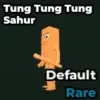 |
Tung Tung Tung Sahur | $3,000 | $25/s |
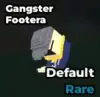 |
Gangster Footera | $4,000 | $30/s |
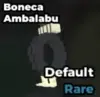 |
Bandito Bobritto | $4,500 | $35/s |
 |
Boneca Ambalabu | $5,000 | $40/s |
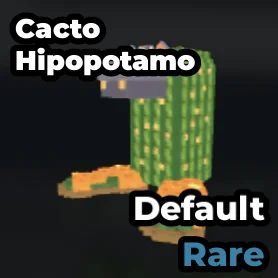 |
Cacto Hipopotamo | $6,500 | $50/s |
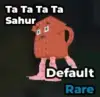 |
Ta Ta Ta Ta Sahur | $7,500 | $55/s |
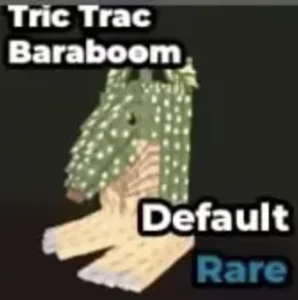 |
Tric Trac Baraboom | $9,000 | $65/s |
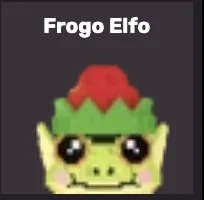 |
Frogo Elfo | $9,200 | $67/s |
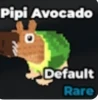 |
Pipi Avocado | $9,500 | $70/s |
 |
Pengolino Nuvoletto | $9,600 | $72/s |
3. Epic Brainrots
Epic Brainrot characters are where your income really improves in Steal a Brainrot. Salamino Penguino earns $250 per second, making it a solid choice. These Brainrots are perfect for progressing through the middle stages of the game.
| Brainrot Icon | Brainrot Name | Cost | Income per Second |
|---|---|---|---|
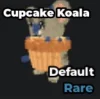 |
Cupcake Koala | $8,000 | $60/s |
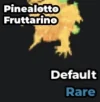 |
Pinealotto Fruttarino | $9,700 | $75/s |
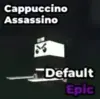 |
Cappuccino Assassino | $10,000 | $75/s |
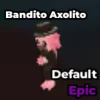 |
Bandito Axolito | $12,500 | $90/s |
 |
Brr Brr Patapim | $15,000 | $100/s |
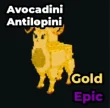 |
Avocadini Antilopini | $17,500 | $115/s |
 |
Trulimero Trulicina | $20,000 | $125/s |
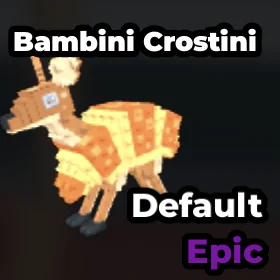 |
Bambini Crostini | $22,500 | $135/s |
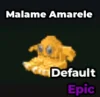 |
Malame Amarele | $23,500 | $140/s |
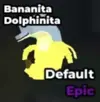 |
Bananita Dolphinita | $25,000 | $150/s |
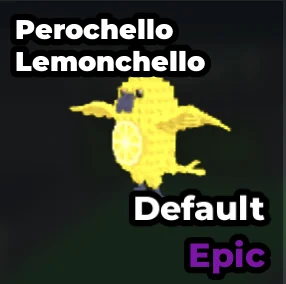 |
Perochello Lemonchello | $27,500 | $160/s |
 |
Brri Brri Bicus Dicus Bombicus | $30,000 | $175/s |
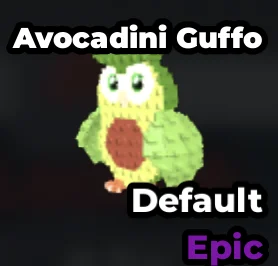 |
Avocadini Guffo | $35,000 | $225/s |
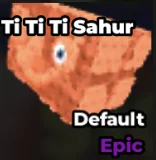 |
Ti Ti Ti Sahur | $37,500 | $225/s |
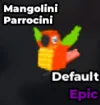 |
Mangolini Parrocini | $38,500 | $235/s |
 |
Frogato Pirato | $39,000 | $240/s |
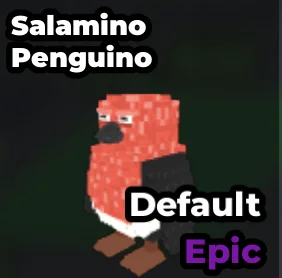 |
Salamino Penguino | $40,000 | $250/s |
 |
Gato Celesto | $40,000 | $250/s |
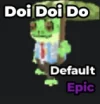 |
Doi Doi Do | $41,000 | $260/s |
 |
Penguin Tree | $42,000 | $270/s |
 |
Wombo Rollo | $42,500 | $275/s |
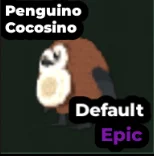 |
Penguino Cocosino | $45,000 | $300/s |
|
Mummio Rappitto | $47,500 | $325/s |
4. Legendary Brainrots
Steal a Brainrot gives Legendary Brainrot characters every 5 minutes, making it easier to grow your income. Sigma Boy leads this tier with $1,300 per second, which is far higher than what Common Brainrots offer.
| Brainrot Icon | Brainrot Name | Cost | Income per Second |
|---|---|---|---|
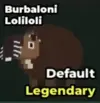 |
Burbaloni Loliloli | $35,000 | $200/s |
 |
Chimpanzini Bananini | $50,000 | $300/s |
 |
Tirilikalika Tirilikalako | $75,000 | $450/s |
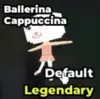 |
Ballerina Cappuccina | $100,000 | $500/s |
 |
Chef Crabracadabra | $150,000 | $600/s |
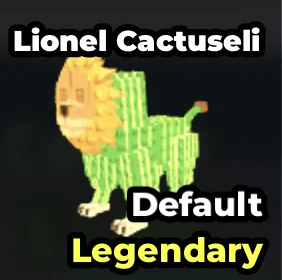 |
Lionel Cactuseli | $175,000 | $650/s |
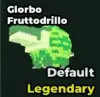 |
Glorbo Fruttodrillo | $200,000 | $750/s |
 |
Quivioli Ameleonni | $225,000 | $1,000/s |
 |
Blueberrinni Octopusini | $250,000 | $1,000/s |
 |
Clickerino Crabo | $250,000 | $1,000/s |
 |
Caramello Filtrello | $255,000 | $1,000/s |
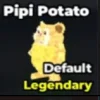 |
Pipi Potato | $256,000 | $1,100/s |
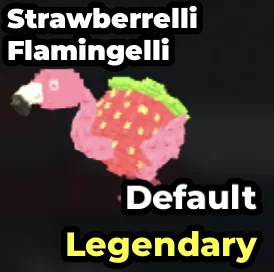 |
Strawberrelli Flamingelli | $275,000 | $1,100/s |
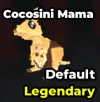 |
Cocosini Mama | $285,000 | $1,200/s |
 |
Pandaccini Bananini | $300,000 | $1,200/s |
 |
Quackula | $310,000 | $1,200/s |
 |
Pi Pi Watermelon | $315,000 | $1,200/s |
 |
Signore Carapace | $320,000 | $1,300/s |
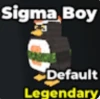 |
Sigma Boy | $325,000 | $1,300/s |
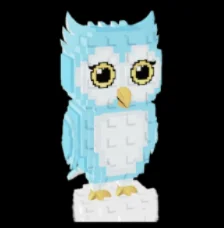 |
Buho del Cielo | $325,000 | $1,300/s |
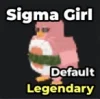 |
Sigma Girl | $325,000 | $1,800/s |
 |
Chocco Bunny | $327,500 | $1,400/s |
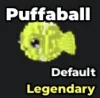 |
Puffaball | $330,000 | $1,500/s |
 |
Sealo Regalo | $342,000 | $1,800/s |
 |
Buho de Fuego | $345,000 | $1,400/s |
 |
Seraphino Gruyero | $347,500 | $1,900/s |
5. Mythic Brainrots
Every 15 minutes, a Mythic Brainrot character is guaranteed to appear in Steal a Brainrot. Ganganzelli Trulala is the best among them, bringing in $9,000 per second. It performs even better when it gets a Trait.
| Brainrot Icon | Brainrot Name | Cost | Income per Second |
|---|---|---|---|
 |
Frigo Camelo | $300,000 | $1,200/s |
 |
Harpuccino | $347,500 | $14,000/s |
 |
Orangutini Ananassini | $400,000 | $1,700/s |
 |
Rhino Toasterino | $450,000 | $2,100/s |
 |
Bombardiro Crocodilo | $500,000 | $2,500/s |
 |
Brutto Gialutto | $600,000 | $3,000/s |
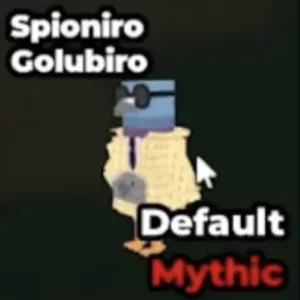 |
Spioniro Golubiro (Lucky Block) | $750,000 | $3,500/s |
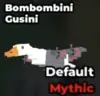 |
Bombombini Gusini | $1,000,000 | $5,000/s |
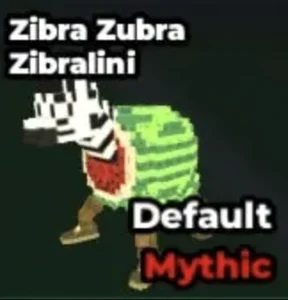 |
Zibra Zubra Zibralini (Lucky Block) | $1,000,000 | $6,000/s |
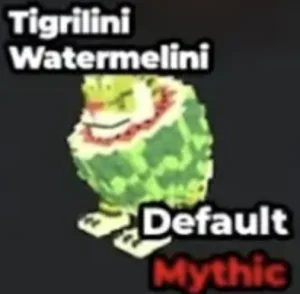 |
Tigrilini Watermelini (Lucky Block) | $1,000,000 | $7,500/s |
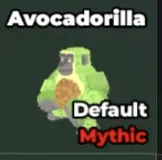 |
Avocadorilla | $2,000,000 | $7,500/s |
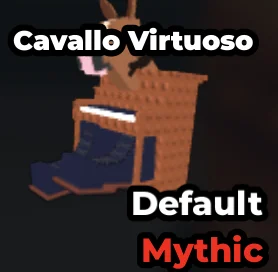 |
Cavallo Virtuoso | $2,500,000 | $7,500/s |
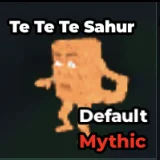 |
Te Te Te Sahur | $2,500,000 | $9,500/s |
 |
Gorillo Subwoofero | $2,700,000 | $7,700/s |
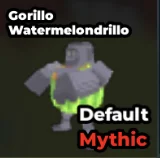 |
Gorillo Watermelondrillo | $3,000,000 | $8,000/s |
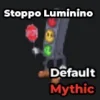 |
Stoppo Luminino | $3,000,000 | $8,000/s |
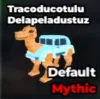 |
Tracoducotulu Delapeladustuz | $3,000,000 | $12,000/s |
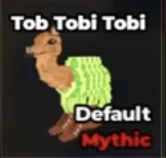 |
Tob Tobi Tobi | $3,500,000 | $8,500/s |
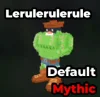 |
Lerulerulerule | $3,500,000 | $8,750/s |
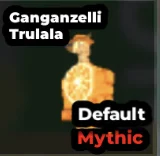 |
Ganganzelli Trulala | $4,000,000 | $9,000/s |
 |
Magi Ribbitini | $4,000,000 | $12,000/s |
 |
Rhino Helicopterino | $4,100,000 | $11,000/s |
 |
Jingle Jingle Sahur | $4,300,000 | $12,200/s |
 |
Los Noobinis | $4,300,000 | $12,500/s |
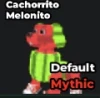 |
Cachorrito Melonito | $4,400,000 | $13,000/s |
 |
Spongini Quackini | $4,400,000 | $15,000/s |
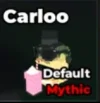 |
Carloooo (Lucky Block) | $4,500,000 | $13,500/s |
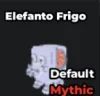 |
Elefanto Frigo | $4,500,000 | $14,000/s |
 |
Berenjello Angello | $4,600,000 | $18,000/s |
|
Carrotini Brainini (Lucky Block) | $4,700,000 | $15,000/s |
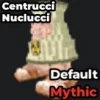 |
Centrucci Nuclucci | $4,800,000 | $15,500/s |
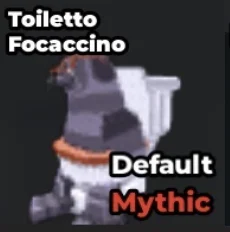 |
Toiletto Focaccino | $4,800,000 | $16,000/s |
 |
Jacko Spaventosa | $4,800,000 | $16,200/s |
 |
Bananito Bandito | $4,900,000 | $16,500/s |
 |
Tree Tree Tree Sahur | $4,900,000 | $17,000/s |
6. Brainrot God
If you want big earnings before Secrets, Brainrot God units are the way to go. Piccione Macchina generates $225,000 per second, which is huge. These show up when server goals are reached, so playing during busy periods gives you a better chance.
| Brainrot Icon | Brainrot Name | Cost | Income per Second |
|---|---|---|---|
 |
Fizzy Soda | $4,900,000 | $17,200/s |
 |
Cocofanto Elefanto | $5,000,000 | $10,000/s |
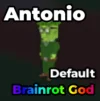 |
Antonio | $6,000,000 | $18,500/s |
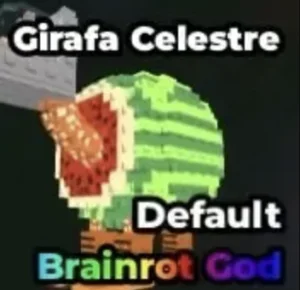 |
Girafa Celestre | $7,500,000 | $20,000/s |
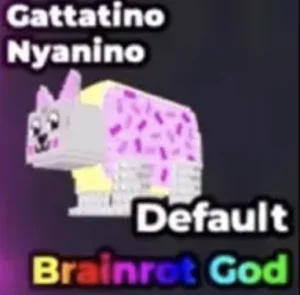 |
Gattatino Nyanino | $7,500,000 | $35,000/s |
 |
Gattatino Neonino | $7,500,000 | $20,000/s |
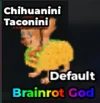 |
Chihuanini Taconini | $8,500,000 | $45,000/s |
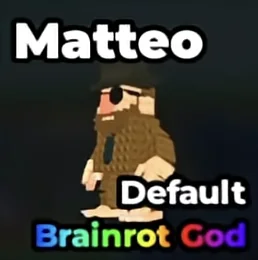 |
Matteo | $10,000,000 | $50,000/s |
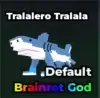 |
Tralalero Tralala | $10,000,000 | $50,000/s |
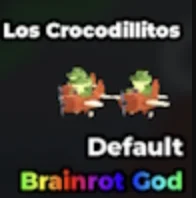 |
Los Crocodillitos | $12,500,000 | $55,000/s |
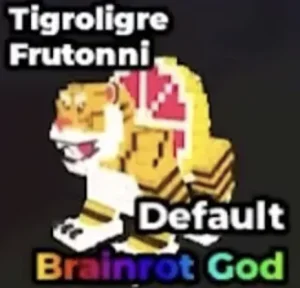 |
Tigroligre Frutonni (Lucky Block) | $15,000,000 | $60,000/s |
 |
Odin Din Din Dun | $15,000,000 | $75,000/s |
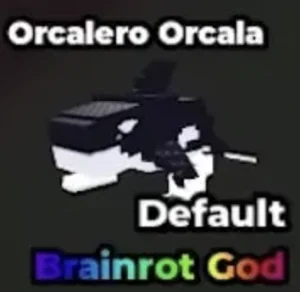 |
Orcalero Orcala (Lucky Block) | $15,000,000 | $100,000/s |
 |
Money Money Man | $17,500,000 | $65,000/s |
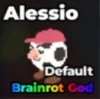 |
Alessio | $17,500,000 | $65,000/s |
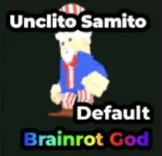 |
Unclito Samito | $20,000,000 | $65,000/s |
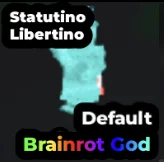 |
Statutino Libertino | $20,000,000 | $75,000/s |
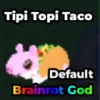 |
Tipi Topi Taco | $20,000,000 | $75,000/s |
 |
Tralalita Tralala | $20,000,000 | $100,000/s |
|
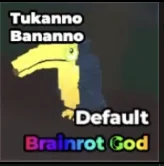
Tukanno Banana | $22,500,000 | $100,000/s |
 |
Extinct Ballerina | $23,500,000 | $125,000/s |
 |
Vampira Cappucina | $24,500,000 | $125,000/s |
 |
Espresso Signora | $25,000,000 | $70,000/s |
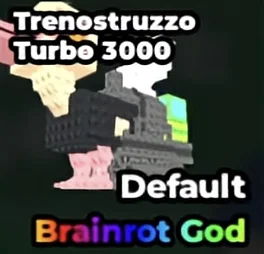 |
Trenozosturzzo Turbo 3000 | $25,000,000 | $150,000/s |
 |
Bulbito Bandito Traktorito (Lucky Block) | $25,000,000 | $205,000/s |
 |
Urubini Flamenguini | $30,000,000 | $150,000/s |
 |
Jacko Jack Jack | $30,000,000 | $150,000/s |
 |
Trippi Troppi Troppa Trippa | $30,000,000 | $175,000/s |
 |
Capi Taco | $31,000,000 | $155,000/s |
 |
Los Chihuaninis | $32,000,000 | $160,000/s |
| Divino Platypio | $32,000,000 | $160,000/s | |
 |
Gattito Tacoto | $32,500,000 | $165,000/s |
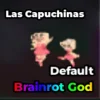 |
Las Capuchinas | $32,500,000 | $185,000/s |
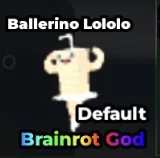 |
Ballerino Lololo | $35,000,000 | $200,000/s |
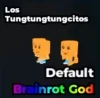 |
Los Tungtungtungcitos | $37,500,000 | $210,000/s |
 |
Pakrahmatmamat | $37,500,000 | $215,000/s |
 |
Ballerina Peppermintina | $37,500,000 | $215,000/s |
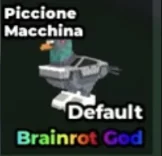 |
Piccione Macchina | $40,000,000 | $225,000/s |
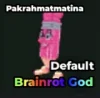 |
Pakrahmatmatina | $40,500,000 | $225,000/s |
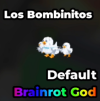 |
Los Bombinitos | $42,500,000 | $220,000/s |
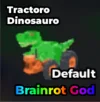 |
Tractoro Dinosauro | $42,500,000 | $230,000/s |
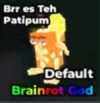 |
Brr Es Teh Patipum | $45,000,000 | $225,000/s |
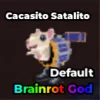 |
Cacasito Satalito | $45,000,000 | $240,000/s |
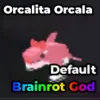 |
Orcalita Orcala | $45,000,000 | $240,000/s |
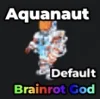 |
Aquanaut | $45,500,000 | $245,000/s |
 |
Tartaruga Cisterna | $45,000,000 | $250,000/s |
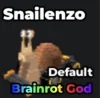 |
Snailenzo | $45,000,000 | $250,000/s |
 |
Corn Corn Corn Sahur | $45,000,000 | $250,000/s |
 |
Squalanana | $45,000,000 | $250,000/s |
 |
Mummy Ambalabu | $45,000,000 | $250,000/s |
 |
Los Orcalitos | $45,000,000 | $310,000/s |
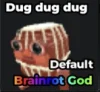 |
Dug Dug Dug | $45,500,000 | $255,000/s |
 |
Ginger Globo | $45,700,000 | $257,500/s |
 |
Yeti Claus | $45,700,000 | $267,500/s |
 |
Crabbo Limonetta | $46,000,000 | $230,000/s |
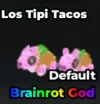 |
Los Tipi Tacos | $46,000,000 | $260,000/s |
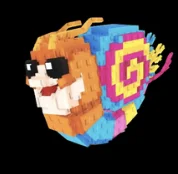 |
Tootini Shrimpini | $46,000,000 | $260,000/s |
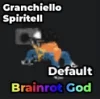 |
Granchiello Spiritell | $46,000,000 | $260,000/s |
 |
Frio Ninja | $46,500,000 | $265,000/s |
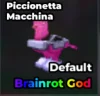 |
Piccionetta Macchina | $47,000,000 | $270,000/s |
 |
Boba Panda | $47,000,000 | $270,000/s |
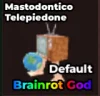 |
Mastodontico Telepiedone (Lucky Block) | $47,500,000 | $275,000/s |
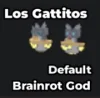 |
Los Gattitos | $47,500,000 | $275,000/s |
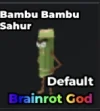 |
Bambu Bambu Sahur | $47,500,000 | $275,000/s |
 |
Chrismasmamat | $47,700,000 | $277,500/s |
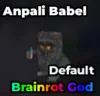 |
Anpali Babel | $48,000,000 | $280,000/s |
| TBA | Astrolero Cervalero | $48,000,000 | $280,000/s |
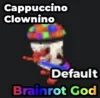 |
Cappuccino Clownino | $48,000,000 | $285,000/s |
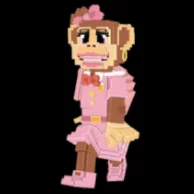 |
Luv Luv Luv | $48,300,000 | $282,000/s |
 |
Bombardini Tortinii | $50,000,000 | $225,000/s |
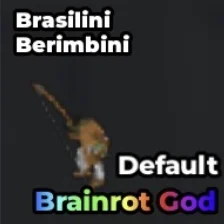 |
Brasilini Berimbini | $55,500,000 | $285,000/s |
 |
Belula Beluga | $60,000,000 | $290,000/s |
 |
Krupuk Pagi Pagi | $60,000,000 | $290,000/s |
 |
Skull Skull Skull | $60,000,000 | $290,000/s |
 |
Cocoa Assassino | $60,000,000 | $291,000/s |
 |
Tentacolo Tecnico | $62,500,000 | $295,000/s |
 |
Ginger Cisterna | $63,500,000 | $293,500/s |
 |
Dolphini Jetskini | $64,500,000 | $294,500/s |
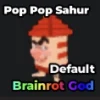 |
Pop Pop Sahur | $65,000,000 | $295,000/s |
 |
Noo La Polizia | $67,000,000 | $280,000/s |
 |
Karkerheart Luvkur | $67,500,000 | $297,500/s |
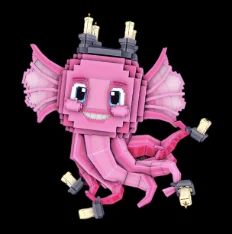 |
Dumborino Miracello | $75,000,000 | $315,000/s |
7. Secret Brainrots
Secret Brainrot characters don’t show up often in Steal a Brainrot, but they are the best money-makers in the game. Spawning one depends on luck, but once it happens, you’re in a great position.
| Brainrot Icon | Brainrot Name | Cost | Income per Second |
|---|---|---|---|
 |
La Vacca Saturno Saturnita | $50,000,000 | $250,000/s |
 |
Pandanini Frostini | $64,000,000 | $294,000/s |
 |
Bisonte Giuppitere | $75,000,000 | $300,000/s |
 |
Blackhole Goat | $75,000,000 | $400,000/s |
 |
Jackorilla | $80,000,000 | $315,000/s |
 |
Agarrini Ia Palini | $80,000,000 | $425,000/s |
 |
Chachechi | $85,000,000 | $400,000/s |
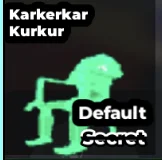 |
Karkerkar Kurkur | $100,000,000 | $275,000/s |
 |
Los Tortus | $100,000,000 | $500,000/s |
 |
Los Matteos | $100,000,000 | $300,000/s |
 |
Sammyni Spyderini | $100,000,000 | $300,000/s |
 |
Trenostruzzo Turbo 4000 | $100,000,000 | $310,000/s |
 |
Chimpanzini Spiderini | $100,000,000 | $325,000/s |
 |
Boatito Auratito | $115,000,000 | $525,000/s |
 |
Fragola La La La | $125,000,000 | $450,000/s |
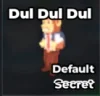 |
Dul Dul Dul | $150,000,000 | $375,000/s |
 |
La Vacca Prese Presente | $160,000,000 | $600,000/s |
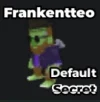 |
Frankentteo | $175,000,000 | $700,000/s |
 |
Los Trios | $175,000,000 | $700,000/s |
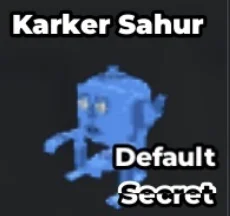 |
Karker Sahur | $185,000,000 | $725,000/s |
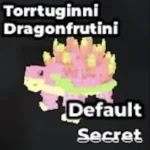 |
Torrtuginni Dragonfrutini (Lucky Block) | $500,000,000 | $350,000/s |
 |
Los Tralaleritos | $100,000,000 | $750,000/s |
 |
Zombie Tralala | $100,000,000 | $500,000/s |
 |
La Cucaracha | $110,000,000 | $475,000/s |
 |
Vulturino Skeletono | $110,000,000 | $500,000/s |
 |
Guerriro Digitale | $120,000,000 | $550,000/s |
 |
Extinct Tralalero | $125,000,000 | $450,000/s |
 |
Yess My Examine | $130,000,000 | $575,000/s |
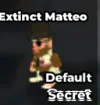 |
Extinct Matteo | $140,000,000 | $625,000/s |
 |
Las Tralaleritas | $150,000,000 | $650,000/s |
 |
Rocco Disco | $150,000,000 | $650,000/s |
 |
Reindeer Tralala | $160,000,000 | $600,000/s |
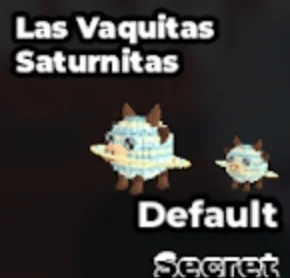 |
Las Vaquitas Saturnitas | $160,000,000 | $750,000/s |
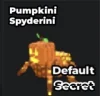 |
Pumpkin Spyderini | $165,000,000 | $650,000/s |
 |
Job Job Job Sahur | $175,000,000 | $700,000/s |
| Los Karkeritos | $200,000,000 | $750,000/s | |
 |
Graipuss Medussi | $200,000,000 | $1,000,000/s |
 |
Santteo | $210,000,000 | $800,000/s |
 |
La Vacca Jacko Linterino | $225,000,000 | $850,000/s |
 |
Triplito Tralaleritos | $230,000,000 | $875,000/s |
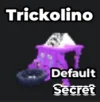 |
Trickolino | $235,000,000 | $900,000/s |
 |
Paradiso Axolottino | $235,000,000 | $900,000/s |
 |
Giftini Spyderini | $240,000,000 | $999,900/s |
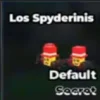 |
Los Spyderinis | $250,000,000 | $450,000/s |
 |
Love Love Love Sahur | $250,000,000 | $1,000,000/s |
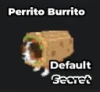 |
Perrito Burrito | $250,000,000 | $1,000,000/s |
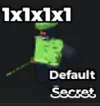 |
1x1x1x1 | $255,500,000 | $1,100,000/s |
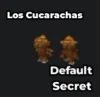 |
Los Cucarachas | $300,000,000 | $1,200,000/s |
 |
Please My Present | $350,000,000 | $1,300,000/s |
 |
Cuadramat and Pakrahmatmamat | $400,000,000 | $1,400,000/s |
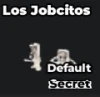 |
Los Jobcitos | $500,000,000 | $1,500,000/s |
 |
Nooo My Hotspot | $500,000,000 | $2,000,000/s |
 |
Pot Hotspot (Lucky Block) | $500,000,000 | $2,500,000/s |
 |
Noo My Examine | $525,000,000 | $1,700,000/s |
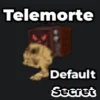 |
Telemorte | $550,000,000 | $2,000,000/s |
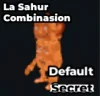 |
La Sahur Combinasion | $550,000,000 | $2,000,000/s |
 |
List List List Sahur | $550,000,000 | $2,000,000/s |
 |
To To To Sahur | $575,000,000 | $2,500,000/s |
 |
Pirulitoita Bicicletaire | $600,000,000 | $2,500,000/s |
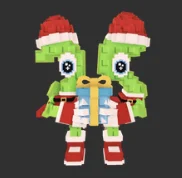 |
25 | $600,000,000 | $2,500,000/s |
 |
Santa Hotspot | $625,000,000 | $2,600,000/s |
 |
Horegini Boom | $650,000,000 | $2,700,000/s |
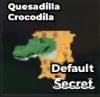 |
Quesadilla Crocodila | $700,000,000 | $3,000,000/s |
 |
Pot Pumpkin | $700,000,000 | $3,000,000/s |
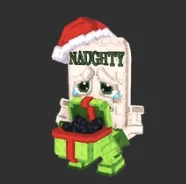 |
Naughty Naughty | $700,000,000 | $3,000,000/s |
 |
Cupid Cupid Sahur | $715,000,000 | $3,100,000/s |
 |
Ho Ho Ho Sahur | $725,000,000 | $3,200,000/s |
 |
Mi Gatito | $725,000,000 | $3,200,000/s |
 |
Chicleteira Bicicleteira | $750,000,000 | $3,500,000/s |
 |
Cupid Hotspot | $750,000,000 | $3,500,000/s |
 |
Spaghetti Tualetti (Lucky Block) | $750,000,000 | $6,000,000/s |
 |
Esok Sekolah (Lucky Block) | $750,000,000 | $3,000,000/s |
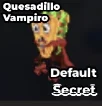 |
Quesadillo Vampiro | $750,000,000 | $3,500,000/s |
 |
Brunito Marsito | $750,000,000 | $3,500,000/s |
 |
Chill Puppy | $800,000,000 | $4,000,000/s |
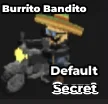 |
Burrito Bandito | $800,000,000 | $4,000,000/s |
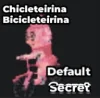 |
Chicleteirina Bicicleteirina | $850,000,000 | $4,000,000/s |
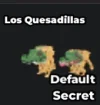 |
Los Quesadillas | $875,000,000 | $4,500,000/s |
 |
Bunito Bunito Spinito | $900,000,000 | $3,000,000/s |
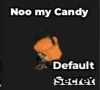 |
Noo My Candy | $900,000,000 | $5,000,000/s |
 |
Los Nooo My Hotspotsitos | $1,000,000,000 | $5,000,000/s |
| TBA | Serafinna Medusella | $1,000,000,000 | $5,500,000/s |
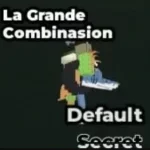 |
La Grande Combinassion | $1,000,000,000 | $10,000,000/s |
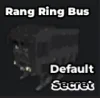 |
Rang Ring Bus | $1,100,000,000 | $6,000,000/s |
 |
Guest 666 | $1,100,000,000 | $6,600,000/s |
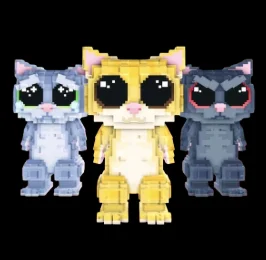 |
Los Mi Gatitos | $1,200,000,000 | $6,500,000/s |
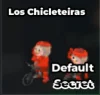 |
Los Chicleteiras | $1,200,000,000 | $7,000,000/s |
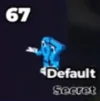 |
67 | $1,200,000,000 | $7,500,000/s |
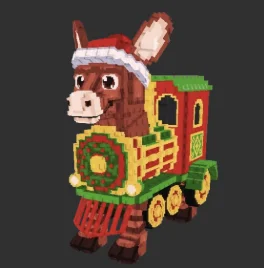 |
Donkeyturbo Express | $1,200,000,000 | $7,500,000/s |
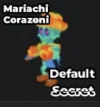 |
Mariachi Corazoni | $1,200,000,000 | $12,500,000/s |
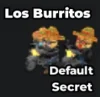 |
Los Burritos | $1,400,000,000 | $8,500,000/s |
 |
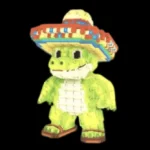
Los 25 | $1,500,000,000 | $10,000,000/s |
 |
Tacorillo Crocodillo | $1,500,000,000 | $12,500,000/s |
 |
Swag Soda | $1,800,000,000 | $13,000,000/s |
 |
Noo my Heart | $1,800,000,000 | $13,000,000/s |
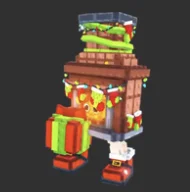 |
Chimnino | $1,900,000,000 | $14,000,000/s |
 |
Los Combinasionas | $2,000,000,000 | $15,000,000/s |
 |
Chicleteira Noelteira | $2,000,000,000 | $15,000,000/s |
 |
Fishino Clownino | $2,100,000,000 | $15,500,000/s |
 |
Tacorita Bicicleta | $2,200,000,000 | $16,500,000/s |
 |
Los Sweethearts | $2,200,000,000 | $16,500,000/s |
 |
Spinny Hammy | $2,300,000,000 | $17,000,000/s |
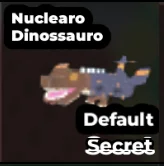 |
Nuclearo Dinosauro | $2,500,000,000 | $15,000,000/s |
 |
Las Sis | $2,500,000,000 | $17,500,000/s |
 |
Chicleteira Cupideira | $2,500,000,000 | $17,500,000/s |
 |
La Karkerkar Combinasion | $2,500,000,000 | $17,500,000/s |
 |
Chillin Chili | $2,500,000,000 | $25,000,000/s |
 |
Chipso and Queso | $2,500,000,000 | $25,000,000/s |
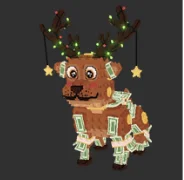 |
Money Money Reindeer | $2,500,000,000 | $25,000,000/s |
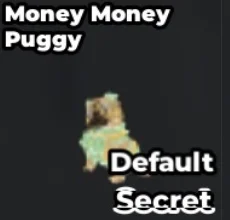 |
Money Money Puggy | $2,600,000,000 | $21,000,000/s |
 |
Celularcini Viciosini | $2,600,000,000 | $22,500,000/s |
 |
Los Planitos | $2,700,000,000 | $18,500,000/s |
 |
Los Mobilis | $2,700,000,000 | $22,000,000/s |
 |
Los 67 | $2,700,000,000 | $22,500,000/s |
 |
Mieteteira Bicicleteira | $2,700,000,000 | $26,000,000/s |
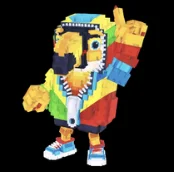 |
Tuff Toucan | $2,700,000,000 | $26,000,000/s |
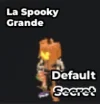 |
La Spooky Grande | $2,900,000,000 | $24,500,000/s |
 |
Los Spooky Combinasionas | $3,000,000,000 | $20,000,000/s |
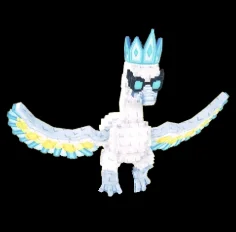 |
Cigno Fulgoro | $3,000,000,000 | $20,000,000/s |
 |
Los Candies | $3,000,000,000 | $23,000,000/s |
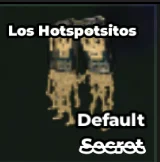 |
Los Hotspositos | $3,000,000,000 | $25,000,000/s |
 |
Los Jolly Combinasionas | $3,000,000,000 | $25,000,000/s |
 |
Los Cupids | $3,000,000,000 | $30,000,000/s |
 |
Los Puggies | $3,000,000,000 | $30,000,000/s |
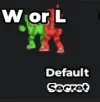 |
W or L | $3,000,000,000 | $30,000,000/s |
 |
Tralalalaledon | $3,000,000,000 | $37,500,000/s |
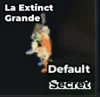 |
La Extinct Grande Combinasion | $3,200,000,000 | $23,500,000/s |
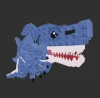 |
Tralaledon | $3,500,000,000 | $27,500,000/s |
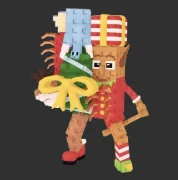 |
La Jolly Grande | $3,500,000,000 | $30,000,000/s |
 |
Los Primos | $3,700,000,000 | $31,000,000/s |
 |
Bacuru and Egguru | $3,800,000,000 | $24,000,000/s |
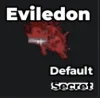 |
Eviledon | $3,800,000,000 | $31,500,000/s |
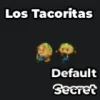 |
Los Tacoritas | $4,000,000,000 | $32,000,000/s |
 |
Lovin Rose | $4,200,000,000 | $32,500,000/s |
 |
Tang Tang Kelentang | $4,500,000,000 | $33,500,000/s |
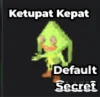 |
Ketupat Kepat | $5,000,000,000 | $35,000,000/s |
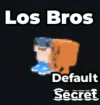 |
Los Bros | $6,000,000,000 | $37,500,000/s |
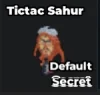 |
Tictac Sahur | $6,000,000,000 | $37,500,000/s |
 |
La Romantic Grande | $7,000,000,000 | $40,000,000/s |
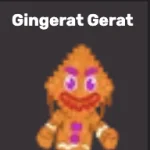 |
Gingerat Gerat | $7,000,000,000 | $40,000,000/s |
 |
Orcaledon | $7,000,000,000 | $40,000,000/s |
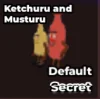 |
Ketchuru and Masturu | $7,500,000,000 | $42,500,000/s |
 |
Jolly Jolly Sahur | $8,000,000,000 | $45,000,000/s |
 |
Garama and Madundung | $10,000,000,000 | $50,000,000/s |
 |
Rosetti Tualetti | $10,000,000,000 | $50,000,000/s |
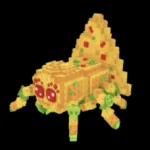 |
Nacho Spyder | $10,000,000,000 | $50,000,000/s |
 |
Festive 67 | $16,000,000,000 | $67,000,000/s |
 |
Sammyni Fattini | $20,000,000,000 | $70,000,000/s |
 |
Love Love Bear | $23,000,000,000 | $140,000,000/s |
 |
La Ginger Sekolah | $23,000,000,000 | $75,000,000/s |
 |
Spooky and Pumpky | $25,000,000,000 | $80,000,000/s |
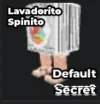 |
Lavadorito Spinito | $30,000,000,000 | $45,000,000/s |
 |
La Food Combinasion | $30,000,000,000 | $0/s |
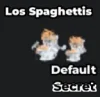 |
Los Spaghettis | $40,000,000,000 | $70,000,000/s |
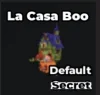 |
La Casa Boo | $40,000,000,000 | $100,000,000/s |
 |
Fragrama and Chocrama | $40,000,000,000 | $100,000,000/s |
 |
Los Sekolahs | $45,000,000,000 | $110,000,000/s |
 |
La Secret Combinasion | $50,000,000,000 | $125,000,000/s |
 |
Los Amigos | $55,000,000,000 | $130,000,000/s |
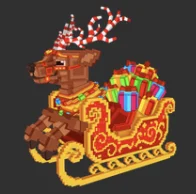 |
Reinito Sleighito | $60,000,000,000 | $140,000,000/s |
 |
Ketupat Bros | $65,000,000,000 | $145,000,000/s |
 |
Burguro and Fryuro | $75,000,000,000 | $150,000,000/s |
 |
Cooki and Milki | $100,000,000,000 | $155,000,000/s |
 |
Capitano Moby | $125,000,000,000 | $160,000,000/s |
 |
Rosey and Teddy | $130,000,000,000 | $165,000,000/s |
 |
Popcuru and Fizzuru | $135,000,000,000 | $170,000,000/s |
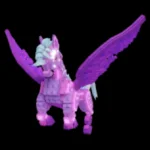 |
Celestial Pegasus | $150,000,000,000 | $150,000,000/s |
 |
Cerberus | $150,000,000,000 | $175,000,000/s |
 |
La Supreme Combinasion | $200,000,000,000 | $200,000,000/s |
 |
Dragon Cannelloni | $250,000,000,000 | $250,000,000/s |
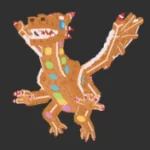 |
Dragon Gingerini | $300,000,000,000 | $300,000,000/s |
 |
Headless Horseman | $325,000,000,000 | $325,000,000/s |
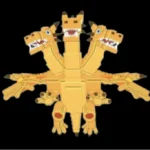 |
Hydra Dragon Cannelloni | $350,000,000,000 | $350,000,000/s |
 |
Griffin | $400,000,000,000 | $400,000,000/s |
8. OG Brainrots
OG Brainrot characters are the rarest units in Steal a Brainrot, even harder to find than Secrets. If one spawns, it starts an event and gains a strong mutation. Currently, only one OG exists.
| Brainrot Icon | Brainrot Name | Cost | Income per Second |
|---|---|---|---|
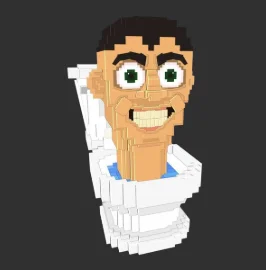 |
Skibidi Toilet | $400,000,000,000 | $400,000,000/s |
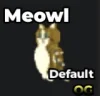 |
Meowl | $500,000,000,000 | $500,000,000/s |
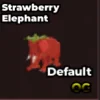 |
Strawberry Elephant | $750,000,000,000 | $750,000,000/s |
Source link
#Full #List #Brainrots #Steal #Brainrot

![This former notorious red-light district is now one of the world’s top AI hubs | TechCrunch
What every U.K. AI startup wants to know these days is, how can I get office space in King’s Cross?
The area is so hot that a VC firm allegedly recently won a deal by promising a founder office space in the neighborhood. “We stop at nothing to win deals [for] and to support” founders, “including helping them source office space when needed,” the firm told me when asked about the rumor, declining to confirm or deny any details.
The neighborhood’s popularity began back in 2016 when DeepMind — then newly acquired by Google — moved in. Soon after, a flood of AI startups followed, wanting to be around the Google DeepMind magic. Today, they hope to take advantage of the cluster of AI talent there.
This has transformed King’s Cross into one of the world’s top AI hubs, rivaled only by San Francisco and Beijing. Around London, it’s known by the sobriquet “Knowledge Quarter,” as it’s home to names like OpenAI, Meta, Isomorphic Labs, Cusp AI, Wayne, Recursive, and, a little farther down the road, Synthesia and Anthropic. The European Technology Network (ETN) just moved into a glossy new office nearby, while University College London sits around the corner.
Mixed in with the new developments are trendy food spots like Hoppers and BAO. Hop a train from King’s Cross, and founders can be in Cambridge in 45 minutes to source talent or can be in Paris in two hours to strike a deal.
Who would have guessed that a little more than 20 years ago, this was one of the seediest areas in London?
“In the ’80s, crack and heroin made the area a major narcotics market,” Hussein Kanji, an investor at Hoxton Ventures, said, recalling syringes in tree trunks and gangs patrolling the streets. “In 1982, the local church was occupied by the English Collective of Prostitutes for 12 straight days.” Then, in the early 2000s, a real estate developer had a dream and, well, “now it is the AI hotbed of the United Kingdom,” Kanji said. “What a change.” Around 18 months ago, his portfolio company BioCorteX moved from the neighborhood Holborn to the Jellicoe building in King’s Cross, hoping to be near the action. “Lots going on in London right now,” Nik Sharma, co-founder of BioCorteX, told me. “Lots of hyperscalers moving in.” That includes, reportedly, Jeff Bezos’ AI company Prometheus, which is also said to be in talks to move into the Jellicoe.
There are around 3,600 AI startups in London, which, together, have raised around .1 billion out of the .8 billion raised in the city since late July, according to Dealroom. Since the start of June, AI-related startups have leased more than 1 million square feet of office space in London, according to the real estate firm Knight Frank. With that, prime rents in King’s Cross have risen 18% over the past three years, Chris Dunn, a commercial insight associate at the firm, told me. That percentage represents only the largest leases encompassing at least 10,000 square feet, like the ones OpenAI and Prometheus are signing. The shorter deals go for even more, he said, and now the vacancy rate for conventional office space is just 0.9%. “Demand has outstripped supply,” he continued.
Today, one of the big topics of the area is sovereignty. It was a wake-up call for many when Anthropic shut off access to Mythos and Fable this summer, leaving some in the ecosystem to conclude: “We’d better look after ourselves,” Saul Klein, co-founder of the VC firm Phoenix Court, told me.
Phoenix Court is located in the King’s Cross area and has three portfolio companies in the vicinity, including Olix (which just announced a .3 billion valuation), Early Health and CoMind. Robin Klein, co-founder of the firm, said the shutdown of Fable and Mythos access was a “small but sharp reminder that Europe can’t simply rent its AI capabilities and capacity; it needs to build and hold some of its own.” King’s Cross, he said, is where much of this building is actually happening.
“The bigger question,” he continued, “is whether the U.K. builds the infrastructure, compute, energy, capital, to make this self-reliance durable, rather than just hosting outposts of U.S. labs.”
Image Credits:Phoenix Court
Top founders want to stay
Simon Kohl, founder of Latent Labs, has offices in King’s Cross and San Francisco. The London office, at the moment, is growing faster, and he’s more bullish than ever on the ecosystem, he said. “The mood right now feels less like London trying to catch up and more like London becoming one of the default places to start a serious AI company,” he said. Look around and you are likely to see Wayve testing its autonomous cars. Founded in 2017 by co-founder Alex Kendall, the unicorn is one of London’s biggest success stories.
“Ten years ago, building a frontier AI company from London felt like an unusual choice,” Kendall told me. “Now it feels like an obvious one.” Wayve moved into King’s Cross in 2018 looking for a space that could double as a garage — “a rare combination in Central London,” Kendall said. He has watched the ecosystem mature around him — and it’s now evident that a startup can stay in London, raise serious capital, hire world-class AI talent, and remain globally competitive, he said. Down the street from Anthropic’s new 158,000-square-foot office is the AI agent builder Sierra and the AI video platform Synthesia.
Laura Gonzalez Florez, Synthesia’s chief of staff and head of people, says the company moved into its glossy new office building a year ago to accommodate its growing team. They were drawn to the area for the same reason as everyone else: “It’s very close to the airport … very close to where a lot of investors are,” she said.
Image Credits:Synthesia
Around two-thirds of Synthesia’s engineers are remote, Gonzalez Florez said, letting the company tap into an affordable, international, and diverse talent pool and helping it scale faster. “From London, we can hire and work, without any problem, people from anywhere, from Slovenia to Portugal,” she said.
Unsurprisingly, London’s AI boom is also causing a talent war.U.K. AI job postings have skyrocketed in the past few years, per data from PwC. When Anthropic announced it moved into town earlier this year, it listed, for example, a salary range of £260,000 to £630,000 for a machine learning research engineer when the average salary in London for the same role is around £102,000. Some founders in the U.K., like those in Silicon Valley, are being forced to raise more and bigger rounds to keep up.
“The real test is whether more globally significant AI companies are founded, funded, and scaled from the U.K., while continuing to attract the world’s best talent to build them here,” Zain Ali, founder of the King’s Cross-based AI legal firm Centuro, told me. “If that continues to happen, King’s Cross won’t just be an AI hub. It’ll become one of the U.K.’s most important strategic assets.”
When you purchase through links in our articles, we may earn a small commission. This doesn’t affect our editorial independence.#Thisformernotorious #redlight #districtis #nowone #worlds #top #hubs #TechCrunchUK](https://techcrunch.com/wp-content/uploads/2026/08/DM9A2852.jpg?w=680 "This former notorious red-light district is now one of the world’s top AI hubs | TechCrunch
What every U.K. AI startup wants to know these days is, how can I get office space in King’s Cross?
The area is so hot that a VC firm allegedly recently won a deal by promising a founder office space in the neighborhood. “We stop at nothing to win deals [for] and to support” founders, “including helping them source office space when needed,” the firm told me when asked about the rumor, declining to confirm or deny any details.
The neighborhood’s popularity began back in 2016 when DeepMind — then newly acquired by Google — moved in. Soon after, a flood of AI startups followed, wanting to be around the Google DeepMind magic. Today, they hope to take advantage of the cluster of AI talent there.
This has transformed King’s Cross into one of the world’s top AI hubs, rivaled only by San Francisco and Beijing. Around London, it’s known by the sobriquet “Knowledge Quarter,” as it’s home to names like OpenAI, Meta, Isomorphic Labs, Cusp AI, Wayne, Recursive, and, a little farther down the road, Synthesia and Anthropic. The European Technology Network (ETN) just moved into a glossy new office nearby, while University College London sits around the corner.
Mixed in with the new developments are trendy food spots like Hoppers and BAO. Hop a train from King’s Cross, and founders can be in Cambridge in 45 minutes to source talent or can be in Paris in two hours to strike a deal.
Who would have guessed that a little more than 20 years ago, this was one of the seediest areas in London?
“In the ’80s, crack and heroin made the area a major narcotics market,” Hussein Kanji, an investor at Hoxton Ventures, said, recalling syringes in tree trunks and gangs patrolling the streets. “In 1982, the local church was occupied by the English Collective of Prostitutes for 12 straight days.” Then, in the early 2000s, a real estate developer had a dream and, well, “now it is the AI hotbed of the United Kingdom,” Kanji said. “What a change.” Around 18 months ago, his portfolio company BioCorteX moved from the neighborhood Holborn to the Jellicoe building in King’s Cross, hoping to be near the action. “Lots going on in London right now,” Nik Sharma, co-founder of BioCorteX, told me. “Lots of hyperscalers moving in.” That includes, reportedly, Jeff Bezos’ AI company Prometheus, which is also said to be in talks to move into the Jellicoe.
There are around 3,600 AI startups in London, which, together, have raised around .1 billion out of the .8 billion raised in the city since late July, according to Dealroom. Since the start of June, AI-related startups have leased more than 1 million square feet of office space in London, according to the real estate firm Knight Frank. With that, prime rents in King’s Cross have risen 18% over the past three years, Chris Dunn, a commercial insight associate at the firm, told me. That percentage represents only the largest leases encompassing at least 10,000 square feet, like the ones OpenAI and Prometheus are signing. The shorter deals go for even more, he said, and now the vacancy rate for conventional office space is just 0.9%. “Demand has outstripped supply,” he continued.
Today, one of the big topics of the area is sovereignty. It was a wake-up call for many when Anthropic shut off access to Mythos and Fable this summer, leaving some in the ecosystem to conclude: “We’d better look after ourselves,” Saul Klein, co-founder of the VC firm Phoenix Court, told me.
Phoenix Court is located in the King’s Cross area and has three portfolio companies in the vicinity, including Olix (which just announced a .3 billion valuation), Early Health and CoMind. Robin Klein, co-founder of the firm, said the shutdown of Fable and Mythos access was a “small but sharp reminder that Europe can’t simply rent its AI capabilities and capacity; it needs to build and hold some of its own.” King’s Cross, he said, is where much of this building is actually happening.
“The bigger question,” he continued, “is whether the U.K. builds the infrastructure, compute, energy, capital, to make this self-reliance durable, rather than just hosting outposts of U.S. labs.”
Image Credits:Phoenix Court
Top founders want to stay
Simon Kohl, founder of Latent Labs, has offices in King’s Cross and San Francisco. The London office, at the moment, is growing faster, and he’s more bullish than ever on the ecosystem, he said. “The mood right now feels less like London trying to catch up and more like London becoming one of the default places to start a serious AI company,” he said. Look around and you are likely to see Wayve testing its autonomous cars. Founded in 2017 by co-founder Alex Kendall, the unicorn is one of London’s biggest success stories.
“Ten years ago, building a frontier AI company from London felt like an unusual choice,” Kendall told me. “Now it feels like an obvious one.” Wayve moved into King’s Cross in 2018 looking for a space that could double as a garage — “a rare combination in Central London,” Kendall said. He has watched the ecosystem mature around him — and it’s now evident that a startup can stay in London, raise serious capital, hire world-class AI talent, and remain globally competitive, he said. Down the street from Anthropic’s new 158,000-square-foot office is the AI agent builder Sierra and the AI video platform Synthesia.
Laura Gonzalez Florez, Synthesia’s chief of staff and head of people, says the company moved into its glossy new office building a year ago to accommodate its growing team. They were drawn to the area for the same reason as everyone else: “It’s very close to the airport … very close to where a lot of investors are,” she said.
Image Credits:Synthesia
Around two-thirds of Synthesia’s engineers are remote, Gonzalez Florez said, letting the company tap into an affordable, international, and diverse talent pool and helping it scale faster. “From London, we can hire and work, without any problem, people from anywhere, from Slovenia to Portugal,” she said.
Unsurprisingly, London’s AI boom is also causing a talent war.U.K. AI job postings have skyrocketed in the past few years, per data from PwC. When Anthropic announced it moved into town earlier this year, it listed, for example, a salary range of £260,000 to £630,000 for a machine learning research engineer when the average salary in London for the same role is around £102,000. Some founders in the U.K., like those in Silicon Valley, are being forced to raise more and bigger rounds to keep up.
“The real test is whether more globally significant AI companies are founded, funded, and scaled from the U.K., while continuing to attract the world’s best talent to build them here,” Zain Ali, founder of the King’s Cross-based AI legal firm Centuro, told me. “If that continues to happen, King’s Cross won’t just be an AI hub. It’ll become one of the U.K.’s most important strategic assets.”
When you purchase through links in our articles, we may earn a small commission. This doesn’t affect our editorial independence.#Thisformernotorious #redlight #districtis #nowone #worlds #top #hubs #TechCrunchUK")

![This former notorious red-light district is now one of the world’s top AI hubs | TechCrunch
What every U.K. AI startup wants to know these days is, how can I get office space in King’s Cross?
The area is so hot that a VC firm allegedly recently won a deal by promising a founder office space in the neighborhood. “We stop at nothing to win deals [for] and to support” founders, “including helping them source office space when needed,” the firm told me when asked about the rumor, declining to confirm or deny any details.
The neighborhood’s popularity began back in 2016 when DeepMind — then newly acquired by Google — moved in. Soon after, a flood of AI startups followed, wanting to be around the Google DeepMind magic. Today, they hope to take advantage of the cluster of AI talent there.
This has transformed King’s Cross into one of the world’s top AI hubs, rivaled only by San Francisco and Beijing. Around London, it’s known by the sobriquet “Knowledge Quarter,” as it’s home to names like OpenAI, Meta, Isomorphic Labs, Cusp AI, Wayne, Recursive, and, a little farther down the road, Synthesia and Anthropic. The European Technology Network (ETN) just moved into a glossy new office nearby, while University College London sits around the corner.
Mixed in with the new developments are trendy food spots like Hoppers and BAO. Hop a train from King’s Cross, and founders can be in Cambridge in 45 minutes to source talent or can be in Paris in two hours to strike a deal.
Who would have guessed that a little more than 20 years ago, this was one of the seediest areas in London?
“In the ’80s, crack and heroin made the area a major narcotics market,” Hussein Kanji, an investor at Hoxton Ventures, said, recalling syringes in tree trunks and gangs patrolling the streets. “In 1982, the local church was occupied by the English Collective of Prostitutes for 12 straight days.” Then, in the early 2000s, a real estate developer had a dream and, well, “now it is the AI hotbed of the United Kingdom,” Kanji said. “What a change.” Around 18 months ago, his portfolio company BioCorteX moved from the neighborhood Holborn to the Jellicoe building in King’s Cross, hoping to be near the action. “Lots going on in London right now,” Nik Sharma, co-founder of BioCorteX, told me. “Lots of hyperscalers moving in.” That includes, reportedly, Jeff Bezos’ AI company Prometheus, which is also said to be in talks to move into the Jellicoe.
There are around 3,600 AI startups in London, which, together, have raised around .1 billion out of the .8 billion raised in the city since late July, according to Dealroom. Since the start of June, AI-related startups have leased more than 1 million square feet of office space in London, according to the real estate firm Knight Frank. With that, prime rents in King’s Cross have risen 18% over the past three years, Chris Dunn, a commercial insight associate at the firm, told me. That percentage represents only the largest leases encompassing at least 10,000 square feet, like the ones OpenAI and Prometheus are signing. The shorter deals go for even more, he said, and now the vacancy rate for conventional office space is just 0.9%. “Demand has outstripped supply,” he continued.
Today, one of the big topics of the area is sovereignty. It was a wake-up call for many when Anthropic shut off access to Mythos and Fable this summer, leaving some in the ecosystem to conclude: “We’d better look after ourselves,” Saul Klein, co-founder of the VC firm Phoenix Court, told me.
Phoenix Court is located in the King’s Cross area and has three portfolio companies in the vicinity, including Olix (which just announced a .3 billion valuation), Early Health and CoMind. Robin Klein, co-founder of the firm, said the shutdown of Fable and Mythos access was a “small but sharp reminder that Europe can’t simply rent its AI capabilities and capacity; it needs to build and hold some of its own.” King’s Cross, he said, is where much of this building is actually happening.
“The bigger question,” he continued, “is whether the U.K. builds the infrastructure, compute, energy, capital, to make this self-reliance durable, rather than just hosting outposts of U.S. labs.”
Image Credits:Phoenix Court
Top founders want to stay
Simon Kohl, founder of Latent Labs, has offices in King’s Cross and San Francisco. The London office, at the moment, is growing faster, and he’s more bullish than ever on the ecosystem, he said. “The mood right now feels less like London trying to catch up and more like London becoming one of the default places to start a serious AI company,” he said. Look around and you are likely to see Wayve testing its autonomous cars. Founded in 2017 by co-founder Alex Kendall, the unicorn is one of London’s biggest success stories.
“Ten years ago, building a frontier AI company from London felt like an unusual choice,” Kendall told me. “Now it feels like an obvious one.” Wayve moved into King’s Cross in 2018 looking for a space that could double as a garage — “a rare combination in Central London,” Kendall said. He has watched the ecosystem mature around him — and it’s now evident that a startup can stay in London, raise serious capital, hire world-class AI talent, and remain globally competitive, he said. Down the street from Anthropic’s new 158,000-square-foot office is the AI agent builder Sierra and the AI video platform Synthesia.
Laura Gonzalez Florez, Synthesia’s chief of staff and head of people, says the company moved into its glossy new office building a year ago to accommodate its growing team. They were drawn to the area for the same reason as everyone else: “It’s very close to the airport … very close to where a lot of investors are,” she said.
Image Credits:Synthesia
Around two-thirds of Synthesia’s engineers are remote, Gonzalez Florez said, letting the company tap into an affordable, international, and diverse talent pool and helping it scale faster. “From London, we can hire and work, without any problem, people from anywhere, from Slovenia to Portugal,” she said.
Unsurprisingly, London’s AI boom is also causing a talent war.U.K. AI job postings have skyrocketed in the past few years, per data from PwC. When Anthropic announced it moved into town earlier this year, it listed, for example, a salary range of £260,000 to £630,000 for a machine learning research engineer when the average salary in London for the same role is around £102,000. Some founders in the U.K., like those in Silicon Valley, are being forced to raise more and bigger rounds to keep up.
“The real test is whether more globally significant AI companies are founded, funded, and scaled from the U.K., while continuing to attract the world’s best talent to build them here,” Zain Ali, founder of the King’s Cross-based AI legal firm Centuro, told me. “If that continues to happen, King’s Cross won’t just be an AI hub. It’ll become one of the U.K.’s most important strategic assets.”
When you purchase through links in our articles, we may earn a small commission. This doesn’t affect our editorial independence.#Thisformernotorious #redlight #districtis #nowone #worlds #top #hubs #TechCrunchUK](https://i0.wp.com/techcrunch.com/wp-content/uploads/2026/08/DM9A2852.jpg?w=680&ssl=1 "This former notorious red-light district is now one of the world’s top AI hubs | TechCrunch
What every U.K. AI startup wants to know these days is, how can I get office space in King’s Cross?
The area is so hot that a VC firm allegedly recently won a deal by promising a founder office space in the neighborhood. “We stop at nothing to win deals [for] and to support” founders, “including helping them source office space when needed,” the firm told me when asked about the rumor, declining to confirm or deny any details.
The neighborhood’s popularity began back in 2016 when DeepMind — then newly acquired by Google — moved in. Soon after, a flood of AI startups followed, wanting to be around the Google DeepMind magic. Today, they hope to take advantage of the cluster of AI talent there.
This has transformed King’s Cross into one of the world’s top AI hubs, rivaled only by San Francisco and Beijing. Around London, it’s known by the sobriquet “Knowledge Quarter,” as it’s home to names like OpenAI, Meta, Isomorphic Labs, Cusp AI, Wayne, Recursive, and, a little farther down the road, Synthesia and Anthropic. The European Technology Network (ETN) just moved into a glossy new office nearby, while University College London sits around the corner.
Mixed in with the new developments are trendy food spots like Hoppers and BAO. Hop a train from King’s Cross, and founders can be in Cambridge in 45 minutes to source talent or can be in Paris in two hours to strike a deal.
Who would have guessed that a little more than 20 years ago, this was one of the seediest areas in London?
“In the ’80s, crack and heroin made the area a major narcotics market,” Hussein Kanji, an investor at Hoxton Ventures, said, recalling syringes in tree trunks and gangs patrolling the streets. “In 1982, the local church was occupied by the English Collective of Prostitutes for 12 straight days.” Then, in the early 2000s, a real estate developer had a dream and, well, “now it is the AI hotbed of the United Kingdom,” Kanji said. “What a change.” Around 18 months ago, his portfolio company BioCorteX moved from the neighborhood Holborn to the Jellicoe building in King’s Cross, hoping to be near the action. “Lots going on in London right now,” Nik Sharma, co-founder of BioCorteX, told me. “Lots of hyperscalers moving in.” That includes, reportedly, Jeff Bezos’ AI company Prometheus, which is also said to be in talks to move into the Jellicoe.
There are around 3,600 AI startups in London, which, together, have raised around .1 billion out of the .8 billion raised in the city since late July, according to Dealroom. Since the start of June, AI-related startups have leased more than 1 million square feet of office space in London, according to the real estate firm Knight Frank. With that, prime rents in King’s Cross have risen 18% over the past three years, Chris Dunn, a commercial insight associate at the firm, told me. That percentage represents only the largest leases encompassing at least 10,000 square feet, like the ones OpenAI and Prometheus are signing. The shorter deals go for even more, he said, and now the vacancy rate for conventional office space is just 0.9%. “Demand has outstripped supply,” he continued.
Today, one of the big topics of the area is sovereignty. It was a wake-up call for many when Anthropic shut off access to Mythos and Fable this summer, leaving some in the ecosystem to conclude: “We’d better look after ourselves,” Saul Klein, co-founder of the VC firm Phoenix Court, told me.
Phoenix Court is located in the King’s Cross area and has three portfolio companies in the vicinity, including Olix (which just announced a .3 billion valuation), Early Health and CoMind. Robin Klein, co-founder of the firm, said the shutdown of Fable and Mythos access was a “small but sharp reminder that Europe can’t simply rent its AI capabilities and capacity; it needs to build and hold some of its own.” King’s Cross, he said, is where much of this building is actually happening.
“The bigger question,” he continued, “is whether the U.K. builds the infrastructure, compute, energy, capital, to make this self-reliance durable, rather than just hosting outposts of U.S. labs.”
Image Credits:Phoenix Court
Top founders want to stay
Simon Kohl, founder of Latent Labs, has offices in King’s Cross and San Francisco. The London office, at the moment, is growing faster, and he’s more bullish than ever on the ecosystem, he said. “The mood right now feels less like London trying to catch up and more like London becoming one of the default places to start a serious AI company,” he said. Look around and you are likely to see Wayve testing its autonomous cars. Founded in 2017 by co-founder Alex Kendall, the unicorn is one of London’s biggest success stories.
“Ten years ago, building a frontier AI company from London felt like an unusual choice,” Kendall told me. “Now it feels like an obvious one.” Wayve moved into King’s Cross in 2018 looking for a space that could double as a garage — “a rare combination in Central London,” Kendall said. He has watched the ecosystem mature around him — and it’s now evident that a startup can stay in London, raise serious capital, hire world-class AI talent, and remain globally competitive, he said. Down the street from Anthropic’s new 158,000-square-foot office is the AI agent builder Sierra and the AI video platform Synthesia.
Laura Gonzalez Florez, Synthesia’s chief of staff and head of people, says the company moved into its glossy new office building a year ago to accommodate its growing team. They were drawn to the area for the same reason as everyone else: “It’s very close to the airport … very close to where a lot of investors are,” she said.
Image Credits:Synthesia
Around two-thirds of Synthesia’s engineers are remote, Gonzalez Florez said, letting the company tap into an affordable, international, and diverse talent pool and helping it scale faster. “From London, we can hire and work, without any problem, people from anywhere, from Slovenia to Portugal,” she said.
Unsurprisingly, London’s AI boom is also causing a talent war.U.K. AI job postings have skyrocketed in the past few years, per data from PwC. When Anthropic announced it moved into town earlier this year, it listed, for example, a salary range of £260,000 to £630,000 for a machine learning research engineer when the average salary in London for the same role is around £102,000. Some founders in the U.K., like those in Silicon Valley, are being forced to raise more and bigger rounds to keep up.
“The real test is whether more globally significant AI companies are founded, funded, and scaled from the U.K., while continuing to attract the world’s best talent to build them here,” Zain Ali, founder of the King’s Cross-based AI legal firm Centuro, told me. “If that continues to happen, King’s Cross won’t just be an AI hub. It’ll become one of the U.K.’s most important strategic assets.”
When you purchase through links in our articles, we may earn a small commission. This doesn’t affect our editorial independence.#Thisformernotorious #redlight #districtis #nowone #worlds #top #hubs #TechCrunchUK")

Post Comment