
Against all odds, Netflix’s animated phenomenon KPop Demon Hunters achieved a rare theatrical triumph, topping the U.S. box office with an estimated $18.7 million over the August 23–24 weekend. In doing so, it not only surprised industry watchers but also marked Netflix’s first-ever No. 1 box office debut in its 18-year history.
This breakout success, however, didn’t come from a traditional wide release. Instead, it was fueled by a limited-time, sing-along-style screening event that drew massive crowds—even without AMC Theatres in the rollout. Moreover, the film’s infectious fusion of high-octane K-pop, dazzling animation, and rich fantasy folklore transformed the screenings into can’t-miss communal experiences. As a result, what began as an experimental release strategy has quickly turned into a cultural flashpoint that Hollywood can no longer ignore.
Netflix KPop Demon Hunters: From Streaming Drop to Silver Screen Dominance
Originally released on Netflix in June 2025, KPop Demon Hunters had already captured the hearts of younger audiences and K-pop devotees. Yet in late August, Netflix took an unexpected gamble: a two-day sing-along theatrical event. What began as a niche celebration quickly escalated into a full-fledged box office disruption.
Despite a narrow release window and virtually no traditional marketing, fans turned out in droves. Cinemas became electrified spaces, with packed screenings, cosplay, and spontaneous dance routines transforming theaters into something closer to fan conventions. The energy wasn’t just palpable. It was potent enough to topple traditional Hollywood releases and reposition Netflix in the theatrical conversation.
Industry analysts took notice. David A. Gross of Franchise Entertainment Research called the release “completely unique,” underscoring how a non-traditional window combined with fervent fandom generated box-office gravity. More importantly, the film’s performance illustrates how Netflix can not only mobilize audiences but also challenge the long-held belief that digital-first content is destined to remain online.
Numbers Don’t Lie: A Box Office Shocker

According to industry estimates, KPop Demon Hunters pulled in an astonishing $16 to $20 million over just two days. With limited screenings across roughly 1,700 theaters, the performance stunned analysts. The film didn’t just hold its own. It outpaced Weapons, a traditional three-day theatrical release that earned $15.6 million, and in doing so, helped fuel a nationwide surge in overall ticket sales.
Even more striking? These numbers came without the backing of AMC, the largest theater chain in the U.S. Despite the absence of Hollywood’s biggest exhibitor, the film’s success was undeniable. Powered solely by word-of-mouth, fan-driven hype, and the novelty of a sing-along format, Netflix proved that it can still draw audiences into theaters, just on its own terms.
Music That Moves More Than Plot

The soundtrack of KPop Demon Hunters isn’t just a companion to its story. It’s the cultural engine driving its momentum. At its heart is “Golden,” performed by the fictional group LUMINA (voiced by real K-pop idols), a track that managed to blur the line between fiction and reality. The song didn’t just support the film; it elevated it, crossing language barriers and amplifying its global reach.
“Golden” debuted at No. 1 on both the Billboard Hot 100 and the Global 200, while the full album soared to No. 3 on the Billboard 200—the highest-charting animated soundtrack of 2025. These milestones cemented the film’s music as more than a novelty. It became a phenomenon in its own right, allowing fans to relive the film’s emotional highs with every replay.
Yet music was only half the equation. The sing-along theatrical format tapped into a deeper cultural shift: audiences no longer just want to consume, they want to participate. Screenings quickly evolved into communal celebrations, complete with synchronized dance mobs and viral TikTok challenges. For many, KPop Demon Hunters wasn’t a passive watch—it was a live event unfolding in real time.
A Cultural Moment, Not Just a Movie
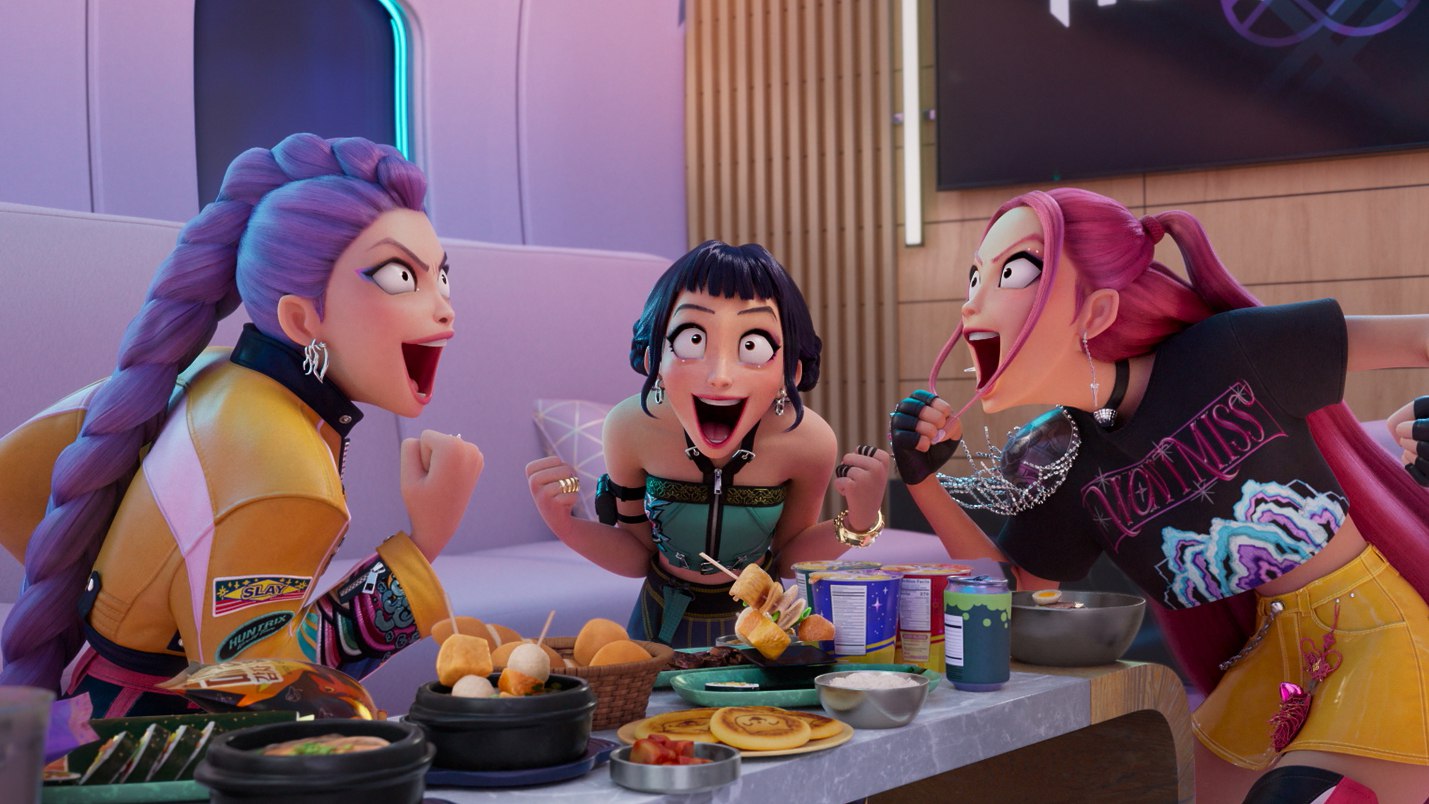
What set KPop Demon Hunters apart wasn’t just the story on screen, but the way it was embraced off-screen. In cities like San Francisco and New York, screenings sold out within hours, with fans arriving in full cosplay, transforming theaters into extensions of the film’s world. Online, the momentum only grew. Highlight reels, fan-made edits, and viral tributes flooded feeds, creating a loop where the hype fed the turnout, and the turnout fueled more hype.
Soon, the mainstream followed. The Empire State Building glowed neon pink in tribute, while influencers, YouTubers, and even seasoned music critics crowned the film a pop culture watershed. KPop Demon Hunters wasn’t simply an animated release; it was a cultural moment that braided fandom, fashion, and fantasy into a spectacle too big to ignore.
Netflix’s First Box Office Topper
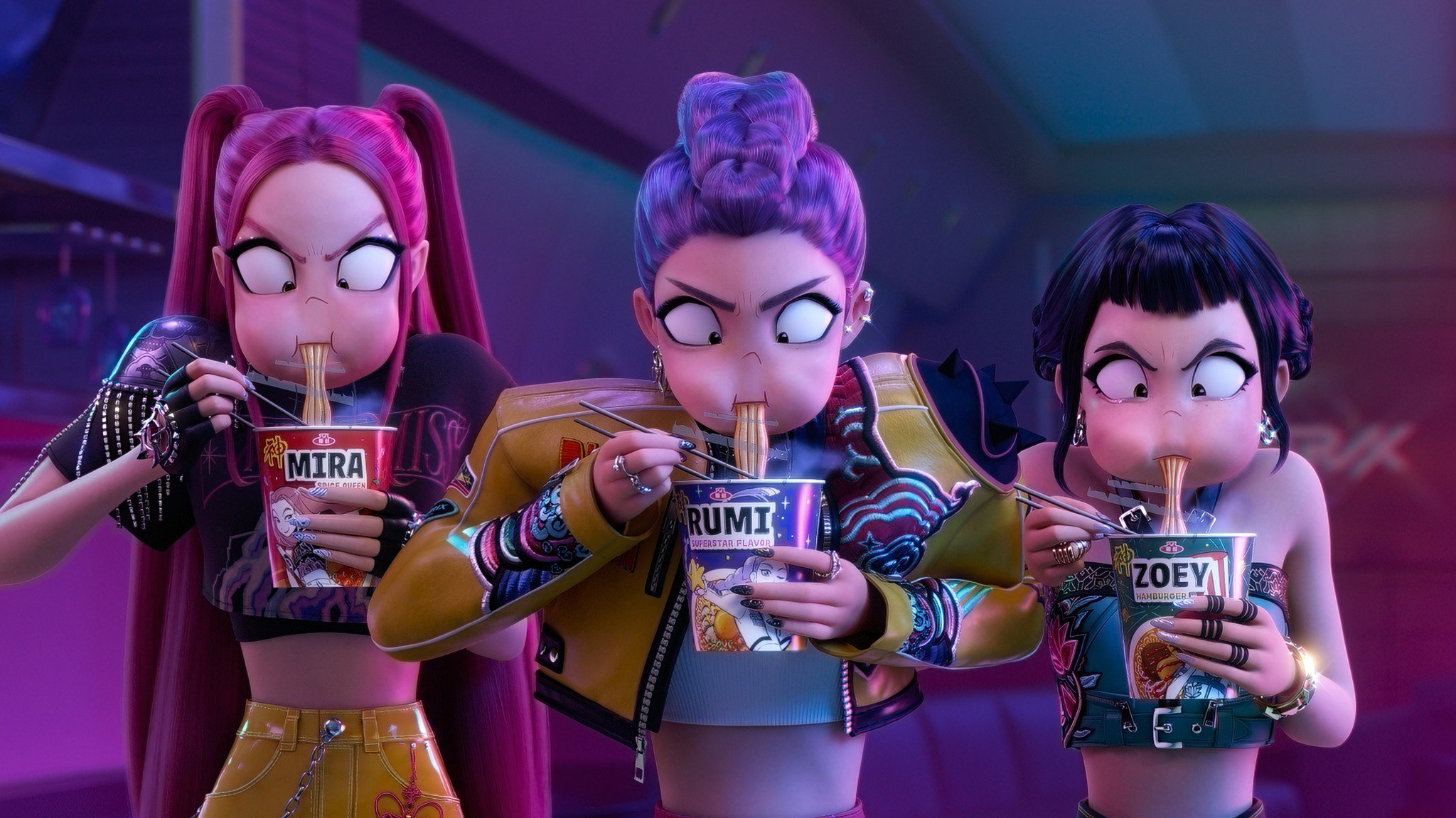
This release marks a clear turning point. For years, Netflix weathered criticism for sidestepping traditional theaters in favor of a streaming-first model. Yet with KPop Demon Hunters, the platform didn’t just break through—it topped the charts, proving it could claim blockbuster success without abandoning its DNA. That’s a statement Hollywood’s old guard can’t easily dismiss.
Just as important was how the theatrical run was framed. Rather than chasing box office dollars, Netflix positioned it as a fan celebration—a communal experience designed to amplify joy, not extract revenue. That distinction mattered. It gave the rollout an authenticity that audiences recognized instantly, and they responded with passion and open wallets. In the end, Netflix didn’t force its way into cinemas. It was welcomed in, invited by the very fans who’ve long demanded more participatory ways to experience stories they love.
The Power of Event Cinema
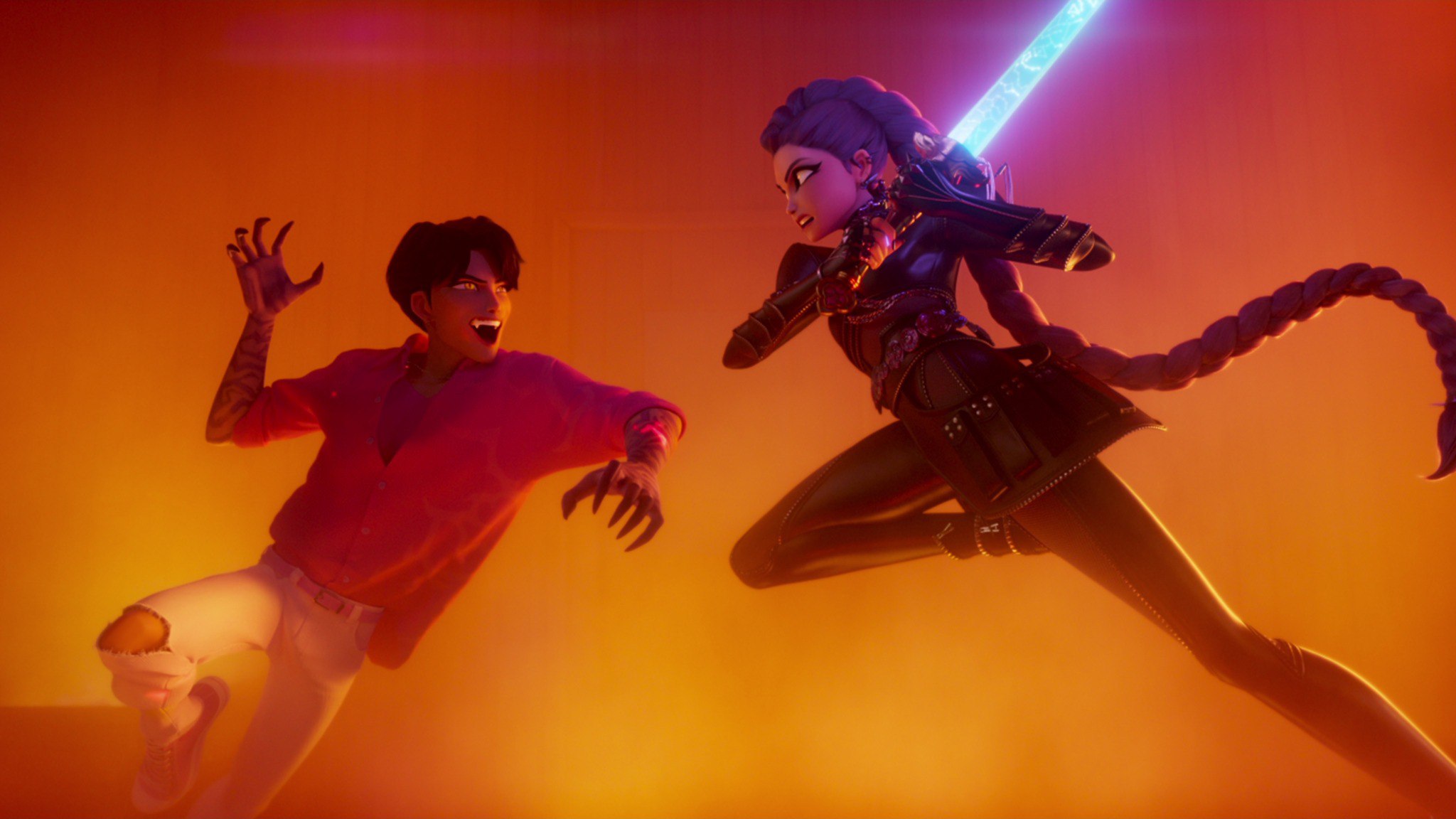
One of the clearest takeaways from Netflix’s KPop Demon Hunters is the sheer power of event-driven theatrical releases. Themed screenings, interactive formats, and fan-centered marketing delivered what traditional multimillion-dollar ad buys often fail to capture: genuine excitement. Independent theaters, in particular, embraced the spectacle, transforming screenings into communal celebrations. And they reaped the rewards with sold-out seats and overflowing concession stands.
For an industry grappling with box office fatigue, this film offers a compelling new blueprint. Success may not lie in chasing the next four-quadrant blockbuster, but in doubling down on immersive, community-led experiences. In this model, theaters cease to be mere projection rooms. They become stages—spaces where fandoms gather, perform, and transform a movie into something larger than itself.
Fandom Is the New Marketing Engine

Unlike most box office champions, KPop Demon Hunters carried none of the usual safety nets. No billion-dollar franchise, no caped superheroes, no recycled IP. Its rise was unexpected, and in that surprise lies its significance. Audiences aren’t exhausted by animation or musicals, as some executives insist; they’re exhausted by repetition. What they crave is freshness, emotional sincerity, and stories that feel alive.
The film delivers exactly that. By weaving traditional Korean folklore into a high school coming-of-age tale, it manages to feel both globally accessible and culturally rooted. The result is a genre-bending cocktail—Sailor Moon colliding with Blackpink, threaded through the spectral energy of Demon Slayer.
For years, critics have argued that original stories can’t compete with legacy brands. KPop Demon Hunters dismantles that notion. Its triumph didn’t hinge on nostalgia; it built its own mythology and invited fans to fall in love on their own terms. In doing so, it proves that risk-taking still has a place in modern entertainment—and, more importantly, that audiences are ready to reward it.
Where Netflix Goes from Here
Now that the streaming giant has tasted box office gold, the obvious question is: what comes next? Whispers of sequels, a spin-off series, and even a stage musical suggest Netflix isn’t treating KPop Demon Hunters as a one-off victory. They may be positioning it as their answer to Disney’s Frozen—a cross-platform franchise built to dominate screens, playlists, and merch tables alike.
Yet the lesson here is as much about restraint as expansion. The sing-along screenings worked precisely because they felt singular, a communal happening rather than a studio playbook. Over-replication risks draining the magic that made this moment matter.
Still, as a case study in how to turn an animated gamble into a cultural juggernaut, KPop Demon Hunters has already entered the history books. It’s not just a Netflix hit; it’s proof that when studios put fans first, even the most unlikely stories can become legends.
Featured image: Netflix
For the latest in fashion, lifestyle, and culture, follow us on Instagram @StyleRave_
—Read also
Source link
#KPop #Demon #Hunters #Danced #Box #Office #History


Post Comment