
Streetwear and luxury fashion used to know their place. High fashion sat firmly at the top—the runways, the houses, the couture. Street style existed somewhere below. Interesting, sure. Photographed outside the shows, definitely. But not taken seriously as a source. Not treated as the thing that actually tells the truth about how people dress, what they want, and where culture is going.
2026 has officially ended that hierarchy. And the people most responsible for dismantling it are Afrobeats artists, athletes, influencers, and everyday stylists whose approach to dressing has become the industry’s most reliable compass. The relationship between streetwear and luxury fashion has never been more equal, and the streets didn’t wait for permission to make that happen.
Streetwear And Luxury Fashion: What Happened, Exactly?
The shift between streetwear and luxury fashion has been building for over a decade, but a few factors collided to create a clear turning point.
First, the internet completely democratized fashion visibility. When anyone can build a platform, and that platform can reach millions, the arbiters of style are no longer gatekept by geography, wealth, or industry access. A stylist in Lagos with 200,000 followers is influencing buying decisions, and sometimes even designer choices, in ways that were impossible fifteen years ago.
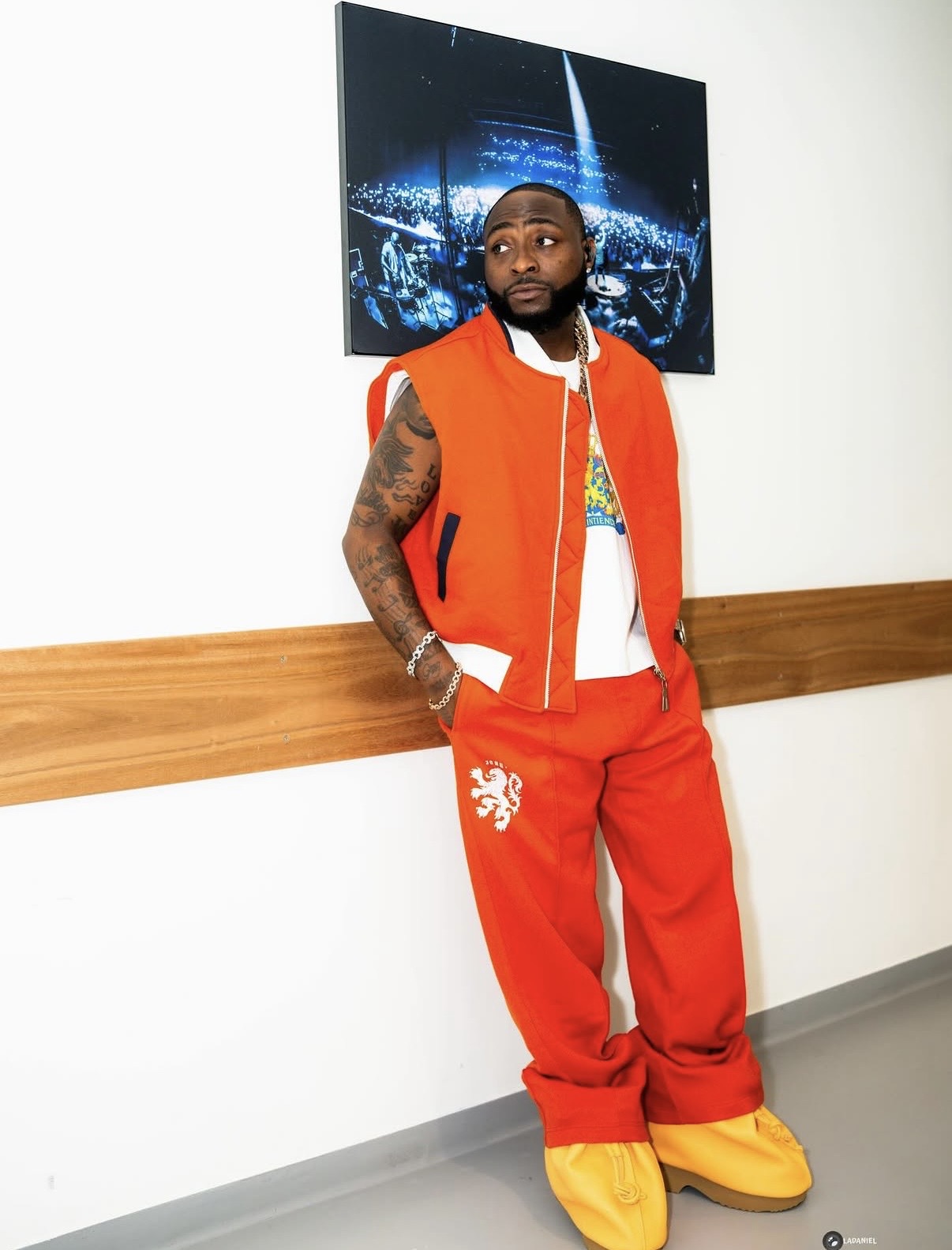
Second, music has played a role. In the African context, Afrobeats’ global takeover has been as much a fashion story as it is a music one. Artists like Burna Boy, Tems, Asake, and Davido don’t just perform globally; they dress globally, blending streetwear and luxury fashion with African design in distinctive ways. When Burna Boy steps out in a custom Mowalola piece, or Tems wears an edgy gown that references her Nigerian heritage on an international stage, those are style statements that travel. Designers notice. The market notices.
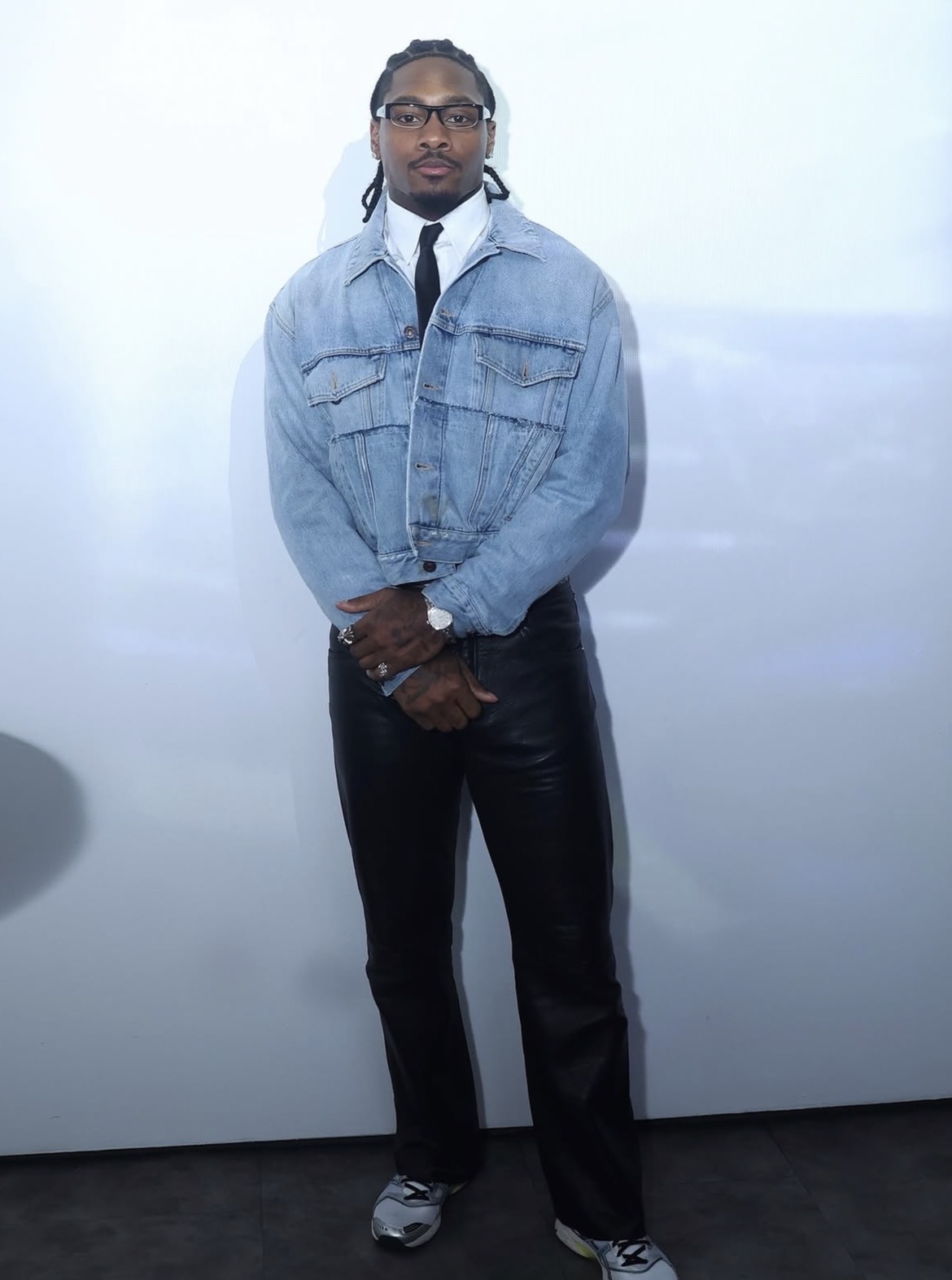
Third, athletes have become some of today’s most powerful fashion forces. The intersection of sport, culture, and luxury has never been more visible. NBA players arrive at arenas in full looks that rival runway outfits. Tennis players and sprinters front luxury campaigns. The tunnel and the post-match interview have become fashion stages in their own right, and streetwear and luxury fashion are always present.
Where Streetwear And Luxury Fashion Finally Meet
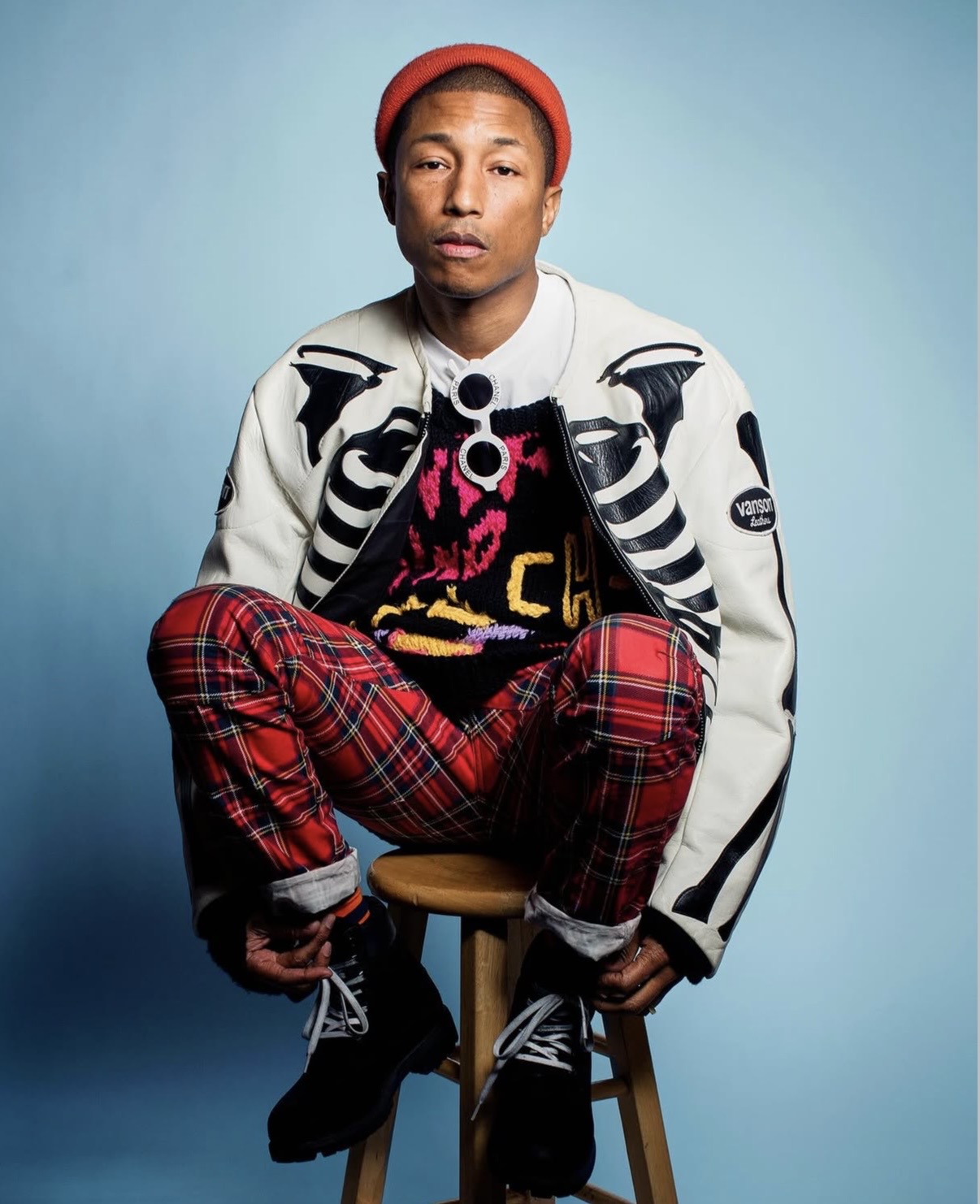
Luxury houses understand this. Indeed, it’s why we’re seeing an increasing number of collaborations that are no longer about a heritage house lending credibility to a streetwear brand, but about genuine creative exchange on equal footing.
Louis Vuitton’s ongoing investment in cultural figures as creative consultants. Valentino’s expanded color conversations, the Deep Black and Pink PP moments, were clearly influenced by global urban dressing. Prada and Miu Miu are taking cues from vintage and thrift aesthetics. Jacquemus builds entire campaigns around naturalness and sun-drenched ease. These aren’t accidents; they’re responses.
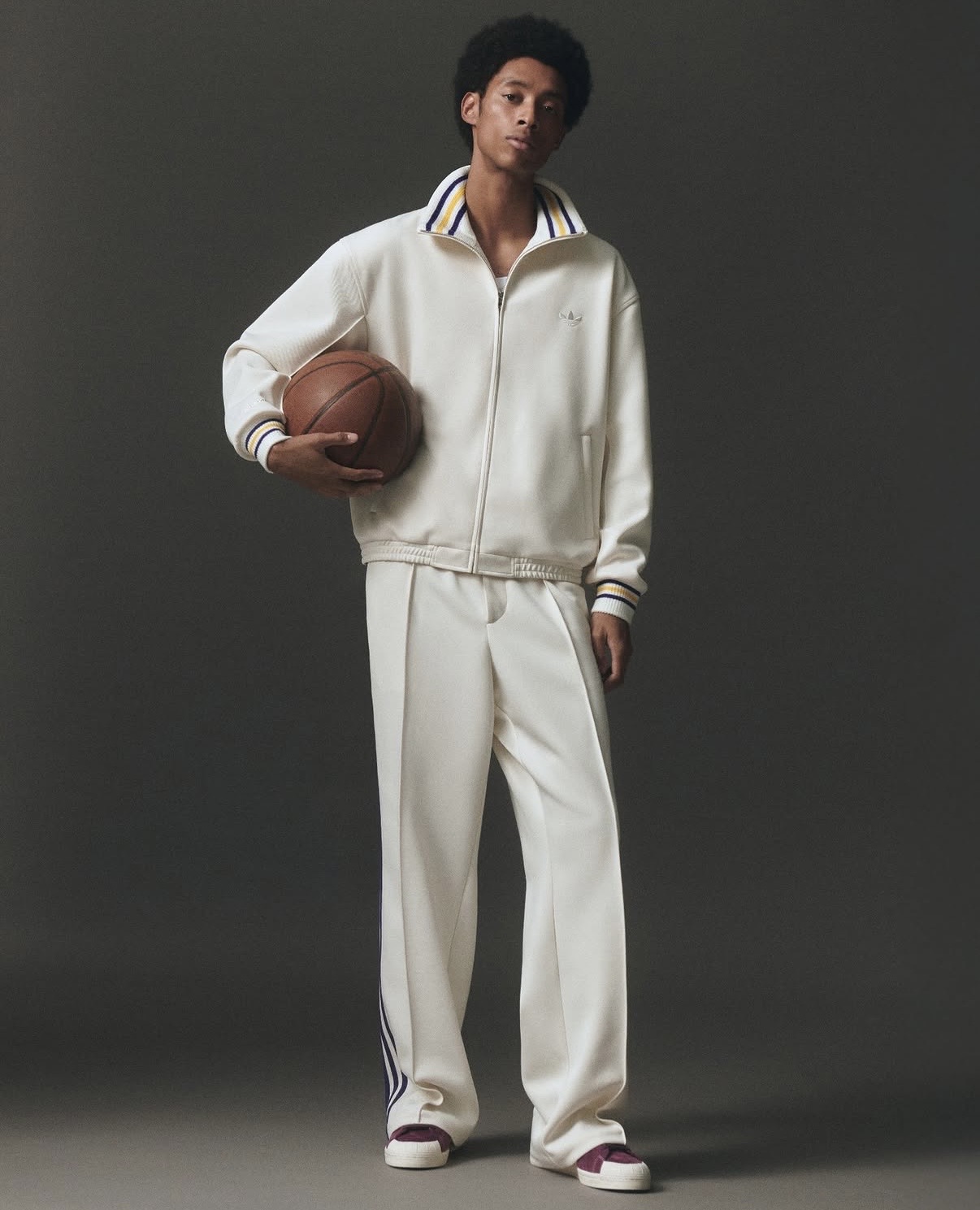
And on the newer end of the luxury spectrum, brands like Wales Bonner, whose entire design language is rooted in Black Atlantic culture, are proving that streetwear and luxury fashion don’t have to exist in separate lanes. The street can be the origin. It always was.
Streetwear And Luxury Fashion: African and Diaspora Influence, Specifically
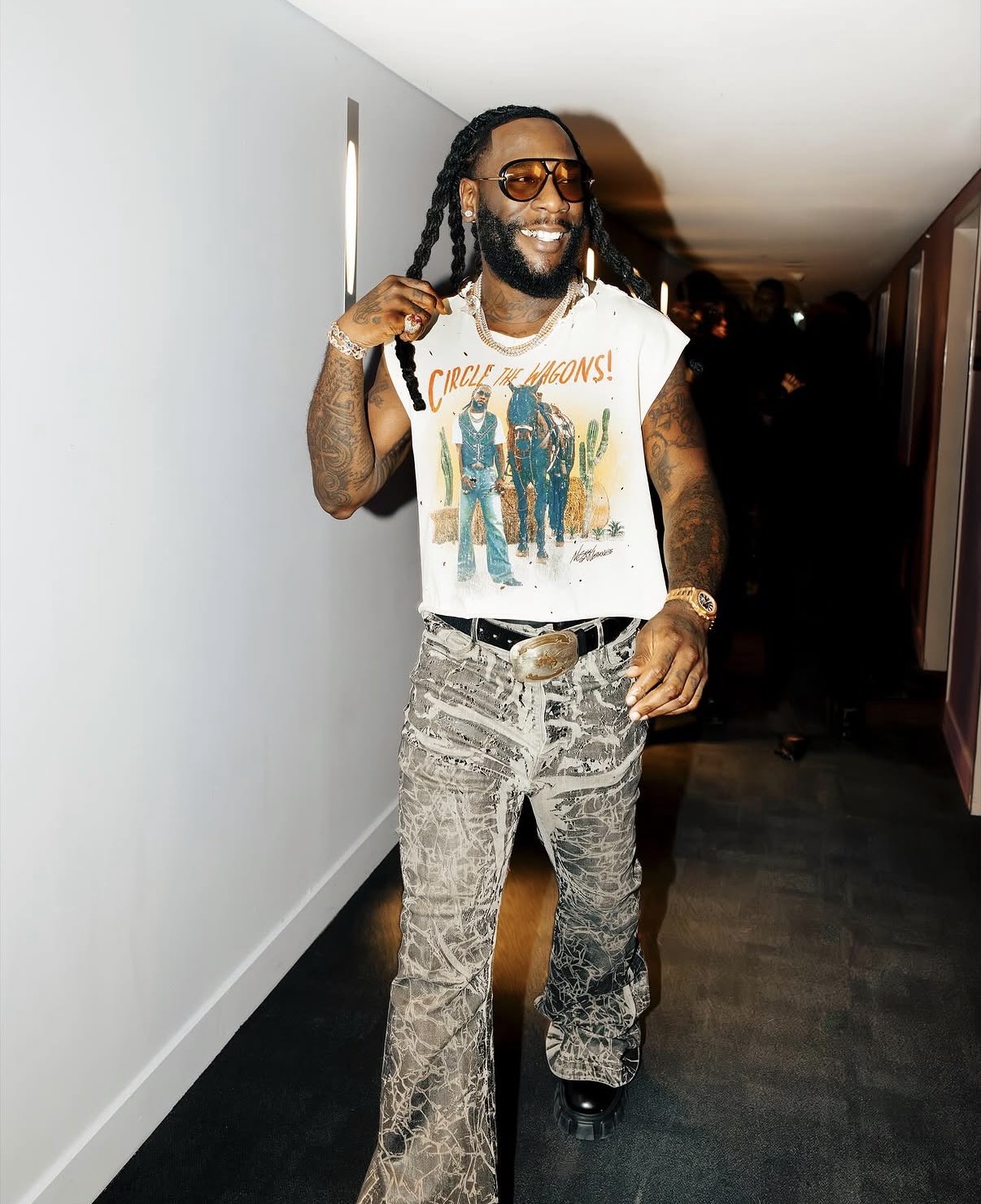
Let’s not let “global street style” become a vague term that erases specificity. The African and diasporic contributions to the streetwear and luxury fashion conversation are distinct and worth naming.
The way Afrobeats artists’ style has introduced maximalism, embellishment, and unapologetically rich color into spaces once dominated by European minimalism. The way African tailors and designers construct garments, with an emphasis on structure, occasion, and fabric, is influencing how luxury designers think about craft.
Fashion content creators on the continent and in the diaspora are also reshaping what “aspirational” looks like. Today, aspirational fashion doesn’t only mean French luxury. It means Kenneth Ize’s loom-woven textiles. It means Maximilian’s London-meets-Lagos tailoring. It means a thrifted pair of vintage Levi’s styled perfectly on a rainy afternoon in Peckham.
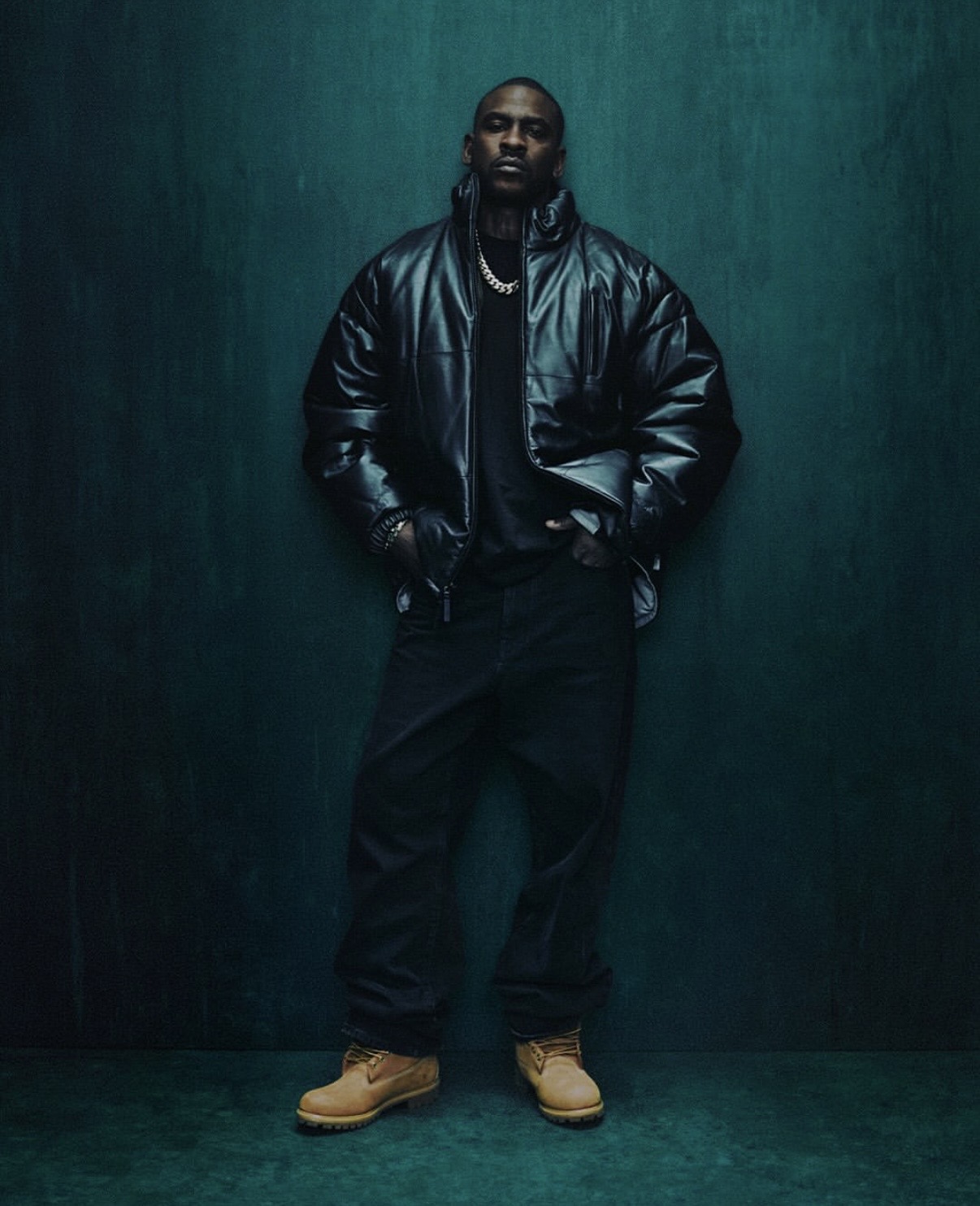
The visual references have diversified, and the entire streetwear and luxury fashion conversation is richer for it.
What This Means for You
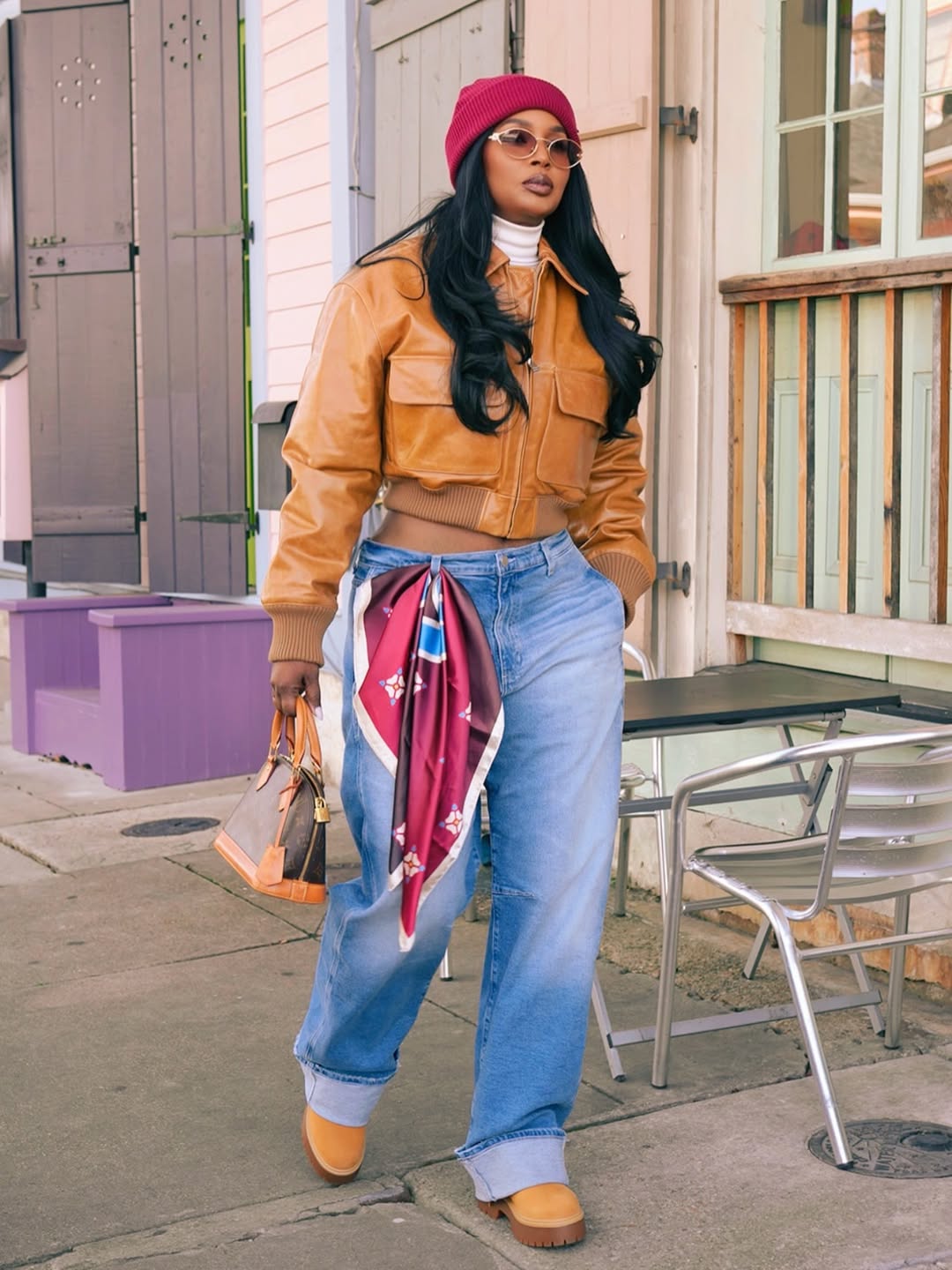
The most compelling part of this shift is what it validates: stylish people outside traditional fashion capitals have always understood that permission isn’t required.
Your neighbourhood, your culture, your music, your way of layering a wrapper over a cropped top, or throwing an agbada over a turtleneck, that’s design thinking. That’s streetwear and luxury fashion happening in real time. Moreover, the industry has finally caught up to what the streets already knew. And the streets, unsurprisingly, are not particularly impressed. They’ve just kept moving.
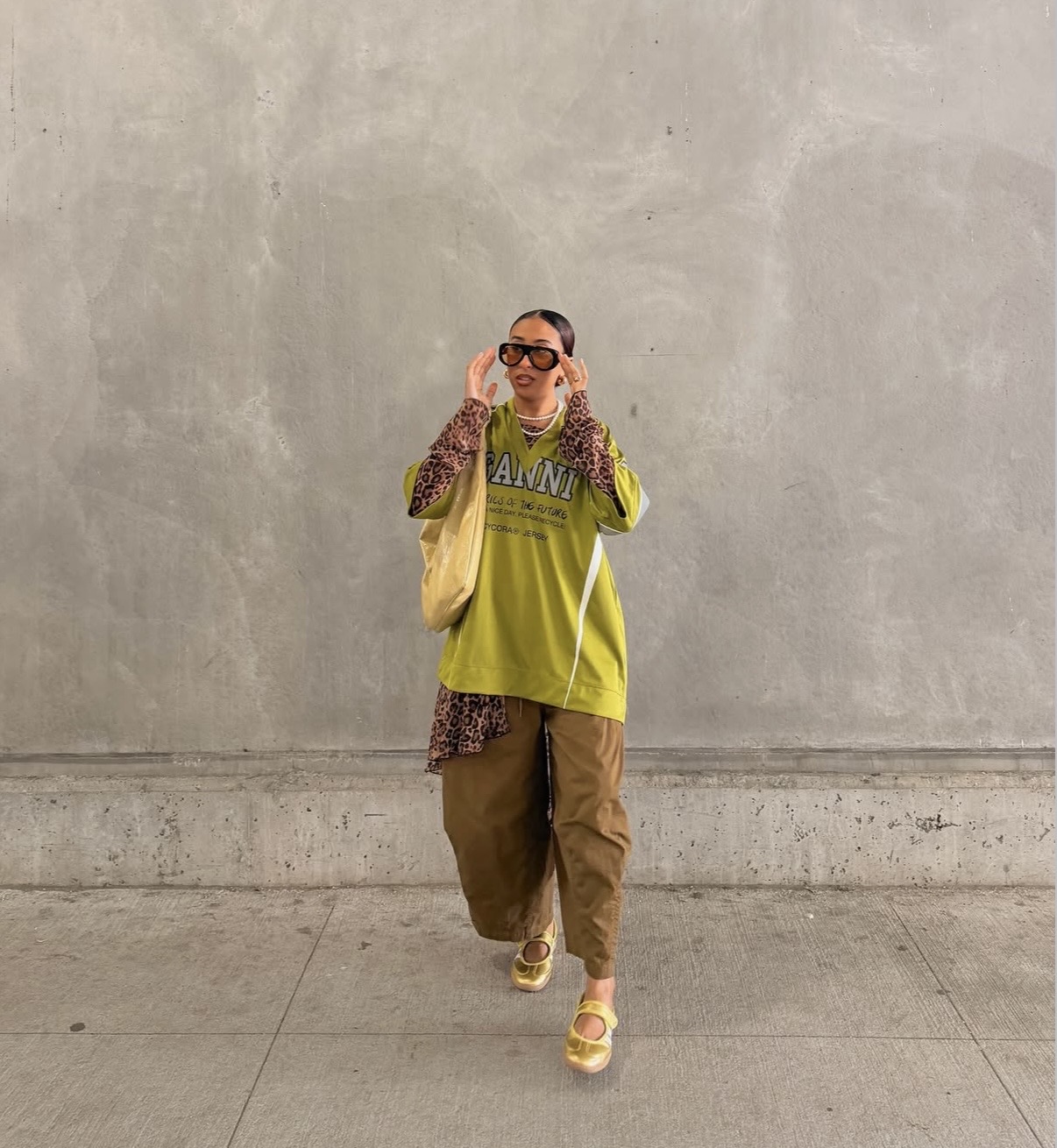
Check out how style stars are blending streetwear and luxury fashion with gusto…
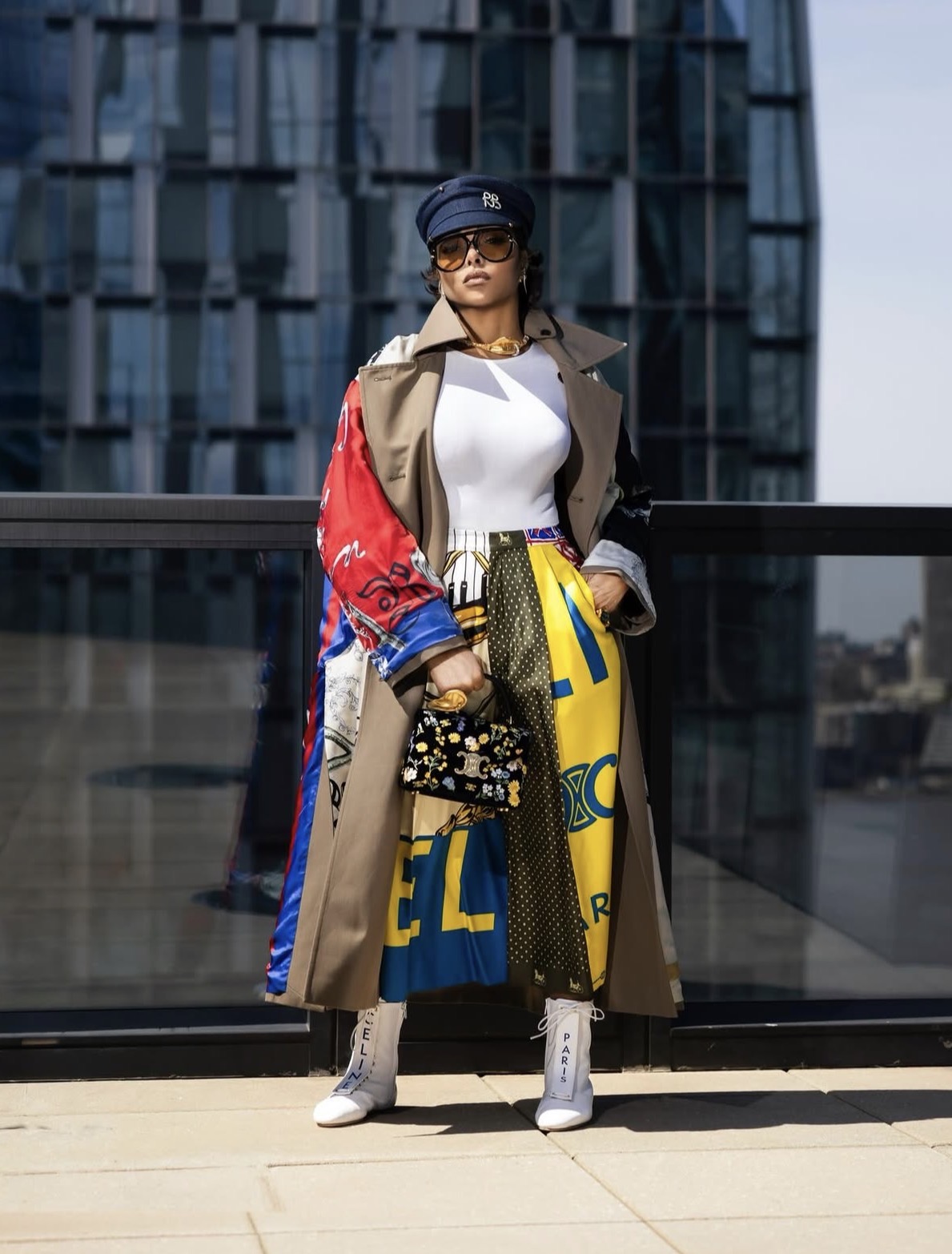
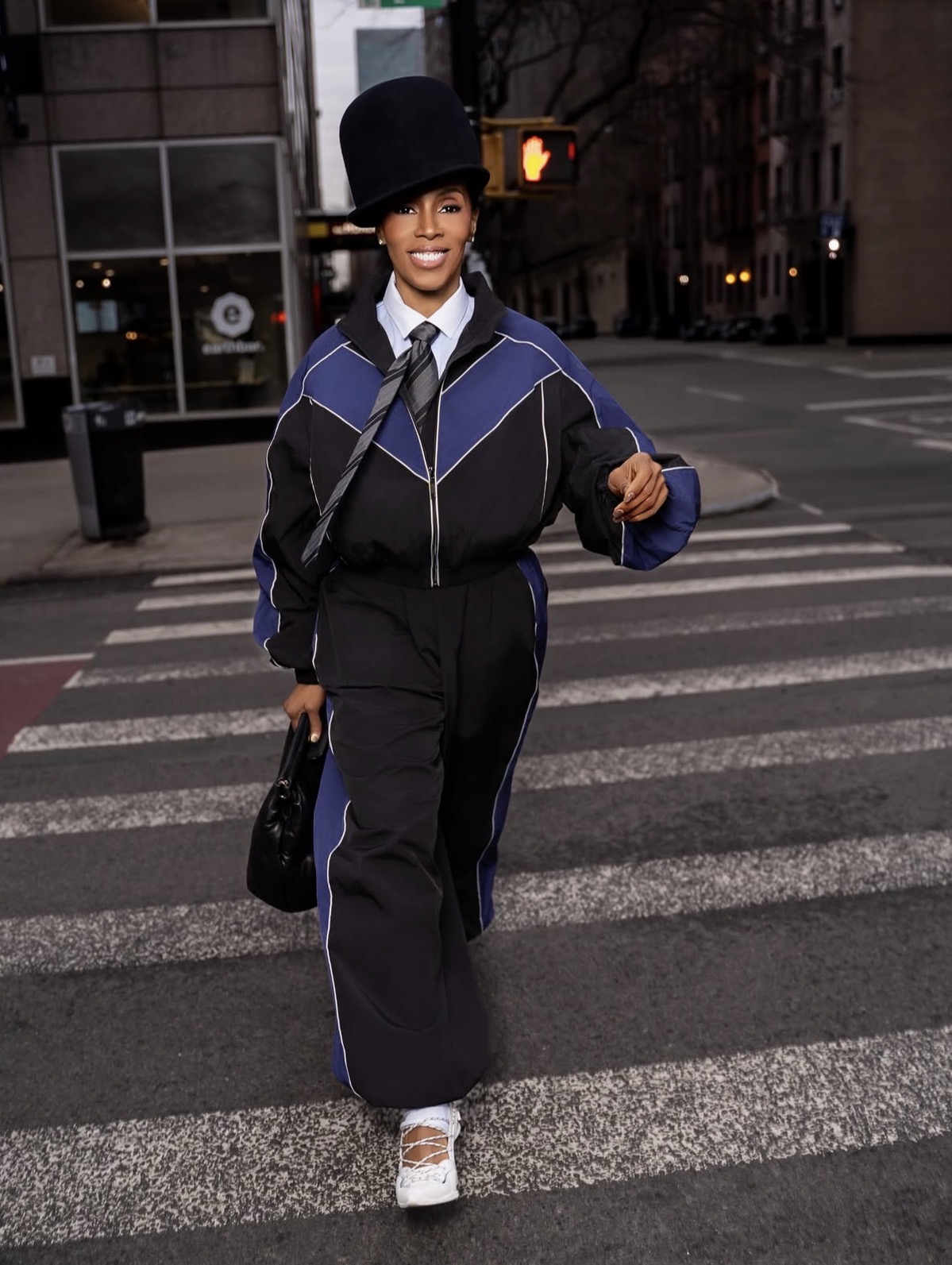
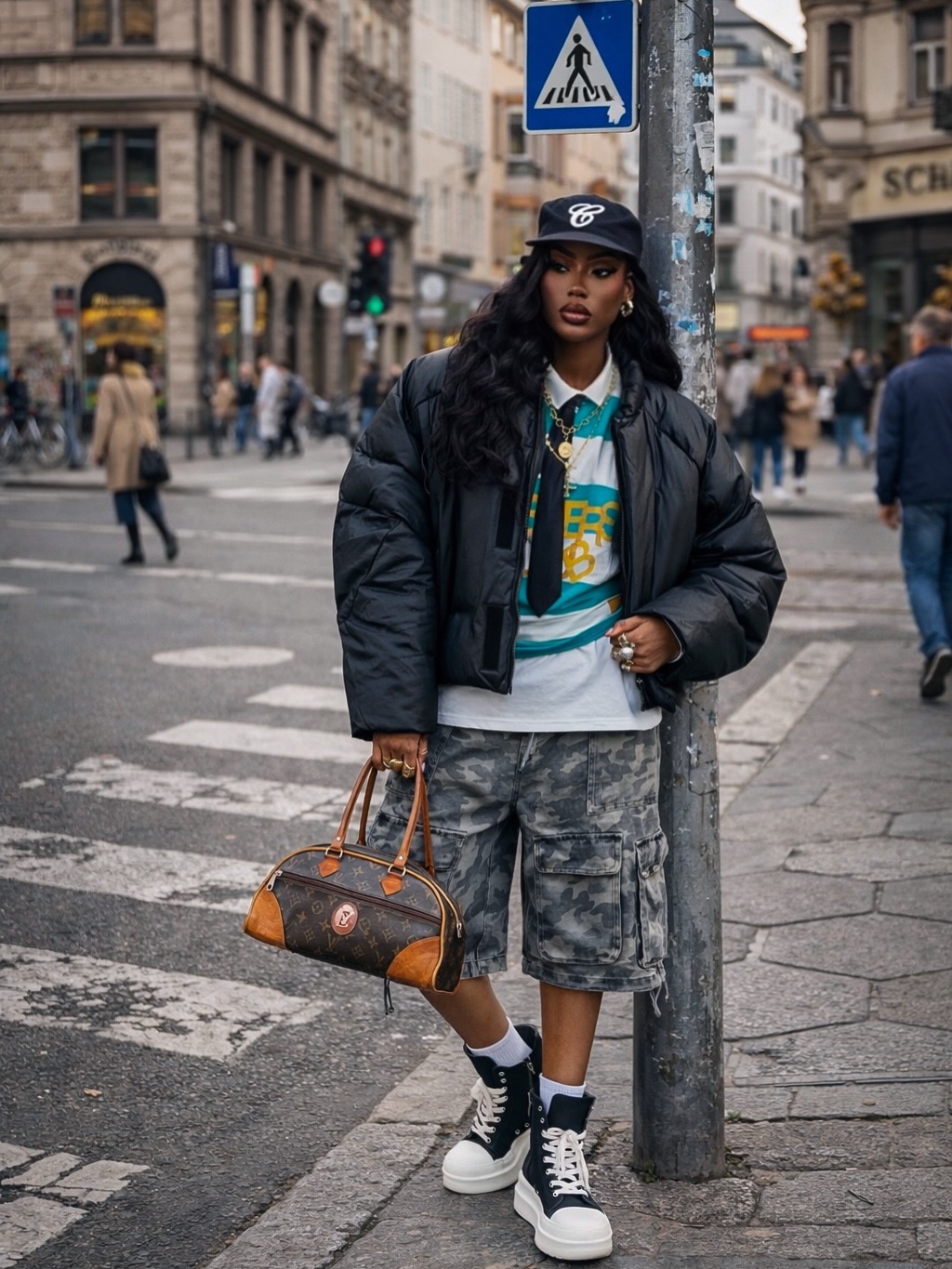
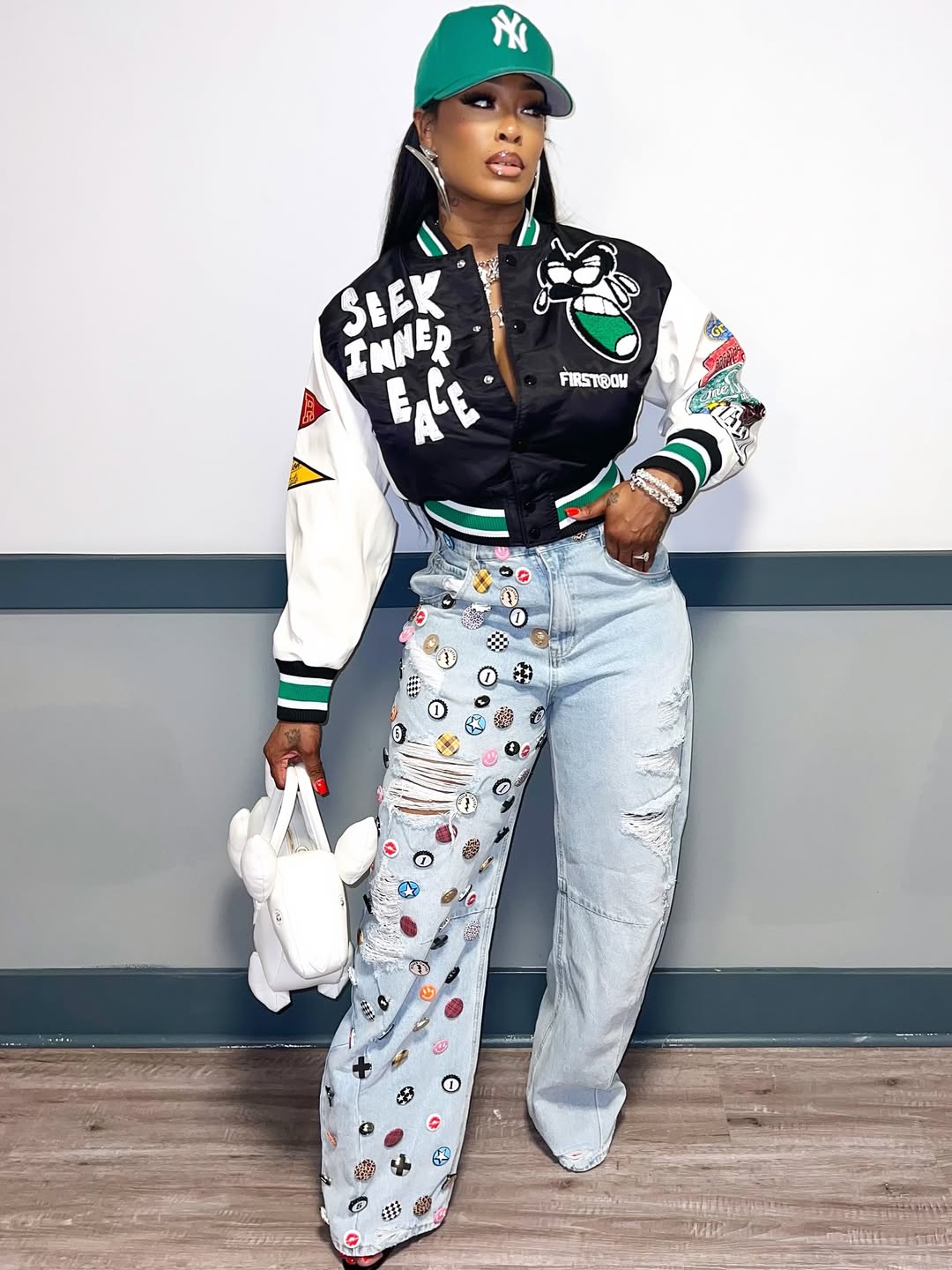
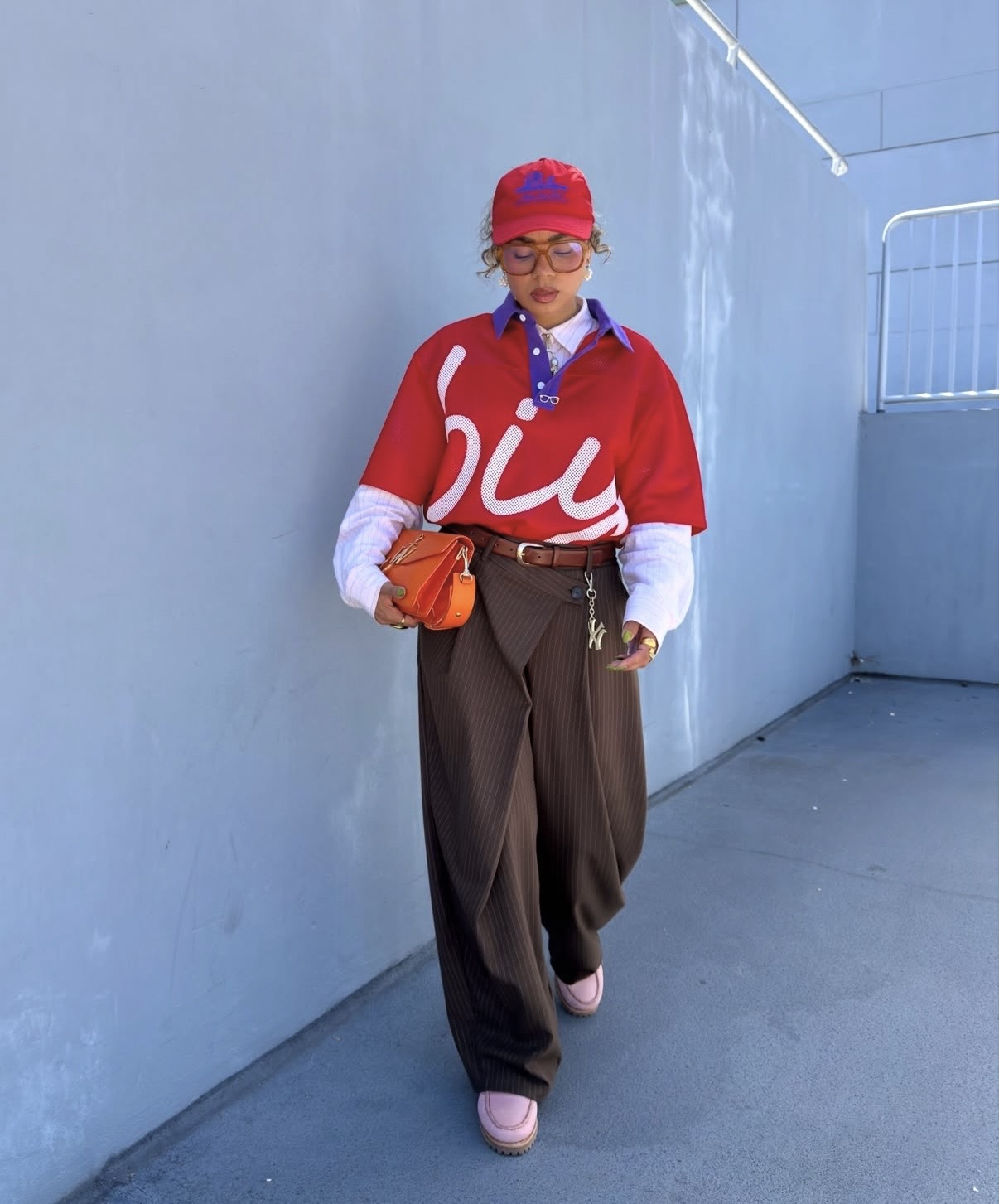
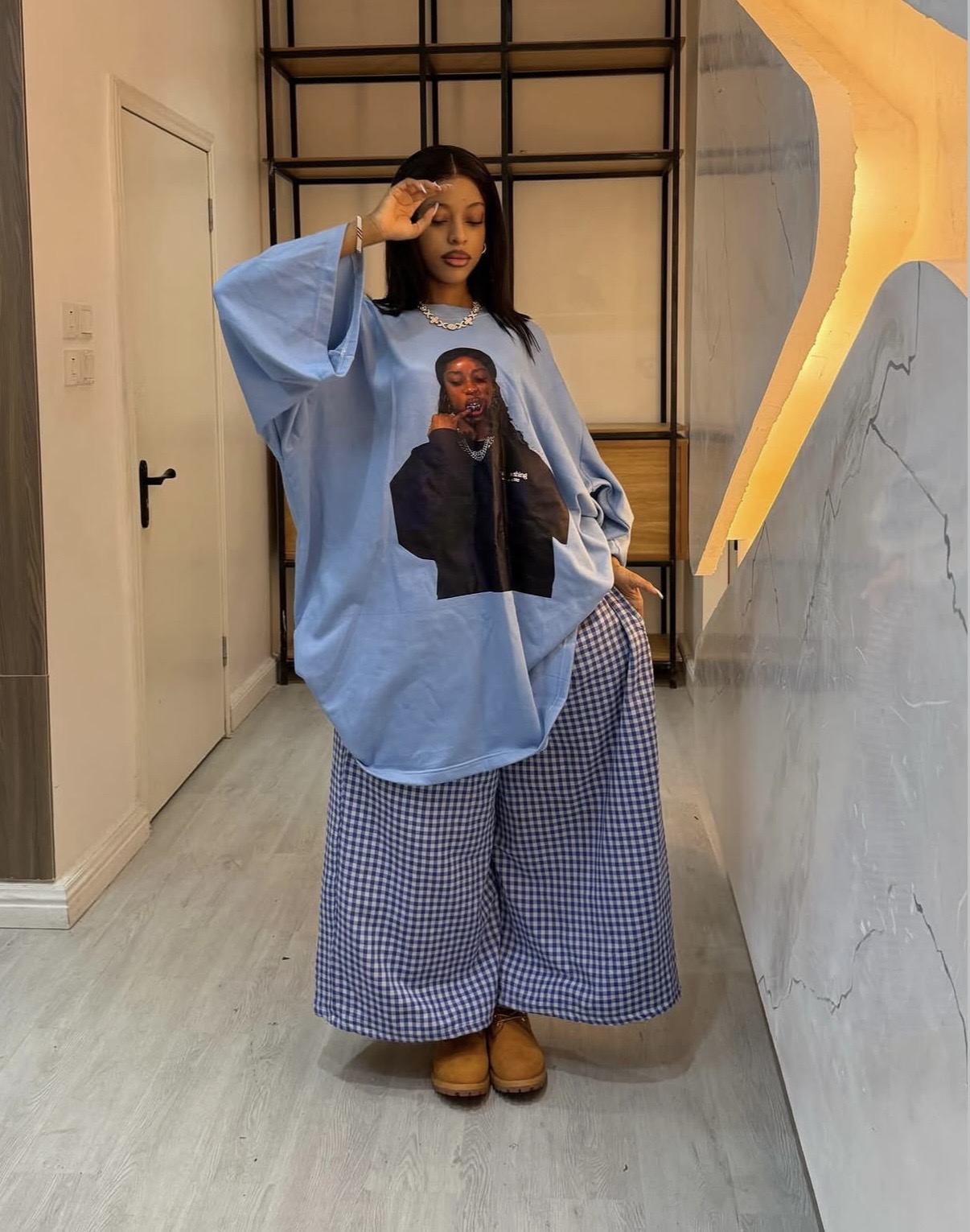
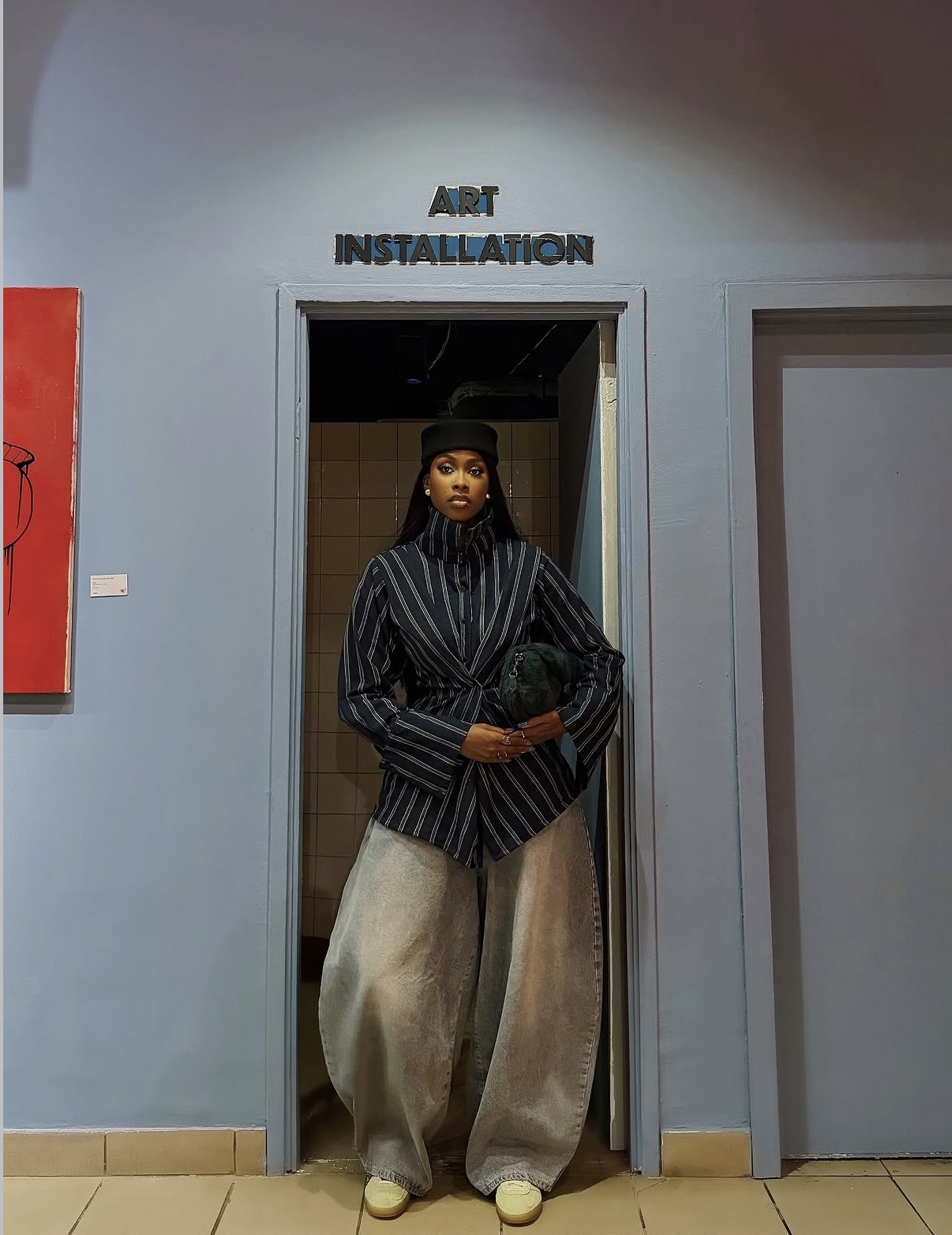
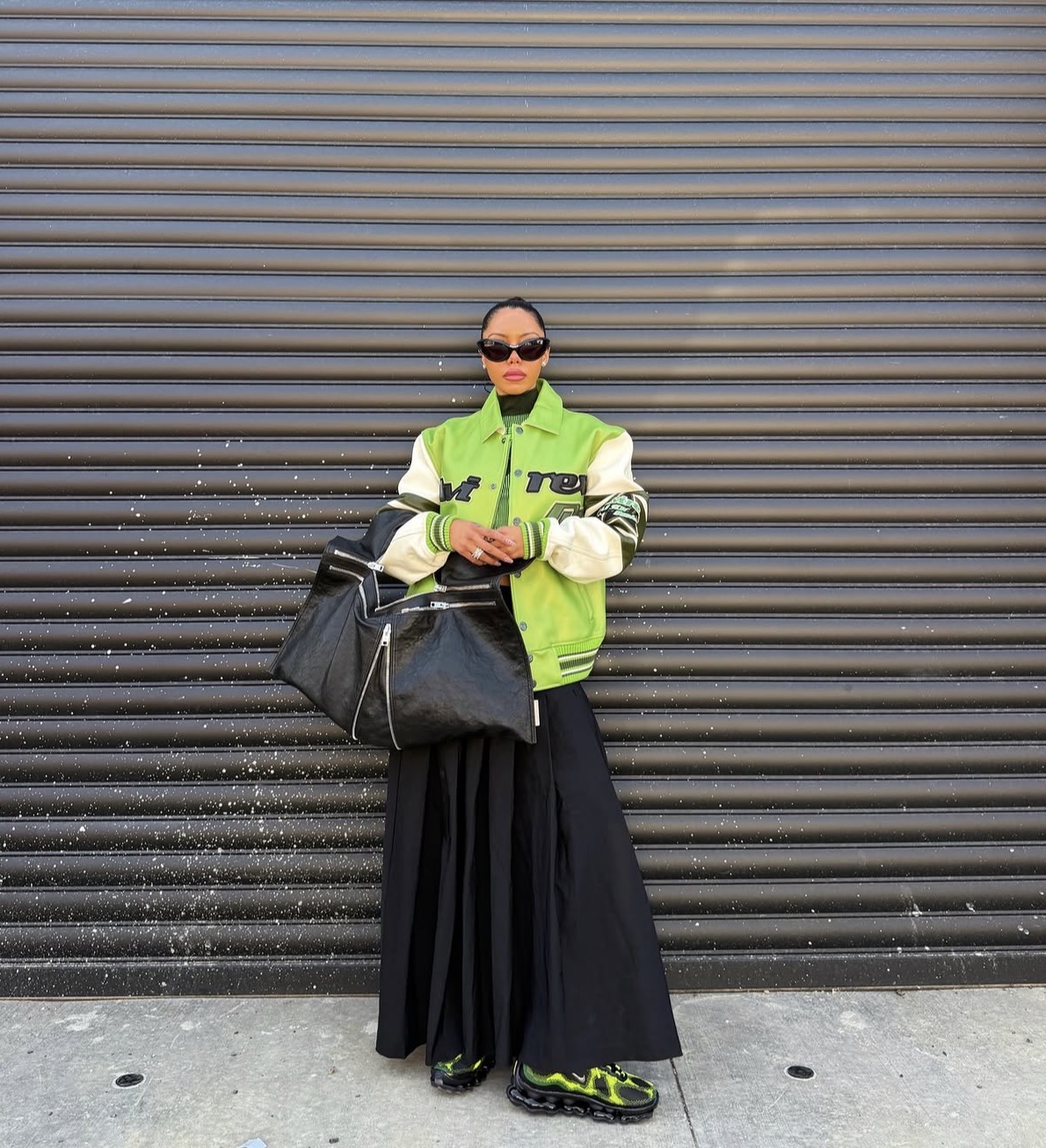
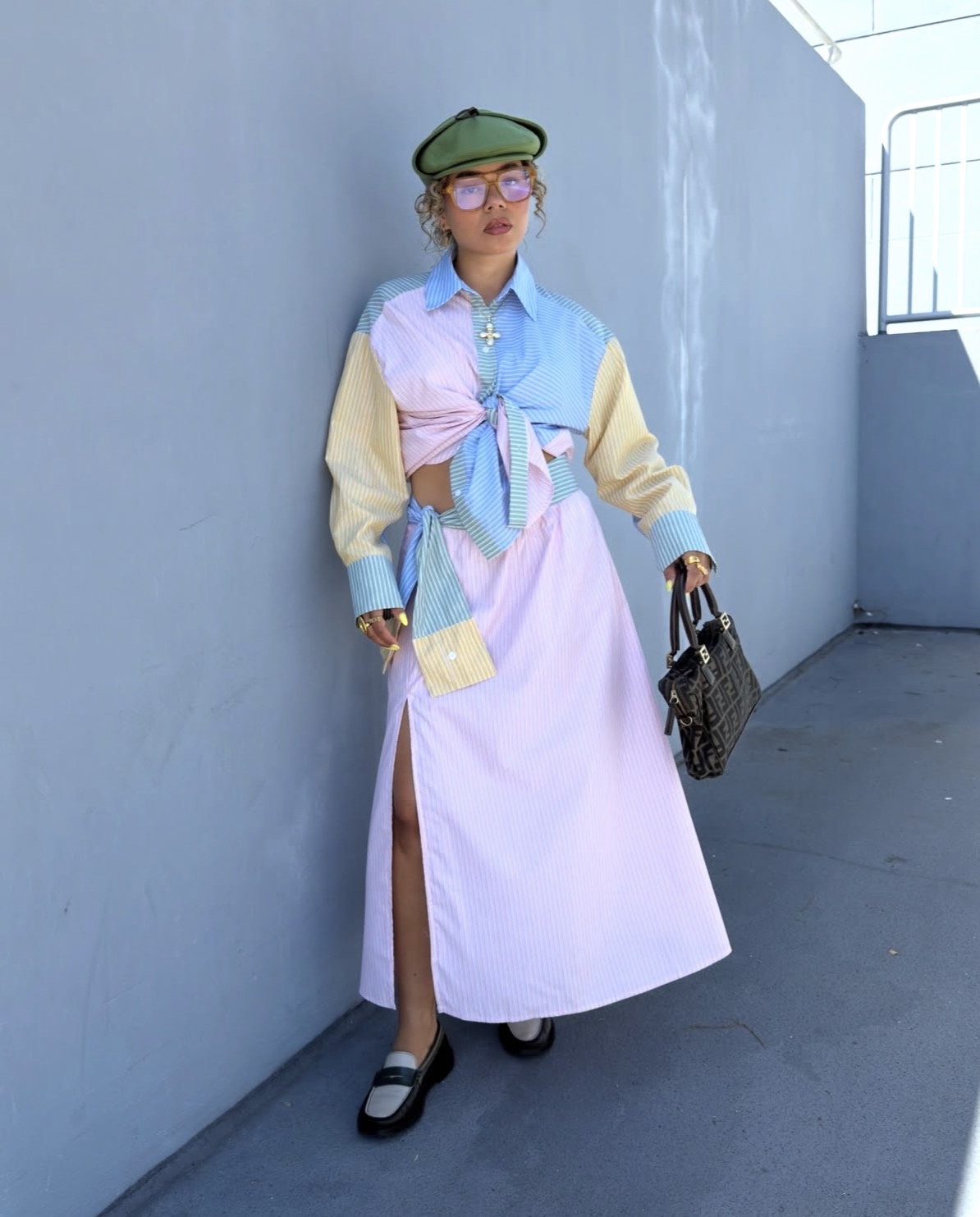
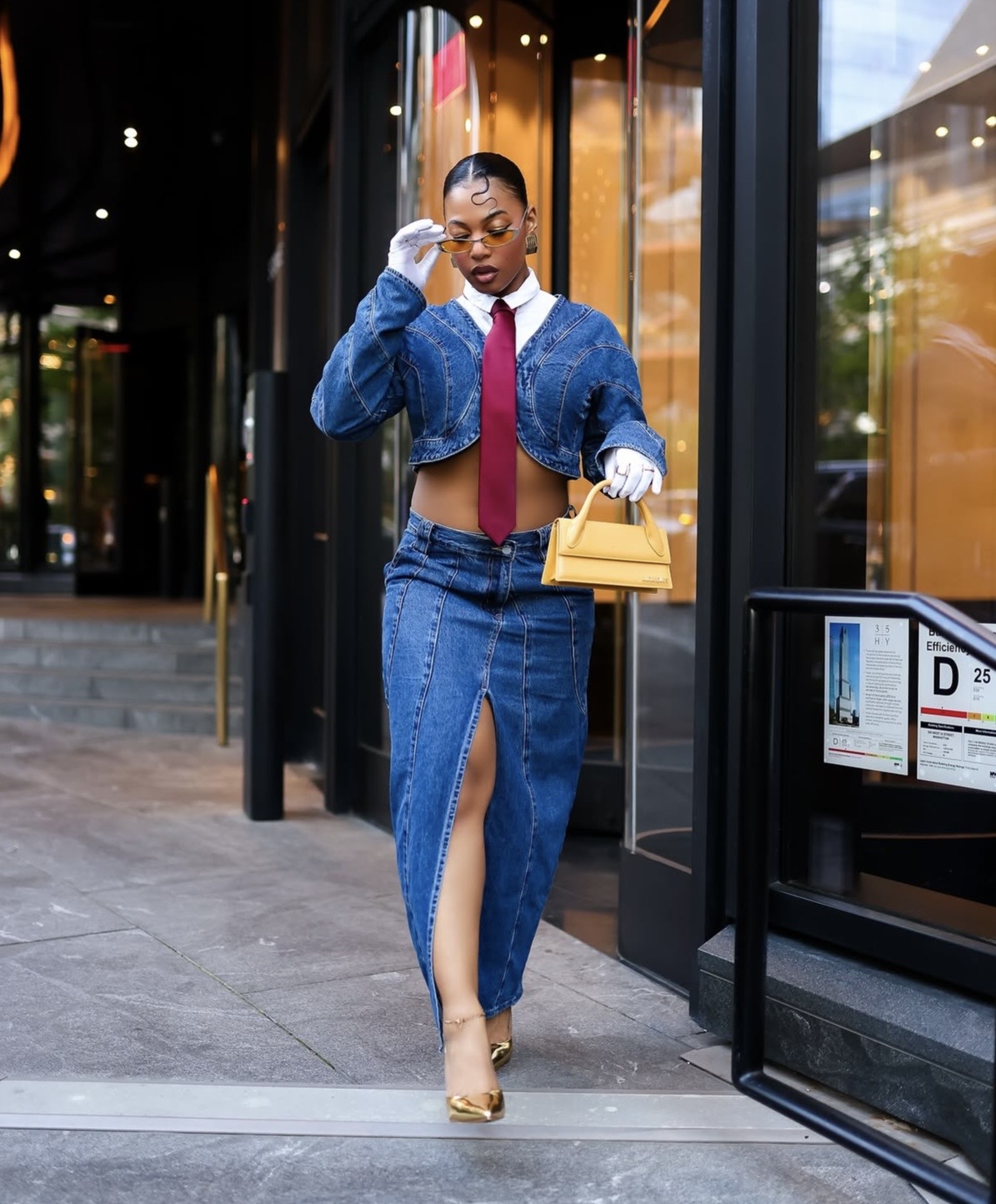
Streetwear and luxury fashion
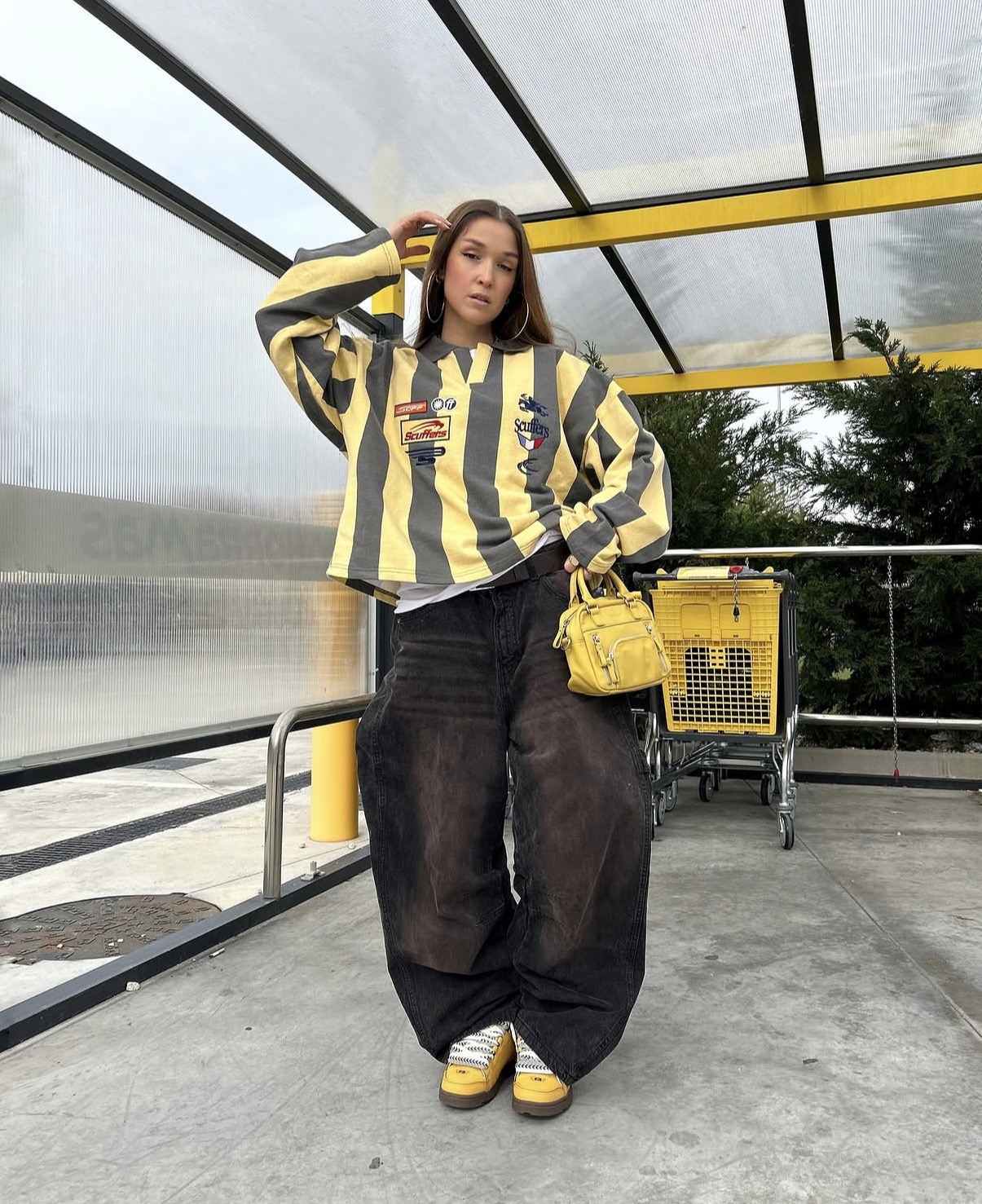
Streetwear and luxury fashion

Source link
#Streetwear #Luxury #Fashion #CollidedAnd #Streets #Won


Post Comment