
Blush is the face’s mood translator. It can make you look rested when you’re not. Warm when the weather isn’t. Soft when the outfit is sharp. It’s also the quickest way to take makeup from “I did something” to “I did this on purpose.” And yet, it’s the step people rush then wonder why everything feels slightly off.
Professionals treat blush like the lighting department on a film set. It isn’t there to be noticed. It’s there to make everything else look better. That’s why the number one key to knowing how to apply blush isn’t the shade. It’s placement. A good placement lifts features the way tailoring lifts a silhouette. A bad one can pull the face down like a heavy hem. The difference is rarely the blush itself. It’s the hand behind it. Pressure. Placement. Blend. Timing.
Consider this your blush education—no gatekeeping, no complicated choreography. Just a technique that reads polished in daylight, in photos, across climates, and under different lighting. Because “pro” isn’t a look. It’s a level of control.
Check out how to apply blush with pro-level precision…
#1. Set the scene with skin prep that actually helps
First things first: blush doesn’t perform well on a surface that’s fighting you. If your skin is dry, pigment grabs and turns patchy, like it’s clinging for survival. On the other hand, if your base is too slippery, blush slides around and disappears the moment you try to blend.
Instead, aim for skin that feels hydrated but settled. Apply moisturizer and sunscreen first, and let them sink in. If you’re wearing foundation or skin tint, set it just enough to hold shape, but not so powdered that it becomes a chalkboard. Blush loves a smooth canvas, not a sealed one. In fact, the glowiest, most natural blush moments often begin before blush even enters the chat. Prep is your invisible technique.
#2. Decide where the color lives before you blur it

A pro doesn’t blend first and hope for the best. A pro places with intention. Think of blush placement like choosing where the spotlight hits. Once you blend, you’re editing. Before you blend, you’re directing.
Start slightly higher than instinct. Most faces look instantly more awake when color sits on the upper cheek area rather than low on the apples. You want lift, not droop. Place the product. Then pause. Check symmetry. Check the distance from the nose. Only then, blend.
Applied too low, blush can make the face look heavier. Applied too close to the center, it can crowd your features. Higher and slightly outward tends to read modern, elevated, and flattering across face shapes.
#3. Apples vs cheekbones: The whole story in two zones
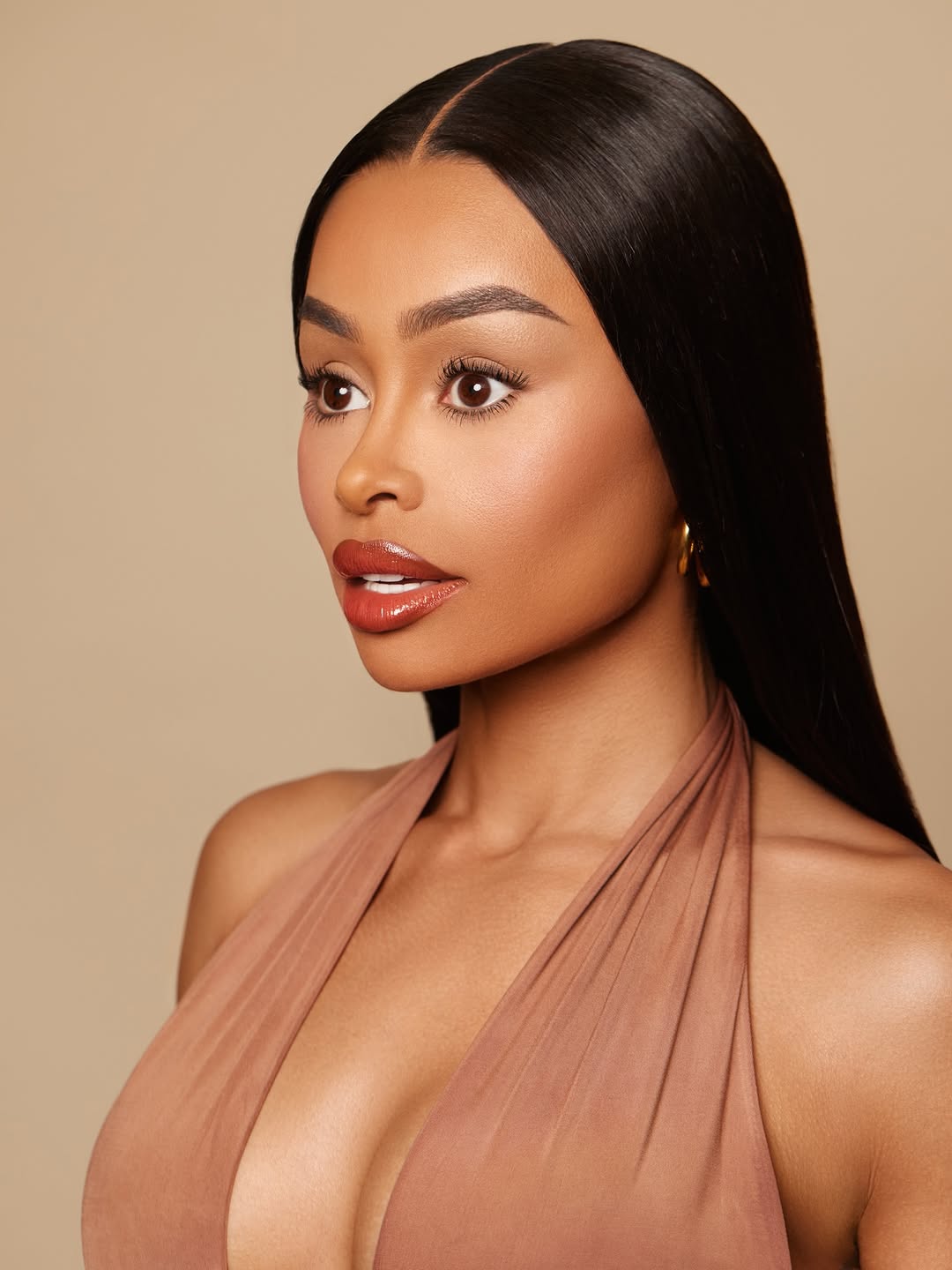
The apples of your cheeks are the rounded area that appears when you smile. They give a youthful aura. Meanwhile, cheekbones sit higher and pull back toward the temples, creating lift and structure.
Apple placement reads sweet and approachable. Cheekbone placement reads sculpted and editorial. Most professionals blend in a gradient between both, keeping the deepest color slightly higher, then diffusing forward softly. This creates dimension without turning your face into one large blush zone. Ultimately, where to apply blush depends on the mood: cute, lifted, sun-warmed, or polished. Same product. Different placement. Different outcome.
#4. Pick a formula that matches your lifestyle, not just your skin type
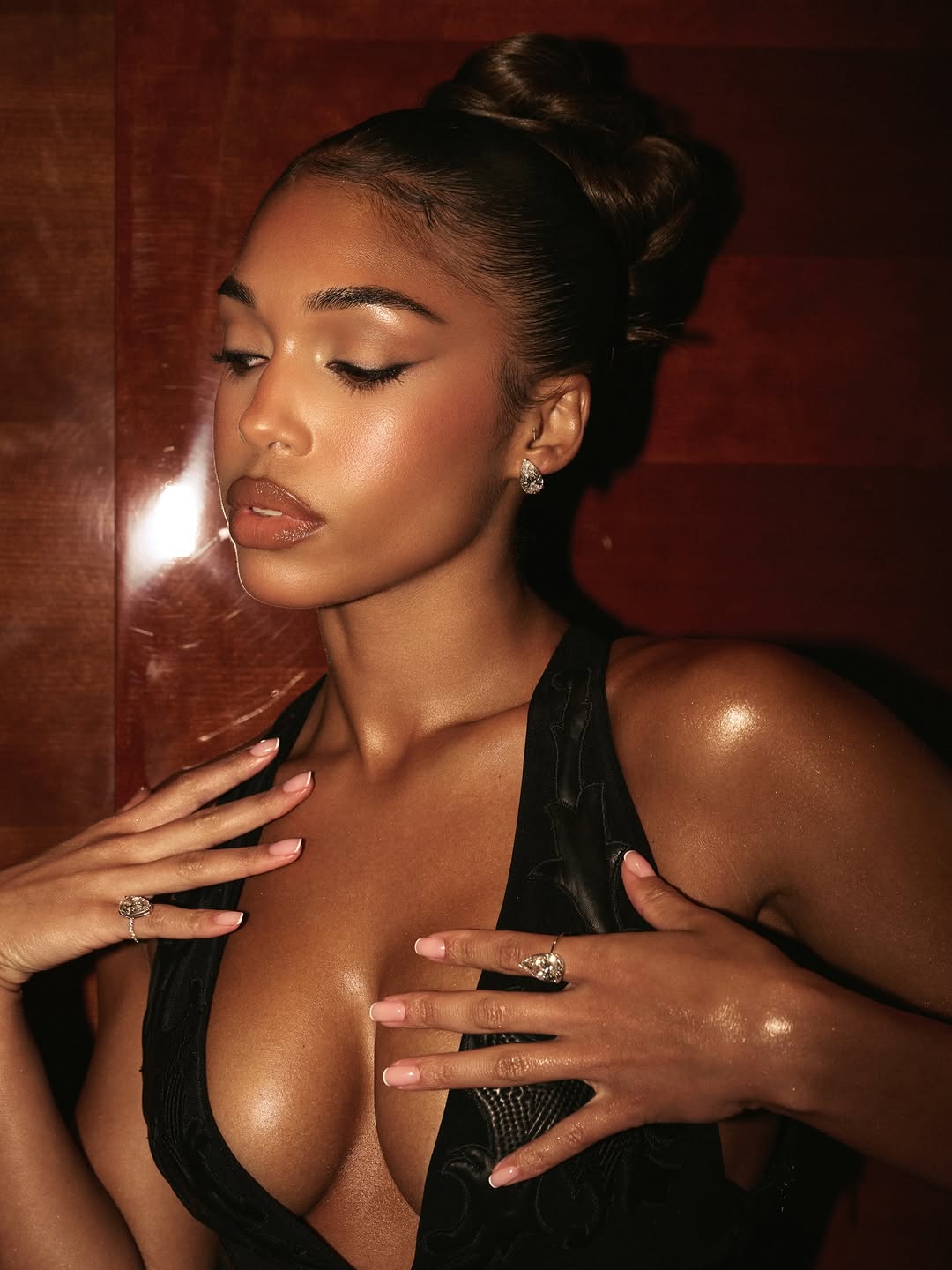
Cream blush looks like skin that’s doing well. It melts in. It’s forgiving. It gives that “alive” finish that reads expensive without looking excessive. Powder blush, however, excels at longevity and structure. It photographs beautifully when blended in thin layers.
Liquid and gel formulas feel the most modern, but they demand speed and a light hand. Because they set quickly, you need to blend with purpose. No formula is inherently better. The best one is the one you can control and wear consistently. After all, pro makeup is predictable makeup.
#5. The amount matters more than the product

Most blush disasters are simply math mistakes. Too much. Too fast. Too soon. The professional approach? Start with less than you think you need. Two small dots. A short swipe. A light tap. Then blend fully. Then reassess.
Blush should bloom gradually, like color rising through skin. It shouldn’t arrive like a stamp. If you’re unsure, blend and step back. The mirror up close lies. Ultimately, the real test is how it looks from normal talking distance. That’s how you achieve a soft-focus flush that reads natural in daylight, and still shows up in photos.
#6. Blend like you’re fogging a window, not scrubbing a floor

Technique changes everything. Tapping motions diffuse edges without dragging pigment downward. By contrast, sweeping too aggressively can flatten the face and move color where you never intended it to go.
Use gentle pressure. Tap to blur the edges. Keep the most pigment where you originally placed it. Let the outer edges fade like watercolor. Blush should look like part of your complexion, not layered on top like a sticker. Your tools are simply delivery systems. Fingers warm the product into the skin. A brush offers control. A sponge softens everything into a haze. The motion is the magic.
#7. Placement guides for different face moods

Blush isn’t fixed. It shifts with energy.
- Lifted and refined: Place blush high on the cheekbones and blend toward the temples.
- Soft and youthful: Keep it closer to the apples and blend outward gently.
- Sun-warmed: Connect color lightly across the cheeks and touch the bridge of the nose.
- Editorial: Keep placement high and clean, with diffused edges and minimal makeup elsewhere.
Professionals adjust based on outfit, lighting, and mood. Blush is flexible. Use it as a tool, not a routine.
#8. Keep blush from fighting the rest of your face
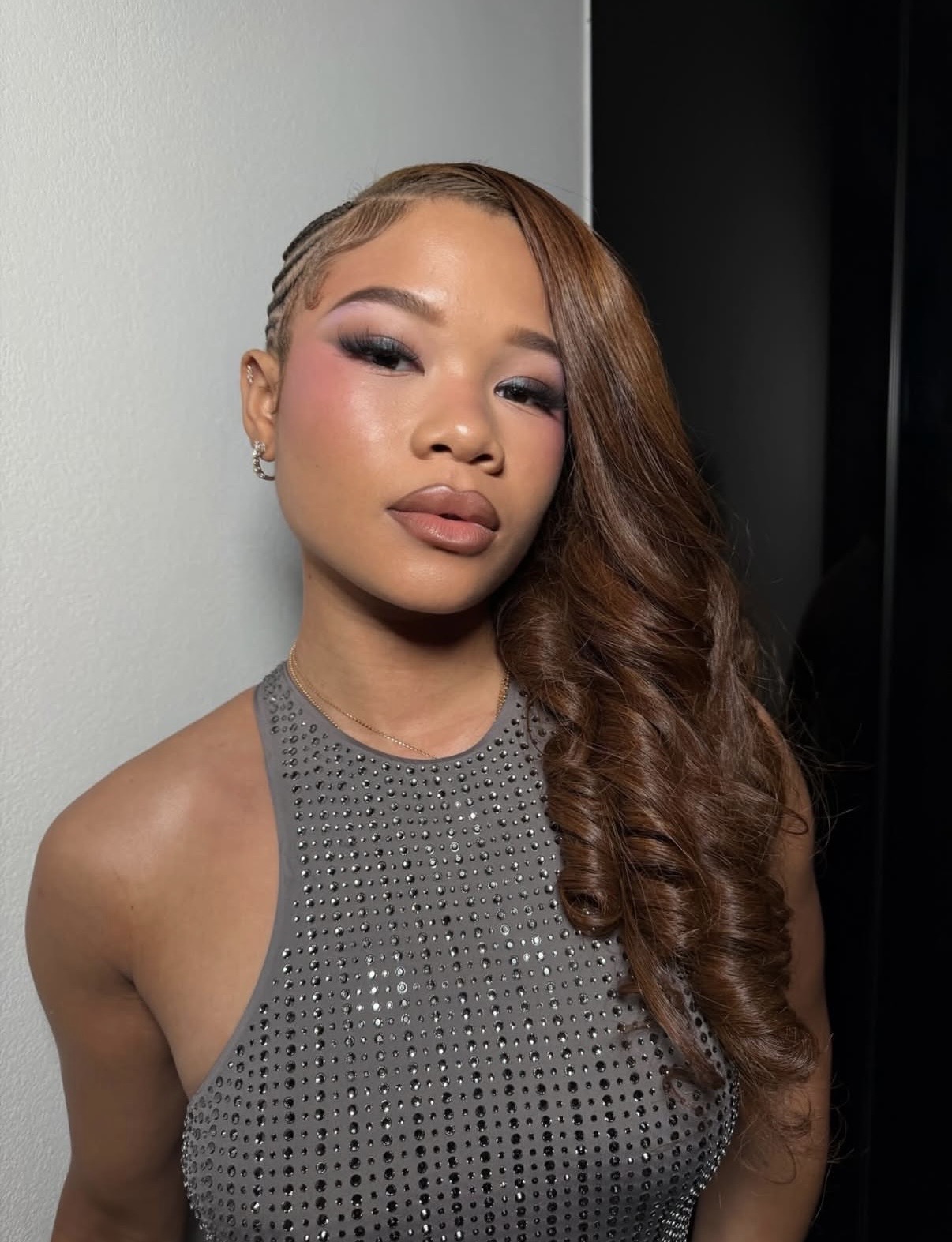
Blush should be in conversation with your makeup, not competing with it. If your eyes are bold, soften the cheeks. If your lips are strong, choose a cheek tone that harmonizes rather than clashes. If the face is minimal, let blush take the lead and keep everything else edited. A refined look often has one main focus. If blush is the focus, give it space. Let it carry the mood while everything else supports quietly.
#9. Fix it without restarting your entire life
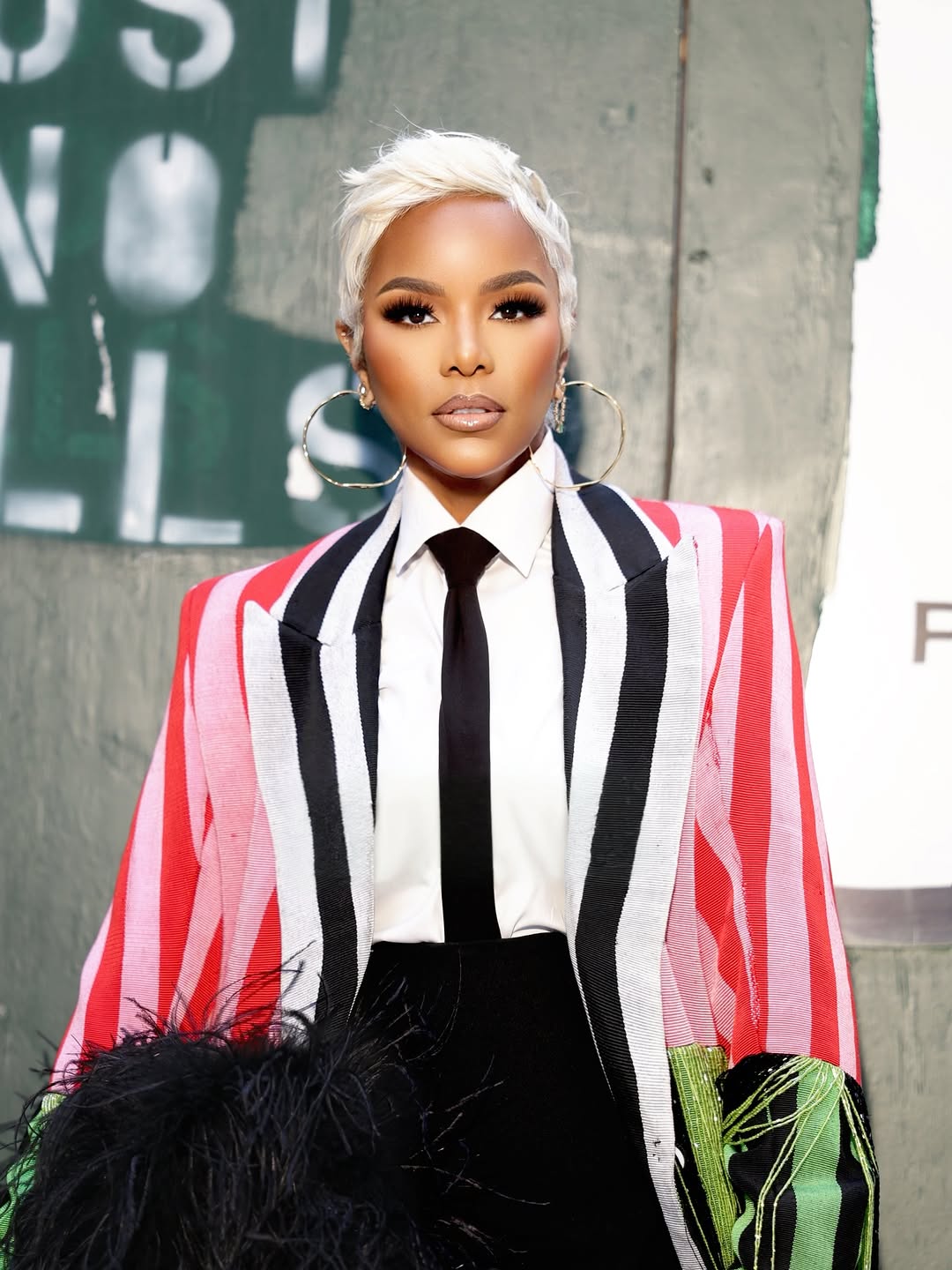
If you overdo it, don’t panic. First, blur. A clean sponge can lift excess and soften edges. If it’s still too strong, tap a small amount of foundation or concealer over it to mute the intensity, then blend again. This keeps the dimension while lowering the volume.
If blush looks patchy, your base is likely too dry or too set. In that case, tap a bit of moisturizer onto a sponge and press lightly over the area. It smooths everything out and helps the blush look like it belongs. Pros correct constantly. The difference? They do it calmly.
#10. The pro finish
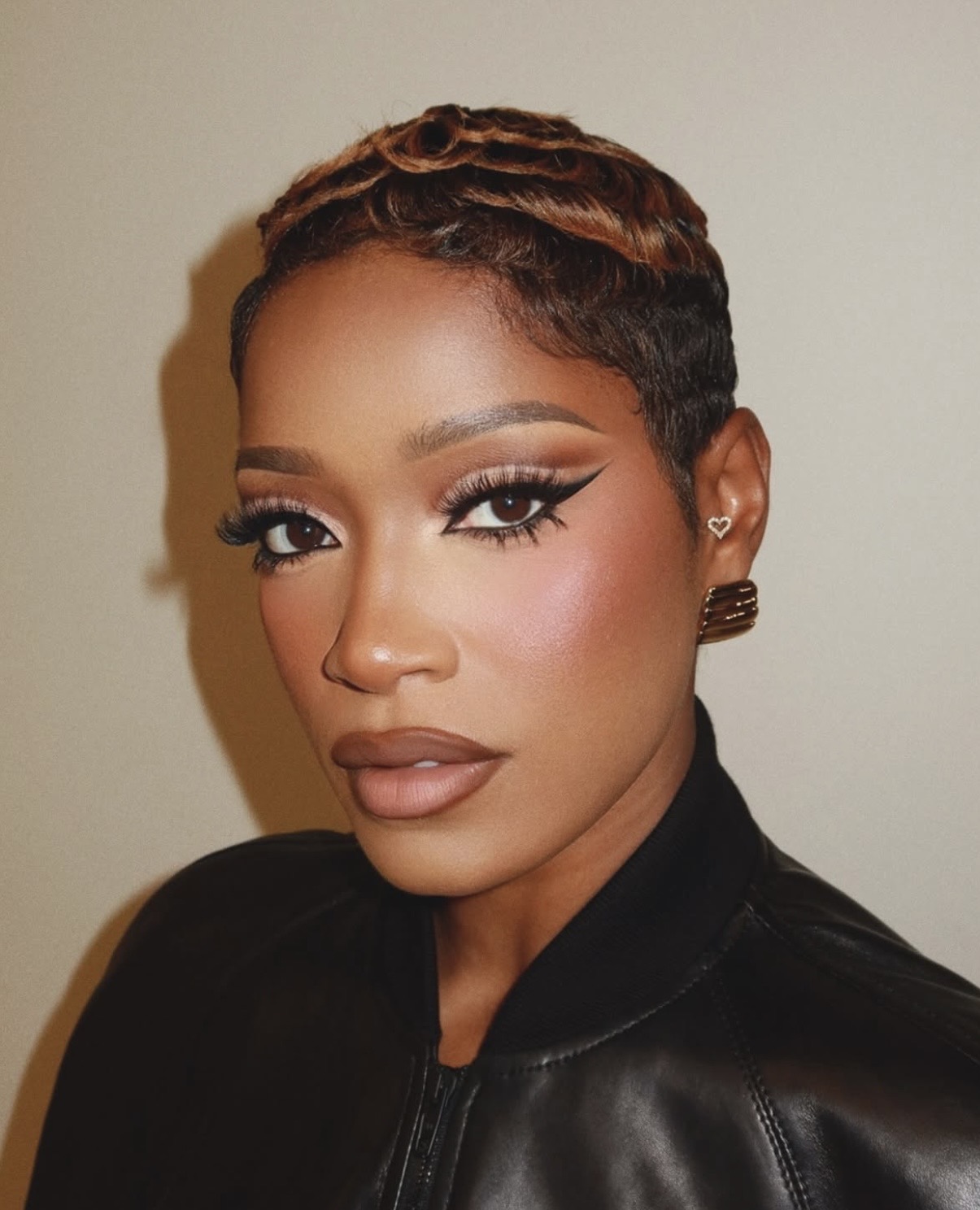
The best blush applications have edges you can’t find. That’s the tell. To lock it in, lightly set with translucent powder if you’re oily. For extra longevity, layer a whisper of powder blush over cream in a similar tone. This creates a subtle “grip” effect without heaviness. Finally, check your blush in natural light. Indoor lighting flatters mistakes. Daylight is honest. If it looks good near a window, it’s good anywhere.
Shop editor’s picks
Featured image: @tuddynana/Instagram
.
—Read also
Source link
#Apply #Blush #Pro #Placement #Lift #Precision


Post Comment