
Humidity usually gets blamed first, yet the real story behind frizz in natural hair often starts much earlier, right in the daily habits people hardly notice anymore. Tight hairstyles worn too long, rough towel drying, skipping deep conditioning, overusing heat, and even rushing through detangling sessions gradually weaken the hair cuticle until moisture escapes faster than it should. This is one reason learning how to fix frizzy hair has become less about hiding texture and more about restoring hydration, softness, and long-term hair health in ways that truly support Black natural hair.
For many women with coils, curls, and kinks, frizz is not automatically a sign of “bad hair.” In fact, some level of frizz is completely natural, especially with textured hair patterns that expand easily in humid weather. The problem begins when dryness, breakage, and roughness start replacing definition and shine. That distinction matters, and it’s one reason healthy natural hair routines are shifting away from heavy styling alone and paying closer attention to moisture retention, scalp care, and protective maintenance.
Before reaching for another gel or edge control product, it helps to understand what natural hair is usually asking for when frizz becomes constant.
The Root Cause Of Frizzy Natural Hair
One of the biggest misunderstandings about frizz is assuming it only comes from humidity. In reality, frizz often develops when the outer layer of the hair strand, known as the cuticle, stays raised instead of smooth and sealed. For Black natural hair, this happens easily because coils and curls naturally struggle to retain moisture evenly from root to tip. Once the hair becomes dehydrated, strands begin absorbing moisture from the air too quickly, causing puffiness, dryness, and loss of definition.
Heat damage also plays a major role. Flat irons, blow dryers, and repeated silk presses can weaken the curl pattern over time, especially without proper heat protection. Chemical processing, excessive coloring, and lack of trims can make frizz even worse by creating split ends and weak points along the strand.
This is why healthy routines focused on fixing frizzy hair usually begin with restoring moisture balance before focusing heavily on styling.
Everyday Habits That Make Frizz Worse
Many everyday habits contribute to frizz without people realizing how much damage builds over time.
Dry brushing natural hair is one of the biggest culprits. Brushing textured curls without moisture lifts the cuticle and separates curl clumps, leaving the hair rough and undefined. Rough towel drying creates similar friction, especially when using traditional cotton towels.
Skipping deep conditioning sessions also leads to long-term dryness. Natural hair loses moisture quickly during everyday activities, including sun exposure, protective styling, and indoor air conditioning. Once hydration levels stay low for too long, the hair becomes harder to manage and more prone to frizz.
Product overload can create problems too. Heavy oils and thick styling products layered repeatedly without proper cleansing often block moisture from entering the strand effectively.
Tight hairstyles deserve attention as well. Braids, slick buns, and tight ponytails may look neat temporarily, but excessive tension gradually weakens the hairline and increases breakage. Many people searching for how to fix frizzy hair naturally eventually discover that healthier styling habits matter just as much as the products themselves.
How To Fix Frizzy Hair Without Fighting Your Texture
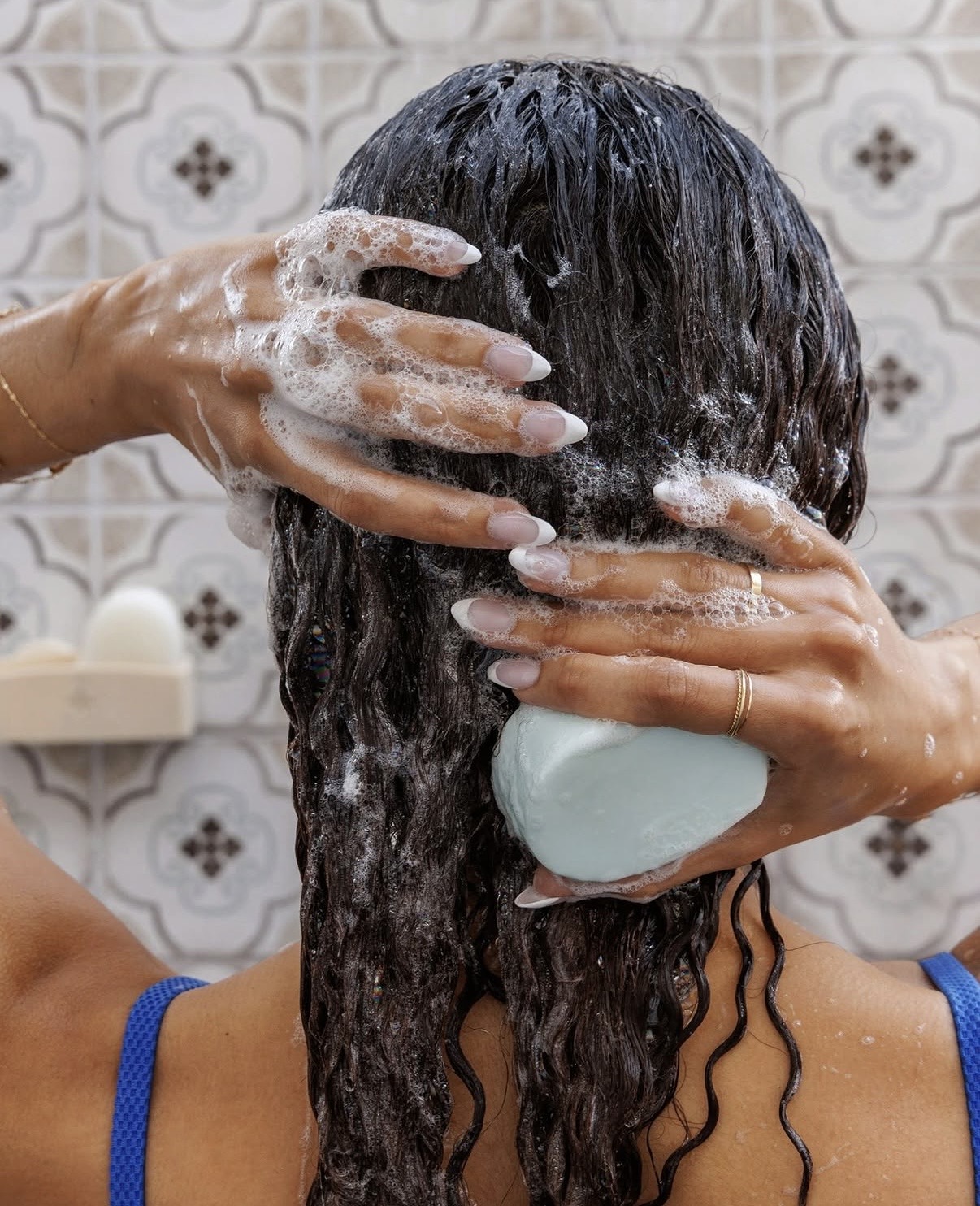
One major shift happening within natural hair care is the move away from trying to completely flatten textured hair. Instead, healthier routines now focus on softness, hydration, shine, and curl definition while still allowing coils and curls to maintain their natural fullness.
The first step begins during wash day. Hydrating shampoos help cleanse the scalp without stripping away essential moisture. Following up with rich conditioners softens the hair and improves manageability before styling even begins.
Deep conditioning treatments also make a visible difference. Weekly masks help restore elasticity, reduce tangling, and improve moisture retention over time. Hair that stays consistently hydrated usually responds much better to twist-outs, braid-outs, wash-and-go styles, and silk presses.
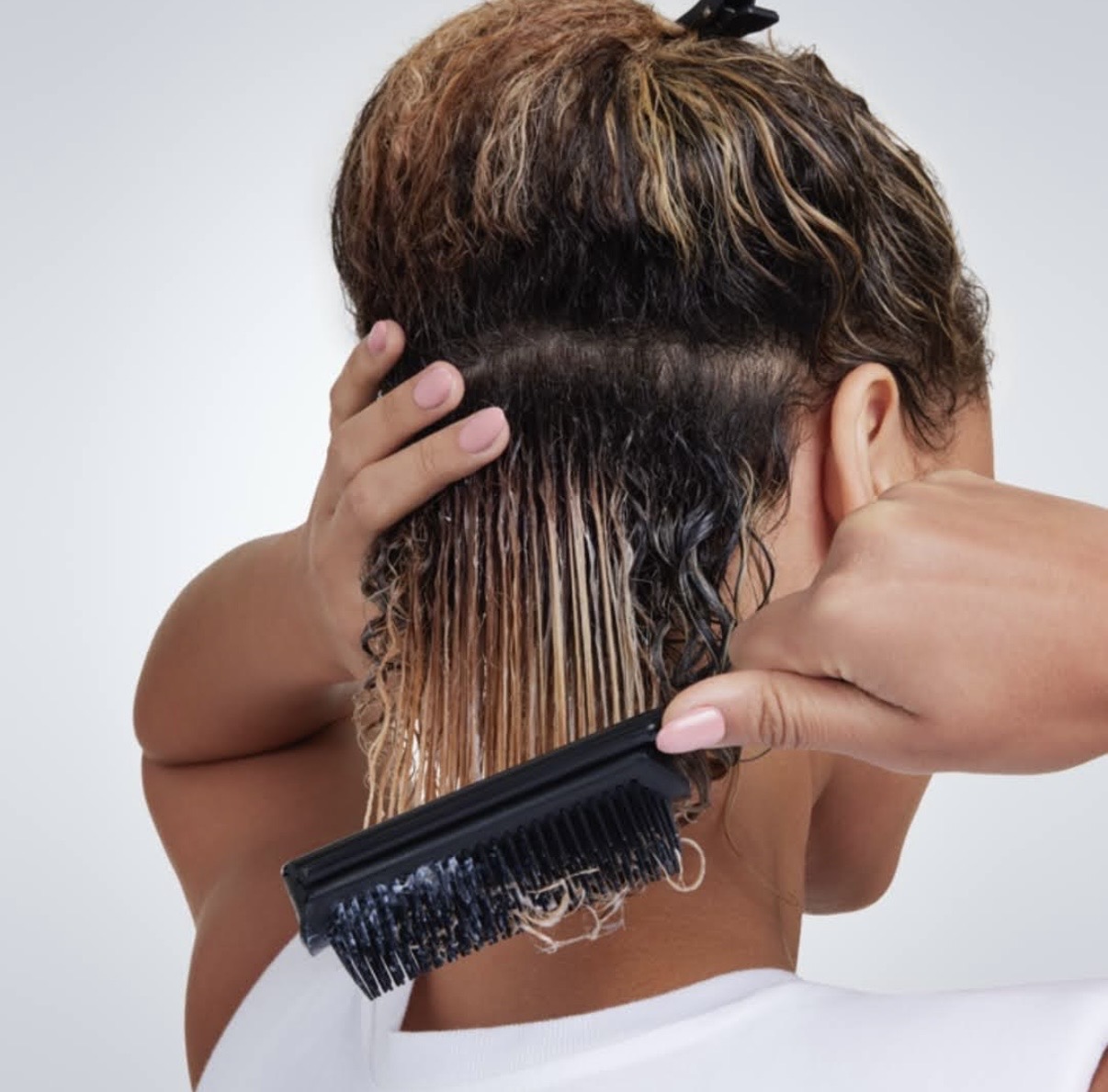
Detangling methods matter, too. Wide-tooth combs and detangling brushes used on damp, conditioned hair create far less breakage than aggressively combing through dry curls.
Heat usage should also remain controlled. High temperatures may temporarily smooth frizz, but repeated exposure weakens curl integrity over time. Lower heat settings paired with heat protectants help reduce long-term damage significantly.
Nighttime care often gets overlooked, yet it plays a huge role in maintaining moisture. Satin bonnets, silk scarves, and satin pillowcases reduce friction while helping the hair retain hydration overnight.
For women trying to fix frizzy hair while maintaining healthy natural curls, consistency usually works better than constantly switching products every few weeks.
Shop editor’s edit
Ingredients That Help Fight Frizz In Natural Hair
Ingredients make a major difference when managing frizz, especially for textured hair that requires both hydration and moisture retention.
Shea butter remains one of the most reliable ingredients for softening curls and sealing in moisture. Aloe vera helps hydrate the hair while supporting smoother definition. Honey works as a humectant, helping the hair attract moisture without leaving strands stiff.
Natural oils also play an important role. Argan oil helps improve shine and softness, while avocado oil supports elasticity and hydration. Coconut oil may help reduce protein loss in some hair types, although lighter usage often works best for low-porosity hair.
Ceramides are also becoming increasingly important in natural hair products. These ingredients help reinforce the hair barrier, improving moisture retention and reducing roughness over time.
Protein treatments deserve attention as well. Weak, overprocessed hair often benefits from proteins like keratin or rice protein, which help strengthen damaged areas. Balance matters, though, since too much protein can leave natural hair feeling hard and brittle. This is one reason many women researching how to fix frizzy hair now pay closer attention to ingredient labels instead of focusing only on styling results.
Shop editor’s finds
Protective Styles Can Help, But Only When Done Properly
Braids, twists, buns, and wigs are often recommended as solutions for frizz, yet poorly installed protective styles can sometimes create even more dryness underneath.
Healthy protective styling works best when the hair is moisturized before installation and cared for consistently during wear. Lightweight leave-in conditioners, scalp oils, and regular cleansing help prevent buildup and dryness underneath braided styles.
Tension also matters more than many people realize. Tight braids and pulled edges can weaken strands around the hairline, especially when worn repeatedly without breaks. This explains why many modern natural hair routines now prioritize low-manipulation styling over excessively tight hairstyles.
Healthy Natural Hair Usually Prioritizes Consistency Over Excessive Routines
One reason simplified routines are gaining popularity again is that natural hair often responds better to consistency than constant product switching. Using fewer products correctly usually delivers stronger results than layering multiple trend-driven formulas without understanding what the hair actually needs.
That is also why advice on how to fix frizzy hair now focuses heavily on routine habits rather than miracle products alone. Hydration, gentle handling, moisture retention, scalp care, and protective maintenance consistently shape healthier curls far more effectively over time.
Soft, defined natural hair develops gradually through routines that support the hair strand daily while respecting its texture.
Featured image: Style Rave Studio/AI-generated visual
—Read also
Scalp Care 101: Why Healthy Hair Starts At The Root
Source link
#Fix #Frizzy #Hair #Naturally #Healthier #Curls


Post Comment