
Imagine slipping into a beautiful new pair of shoes and stepping out with confidence, only to discover before the day is over that every stride has become uncomfortable. The excitement of a fresh purchase quickly fades once sore heels, tender toes, and painful blisters take over. Even the most stylish pair can quickly lose its appeal, reminding you that fit and preparation matter just as much as appearance. If you’ve ever wondered how to prevent blisters from shoes, the good news is that a few simple habits can protect your feet long before you walk out the door.
Blisters develop when repeated friction, heat, and moisture irritate the skin, gradually creating painful pockets of fluid that can make even a short walk uncomfortable. Once you understand why this happens, preventing blisters becomes far easier than treating them afterward. And the best part? You don’t have to give up your favorite shoes to protect your feet.
Ahead, discover practical, expert-backed tips that will help you enjoy your shoes without the painful blisters that so often come with them.
Why Do Shoes Cause Blisters?
Blisters form when repeated rubbing separates the upper layers of your skin. Your body then fills that small space with fluid, creating a natural cushion while the damaged skin heals.
Several factors can make this happen more easily, including shoes that are too tight or too loose, stiff materials that haven’t softened, sweaty feet, thin socks, and spending long hours on your feet.
One detail that deserves more attention is that expensive shoes aren’t automatically comfortable. Luxury leather can still rub if the shape doesn’t suit your foot, while a well-designed, affordable pair may remain comfortable all day. Fit will always matter more than price.
How Do You Stop Shoes From Blistering?
The most effective solution combines a few simple habits that work together to reduce friction.
#1. Break new shoes in gradually
A common mistake is wearing brand-new shoes for an entire day. Instead, wear them around your home for 30 minutes at a time over several days. This allows the material to soften naturally while giving your feet time to adjust before longer outings. Leather usually becomes more flexible with regular wear, although synthetic materials may require a little more patience.
#2. Choose shoes that fit properly
Many people focus only on shoe size, yet width and overall shape are equally important. Your feet naturally swell throughout the day, particularly during warm weather, so shopping later in the afternoon can give you a more accurate sense of fit. Your toes should have enough room to move comfortably, while your heel should stay secure without slipping.
#3. Protect high-friction areas before they hurt
Preventing friction early is almost always easier than treating broken skin, so don’t wait until your skin starts burning. Hydrocolloid blister patches, moleskin, or friction tape can create a protective barrier between your foot and the shoe. Many runners, stylists, and frequent travelers apply them before long days on their feet rather than waiting for discomfort to begin.
Shop editor’s edit
#4. Reduce rubbing with lubricants
Petroleum jelly can help reduce friction, particularly around the heels and toes. Anti-chafing balms designed specifically for feet can also help, especially during long walks or hot summer days when perspiration increases. While petroleum jelly remains a reliable option, dedicated blister balms may stay in place better during extended wear.
Shop editor’s finds
#5. Wear moisture-wicking socks
The socks you choose can influence comfort almost as much as the shoes themselves. Technical fabrics help pull moisture away from the skin, reducing the friction that can lead to blisters. Extra cushioning around the heel and forefoot can also help absorb pressure in areas that receive the most rubbing.
Shop editor’s picks
#6. Moisturize your feet regularly
Healthy, well-moisturized skin may be better able to tolerate everyday friction than dry, cracked skin. Apply a nourishing foot cream at night to support the skin barrier. However, avoid using heavy creams immediately before putting on your shoes, since overly slippery skin may increase rubbing rather than reduce it.
Shop editor’s selection
Which Shoes Cause the Most Blisters?
Some styles naturally create more friction than others. New leather shoes, pointed-toe pumps, rigid loafers, hiking boots, high heels, and sandals with stiff straps commonly appear on the list. That doesn’t mean you need to avoid them altogether. Breaking them in gradually and preparing your feet beforehand can make a noticeable difference.
Can You Stop a Blister Before it Starts?
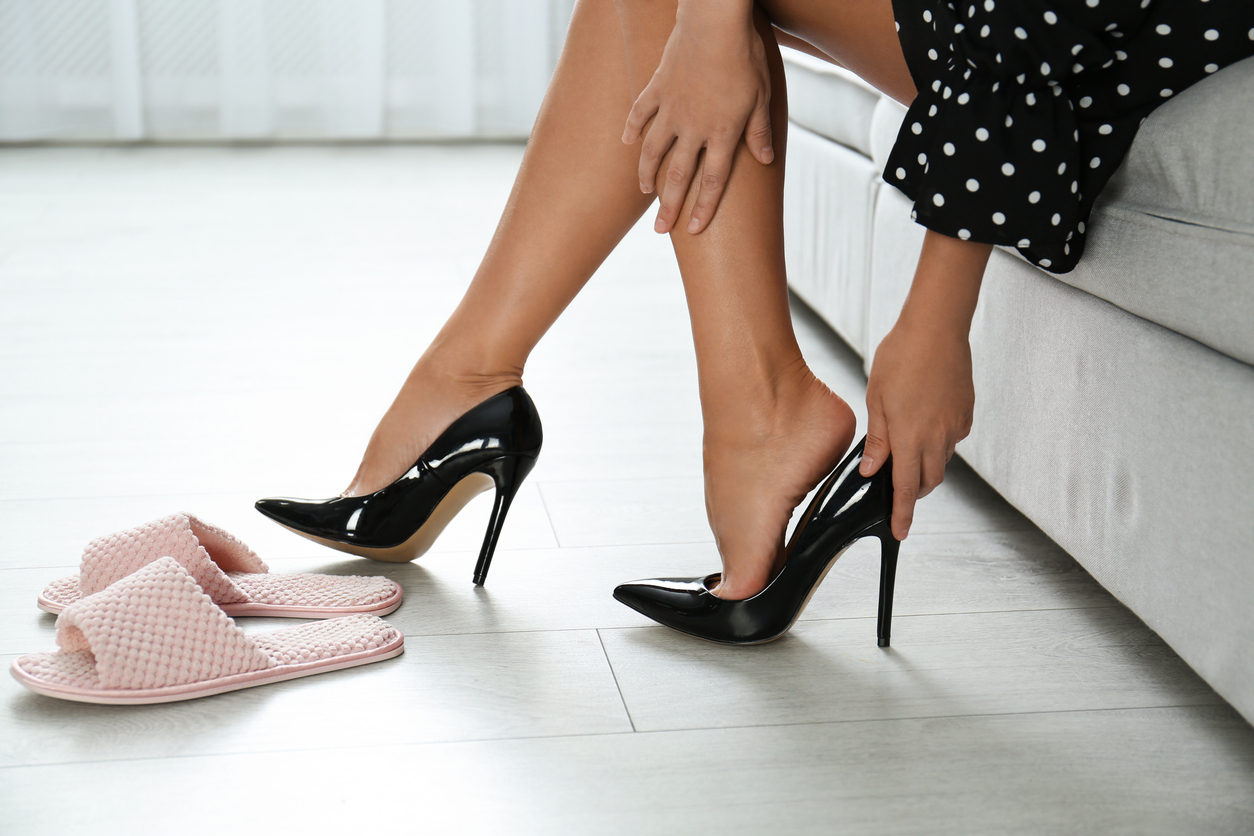
Yes. Your body usually provides an early warning. If you notice a warm spot, tenderness, or mild burning while walking, stop if possible and cover the area with a blister patch before the skin breaks. Acting quickly can often prevent several uncomfortable days of healing.
Recognizing these early signs is one of the smartest ways to keep your favorite shoes from causing recurring blisters throughout the year.
How Do You Heal Blisters from Shoes?
If a blister develops despite your efforts, resist the urge to pop it. The fluid helps protect the damaged skin underneath while healing takes place. Cover the blister with a hydrocolloid dressing, keep it clean and dry, and avoid wearing the shoes that caused the irritation until the area has recovered.
Most uncomplicated foot blisters heal within three to seven days. Larger ones may take a little longer. If redness spreads, swelling increases, or pus develops, seek medical advice, as these may indicate an infection.
Shop editor’s picks
Final Thoughts
Knowing how small changes can stop everyday shoes from causing recurring blisters allows you to enjoy your favorite pairs without sacrificing comfort. A proper fit, gradual break-in period, moisture control, and early protection can all work together to keep your feet comfortable with every step.
The best shoes should carry you confidently through busy workdays, holidays, weddings, and weekend adventures. Comfort isn’t an afterthought. It’s part of great style, and your feet deserve both.
Featured image: @in_fashionwetrust/Instagram
—Read also
How to Remove Self-Tanner Safely Without Damaging Your Skin
Source link
#Stop #Shoes #Giving #Blisters #ExpertBacked #Tips


Post Comment