×
India coach Wilson on Neeru Dhanda’s gold, quest for four Olympic quotas, and taking trap shooting to greater heights  Peter Wilson knows what it takes to stand on top of the Olympic podium. The 2012 London double trap gold medallist has already etched his name into shooting history, but the decorated Brit now wants to create champions rather than just be remembered as one.Having already guided Nathan Hales to Olympic gold for Great Britain at the Paris 2024 Games, Wilson has turned his attention to Indian trap shooting, hoping to spark a long-awaited revival in the discipline.The first signs are already encouraging.Under Wilson’s guidance, Neeru Dhanda recently became the first Indian woman trap shooter to win an ISSF World Cup gold medal, achieving the feat in Lonato while also setting a new National Record. For Wilson, the breakthrough is far bigger than a single medal — it could be the moment that transforms Indian trap shooting.“What I hope is that Neeru pushes the boundaries for the rest of the squad, that they themselves must continue to push, because they want that glory, they want that success,” Wilson said.The Olympic champion, who was awarded an MBE for his services to the sport, believes champions inspire champions.ALSO READ | Neeru Dhanda wins women’s trap gold at ISSF World Cup in LonatoBefore arriving in India, Wilson scripted a remarkable success story by coaching Hales to Olympic glory. Now, he hopes to revive an Indian trap programme that has struggled to consistently produce world-class results since Manavjit Sandhu became world champion in 2006.Wilson believes Neeru has “broken the mould.” “I sincerely hope that with more hard work and more time, everyone else can do the same. It’s been bubbling away for some time. I’ve seen the progress, we’ve mapped the progress in the squad as a whole,” he said.The Richard Faulds effectWilson knows firsthand how one athlete’s success can inspire an entire generation.He recalled watching fellow Briton Richard Faulds dominate double trap after winning Olympic gold at the Sydney 2000 Games — a success that motivated young shooters, including Wilson himself, to raise their own standards.“What I think this shows — and I used Richard as an example back in the UK — is that he excelled, he pushed the boundaries, and we either sat back and watched him in the final, or we ourselves chose to raise the bar, to push ourselves mentally and physically to be the best versions we could be.“I was fed up watching Richard shoot every final, and what I hope is that Neeru pushes the boundaries for the rest of the squad, that they themselves must continue to push, because they want that glory, they want that success.”A medal that was comingWilson says Neeru’s breakthrough did not surprise him.ALSO READ | NRAI announces elite national shooting camp ahead of Asian GamesHe had seen the signs after she won mixed team bronze alongside Vivaan Kapoor at the ISSF World Cup in Almaty earlier this year, adding to the Asian Championship gold she secured in Kazakhstan last year.“Yeah, I felt that it was coming. She shot very well only a few months earlier with Vivaan in the mixed team, winning bronze. Again, it’s about stepping stones.“Even this success that she’s had in Lonato is a stepping stone towards the Asian Games.”For Wilson, the road stretches much further than this year’s Asian Games.Those performances, he says, “are stepping stones towards Olympic quota places… those illustrious golden tickets, and ultimately the Los Angeles 2028 Olympics.“She’s young, so beyond that, she has the ability to go and go and go. India’s Olympic trap team now is very young, and I think it has a very bright future.”The four-quota missionWhile Wilson believes Neeru is capable of securing an Olympic quota this year, he is careful not to burden her with expectations.“I hope so. But I don’t want to pin anything on Neeru. She’s a wonderful talent. India is very lucky to have her. She works incredibly hard. She’s very diligent. But there’s a long qualification process starting in Doha at the end of this year through to just before the Olympic Games.” Instead, Wilson has set himself a broader target.“My goal as the foreign coach here in India is to win four quota places — two in women’s trap and two in men’s trap — and to get the very best out of every individual athlete.”ALSO READ | ‘Father’s sacrifice helped me pursue dreams’: Sonam MaskarHe also stressed that Neeru’s World Cup triumph carried extra significance because it came against the strongest field in world shooting.“That’s high pressure, high stakes, and that’s what you want it to be. This is what we all strive for.”Wilson’s coaching philosophy centres on treating every athlete differently.“Every individual athlete has their quirks in training, the way they think, the way they operate. It’s my job to work with all of them individually and figure out how to get the most out of them.”With Neeru, his focus has been on refining both the technical and mental aspects of her shooting.“There were a handful of technical aspects I personally have been working on with Neeru. The goal is to keep her stable mentally, work one target at a time, which is easier said than done…and make sure she’s technically sound in every area, from how she stands, her hips, her shoulders, even her mouth. It sounds easy, but it’s about doing it over and over again.”Wilson then breaks into a smile while admitting the one challenge he has yet to master.“I suppose the only area that I’ve struggled with is my Hindi.” To overcome the language barrier, he often relies on India’s support staff to ensure every technical detail is clearly communicated.“I try to make sure that the intricacies of the technique are relayed through the help of the other coaches so that she fully understands what I expect of her. And she’s been delivering.”Published on Jul 17, 2026  #India #coach #Wilson #Neeru #Dhandas #gold #quest #Olympic #quotas #trap #shooting #greater #heights

India coach Wilson on Neeru Dhanda’s gold, quest for four Olympic quotas, and taking trap shooting to greater heights

Peter Wilson knows what it takes to stand on top of the Olympic podium. The 2012 London double trap gold medallist has already etched his name into shooting history, but the decorated Brit now wants to create champions rather than just be remembered as one.

Having already guided Nathan Hales to Olympic gold for Great Britain at the Paris 2024 Games, Wilson has turned his attention to Indian trap shooting, hoping to spark a long-awaited revival in the discipline.

The first signs are already encouraging.

Under Wilson’s guidance, Neeru Dhanda recently became the first Indian woman trap shooter to win an ISSF World Cup gold medal, achieving the feat in Lonato while also setting a new National Record. For Wilson, the breakthrough is far bigger than a single medal — it could be the moment that transforms Indian trap shooting.

“What I hope is that Neeru pushes the boundaries for the rest of the squad, that they themselves must continue to push, because they want that glory, they want that success,” Wilson said.

The Olympic champion, who was awarded an MBE for his services to the sport, believes champions inspire champions.

ALSO READ | Neeru Dhanda wins women’s trap gold at ISSF World Cup in Lonato

Before arriving in India, Wilson scripted a remarkable success story by coaching Hales to Olympic glory. Now, he hopes to revive an Indian trap programme that has struggled to consistently produce world-class results since Manavjit Sandhu became world champion in 2006.

Wilson believes Neeru has “broken the mould.” “I sincerely hope that with more hard work and more time, everyone else can do the same. It’s been bubbling away for some time. I’ve seen the progress, we’ve mapped the progress in the squad as a whole,” he said.

The Richard Faulds effect

Wilson knows firsthand how one athlete’s success can inspire an entire generation.

He recalled watching fellow Briton Richard Faulds dominate double trap after winning Olympic gold at the Sydney 2000 Games — a success that motivated young shooters, including Wilson himself, to raise their own standards.

“What I think this shows — and I used Richard as an example back in the UK — is that he excelled, he pushed the boundaries, and we either sat back and watched him in the final, or we ourselves chose to raise the bar, to push ourselves mentally and physically to be the best versions we could be.

“I was fed up watching Richard shoot every final, and what I hope is that Neeru pushes the boundaries for the rest of the squad, that they themselves must continue to push, because they want that glory, they want that success.”

A medal that was coming

Wilson says Neeru’s breakthrough did not surprise him.

ALSO READ | NRAI announces elite national shooting camp ahead of Asian Games

He had seen the signs after she won mixed team bronze alongside Vivaan Kapoor at the ISSF World Cup in Almaty earlier this year, adding to the Asian Championship gold she secured in Kazakhstan last year.

“Yeah, I felt that it was coming. She shot very well only a few months earlier with Vivaan in the mixed team, winning bronze. Again, it’s about stepping stones.

“Even this success that she’s had in Lonato is a stepping stone towards the Asian Games.”

For Wilson, the road stretches much further than this year’s Asian Games.

Those performances, he says, “are stepping stones towards Olympic quota places… those illustrious golden tickets, and ultimately the Los Angeles 2028 Olympics.

“She’s young, so beyond that, she has the ability to go and go and go. India’s Olympic trap team now is very young, and I think it has a very bright future.”

The four-quota mission

While Wilson believes Neeru is capable of securing an Olympic quota this year, he is careful not to burden her with expectations.

“I hope so. But I don’t want to pin anything on Neeru. She’s a wonderful talent. India is very lucky to have her. She works incredibly hard. She’s very diligent. But there’s a long qualification process starting in Doha at the end of this year through to just before the Olympic Games.” Instead, Wilson has set himself a broader target.

“My goal as the foreign coach here in India is to win four quota places — two in women’s trap and two in men’s trap — and to get the very best out of every individual athlete.”

ALSO READ | ‘Father’s sacrifice helped me pursue dreams’: Sonam Maskar

He also stressed that Neeru’s World Cup triumph carried extra significance because it came against the strongest field in world shooting.

“That’s high pressure, high stakes, and that’s what you want it to be. This is what we all strive for.”

Wilson’s coaching philosophy centres on treating every athlete differently.

“Every individual athlete has their quirks in training, the way they think, the way they operate. It’s my job to work with all of them individually and figure out how to get the most out of them.”

With Neeru, his focus has been on refining both the technical and mental aspects of her shooting.

“There were a handful of technical aspects I personally have been working on with Neeru. The goal is to keep her stable mentally, work one target at a time, which is easier said than done…and make sure she’s technically sound in every area, from how she stands, her hips, her shoulders, even her mouth. It sounds easy, but it’s about doing it over and over again.”

Wilson then breaks into a smile while admitting the one challenge he has yet to master.

“I suppose the only area that I’ve struggled with is my Hindi.” To overcome the language barrier, he often relies on India’s support staff to ensure every technical detail is clearly communicated.

“I try to make sure that the intricacies of the technique are relayed through the help of the other coaches so that she fully understands what I expect of her. And she’s been delivering.”

Published on Jul 17, 2026
#India #coach #Wilson #Neeru #Dhandas #gold #quest #Olympic #quotas #trap #shooting #greater #heights

Peter Wilson knows what it takes to stand on top of the Olympic podium. The 2012 London double trap gold medallist has already etched his name into shooting history, but the decorated Brit now wants to create champions rather than just be remembered as one.

Having already guided Nathan Hales to Olympic gold for Great Britain at the Paris 2024 Games, Wilson has turned his attention to Indian trap shooting, hoping to spark a long-awaited revival in the discipline.

The first signs are already encouraging.

Under Wilson’s guidance, Neeru Dhanda recently became the first Indian woman trap shooter to win an ISSF World Cup gold medal, achieving the feat in Lonato while also setting a new National Record. For Wilson, the breakthrough is far bigger than a single medal — it could be the moment that transforms Indian trap shooting.

“What I hope is that Neeru pushes the boundaries for the rest of the squad, that they themselves must continue to push, because they want that glory, they want that success,” Wilson said.

The Olympic champion, who was awarded an MBE for his services to the sport, believes champions inspire champions.

ALSO READ | Neeru Dhanda wins women’s trap gold at ISSF World Cup in Lonato

Before arriving in India, Wilson scripted a remarkable success story by coaching Hales to Olympic glory. Now, he hopes to revive an Indian trap programme that has struggled to consistently produce world-class results since Manavjit Sandhu became world champion in 2006.

Wilson believes Neeru has “broken the mould.” “I sincerely hope that with more hard work and more time, everyone else can do the same. It’s been bubbling away for some time. I’ve seen the progress, we’ve mapped the progress in the squad as a whole,” he said.

The Richard Faulds effect

Wilson knows firsthand how one athlete’s success can inspire an entire generation.

He recalled watching fellow Briton Richard Faulds dominate double trap after winning Olympic gold at the Sydney 2000 Games — a success that motivated young shooters, including Wilson himself, to raise their own standards.

“What I think this shows — and I used Richard as an example back in the UK — is that he excelled, he pushed the boundaries, and we either sat back and watched him in the final, or we ourselves chose to raise the bar, to push ourselves mentally and physically to be the best versions we could be.

“I was fed up watching Richard shoot every final, and what I hope is that Neeru pushes the boundaries for the rest of the squad, that they themselves must continue to push, because they want that glory, they want that success.”

A medal that was coming

Wilson says Neeru’s breakthrough did not surprise him.

ALSO READ | NRAI announces elite national shooting camp ahead of Asian Games

He had seen the signs after she won mixed team bronze alongside Vivaan Kapoor at the ISSF World Cup in Almaty earlier this year, adding to the Asian Championship gold she secured in Kazakhstan last year.

“Yeah, I felt that it was coming. She shot very well only a few months earlier with Vivaan in the mixed team, winning bronze. Again, it’s about stepping stones.

“Even this success that she’s had in Lonato is a stepping stone towards the Asian Games.”

For Wilson, the road stretches much further than this year’s Asian Games.

Those performances, he says, “are stepping stones towards Olympic quota places… those illustrious golden tickets, and ultimately the Los Angeles 2028 Olympics.

“She’s young, so beyond that, she has the ability to go and go and go. India’s Olympic trap team now is very young, and I think it has a very bright future.”

The four-quota mission

While Wilson believes Neeru is capable of securing an Olympic quota this year, he is careful not to burden her with expectations.

“I hope so. But I don’t want to pin anything on Neeru. She’s a wonderful talent. India is very lucky to have her. She works incredibly hard. She’s very diligent. But there’s a long qualification process starting in Doha at the end of this year through to just before the Olympic Games.” Instead, Wilson has set himself a broader target.

“My goal as the foreign coach here in India is to win four quota places — two in women’s trap and two in men’s trap — and to get the very best out of every individual athlete.”

ALSO READ | ‘Father’s sacrifice helped me pursue dreams’: Sonam Maskar

He also stressed that Neeru’s World Cup triumph carried extra significance because it came against the strongest field in world shooting.

“That’s high pressure, high stakes, and that’s what you want it to be. This is what we all strive for.”

Wilson’s coaching philosophy centres on treating every athlete differently.

“Every individual athlete has their quirks in training, the way they think, the way they operate. It’s my job to work with all of them individually and figure out how to get the most out of them.”

With Neeru, his focus has been on refining both the technical and mental aspects of her shooting.

“There were a handful of technical aspects I personally have been working on with Neeru. The goal is to keep her stable mentally, work one target at a time, which is easier said than done…and make sure she’s technically sound in every area, from how she stands, her hips, her shoulders, even her mouth. It sounds easy, but it’s about doing it over and over again.”

Wilson then breaks into a smile while admitting the one challenge he has yet to master.

“I suppose the only area that I’ve struggled with is my Hindi.” To overcome the language barrier, he often relies on India’s support staff to ensure every technical detail is clearly communicated.

“I try to make sure that the intricacies of the technique are relayed through the help of the other coaches so that she fully understands what I expect of her. And she’s been delivering.”

Published on Jul 17, 2026

Source link
#India #coach #Wilson #Neeru #Dhandas #gold #quest #Olympic #quotas #trap #shooting #greater #heights

Previous post

MP हाई कोर्ट ने दुर्लभ बीमारी से जूझ रही बच्ची के इलाज में देरी पर दिल्ली AIIMS से जवाब मांगा, इलाज के लिए 9.50 करोड़ की जरूरत, अमेरिका से मंगाना होगा इंजेक्शन

Next post

एमपी में आवासीय भवनों के कमर्शियल इस्तेमाल पर सख्ती, सभी नगर निगमों में शुरू हुआ महासर्वे, नियम तोड़ने वालों पर गिरेगी गाज

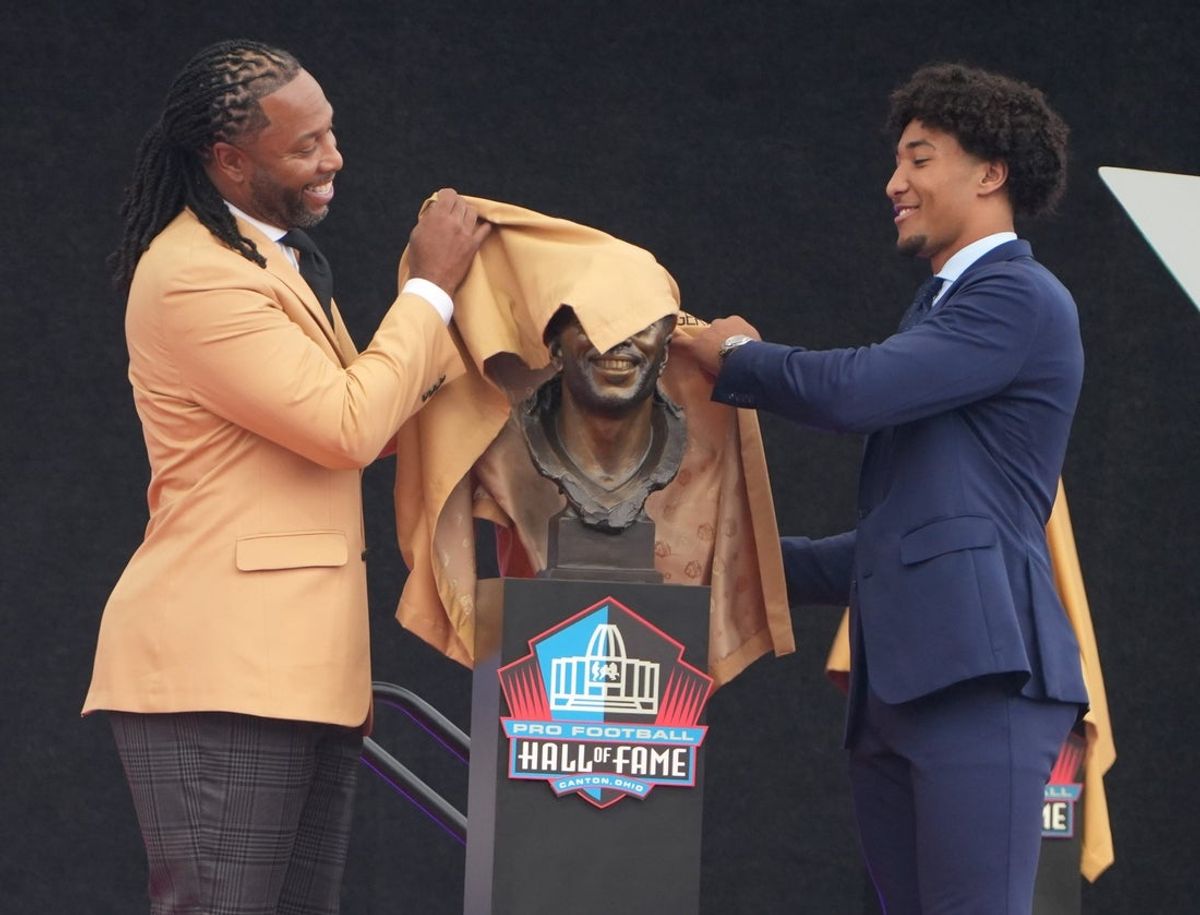
The first game of NFL preseason had no right to be that good. The Panthers and Cardinals gave us a Hall of Fame classic on Thursday night that came down to the final play, with rookie quarterback Haynes King rushing for a touchdown as time expired to give Carolina the win. Not only was the level of play much higher than anyone expected, but there was plenty of drama along the way.

Whenever there’s a national game like there are overreactions, especially in preseason. Let’s dive into what we’re all reacting to after Panthers-Cardinals.

No. 1: Haynes King is coming for Bryce Youngs job

There is no question Haynes King was a standout performer on Thursday night at QB, with the rookie showing poise in the pocket, an ability to move the chains, and scoring three touchdowns for the Panthers, including the game-winner.

King is third on the QB depth chart in Carolina behind Bryce Young and Kenny Pickett — and he could very well push Pickett for the backup job, but the idea he’ll supplant the starter is ridiculous. No matter how great that performance was, the rookie had been struggling in training camp up to this point, particularly with his decision making. So while it’s tempting to glean too much info from preseaon, we also need to pump the brakes on getting too hyped over watching King succeed against the Cardinals depth defenders.

If Carolina is able to land a long-term backup in King it will still be a massive win for them.

No. 2: Carson Beck is a superstar in the making

We had a standout performance from Carson Beck, with the rookie really showing off both the velocity of his arm in tight windows and some touch in small spaces where needed. It led to a lot of people getting so blown away with the performance that things got a little carried away, annointing Beck as a star in the making, a draft steal, and the reason the Cardinals won’t be picking a QB in 2027.

Let’s chill out on taking it this far. Beck had a really good game, but the Panthers defense was a mess in the secondary. Carolina started their deep-depth players and guys on the back-end of the roster, with the defense not even being called by coordinator Ejiro Evero. Beck still needed to make the throws, but the bulk of his yards came on busted coverage and throwing into giant gaping windows.

We’ll need to see that same level performance against a real defense before we can even begin the discussion in earnest.

No. 3: The Panthers pass defense is in trouble

This dovetails off the discussion of Carson Beck, because, as mentioned, there were a ton of mitigating factors here. Not only did Carolina start their extreme depth, but they didnt have their defensive coordinator use any situational playcalling. Instead they more or less sat in their base shell and allowed the defense to pick them apart.

Not that you ever want your team getting destroyed in the passing game, but it’s too early to panic.

No. 4: Getting too carried away with two receivers

On each side of the ball we had a receiver who turned heads and got people a little too excited, a little too quickly. Arizona’s Jalen Brooks and Carolina’s Ja’Seem Reed coninuted their good training camp reports with solid games, but people are getting a little carried away with both at this point.

Brooks is a former 7th rounder who struggled to hold a back-end roster spot with the Cowboys, and Reed is a UDFA. That doesn’t mean they won’t have success, but the talk after the game was whether or not these guys could become top-four rotation receivers.

If they make the 53 it will be a major achievement for either. That’s still the expectation here, and should be how we think about these players.

#overreactions #PanthersCardinals #Hall #Fame #banger">4 overreactions from the Panthers-Cardinals Hall of Fame banger  The first game of NFL preseason had no right to be that good. The Panthers and Cardinals gave us a Hall of Fame classic on Thursday night that came down to the final play, with rookie quarterback Haynes King rushing for a touchdown as time expired to give Carolina the win. Not only was the level of play much higher than anyone expected, but there was plenty of drama along the way.Whenever there’s a national game like there are overreactions, especially in preseason. Let’s dive into what we’re all reacting to after Panthers-Cardinals.No. 1: Haynes King is coming for Bryce Youngs jobThere is no question Haynes King was a standout performer on Thursday night at QB, with the rookie showing poise in the pocket, an ability to move the chains, and scoring three touchdowns for the Panthers, including the game-winner.King is third on the QB depth chart in Carolina behind Bryce Young and Kenny Pickett — and he could very well push Pickett for the backup job, but the idea he’ll supplant the starter is ridiculous. No matter how great that performance was, the rookie had been struggling in training camp up to this point, particularly with his decision making. So while it’s tempting to glean too much info from preseaon, we also need to pump the brakes on getting too hyped over watching King succeed against the Cardinals depth defenders.If Carolina is able to land a long-term backup in King it will still be a massive win for them.No. 2: Carson Beck is a superstar in the makingWe had a standout performance from Carson Beck, with the rookie really showing off both the velocity of his arm in tight windows and some touch in small spaces where needed. It led to a lot of people getting so blown away with the performance that things got a little carried away, annointing Beck as a star in the making, a draft steal, and the reason the Cardinals won’t be picking a QB in 2027.Let’s chill out on taking it this far. Beck had a really good game, but the Panthers defense was a mess in the secondary. Carolina started their deep-depth players and guys on the back-end of the roster, with the defense not even being called by coordinator Ejiro Evero. Beck still needed to make the throws, but the bulk of his yards came on busted coverage and throwing into giant gaping windows.We’ll need to see that same level performance against a real defense before we can even begin the discussion in earnest.No. 3: The Panthers pass defense is in troubleThis dovetails off the discussion of Carson Beck, because, as mentioned, there were a ton of mitigating factors here. Not only did Carolina start their extreme depth, but they didnt have their defensive coordinator use any situational playcalling. Instead they more or less sat in their base shell and allowed the defense to pick them apart.Not that you ever want your team getting destroyed in the passing game, but it’s too early to panic.No. 4: Getting too carried away with two receiversOn each side of the ball we had a receiver who turned heads and got people a little too excited, a little too quickly. Arizona’s Jalen Brooks and Carolina’s Ja’Seem Reed coninuted their good training camp reports with solid games, but people are getting a little carried away with both at this point.Brooks is a former 7th rounder who struggled to hold a back-end roster spot with the Cowboys, and Reed is a UDFA. That doesn’t mean they won’t have success, but the talk after the game was whether or not these guys could become top-four rotation receivers.If they make the 53 it will be a major achievement for either. That’s still the expectation here, and should be how we think about these players.  #overreactions #PanthersCardinals #Hall #Fame #banger

Ranjit Bajaj has decided against taking up the India Under-15 men’s national team manager’s role alongside head coach Bibiano Fernandes for the inaugural FIFA U-15 World Cup and Festival in Azerbaijan in October, Minerva Academy founder-director announced on his Instagram handle.

Bajaj’s reason is that the he and Bibiano have different footballing philosophies and putting them together would not be in the team’s best interest.

Bajaj, who was approved as the team manager by the AIFF Executive Committee following the appointment of Fernandes as head coach, said he was deeply unhappy with the decision and believed the team could suffer if its key personnel were not aligned in their approach.

“People are congratulating me but I am not happy. I am very unhappy. This is the worst thing they could have done,” Bajaj said in a post on his Instagram handle.

Explaining the rationale behind his decision, Bajaj said the AIFF had appointed him and Fernandes together despite their contrasting styles and visions, though he made it clear that his decision was not a personal issue with the head coach.

“You people (AIFF) appointed me and Bibiano (Fernandes) together. I don’t have any problems with Bibiano but I have a problem because of different playing styles and different visions,” he said.

Bajaj said the difference was fundamental, with his preferred approach built around an aggressive, attacking game while Fernandes’ methods were more defensive.

“From low block defensive style to high press attacking style, getting into opposition territory and smashing them are completely different styles. It’s not about me or Bibiano. If two people are not on same page, then team suffers,” he said.

The Minerva founder also questioned the circumstances of his appointment, saying the federation had turned to him despite their differences because of his team’s success and the process behind it.

“Also you called me because you didn’t have an option. It is not as if there are world famous coaches at your disposal. So you summoned your biggest critic, biggest hater and maybe because my team (Minerva) wins,” Bajaj said.

He also suggested that Fernandes should have been given charge of the U-15 side earlier if the AIFF had intended to make him the head coach, while urging supporters to back the former India youth coach.

“Even if you guys wanted to give Bibiano the charge, you should have given it one year back. Okay, if you given him now, I request fans, we should support Bibiano,” Bajaj said.

The AIFF Executive Committee, on the recommendation of its Technical Committee, had approved Fernandes’ appointment as head coach, subject to his acceptance, for the inaugural FIFA U-15 World Cup and Festival scheduled to be held in Azerbaijan in October.

Bajaj had earlier volunteered on social media to take charge of the team, but had made it conditional on being allowed to appoint his own coaching staff.

The inaugural tournament will feature all 211 FIFA member associations, including India. It will be played in an 8-a-side format on smaller customised pitches, with matches consisting of two 20-minute halves. Each team can register 14 players, including up to two goalkeepers.

(With PTI inputs)

Published on Aug 07, 2026

#Ranjit #Bajaj #reject #role #India #manager #U15 #FIFA #World #Cup #Festival">Why did Ranjit Bajaj reject role as India manager for U-15 FIFA World Cup and Festival?  Ranjit Bajaj has decided against taking up the India Under-15 men’s national team manager’s role alongside head coach Bibiano Fernandes for the inaugural FIFA U-15 World Cup and Festival in Azerbaijan in October, Minerva Academy founder-director announced on his        Instagram handle.Bajaj’s reason is that the he and Bibiano have different footballing philosophies and putting them together would not be in the team’s best interest.Bajaj, who was approved as the team manager by the AIFF Executive Committee following the appointment of Fernandes as head coach, said he was deeply unhappy with the decision and believed the team could suffer if its key personnel were not aligned in their approach.“People are congratulating me but I am not happy. I am very unhappy. This is the worst thing they could have done,” Bajaj said in a post on his        Instagram handle.Explaining the rationale behind his decision, Bajaj said the AIFF had appointed him and Fernandes together despite their contrasting styles and visions, though he made it clear that his decision was not a personal issue with the head coach.“You people (AIFF) appointed me and Bibiano (Fernandes) together. I don’t have any problems with Bibiano but I have a problem because of different playing styles and different visions,” he said.Bajaj said the difference was fundamental, with his preferred approach built around an aggressive, attacking game while Fernandes’ methods were more defensive.“From low block defensive style to high press attacking style, getting into opposition territory and smashing them are completely different styles. It’s not about me or Bibiano. If two people are not on same page, then team suffers,” he said.The Minerva founder also questioned the circumstances of his appointment, saying the federation had turned to him despite their differences because of his team’s success and the process behind it.“Also you called me because you didn’t have an option. It is not as if there are world famous coaches at your disposal. So you summoned your biggest critic, biggest hater and maybe because my team (Minerva) wins,” Bajaj said.He also suggested that Fernandes should have been given charge of the U-15 side earlier if the AIFF had intended to make him the head coach, while urging supporters to back the former India youth coach.“Even if you guys wanted to give Bibiano the charge, you should have given it one year back. Okay, if you given him now, I request fans, we should support Bibiano,” Bajaj said.The AIFF Executive Committee, on the recommendation of its Technical Committee, had approved Fernandes’ appointment as head coach, subject to his acceptance, for the inaugural FIFA U-15 World Cup and Festival scheduled to be held in Azerbaijan in October.Bajaj had earlier volunteered on social media to take charge of the team, but had made it conditional on being allowed to appoint his own coaching staff.The inaugural tournament will feature all 211 FIFA member associations, including India. It will be played in an 8-a-side format on smaller customised pitches, with matches consisting of two 20-minute halves. Each team can register 14 players, including up to two goalkeepers.(With PTI inputs)Published on Aug 07, 2026  #Ranjit #Bajaj #reject #role #India #manager #U15 #FIFA #World #Cup #Festival

Post Comment