×
Japan’s Flagship H3 Rocket Suffers Engine Bust, Fails to Deliver Satellite

Japan’s Flagship H3 Rocket Suffers Engine Bust, Fails to Deliver Satellite

Japan’s H3 rocket lifted off for its seventh mission on Sunday, but an engine failure foiled its attempt to insert a navigation satellite in geostationary orbit.

Japan Aerospace Exploration Agency (JAXA) revealed that its flagship rocket’s second-stage engine suffered an anomaly shortly after launch, causing it to shut down prematurely. The rocket was carrying the Michibiki 5 satellite, part of Japan’s regional navigation satellite system in geosynchronous orbit.

The space agency has already set up a special task force headed by JAXA president Hiroshi Yamakawa and “started investigations to find out the cause,” it wrote in a statement.

Japan’s H3 rocket suffered an anomaly during its inaugural launch in 2023, also due to an issue with its second stage. The recent engine failure is a major setback for Japan’s space program, casting uncertainty over several H3 launches scheduled for the coming year.

Failure to launch

The H3 rocket launched on Sunday at 8:51 p.m. ET from the Tanegashima Space Center, located on a southwestern Japanese island. The rocket’s second-stage engine burn failed to ignite on time, resulting in an unplanned shutdown. The onboard satellite, also known as QSZ-5, did not reach its designated orbit and was reportedly lost.

During a press conference, JAXA stated that telemetry data showed pressure in the second stage’s hydrogen tank began dropping during the first stage engine burn. As a result, the first stage engine cutoff took place 27 seconds later than planned, delaying the second ignition by 15 seconds. It’s not yet clear if the satellite separated from the rocket.

The launch of the QSZ-5 satellite was originally planned for December 17 but was delayed “because an uncertain incident was found in the cooling water injection equipment,” JAXA wrote in a statement on Friday.

The 207-foot-tall (63-meter) rocket is due to launch another QSZ satellite in 2026, as well as Japan’s HTV-X cargo spacecraft. Japan’s Martian Moons eXploration (MMX) mission is also scheduled to launch on board the H3 rocket in late 2026.

Japan’s H3 rocket was 11 years in the making, a successor to the H-2A, which the agency retired in June. The expendable rocket had a rocky start, forcing a dreaded self-destruct command just 15 minutes after its inaugural launch on March 6, 2023. Although the rocket’s first stage worked as planned, an electrical glitch caused the second stage to fail to ignite. The failure resulted in the loss of the $200 million ALOS-3 advanced Earth-observing satellite.

Since its failed first launch, however, H3 has pulled off five successful missions to date. Still, the latest engine failure puts a wrench in Japan’s spaceflight plans, with JAXA aiming for at least two H3 launches per year. The scheduled launches for 2026 now appear to be in limbo, pending the results of the investigation.

Source link
#Japans #Flagship #Rocket #Suffers #Engine #Bust #Fails #Deliver #Satellite

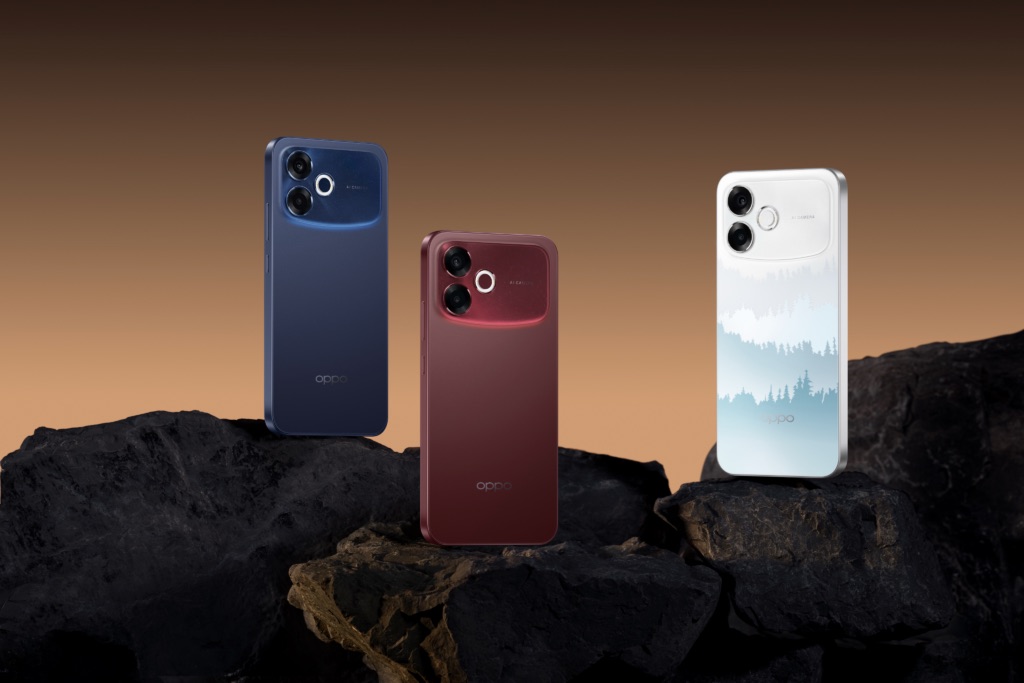
OPPO F-series has always focused on the durability side of things, with some of the toughest phones I’ve ever tested. With the new F33 series, the Chinese smartphone maker is bringing a new type of durability-focused smartphone to India. Based on details shared ahead of launch, the company is positioning the lineup as a solution to everyday smartphone problems like cracked screens, water damage, and battery anxiety.

Built for Indian Conditions

OPPO F33 Series to Launch With IP69K Rating and 7,000mAh Battery
	
The OPPO F-series has always focused on the durability side of things, with some of the toughest phones I’ve ever tested. With the new F33 series, the Chinese smartphone maker is bringing a new type of durability-focused smartphone to India. Based on details shared ahead of launch, the company is positioning the lineup as a solution to everyday smartphone problems like cracked screens, water damage, and battery anxiety.


Built for Indian Conditions


Durability seems to be the core focus here. The OPPO F33 series is said to come with IP69K certification, which is a step above the usual IP67 or IP68 ratings seen in most mid-range phones. In practical terms, this means the device can handle high-pressure, high-temperature water jets and provide complete dust protection. It’s designed to survive not just accidental splashes, but harsher environments like heavy rain, kitchens, or dusty outdoor conditions.


Beyond certifications, OPPO says the F33 series has undergone military-grade durability testing. This includes extreme temperature tests ranging from freezing cold to high heat, salt exposure for coastal conditions, and even simulations of strong winds and heavy rainfall. The devices are also tested for drops, with thousands of simulated falls and immersion tests to ensure real-world reliability.


Structurally, the phones feature a 360-degree armor body, built using an aerospace-grade aluminium frame, reinforced internals, and thicker protective materials for both the display and back panel. There’s also an internal cushioning system designed to absorb shocks during impact.


Long-Term Battery Health


Battery life is another major highlight of the F33 series. OPPO is introducing a 7,000mAh battery that’s designed to retain up to 80% of its capacity even after five years of usage.


The company is using a self-repairing electrolyte technology, which is said to help maintain battery health over time. Combined with 80W fast charging, reverse charging, and bypass charging support, the F33 series aims to reduce both charging time and long-term battery degradation.

#OPPO #F33 #Series #Launch #IP69K #Rating #7000mAh #BatteryOppo

Durability seems to be the core focus here. The OPPO F33 series is said to come with IP69K certification, which is a step above the usual IP67 or IP68 ratings seen in most mid-range phones. In practical terms, this means the device can handle high-pressure, high-temperature water jets and provide complete dust protection. It’s designed to survive not just accidental splashes, but harsher environments like heavy rain, kitchens, or dusty outdoor conditions.

Beyond certifications, OPPO says the F33 series has undergone military-grade durability testing. This includes extreme temperature tests ranging from freezing cold to high heat, salt exposure for coastal conditions, and even simulations of strong winds and heavy rainfall. The devices are also tested for drops, with thousands of simulated falls and immersion tests to ensure real-world reliability.

Structurally, the phones feature a 360-degree armor body, built using an aerospace-grade aluminium frame, reinforced internals, and thicker protective materials for both the display and back panel. There’s also an internal cushioning system designed to absorb shocks during impact.

Long-Term Battery Health

Battery life is another major highlight of the F33 series. OPPO is introducing a 7,000mAh battery that’s designed to retain up to 80% of its capacity even after five years of usage.

The company is using a self-repairing electrolyte technology, which is said to help maintain battery health over time. Combined with 80W fast charging, reverse charging, and bypass charging support, the F33 series aims to reduce both charging time and long-term battery degradation.

#OPPO #F33 #Series #Launch #IP69K #Rating #7000mAh #BatteryOppo">OPPO F33 Series to Launch With IP69K Rating and 7,000mAh Battery
	
The OPPO F-series has always focused on the durability side of things, with some of the toughest phones I’ve ever tested. With the new F33 series, the Chinese smartphone maker is bringing a new type of durability-focused smartphone to India. Based on details shared ahead of launch, the company is positioning the lineup as a solution to everyday smartphone problems like cracked screens, water damage, and battery anxiety.


Built for Indian Conditions


Durability seems to be the core focus here. The OPPO F33 series is said to come with IP69K certification, which is a step above the usual IP67 or IP68 ratings seen in most mid-range phones. In practical terms, this means the device can handle high-pressure, high-temperature water jets and provide complete dust protection. It’s designed to survive not just accidental splashes, but harsher environments like heavy rain, kitchens, or dusty outdoor conditions.


Beyond certifications, OPPO says the F33 series has undergone military-grade durability testing. This includes extreme temperature tests ranging from freezing cold to high heat, salt exposure for coastal conditions, and even simulations of strong winds and heavy rainfall. The devices are also tested for drops, with thousands of simulated falls and immersion tests to ensure real-world reliability.


Structurally, the phones feature a 360-degree armor body, built using an aerospace-grade aluminium frame, reinforced internals, and thicker protective materials for both the display and back panel. There’s also an internal cushioning system designed to absorb shocks during impact.


Long-Term Battery Health


Battery life is another major highlight of the F33 series. OPPO is introducing a 7,000mAh battery that’s designed to retain up to 80% of its capacity even after five years of usage.


The company is using a self-repairing electrolyte technology, which is said to help maintain battery health over time. Combined with 80W fast charging, reverse charging, and bypass charging support, the F33 series aims to reduce both charging time and long-term battery degradation.

#OPPO #F33 #Series #Launch #IP69K #Rating #7000mAh #BatteryOppo

has always focused on the durability side of things, with some of the toughest phones I’ve ever tested. With the new F33 series, the Chinese smartphone maker is bringing a new type of durability-focused smartphone to India. Based on details shared ahead of launch, the company is positioning the lineup as a solution to everyday smartphone problems like cracked screens, water damage, and battery anxiety.

Built for Indian Conditions

OPPO F33 Series to Launch With IP69K Rating and 7,000mAh Battery
	
The OPPO F-series has always focused on the durability side of things, with some of the toughest phones I’ve ever tested. With the new F33 series, the Chinese smartphone maker is bringing a new type of durability-focused smartphone to India. Based on details shared ahead of launch, the company is positioning the lineup as a solution to everyday smartphone problems like cracked screens, water damage, and battery anxiety.


Built for Indian Conditions


Durability seems to be the core focus here. The OPPO F33 series is said to come with IP69K certification, which is a step above the usual IP67 or IP68 ratings seen in most mid-range phones. In practical terms, this means the device can handle high-pressure, high-temperature water jets and provide complete dust protection. It’s designed to survive not just accidental splashes, but harsher environments like heavy rain, kitchens, or dusty outdoor conditions.


Beyond certifications, OPPO says the F33 series has undergone military-grade durability testing. This includes extreme temperature tests ranging from freezing cold to high heat, salt exposure for coastal conditions, and even simulations of strong winds and heavy rainfall. The devices are also tested for drops, with thousands of simulated falls and immersion tests to ensure real-world reliability.


Structurally, the phones feature a 360-degree armor body, built using an aerospace-grade aluminium frame, reinforced internals, and thicker protective materials for both the display and back panel. There’s also an internal cushioning system designed to absorb shocks during impact.


Long-Term Battery Health


Battery life is another major highlight of the F33 series. OPPO is introducing a 7,000mAh battery that’s designed to retain up to 80% of its capacity even after five years of usage.


The company is using a self-repairing electrolyte technology, which is said to help maintain battery health over time. Combined with 80W fast charging, reverse charging, and bypass charging support, the F33 series aims to reduce both charging time and long-term battery degradation.

#OPPO #F33 #Series #Launch #IP69K #Rating #7000mAh #BatteryOppo

Durability seems to be the core focus here. The OPPO F33 series is said to come with IP69K certification, which is a step above the usual IP67 or IP68 ratings seen in most mid-range phones. In practical terms, this means the device can handle high-pressure, high-temperature water jets and provide complete dust protection. It’s designed to survive not just accidental splashes, but harsher environments like heavy rain, kitchens, or dusty outdoor conditions.

Beyond certifications, OPPO says the F33 series has undergone military-grade durability testing. This includes extreme temperature tests ranging from freezing cold to high heat, salt exposure for coastal conditions, and even simulations of strong winds and heavy rainfall. The devices are also tested for drops, with thousands of simulated falls and immersion tests to ensure real-world reliability.

Structurally, the phones feature a 360-degree armor body, built using an aerospace-grade aluminium frame, reinforced internals, and thicker protective materials for both the display and back panel. There’s also an internal cushioning system designed to absorb shocks during impact.

Long-Term Battery Health

Battery life is another major highlight of the F33 series. OPPO is introducing a 7,000mAh battery that’s designed to retain up to 80% of its capacity even after five years of usage.

The company is using a self-repairing electrolyte technology, which is said to help maintain battery health over time. Combined with 80W fast charging, reverse charging, and bypass charging support, the F33 series aims to reduce both charging time and long-term battery degradation.

#OPPO #F33 #Series #Launch #IP69K #Rating #7000mAh #BatteryOppo">OPPO F33 Series to Launch With IP69K Rating and 7,000mAh Battery

The OPPO F-series has always focused on the durability side of things, with some of the toughest phones I’ve ever tested. With the new F33 series, the Chinese smartphone maker is bringing a new type of durability-focused smartphone to India. Based on details shared ahead of launch, the company is positioning the lineup as a solution to everyday smartphone problems like cracked screens, water damage, and battery anxiety.

Built for Indian Conditions

OPPO F33 Series to Launch With IP69K Rating and 7,000mAh Battery
	
The OPPO F-series has always focused on the durability side of things, with some of the toughest phones I’ve ever tested. With the new F33 series, the Chinese smartphone maker is bringing a new type of durability-focused smartphone to India. Based on details shared ahead of launch, the company is positioning the lineup as a solution to everyday smartphone problems like cracked screens, water damage, and battery anxiety.


Built for Indian Conditions


Durability seems to be the core focus here. The OPPO F33 series is said to come with IP69K certification, which is a step above the usual IP67 or IP68 ratings seen in most mid-range phones. In practical terms, this means the device can handle high-pressure, high-temperature water jets and provide complete dust protection. It’s designed to survive not just accidental splashes, but harsher environments like heavy rain, kitchens, or dusty outdoor conditions.


Beyond certifications, OPPO says the F33 series has undergone military-grade durability testing. This includes extreme temperature tests ranging from freezing cold to high heat, salt exposure for coastal conditions, and even simulations of strong winds and heavy rainfall. The devices are also tested for drops, with thousands of simulated falls and immersion tests to ensure real-world reliability.


Structurally, the phones feature a 360-degree armor body, built using an aerospace-grade aluminium frame, reinforced internals, and thicker protective materials for both the display and back panel. There’s also an internal cushioning system designed to absorb shocks during impact.


Long-Term Battery Health


Battery life is another major highlight of the F33 series. OPPO is introducing a 7,000mAh battery that’s designed to retain up to 80% of its capacity even after five years of usage.


The company is using a self-repairing electrolyte technology, which is said to help maintain battery health over time. Combined with 80W fast charging, reverse charging, and bypass charging support, the F33 series aims to reduce both charging time and long-term battery degradation.

#OPPO #F33 #Series #Launch #IP69K #Rating #7000mAh #BatteryOppo

Durability seems to be the core focus here. The OPPO F33 series is said to come with IP69K certification, which is a step above the usual IP67 or IP68 ratings seen in most mid-range phones. In practical terms, this means the device can handle high-pressure, high-temperature water jets and provide complete dust protection. It’s designed to survive not just accidental splashes, but harsher environments like heavy rain, kitchens, or dusty outdoor conditions.

Beyond certifications, OPPO says the F33 series has undergone military-grade durability testing. This includes extreme temperature tests ranging from freezing cold to high heat, salt exposure for coastal conditions, and even simulations of strong winds and heavy rainfall. The devices are also tested for drops, with thousands of simulated falls and immersion tests to ensure real-world reliability.

Structurally, the phones feature a 360-degree armor body, built using an aerospace-grade aluminium frame, reinforced internals, and thicker protective materials for both the display and back panel. There’s also an internal cushioning system designed to absorb shocks during impact.

Long-Term Battery Health

Battery life is another major highlight of the F33 series. OPPO is introducing a 7,000mAh battery that’s designed to retain up to 80% of its capacity even after five years of usage.

The company is using a self-repairing electrolyte technology, which is said to help maintain battery health over time. Combined with 80W fast charging, reverse charging, and bypass charging support, the F33 series aims to reduce both charging time and long-term battery degradation.

#OPPO #F33 #Series #Launch #IP69K #Rating #7000mAh #BatteryOppo

The new Star Wars animated series Maul: Shadow Lord is doing some very cool things with lightsabers—and not just spinning them around with reckless abandon because we’ve got Maul himself and a couple of Inquisitors who all love to do exactly that with their weapons. They look almost unlike any time we’ve seen the weapons in Lucasfilm’s past output: blades that flicker and snarl like their wielders do, living flames that carve paths of incandescent energy across the screen instead of that typically clean, minimalistic energy we see from them.

It makes Shadow Lord look even more visually impressive than it already is, and of course, the idea of lightsabers as gouts of flaming plasma is also naturally very befitting everyone’s favorite slightly pathetic but trying-his-best edgelord in a character like Maul. But it turns out Shadow Lord‘s lightsabers—Maul’s specifically—are going the extra edgelord mile. Because there’s screaming in the sound mix.

Not just any screaming either, but Sam Witwer’s own howls.

The delightfully silly factoid was revealed by the supervising sound editor for the show, David W. Collins, in a new featurette about the process of creating Shadow Lord, which also shows off Witwer performing some of his own moves for animation reference. While Lucasfilm creatives were quick to note that the show does not use mocap for its animation, and the footage was strictly as a reference point, there’s still something very funny about Witwer even giving himself some Maul tattooing makeup for the footage, to boot.

It’s long been clear that Witwer has put a lot of time and thought into his approach to Maul’s animated legacy over the past decade and a half, but now at least he’s put his vocals into it in a very different manner for Shadow Lord.

Want more io9 news? Check out when to expect the latest Marvel, Star Wars, and Star Trek releases, what’s next for the DC Universe on film and TV, and everything you need to know about the future of Doctor Who.

#Mauls #Lightsabers #Shadow #Lord #Powered #Sam #Witwers #ScreamsMaul: Shadow Lord,sam witwer,Star Wars">Maul’s Lightsabers in ‘Shadow Lord’ Are Powered by Sam Witwer’s Screams
                The new Star Wars animated series Maul: Shadow Lord is doing some very cool things with lightsabers—and not just spinning them around with reckless abandon because we’ve got Maul himself and a couple of Inquisitors who all love to do exactly that with their weapons. They look almost unlike any time we’ve seen the weapons in Lucasfilm’s past output: blades that flicker and snarl like their wielders do, living flames that carve paths of incandescent energy across the screen instead of that typically clean, minimalistic energy we see from them. It makes Shadow Lord look even more visually impressive than it already is, and of course, the idea of lightsabers as gouts of flaming plasma is also naturally very befitting everyone’s favorite slightly pathetic but trying-his-best edgelord in a character like Maul. But it turns out Shadow Lord‘s lightsabers—Maul’s specifically—are going the extra edgelord mile. Because there’s screaming in the sound mix.

 Not just any screaming either, but Sam Witwer’s own howls.  The delightfully silly factoid was revealed by the supervising sound editor for the show, David W. Collins, in a new featurette about the process of creating Shadow Lord, which also shows off Witwer performing some of his own moves for animation reference. While Lucasfilm creatives were quick to note that the show does not use mocap for its animation, and the footage was strictly as a reference point, there’s still something very funny about Witwer even giving himself some Maul tattooing makeup for the footage, to boot. It’s long been clear that Witwer has put a lot of time and thought into his approach to Maul’s animated legacy over the past decade and a half, but now at least he’s put his vocals into it in a very different manner for Shadow Lord.  Want more io9 news? Check out when to expect the latest Marvel, Star Wars, and Star Trek releases, what’s next for the DC Universe on film and TV, and everything you need to know about the future of Doctor Who.      #Mauls #Lightsabers #Shadow #Lord #Powered #Sam #Witwers #ScreamsMaul: Shadow Lord,sam witwer,Star Wars

Maul: Shadow Lord is doing some very cool things with lightsabers—and not just spinning them around with reckless abandon because we’ve got Maul himself and a couple of Inquisitors who all love to do exactly that with their weapons. They look almost unlike any time we’ve seen the weapons in Lucasfilm’s past output: blades that flicker and snarl like their wielders do, living flames that carve paths of incandescent energy across the screen instead of that typically clean, minimalistic energy we see from them.

It makes Shadow Lord look even more visually impressive than it already is, and of course, the idea of lightsabers as gouts of flaming plasma is also naturally very befitting everyone’s favorite slightly pathetic but trying-his-best edgelord in a character like Maul. But it turns out Shadow Lord‘s lightsabers—Maul’s specifically—are going the extra edgelord mile. Because there’s screaming in the sound mix.

Not just any screaming either, but Sam Witwer’s own howls.

The delightfully silly factoid was revealed by the supervising sound editor for the show, David W. Collins, in a new featurette about the process of creating Shadow Lord, which also shows off Witwer performing some of his own moves for animation reference. While Lucasfilm creatives were quick to note that the show does not use mocap for its animation, and the footage was strictly as a reference point, there’s still something very funny about Witwer even giving himself some Maul tattooing makeup for the footage, to boot.

It’s long been clear that Witwer has put a lot of time and thought into his approach to Maul’s animated legacy over the past decade and a half, but now at least he’s put his vocals into it in a very different manner for Shadow Lord.

Want more io9 news? Check out when to expect the latest Marvel, Star Wars, and Star Trek releases, what’s next for the DC Universe on film and TV, and everything you need to know about the future of Doctor Who.

#Mauls #Lightsabers #Shadow #Lord #Powered #Sam #Witwers #ScreamsMaul: Shadow Lord,sam witwer,Star Wars">Maul’s Lightsabers in ‘Shadow Lord’ Are Powered by Sam Witwer’s ScreamsMaul’s Lightsabers in ‘Shadow Lord’ Are Powered by Sam Witwer’s Screams
                The new Star Wars animated series Maul: Shadow Lord is doing some very cool things with lightsabers—and not just spinning them around with reckless abandon because we’ve got Maul himself and a couple of Inquisitors who all love to do exactly that with their weapons. They look almost unlike any time we’ve seen the weapons in Lucasfilm’s past output: blades that flicker and snarl like their wielders do, living flames that carve paths of incandescent energy across the screen instead of that typically clean, minimalistic energy we see from them. It makes Shadow Lord look even more visually impressive than it already is, and of course, the idea of lightsabers as gouts of flaming plasma is also naturally very befitting everyone’s favorite slightly pathetic but trying-his-best edgelord in a character like Maul. But it turns out Shadow Lord‘s lightsabers—Maul’s specifically—are going the extra edgelord mile. Because there’s screaming in the sound mix.

 Not just any screaming either, but Sam Witwer’s own howls.  The delightfully silly factoid was revealed by the supervising sound editor for the show, David W. Collins, in a new featurette about the process of creating Shadow Lord, which also shows off Witwer performing some of his own moves for animation reference. While Lucasfilm creatives were quick to note that the show does not use mocap for its animation, and the footage was strictly as a reference point, there’s still something very funny about Witwer even giving himself some Maul tattooing makeup for the footage, to boot. It’s long been clear that Witwer has put a lot of time and thought into his approach to Maul’s animated legacy over the past decade and a half, but now at least he’s put his vocals into it in a very different manner for Shadow Lord.  Want more io9 news? Check out when to expect the latest Marvel, Star Wars, and Star Trek releases, what’s next for the DC Universe on film and TV, and everything you need to know about the future of Doctor Who.      #Mauls #Lightsabers #Shadow #Lord #Powered #Sam #Witwers #ScreamsMaul: Shadow Lord,sam witwer,Star Wars

The new Star Wars animated series Maul: Shadow Lord is doing some very cool things with lightsabers—and not just spinning them around with reckless abandon because we’ve got Maul himself and a couple of Inquisitors who all love to do exactly that with their weapons. They look almost unlike any time we’ve seen the weapons in Lucasfilm’s past output: blades that flicker and snarl like their wielders do, living flames that carve paths of incandescent energy across the screen instead of that typically clean, minimalistic energy we see from them.

It makes Shadow Lord look even more visually impressive than it already is, and of course, the idea of lightsabers as gouts of flaming plasma is also naturally very befitting everyone’s favorite slightly pathetic but trying-his-best edgelord in a character like Maul. But it turns out Shadow Lord‘s lightsabers—Maul’s specifically—are going the extra edgelord mile. Because there’s screaming in the sound mix.

Not just any screaming either, but Sam Witwer’s own howls.

The delightfully silly factoid was revealed by the supervising sound editor for the show, David W. Collins, in a new featurette about the process of creating Shadow Lord, which also shows off Witwer performing some of his own moves for animation reference. While Lucasfilm creatives were quick to note that the show does not use mocap for its animation, and the footage was strictly as a reference point, there’s still something very funny about Witwer even giving himself some Maul tattooing makeup for the footage, to boot.

It’s long been clear that Witwer has put a lot of time and thought into his approach to Maul’s animated legacy over the past decade and a half, but now at least he’s put his vocals into it in a very different manner for Shadow Lord.

Want more io9 news? Check out when to expect the latest Marvel, Star Wars, and Star Trek releases, what’s next for the DC Universe on film and TV, and everything you need to know about the future of Doctor Who.

#Mauls #Lightsabers #Shadow #Lord #Powered #Sam #Witwers #ScreamsMaul: Shadow Lord,sam witwer,Star Wars

Post Comment