Do you like having a second screen with your computer setup? What if your laptop could carry a second screen for you? That’s the idea behind Lenovo’s latest proof of concept, the ThinkBook Modular AI PC, announced at Mobile World Congress in Barcelona.
Lenovo is never shy to show off wacky, weird concept laptops. We’ve seen a PC with a transparent screen, one with a rollable OLED screen, a swiveling screen, and another with a flippy screen. At CES earlier this year, the company showed off a gaming laptop with a display that expands at the push of a button. Sometimes, these concepts turn into real products that go on sale (often in limited quantities).
At MWC 2026, Lenovo trotted out three concepts. While it’s unclear whether any of them will become real, purchasable products, there’s some unique utility here, and a peek at how computing experiences could change in the future.
A Laptop With a Built-In Portable Screen
The ThinkBook Modular AI PC has a second screen hanging magnetically off the back of the laptop, and it can show content to people sitting in front of you.
Photograph: Julian Chokkattu
This is with the second screen removed from the back and placed in front of the main display. The keyboard is removable and works via Bluetooth.
Photograph: Julian Chokkattu
As someone with a multi-screen setup at home and a fondness for portable monitors, the ThinkBook Modular AI PC appeals to me the most. At first glance, it looks like a normal laptop. Take a look behind, and you’ll notice there’s a second screen magnetically hanging off the back of the laptop, like a koala carrying a baby on its back.
The screen is connected to the laptop using pogo-pin connectors, so you can use it in this state to display content to people in front of you, say, if you were making a presentation during a meeting. Alternatively, you can pop this second screen off, remove a hidden kickstand resting under the laptop, and magnetically attach it to the 14-inch screen so that you have a traditional portable monitor experience. (You’ll need to connect this to the laptop via a USB-C cable in this orientation.)
If you don’t have the desk space for that orientation, you can always remove the keyboard from the base and pop the second screen there—it’ll auto-connect to the laptop via the pogo pins, and you’ll be able to use the Bluetooth keyboard to type on a dual-screen setup that resembles the Asus ZenBook Duo. The whole system is a fantastically portable method of improving productivity on the go, and the laptop isn’t too thick or cumbersome.
Indeed, while JPMorgan Chase was the only bank listed as one of the initial partner organizations with access to the model, Goldman Sachs, Citigroup, Bank of America, and Morgan Stanley are reportedly testing Mythos as well.
Anthropic announced the model this week but said it would be limiting access for now, in part because Mythos — despite not being trained specifically for cybersecurity — is too good at finding security vulnerabilities. (Others suggested this was hype or simply a smart enterprise sales strategy.)
Indeed, while JPMorgan Chase was the only bank listed as one of the initial partner organizations with access to the model, Goldman Sachs, Citigroup, Bank of America, and Morgan Stanley are reportedly testing Mythos as well.
Anthropic announced the model this week but said it would be limiting access for now, in part because Mythos — despite not being trained specifically for cybersecurity — is too good at finding security vulnerabilities. (Others suggested this was hype or simply a smart enterprise sales strategy.)
Meanwhile, the Financial Times reports that U.K. financial regulators are also discussing the risk posed by Mythos.
#Trump #officials #encouraging #banks #test #Anthropics #Mythos #model #TechCrunchAnthropic,jerome powell,Scott Bessent">Trump officials may be encouraging banks to test Anthropic’s Mythos model | TechCrunch
Treasury Secretary Scott Bessent and Federal Reserve Chair Jerome Powell summoned bank executives for a meeting this week where they encouraged the executives to use Anthropic’s new Mythos model to detect vulnerabilities, according to Bloomberg.
Indeed, while JPMorgan Chase was the only bank listed as one of the initial partner organizations with access to the model, Goldman Sachs, Citigroup, Bank of America, and Morgan Stanley are reportedly testing Mythos as well.
Anthropic announced the model this week but said it would be limiting access for now, in part because Mythos — despite not being trained specifically for cybersecurity — is too good at finding security vulnerabilities. (Others suggested this was hype or simply a smart enterprise sales strategy.)
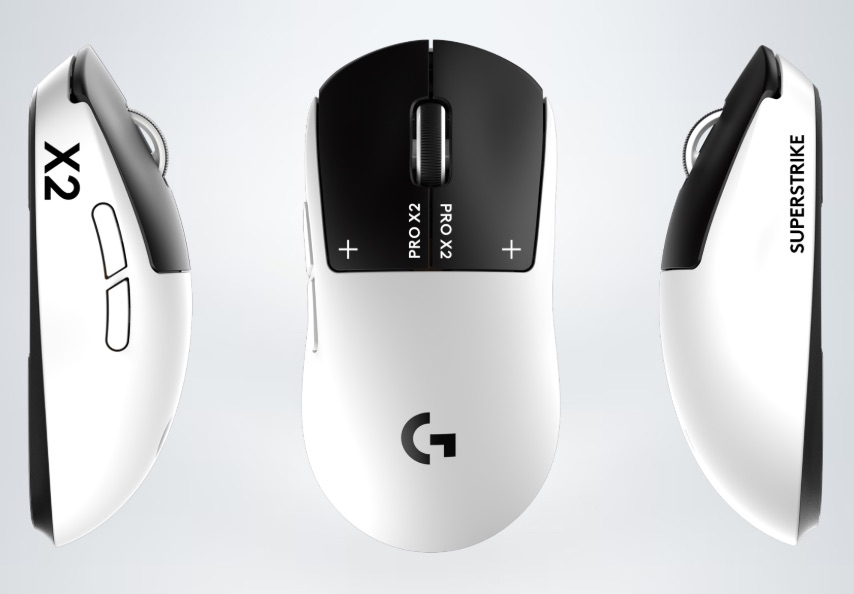
gaming mouse world has pretty much been the same for the last few years, with the only real improvement being weight savings. Now, Logitech has just introduced a new high-end gaming mouse in India, the Pro X2 Superstrike, and it’s bringing something genuinely new to the table. With it, the company is trying to rethink how mouse clicks work entirely, replacing traditional mechanical switches with a new system designed for faster response and better control. Here’s what you need to know about it.
A New Way to Click
The biggest highlight of the PRO X2 SUPERSTRIKE is its Haptic Inductive Trigger System (HITS), which ditches conventional microswitches in favor of inductive analog sensing paired with real-time haptic feedback.
In simpler terms, clicks aren’t just registered—they’re felt instantly. The system allows players to adjust the sensitivity of each click, with multiple actuation levels and reset points to suit their playstyle. Whether you prefer quick taps in FPS games or more deliberate clicks in strategy titles, the mouse can be tuned accordingly. Logitech claims this setup can reduce click latency by up to 30 milliseconds, and if this is true, it’ll reshape the landscape altogether. We have the Pro X2 for testing purposes, so keep an eye out for the full review dropping soon.
Beyond the click tech, the PRO X2 SUPERSTRIKE packs serious hardware. It features Logitech’s HERO 2 sensor with up to 44K DPI and supports an 8K polling rate, meaning it sends data to your PC every 0.125 milliseconds. The mouse is also capable of tracking extremely fast movements, with support for high acceleration and precise tracking even during rapid flicks. Despite all that, Logitech has kept the weight down to around 65 grams, making it suitable for long gaming sessions without fatigue. It also includes PTFE feet for smoother gliding and a battery life of up to 90 hours, which should easily last through extended sessions.
The Logitech G PRO X2 SUPERSTRIKE will be available in India in a Lunar Eclipse color option, priced at ₹23,995.
gaming mouse world has pretty much been the same for the last few years, with the only real improvement being weight savings. Now, Logitech has just introduced a new high-end gaming mouse in India, the Pro X2 Superstrike, and it’s bringing something genuinely new to the table. With it, the company is trying to rethink how mouse clicks work entirely, replacing traditional mechanical switches with a new system designed for faster response and better control. Here’s what you need to know about it.
A New Way to Click
The biggest highlight of the PRO X2 SUPERSTRIKE is its Haptic Inductive Trigger System (HITS), which ditches conventional microswitches in favor of inductive analog sensing paired with real-time haptic feedback.
In simpler terms, clicks aren’t just registered—they’re felt instantly. The system allows players to adjust the sensitivity of each click, with multiple actuation levels and reset points to suit their playstyle. Whether you prefer quick taps in FPS games or more deliberate clicks in strategy titles, the mouse can be tuned accordingly. Logitech claims this setup can reduce click latency by up to 30 milliseconds, and if this is true, it’ll reshape the landscape altogether. We have the Pro X2 for testing purposes, so keep an eye out for the full review dropping soon.
Beyond the click tech, the PRO X2 SUPERSTRIKE packs serious hardware. It features Logitech’s HERO 2 sensor with up to 44K DPI and supports an 8K polling rate, meaning it sends data to your PC every 0.125 milliseconds. The mouse is also capable of tracking extremely fast movements, with support for high acceleration and precise tracking even during rapid flicks. Despite all that, Logitech has kept the weight down to around 65 grams, making it suitable for long gaming sessions without fatigue. It also includes PTFE feet for smoother gliding and a battery life of up to 90 hours, which should easily last through extended sessions.
The Logitech G PRO X2 SUPERSTRIKE will be available in India in a Lunar Eclipse color option, priced at ₹23,995.
The gaming mouse world has pretty much been the same for the last few years, with the only real improvement being weight savings. Now, Logitech has just introduced a new high-end gaming mouse in India, the Pro X2 Superstrike, and it’s bringing something genuinely new to the table. With it, the company is trying to rethink how mouse clicks work entirely, replacing traditional mechanical switches with a new system designed for faster response and better control. Here’s what you need to know about it.
A New Way to Click
The biggest highlight of the PRO X2 SUPERSTRIKE is its Haptic Inductive Trigger System (HITS), which ditches conventional microswitches in favor of inductive analog sensing paired with real-time haptic feedback.
In simpler terms, clicks aren’t just registered—they’re felt instantly. The system allows players to adjust the sensitivity of each click, with multiple actuation levels and reset points to suit their playstyle. Whether you prefer quick taps in FPS games or more deliberate clicks in strategy titles, the mouse can be tuned accordingly. Logitech claims this setup can reduce click latency by up to 30 milliseconds, and if this is true, it’ll reshape the landscape altogether. We have the Pro X2 for testing purposes, so keep an eye out for the full review dropping soon.
Beyond the click tech, the PRO X2 SUPERSTRIKE packs serious hardware. It features Logitech’s HERO 2 sensor with up to 44K DPI and supports an 8K polling rate, meaning it sends data to your PC every 0.125 milliseconds. The mouse is also capable of tracking extremely fast movements, with support for high acceleration and precise tracking even during rapid flicks. Despite all that, Logitech has kept the weight down to around 65 grams, making it suitable for long gaming sessions without fatigue. It also includes PTFE feet for smoother gliding and a battery life of up to 90 hours, which should easily last through extended sessions.
The Logitech G PRO X2 SUPERSTRIKE will be available in India in a Lunar Eclipse color option, priced at ₹23,995.
wired earbuds enjoying all of the shine. A yearning for wired audio is bringing its good friend along for the ride: the king of all things MP3. The one, the only, the iPod.
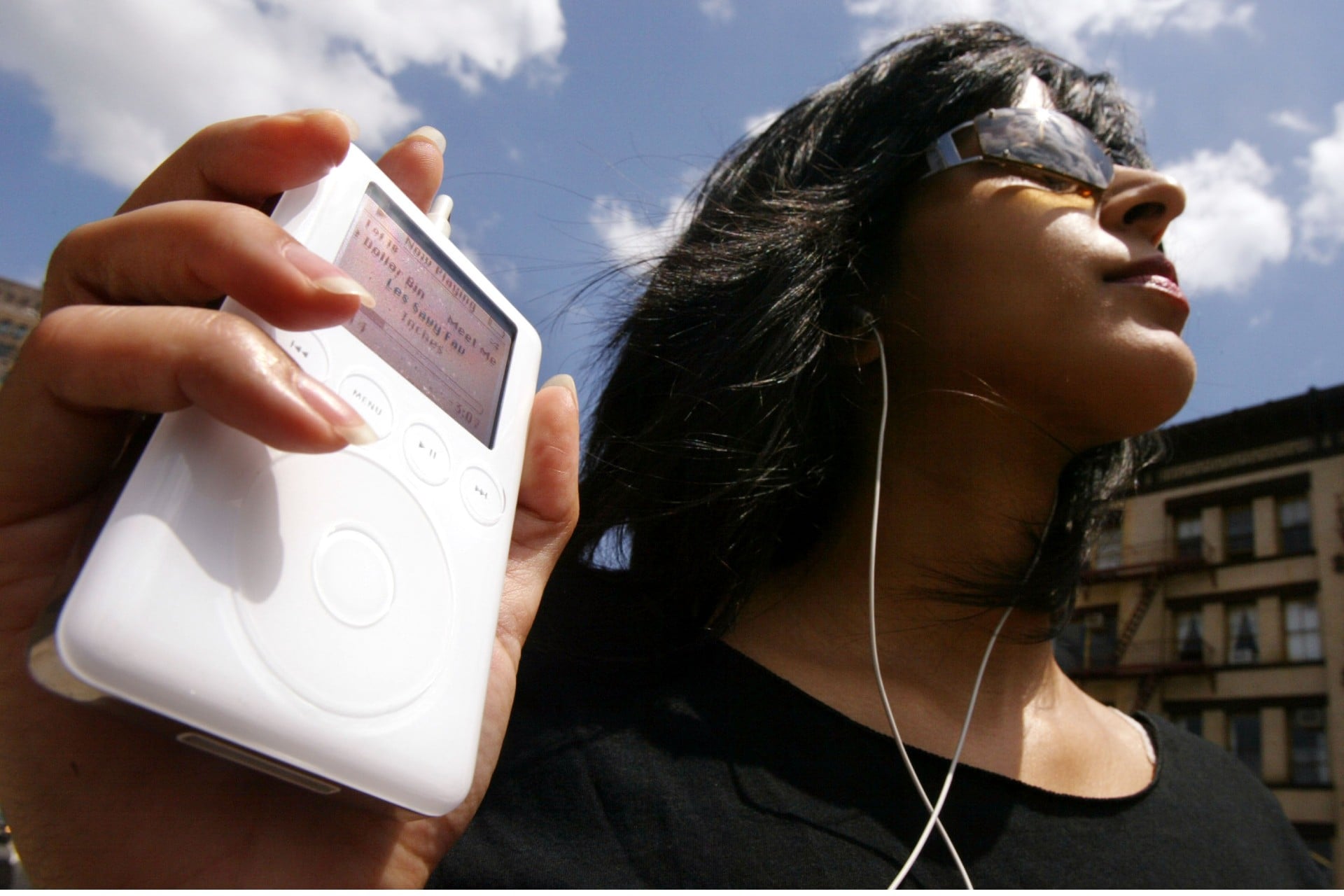
That’s right, the iPod is f*cking back. Not in an official sense, of course—it was discontinued officially in 2022—but it’s back in a very unofficial capacity. By nostalgia’s standards, the iPod is relevant once more, and you’ve probably got your phone (or the icky apps in it) to thank for that.
Okay, but how “back” is it?
The iPod is pretty back, to be honest. As the AP notes, secondhand sites like eBay are basically loaded with listings for used iPods, and on a more empirical level, Back Market, which also sells used and refurbished electronics, tells the AP that used iPod sales jumped 48% since 2024.
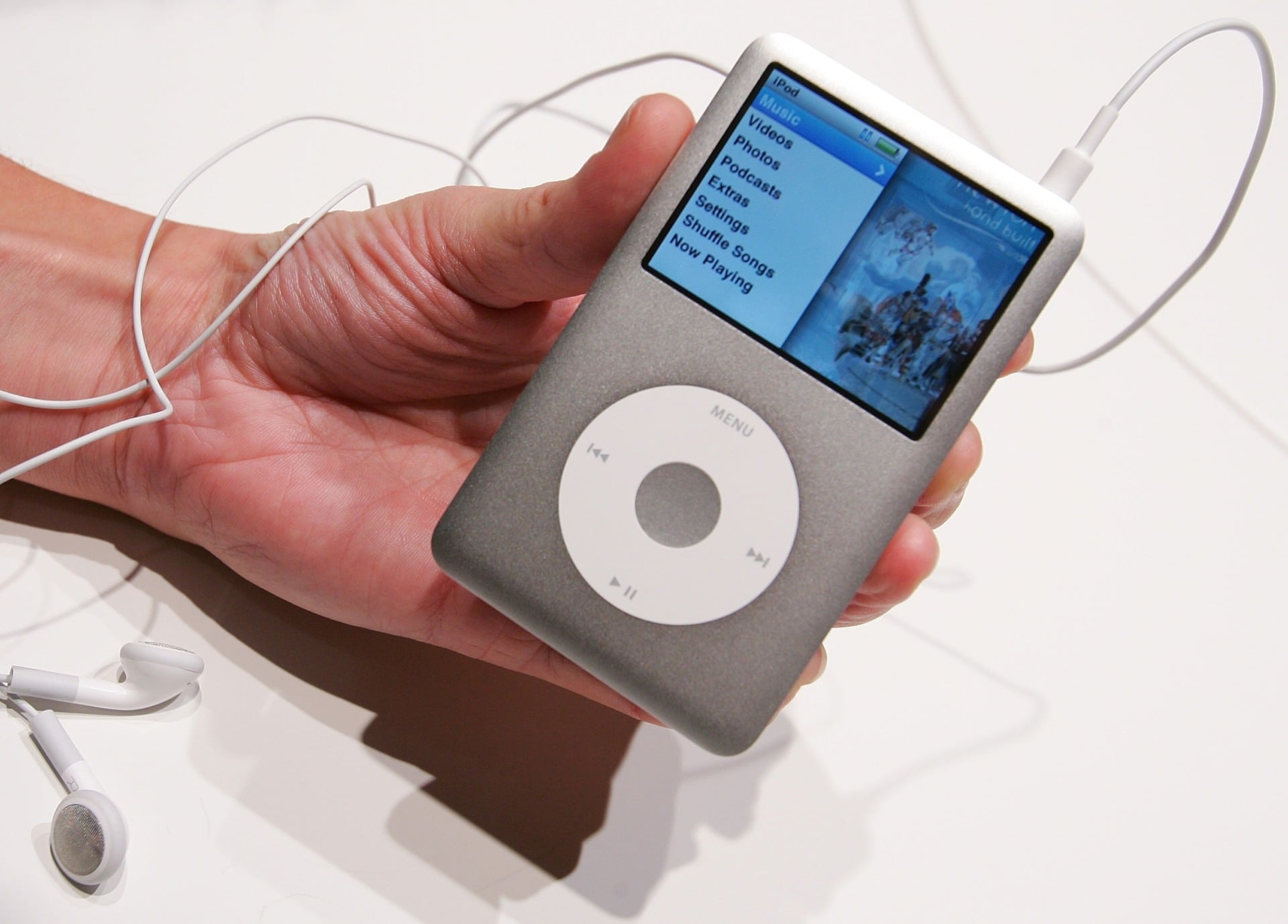
Anecdotally, I’ve been seeing the iPod everywhere, not just in a literal sense, but in a spiritual one. As I’ve written about before, digital audio players (DAPs) are seemingly a real category again, and new DAPs come in all shapes and sizes. There are DAPs shaped like cassette players, big utilitarian rectangles, and tiny little MP3-playing hunks of plastic. None of them has the iPod’s iconic click wheel, of course, but the spirit that the iPod helped popularize is still there. It’s a dedicated device that carries your music and almost nothing more.
On a more iPod-specific note, there are also people trying to replicate the iPod experience on your phone, like this guy building an iPod maker. Or how about people marrying AirPods Max with an iPod—wires and all. It’s even inspiring new products, like this upcoming AI gadget from two ex-Apple employees who tell Wired that the iPod Shuffle was a big inspiration design-wise. Those are all just window dressing, though, compared to the loads of people who actually bother to refurbish iPods, whether for personal use, resale, or because they’re nostalgic about the days when you could walk around listening to music without your phone delivering stress-inducing emails.
None of this interest in iPods is brand new, by any means—people have been modding iPods or selling them secondhand for a while now, but it feels as though it’s reached a tipping point. It’s hard to pinpoint why exactly iPods feel more relevant than ever, but nostalgia doesn’t quite cover it.
There’s also the Spotify of it all.
Remember owning stuff?
There’s no denying that nostalgia is a driving force in the iPod’s renewed relevance. Gen Z in particular has zeroed in on the early-2000s for inspiration, whether in fashion or tech, and there’s not a more iconic gadget from the early aughts than the iPod.
According to Anshel Sag, a tech analyst for Moor Insights & Strategy, renewed interest in the iPod has been a long time coming. For one, Sag says there’s a resurgence in interest in wired earbuds, specifically EarPods, Apple’s wired earbuds that predate AirPods. Not only are they cheap, but they also deliver much higher fidelity than lots of wireless earbuds you can buy, even in the midrange.
Then there’s the comeback of formats like vinyl and CDs, which have helped to create more interest in the idea of owning music as opposed to just borrowing it through a streaming service. Owning things! Remember that?
It’s that last part, streaming, that feels particularly potent, though. As convenient as streaming music is, people have felt the slow creep of subscriptions on their wallets, and Spotify is a part of that. In January, Spotify raised its prices once again, this time reaching $13 a month. For context, in 2023, subscription fees rose from $9.99 to $10.99, and again in 2024 from $10.99 to $11.99. Apple Music is more affordable, but not by much at $11 per month.
It’s been a slow turn of the dial, but coupled with the weight of other streaming services, the burden is palpable. And how does one deal with that burden? By opting out, of course.
“I think people are evaluating all their streaming services, whether it’s music or TV or movies…because the price has ballooned,” Sag told Gizmodo. “Every time a service goes up in price, they become hyperaware of all the streaming services they’re paying for, and that includes music.
Sag also says that the younger generation is also more aware of how artists make money and how much of a cut they get from streaming services. “They might not want to actually pay for the streaming service because they don’t think the artists are getting what they deserve and might otherwise just pay for the music directly from the artist and put it on their iPod, or whatever their choice of music player is.”
As others have covered, it’s impossible to discount the ripple effects from the backlash against phones when it comes to nostalgic gadgets like iPods. There’s a yearning for phone-free experiences, and iPods deliver that. Sag notes that there’s also independence with gadgets like iPods or CDs and vinyl that appeals to those (particularly Gen Z) who feel bereft of things to hold onto.
“There’s a demand for something that isn’t tied to a streaming connection that always sounds good, no matter where you are—and you’re in control of the experience,” Sag says. “And that’s why I think stuff like iPods is having a bit of a comeback.”
Mostly, it’s what Sag calls “a perfect storm.” There’s no one answer to why iPods are back, and whether our love of them ever left is debatable, but somehow they do feel magnetic again. We’ll probably not live to see the day when new iPods exist, getting churned out of Foxconn like the next iPhone, but that’s for the best. They’d probably just have Apple Music on them anyway.
wired earbuds enjoying all of the shine. A yearning for wired audio is bringing its good friend along for the ride: the king of all things MP3. The one, the only, the iPod.
That’s right, the iPod is f*cking back. Not in an official sense, of course—it was discontinued officially in 2022—but it’s back in a very unofficial capacity. By nostalgia’s standards, the iPod is relevant once more, and you’ve probably got your phone (or the icky apps in it) to thank for that.
Okay, but how “back” is it?
The iPod is pretty back, to be honest. As the AP notes, secondhand sites like eBay are basically loaded with listings for used iPods, and on a more empirical level, Back Market, which also sells used and refurbished electronics, tells the AP that used iPod sales jumped 48% since 2024.
Anecdotally, I’ve been seeing the iPod everywhere, not just in a literal sense, but in a spiritual one. As I’ve written about before, digital audio players (DAPs) are seemingly a real category again, and new DAPs come in all shapes and sizes. There are DAPs shaped like cassette players, big utilitarian rectangles, and tiny little MP3-playing hunks of plastic. None of them has the iPod’s iconic click wheel, of course, but the spirit that the iPod helped popularize is still there. It’s a dedicated device that carries your music and almost nothing more.
On a more iPod-specific note, there are also people trying to replicate the iPod experience on your phone, like this guy building an iPod maker. Or how about people marrying AirPods Max with an iPod—wires and all. It’s even inspiring new products, like this upcoming AI gadget from two ex-Apple employees who tell Wired that the iPod Shuffle was a big inspiration design-wise. Those are all just window dressing, though, compared to the loads of people who actually bother to refurbish iPods, whether for personal use, resale, or because they’re nostalgic about the days when you could walk around listening to music without your phone delivering stress-inducing emails.
None of this interest in iPods is brand new, by any means—people have been modding iPods or selling them secondhand for a while now, but it feels as though it’s reached a tipping point. It’s hard to pinpoint why exactly iPods feel more relevant than ever, but nostalgia doesn’t quite cover it.
There’s also the Spotify of it all.
Remember owning stuff?
There’s no denying that nostalgia is a driving force in the iPod’s renewed relevance. Gen Z in particular has zeroed in on the early-2000s for inspiration, whether in fashion or tech, and there’s not a more iconic gadget from the early aughts than the iPod.
According to Anshel Sag, a tech analyst for Moor Insights & Strategy, renewed interest in the iPod has been a long time coming. For one, Sag says there’s a resurgence in interest in wired earbuds, specifically EarPods, Apple’s wired earbuds that predate AirPods. Not only are they cheap, but they also deliver much higher fidelity than lots of wireless earbuds you can buy, even in the midrange.
Then there’s the comeback of formats like vinyl and CDs, which have helped to create more interest in the idea of owning music as opposed to just borrowing it through a streaming service. Owning things! Remember that?
It’s that last part, streaming, that feels particularly potent, though. As convenient as streaming music is, people have felt the slow creep of subscriptions on their wallets, and Spotify is a part of that. In January, Spotify raised its prices once again, this time reaching $13 a month. For context, in 2023, subscription fees rose from $9.99 to $10.99, and again in 2024 from $10.99 to $11.99. Apple Music is more affordable, but not by much at $11 per month.
It’s been a slow turn of the dial, but coupled with the weight of other streaming services, the burden is palpable. And how does one deal with that burden? By opting out, of course.
“I think people are evaluating all their streaming services, whether it’s music or TV or movies…because the price has ballooned,” Sag told Gizmodo. “Every time a service goes up in price, they become hyperaware of all the streaming services they’re paying for, and that includes music.
Sag also says that the younger generation is also more aware of how artists make money and how much of a cut they get from streaming services. “They might not want to actually pay for the streaming service because they don’t think the artists are getting what they deserve and might otherwise just pay for the music directly from the artist and put it on their iPod, or whatever their choice of music player is.”
As others have covered, it’s impossible to discount the ripple effects from the backlash against phones when it comes to nostalgic gadgets like iPods. There’s a yearning for phone-free experiences, and iPods deliver that. Sag notes that there’s also independence with gadgets like iPods or CDs and vinyl that appeals to those (particularly Gen Z) who feel bereft of things to hold onto.
“There’s a demand for something that isn’t tied to a streaming connection that always sounds good, no matter where you are—and you’re in control of the experience,” Sag says. “And that’s why I think stuff like iPods is having a bit of a comeback.”
Mostly, it’s what Sag calls “a perfect storm.” There’s no one answer to why iPods are back, and whether our love of them ever left is debatable, but somehow they do feel magnetic again. We’ll probably not live to see the day when new iPods exist, getting churned out of Foxconn like the next iPhone, but that’s for the best. They’d probably just have Apple Music on them anyway.
#World #Basically #Begging #iPodApple,audio,iPod">The World Is Basically Begging for Another iPod
Audio nostalgia is a thing right now, and it’s not just wired earbuds enjoying all of the shine. A yearning for wired audio is bringing its good friend along for the ride: the king of all things MP3. The one, the only, the iPod.
That’s right, the iPod is f*cking back. Not in an official sense, of course—it was discontinued officially in 2022—but it’s back in a very unofficial capacity. By nostalgia’s standards, the iPod is relevant once more, and you’ve probably got your phone (or the icky apps in it) to thank for that.
Okay, but how “back” is it?
The iPod is pretty back, to be honest. As the AP notes, secondhand sites like eBay are basically loaded with listings for used iPods, and on a more empirical level, Back Market, which also sells used and refurbished electronics, tells the AP that used iPod sales jumped 48% since 2024.
Anecdotally, I’ve been seeing the iPod everywhere, not just in a literal sense, but in a spiritual one. As I’ve written about before, digital audio players (DAPs) are seemingly a real category again, and new DAPs come in all shapes and sizes. There are DAPs shaped like cassette players, big utilitarian rectangles, and tiny little MP3-playing hunks of plastic. None of them has the iPod’s iconic click wheel, of course, but the spirit that the iPod helped popularize is still there. It’s a dedicated device that carries your music and almost nothing more.
On a more iPod-specific note, there are also people trying to replicate the iPod experience on your phone, like this guy building an iPod maker. Or how about people marrying AirPods Max with an iPod—wires and all. It’s even inspiring new products, like this upcoming AI gadget from two ex-Apple employees who tell Wired that the iPod Shuffle was a big inspiration design-wise. Those are all just window dressing, though, compared to the loads of people who actually bother to refurbish iPods, whether for personal use, resale, or because they’re nostalgic about the days when you could walk around listening to music without your phone delivering stress-inducing emails.
None of this interest in iPods is brand new, by any means—people have been modding iPods or selling them secondhand for a while now, but it feels as though it’s reached a tipping point. It’s hard to pinpoint why exactly iPods feel more relevant than ever, but nostalgia doesn’t quite cover it.
There’s also the Spotify of it all.
Remember owning stuff?
There’s no denying that nostalgia is a driving force in the iPod’s renewed relevance. Gen Z in particular has zeroed in on the early-2000s for inspiration, whether in fashion or tech, and there’s not a more iconic gadget from the early aughts than the iPod.
According to Anshel Sag, a tech analyst for Moor Insights & Strategy, renewed interest in the iPod has been a long time coming. For one, Sag says there’s a resurgence in interest in wired earbuds, specifically EarPods, Apple’s wired earbuds that predate AirPods. Not only are they cheap, but they also deliver much higher fidelity than lots of wireless earbuds you can buy, even in the midrange.
Then there’s the comeback of formats like vinyl and CDs, which have helped to create more interest in the idea of owning music as opposed to just borrowing it through a streaming service. Owning things! Remember that?
It’s that last part, streaming, that feels particularly potent, though. As convenient as streaming music is, people have felt the slow creep of subscriptions on their wallets, and Spotify is a part of that. In January, Spotify raised its prices once again, this time reaching $13 a month. For context, in 2023, subscription fees rose from $9.99 to $10.99, and again in 2024 from $10.99 to $11.99. Apple Music is more affordable, but not by much at $11 per month.
It’s been a slow turn of the dial, but coupled with the weight of other streaming services, the burden is palpable. And how does one deal with that burden? By opting out, of course.
“I think people are evaluating all their streaming services, whether it’s music or TV or movies…because the price has ballooned,” Sag told Gizmodo. “Every time a service goes up in price, they become hyperaware of all the streaming services they’re paying for, and that includes music.
Sag also says that the younger generation is also more aware of how artists make money and how much of a cut they get from streaming services. “They might not want to actually pay for the streaming service because they don’t think the artists are getting what they deserve and might otherwise just pay for the music directly from the artist and put it on their iPod, or whatever their choice of music player is.”
As others have covered, it’s impossible to discount the ripple effects from the backlash against phones when it comes to nostalgic gadgets like iPods. There’s a yearning for phone-free experiences, and iPods deliver that. Sag notes that there’s also independence with gadgets like iPods or CDs and vinyl that appeals to those (particularly Gen Z) who feel bereft of things to hold onto.
“There’s a demand for something that isn’t tied to a streaming connection that always sounds good, no matter where you are—and you’re in control of the experience,” Sag says. “And that’s why I think stuff like iPods is having a bit of a comeback.”
Mostly, it’s what Sag calls “a perfect storm.” There’s no one answer to why iPods are back, and whether our love of them ever left is debatable, but somehow they do feel magnetic again. We’ll probably not live to see the day when new iPods exist, getting churned out of Foxconn like the next iPhone, but that’s for the best. They’d probably just have Apple Music on them anyway.
.jpg?ssl=1 "Lenovo’s Latest Wacky Concepts Include a Laptop With a Built-In Portable Monitor")



Post Comment