#Life #full #circle #Wankhede #Ravi #Shastri #mother #Lakshmi #share #emotional #moment","url":"https://wolfnewss.com/life-comes-full-circle-at-the-wankhede-ravi-shastri-mother-lakshmi-share-emotional-moment-for-lakshmi-shastri-the-unveiling-of-the-ravi-shastri-stand-at-the-wankhede-stadium-on-thursday-w/","mainEntityOfPage":"https://wolfnewss.com/life-comes-full-circle-at-the-wankhede-ravi-shastri-mother-lakshmi-share-emotional-moment-for-lakshmi-shastri-the-unveiling-of-the-ravi-shastri-stand-at-the-wankhede-stadium-on-thursday-w/","image":[{"@type":"ImageObject","url":"https://i0.wp.com/ss-i.thgim.com/public/incoming/u4pyxq/article70846027.ece/alternates/LANDSCAPE_1200/11908_9_4_2026_20_12_50_2_DSC_2226.JPG?ssl=1"}],"datePublished":"2026-04-10T05:30:28+00:00","dateModified":"2026-04-10T05:30:28+00:00","author":{"@type":"Person","name":"mwasimuddin125","url":"https://wolfnewss.com/author/mwasimuddin125/"}}
×
Life comes full circle at the Wankhede — Ravi Shastri, mother Lakshmi share emotional moment  For Lakshmi Shastri, the unveiling of the Ravi Shastri Stand at the Wankhede Stadium on Thursday was not merely an honour bestowed on her son. It was a full-circle moment — one that brought back memories of train rides, packed stands, and the quiet pride of watching a young boy from Mumbai carve his place in Indian cricket.“It means a lot to me. I feel so honoured to be present here. I would come to the Wankhade Stadium to watch him play, though I did not watch his six sixes that day (in 1985). And I never dreamt that one day I would stand before the stand that has been named after him,” Lakshmi told        Sportstar moments after the ceremony, with her daughter-in-law Ritu and granddaughter Alekha patiently waiting for her.“This is with God’s grace, and I do believe Ravi’s devotion, dedication, most importantly, his self-belief that he will achieve what he dreamt of. So may he go from strength to strength, extremely proud of him.”Her words carried the weight of decades. An ardent cricket follower since the 1960s, Lakshmi has been pivotal in pushing Ravi to the limits since his formative years. Yet, Thursday’s honour had a special emotional pull, particularly because Dr Jayadritha Shastri, Ravi’s father and one of his earliest supporters, was not present, having passed away in 2007.“Only regret is his father is not present who encouraged him. But I am sure our blessings are with him,” she said.Lakshmi also recalled one of her fondest memories at the Wankhede, an incident her son elaborated on during his speech.“That he mentioned already, that when we came here to watch (the Test against England in 1984), Mr. (S.K.) Wankhade was present at that time. And he welcomed us, and he took us right up to his gallery to watch, which we thought was a great gesture on his part. We will never forget that,” she said.Ravi Shastri, during his address, expanded on that cherished moment from 1984, when he was batting in a Test against England at the Wankhede.RELATED | Stand in honour of Ravi Shastri unveiled at Wankhede Stadium“We had Mr. Wankhede. And he was such a cricket lover. I remember my father and mother walking up the stairs to go up into the stand. And someone told him, ‘That’s Ravi’s parents’. And I was batting on fifty. This was the Test match against England (in 1984). He called them, took them up and put them in the prime seats to watch me get a hundred,” Shastri recalled.It was a memory that tied the past to the present — from a young cricketer’s parents being escorted to the best seats to watch a milestone, to their son now having an entire stand named after him.Lakshmi also reflected on where Thursday ranked among her son’s achievements. “It’s one of the memorable days. The most memorable will be his six sixes and his winning the Benson & Hedges Championship, when he was crowned Champion of Champions. That will forever remain in my memory,” she said.A special night for the Shastris 🌟Former India captain and coach Ravi Shastri had his biggest cheerleaders in attendance, his family, as the stand named after him was unveiled at the Wankhede Stadium. His mother, Lakshmi, reacts to the honour: #MumbaiCricket | Video:… pic.twitter.com/buNeZsvRAy— Sportstar (@sportstarweb) April 9, 2026Shastri, too, acknowledged the role his family played in his journey.“To my family that’s present here, without their support, I don’t think I would have made it. My mother, 86, is even more obsessed with the game (than anyone else). She has watched Test cricket from the 1960s, right from (Gary) Sobers at the CCI to Clive Lloyd, and (Vivian) Richards, and her favourite was Neil Harvey. And she was a pest. You had to score every game.”The honour held added significance for Shastri. The stand bearing his name now occupies almost the same area where, as a 12-year-old, he had watched his first Test match — against New Zealand in 1976 — as a spectator.“The only disappointment, my father. He is not present here today, but he watched almost every game from the Garware Pavilion at that time. But he will be upstairs, he will be proud that this has happened.”Nearly five decades later, with his mother watching from below and memories of his father lingering above, the unveiling of the Ravi Shastri Stand became not just a tribute to a cricketer, but a celebration of a family’s journey intertwined with Mumbai cricket.Published on Apr 10, 2026  #Life #full #circle #Wankhede #Ravi #Shastri #mother #Lakshmi #share #emotional #moment

Life comes full circle at the Wankhede — Ravi Shastri, mother Lakshmi share emotional moment

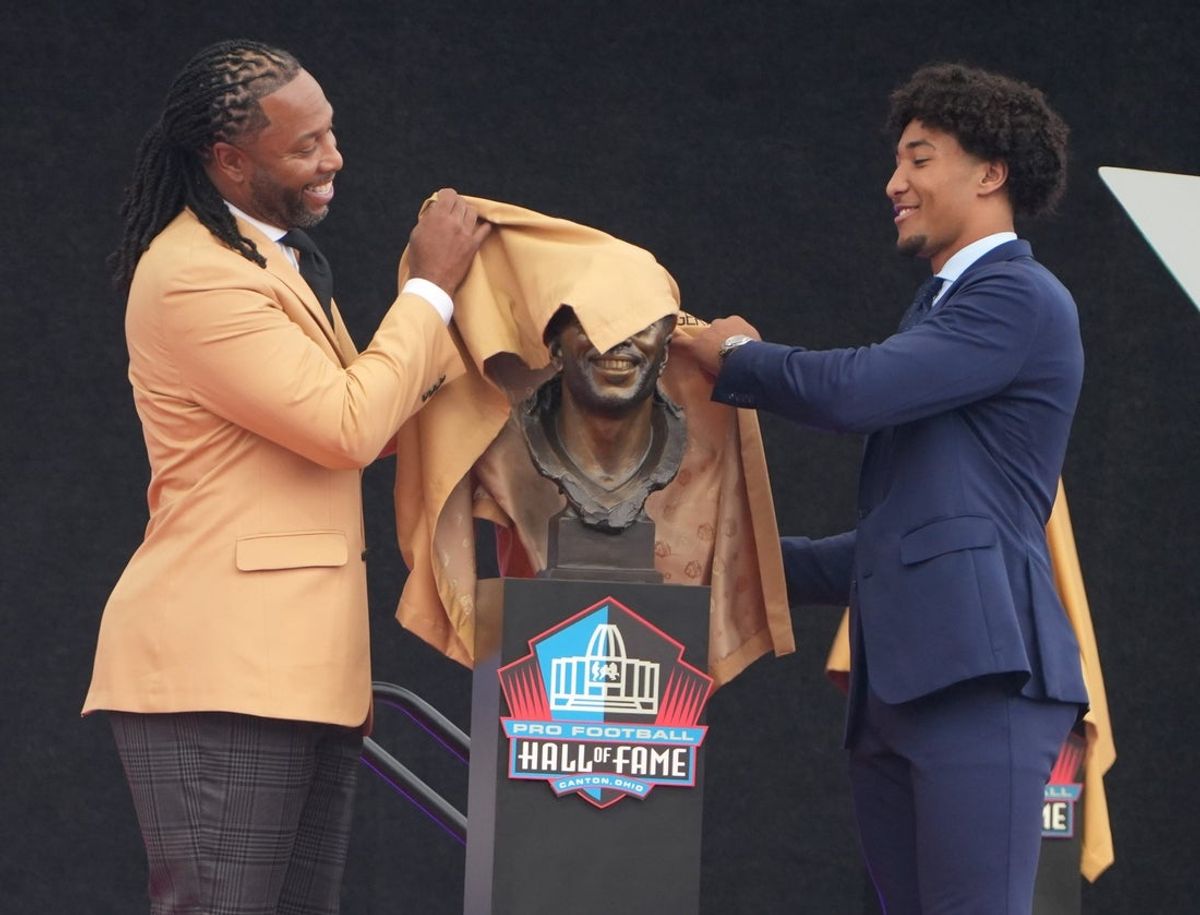
For Lakshmi Shastri, the unveiling of the Ravi Shastri Stand at the Wankhede Stadium on Thursday was not merely an honour bestowed on her son. It was a full-circle moment — one that brought back memories of train rides, packed stands, and the quiet pride of watching a young boy from Mumbai carve his place in Indian cricket.

“It means a lot to me. I feel so honoured to be present here. I would come to the Wankhade Stadium to watch him play, though I did not watch his six sixes that day (in 1985). And I never dreamt that one day I would stand before the stand that has been named after him,” Lakshmi told Sportstar moments after the ceremony, with her daughter-in-law Ritu and granddaughter Alekha patiently waiting for her.

“This is with God’s grace, and I do believe Ravi’s devotion, dedication, most importantly, his self-belief that he will achieve what he dreamt of. So may he go from strength to strength, extremely proud of him.”

Her words carried the weight of decades. An ardent cricket follower since the 1960s, Lakshmi has been pivotal in pushing Ravi to the limits since his formative years. Yet, Thursday’s honour had a special emotional pull, particularly because Dr Jayadritha Shastri, Ravi’s father and one of his earliest supporters, was not present, having passed away in 2007.

“Only regret is his father is not present who encouraged him. But I am sure our blessings are with him,” she said.

Lakshmi also recalled one of her fondest memories at the Wankhede, an incident her son elaborated on during his speech.

“That he mentioned already, that when we came here to watch (the Test against England in 1984), Mr. (S.K.) Wankhade was present at that time. And he welcomed us, and he took us right up to his gallery to watch, which we thought was a great gesture on his part. We will never forget that,” she said.

Ravi Shastri, during his address, expanded on that cherished moment from 1984, when he was batting in a Test against England at the Wankhede.

RELATED | Stand in honour of Ravi Shastri unveiled at Wankhede Stadium

“We had Mr. Wankhede. And he was such a cricket lover. I remember my father and mother walking up the stairs to go up into the stand. And someone told him, ‘That’s Ravi’s parents’. And I was batting on fifty. This was the Test match against England (in 1984). He called them, took them up and put them in the prime seats to watch me get a hundred,” Shastri recalled.

It was a memory that tied the past to the present — from a young cricketer’s parents being escorted to the best seats to watch a milestone, to their son now having an entire stand named after him.

Lakshmi also reflected on where Thursday ranked among her son’s achievements. “It’s one of the memorable days. The most memorable will be his six sixes and his winning the Benson & Hedges Championship, when he was crowned Champion of Champions. That will forever remain in my memory,” she said.

Shastri, too, acknowledged the role his family played in his journey.

“To my family that’s present here, without their support, I don’t think I would have made it. My mother, 86, is even more obsessed with the game (than anyone else). She has watched Test cricket from the 1960s, right from (Gary) Sobers at the CCI to Clive Lloyd, and (Vivian) Richards, and her favourite was Neil Harvey. And she was a pest. You had to score every game.”

The honour held added significance for Shastri. The stand bearing his name now occupies almost the same area where, as a 12-year-old, he had watched his first Test match — against New Zealand in 1976 — as a spectator.

“The only disappointment, my father. He is not present here today, but he watched almost every game from the Garware Pavilion at that time. But he will be upstairs, he will be proud that this has happened.”

Nearly five decades later, with his mother watching from below and memories of his father lingering above, the unveiling of the Ravi Shastri Stand became not just a tribute to a cricketer, but a celebration of a family’s journey intertwined with Mumbai cricket.

Published on Apr 10, 2026
#Life #full #circle #Wankhede #Ravi #Shastri #mother #Lakshmi #share #emotional #moment

For Lakshmi Shastri, the unveiling of the Ravi Shastri Stand at the Wankhede Stadium on Thursday was not merely an honour bestowed on her son. It was a full-circle moment — one that brought back memories of train rides, packed stands, and the quiet pride of watching a young boy from Mumbai carve his place in Indian cricket.

“It means a lot to me. I feel so honoured to be present here. I would come to the Wankhade Stadium to watch him play, though I did not watch his six sixes that day (in 1985). And I never dreamt that one day I would stand before the stand that has been named after him,” Lakshmi told Sportstar moments after the ceremony, with her daughter-in-law Ritu and granddaughter Alekha patiently waiting for her.

“This is with God’s grace, and I do believe Ravi’s devotion, dedication, most importantly, his self-belief that he will achieve what he dreamt of. So may he go from strength to strength, extremely proud of him.”

Her words carried the weight of decades. An ardent cricket follower since the 1960s, Lakshmi has been pivotal in pushing Ravi to the limits since his formative years. Yet, Thursday’s honour had a special emotional pull, particularly because Dr Jayadritha Shastri, Ravi’s father and one of his earliest supporters, was not present, having passed away in 2007.

“Only regret is his father is not present who encouraged him. But I am sure our blessings are with him,” she said.

Lakshmi also recalled one of her fondest memories at the Wankhede, an incident her son elaborated on during his speech.

“That he mentioned already, that when we came here to watch (the Test against England in 1984), Mr. (S.K.) Wankhade was present at that time. And he welcomed us, and he took us right up to his gallery to watch, which we thought was a great gesture on his part. We will never forget that,” she said.

Ravi Shastri, during his address, expanded on that cherished moment from 1984, when he was batting in a Test against England at the Wankhede.

RELATED | Stand in honour of Ravi Shastri unveiled at Wankhede Stadium

“We had Mr. Wankhede. And he was such a cricket lover. I remember my father and mother walking up the stairs to go up into the stand. And someone told him, ‘That’s Ravi’s parents’. And I was batting on fifty. This was the Test match against England (in 1984). He called them, took them up and put them in the prime seats to watch me get a hundred,” Shastri recalled.

It was a memory that tied the past to the present — from a young cricketer’s parents being escorted to the best seats to watch a milestone, to their son now having an entire stand named after him.

Lakshmi also reflected on where Thursday ranked among her son’s achievements. “It’s one of the memorable days. The most memorable will be his six sixes and his winning the Benson & Hedges Championship, when he was crowned Champion of Champions. That will forever remain in my memory,” she said.

Shastri, too, acknowledged the role his family played in his journey.

“To my family that’s present here, without their support, I don’t think I would have made it. My mother, 86, is even more obsessed with the game (than anyone else). She has watched Test cricket from the 1960s, right from (Gary) Sobers at the CCI to Clive Lloyd, and (Vivian) Richards, and her favourite was Neil Harvey. And she was a pest. You had to score every game.”

The honour held added significance for Shastri. The stand bearing his name now occupies almost the same area where, as a 12-year-old, he had watched his first Test match — against New Zealand in 1976 — as a spectator.

“The only disappointment, my father. He is not present here today, but he watched almost every game from the Garware Pavilion at that time. But he will be upstairs, he will be proud that this has happened.”

Nearly five decades later, with his mother watching from below and memories of his father lingering above, the unveiling of the Ravi Shastri Stand became not just a tribute to a cricketer, but a celebration of a family’s journey intertwined with Mumbai cricket.

Published on Apr 10, 2026


Source link
#Life #full #circle #Wankhede #Ravi #Shastri #mother #Lakshmi #share #emotional #moment

Previous post

Ghana Is Built Differnt: They Put Him In A Spinning Car Coffin And Told Him To Drive Into The Afterlife Like It’s GTA

Next post

Deadspin | Avalanche clinch Presidents’ Trophy with narrow win over Flames <div id=""><section id="0" class=" w-full"><div class="xl:container mx-0 !px-4 py-0 pb-4 !mx-0 !px-0"><img src="https://images.deadspin.com/tr:w-900/28695901.jpg" srcset="https://images.deadspin.com/tr:w-900/28695901.jpg" alt="NHL: Calgary Flames at Colorado Avalanche" class="w-full" fetchpriority="high" loading="eager"/><span class="text-0.8 leading-tight">Apr 9, 2026; Denver, Colorado, USA; Colorado Avalanche center Jack Drury (18) and Calgary Flames right wing Adam Klapka (43) collide in the first period at Ball Arena. Mandatory Credit: Isaiah J. Downing-Imagn Images<!-- --> <!-- --> </span></div></section><section id="section-1"> <p>Nathan MacKinnon and Martin Necas had a goal and two assists each, and the Colorado Avalanche beat the Calgary Flames 3-1 in Denver on Thursday night to clinch the top overall seed for the postseason.</p> </section><section id="section-2"> <p>MacKinnon set a career high with his 52nd goal, Gabriel Landeskog also scored and Mackenzie Blackwood turned away 28 shots for Colorado. The Avalanche (54-16-10, 114 points) clinched the Presidents’ Trophy for the fourth time since relocating to Colorado 31 years ago.</p> </section><section id="section-3"> <p>Carolina, with 108 points, could match the Avalanche in total points, but Colorado holds the tiebreaker between the teams by virtue of winning the season series 1-0-1.</p> </section><section id="section-4"> <p>The Avalanche also captured the top seed in 1996-97, 2000-01 and 2021-22. They won the Stanley Cup the last two times they won the Presidents’ Trophy.</p> </section><section id="section-5"> <p>Tyson Gross scored his first NHL goal in his third career game and Dustin Wolf made 38 saves for Calgary (32-37-9, 73 points), which has dropped three of its last four games.</p> </section><br/><section id="section-6"> <p>The Avalanche played without center Nazem Kadri, who sustained a finger injury in their 3-1 win at St. Louis on Tuesday night. Head coach Jared Bednar said before Thursday’s game he expects Kadri to return by the end of the regular season.</p> </section> <section id="section-7"> <p>The game was scoreless until late in the first period when Calgary’s John Beecher took a hooking minor. Six seconds into the power play, MacKinnon sent a pass through the crease to Landeskog at the far post, and he tapped it in at 18:44.</p> </section><section id="section-8"> <p>Necas extended the lead late in the second period. He sent a pass to MacKinnon down low, got it right back, stickhandled through the slot and lifted a shot over the sprawling Wolf at 15:01.</p> </section><section id="section-9"> <p>It was his career-best 38th goal of the season.</p> </section><section id="section-10"> <p>Wolf came off for an extra skater with 3:46 remaining, and Gross scored at 17:08 to cut the deficit in half. Gross appeared to tie it 1:23 later with Wolf off again, but Colorado successfully challenged for offsides. Less than a minute later, MacKinnon scored into the empty net to extend his NHL lead in goals.</p> </section><section id="section-11"> <p>–Field Level Media</p> </section></div> #Deadspin #Avalanche #clinch #Presidents #Trophy #narrow #win #Flames

Soccer Meets America focuses around the meteoric rise in popularity, from the North American Soccer League days of the 1970s and 1980s to the 1984 Olympics, leading up to the 1994 World Cup. At the center of that history was Alan Rothenberg, who served as soccer commissioner for the 1984 Olympics, the president of the U.S. Soccer Federation from 1990 to 1998, and the CEO of the 1994 World Cup. He also had a hand in the start of Major League Soccer, adding women’s soccer to the Olympic program in 1996, and bringing the 1999 Women’s World Cup to the United States.

Rothenberg recently released a new book entitled The Big Bounce: The Surge that Shaped the Future of U.S. Soccer. In the book, Rothenberg gives an inside account at how American soccer went from the days where leagues were not organized and fizzled quickly to some of the success we have today with leagues like Major League Soccer, the National Women’s Soccer League, and the United Soccer Leagues. He details his firsthand knowledge of what it took for the United States to host a successful soccer tournament at the 1984 Olympics, how the nation won the bid to host the 1994 World Cup, and how he was able to organize the federation to get everything done and push the game forward. He recently sat down for an interview on the USA Soccercast, and in that interview, he mentioned that the rise in popularity of the game wasn’t based on one big moment, but a sustained buildup of momentum.

“[American soccer] sort of grew when I was starting in 1990,” Alan Rothenberg, former U.S. Soccer president and CEO of the 1994 World Cup, said in an interview for the USA Soccercast. “I had a glimpse of it back in the 70s when we had a team in Los Angeles ,and obviously the Cosmos set the world on fire at that time with Pelé and [Franz] Beckebauer…you had Giants Stadium. So there were those glimpses of what the future could hold. But as we started to build the soccer federation, our [1994] World cup team and the World cup organization, it just started to accelerate. So there wasn’t one ‘a ha!’ moment.”

Soccer Meets America takes the unique yet unexpected path of professional soccer in the United States andn gives the story some definition. Through people like Rothenberg, we see that the history is shaped by chance, persistence, and communities that kept the game alive long before it found mainstream recognition. Starting with the sport’s deep roots in immigrant communities in the 1920s, each episode of the docuseries explores soccer on a personal and professional level. Both nostalgic and forward-facing, the series features a variety of influential figures in American soccer and aims to resonate with new and old fans of the sport alike.

But there’s also the legacy of the 2026 World Cup, which will be different from what it was in 1994. “Well, obviously we’re starting from a different baseline,” Rothenberg said. “We started at virtually zero back in [1990], and now we’re starting from level 60 or 75…so the dramatic consequences will not be the same as they were after 94, but I think it’s going to be a huge spike in interest in the sport at all levels.”

To grow the history, you must learn from it. And Soccer Meets America gives you a review of America’s soccer history and strengthes the foundations from which the sport’s culture and passion were created. As we approach the World Cup, that knowledge will be essential to craft the legacy that will carry long after the tournament ends.

#Vox #Creative #Roku #debut #docuseries #history #American #soccer">Vox Creative, Roku debut new docuseries on history of American soccer  The history of American soccer has spanned well over 120 years, and to date there hasn’t been many opportunities to look back at that history. With the 2026 World Cup about a month away, we now have a chance to do just that. Yesterday, SB Nation collaborated with Vox Creative and Roku to release Soccer Meets America, a 3-part docuseries that focuses on the rise of soccer in the United States.Soccer Meets America focuses around the meteoric rise in popularity, from the North American Soccer League days of the 1970s and 1980s to the 1984 Olympics, leading up to the 1994 World Cup. At the center of that history was Alan Rothenberg, who served as soccer commissioner for the 1984 Olympics, the president of the U.S. Soccer Federation from 1990 to 1998, and the CEO of the 1994 World Cup. He also had a hand in the start of Major League Soccer, adding women’s soccer to the Olympic program in 1996, and bringing the 1999 Women’s World Cup to the United States.Rothenberg recently released a new book entitled The Big Bounce: The Surge that Shaped the Future of U.S. Soccer. In the book, Rothenberg gives an inside account at how American soccer went from the days where leagues were not organized and fizzled quickly to some of the success we have today with leagues like Major League Soccer, the National Women’s Soccer League, and the United Soccer Leagues. He details his firsthand knowledge of what it took for the United States to host a successful soccer tournament at the 1984 Olympics, how the nation won the bid to host the 1994 World Cup, and how he was able to organize the federation to get everything done and push the game forward. He recently sat down for an interview on the USA Soccercast, and in that interview, he mentioned that the rise in popularity of the game wasn’t based on one big moment, but a sustained buildup of momentum.“[American soccer] sort of grew when I was starting in 1990,” Alan Rothenberg, former U.S. Soccer president and CEO of the 1994 World Cup, said in an interview for the USA Soccercast. “I had a glimpse of it back in the 70s when we had a team in Los Angeles ,and obviously the Cosmos set the world on fire at that time with Pelé and [Franz] Beckebauer…you had Giants Stadium. So there were those glimpses of what the future could hold. But as we started to build the soccer federation, our [1994] World cup team and the World cup organization, it just started to accelerate. So there wasn’t one ‘a ha!’ moment.”Soccer Meets America takes the unique yet unexpected path of professional soccer in the United States andn gives the story some definition. Through people like Rothenberg, we see that the history is shaped by chance, persistence, and communities that kept the game alive long before it found mainstream recognition. Starting with the sport’s deep roots in immigrant communities in the 1920s, each episode of the docuseries explores soccer on a personal and professional level. Both nostalgic and forward-facing, the series features a variety of influential figures in American soccer and aims to resonate with new and old fans of the sport alike.But there’s also the legacy of the 2026 World Cup, which will be different from what it was in 1994. “Well, obviously we’re starting from a different baseline,” Rothenberg said. “We started at virtually zero back in [1990], and now we’re starting from level 60 or 75…so the dramatic consequences will not be the same as they were after 94, but I think it’s going to be a huge spike in interest in the sport at all levels.”To grow the history, you must learn from it. And Soccer Meets America gives you a review of America’s soccer history and strengthes the foundations from which the sport’s culture and passion were created. As we approach the World Cup, that knowledge will be essential to craft the legacy that will carry long after the tournament ends.  #Vox #Creative #Roku #debut #docuseries #history #American #soccer

Soccer Meets America, a 3-part docuseries that focuses on the rise of soccer in the United States.

Soccer Meets America focuses around the meteoric rise in popularity, from the North American Soccer League days of the 1970s and 1980s to the 1984 Olympics, leading up to the 1994 World Cup. At the center of that history was Alan Rothenberg, who served as soccer commissioner for the 1984 Olympics, the president of the U.S. Soccer Federation from 1990 to 1998, and the CEO of the 1994 World Cup. He also had a hand in the start of Major League Soccer, adding women’s soccer to the Olympic program in 1996, and bringing the 1999 Women’s World Cup to the United States.

Rothenberg recently released a new book entitled The Big Bounce: The Surge that Shaped the Future of U.S. Soccer. In the book, Rothenberg gives an inside account at how American soccer went from the days where leagues were not organized and fizzled quickly to some of the success we have today with leagues like Major League Soccer, the National Women’s Soccer League, and the United Soccer Leagues. He details his firsthand knowledge of what it took for the United States to host a successful soccer tournament at the 1984 Olympics, how the nation won the bid to host the 1994 World Cup, and how he was able to organize the federation to get everything done and push the game forward. He recently sat down for an interview on the USA Soccercast, and in that interview, he mentioned that the rise in popularity of the game wasn’t based on one big moment, but a sustained buildup of momentum.

“[American soccer] sort of grew when I was starting in 1990,” Alan Rothenberg, former U.S. Soccer president and CEO of the 1994 World Cup, said in an interview for the USA Soccercast. “I had a glimpse of it back in the 70s when we had a team in Los Angeles ,and obviously the Cosmos set the world on fire at that time with Pelé and [Franz] Beckebauer…you had Giants Stadium. So there were those glimpses of what the future could hold. But as we started to build the soccer federation, our [1994] World cup team and the World cup organization, it just started to accelerate. So there wasn’t one ‘a ha!’ moment.”

Soccer Meets America takes the unique yet unexpected path of professional soccer in the United States andn gives the story some definition. Through people like Rothenberg, we see that the history is shaped by chance, persistence, and communities that kept the game alive long before it found mainstream recognition. Starting with the sport’s deep roots in immigrant communities in the 1920s, each episode of the docuseries explores soccer on a personal and professional level. Both nostalgic and forward-facing, the series features a variety of influential figures in American soccer and aims to resonate with new and old fans of the sport alike.

But there’s also the legacy of the 2026 World Cup, which will be different from what it was in 1994. “Well, obviously we’re starting from a different baseline,” Rothenberg said. “We started at virtually zero back in [1990], and now we’re starting from level 60 or 75…so the dramatic consequences will not be the same as they were after 94, but I think it’s going to be a huge spike in interest in the sport at all levels.”

To grow the history, you must learn from it. And Soccer Meets America gives you a review of America’s soccer history and strengthes the foundations from which the sport’s culture and passion were created. As we approach the World Cup, that knowledge will be essential to craft the legacy that will carry long after the tournament ends.

#Vox #Creative #Roku #debut #docuseries #history #American #soccer">Vox Creative, Roku debut new docuseries on history of American soccer

The history of American soccer has spanned well over 120 years, and to date there hasn’t been many opportunities to look back at that history. With the 2026 World Cup about a month away, we now have a chance to do just that. Yesterday, SB Nation collaborated with Vox Creative and Roku to release Soccer Meets America, a 3-part docuseries that focuses on the rise of soccer in the United States.

Soccer Meets America focuses around the meteoric rise in popularity, from the North American Soccer League days of the 1970s and 1980s to the 1984 Olympics, leading up to the 1994 World Cup. At the center of that history was Alan Rothenberg, who served as soccer commissioner for the 1984 Olympics, the president of the U.S. Soccer Federation from 1990 to 1998, and the CEO of the 1994 World Cup. He also had a hand in the start of Major League Soccer, adding women’s soccer to the Olympic program in 1996, and bringing the 1999 Women’s World Cup to the United States.

Rothenberg recently released a new book entitled The Big Bounce: The Surge that Shaped the Future of U.S. Soccer. In the book, Rothenberg gives an inside account at how American soccer went from the days where leagues were not organized and fizzled quickly to some of the success we have today with leagues like Major League Soccer, the National Women’s Soccer League, and the United Soccer Leagues. He details his firsthand knowledge of what it took for the United States to host a successful soccer tournament at the 1984 Olympics, how the nation won the bid to host the 1994 World Cup, and how he was able to organize the federation to get everything done and push the game forward. He recently sat down for an interview on the USA Soccercast, and in that interview, he mentioned that the rise in popularity of the game wasn’t based on one big moment, but a sustained buildup of momentum.

“[American soccer] sort of grew when I was starting in 1990,” Alan Rothenberg, former U.S. Soccer president and CEO of the 1994 World Cup, said in an interview for the USA Soccercast. “I had a glimpse of it back in the 70s when we had a team in Los Angeles ,and obviously the Cosmos set the world on fire at that time with Pelé and [Franz] Beckebauer…you had Giants Stadium. So there were those glimpses of what the future could hold. But as we started to build the soccer federation, our [1994] World cup team and the World cup organization, it just started to accelerate. So there wasn’t one ‘a ha!’ moment.”

Soccer Meets America takes the unique yet unexpected path of professional soccer in the United States andn gives the story some definition. Through people like Rothenberg, we see that the history is shaped by chance, persistence, and communities that kept the game alive long before it found mainstream recognition. Starting with the sport’s deep roots in immigrant communities in the 1920s, each episode of the docuseries explores soccer on a personal and professional level. Both nostalgic and forward-facing, the series features a variety of influential figures in American soccer and aims to resonate with new and old fans of the sport alike.

But there’s also the legacy of the 2026 World Cup, which will be different from what it was in 1994. “Well, obviously we’re starting from a different baseline,” Rothenberg said. “We started at virtually zero back in [1990], and now we’re starting from level 60 or 75…so the dramatic consequences will not be the same as they were after 94, but I think it’s going to be a huge spike in interest in the sport at all levels.”

To grow the history, you must learn from it. And Soccer Meets America gives you a review of America’s soccer history and strengthes the foundations from which the sport’s culture and passion were created. As we approach the World Cup, that knowledge will be essential to craft the legacy that will carry long after the tournament ends.

#Vox #Creative #Roku #debut #docuseries #history #American #soccer

Delhi Capitals will host Chennai Super Kings at the Arun Jaitley Stadium in Delhi on Wednesday. Both teams have won four out of the nine games they have played.

In the reverse fixture, CSK beat DC by 23 runs in Chennai.

Here are the complete stats and head-to-head numbers you need to know before the teams face off:

DC vs CSK Head-to-Head Record in IPL

Matches Played: 32

Delhi Capitals: 12

Chennai Super Kings: 20

MOST RUNS IN DC vs CSK IPL MATCHES

Batter Innings Runs Average Strike Rate HS
MS Dhoni 29 696 38.66 142.04 63*
Suresh Raina 22 552 29.05 132.05 59
Shikhar Dhawan 10 433 54.12 136.16 101*
Rishabh Pant 11 375 46.87 156.9 79
Murali Vijay 12 346 34.6 136.22 113

MOST WICKETS IN DC vs CSK IPL MATCHES

Bowler Innings Wickets Economy Average BBI
Ravichandran Ashwin 17 19 6.52 21 3/23
Dwayne Bravo 17 19 8.06 22.42 3/33
Ravindra Jadeja 20 19 7.75 25.78 3/9
Deepak Chahar 12 13 8.06 26.69 3/22
Albie Morkel 14 13 8.29 29.76 3/32

Published on May 04, 2026

#CSK #headtohead #record #IPL #Delhi #Capitals #Chennai #Super #Kings #stats #runs #wickets">DC vs CSK head-to-head record, IPL 2026: Delhi Capitals vs Chennai Super Kings stats, runs, wickets  Delhi Capitals will host Chennai Super Kings at the Arun Jaitley Stadium in Delhi on Wednesday. Both teams have won four out of the nine games they have played.In the reverse fixture, CSK beat DC by 23 runs in Chennai.Here are the complete stats and head-to-head numbers you need to know before the teams face off:
DC vs CSK Head-to-Head Record in IPL

Matches Played: 32

Delhi Capitals: 12

Chennai Super Kings: 20
MOST RUNS IN DC vs CSK IPL MATCHES  Batter  Innings  Runs  Average  Strike Rate  HS   MS Dhoni  29  696  38.66  142.04  63*  Suresh Raina  22  552  29.05  132.05  59  Shikhar Dhawan  10  433  54.12  136.16  101*  Rishabh Pant  11  375  46.87  156.9  79  Murali Vijay  12  346  34.6  136.22  113MOST WICKETS IN DC vs CSK IPL MATCHES  Bowler  Innings  Wickets  Economy  Average  BBI  Ravichandran Ashwin  17  19  6.52  21  3/23  Dwayne Bravo  17  19  8.06  22.42  3/33  Ravindra Jadeja  20  19  7.75  25.78  3/9  Deepak Chahar  12  13  8.06  26.69  3/22  Albie Morkel  14  13  8.29  29.76  3/32Published on May 04, 2026  #CSK #headtohead #record #IPL #Delhi #Capitals #Chennai #Super #Kings #stats #runs #wickets

Post Comment