×
OPPO Find X9 Review: The Best Value Flagship of 2026 Is Already Out

OPPO Find X9 Review: The Best Value Flagship of 2026 Is Already Out

Being a tech reviewer is a tough gig. That’s because, while I get to test the latest smartphones, I also can’t keep them forever, since these devices are on loan from their respective brands. During my three years in this job, it has never been a problem, as every new phone represents something new, and I’m always excited for new stuff. Last year, though, there was a disturbance in the force. A phone I liked so much that after the review period was over, I went ahead and bought it with my own money. That phone was the OPPO Find X8, and it was an almost perfect culmination of everything I had wanted from a smartphone, at a price that hit the sweet spot. For someone looking for a short review, my Find X8 still works amazingly, and I’ve zero complaints.

Now that the disclosure is over. When OPPO announced the successor to my phone, the Find X9, I was excited to get my hands on it and also had a lot of questions. So, I called OPPO, got the device a couple of weeks ago, and made it my daily driver. I also took it with me for a trip to Delhi to cover an eSports tournament. The experience? OPPO has once again got my heart with the Find X9, which delivers on all the fundamentals while bringing improvements over its predecessor, particularly in the camera and battery departments. Here’s how it stacks up.

OPPO Find X9 Review

Hisan Kidwai

Summary

At INR 74,999, the OPPO Find X9 is another almost-perfect culmination of everything you need from a smartphone. It features an improved processor, a battery that can last for days, and a camera setup that’s versatile and captures great photos and videos, in every condition.

Design & Hardware

With the Find X8, OPPO took a new direction, featuring a circular camera module on the back, and I absolutely loved it. It was unique, stylish, and people still come up to ask what phone I’m using. It’s not a big deal, but still a conversation starter nonetheless. Though I wish I could say the same for the X9. The company has gone back to a more simple, utilitarian design with the square camera module, which, truth be told, looks really pretty with how it blends in the glass frame and is aligned in perfect symmetry with the corners. But it’s not unique, and blends in with the sea of other slab phones on the market.

That said, the back finish of the Find X9 is what I love the most. OPPO has gone with a darker shade of black this time, and it looks even better. Matt black phones are my weakness, and the coating on the glass is granier, which provides more grip when holding the phone or when kept on a smooth surface. Don’t ask how many times I’ve dropped the X8 from a glass table, so this is a super welcome change.

Still, the best thing about the Find X9 is its size. I’ve never been a fan of overly huge phones, and the X9, like its predecessor, sits at the perfect size for phones that provide a great multimedia experience and can be carried anywhere without a massive bulge in the pocket. The fingerprint scanner’s position has now been changed to a higher place on the display, where your thumb will naturally rest. The scanner itself has also shifted from an optical one to an ultrasonic scanner. While I didn’t notice much of a speed boost when unlocking the phone, my eyes weren’t blinded every time I opened it in dark places, so that’s a huge win.

RIP Alert Slider

If you loved the alert slider on previous OPPO or OnePlus phones, I’ve got some bad news. It’s dead. OPPO has done away with probably the best hardware feature and instead given us the Snap Key. I get their point. It’s supposed to be a customizable key that allows people to do what they wish. Ignoring the iPhone-inspired interface to customize the key, I set it up to cycle between different ring modes. The experience was fine, but I always had to look at the screen to check what mode I was in, which defeats the whole purpose, as I could do all of that without looking with the alert slider. Still, if you haven’t used an alert slider before, the experience should be perfectly fine.

Last but not least, the Find X9 features possibly all the IP ratings in existence. There’s IP66, IP68, and even IP69, which all combine to make the phone resistant to all kinds of submersion and pool parties. Though we still won’t suggest anyone take their phones underwater, as water damage is never covered under warranty.

Display
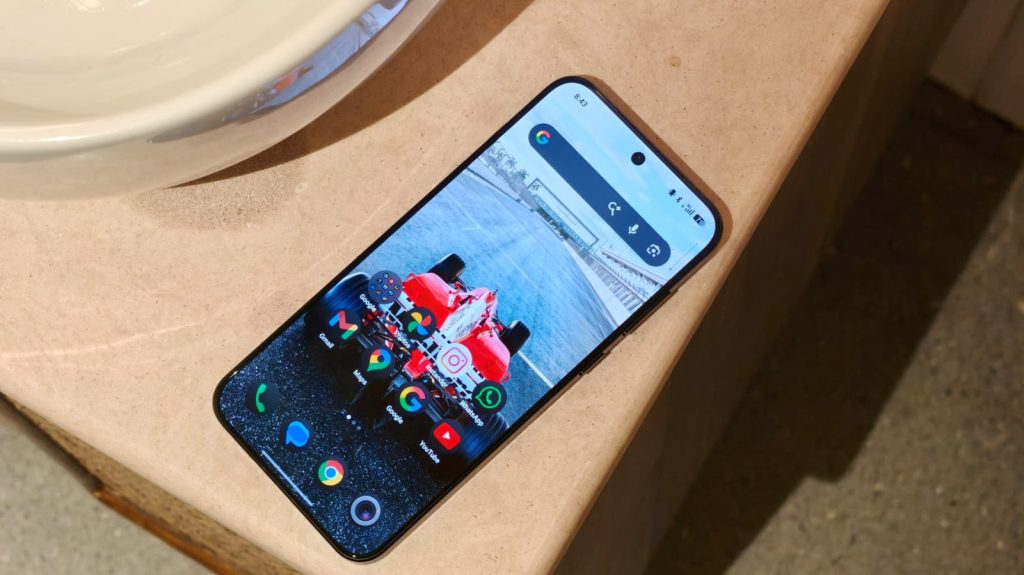
The OPPO Find X9 features a 6.59-inch 2760×1256 AMOLED display with a 120 Hz refresh rate. Like all flagships, the display is flat and features tons of bells and whistles. The panel supports 10-bit colors, Dolby Vision, HDR10+, and HDR Vivid, covering 100% of the DCI-P3 color space. As you may have already guessed, the Find X9’s display is majestic to look at. Colors pop, the content looks crisp, and even the HDR performance is really good. I had an amazing time watching Pluribus while waiting for my recent flight at the airport.

Brightness also gets full marks, as the X9 can go up to 3600 nits in direct sunlight. All texts were legible, and I could continue scrolling through reels while taking my morning walk. There’s also 3840Hz PWM Dimming, which is super helpful for people with sensitive eyes in darker environments. Regarding durability, OPPO has gone with Corning’s Gorilla Glass Victus 2, which fared pretty well in my testing. I primarily used the phone without a case, and although there are some minor scratches, nothing major occurred. Though it’s always great to use a screen protector, and OPPO does pre-apply one.

Performance

Under the hood, the OPPO Find X9 houses MediaTek’s all-new Dimensity 9500 processor, which includes one C1-Ultra core running at 4210 MHz, three  C1-Premium cores running at 3600 MHz, and four C1-Pro cores running at 2700 MHz, along with Mali-G1 Ultra MP12 GPU. My review unit also came with 16GB of LPDDR5X RAM and 512GB of internal storage.

Specs aside, the Find X9 is an excellent performer. Apps open instantly, there’s no delay when launching games, and switching between different tasks feels like a breeze. All this is also thanks to the all-new ColorOS 16 Android skin, and oh boy, I’m a sucker for silky smooth animations. OPPO already had the best Android skin with last year’s X8, but this time, they’ve built on those metrics to make the experience feel that much better. Yes, I have seen some design cues from Apple, such as the half-hearted glass design, but all this pales in comparison to the overall smoothness. OPPO has put thought and care into every small animation and cue, which pays dividends.

Then there are the features. I’ve been using the X8 for a year, and I still find new features buried every day. For example, I recently discovered this setting that, when enabled, notifies you that someone else is looking at your phone from behind. That’s genius for travelling in public transport. All the same compliments can be said for the X9 as well. The highlight feature for this year is the AI MindSpace app, which acts like a shelf to store all your random ideas, which the AI automatically arranges for you. In practice, it worked pretty well. Then there are the AI call features, which can record calls, summarize them, and even translate to and from different languages. AI also takes a prominent role in the image editing suite, and its Relight feature is probably the best of them all. It adds more lighting to faces in dark environments in a way that looks real.

Benchmarks & Gaming

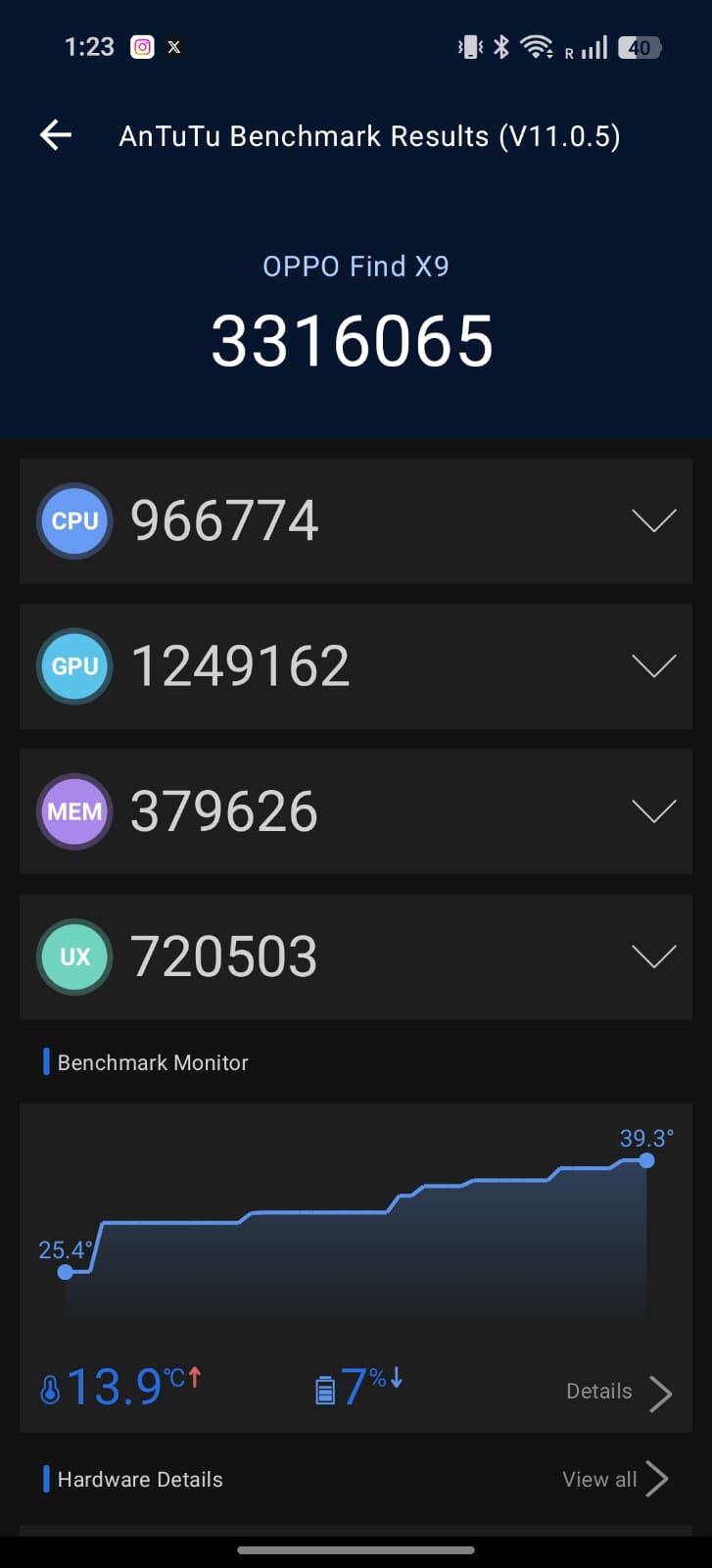
To test the limits of the new 9500 processor, I ran a series of benchmarks, and the numbers were quite impressive. In Geekbench, the X9 achieved 3027 points in the single-core test and 8738 points in the multi-core test. The good news continues in AnTuTu, where the device scored 3,316,065 points. For context, the X8 scored 2301480 on the same test, which is a 40% increase.

All these numbers translate beautifully in the gaming performance of the X9, which is stellar. I had a really good time playing BGMI with my friends for hours, while running the Smooth and Ultra Extreme settings. The gameplay at 120Hz was really good, with no dropped frames or heating after a couple of hours.

Battery Life
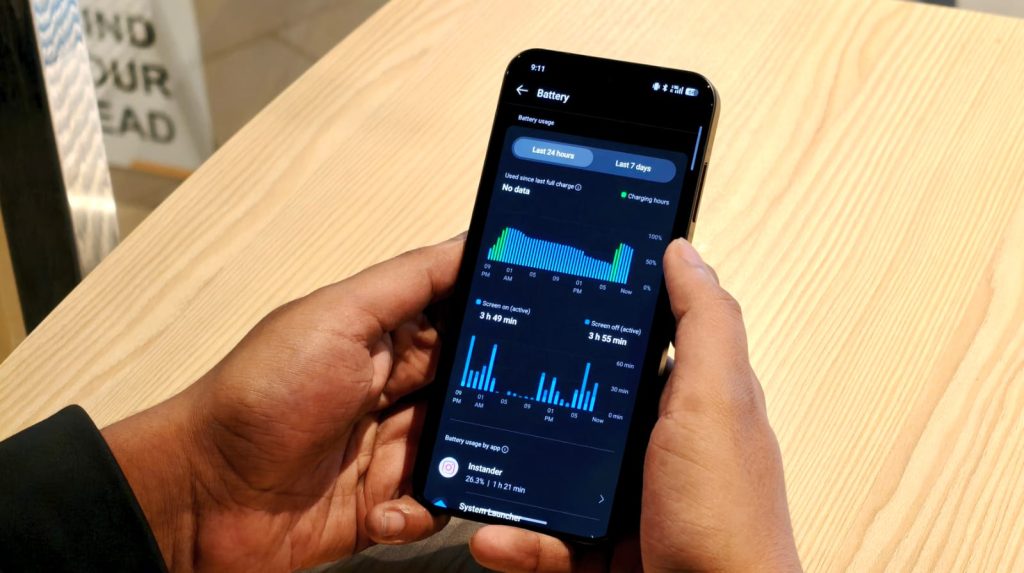
Battery life was one of the strongest points of last year’s X8, and somehow, OPPO has managed to make it even better. The new X9 features a massive 7,025 mAh silicon-carbon battery, and it’s the best I’ve ever tested. Never once have I failed to kill a phone on a camera sample shooting day, but it happened with the X9, and it’s the end of battery anxiety. For context, I got an easy two days of battery life on a single charge, with screen-on-time for each day being roughly 5-6 hours. During my days, I mindlessly scrolled reels, watched YouTube, and played BGMI.

When it was time to charge the X9, it was a super easy job, thanks to the included 80W SUPERVOOC charger, which took the battery from 20% to 80% in under 30 minutes. For my wireless charging geeks, there’s support for 50W of fast wireless charging, though you’ll need a specific OPPO charger to get those speeds.

Cameras
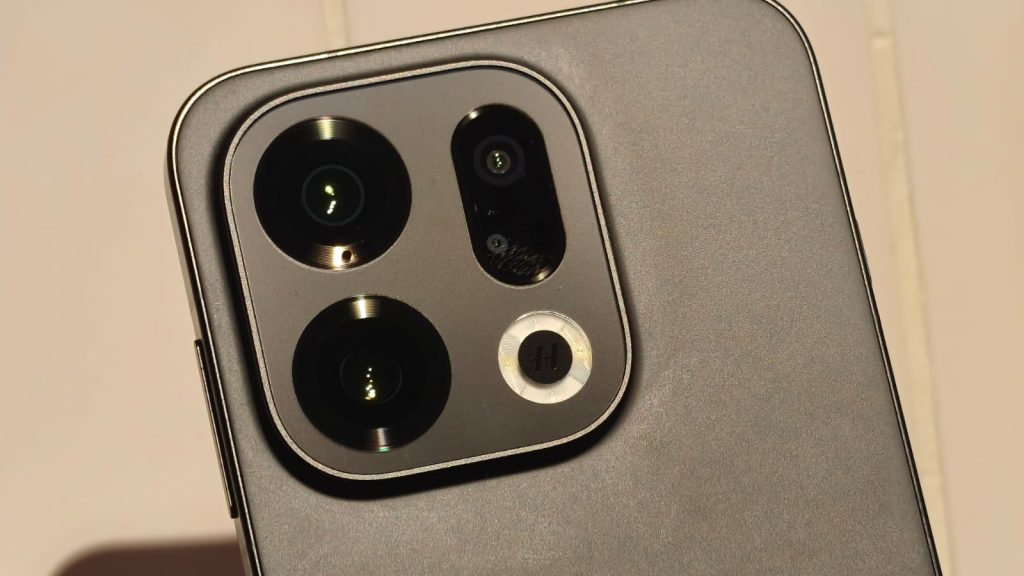
The Find X9 features a triple camera setup, comprising a primary 50 MP Sony LYT-808 sensor, coupled with another 50 MP Sony LYT-600 telephoto lens and a 50MP Samsung 5KJN5 15mm UltraWide lens. Specs aside, if I had to use one word for the X9 cameras, it would be options. There’s just so much to do in the camera app that you can be engrossed in it for hours. OPPO has introduced a new LUMO engine that aims to preserve the photos in the way our eyes perceive them. In practice, it has worked fantastically. The X9’s cameras capture excellently detailed photos in both daytime and nighttime scenarios, which not only look pleasing to the eye but also have accurate white balance and ISO. The shutter speed has been improved over the previous generation, meaning it takes less time for night mode shots.

Unlike OnePlus, the Hasselblad partnership is still alive and well in the Find X9 series, and this time, the company has introduced a range of new filters for various capturing scenarios. Sure, it’s not something most people would use, but for those like me who love to tinker, it’s a super useful tool for making photos stand out. I’ve always been a fan of the XPAN mode and the way it captures details and colors. The good news continues with the portrait shots, which take advantage of the telephoto sensor to produce photos with crisp details, a really nice and shallow depth of field, and even accurate colors. You can even change how much bokeh you want afterwards in the editing suite.

While the telephoto sensor hasn’t changed, its tuning has, as photos and videos captured at 10x to 30x show slightly more detail compared to its predecessor. The UltraWide lens also takes detailed photos in almost all lighting and maintains color consistency with the other two lenses. Just note that shooting moving subjects in super dark conditions can be a challenge, as the sensor needs more time to capture light.

Beyond photos, videos are a huge step up, as the primary sensor can now record in 4K at 120 FPS, which is next-level. This means you can capture those slow-motion, dreamy videos while maintaining the resolution. I tried it, and the quality was really good, though you do need good lighting. Plus, nighttime video recording has seen a significant improvement, with a noticeable difference in lighting between my X8 and the X9, with the latter capturing more details. Lastly, while I don’t take many selfies, the 32 MP shooter served me quite well for the odd scenarios, with accurate skin tones and limited beautification.

Should you buy the OPPO Find X9?
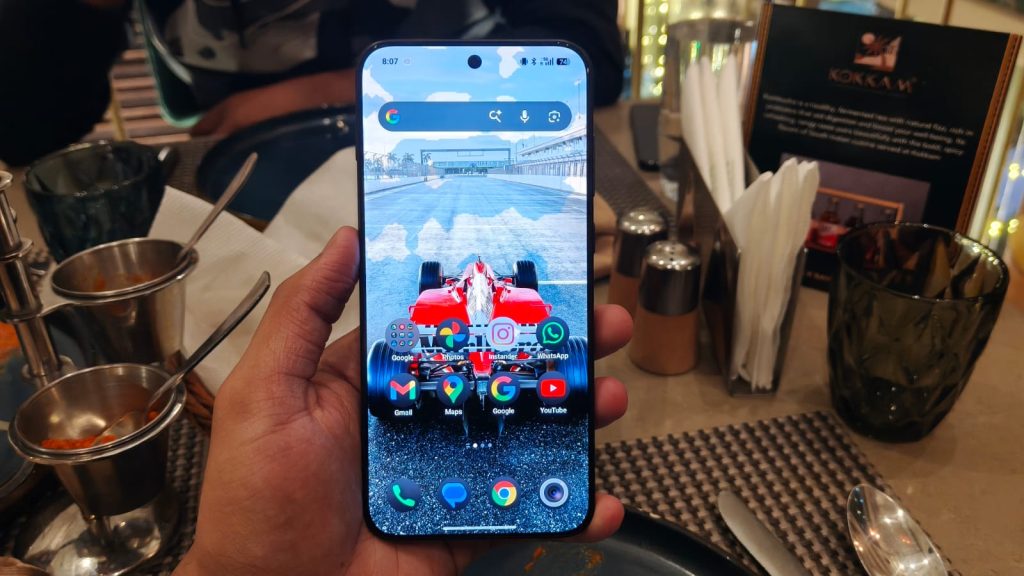
OPPO Find X9 from the front

At INR 74,999, the OPPO Find X9 has received a price bump of 5K and now costs exactly the same as the OnePlus 15, and it’s honestly the better phone. For the price, you get a much improved processor, a battery that can last for days, and a camera setup that’s versatile and captures great photos and videos, in every condition. I’d be hard-pressed to find a more complete phone at any price point. Yes, the X9 Pro has a better telephoto sensor and an even better battery, but the regular model is what I’d recommend for most people.

Source link
#OPPO #Find #Review #Flagship

The Esports World Cup 2026 has just begun in Paris and is expected to see thousands of players compete over the coming weeks. The tournament will continue until August 23 at the Paris Expo Porte de Versailles. The event has seen the participation of over 2,000 professional players and over 200 esports teams from over 100 nations. With a record $75 million prize pool on the line, the event promises weeks of intense competition across some of the world’s most popular games like PUBG Mobile. Here’s everything you need to know.

Players had to compete through the biggest qualification program in Esports World Cup history. More than 1.5 million players joined the qualification process. Organizers hosted around 330 qualifying tournaments, publisher leagues, and international circuits worldwide. Only the best-performing players and teams reached the final stage in Paris.

Club Championship Returns with Massive Rewards

The Club Championship remains one of the major highlights of the Esports World Cup 2026. Points can be scored by different teams playing many games over seven weeks. The championship will not be about winning a particular title but rather about the clubs’ performance. As much as $30 million in total will be awarded across different positions, with the winner receiving $7 million. Team Falcons will aim for another successful campaign after winning previous editions.

The Esports World Cup 2026 has retained Cristiano Ronaldo and Magnus Carlsen as Global Ambassadors. Both icons represent excellence in their respective fields. The involvement of these individuals enables the link between the worlds of esports, football, and chess.

[embed]https://www.youtube.com/watch?v=ZGJhWLYQjrU[/embed]

Games Included in Esports World Cup 2026

The Esports World Cup 2026 comprises 25 tournaments across 24 esports titles. Some of the best-known games on PC, console, and mobile platforms will be represented in this list.

VALORANTCounter-Strike 2Dota 2
League of LegendsPUBG MOBILEPUBG: Battlegrounds
FortniteApex LegendsRocket League
EA SPORTS FC 26Call of Duty: Black Ops 7Call of Duty: Warzone
ChessTekken 8Street Fighter 6
Honor of KingsMobile Legends: Bang BangOverwatch 2
Rainbow Six Siege XTeamfight TacticsFree Fire
CrossfireFatal Fury: City of the WolvesTrackmania

The 2026 Esports World Cup will be widely available on TV and online platforms. Viewers from more than 160 countries can follow the tournament on television and the Internet. Coverage will be available in more than 40 languages worldwide, and over 100 broadcasting partners will air the tournament. There will be over 7,000 hours of live coverage and 5,000 official co-streamers.

#Esports #World #Cup #Opens #PariseSports">Esports World Cup 2026 Opens in Paris: Everything You Need to Know
	
The Esports World Cup 2026 has just begun in Paris and is expected to see thousands of players compete over the coming weeks. The tournament will continue until August 23 at the Paris Expo Porte de Versailles. The event has seen the participation of over 2,000 professional players and over 200 esports teams from over 100 nations. With a record  million prize pool on the line, the event promises weeks of intense competition across some of the world’s most popular games like PUBG Mobile. Here’s everything you need to know.


Players had to compete through the biggest qualification program in Esports World Cup history. More than 1.5 million players joined the qualification process. Organizers hosted around 330 qualifying tournaments, publisher leagues, and international circuits worldwide. Only the best-performing players and teams reached the final stage in Paris.


Club Championship Returns with Massive Rewards


The Club Championship remains one of the major highlights of the Esports World Cup 2026. Points can be scored by different teams playing many games over seven weeks. The championship will not be about winning a particular title but rather about the clubs’ performance. As much as  million in total will be awarded across different positions, with the winner receiving  million. Team Falcons will aim for another successful campaign after winning previous editions.


The Esports World Cup 2026 has retained Cristiano Ronaldo and Magnus Carlsen as Global Ambassadors. Both icons represent excellence in their respective fields. The involvement of these individuals enables the link between the worlds of esports, football, and chess.


[embed]https://www.youtube.com/watch?v=ZGJhWLYQjrU[/embed]


Games Included in Esports World Cup 2026


The Esports World Cup 2026 comprises 25 tournaments across 24 esports titles. Some of the best-known games on PC, console, and mobile platforms will be represented in this list.


VALORANTCounter-Strike 2Dota 2League of LegendsPUBG MOBILEPUBG: BattlegroundsFortniteApex LegendsRocket LeagueEA SPORTS FC 26Call of Duty: Black Ops 7Call of Duty: WarzoneChessTekken 8Street Fighter 6Honor of KingsMobile Legends: Bang BangOverwatch 2Rainbow Six Siege XTeamfight TacticsFree FireCrossfireFatal Fury: City of the WolvesTrackmania


The 2026 Esports World Cup will be widely available on TV and online platforms. Viewers from more than 160 countries can follow the tournament on television and the Internet. Coverage will be available in more than 40 languages worldwide, and over 100 broadcasting partners will air the tournament. There will be over 7,000 hours of live coverage and 5,000 official co-streamers.

#Esports #World #Cup #Opens #PariseSports

PUBG Mobile. Here’s everything you need to know.

Players had to compete through the biggest qualification program in Esports World Cup history. More than 1.5 million players joined the qualification process. Organizers hosted around 330 qualifying tournaments, publisher leagues, and international circuits worldwide. Only the best-performing players and teams reached the final stage in Paris.

Club Championship Returns with Massive Rewards

The Club Championship remains one of the major highlights of the Esports World Cup 2026. Points can be scored by different teams playing many games over seven weeks. The championship will not be about winning a particular title but rather about the clubs’ performance. As much as $30 million in total will be awarded across different positions, with the winner receiving $7 million. Team Falcons will aim for another successful campaign after winning previous editions.

The Esports World Cup 2026 has retained Cristiano Ronaldo and Magnus Carlsen as Global Ambassadors. Both icons represent excellence in their respective fields. The involvement of these individuals enables the link between the worlds of esports, football, and chess.

[embed]https://www.youtube.com/watch?v=ZGJhWLYQjrU[/embed]

Games Included in Esports World Cup 2026

The Esports World Cup 2026 comprises 25 tournaments across 24 esports titles. Some of the best-known games on PC, console, and mobile platforms will be represented in this list.

VALORANTCounter-Strike 2Dota 2
League of LegendsPUBG MOBILEPUBG: Battlegrounds
FortniteApex LegendsRocket League
EA SPORTS FC 26Call of Duty: Black Ops 7Call of Duty: Warzone
ChessTekken 8Street Fighter 6
Honor of KingsMobile Legends: Bang BangOverwatch 2
Rainbow Six Siege XTeamfight TacticsFree Fire
CrossfireFatal Fury: City of the WolvesTrackmania

The 2026 Esports World Cup will be widely available on TV and online platforms. Viewers from more than 160 countries can follow the tournament on television and the Internet. Coverage will be available in more than 40 languages worldwide, and over 100 broadcasting partners will air the tournament. There will be over 7,000 hours of live coverage and 5,000 official co-streamers.

#Esports #World #Cup #Opens #PariseSports">Esports World Cup 2026 Opens in Paris: Everything You Need to Know

The Esports World Cup 2026 has just begun in Paris and is expected to see thousands of players compete over the coming weeks. The tournament will continue until August 23 at the Paris Expo Porte de Versailles. The event has seen the participation of over 2,000 professional players and over 200 esports teams from over 100 nations. With a record $75 million prize pool on the line, the event promises weeks of intense competition across some of the world’s most popular games like PUBG Mobile. Here’s everything you need to know.

Players had to compete through the biggest qualification program in Esports World Cup history. More than 1.5 million players joined the qualification process. Organizers hosted around 330 qualifying tournaments, publisher leagues, and international circuits worldwide. Only the best-performing players and teams reached the final stage in Paris.

Club Championship Returns with Massive Rewards

The Club Championship remains one of the major highlights of the Esports World Cup 2026. Points can be scored by different teams playing many games over seven weeks. The championship will not be about winning a particular title but rather about the clubs’ performance. As much as $30 million in total will be awarded across different positions, with the winner receiving $7 million. Team Falcons will aim for another successful campaign after winning previous editions.

The Esports World Cup 2026 has retained Cristiano Ronaldo and Magnus Carlsen as Global Ambassadors. Both icons represent excellence in their respective fields. The involvement of these individuals enables the link between the worlds of esports, football, and chess.

[embed]https://www.youtube.com/watch?v=ZGJhWLYQjrU[/embed]

Games Included in Esports World Cup 2026

The Esports World Cup 2026 comprises 25 tournaments across 24 esports titles. Some of the best-known games on PC, console, and mobile platforms will be represented in this list.

VALORANTCounter-Strike 2Dota 2
League of LegendsPUBG MOBILEPUBG: Battlegrounds
FortniteApex LegendsRocket League
EA SPORTS FC 26Call of Duty: Black Ops 7Call of Duty: Warzone
ChessTekken 8Street Fighter 6
Honor of KingsMobile Legends: Bang BangOverwatch 2
Rainbow Six Siege XTeamfight TacticsFree Fire
CrossfireFatal Fury: City of the WolvesTrackmania

The 2026 Esports World Cup will be widely available on TV and online platforms. Viewers from more than 160 countries can follow the tournament on television and the Internet. Coverage will be available in more than 40 languages worldwide, and over 100 broadcasting partners will air the tournament. There will be over 7,000 hours of live coverage and 5,000 official co-streamers.

#Esports #World #Cup #Opens #PariseSports

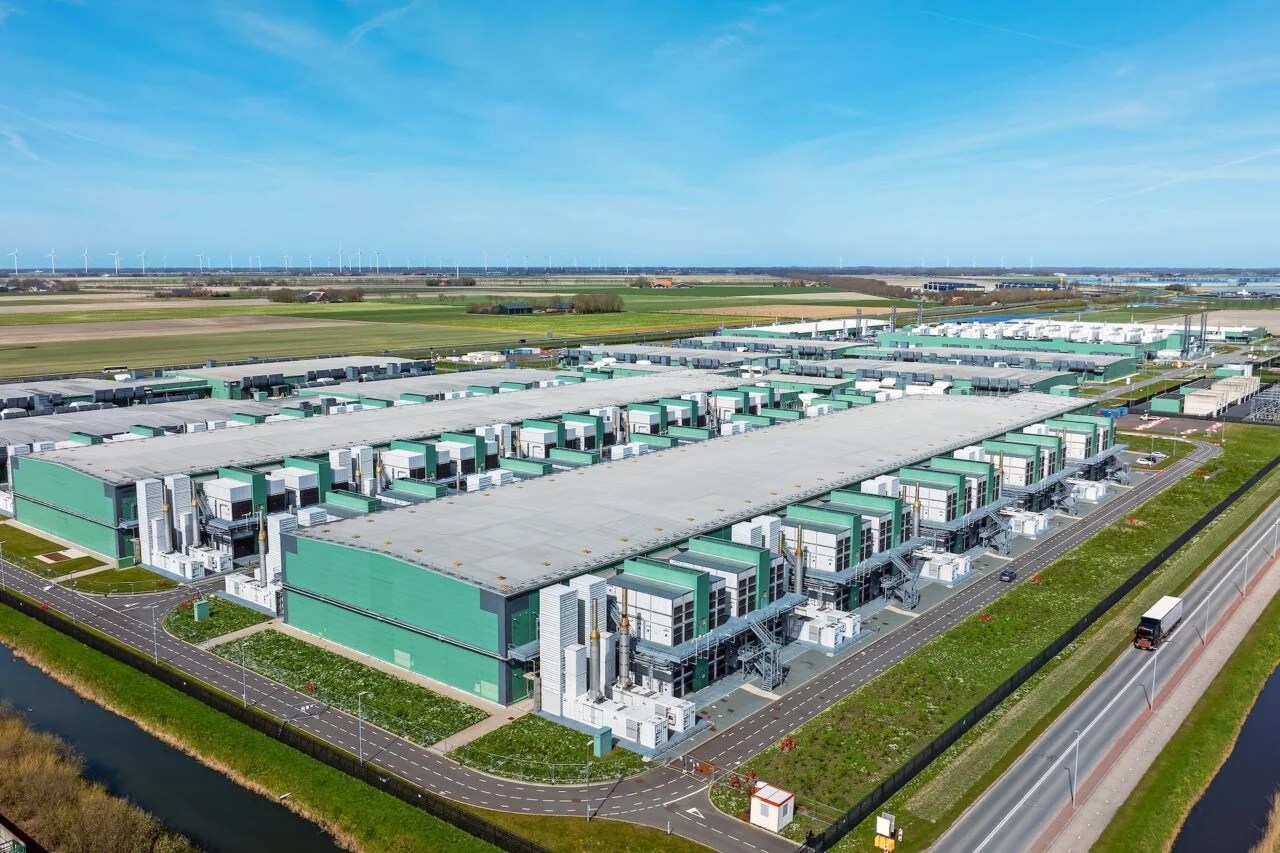
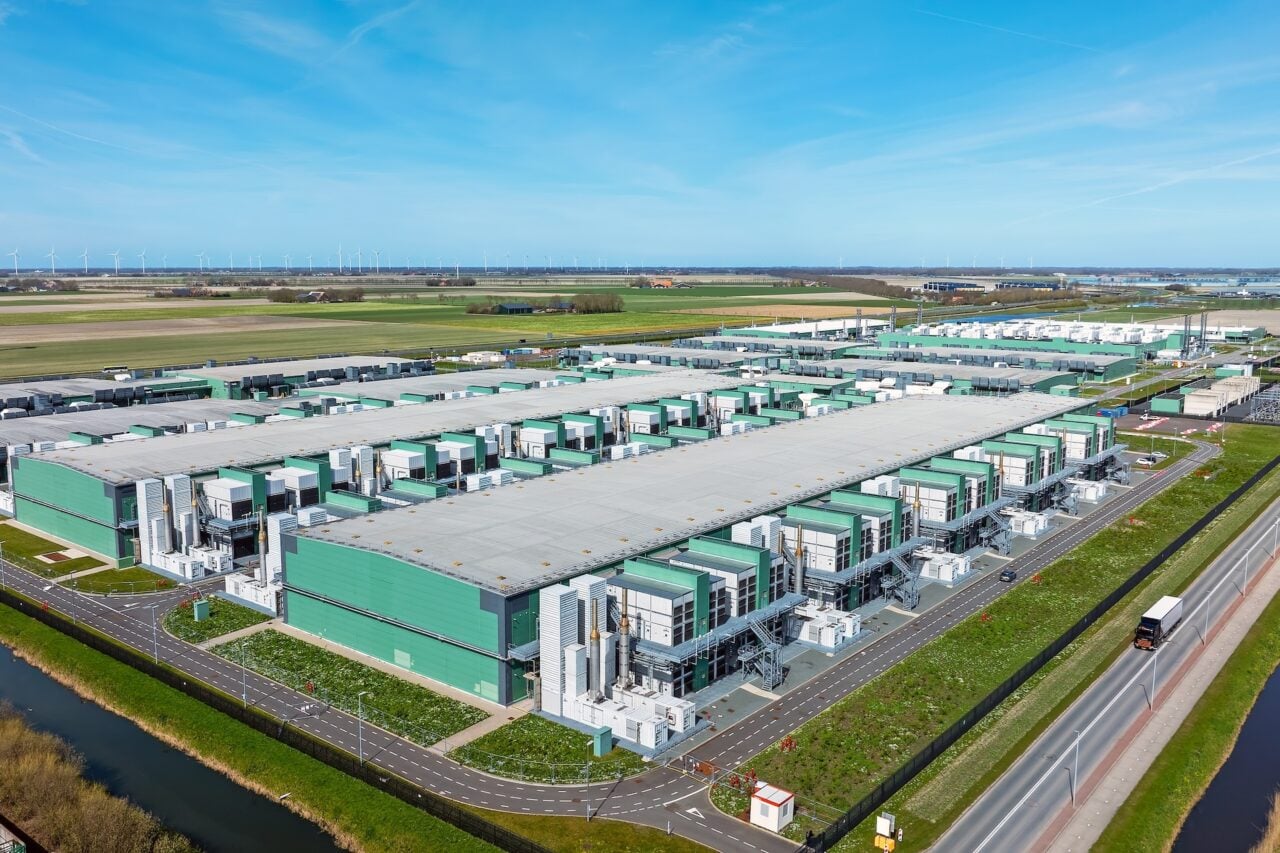
Like it or not, data centers are now intrinsic to our modern lives, supporting not just the AI boom but healthcare, banking, government services, and other essential sectors. Reliable data center operation depends on effective cooling, which is already a major challenge as many methods require huge inputs of water or energy. To make matters worse, new research suggests that one of our cheapest, most efficient cooling strategies could stop working in a warmer world.

The findings, published Monday in the journal Scientific Reports, show that rising temperatures and humidity levels threaten the viability of direct air free cooling, an energy-efficient, waterless technique that pulls outside air in to cool data center servers. Over the past 45 years, weather conditions that limit direct air cooling have become significantly more common, particularly across the tropics and the southeastern United States, according to the study. As the global temperature continues to rise, this problem is only going to get worse.

“We found that periods of time when temperature and humidity exceed recommended operating thresholds for direct air free cooling are becoming more frequent and lasting longer in many regions,” lead author Christina Karamperidou, a professor of atmospheric sciences professor at the University of Hawaii at Mānoa, said in a statement. “This will reduce the availability of air free cooling for a growing number of data centers globally.”

Climate-driven cooling constraints

For direct air free cooling, the American Society of Heating, Refrigerating and Air-Conditioning Engineers recommends keeping the air entering a data center between 64 and 81 degrees Fahrenheit (18 and 27 degrees Celsius), with 10% to 70% relative humidity and a dew point below 59 degrees F (15 degrees C). Air that is hotter and more humid than this won’t cool the servers effectively and could corrode metal components.

To investigate how this cooling method will function in a warmer, wetter world, Karamperidou and her colleagues used a combination of high-resolution hourly weather observations, climate model simulations, and global records of data center locations. With this data, they evaluated how often environmental conditions exceeded recommended operating limits for direct air free cooling over the past 45 years and in future climate scenarios.

The researchers found that the prevalence of weather conditions that limit direct air free cooling has increased significantly in recent decades. Even regions that have only seen modest long-term increases in heat and humidity are experiencing longer daily exceedance events, and the share of data centers exposed to conditions that limit direct air free cooling availability for at least one quarter of the year is rising.

Interestingly, the findings suggest that the hottest, most humid days are intensifying faster than average days, indicating that environmental stress on direct air free cooling systems is become more and more concentrated in rare, highly consequential events.

“From an operational perspective, those worst-day conditions often drive contingency planning, system overrides, redundancy requirements, and reliability decisions,” Karamperidou said. “This suggests that infrastructure planning may need to account not only for average environmental conditions but also for how the most stressful days are changing over time.”

By 2050, the number of hours that exceed temperature and humidity limits for direct air free cooling is protected to increase under high greenhouse gas emissions scenarios, according to the researchers. In most regions globally, the average number of hours per day during which this cooling strategy is constrained increases by more than two hours per day, the findings show.

A troubling feedback loop

While this study focuses on how weather can influence data centers, it’s important to remember that data centers can influence local weather too. These facilities dissipate a lot of heat, and research has shown that they can actually create heat islands within a 6-mile radius of themselves.

Karamperidou and her colleagues did not account for this effect, so the direct air free cooling constraints they identified may be conservative, they write in their report. Still, they emphasize that their findings do not mean that this cooling strategy is necessarily infeasible in warm, humid regions. Rather, the study shows that the window of feasibility for direct air free cooling is narrowing due to climate change.

“Alternative strategies—including indirect evaporative cooling, liquid cooling, and hybrid architectures—can partially offset these constraints, albeit with distinct trade-offs in water use, system complexity, and operational design,” the researchers write.

Indeed, as one of the simplest, cheapest, and most efficient cooling strategies becomes increasingly unreliable, data center operators may be forced to turn to more energy- and water-intensive methods. This, in turn, could put added strain on electric grids and water resources that are themselves strained by climate change. Adapting data centers to a warming world without exacerbating the impacts of rising global temperatures will require innovative solutions.

#Cheapest #Cool #Data #Centers #Wont #Work #Warmer #WorldAI,data centers,extreme heat,Global warming">The Cheapest Way to Cool Data Centers Won’t Work in a Warmer World 
                Like it or not, data centers are now intrinsic to our modern lives, supporting not just the AI boom but healthcare, banking, government services, and other essential sectors. Reliable data center operation depends on effective cooling, which is already a major challenge as many methods require huge inputs of water or energy. To make matters worse, new research suggests that one of our cheapest, most efficient cooling strategies could stop working in a warmer world. The findings, published Monday in the journal Scientific Reports, show that rising temperatures and humidity levels threaten the viability of direct air free cooling, an energy-efficient, waterless technique that pulls outside air in to cool data center servers. Over the past 45 years, weather conditions that limit direct air cooling have become significantly more common, particularly across the tropics and the southeastern United States, according to the study. As the global temperature continues to rise, this problem is only going to get worse. “We found that periods of time when temperature and humidity exceed recommended operating thresholds for direct air free cooling are becoming more frequent and lasting longer in many regions,” lead author Christina Karamperidou, a professor of atmospheric sciences professor at the University of Hawaii at Mānoa, said in a statement. “This will reduce the availability of air free cooling for a growing number of data centers globally.”

 Climate-driven cooling constraints For direct air free cooling, the American Society of Heating, Refrigerating and Air-Conditioning Engineers recommends keeping the air entering a data center between 64 and 81 degrees Fahrenheit (18 and 27 degrees Celsius), with 10% to 70% relative humidity and a dew point below 59 degrees F (15 degrees C). Air that is hotter and more humid than this won’t cool the servers effectively and could corrode metal components.

 To investigate how this cooling method will function in a warmer, wetter world, Karamperidou and her colleagues used a combination of high-resolution hourly weather observations, climate model simulations, and global records of data center locations. With this data, they evaluated how often environmental conditions exceeded recommended operating limits for direct air free cooling over the past 45 years and in future climate scenarios. The researchers found that the prevalence of weather conditions that limit direct air free cooling has increased significantly in recent decades. Even regions that have only seen modest long-term increases in heat and humidity are experiencing longer daily exceedance events, and the share of data centers exposed to conditions that limit direct air free cooling availability for at least one quarter of the year is rising.

 Interestingly, the findings suggest that the hottest, most humid days are intensifying faster than average days, indicating that environmental stress on direct air free cooling systems is become more and more concentrated in rare, highly consequential events. “From an operational perspective, those worst-day conditions often drive contingency planning, system overrides, redundancy requirements, and reliability decisions,” Karamperidou said. “This suggests that infrastructure planning may need to account not only for average environmental conditions but also for how the most stressful days are changing over time.” By 2050, the number of hours that exceed temperature and humidity limits for direct air free cooling is protected to increase under high greenhouse gas emissions scenarios, according to the researchers. In most regions globally, the average number of hours per day during which this cooling strategy is constrained increases by more than two hours per day, the findings show.

 A troubling feedback loop While this study focuses on how weather can influence data centers, it’s important to remember that data centers can influence local weather too. These facilities dissipate a lot of heat, and research has shown that they can actually create heat islands within a 6-mile radius of themselves. Karamperidou and her colleagues did not account for this effect, so the direct air free cooling constraints they identified may be conservative, they write in their report. Still, they emphasize that their findings do not mean that this cooling strategy is necessarily infeasible in warm, humid regions. Rather, the study shows that the window of feasibility for direct air free cooling is narrowing due to climate change.

 “Alternative strategies—including indirect evaporative cooling, liquid cooling, and hybrid architectures—can partially offset these constraints, albeit with distinct trade-offs in water use, system complexity, and operational design,” the researchers write. Indeed, as one of the simplest, cheapest, and most efficient cooling strategies becomes increasingly unreliable, data center operators may be forced to turn to more energy- and water-intensive methods. This, in turn, could put added strain on electric grids and water resources that are themselves strained by climate change. Adapting data centers to a warming world without exacerbating the impacts of rising global temperatures will require innovative solutions.      #Cheapest #Cool #Data #Centers #Wont #Work #Warmer #WorldAI,data centers,extreme heat,Global warming

AI boom but healthcare, banking, government services, and other essential sectors. Reliable data center operation depends on effective cooling, which is already a major challenge as many methods require huge inputs of water or energy. To make matters worse, new research suggests that one of our cheapest, most efficient cooling strategies could stop working in a warmer world.

The findings, published Monday in the journal Scientific Reports, show that rising temperatures and humidity levels threaten the viability of direct air free cooling, an energy-efficient, waterless technique that pulls outside air in to cool data center servers. Over the past 45 years, weather conditions that limit direct air cooling have become significantly more common, particularly across the tropics and the southeastern United States, according to the study. As the global temperature continues to rise, this problem is only going to get worse.

“We found that periods of time when temperature and humidity exceed recommended operating thresholds for direct air free cooling are becoming more frequent and lasting longer in many regions,” lead author Christina Karamperidou, a professor of atmospheric sciences professor at the University of Hawaii at Mānoa, said in a statement. “This will reduce the availability of air free cooling for a growing number of data centers globally.”

Climate-driven cooling constraints

For direct air free cooling, the American Society of Heating, Refrigerating and Air-Conditioning Engineers recommends keeping the air entering a data center between 64 and 81 degrees Fahrenheit (18 and 27 degrees Celsius), with 10% to 70% relative humidity and a dew point below 59 degrees F (15 degrees C). Air that is hotter and more humid than this won’t cool the servers effectively and could corrode metal components.

To investigate how this cooling method will function in a warmer, wetter world, Karamperidou and her colleagues used a combination of high-resolution hourly weather observations, climate model simulations, and global records of data center locations. With this data, they evaluated how often environmental conditions exceeded recommended operating limits for direct air free cooling over the past 45 years and in future climate scenarios.

The researchers found that the prevalence of weather conditions that limit direct air free cooling has increased significantly in recent decades. Even regions that have only seen modest long-term increases in heat and humidity are experiencing longer daily exceedance events, and the share of data centers exposed to conditions that limit direct air free cooling availability for at least one quarter of the year is rising.

Interestingly, the findings suggest that the hottest, most humid days are intensifying faster than average days, indicating that environmental stress on direct air free cooling systems is become more and more concentrated in rare, highly consequential events.

“From an operational perspective, those worst-day conditions often drive contingency planning, system overrides, redundancy requirements, and reliability decisions,” Karamperidou said. “This suggests that infrastructure planning may need to account not only for average environmental conditions but also for how the most stressful days are changing over time.”

By 2050, the number of hours that exceed temperature and humidity limits for direct air free cooling is protected to increase under high greenhouse gas emissions scenarios, according to the researchers. In most regions globally, the average number of hours per day during which this cooling strategy is constrained increases by more than two hours per day, the findings show.

A troubling feedback loop

While this study focuses on how weather can influence data centers, it’s important to remember that data centers can influence local weather too. These facilities dissipate a lot of heat, and research has shown that they can actually create heat islands within a 6-mile radius of themselves.

Karamperidou and her colleagues did not account for this effect, so the direct air free cooling constraints they identified may be conservative, they write in their report. Still, they emphasize that their findings do not mean that this cooling strategy is necessarily infeasible in warm, humid regions. Rather, the study shows that the window of feasibility for direct air free cooling is narrowing due to climate change.

“Alternative strategies—including indirect evaporative cooling, liquid cooling, and hybrid architectures—can partially offset these constraints, albeit with distinct trade-offs in water use, system complexity, and operational design,” the researchers write.

Indeed, as one of the simplest, cheapest, and most efficient cooling strategies becomes increasingly unreliable, data center operators may be forced to turn to more energy- and water-intensive methods. This, in turn, could put added strain on electric grids and water resources that are themselves strained by climate change. Adapting data centers to a warming world without exacerbating the impacts of rising global temperatures will require innovative solutions.

#Cheapest #Cool #Data #Centers #Wont #Work #Warmer #WorldAI,data centers,extreme heat,Global warming">The Cheapest Way to Cool Data Centers Won’t Work in a Warmer World The Cheapest Way to Cool Data Centers Won’t Work in a Warmer World 
                Like it or not, data centers are now intrinsic to our modern lives, supporting not just the AI boom but healthcare, banking, government services, and other essential sectors. Reliable data center operation depends on effective cooling, which is already a major challenge as many methods require huge inputs of water or energy. To make matters worse, new research suggests that one of our cheapest, most efficient cooling strategies could stop working in a warmer world. The findings, published Monday in the journal Scientific Reports, show that rising temperatures and humidity levels threaten the viability of direct air free cooling, an energy-efficient, waterless technique that pulls outside air in to cool data center servers. Over the past 45 years, weather conditions that limit direct air cooling have become significantly more common, particularly across the tropics and the southeastern United States, according to the study. As the global temperature continues to rise, this problem is only going to get worse. “We found that periods of time when temperature and humidity exceed recommended operating thresholds for direct air free cooling are becoming more frequent and lasting longer in many regions,” lead author Christina Karamperidou, a professor of atmospheric sciences professor at the University of Hawaii at Mānoa, said in a statement. “This will reduce the availability of air free cooling for a growing number of data centers globally.”

 Climate-driven cooling constraints For direct air free cooling, the American Society of Heating, Refrigerating and Air-Conditioning Engineers recommends keeping the air entering a data center between 64 and 81 degrees Fahrenheit (18 and 27 degrees Celsius), with 10% to 70% relative humidity and a dew point below 59 degrees F (15 degrees C). Air that is hotter and more humid than this won’t cool the servers effectively and could corrode metal components.

 To investigate how this cooling method will function in a warmer, wetter world, Karamperidou and her colleagues used a combination of high-resolution hourly weather observations, climate model simulations, and global records of data center locations. With this data, they evaluated how often environmental conditions exceeded recommended operating limits for direct air free cooling over the past 45 years and in future climate scenarios. The researchers found that the prevalence of weather conditions that limit direct air free cooling has increased significantly in recent decades. Even regions that have only seen modest long-term increases in heat and humidity are experiencing longer daily exceedance events, and the share of data centers exposed to conditions that limit direct air free cooling availability for at least one quarter of the year is rising.

 Interestingly, the findings suggest that the hottest, most humid days are intensifying faster than average days, indicating that environmental stress on direct air free cooling systems is become more and more concentrated in rare, highly consequential events. “From an operational perspective, those worst-day conditions often drive contingency planning, system overrides, redundancy requirements, and reliability decisions,” Karamperidou said. “This suggests that infrastructure planning may need to account not only for average environmental conditions but also for how the most stressful days are changing over time.” By 2050, the number of hours that exceed temperature and humidity limits for direct air free cooling is protected to increase under high greenhouse gas emissions scenarios, according to the researchers. In most regions globally, the average number of hours per day during which this cooling strategy is constrained increases by more than two hours per day, the findings show.

 A troubling feedback loop While this study focuses on how weather can influence data centers, it’s important to remember that data centers can influence local weather too. These facilities dissipate a lot of heat, and research has shown that they can actually create heat islands within a 6-mile radius of themselves. Karamperidou and her colleagues did not account for this effect, so the direct air free cooling constraints they identified may be conservative, they write in their report. Still, they emphasize that their findings do not mean that this cooling strategy is necessarily infeasible in warm, humid regions. Rather, the study shows that the window of feasibility for direct air free cooling is narrowing due to climate change.

 “Alternative strategies—including indirect evaporative cooling, liquid cooling, and hybrid architectures—can partially offset these constraints, albeit with distinct trade-offs in water use, system complexity, and operational design,” the researchers write. Indeed, as one of the simplest, cheapest, and most efficient cooling strategies becomes increasingly unreliable, data center operators may be forced to turn to more energy- and water-intensive methods. This, in turn, could put added strain on electric grids and water resources that are themselves strained by climate change. Adapting data centers to a warming world without exacerbating the impacts of rising global temperatures will require innovative solutions.      #Cheapest #Cool #Data #Centers #Wont #Work #Warmer #WorldAI,data centers,extreme heat,Global warming

Like it or not, data centers are now intrinsic to our modern lives, supporting not just the AI boom but healthcare, banking, government services, and other essential sectors. Reliable data center operation depends on effective cooling, which is already a major challenge as many methods require huge inputs of water or energy. To make matters worse, new research suggests that one of our cheapest, most efficient cooling strategies could stop working in a warmer world.

The findings, published Monday in the journal Scientific Reports, show that rising temperatures and humidity levels threaten the viability of direct air free cooling, an energy-efficient, waterless technique that pulls outside air in to cool data center servers. Over the past 45 years, weather conditions that limit direct air cooling have become significantly more common, particularly across the tropics and the southeastern United States, according to the study. As the global temperature continues to rise, this problem is only going to get worse.

“We found that periods of time when temperature and humidity exceed recommended operating thresholds for direct air free cooling are becoming more frequent and lasting longer in many regions,” lead author Christina Karamperidou, a professor of atmospheric sciences professor at the University of Hawaii at Mānoa, said in a statement. “This will reduce the availability of air free cooling for a growing number of data centers globally.”

Climate-driven cooling constraints

For direct air free cooling, the American Society of Heating, Refrigerating and Air-Conditioning Engineers recommends keeping the air entering a data center between 64 and 81 degrees Fahrenheit (18 and 27 degrees Celsius), with 10% to 70% relative humidity and a dew point below 59 degrees F (15 degrees C). Air that is hotter and more humid than this won’t cool the servers effectively and could corrode metal components.

To investigate how this cooling method will function in a warmer, wetter world, Karamperidou and her colleagues used a combination of high-resolution hourly weather observations, climate model simulations, and global records of data center locations. With this data, they evaluated how often environmental conditions exceeded recommended operating limits for direct air free cooling over the past 45 years and in future climate scenarios.

The researchers found that the prevalence of weather conditions that limit direct air free cooling has increased significantly in recent decades. Even regions that have only seen modest long-term increases in heat and humidity are experiencing longer daily exceedance events, and the share of data centers exposed to conditions that limit direct air free cooling availability for at least one quarter of the year is rising.

Interestingly, the findings suggest that the hottest, most humid days are intensifying faster than average days, indicating that environmental stress on direct air free cooling systems is become more and more concentrated in rare, highly consequential events.

“From an operational perspective, those worst-day conditions often drive contingency planning, system overrides, redundancy requirements, and reliability decisions,” Karamperidou said. “This suggests that infrastructure planning may need to account not only for average environmental conditions but also for how the most stressful days are changing over time.”

By 2050, the number of hours that exceed temperature and humidity limits for direct air free cooling is protected to increase under high greenhouse gas emissions scenarios, according to the researchers. In most regions globally, the average number of hours per day during which this cooling strategy is constrained increases by more than two hours per day, the findings show.

A troubling feedback loop

While this study focuses on how weather can influence data centers, it’s important to remember that data centers can influence local weather too. These facilities dissipate a lot of heat, and research has shown that they can actually create heat islands within a 6-mile radius of themselves.

Karamperidou and her colleagues did not account for this effect, so the direct air free cooling constraints they identified may be conservative, they write in their report. Still, they emphasize that their findings do not mean that this cooling strategy is necessarily infeasible in warm, humid regions. Rather, the study shows that the window of feasibility for direct air free cooling is narrowing due to climate change.

“Alternative strategies—including indirect evaporative cooling, liquid cooling, and hybrid architectures—can partially offset these constraints, albeit with distinct trade-offs in water use, system complexity, and operational design,” the researchers write.

Indeed, as one of the simplest, cheapest, and most efficient cooling strategies becomes increasingly unreliable, data center operators may be forced to turn to more energy- and water-intensive methods. This, in turn, could put added strain on electric grids and water resources that are themselves strained by climate change. Adapting data centers to a warming world without exacerbating the impacts of rising global temperatures will require innovative solutions.

#Cheapest #Cool #Data #Centers #Wont #Work #Warmer #WorldAI,data centers,extreme heat,Global warming

Post Comment