×
‘People Are So Proud of This’: How River and Lake Water Is Cooling Buildings

‘People Are So Proud of This’: How River and Lake Water Is Cooling Buildings

“In the old days, it was more like a luxury project,” says Deo de Klerk, team lead for heating and cooling solutions at the Dutch energy firm Eneco. Today, his company’s clients increasingly ask for district cooling as well as district heating systems. Eneco has 33 heating and cooling projects under construction. In Rotterdam, Netherlands, one of the company’s installations helps to cool buildings, including apartment blocks, police offices, a theater and restaurants, using water from the River Meuse.

It’s not hard to see why cooling technologies are getting more popular. A few years ago, Nayral moved out of Paris. She remembers the heat waves. “My routine during the weekend was to go to the parks,” she says. Nayral would sit there well into the evening—reading Les Misérables, no less—waiting for her apartment to cool down. Recently, she has increasingly found herself spending time in shopping malls, where air-conditioning is plentiful, in order to make it through searing hot French summers. This year, unprecedented heat waves hit France and other countries in Europe.

The city of Paris is now desperate to help its denizens find cool refuges during spells of extreme heat. A key component of Parisian climate adaptation plans is the river-supplied cooling network, the pipes for which currently cover a distance of 100 kilometers, though this is due to expand to 245 km by 2042. While around 800 buildings are served by the network today, those in charge aim to supply 3,000 buildings by that future date.

Systems such as Paris’ do not pump river water around properties. Rather, a loop of pipework brings river water into facilities where it soaks up warmth from a separate, closed loop of water that connects to buildings. That heat transfer is possible thanks to devices called heat exchangers. When cooled water in the separate loop later arrives at buildings, more heat exchangers allow it to cool down fluid in pipes that feed air-conditioning devices in individual rooms. Essentially, heat from, say, a packed conference room or tourist-filled art gallery is gradually transferred—pipe by pipe—to a river or lake.

The efficiency of Paris’ system varies throughout the year, but even at the height of summer, when the Seine is warm, the coefficient of performance (COP)—how many kilowatt-hours of cooling energy you get for every kilowatt-hour of electricity consumed by the system—does not dip much below 4. In the winter, when offices, museums, and hospitals still require some air-conditioning, the COP can be as high as 15, much higher than conventional air-conditioning systems. “It is absolutely magnificent,” boasts Nayral.

But those summer temperatures are increasingly a concern. This summer, the Seine briefly exceeded 27 degrees Celsius (81 degrees Fahrenheit), says Nayral. How can that cool anything? The answer is chiller devices, which help to provide additional cooling for the water that circulates around buildings. Instead of blowing out hot air, those devices can expel their heat into the Seine via the river loop. The opportunity to keep doing this is narrowing, though—because Fraîcheur de Paris is not allowed to return water to the Seine at temperatures above 30 degrees Celsius, for environmental reasons. At present, that means the river can accommodate only a few additional degrees of heat on the hottest days. Future, stronger heat waves could evaporate more of that overhead.

Source link
#People #Proud #River #Lake #Water #Cooling #Buildings

After 10 days, the four astronauts aboard the Orion spacecraft have returned to Earth, their mission around the Moon a success.

Integrity, the name of the crew’s spacecraft as part of NASA’s Artemis II mission, splashed down in the Pacific Ocean off the coast of San Diego, California, at 5:07 p.m. Pacific Time, according to NASA. The four crew members aboard — three Americans and one Canadian — were all in “green” (or safe and healthy) condition after the Orion craft’s “perfect” landing.

[embed]https://www.youtube.com/watch?v=nfhDuOHMp0A[/embed]

The crew was composed of Commander Reid Wiseman, pilot Victor Glover, and mission specialists Christina Koch and Jeremy Hansen. From liftoff to splashdown, the quartet was in space for just over nine days (with NASA rounding up and calling it a 10-day mission).

Artemis II was NASA’s first mission to the Moon’s orbit in more than 50 years. The crew traveled farther from Earth than humans ever have before — reaching an estimated 252,760 miles from our planet. During their journey, the crew orbited the Moon, taking photos from their flyby of never-before-seen parts of the surface, and even witnessing a total solar eclipse. They identified new craters, naming one after Wiseman’s wife Carroll, who died of cancer in 2020.

“These were the ambassadors to the stars that we sent out there,” Jared Isaacman, NASA’s administrator, said after the landing. “I can’t imagine a better crew. It was a perfect mission.”

#NASA #Artemis #splashes #Pacific #Ocean #perfect #landing #Moon #mission #TechCrunchartemis ii,NASA,Space">NASA Artemis II splashes down in Pacific Ocean in ‘perfect’ landing for Moon mission | TechCrunch
After 10 days, the four astronauts aboard the Orion spacecraft have returned to Earth, their mission around the Moon a success.

Integrity, the name of the crew’s spacecraft as part of NASA’s Artemis II mission, splashed down in the Pacific Ocean off the coast of San Diego, California, at 5:07 p.m. Pacific Time, according to NASA. The four crew members aboard — three Americans and one Canadian — were all in “green” (or safe and healthy) condition after the Orion craft’s “perfect” landing.


[embed]https://www.youtube.com/watch?v=nfhDuOHMp0A[/embed]


The crew was composed of Commander Reid Wiseman, pilot Victor Glover, and mission specialists Christina Koch and Jeremy Hansen. From liftoff to splashdown, the quartet was in space for just over nine days (with NASA rounding up and calling it a 10-day mission).


Artemis II was NASA’s first mission to the Moon’s orbit in more than 50 years. The crew traveled farther from Earth than humans ever have before — reaching an estimated 252,760 miles from our planet. During their journey, the crew orbited the Moon, taking photos from their flyby of never-before-seen parts of the surface, and even witnessing a total solar eclipse. They identified new craters, naming one after Wiseman’s wife Carroll, who died of cancer in 2020.

“These were the ambassadors to the stars that we sent out there,” Jared Isaacman, NASA’s administrator, said after the landing. “I can’t imagine a better crew. It was a perfect mission.”
#NASA #Artemis #splashes #Pacific #Ocean #perfect #landing #Moon #mission #TechCrunchartemis ii,NASA,Space

photos from their flyby of never-before-seen parts of the surface, and even witnessing a total solar eclipse. They identified new craters, naming one after Wiseman’s wife Carroll, who died of cancer in 2020.

“These were the ambassadors to the stars that we sent out there,” Jared Isaacman, NASA’s administrator, said after the landing. “I can’t imagine a better crew. It was a perfect mission.”

#NASA #Artemis #splashes #Pacific #Ocean #perfect #landing #Moon #mission #TechCrunchartemis ii,NASA,Space">NASA Artemis II splashes down in Pacific Ocean in ‘perfect’ landing for Moon mission | TechCrunch

After 10 days, the four astronauts aboard the Orion spacecraft have returned to Earth, their mission around the Moon a success.

Integrity, the name of the crew’s spacecraft as part of NASA’s Artemis II mission, splashed down in the Pacific Ocean off the coast of San Diego, California, at 5:07 p.m. Pacific Time, according to NASA. The four crew members aboard — three Americans and one Canadian — were all in “green” (or safe and healthy) condition after the Orion craft’s “perfect” landing.

[embed]https://www.youtube.com/watch?v=nfhDuOHMp0A[/embed]

The crew was composed of Commander Reid Wiseman, pilot Victor Glover, and mission specialists Christina Koch and Jeremy Hansen. From liftoff to splashdown, the quartet was in space for just over nine days (with NASA rounding up and calling it a 10-day mission).

Artemis II was NASA’s first mission to the Moon’s orbit in more than 50 years. The crew traveled farther from Earth than humans ever have before — reaching an estimated 252,760 miles from our planet. During their journey, the crew orbited the Moon, taking photos from their flyby of never-before-seen parts of the surface, and even witnessing a total solar eclipse. They identified new craters, naming one after Wiseman’s wife Carroll, who died of cancer in 2020.

“These were the ambassadors to the stars that we sent out there,” Jared Isaacman, NASA’s administrator, said after the landing. “I can’t imagine a better crew. It was a perfect mission.”

#NASA #Artemis #splashes #Pacific #Ocean #perfect #landing #Moon #mission #TechCrunchartemis ii,NASA,Space
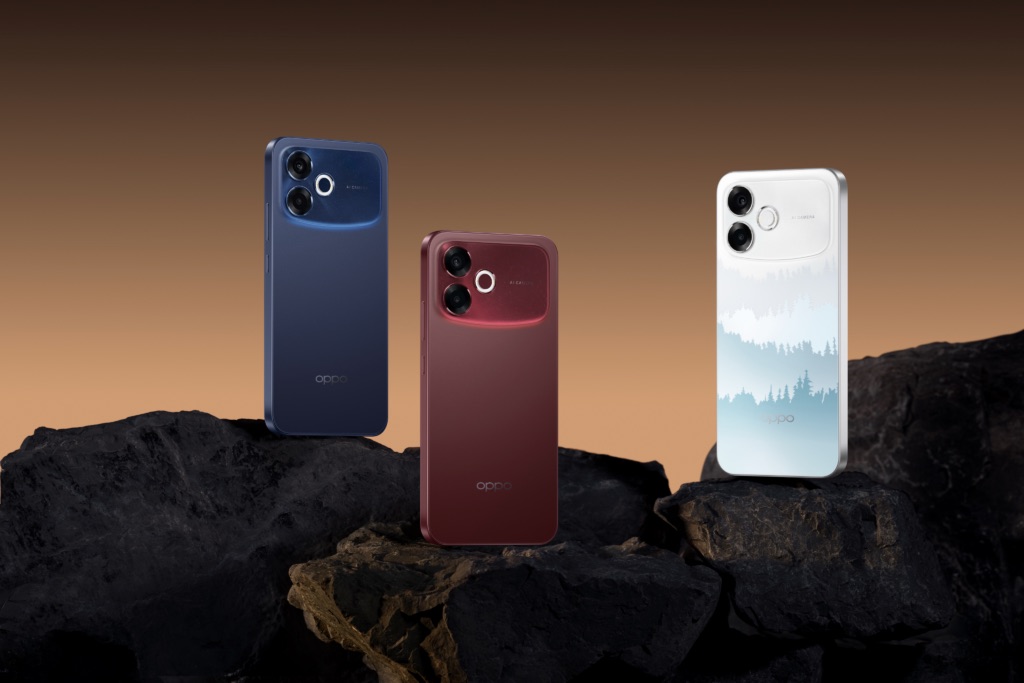
OPPO F-series has always focused on the durability side of things, with some of the toughest phones I’ve ever tested. With the new F33 series, the Chinese smartphone maker is bringing a new type of durability-focused smartphone to India. Based on details shared ahead of launch, the company is positioning the lineup as a solution to everyday smartphone problems like cracked screens, water damage, and battery anxiety.

Built for Indian Conditions

OPPO F33 Series to Launch With IP69K Rating and 7,000mAh Battery
	
The OPPO F-series has always focused on the durability side of things, with some of the toughest phones I’ve ever tested. With the new F33 series, the Chinese smartphone maker is bringing a new type of durability-focused smartphone to India. Based on details shared ahead of launch, the company is positioning the lineup as a solution to everyday smartphone problems like cracked screens, water damage, and battery anxiety.


Built for Indian Conditions


Durability seems to be the core focus here. The OPPO F33 series is said to come with IP69K certification, which is a step above the usual IP67 or IP68 ratings seen in most mid-range phones. In practical terms, this means the device can handle high-pressure, high-temperature water jets and provide complete dust protection. It’s designed to survive not just accidental splashes, but harsher environments like heavy rain, kitchens, or dusty outdoor conditions.


Beyond certifications, OPPO says the F33 series has undergone military-grade durability testing. This includes extreme temperature tests ranging from freezing cold to high heat, salt exposure for coastal conditions, and even simulations of strong winds and heavy rainfall. The devices are also tested for drops, with thousands of simulated falls and immersion tests to ensure real-world reliability.


Structurally, the phones feature a 360-degree armor body, built using an aerospace-grade aluminium frame, reinforced internals, and thicker protective materials for both the display and back panel. There’s also an internal cushioning system designed to absorb shocks during impact.


Long-Term Battery Health


Battery life is another major highlight of the F33 series. OPPO is introducing a 7,000mAh battery that’s designed to retain up to 80% of its capacity even after five years of usage.


The company is using a self-repairing electrolyte technology, which is said to help maintain battery health over time. Combined with 80W fast charging, reverse charging, and bypass charging support, the F33 series aims to reduce both charging time and long-term battery degradation.

#OPPO #F33 #Series #Launch #IP69K #Rating #7000mAh #BatteryOppo

Durability seems to be the core focus here. The OPPO F33 series is said to come with IP69K certification, which is a step above the usual IP67 or IP68 ratings seen in most mid-range phones. In practical terms, this means the device can handle high-pressure, high-temperature water jets and provide complete dust protection. It’s designed to survive not just accidental splashes, but harsher environments like heavy rain, kitchens, or dusty outdoor conditions.

Beyond certifications, OPPO says the F33 series has undergone military-grade durability testing. This includes extreme temperature tests ranging from freezing cold to high heat, salt exposure for coastal conditions, and even simulations of strong winds and heavy rainfall. The devices are also tested for drops, with thousands of simulated falls and immersion tests to ensure real-world reliability.

Structurally, the phones feature a 360-degree armor body, built using an aerospace-grade aluminium frame, reinforced internals, and thicker protective materials for both the display and back panel. There’s also an internal cushioning system designed to absorb shocks during impact.

Long-Term Battery Health

Battery life is another major highlight of the F33 series. OPPO is introducing a 7,000mAh battery that’s designed to retain up to 80% of its capacity even after five years of usage.

The company is using a self-repairing electrolyte technology, which is said to help maintain battery health over time. Combined with 80W fast charging, reverse charging, and bypass charging support, the F33 series aims to reduce both charging time and long-term battery degradation.

#OPPO #F33 #Series #Launch #IP69K #Rating #7000mAh #BatteryOppo">OPPO F33 Series to Launch With IP69K Rating and 7,000mAh Battery
	
The OPPO F-series has always focused on the durability side of things, with some of the toughest phones I’ve ever tested. With the new F33 series, the Chinese smartphone maker is bringing a new type of durability-focused smartphone to India. Based on details shared ahead of launch, the company is positioning the lineup as a solution to everyday smartphone problems like cracked screens, water damage, and battery anxiety.


Built for Indian Conditions


Durability seems to be the core focus here. The OPPO F33 series is said to come with IP69K certification, which is a step above the usual IP67 or IP68 ratings seen in most mid-range phones. In practical terms, this means the device can handle high-pressure, high-temperature water jets and provide complete dust protection. It’s designed to survive not just accidental splashes, but harsher environments like heavy rain, kitchens, or dusty outdoor conditions.


Beyond certifications, OPPO says the F33 series has undergone military-grade durability testing. This includes extreme temperature tests ranging from freezing cold to high heat, salt exposure for coastal conditions, and even simulations of strong winds and heavy rainfall. The devices are also tested for drops, with thousands of simulated falls and immersion tests to ensure real-world reliability.


Structurally, the phones feature a 360-degree armor body, built using an aerospace-grade aluminium frame, reinforced internals, and thicker protective materials for both the display and back panel. There’s also an internal cushioning system designed to absorb shocks during impact.


Long-Term Battery Health


Battery life is another major highlight of the F33 series. OPPO is introducing a 7,000mAh battery that’s designed to retain up to 80% of its capacity even after five years of usage.


The company is using a self-repairing electrolyte technology, which is said to help maintain battery health over time. Combined with 80W fast charging, reverse charging, and bypass charging support, the F33 series aims to reduce both charging time and long-term battery degradation.

#OPPO #F33 #Series #Launch #IP69K #Rating #7000mAh #BatteryOppo

has always focused on the durability side of things, with some of the toughest phones I’ve ever tested. With the new F33 series, the Chinese smartphone maker is bringing a new type of durability-focused smartphone to India. Based on details shared ahead of launch, the company is positioning the lineup as a solution to everyday smartphone problems like cracked screens, water damage, and battery anxiety.

Built for Indian Conditions

OPPO F33 Series to Launch With IP69K Rating and 7,000mAh Battery
	
The OPPO F-series has always focused on the durability side of things, with some of the toughest phones I’ve ever tested. With the new F33 series, the Chinese smartphone maker is bringing a new type of durability-focused smartphone to India. Based on details shared ahead of launch, the company is positioning the lineup as a solution to everyday smartphone problems like cracked screens, water damage, and battery anxiety.


Built for Indian Conditions


Durability seems to be the core focus here. The OPPO F33 series is said to come with IP69K certification, which is a step above the usual IP67 or IP68 ratings seen in most mid-range phones. In practical terms, this means the device can handle high-pressure, high-temperature water jets and provide complete dust protection. It’s designed to survive not just accidental splashes, but harsher environments like heavy rain, kitchens, or dusty outdoor conditions.


Beyond certifications, OPPO says the F33 series has undergone military-grade durability testing. This includes extreme temperature tests ranging from freezing cold to high heat, salt exposure for coastal conditions, and even simulations of strong winds and heavy rainfall. The devices are also tested for drops, with thousands of simulated falls and immersion tests to ensure real-world reliability.


Structurally, the phones feature a 360-degree armor body, built using an aerospace-grade aluminium frame, reinforced internals, and thicker protective materials for both the display and back panel. There’s also an internal cushioning system designed to absorb shocks during impact.


Long-Term Battery Health


Battery life is another major highlight of the F33 series. OPPO is introducing a 7,000mAh battery that’s designed to retain up to 80% of its capacity even after five years of usage.


The company is using a self-repairing electrolyte technology, which is said to help maintain battery health over time. Combined with 80W fast charging, reverse charging, and bypass charging support, the F33 series aims to reduce both charging time and long-term battery degradation.

#OPPO #F33 #Series #Launch #IP69K #Rating #7000mAh #BatteryOppo

Durability seems to be the core focus here. The OPPO F33 series is said to come with IP69K certification, which is a step above the usual IP67 or IP68 ratings seen in most mid-range phones. In practical terms, this means the device can handle high-pressure, high-temperature water jets and provide complete dust protection. It’s designed to survive not just accidental splashes, but harsher environments like heavy rain, kitchens, or dusty outdoor conditions.

Beyond certifications, OPPO says the F33 series has undergone military-grade durability testing. This includes extreme temperature tests ranging from freezing cold to high heat, salt exposure for coastal conditions, and even simulations of strong winds and heavy rainfall. The devices are also tested for drops, with thousands of simulated falls and immersion tests to ensure real-world reliability.

Structurally, the phones feature a 360-degree armor body, built using an aerospace-grade aluminium frame, reinforced internals, and thicker protective materials for both the display and back panel. There’s also an internal cushioning system designed to absorb shocks during impact.

Long-Term Battery Health

Battery life is another major highlight of the F33 series. OPPO is introducing a 7,000mAh battery that’s designed to retain up to 80% of its capacity even after five years of usage.

The company is using a self-repairing electrolyte technology, which is said to help maintain battery health over time. Combined with 80W fast charging, reverse charging, and bypass charging support, the F33 series aims to reduce both charging time and long-term battery degradation.

#OPPO #F33 #Series #Launch #IP69K #Rating #7000mAh #BatteryOppo">OPPO F33 Series to Launch With IP69K Rating and 7,000mAh Battery

The OPPO F-series has always focused on the durability side of things, with some of the toughest phones I’ve ever tested. With the new F33 series, the Chinese smartphone maker is bringing a new type of durability-focused smartphone to India. Based on details shared ahead of launch, the company is positioning the lineup as a solution to everyday smartphone problems like cracked screens, water damage, and battery anxiety.

Built for Indian Conditions

OPPO F33 Series to Launch With IP69K Rating and 7,000mAh Battery
	
The OPPO F-series has always focused on the durability side of things, with some of the toughest phones I’ve ever tested. With the new F33 series, the Chinese smartphone maker is bringing a new type of durability-focused smartphone to India. Based on details shared ahead of launch, the company is positioning the lineup as a solution to everyday smartphone problems like cracked screens, water damage, and battery anxiety.


Built for Indian Conditions


Durability seems to be the core focus here. The OPPO F33 series is said to come with IP69K certification, which is a step above the usual IP67 or IP68 ratings seen in most mid-range phones. In practical terms, this means the device can handle high-pressure, high-temperature water jets and provide complete dust protection. It’s designed to survive not just accidental splashes, but harsher environments like heavy rain, kitchens, or dusty outdoor conditions.


Beyond certifications, OPPO says the F33 series has undergone military-grade durability testing. This includes extreme temperature tests ranging from freezing cold to high heat, salt exposure for coastal conditions, and even simulations of strong winds and heavy rainfall. The devices are also tested for drops, with thousands of simulated falls and immersion tests to ensure real-world reliability.


Structurally, the phones feature a 360-degree armor body, built using an aerospace-grade aluminium frame, reinforced internals, and thicker protective materials for both the display and back panel. There’s also an internal cushioning system designed to absorb shocks during impact.


Long-Term Battery Health


Battery life is another major highlight of the F33 series. OPPO is introducing a 7,000mAh battery that’s designed to retain up to 80% of its capacity even after five years of usage.


The company is using a self-repairing electrolyte technology, which is said to help maintain battery health over time. Combined with 80W fast charging, reverse charging, and bypass charging support, the F33 series aims to reduce both charging time and long-term battery degradation.

#OPPO #F33 #Series #Launch #IP69K #Rating #7000mAh #BatteryOppo

Durability seems to be the core focus here. The OPPO F33 series is said to come with IP69K certification, which is a step above the usual IP67 or IP68 ratings seen in most mid-range phones. In practical terms, this means the device can handle high-pressure, high-temperature water jets and provide complete dust protection. It’s designed to survive not just accidental splashes, but harsher environments like heavy rain, kitchens, or dusty outdoor conditions.

Beyond certifications, OPPO says the F33 series has undergone military-grade durability testing. This includes extreme temperature tests ranging from freezing cold to high heat, salt exposure for coastal conditions, and even simulations of strong winds and heavy rainfall. The devices are also tested for drops, with thousands of simulated falls and immersion tests to ensure real-world reliability.

Structurally, the phones feature a 360-degree armor body, built using an aerospace-grade aluminium frame, reinforced internals, and thicker protective materials for both the display and back panel. There’s also an internal cushioning system designed to absorb shocks during impact.

Long-Term Battery Health

Battery life is another major highlight of the F33 series. OPPO is introducing a 7,000mAh battery that’s designed to retain up to 80% of its capacity even after five years of usage.

The company is using a self-repairing electrolyte technology, which is said to help maintain battery health over time. Combined with 80W fast charging, reverse charging, and bypass charging support, the F33 series aims to reduce both charging time and long-term battery degradation.

#OPPO #F33 #Series #Launch #IP69K #Rating #7000mAh #BatteryOppo

Post Comment