
The pursuit of a snatched, youthful look has become the center of modern beauty culture. And if we’re being honest, it has been for years. Yet there’s a point where “enhanced” slips into “overdone.” That moment is now widely known as “pillow face.” The term describes the overly rounded, overly smoothed appearance that emerges when excessive fillers blur natural facial definition. While social platforms have normalized lifted jawlines, high cheekbones, and subtle plumping, they’ve also exposed the risks of going one syringe too far.
Today, pillow face is more than a cosmetic concern; it’s a cultural conversation. It shapes how we talk about aging, shifting beauty standards, and the pressure to keep up with an era of filtered perfection. The trend now sits at the intersection of aesthetics, self-awareness, and a growing movement toward healthier, more intentional enhancement.
What Pillow Face Actually Looks Like
Pillow face doesn’t appear simply because someone has fillers. It happens when natural structure is lost. The face begins to look puffy, swollen, or overly smooth. Cheekbones appear overly inflated; the under-eye area can seem tight; the jawline softens; and rather than lifting the face, excessive filler visually weighs it down. The result is a bloated, uniform look that lacks dimension.
Social media has helped normalize ultra-plumped skin, but pillow face often emerges when someone repeatedly adds filler on top of existing filler instead of dissolving or reassessing it. The volume accumulates gradually, then, suddenly, it becomes unmistakable.
Why Do People End Up With Too Much Filler?
Pillow face isn’t always the product of intentionally dramatic work. More often, it stems from a series of small, seemingly harmless decisions:
- Adding “just a little more” at each appointment
- Chasing filtered or AI-enhanced beauty ideals
- Working with injectors who avoid saying no
- Topping up before the previous filler settles
- Trying to correct every sign of aging with volume
The desire to maintain a sculpted appearance makes micro-adjustments feel routine. Over time, those minor tweaks accumulate. And while Gen Z and Millennials remain open to aesthetic enhancement, they’re also pushing for transparency, informed consent, and realistic outcomes. Increasingly, people want results that look like them, not a copy of the internet’s beauty template.
The rise of pillow face is delivering a clear message: enhancement should highlight features, not erase them.
How To Avoid Pillow Face
Avoiding pillow face doesn’t require avoiding fillers altogether. It simply calls for strategy, moderation, and thoughtful planning.
Here’s what helps:
- Start with a full-face assessment. Evaluate structure, symmetry, and what actually needs support instead of adding volume randomly.
- Prioritize balance over plumpness. Harmony, not size, is the goal.
- Choose a conservative injector. A good practitioner recommends “less,” not “more.”
- Take breaks. Spacing out appointments prevents accidental overfilling.
- Dissolve when needed. Old filler lingers; dissolving resets the face before new work.
- Focus on skin quality. Hydration, collagen support, lifestyle habits, and skincare often achieve what people try to fix with filler alone.
A Healthier Beauty Philosophy
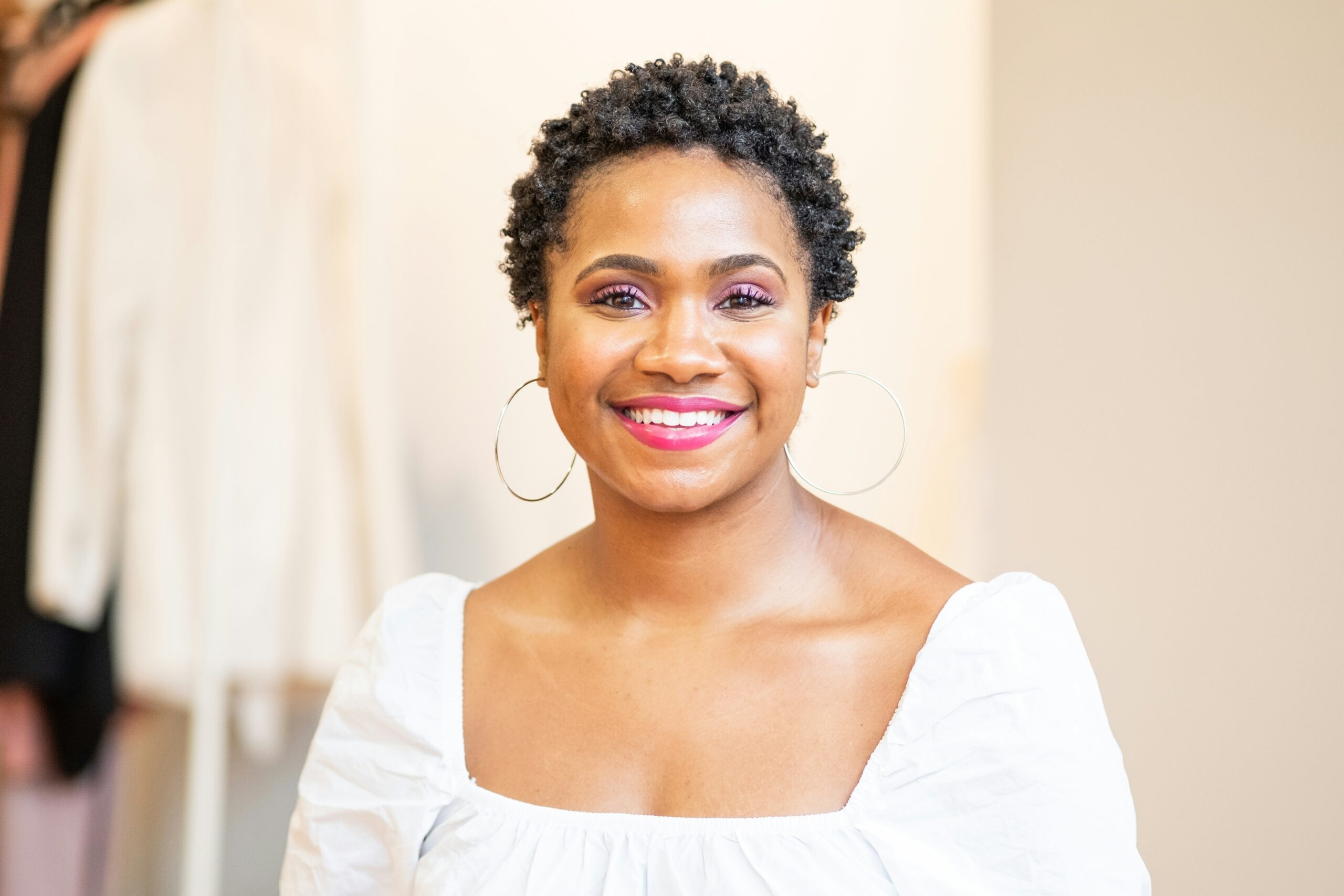
Pillow face is quickly becoming a cautionary tale in the aesthetics world. People are recognizing that facial structure matters far more than sheer volume. Enhancements should refine, not reinvent. The best aesthetic work blends into your features, ages gracefully, and evolves with you rather than against you.
Understanding pillow face empowers people to make more informed, balanced choices that keep individuality, harmony, and long-term confidence at the center of their beauty journey.
Featured image: Getty Images
—Read also

Source link
#Pillow #Face #Heres #Downside #Fillers #Avoid


Post Comment