
Repeat outfit culture has become one of the most defining shifts in fashion right now, and not in a way that feels performative or trend-driven. This isn’t about forgetting what you wore last week or defaulting to convenience. It’s about intention. About returning to a piece you know works and wearing it again—deliberately, confidently, and without apology. In a landscape built on constant novelty, that choice reads as both restraint and power.
What was once treated as a fashion faux pas has, in 2026, become a marker of clarity. Repeating an outfit no longer requires explanation; it signals self-awareness, discipline, and a refusal to participate in the endless cycle of consumption. The shift is subtle but significant: style is moving away from accumulation and toward articulation, less about how much you own, and more about how well you understand what you already have.
This is repeat outfit culture, and it’s officially in.
Where It Started (And Why It Stuck)
The conversation around rewearing clothes isn’t new. It gained momentum during COVID, when people simply weren’t buying because they weren’t going anywhere. But in 2026, it has evolved into something far more intentional.
Royal families have always embraced outfit repetition, but now stylish people everywhere—from Lagos to London, Accra to Atlanta—are reframing it. A repeated outfit is no longer a sign of limitation; it’s a marker of a well-curated wardrobe.
Part of this shift is economic. The cost of living is real, and the expectation of a brand-new outfit for every event, birthday, or Friday dinner feels less aspirational and more exhausting. People are recalibrating, asking not “what new thing can I buy?” but “what do I already own that I can style differently?”
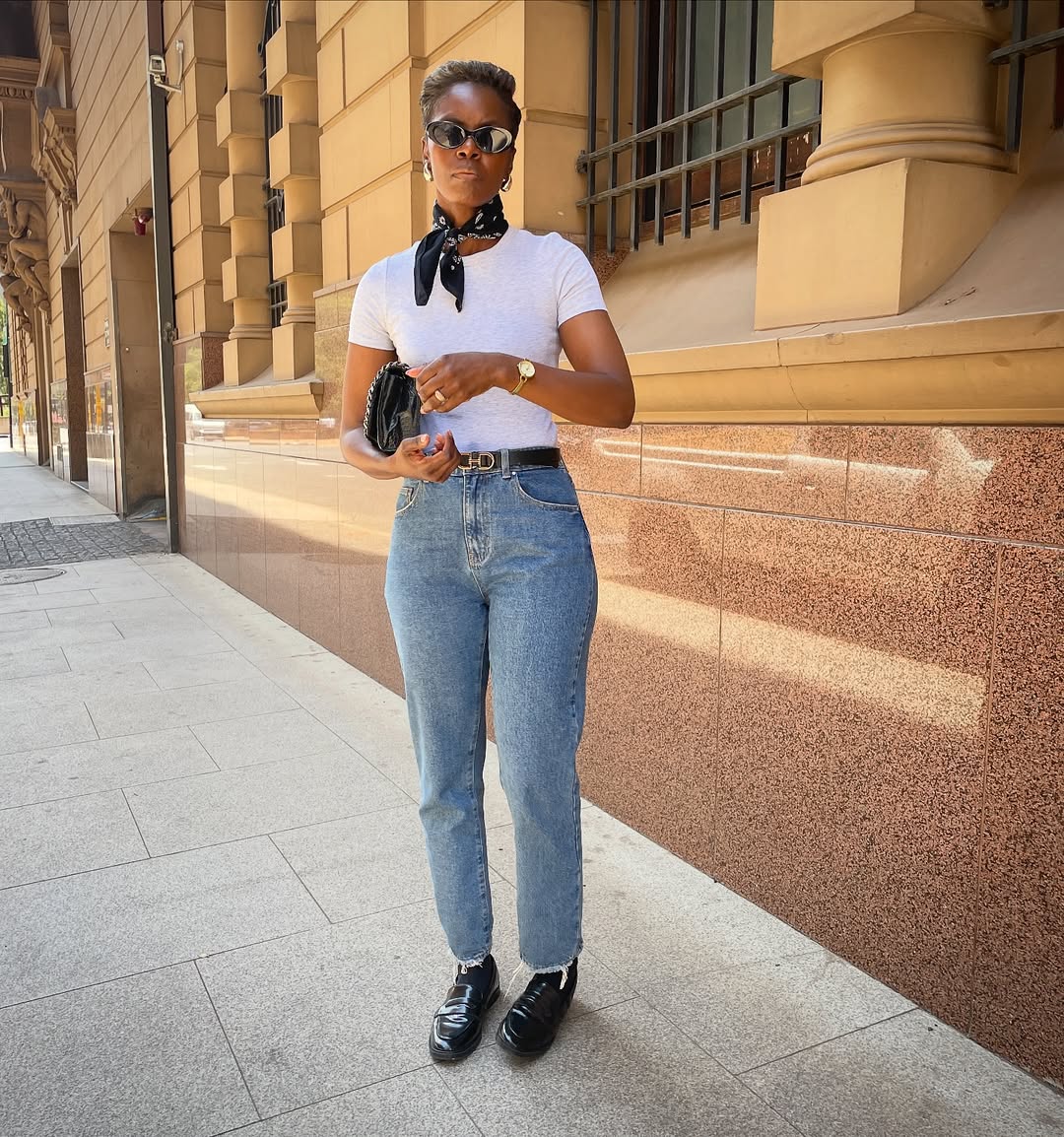
Part of it is environmental. Fashion remains one of the most polluting industries globally, and consumers, particularly younger ones across African and diaspora markets, are increasingly aware of that reality. Buying less isn’t just about budgeting anymore; it feels like a conscious stance.
And part of it is creative. Looking good in the same outfit multiple times is harder than buying something new. It requires understanding your wardrobe and using it well. That’s why it signals real style.
Why Repeat Outfit Culture Needs an African Lens
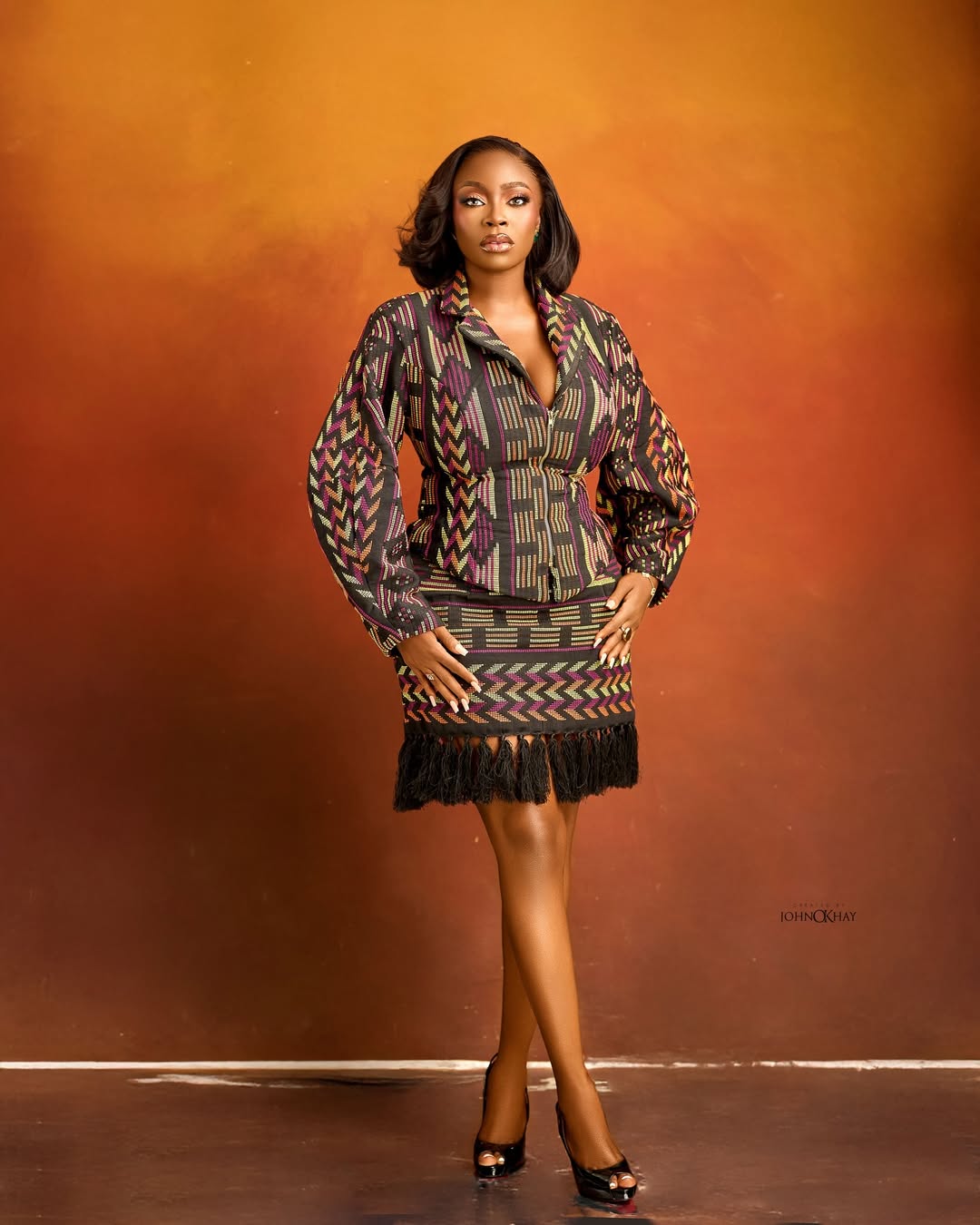
Most conversations around repeat outfit culture are being framed from a Western perspective, one that treats outfit repetition as a recent correction to overconsumption. But that framing is incomplete. It assumes that the idea of rewearing clothing needed to be rediscovered, when in many African contexts, it was never lost to begin with.
What makes this article necessary is that it challenges that default narrative. In African cities like Lagos, Accra, and Johannesburg, fashion operates within a different set of cultural expectations that are shaped by occasion dressing, community visibility, and the social language of clothing. Here, the pressure is not just about wearing something new, but about how you show up: the fabric, the tailoring, the context, and the perception attached to repetition.
At the same time, there is a growing intersection between global digital culture and local fashion habits. Social media has amplified the idea that every appearance must feel new, even in environments where clothing has historically been valued for longevity. This creates a tension that is specific to African and diaspora audiences caught between inherited cultural practices and imported standards of visibility.
That tension is exactly why this conversation matters now. Repeat outfit culture, when viewed through this lens, is not just a style shift. It becomes a negotiation between identity, modernity, and perception. Writing about it in this context is not about following a global trend, but about understanding how that trend is being reinterpreted, resisted, or quietly redefined in spaces where fashion has always carried deeper social meaning.
The Art of the Repeat
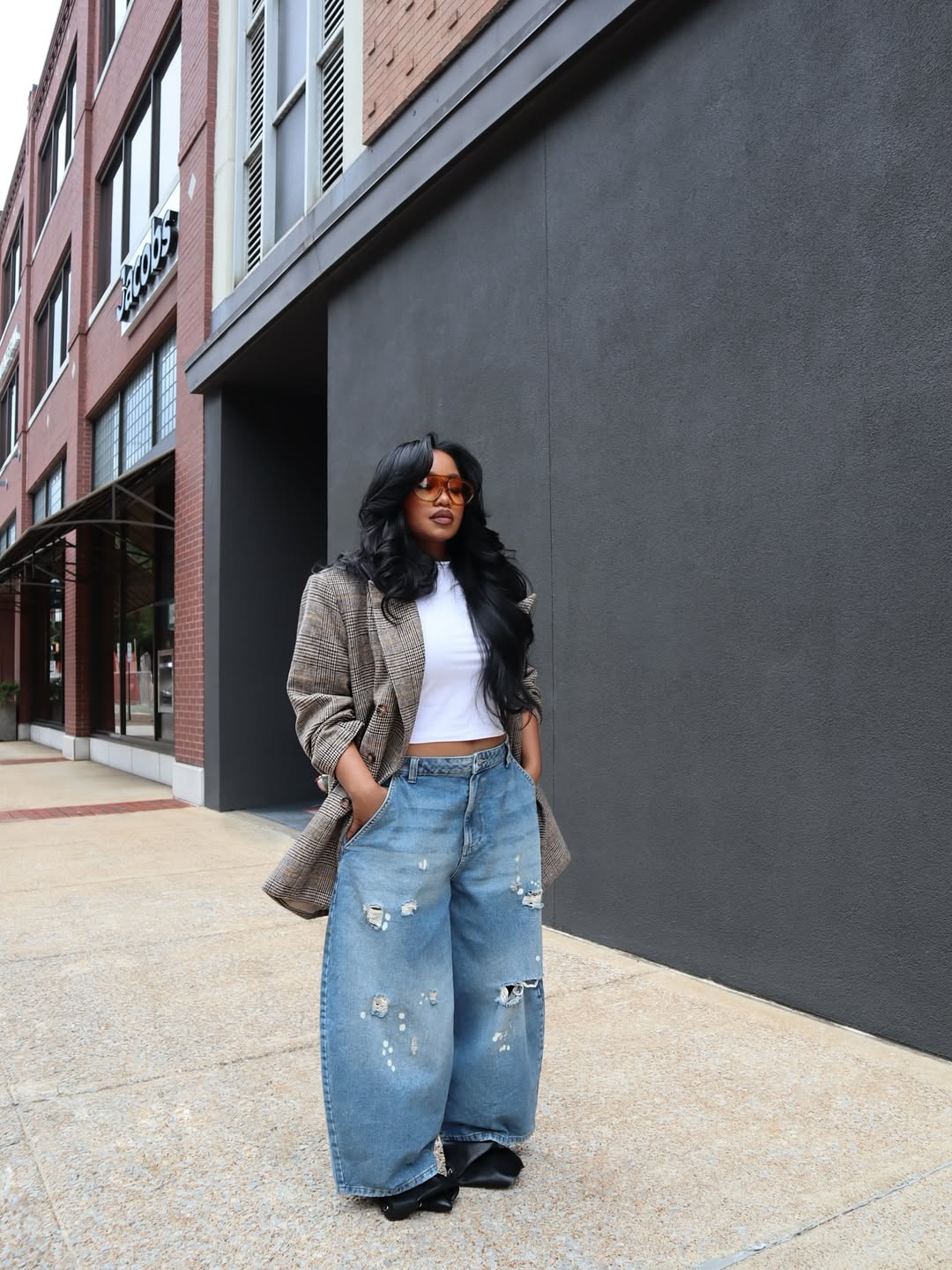
There’s a difference between wearing the same outfit twice and mastering repeat outfit styling, and that difference is everything.
When Cate Blanchett rewore looks on the press tour for Tár, she wasn’t being lazy. She was being deliberate. Reintroducing the same Armani look—restyled—sent a clear message about sustainability, intention, and the idea that great clothing doesn’t expire.
Smart repeat dressing tends to follow a few principles:
#1. Restyle relentlessly
A midi dress worn to a wedding becomes a skirt when paired with a crisp shirt. A blazer from a suit becomes a casual layer over jeans. A buba worn to a naming ceremony can be belted and styled for a rooftop dinner. The item stays the same; the context changes.
#2. Invest in pieces that have a range
This is where the intentional wardrobe conversation gets practical. If you’re going to repeat, and you should, make sure the pieces you’re repeating are worth returning to. Good fabric. A silhouette that works on your body. Something that photographs well and also feels good in real life. Quality over quantity isn’t just a cliché. It’s the actual strategy.
#3. Stop announcing it
The freedom of repeat outfit culture is partly psychological. You don’t owe anyone an explanation. “I’ve worn this before,” said apologetically, belongs to an outdated mindset. In 2026, you just wear it confidently. End of story.
Why This Matters Especially in African and Diaspora Markets
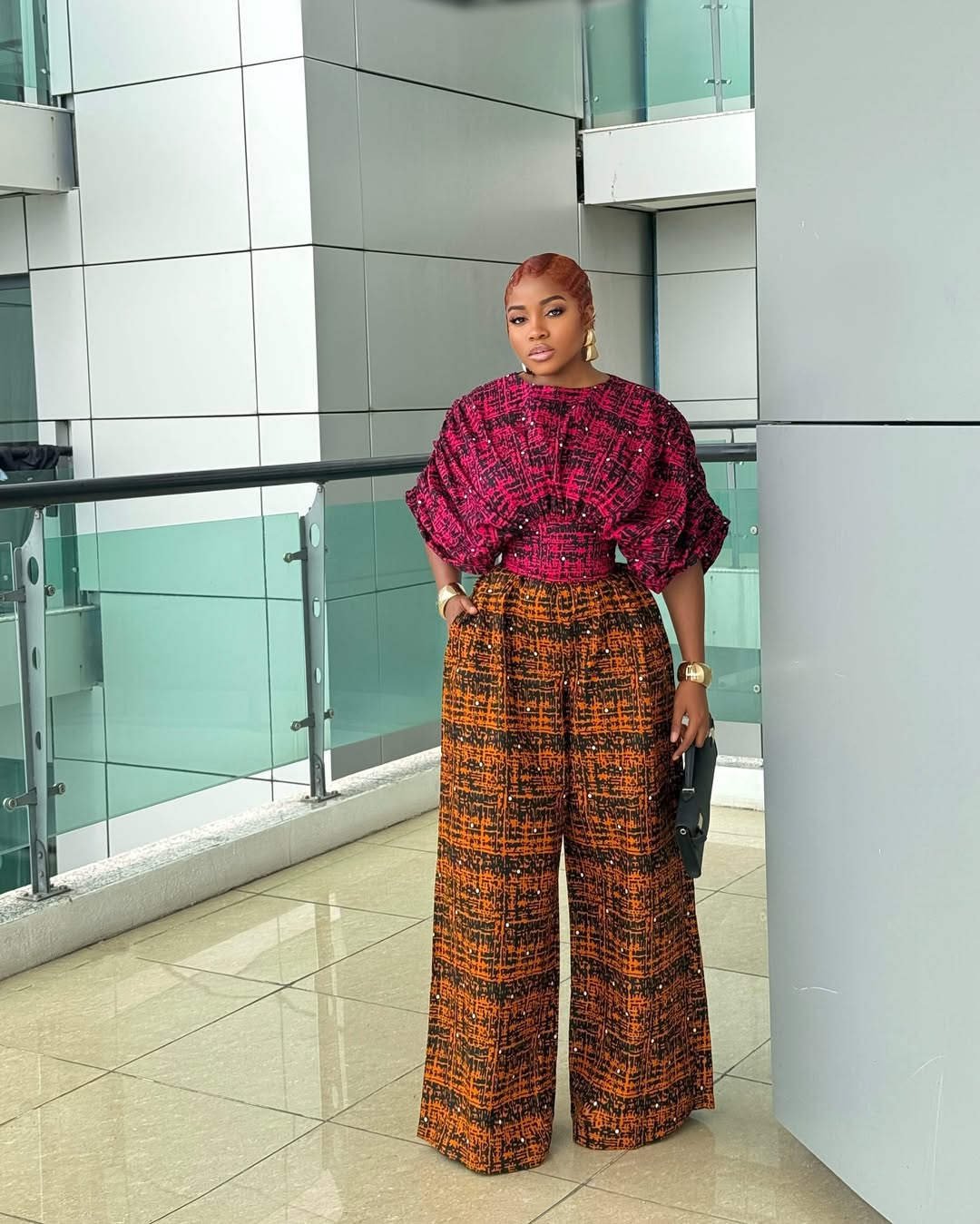
There’s an important cultural context here. In many African traditions, the idea of wearing an outfit only once has always felt unnecessary. Pieces like Ankara fabric, Aso-ebi, and Agbada are designed to be worn, re-worn, altered, and even passed down. The “wear once, post, and never repeat” mindset was largely imported, and it never fully aligned with these traditions.
The return to intentional dressing in 2026 is, in many ways, a return to something more aligned with how many Black and African communities already thought about clothes—as investments, as identity, as items with longevity rather than as disposable content.
Building Your Repeat-Ready Wardrobe
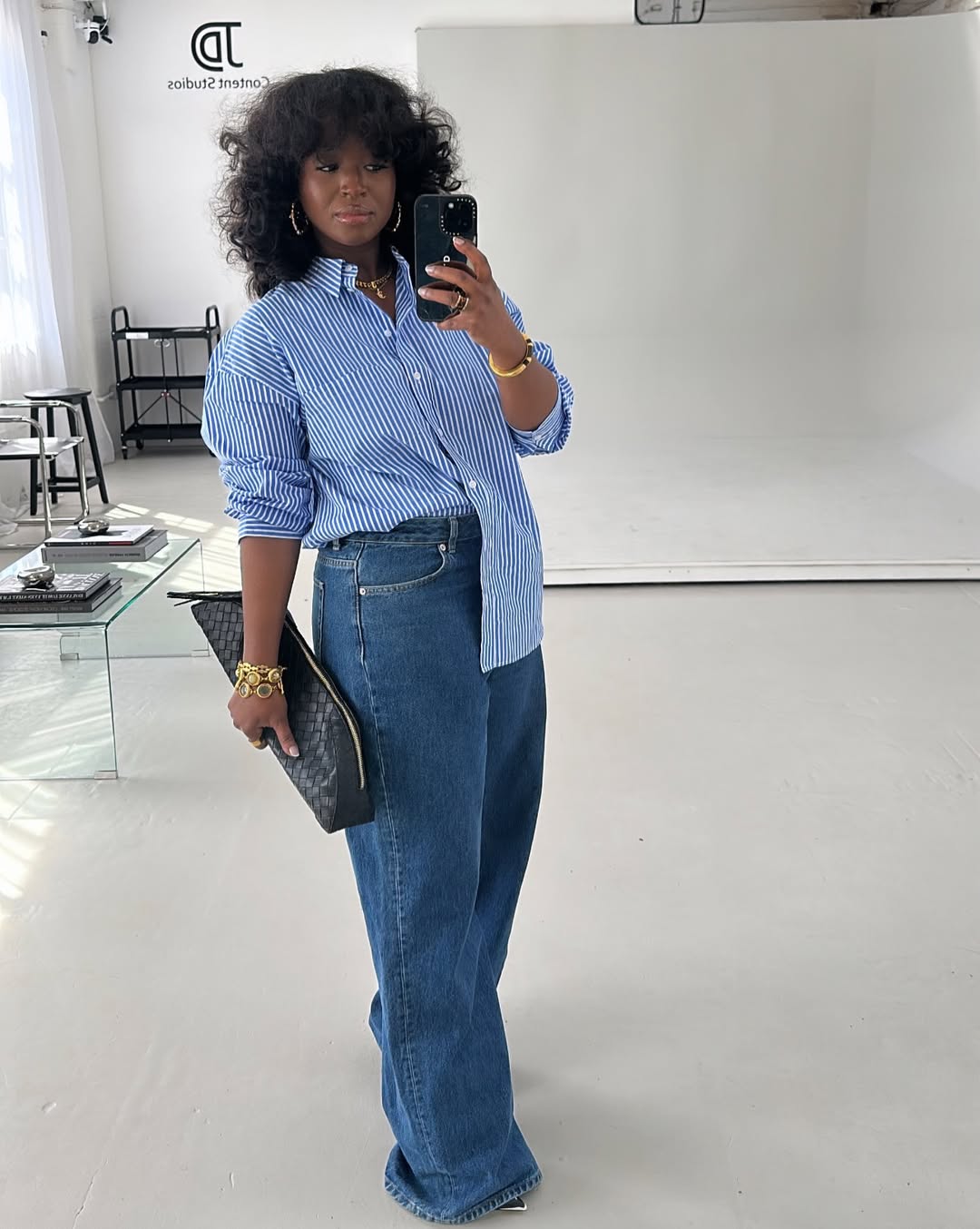
You don’t need more clothes. You need better clothes and better styling habits.
#1. Identify your repeaters
Which three to five pieces in your wardrobe make you feel consistently confident? Start there. Style them differently each time you wear them.
#2. Create outfit formulas
When you find a combination that works—this trouser with this top with these shoes—write it down, screenshot it, remember it. Formulas take the decision fatigue out of getting dressed and make repeat styling feel effortless.
#3. Treat accessories as transformers
The same dress with sneakers and a baseball cap reads completely differently than that same dress with heeled boots and a structured bag. Accessories are the cheapest way to make a repeat feel new.
#4. Buy to last, not to trend
Every piece you add to your wardrobe in 2026 should be something you can see yourself wearing in 2028. If the answer is no, that’s information.
Style is getting smarter. Not smaller. Smarter. And honestly? It’s the most exciting fashion shift in years.
Featured image: @dorawilfred/Instagram
Source link
#Repeat #Outfit #Culture #Style #Smarter


Post Comment