The lettuce supplier at the center of the turbo diarrhea outbreak has spent millions of dollars to sway sentiment around food regulation and elect Donald Trump and other MAGA Republicans, according to public filings.
Taylor Farms donated more than $2 million to conservative political groups in 2025, according to Federal Election Commission filings. That includes a $1 million donation to MAGA Inc., the Trump-centric super PAC, and $1.1 million to other super PACs dedicated to electing Republicans.
From 2020 through the end of 2024, the company donated more than $1.6 million to conservative PACs, including a total of $850,000 to AFP Action, an anti-regulation super PAC with ties to the Koch network.
Bruce Taylor, the chairman and CEO of Taylor Farms, is also a longtime donor to Republican causes. Since 2020, Taylor has personally donated more than $900,000 to Republican PACs and candidates, including contributions to Texas senator John Cornyn and Tennessee senator Marsha Blackburn.
Like many corporate giants, Taylor Farms has also spent big on lobbying related to industry regulation. In early 2025, it hired lobbyists at the firm Sidley Austin to advocate on behalf of the company on “regulation of food safety,” according to disclosure documents. Since then, the company has spent $810,000 on its lobbying efforts.
Marion Nestle, a food policy expert, said that Taylor Farms’ donations are part of a wider problem in the American food industry: that multibillion-dollar companies use their financial resources to push policies that would reduce food safety regulation and accountability when outbreaks occur.
“The FDA has regulations in place for what food producers are supposed to be doing, but nobody wants to do it—because it’s expensive and difficult,” Nestle told WIRED.
In a post on X, the US Department of Health & Human Services emphasized that Taylor Farms’ political donations did not influence the Trump administration’s response to the cyclospora outbreak.
“This is how the FAKE NEWS works: imply collusion, ignore the facts,” the HHS account posted on Monday. “Nothing influences our decisions except science and the safety of the American people.”
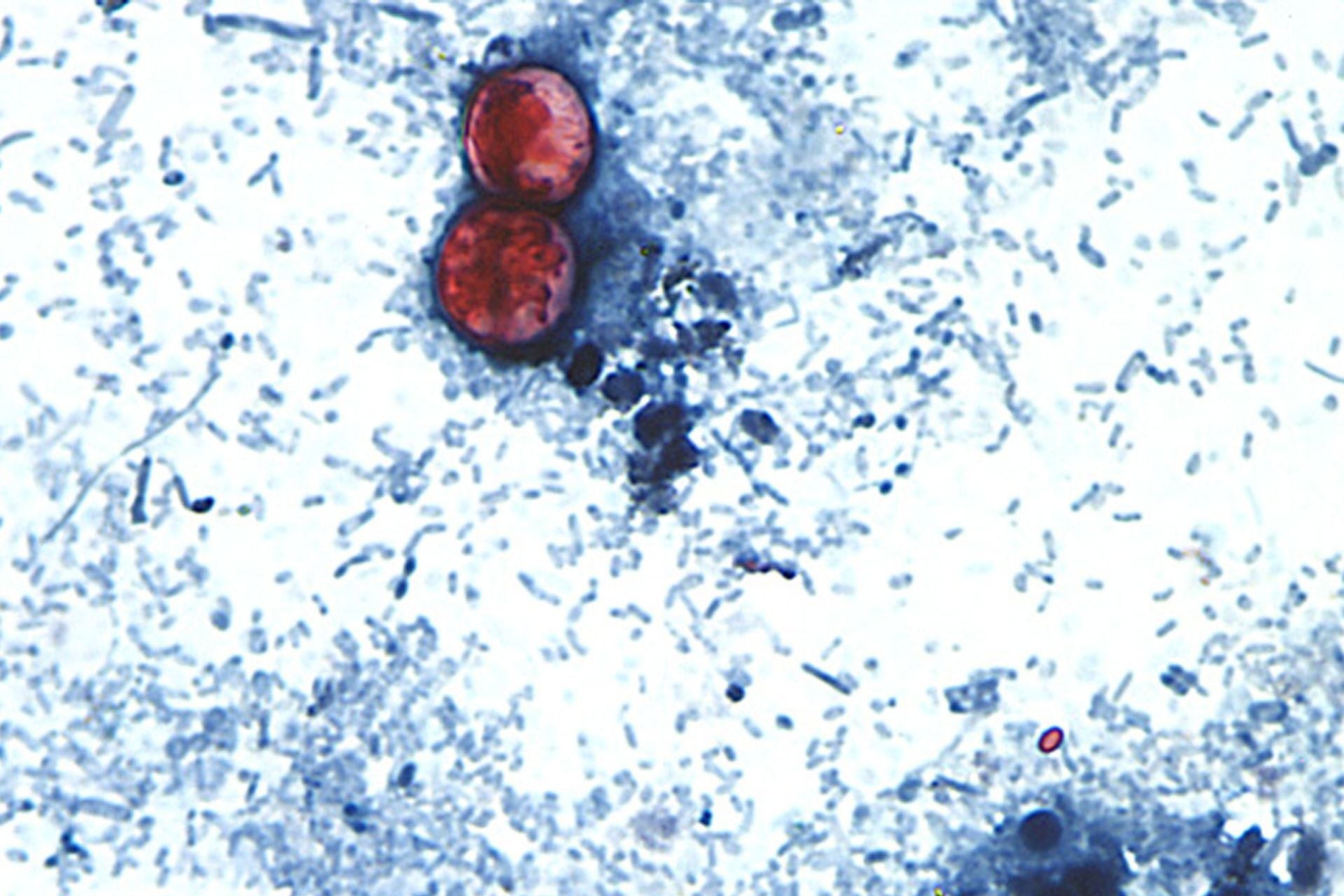
Taylor Farms has apparently taken issue with the CDC’s and FDA’s handling of the investigation into the current cyclospora outbreak, which has sickened thousands of people across multiple states. The company recently claimed that the FDA “apologized” after announcing a false-positive test of a sample of Taylor Farms’ lettuce; the FDA told reporters that no, actually, an official apology never happened. (The company did not respond to WIRED’s requests for comment.)
Prior to the false positive and the non-apology, Taylor Farms executives met with White House and FDA officials to discuss what a spokesperson for the company called “shortfalls” in the government agencies’ response. The New York Times reported that the meeting followed Taylor Farms’ recent hire of Trent Morse, the former deputy director of the White House Presidential Personnel Office, who left the Trump administration to start a government relations firm in September.
The recent diarrhea debacle is not the first time that Taylor Farms, which brings in roughly $7 billion in annual revenue, has drawn the focus of federal regulators.
In 2013, the FDA named Taylor Farms as a source of a cyclospora outbreak that sickened hundreds. In 2015, the company voluntarily recalled multiple products containing celery because they may have been contaminated with E. coli. And in 2024, the company recalled certain yellow onions as part of an E. coli outbreak linked to McDonald’s Quarter Pounders. Following the outbreak, CBS News reported that FDA inspectors found dozens of violations at the Colorado Taylor Farms facility linked to the Quarter Pounder outbreak, including minimal handwashing and dirty equipment.
Since 2025, the FDA has inspected 18 American plants affiliated with Taylor Farms. Three resulted in “voluntary action indicated,” which means that while violations were found, they weren’t severe enough to warrant mandatory enforcement.
The Occupational Safety and Health Administration has cited at least 21 violations in Taylor Farms facilities across the US since the start of 2025. In one particularly gruesome case, the Department of Labor fined a New Jersey facility $1.1 million due to violations. The May 2025 inspection came after an employee died after sustaining injuries cleaning an industrial blancher at the facility.