×

gargantuan investments have been sunk and from which little to no profit has ever emerged.

“Everybody’s losing money,” said Chi Xu, the founder and CEO of the smart glasses company Xreal, which is a longtime partner of Google. I met Xu at Google’s I/O conference in Mountain View last week, where he was promoting Xreal’s Project Aura. That’s its latest effort to create a set of functional XR glasses that people actually want to use.

“That’s because it’s very hard, what we’re doing,” he said.

For much of the industry’s existence, the problems of smart glasses have seemed somewhat obvious: bulky, uncomfortable, and socially awkward form factor, paired with negligibly beneficial software. Now, however, industry insiders — including Xu — feel like their business has turned a corner and may be reaching an inflection point.

That supposed inflection point has something to do with Meta, whose 2023 partnership with Ray-Ban launched one of the first lines of models that has actually managed to sell a lot of units. (It’s worth noting, however, that the division responsible for the glasses, Reality Labs, still operates at a massive loss.)

Now, as form factors shrink and software improves, Xu feels that Xreal can finally become a leader in the space. “You need all the key pieces ready — you need the hardware ready, the operating system needs to be ready, and then you need a great user interface,” Xu said.

Xreal’s newest model Aura is wired smart glasses that have OLED displays embedded within them, meaning that you can watch high-resolution videos within the frames themselves. Somewhat awkwardly, Aura comes tethered to a “puck” — essentially a phone-shaped mini-computer that powers the experience behind the glasses. When using it, you can ostensibly just slip it into your pocket.

But in exchange for the awkwardness of the puck, the user gets a wider variety of fun experiences with the glasses, including an immersive Google Maps app, VR YouTube videos, and a “painting app” that lets you — via the powers of hand tracking — create holographic imagery that only you can see. There are also reportedly games, playable (again) via hand tracking, and basic web surfing functionality.

“Whether you are following a floating recipe while cooking, setting up a private workspace at a coffee shop or on a flight, or watching a movie on a virtual big screen at home, the experience is seamless,” the company promises.

Xu also says that he imagines the device being used not just by the casual consumer but by professionals as well. “It’s not just about watching the NBA game in a hologram type of format, you could also go to a coffee shop and do some work,” he said.

Currently, the glasses are only available for developers, but the plan is for them to launch commercially later this year. Xreal is also working on an IPO that is expected to take place before 2026 is over, although Xu declined to say much about it.

In the meantime, the company is working on that whole turning-a-profit thing. Xu notes that his company has been raising its gross margin while lowering its costs for marketing and sales. “Next year is the year when we could actually break even,” he says.

When you purchase through links in our articles, we may earn a small commission. This doesn’t affect our editorial independence.

#Xreal #Googles #smartglasses #partner #thinks #finally #mastered #notoriously #tricky #industry #TechCrunchGoogle,Google I/O,AI,SMART Glasses,XReal"> Xreal, Google’s smartglasses partner, thinks it has finally mastered this notoriously tricky industry | TechCrunch
The smart glasses industry has long been a tortured dream of Silicon Valley. The premise is appealing enough: What if, to enjoy the benefits of mobile computing, people didn’t have to stare at their phones all day long and could, instead, simply wear a lightweight computing device on their face? Science fiction fans (a demographic that is strong in the tech industry) can see this vision perfectly.

However, the industry has — for much of the last decade — resembled a financial black hole into which gargantuan investments have been sunk and from which little to no profit has ever emerged.


“Everybody’s losing money,” said Chi Xu, the founder and CEO of the smart glasses company Xreal, which is a longtime partner of Google. I met Xu at Google’s I/O conference in Mountain View last week, where he was promoting Xreal’s Project Aura. That’s its latest effort to create a set of functional XR glasses that people actually want to use.

“That’s because it’s very hard, what we’re doing,” he said. 

For much of the industry’s existence, the problems of smart glasses have seemed somewhat obvious: bulky, uncomfortable, and socially awkward form factor, paired with negligibly beneficial software. Now, however, industry insiders — including Xu — feel like their business has turned a corner and may be reaching an inflection point.

That supposed inflection point has something to do with Meta, whose 2023 partnership with Ray-Ban launched one of the first lines of models that has actually managed to sell a lot of units. (It’s worth noting, however, that the division responsible for the glasses, Reality Labs, still operates at a massive loss.) 

Now, as form factors shrink and software improves, Xu feels that Xreal can finally become a leader in the space. “You need all the key pieces ready — you need the hardware ready, the operating system needs to be ready, and then you need a great user interface,” Xu said.


Xreal’s newest model Aura is wired smart glasses that have OLED displays embedded within them, meaning that you can watch high-resolution videos within the frames themselves. Somewhat awkwardly, Aura comes tethered to a “puck” — essentially a phone-shaped mini-computer that powers the experience behind the glasses. When using it, you can ostensibly just slip it into your pocket.

But in exchange for the awkwardness of the puck, the user gets a wider variety of fun experiences with the glasses, including an immersive Google Maps app, VR YouTube videos, and a “painting app” that lets you — via the powers of hand tracking — create holographic imagery that only you can see. There are also reportedly games, playable (again) via hand tracking, and basic web surfing functionality.

“Whether you are following a floating recipe while cooking, setting up a private workspace at a coffee shop or on a flight, or watching a movie on a virtual big screen at home, the experience is seamless,” the company promises.


Xu also says that he imagines the device being used not just by the casual consumer but by professionals as well. “It’s not just about watching the NBA game in a hologram type of format, you could also go to a coffee shop and do some work,” he said. 

Currently, the glasses are only available for developers, but the plan is for them to launch commercially later this year. Xreal is also working on an IPO that is expected to take place before 2026 is over, although Xu declined to say much about it.

In the meantime, the company is working on that whole turning-a-profit thing. Xu notes that his company has been raising its gross margin while lowering its costs for marketing and sales. “Next year is the year when we could actually break even,” he says.
When you purchase through links in our articles, we may earn a small commission. This doesn’t affect our editorial independence.#Xreal #Googles #smartglasses #partner #thinks #finally #mastered #notoriously #tricky #industry #TechCrunchGoogle,Google I/O,AI,SMART Glasses,XReal
Tech-news

gargantuan investments have been sunk and from which little to no profit has ever emerged.

“Everybody’s losing money,” said Chi Xu, the founder and CEO of the smart glasses company Xreal, which is a longtime partner of Google. I met Xu at Google’s I/O conference in Mountain View last week, where he was promoting Xreal’s Project Aura. That’s its latest effort to create a set of functional XR glasses that people actually want to use.

“That’s because it’s very hard, what we’re doing,” he said.

For much of the industry’s existence, the problems of smart glasses have seemed somewhat obvious: bulky, uncomfortable, and socially awkward form factor, paired with negligibly beneficial software. Now, however, industry insiders — including Xu — feel like their business has turned a corner and may be reaching an inflection point.

That supposed inflection point has something to do with Meta, whose 2023 partnership with Ray-Ban launched one of the first lines of models that has actually managed to sell a lot of units. (It’s worth noting, however, that the division responsible for the glasses, Reality Labs, still operates at a massive loss.)

Now, as form factors shrink and software improves, Xu feels that Xreal can finally become a leader in the space. “You need all the key pieces ready — you need the hardware ready, the operating system needs to be ready, and then you need a great user interface,” Xu said.

Xreal’s newest model Aura is wired smart glasses that have OLED displays embedded within them, meaning that you can watch high-resolution videos within the frames themselves. Somewhat awkwardly, Aura comes tethered to a “puck” — essentially a phone-shaped mini-computer that powers the experience behind the glasses. When using it, you can ostensibly just slip it into your pocket.

But in exchange for the awkwardness of the puck, the user gets a wider variety of fun experiences with the glasses, including an immersive Google Maps app, VR YouTube videos, and a “painting app” that lets you — via the powers of hand tracking — create holographic imagery that only you can see. There are also reportedly games, playable (again) via hand tracking, and basic web surfing functionality.

“Whether you are following a floating recipe while cooking, setting up a private workspace at a coffee shop or on a flight, or watching a movie on a virtual big screen at home, the experience is seamless,” the company promises.

Xu also says that he imagines the device being used not just by the casual consumer but by professionals as well. “It’s not just about watching the NBA game in a hologram type of format, you could also go to a coffee shop and do some work,” he said.

Currently, the glasses are only available for developers, but the plan is for them to launch commercially later this year. Xreal is also working on an IPO that is expected to take place before 2026 is over, although Xu declined to say much about it.

In the meantime, the company is working on that whole turning-a-profit thing. Xu notes that his company has been raising its gross margin while lowering its costs for marketing and sales. “Next year is the year when we could actually break even,” he says.

When you purchase through links in our articles, we may earn a small commission. This doesn’t affect our editorial independence.

#Xreal #Googles #smartglasses #partner #thinks #finally #mastered #notoriously #tricky #industry #TechCrunchGoogle,Google I/O,AI,SMART Glasses,XReal">Xreal, Google’s smartglasses partner, thinks it has finally mastered this notoriously tricky industry | TechCrunch

The smart glasses industry has long been a tortured dream of Silicon Valley. The premise is appealing enough: What if, to enjoy the benefits of mobile computing, people didn’t have to stare at their phones all day long and could, instead, simply wear a lightweight computing device on their face? Science fiction fans (a demographic that is strong in the tech industry) can see this vision perfectly.

However, the industry has — for much of the last decade — resembled a financial black hole into which gargantuan investments have been sunk and from which little to no profit has ever emerged.

“Everybody’s losing money,” said Chi Xu, the founder and CEO of the smart glasses company Xreal, which is a longtime partner of Google. I met Xu at Google’s I/O conference in Mountain View last week, where he was promoting Xreal’s Project Aura. That’s its latest effort to create a set of functional XR glasses that people actually want to use.

“That’s because it’s very hard, what we’re doing,” he said.

For much of the industry’s existence, the problems of smart glasses have seemed somewhat obvious: bulky, uncomfortable, and socially awkward form factor, paired with negligibly beneficial software. Now, however, industry insiders — including Xu — feel like their business has turned a corner and may be reaching an inflection point.

That supposed inflection point has something to do with Meta, whose 2023 partnership with Ray-Ban launched one of the first lines of models that has actually managed to sell a lot of units. (It’s worth noting, however, that the division responsible for the glasses, Reality Labs, still operates at a massive loss.)

Now, as form factors shrink and software improves, Xu feels that Xreal can finally become a leader in the space. “You need all the key pieces ready — you need the hardware ready, the operating system needs to be ready, and then you need a great user interface,” Xu said.

Xreal’s newest model Aura is wired smart glasses that have OLED displays embedded within them, meaning that you can watch high-resolution videos within the frames themselves. Somewhat awkwardly, Aura comes tethered to a “puck” — essentially a phone-shaped mini-computer that powers the experience behind the glasses. When using it, you can ostensibly just slip it into your pocket.

But in exchange for the awkwardness of the puck, the user gets a wider variety of fun experiences with the glasses, including an immersive Google Maps app, VR YouTube videos, and a “painting app” that lets you — via the powers of hand tracking — create holographic imagery that only you can see. There are also reportedly games, playable (again) via hand tracking, and basic web surfing functionality.

“Whether you are following a floating recipe while cooking, setting up a private workspace at a coffee shop or on a flight, or watching a movie on a virtual big screen at home, the experience is seamless,” the company promises.

Xu also says that he imagines the device being used not just by the casual consumer but by professionals as well. “It’s not just about watching the NBA game in a hologram type of format, you could also go to a coffee shop and do some work,” he said.

Currently, the glasses are only available for developers, but the plan is for them to launch commercially later this year. Xreal is also working on an IPO that is expected to take place before 2026 is over, although Xu declined to say much about it.

In the meantime, the company is working on that whole turning-a-profit thing. Xu notes that his company has been raising its gross margin while lowering its costs for marketing and sales. “Next year is the year when we could actually break even,” he says.

When you purchase through links in our articles, we may earn a small commission. This doesn’t affect our editorial independence.

#Xreal #Googles #smartglasses #partner #thinks #finally #mastered #notoriously #tricky #industry #TechCrunchGoogle,Google I/O,AI,SMART Glasses,XReal

The smart glasses industry has long been a tortured dream of Silicon Valley. The premise…

, the world’s first pair of AR smart glasses capable of projecting a virtual screen before your eyes with a blistering 240Hz rate, finally has… a price and preorder dates.

Ahead of Google I/O 2026, Asus ROG has announced the Xreal R1 costs $849—$200 more than the $650 MSRP for the Xreal One Pro, which top out at a 120Hz refresh rate. The gaming-focused AR smart glasses can be ordered from Best Buy starting today, May 15. The Xreal store will accept preorders on May 17 at 3 a.m. ET / 12 a.m. PT.

See Asus ROG Xreal R1 at Best Buy

The World’s First 240Hz Video Smart Glasses for Gaming Aren’t Cheap
                Asus ROG’s Xreal R1, the world’s first pair of AR smart glasses capable of projecting a virtual screen before your eyes with a blistering 240Hz rate, finally has… a price and preorder dates.
Ahead of Google I/O 2026, Asus ROG has announced the Xreal R1 costs 9—0 more than the 0 MSRP for the Xreal One Pro, which top out at a 120Hz refresh rate. The gaming-focused AR smart glasses can be ordered from Best Buy starting today, May 15. The Xreal store will accept preorders on May 17 at 3 a.m. ET / 12 a.m. PT.
See Asus ROG Xreal R1 at Best Buy
© Xreal
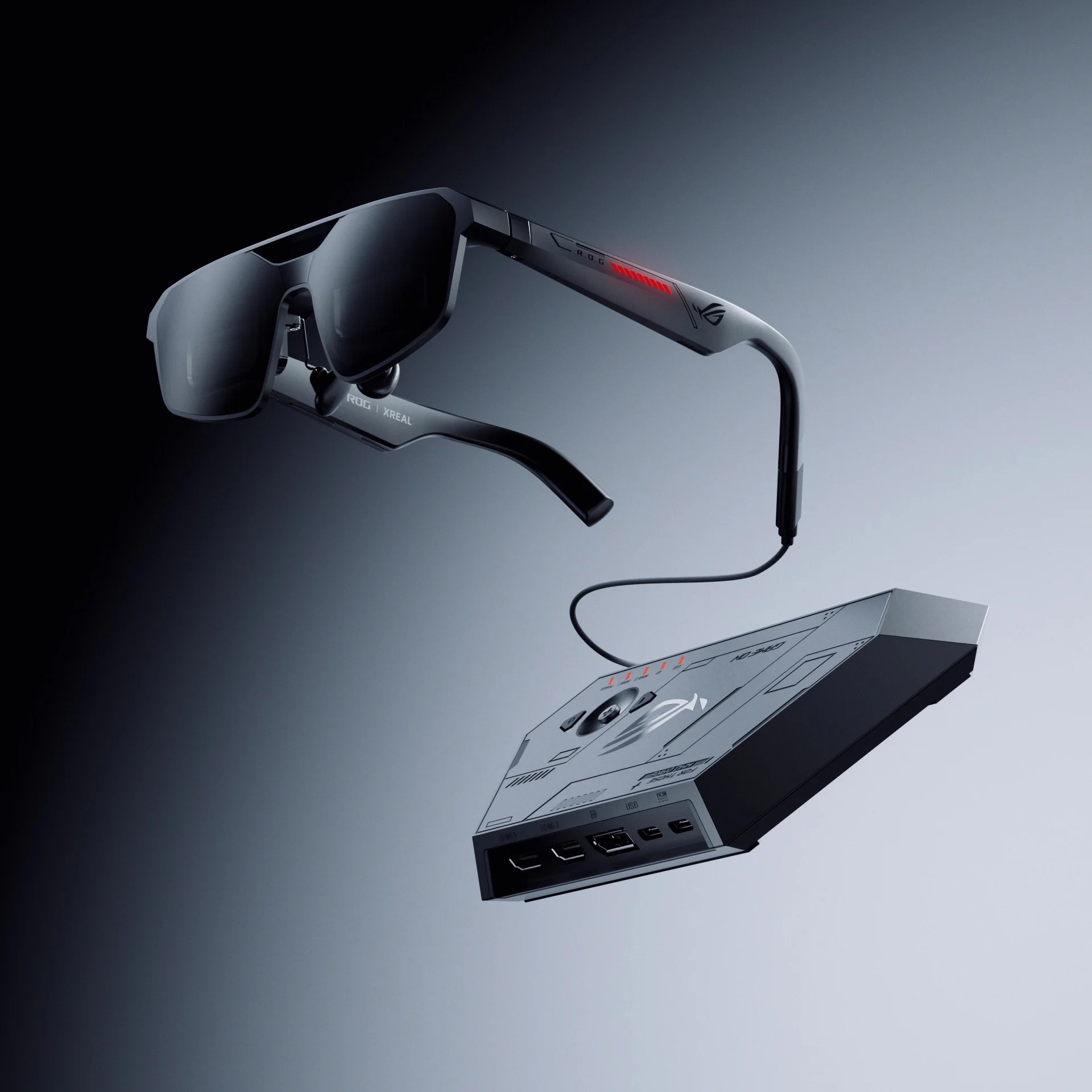
Spec for spec, the Xreal R1 and the Xreal One Pro are the same, except for that refresh rate and the slightly more gamer-y design. You get the same 171-inch (1,920 x 1,080) virtual display through the micro OLED panel, 57-degree field of view, Bose-tuned sound, 3DoF (three degrees of freedom) tracking technology used for anchoring virtual windows, and more. Asus ROG is hoping the 240Hz refresh rate will be worth the additional cost.


© Xreal
The only other difference is that the Xreal R1 comes with an “ROG Control Dock.” This docking station lets you switch between three connected devices (two via HDMI 2.0 and one through DisplayPort 1.4). So for example, with the push of a button, you could flip between a PS5, Switch 2, and a PC. Asus ROG touts the Xreal R1 as requiring no additional software to get up and running. Just plug the AR smart glasses into the Control Dock, select an input, and get gaming on your 171-inch virtual screen. You can also connect the Xreal R1 to any phone, tablet, laptop, or handheld that supports display out. For the Switch 2, you will need to use the Control Dock, as the Xreal Neo adapter/video was canceled before it could launch.

Will a 240Hz refresh rate in video smart glasses make any meaningful difference when you’re gaming? Who knows, but we’re hoping to find out soon when we get a pair to try out.
See Asus ROG Xreal R1 at Best Buy
      #Worlds #240Hz #Video #Smart #Glasses #Gaming #Arent #CheapAsus,Asus ROG,Gaming,smart glasses,XReal
© Xreal

Spec for spec, the Xreal R1 and the Xreal One Pro are the same, except for that refresh rate and the slightly more gamer-y design. You get the same 171-inch (1,920 x 1,080) virtual display through the micro OLED panel, 57-degree field of view, Bose-tuned sound, 3DoF (three degrees of freedom) tracking technology used for anchoring virtual windows, and more. Asus ROG is hoping the 240Hz refresh rate will be worth the additional cost.

Asus Rog Xreal R1 2
© Xreal

The only other difference is that the Xreal R1 comes with an “ROG Control Dock.” This docking station lets you switch between three connected devices (two via HDMI 2.0 and one through DisplayPort 1.4). So for example, with the push of a button, you could flip between a PS5, Switch 2, and a PC. Asus ROG touts the Xreal R1 as requiring no additional software to get up and running. Just plug the AR smart glasses into the Control Dock, select an input, and get gaming on your 171-inch virtual screen. You can also connect the Xreal R1 to any phone, tablet, laptop, or handheld that supports display out. For the Switch 2, you will need to use the Control Dock, as the Xreal Neo adapter/video was canceled before it could launch.

Will a 240Hz refresh rate in video smart glasses make any meaningful difference when you’re gaming? Who knows, but we’re hoping to find out soon when we get a pair to try out.

See Asus ROG Xreal R1 at Best Buy

#Worlds #240Hz #Video #Smart #Glasses #Gaming #Arent #CheapAsus,Asus ROG,Gaming,smart glasses,XReal"> The World’s First 240Hz Video Smart Glasses for Gaming Aren’t Cheap
                Asus ROG’s Xreal R1, the world’s first pair of AR smart glasses capable of projecting a virtual screen before your eyes with a blistering 240Hz rate, finally has… a price and preorder dates.
Ahead of Google I/O 2026, Asus ROG has announced the Xreal R1 costs 9—0 more than the 0 MSRP for the Xreal One Pro, which top out at a 120Hz refresh rate. The gaming-focused AR smart glasses can be ordered from Best Buy starting today, May 15. The Xreal store will accept preorders on May 17 at 3 a.m. ET / 12 a.m. PT.
See Asus ROG Xreal R1 at Best Buy
© Xreal
Spec for spec, the Xreal R1 and the Xreal One Pro are the same, except for that refresh rate and the slightly more gamer-y design. You get the same 171-inch (1,920 x 1,080) virtual display through the micro OLED panel, 57-degree field of view, Bose-tuned sound, 3DoF (three degrees of freedom) tracking technology used for anchoring virtual windows, and more. Asus ROG is hoping the 240Hz refresh rate will be worth the additional cost.


© Xreal
The only other difference is that the Xreal R1 comes with an “ROG Control Dock.” This docking station lets you switch between three connected devices (two via HDMI 2.0 and one through DisplayPort 1.4). So for example, with the push of a button, you could flip between a PS5, Switch 2, and a PC. Asus ROG touts the Xreal R1 as requiring no additional software to get up and running. Just plug the AR smart glasses into the Control Dock, select an input, and get gaming on your 171-inch virtual screen. You can also connect the Xreal R1 to any phone, tablet, laptop, or handheld that supports display out. For the Switch 2, you will need to use the Control Dock, as the Xreal Neo adapter/video was canceled before it could launch.

Will a 240Hz refresh rate in video smart glasses make any meaningful difference when you’re gaming? Who knows, but we’re hoping to find out soon when we get a pair to try out.
See Asus ROG Xreal R1 at Best Buy
      #Worlds #240Hz #Video #Smart #Glasses #Gaming #Arent #CheapAsus,Asus ROG,Gaming,smart glasses,XReal
Tech-news

, the world’s first pair of AR smart glasses capable of projecting a virtual screen before your eyes with a blistering 240Hz rate, finally has… a price and preorder dates.

Ahead of Google I/O 2026, Asus ROG has announced the Xreal R1 costs $849—$200 more than the $650 MSRP for the Xreal One Pro, which top out at a 120Hz refresh rate. The gaming-focused AR smart glasses can be ordered from Best Buy starting today, May 15. The Xreal store will accept preorders on May 17 at 3 a.m. ET / 12 a.m. PT.

See Asus ROG Xreal R1 at Best Buy

The World’s First 240Hz Video Smart Glasses for Gaming Aren’t Cheap
                Asus ROG’s Xreal R1, the world’s first pair of AR smart glasses capable of projecting a virtual screen before your eyes with a blistering 240Hz rate, finally has… a price and preorder dates.
Ahead of Google I/O 2026, Asus ROG has announced the Xreal R1 costs 9—0 more than the 0 MSRP for the Xreal One Pro, which top out at a 120Hz refresh rate. The gaming-focused AR smart glasses can be ordered from Best Buy starting today, May 15. The Xreal store will accept preorders on May 17 at 3 a.m. ET / 12 a.m. PT.
See Asus ROG Xreal R1 at Best Buy
© Xreal
Spec for spec, the Xreal R1 and the Xreal One Pro are the same, except for that refresh rate and the slightly more gamer-y design. You get the same 171-inch (1,920 x 1,080) virtual display through the micro OLED panel, 57-degree field of view, Bose-tuned sound, 3DoF (three degrees of freedom) tracking technology used for anchoring virtual windows, and more. Asus ROG is hoping the 240Hz refresh rate will be worth the additional cost.


© Xreal
The only other difference is that the Xreal R1 comes with an “ROG Control Dock.” This docking station lets you switch between three connected devices (two via HDMI 2.0 and one through DisplayPort 1.4). So for example, with the push of a button, you could flip between a PS5, Switch 2, and a PC. Asus ROG touts the Xreal R1 as requiring no additional software to get up and running. Just plug the AR smart glasses into the Control Dock, select an input, and get gaming on your 171-inch virtual screen. You can also connect the Xreal R1 to any phone, tablet, laptop, or handheld that supports display out. For the Switch 2, you will need to use the Control Dock, as the Xreal Neo adapter/video was canceled before it could launch.

Will a 240Hz refresh rate in video smart glasses make any meaningful difference when you’re gaming? Who knows, but we’re hoping to find out soon when we get a pair to try out.
See Asus ROG Xreal R1 at Best Buy
      #Worlds #240Hz #Video #Smart #Glasses #Gaming #Arent #CheapAsus,Asus ROG,Gaming,smart glasses,XReal
© Xreal

Spec for spec, the Xreal R1 and the Xreal One Pro are the same, except for that refresh rate and the slightly more gamer-y design. You get the same 171-inch (1,920 x 1,080) virtual display through the micro OLED panel, 57-degree field of view, Bose-tuned sound, 3DoF (three degrees of freedom) tracking technology used for anchoring virtual windows, and more. Asus ROG is hoping the 240Hz refresh rate will be worth the additional cost.

Asus Rog Xreal R1 2
© Xreal

The only other difference is that the Xreal R1 comes with an “ROG Control Dock.” This docking station lets you switch between three connected devices (two via HDMI 2.0 and one through DisplayPort 1.4). So for example, with the push of a button, you could flip between a PS5, Switch 2, and a PC. Asus ROG touts the Xreal R1 as requiring no additional software to get up and running. Just plug the AR smart glasses into the Control Dock, select an input, and get gaming on your 171-inch virtual screen. You can also connect the Xreal R1 to any phone, tablet, laptop, or handheld that supports display out. For the Switch 2, you will need to use the Control Dock, as the Xreal Neo adapter/video was canceled before it could launch.

Will a 240Hz refresh rate in video smart glasses make any meaningful difference when you’re gaming? Who knows, but we’re hoping to find out soon when we get a pair to try out.

See Asus ROG Xreal R1 at Best Buy

#Worlds #240Hz #Video #Smart #Glasses #Gaming #Arent #CheapAsus,Asus ROG,Gaming,smart glasses,XReal">The World’s First 240Hz Video Smart Glasses for Gaming Aren’t Cheap

Asus ROG’s Xreal R1, the world’s first pair of AR smart glasses capable of projecting a virtual screen before your eyes with a blistering 240Hz rate, finally has… a price and preorder dates.

Ahead of Google I/O 2026, Asus ROG has announced the Xreal R1 costs $849—$200 more than the $650 MSRP for the Xreal One Pro, which top out at a 120Hz refresh rate. The gaming-focused AR smart glasses can be ordered from Best Buy starting today, May 15. The Xreal store will accept preorders on May 17 at 3 a.m. ET / 12 a.m. PT.

See Asus ROG Xreal R1 at Best Buy

The World’s First 240Hz Video Smart Glasses for Gaming Aren’t Cheap
                Asus ROG’s Xreal R1, the world’s first pair of AR smart glasses capable of projecting a virtual screen before your eyes with a blistering 240Hz rate, finally has… a price and preorder dates.
Ahead of Google I/O 2026, Asus ROG has announced the Xreal R1 costs 9—0 more than the 0 MSRP for the Xreal One Pro, which top out at a 120Hz refresh rate. The gaming-focused AR smart glasses can be ordered from Best Buy starting today, May 15. The Xreal store will accept preorders on May 17 at 3 a.m. ET / 12 a.m. PT.
See Asus ROG Xreal R1 at Best Buy
© Xreal
Spec for spec, the Xreal R1 and the Xreal One Pro are the same, except for that refresh rate and the slightly more gamer-y design. You get the same 171-inch (1,920 x 1,080) virtual display through the micro OLED panel, 57-degree field of view, Bose-tuned sound, 3DoF (three degrees of freedom) tracking technology used for anchoring virtual windows, and more. Asus ROG is hoping the 240Hz refresh rate will be worth the additional cost.


© Xreal
The only other difference is that the Xreal R1 comes with an “ROG Control Dock.” This docking station lets you switch between three connected devices (two via HDMI 2.0 and one through DisplayPort 1.4). So for example, with the push of a button, you could flip between a PS5, Switch 2, and a PC. Asus ROG touts the Xreal R1 as requiring no additional software to get up and running. Just plug the AR smart glasses into the Control Dock, select an input, and get gaming on your 171-inch virtual screen. You can also connect the Xreal R1 to any phone, tablet, laptop, or handheld that supports display out. For the Switch 2, you will need to use the Control Dock, as the Xreal Neo adapter/video was canceled before it could launch.

Will a 240Hz refresh rate in video smart glasses make any meaningful difference when you’re gaming? Who knows, but we’re hoping to find out soon when we get a pair to try out.
See Asus ROG Xreal R1 at Best Buy
      #Worlds #240Hz #Video #Smart #Glasses #Gaming #Arent #CheapAsus,Asus ROG,Gaming,smart glasses,XReal
© Xreal

Spec for spec, the Xreal R1 and the Xreal One Pro are the same, except for that refresh rate and the slightly more gamer-y design. You get the same 171-inch (1,920 x 1,080) virtual display through the micro OLED panel, 57-degree field of view, Bose-tuned sound, 3DoF (three degrees of freedom) tracking technology used for anchoring virtual windows, and more. Asus ROG is hoping the 240Hz refresh rate will be worth the additional cost.

Asus Rog Xreal R1 2
© Xreal

The only other difference is that the Xreal R1 comes with an “ROG Control Dock.” This docking station lets you switch between three connected devices (two via HDMI 2.0 and one through DisplayPort 1.4). So for example, with the push of a button, you could flip between a PS5, Switch 2, and a PC. Asus ROG touts the Xreal R1 as requiring no additional software to get up and running. Just plug the AR smart glasses into the Control Dock, select an input, and get gaming on your 171-inch virtual screen. You can also connect the Xreal R1 to any phone, tablet, laptop, or handheld that supports display out. For the Switch 2, you will need to use the Control Dock, as the Xreal Neo adapter/video was canceled before it could launch.

Will a 240Hz refresh rate in video smart glasses make any meaningful difference when you’re gaming? Who knows, but we’re hoping to find out soon when we get a pair to try out.

See Asus ROG Xreal R1 at Best Buy

#Worlds #240Hz #Video #Smart #Glasses #Gaming #Arent #CheapAsus,Asus ROG,Gaming,smart glasses,XReal

Asus ROG’s Xreal R1, the world’s first pair of AR smart glasses capable of projecting…