×
Tech left teens fighting over scraps, and now it wants those too

Tech left teens fighting over scraps, and now it wants those too

Right now, there are robots stocking convenience store shelves in Japan. We haven’t embraced that tech here in America yet, but it’s hard to imagine 7-11 or Walmart won’t at least experiment with it soon. Walmart gave up on its shelf-scanning robots in 2020, but machine vision and AI have improved a lot in the last five years, and it’s only a matter of time before it’s a machine refilling that row of family-sized Fruity Pebbles and not a kid earning some extra cash during senior year of high school.

Truth is, there just aren’t many jobs for teens out there anymore, and most of them have chosen to simply remove themselves from the job market. In August of 2000, 52.3 percent of Americans between the ages of 16 and 19 were active in the labor force. In August of 2025, that number is just 34.8 percent.

There are a ton of reasons why (which mostly boil down to “technology”), but regardless of the why, it’s bad for everyone.

First and foremost, nobody benefits from having a robot flip your burger instead of a human. Well, nobody except whoever invested in RoboBurgers.AI, that is. As Harry J. Holzer, a senior fellow at the Brookings Institution, points out, automation “shifts compensation from workers to business owners, who enjoy higher profits with less need for labor.” As a customer, you get a product that isn’t demonstrably better or more reliable than what a 17-year-old goth kid could whip up. You don’t get it any cheaper, either, and if there’s another AWS outage, you might not get anything at all.

I’ll never have to worry about my salmon avocado rolls spoiling inside a delivery driver’s 2012 Prius because of a firmware update and spotty cell reception.

Just as importantly, teens are missing out on a valuable experience during some of the most formative years of their lives. Learning to juggle the responsibilities of a job, navigate a workplace, and develop basic financial literacy skills only gets harder as you get older. They’ll arrive in the workforce with less experience under their belt, without having been able to test run dealing with a difficult boss in a low-stakes job at a Dairy Queen.

MIT economist Daron Acemoglu argues that automation doesn’t actually improve productivity that much, is mostly just drives income inequality by displacing lower-skill workers. Automation has eaten into jobs in manufacturing and warehouses, pushing adults who would normally work those positions into areas traditionally reserved for younger workers, like retail, food delivery, and even paper routes. The average age of a retail worker in the US in 2024 was 38.7. In clothing retail specifically, which skews much younger than retail as a whole, it was 33, up dramatically from 29.3 in 2015.

And now that adults are delivering pizza on the side to supplement their stagnant wages and to try to keep up with soaring prices, the robots are coming for those jobs, too. It wasn’t enough that 17-year-olds with driver’s licenses got pushed out of the delivery market by Uber Eats and DoorDash where, depending on what state you live in, you might need to be 21 to drop off Chinese takeout to hungry families. Now, both those companies are dabbling with autonomous food delivery robots in the US.

At the risk of sounding like a Luddite, I’m not interested in having a self-driving cooler roll up to my gate to bring me sushi — I see no benefit to me as a consumer. There’s nothing broken with the current system that a robot is going to fix. Plus, I’ll never have to worry about my salmon avocado rolls spoiling inside a delivery driver’s 2012 Prius because of a firmware update and spotty cell reception.

Stocking shelves, scooping ice cream, flipping burgers, and delivering takeout aren’t glorious jobs. But they used to be the sort of thing that gave young adults and teenagers a first taste of independence. They offered valuable lessons in managing a budget and taught them important interpersonal skills. But the knock-on effects of online shopping, automation, and digital media have largely driven them out of the workforce.

Teens have voluntarily removed themselves from the labor market because they’re forced to fight over an ever-shrinking pool of jobs with an ever-expanding pool of workers. And now, we’re training robots to take what few scraps are left. Even bagging groceries isn’t safe.

Follow topics and authors from this story to see more like this in your personalized homepage feed and to receive email updates.


Source link
#Tech #left #teens #fighting #scraps

After 10 days, the four astronauts aboard the Orion spacecraft have returned to Earth, their mission around the Moon a success.

Integrity, the name of the crew’s spacecraft as part of NASA’s Artemis II mission, splashed down in the Pacific Ocean off the coast of San Diego, California, at 5:07 p.m. Pacific Time, according to NASA. The four crew members aboard — three Americans and one Canadian — were all in “green” (or safe and healthy) condition after the Orion craft’s “perfect” landing.

[embed]https://www.youtube.com/watch?v=nfhDuOHMp0A[/embed]

The crew was composed of Commander Reid Wiseman, pilot Victor Glover, and mission specialists Christina Koch and Jeremy Hansen. From liftoff to splashdown, the quartet was in space for just over nine days (with NASA rounding up and calling it a 10-day mission).

Artemis II was NASA’s first mission to the Moon’s orbit in more than 50 years. The crew traveled farther from Earth than humans ever have before — reaching an estimated 252,760 miles from our planet. During their journey, the crew orbited the Moon, taking photos from their flyby of never-before-seen parts of the surface, and even witnessing a total solar eclipse. They identified new craters, naming one after Wiseman’s wife Carroll, who died of cancer in 2020.

“These were the ambassadors to the stars that we sent out there,” Jared Isaacman, NASA’s administrator, said after the landing. “I can’t imagine a better crew. It was a perfect mission.”

#NASA #Artemis #splashes #Pacific #Ocean #perfect #landing #Moon #mission #TechCrunchartemis ii,NASA,Space">NASA Artemis II splashes down in Pacific Ocean in ‘perfect’ landing for Moon mission | TechCrunch
After 10 days, the four astronauts aboard the Orion spacecraft have returned to Earth, their mission around the Moon a success.

Integrity, the name of the crew’s spacecraft as part of NASA’s Artemis II mission, splashed down in the Pacific Ocean off the coast of San Diego, California, at 5:07 p.m. Pacific Time, according to NASA. The four crew members aboard — three Americans and one Canadian — were all in “green” (or safe and healthy) condition after the Orion craft’s “perfect” landing.


[embed]https://www.youtube.com/watch?v=nfhDuOHMp0A[/embed]


The crew was composed of Commander Reid Wiseman, pilot Victor Glover, and mission specialists Christina Koch and Jeremy Hansen. From liftoff to splashdown, the quartet was in space for just over nine days (with NASA rounding up and calling it a 10-day mission).


Artemis II was NASA’s first mission to the Moon’s orbit in more than 50 years. The crew traveled farther from Earth than humans ever have before — reaching an estimated 252,760 miles from our planet. During their journey, the crew orbited the Moon, taking photos from their flyby of never-before-seen parts of the surface, and even witnessing a total solar eclipse. They identified new craters, naming one after Wiseman’s wife Carroll, who died of cancer in 2020.

“These were the ambassadors to the stars that we sent out there,” Jared Isaacman, NASA’s administrator, said after the landing. “I can’t imagine a better crew. It was a perfect mission.”
#NASA #Artemis #splashes #Pacific #Ocean #perfect #landing #Moon #mission #TechCrunchartemis ii,NASA,Space

photos from their flyby of never-before-seen parts of the surface, and even witnessing a total solar eclipse. They identified new craters, naming one after Wiseman’s wife Carroll, who died of cancer in 2020.

“These were the ambassadors to the stars that we sent out there,” Jared Isaacman, NASA’s administrator, said after the landing. “I can’t imagine a better crew. It was a perfect mission.”

#NASA #Artemis #splashes #Pacific #Ocean #perfect #landing #Moon #mission #TechCrunchartemis ii,NASA,Space">NASA Artemis II splashes down in Pacific Ocean in ‘perfect’ landing for Moon mission | TechCrunch

After 10 days, the four astronauts aboard the Orion spacecraft have returned to Earth, their mission around the Moon a success.

Integrity, the name of the crew’s spacecraft as part of NASA’s Artemis II mission, splashed down in the Pacific Ocean off the coast of San Diego, California, at 5:07 p.m. Pacific Time, according to NASA. The four crew members aboard — three Americans and one Canadian — were all in “green” (or safe and healthy) condition after the Orion craft’s “perfect” landing.

[embed]https://www.youtube.com/watch?v=nfhDuOHMp0A[/embed]

The crew was composed of Commander Reid Wiseman, pilot Victor Glover, and mission specialists Christina Koch and Jeremy Hansen. From liftoff to splashdown, the quartet was in space for just over nine days (with NASA rounding up and calling it a 10-day mission).

Artemis II was NASA’s first mission to the Moon’s orbit in more than 50 years. The crew traveled farther from Earth than humans ever have before — reaching an estimated 252,760 miles from our planet. During their journey, the crew orbited the Moon, taking photos from their flyby of never-before-seen parts of the surface, and even witnessing a total solar eclipse. They identified new craters, naming one after Wiseman’s wife Carroll, who died of cancer in 2020.

“These were the ambassadors to the stars that we sent out there,” Jared Isaacman, NASA’s administrator, said after the landing. “I can’t imagine a better crew. It was a perfect mission.”

#NASA #Artemis #splashes #Pacific #Ocean #perfect #landing #Moon #mission #TechCrunchartemis ii,NASA,Space
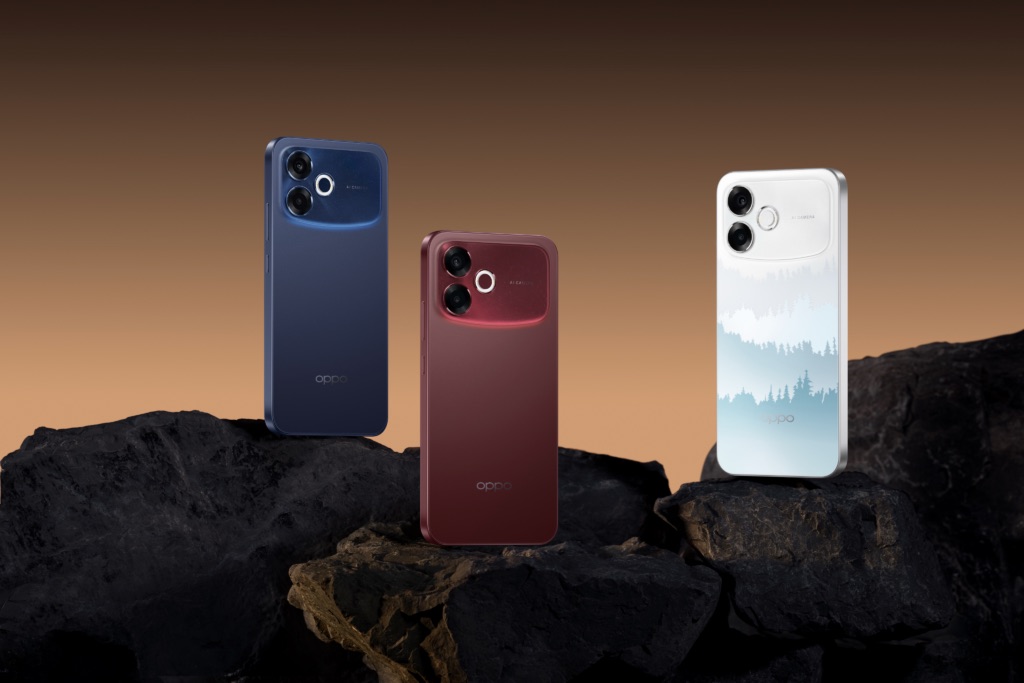
OPPO F-series has always focused on the durability side of things, with some of the toughest phones I’ve ever tested. With the new F33 series, the Chinese smartphone maker is bringing a new type of durability-focused smartphone to India. Based on details shared ahead of launch, the company is positioning the lineup as a solution to everyday smartphone problems like cracked screens, water damage, and battery anxiety.

Built for Indian Conditions

OPPO F33 Series to Launch With IP69K Rating and 7,000mAh Battery
	
The OPPO F-series has always focused on the durability side of things, with some of the toughest phones I’ve ever tested. With the new F33 series, the Chinese smartphone maker is bringing a new type of durability-focused smartphone to India. Based on details shared ahead of launch, the company is positioning the lineup as a solution to everyday smartphone problems like cracked screens, water damage, and battery anxiety.


Built for Indian Conditions


Durability seems to be the core focus here. The OPPO F33 series is said to come with IP69K certification, which is a step above the usual IP67 or IP68 ratings seen in most mid-range phones. In practical terms, this means the device can handle high-pressure, high-temperature water jets and provide complete dust protection. It’s designed to survive not just accidental splashes, but harsher environments like heavy rain, kitchens, or dusty outdoor conditions.


Beyond certifications, OPPO says the F33 series has undergone military-grade durability testing. This includes extreme temperature tests ranging from freezing cold to high heat, salt exposure for coastal conditions, and even simulations of strong winds and heavy rainfall. The devices are also tested for drops, with thousands of simulated falls and immersion tests to ensure real-world reliability.


Structurally, the phones feature a 360-degree armor body, built using an aerospace-grade aluminium frame, reinforced internals, and thicker protective materials for both the display and back panel. There’s also an internal cushioning system designed to absorb shocks during impact.


Long-Term Battery Health


Battery life is another major highlight of the F33 series. OPPO is introducing a 7,000mAh battery that’s designed to retain up to 80% of its capacity even after five years of usage.


The company is using a self-repairing electrolyte technology, which is said to help maintain battery health over time. Combined with 80W fast charging, reverse charging, and bypass charging support, the F33 series aims to reduce both charging time and long-term battery degradation.

#OPPO #F33 #Series #Launch #IP69K #Rating #7000mAh #BatteryOppo

Durability seems to be the core focus here. The OPPO F33 series is said to come with IP69K certification, which is a step above the usual IP67 or IP68 ratings seen in most mid-range phones. In practical terms, this means the device can handle high-pressure, high-temperature water jets and provide complete dust protection. It’s designed to survive not just accidental splashes, but harsher environments like heavy rain, kitchens, or dusty outdoor conditions.

Beyond certifications, OPPO says the F33 series has undergone military-grade durability testing. This includes extreme temperature tests ranging from freezing cold to high heat, salt exposure for coastal conditions, and even simulations of strong winds and heavy rainfall. The devices are also tested for drops, with thousands of simulated falls and immersion tests to ensure real-world reliability.

Structurally, the phones feature a 360-degree armor body, built using an aerospace-grade aluminium frame, reinforced internals, and thicker protective materials for both the display and back panel. There’s also an internal cushioning system designed to absorb shocks during impact.

Long-Term Battery Health

Battery life is another major highlight of the F33 series. OPPO is introducing a 7,000mAh battery that’s designed to retain up to 80% of its capacity even after five years of usage.

The company is using a self-repairing electrolyte technology, which is said to help maintain battery health over time. Combined with 80W fast charging, reverse charging, and bypass charging support, the F33 series aims to reduce both charging time and long-term battery degradation.

#OPPO #F33 #Series #Launch #IP69K #Rating #7000mAh #BatteryOppo">OPPO F33 Series to Launch With IP69K Rating and 7,000mAh Battery
	
The OPPO F-series has always focused on the durability side of things, with some of the toughest phones I’ve ever tested. With the new F33 series, the Chinese smartphone maker is bringing a new type of durability-focused smartphone to India. Based on details shared ahead of launch, the company is positioning the lineup as a solution to everyday smartphone problems like cracked screens, water damage, and battery anxiety.


Built for Indian Conditions


Durability seems to be the core focus here. The OPPO F33 series is said to come with IP69K certification, which is a step above the usual IP67 or IP68 ratings seen in most mid-range phones. In practical terms, this means the device can handle high-pressure, high-temperature water jets and provide complete dust protection. It’s designed to survive not just accidental splashes, but harsher environments like heavy rain, kitchens, or dusty outdoor conditions.


Beyond certifications, OPPO says the F33 series has undergone military-grade durability testing. This includes extreme temperature tests ranging from freezing cold to high heat, salt exposure for coastal conditions, and even simulations of strong winds and heavy rainfall. The devices are also tested for drops, with thousands of simulated falls and immersion tests to ensure real-world reliability.


Structurally, the phones feature a 360-degree armor body, built using an aerospace-grade aluminium frame, reinforced internals, and thicker protective materials for both the display and back panel. There’s also an internal cushioning system designed to absorb shocks during impact.


Long-Term Battery Health


Battery life is another major highlight of the F33 series. OPPO is introducing a 7,000mAh battery that’s designed to retain up to 80% of its capacity even after five years of usage.


The company is using a self-repairing electrolyte technology, which is said to help maintain battery health over time. Combined with 80W fast charging, reverse charging, and bypass charging support, the F33 series aims to reduce both charging time and long-term battery degradation.

#OPPO #F33 #Series #Launch #IP69K #Rating #7000mAh #BatteryOppo

has always focused on the durability side of things, with some of the toughest phones I’ve ever tested. With the new F33 series, the Chinese smartphone maker is bringing a new type of durability-focused smartphone to India. Based on details shared ahead of launch, the company is positioning the lineup as a solution to everyday smartphone problems like cracked screens, water damage, and battery anxiety.

Built for Indian Conditions

OPPO F33 Series to Launch With IP69K Rating and 7,000mAh Battery
	
The OPPO F-series has always focused on the durability side of things, with some of the toughest phones I’ve ever tested. With the new F33 series, the Chinese smartphone maker is bringing a new type of durability-focused smartphone to India. Based on details shared ahead of launch, the company is positioning the lineup as a solution to everyday smartphone problems like cracked screens, water damage, and battery anxiety.


Built for Indian Conditions


Durability seems to be the core focus here. The OPPO F33 series is said to come with IP69K certification, which is a step above the usual IP67 or IP68 ratings seen in most mid-range phones. In practical terms, this means the device can handle high-pressure, high-temperature water jets and provide complete dust protection. It’s designed to survive not just accidental splashes, but harsher environments like heavy rain, kitchens, or dusty outdoor conditions.


Beyond certifications, OPPO says the F33 series has undergone military-grade durability testing. This includes extreme temperature tests ranging from freezing cold to high heat, salt exposure for coastal conditions, and even simulations of strong winds and heavy rainfall. The devices are also tested for drops, with thousands of simulated falls and immersion tests to ensure real-world reliability.


Structurally, the phones feature a 360-degree armor body, built using an aerospace-grade aluminium frame, reinforced internals, and thicker protective materials for both the display and back panel. There’s also an internal cushioning system designed to absorb shocks during impact.


Long-Term Battery Health


Battery life is another major highlight of the F33 series. OPPO is introducing a 7,000mAh battery that’s designed to retain up to 80% of its capacity even after five years of usage.


The company is using a self-repairing electrolyte technology, which is said to help maintain battery health over time. Combined with 80W fast charging, reverse charging, and bypass charging support, the F33 series aims to reduce both charging time and long-term battery degradation.

#OPPO #F33 #Series #Launch #IP69K #Rating #7000mAh #BatteryOppo

Durability seems to be the core focus here. The OPPO F33 series is said to come with IP69K certification, which is a step above the usual IP67 or IP68 ratings seen in most mid-range phones. In practical terms, this means the device can handle high-pressure, high-temperature water jets and provide complete dust protection. It’s designed to survive not just accidental splashes, but harsher environments like heavy rain, kitchens, or dusty outdoor conditions.

Beyond certifications, OPPO says the F33 series has undergone military-grade durability testing. This includes extreme temperature tests ranging from freezing cold to high heat, salt exposure for coastal conditions, and even simulations of strong winds and heavy rainfall. The devices are also tested for drops, with thousands of simulated falls and immersion tests to ensure real-world reliability.

Structurally, the phones feature a 360-degree armor body, built using an aerospace-grade aluminium frame, reinforced internals, and thicker protective materials for both the display and back panel. There’s also an internal cushioning system designed to absorb shocks during impact.

Long-Term Battery Health

Battery life is another major highlight of the F33 series. OPPO is introducing a 7,000mAh battery that’s designed to retain up to 80% of its capacity even after five years of usage.

The company is using a self-repairing electrolyte technology, which is said to help maintain battery health over time. Combined with 80W fast charging, reverse charging, and bypass charging support, the F33 series aims to reduce both charging time and long-term battery degradation.

#OPPO #F33 #Series #Launch #IP69K #Rating #7000mAh #BatteryOppo">OPPO F33 Series to Launch With IP69K Rating and 7,000mAh Battery

The OPPO F-series has always focused on the durability side of things, with some of the toughest phones I’ve ever tested. With the new F33 series, the Chinese smartphone maker is bringing a new type of durability-focused smartphone to India. Based on details shared ahead of launch, the company is positioning the lineup as a solution to everyday smartphone problems like cracked screens, water damage, and battery anxiety.

Built for Indian Conditions

OPPO F33 Series to Launch With IP69K Rating and 7,000mAh Battery
	
The OPPO F-series has always focused on the durability side of things, with some of the toughest phones I’ve ever tested. With the new F33 series, the Chinese smartphone maker is bringing a new type of durability-focused smartphone to India. Based on details shared ahead of launch, the company is positioning the lineup as a solution to everyday smartphone problems like cracked screens, water damage, and battery anxiety.


Built for Indian Conditions


Durability seems to be the core focus here. The OPPO F33 series is said to come with IP69K certification, which is a step above the usual IP67 or IP68 ratings seen in most mid-range phones. In practical terms, this means the device can handle high-pressure, high-temperature water jets and provide complete dust protection. It’s designed to survive not just accidental splashes, but harsher environments like heavy rain, kitchens, or dusty outdoor conditions.


Beyond certifications, OPPO says the F33 series has undergone military-grade durability testing. This includes extreme temperature tests ranging from freezing cold to high heat, salt exposure for coastal conditions, and even simulations of strong winds and heavy rainfall. The devices are also tested for drops, with thousands of simulated falls and immersion tests to ensure real-world reliability.


Structurally, the phones feature a 360-degree armor body, built using an aerospace-grade aluminium frame, reinforced internals, and thicker protective materials for both the display and back panel. There’s also an internal cushioning system designed to absorb shocks during impact.


Long-Term Battery Health


Battery life is another major highlight of the F33 series. OPPO is introducing a 7,000mAh battery that’s designed to retain up to 80% of its capacity even after five years of usage.


The company is using a self-repairing electrolyte technology, which is said to help maintain battery health over time. Combined with 80W fast charging, reverse charging, and bypass charging support, the F33 series aims to reduce both charging time and long-term battery degradation.

#OPPO #F33 #Series #Launch #IP69K #Rating #7000mAh #BatteryOppo

Durability seems to be the core focus here. The OPPO F33 series is said to come with IP69K certification, which is a step above the usual IP67 or IP68 ratings seen in most mid-range phones. In practical terms, this means the device can handle high-pressure, high-temperature water jets and provide complete dust protection. It’s designed to survive not just accidental splashes, but harsher environments like heavy rain, kitchens, or dusty outdoor conditions.

Beyond certifications, OPPO says the F33 series has undergone military-grade durability testing. This includes extreme temperature tests ranging from freezing cold to high heat, salt exposure for coastal conditions, and even simulations of strong winds and heavy rainfall. The devices are also tested for drops, with thousands of simulated falls and immersion tests to ensure real-world reliability.

Structurally, the phones feature a 360-degree armor body, built using an aerospace-grade aluminium frame, reinforced internals, and thicker protective materials for both the display and back panel. There’s also an internal cushioning system designed to absorb shocks during impact.

Long-Term Battery Health

Battery life is another major highlight of the F33 series. OPPO is introducing a 7,000mAh battery that’s designed to retain up to 80% of its capacity even after five years of usage.

The company is using a self-repairing electrolyte technology, which is said to help maintain battery health over time. Combined with 80W fast charging, reverse charging, and bypass charging support, the F33 series aims to reduce both charging time and long-term battery degradation.

#OPPO #F33 #Series #Launch #IP69K #Rating #7000mAh #BatteryOppo

Post Comment