
If your wardrobe has been playing it safe lately, with neutral tones, barely-there silhouettes, quiet luxury on repeat, we need to talk. Because 2026 has decided that more is more, and the people leading that shift? Black creatives. African designers. Diaspora stylists who have always understood that fashion is a full-body conversation.
Maximalist fashion is back, but not in a half-hearted, “printed blazer and done” kind of way. We’re talking bold shoulders that demand attention, lace that feels intentional rather than bridal, embellishments that catch the light across a room, and layering that tells a story before you say a word. This is statement dressing, and it has arrived without apology.
Why Now? Because Fashion Cycles Don’t Lie
Every few years, fashion overcorrects. After a long stretch of minimalism dominating every mood board and Instagram aesthetic, the pendulum swings sharply in the opposite direction. We saw it in the late ’80s, we felt it in the early 2000s, and we’re living it again in 2026.
But this moment feels different. It’s not just a cyclical return; it’s a reclamation. Nostalgia is being filtered through a modern lens of individuality. After years of economic pressure and a collective craving for joy, people want their clothes to do more. They want to feel something when they walk into a room. And no one has embodied that energy more consistently than Black creatives, often without the industry’s co-sign.
When the Runways Confirmed Maximalist Fashion Was Back for Real
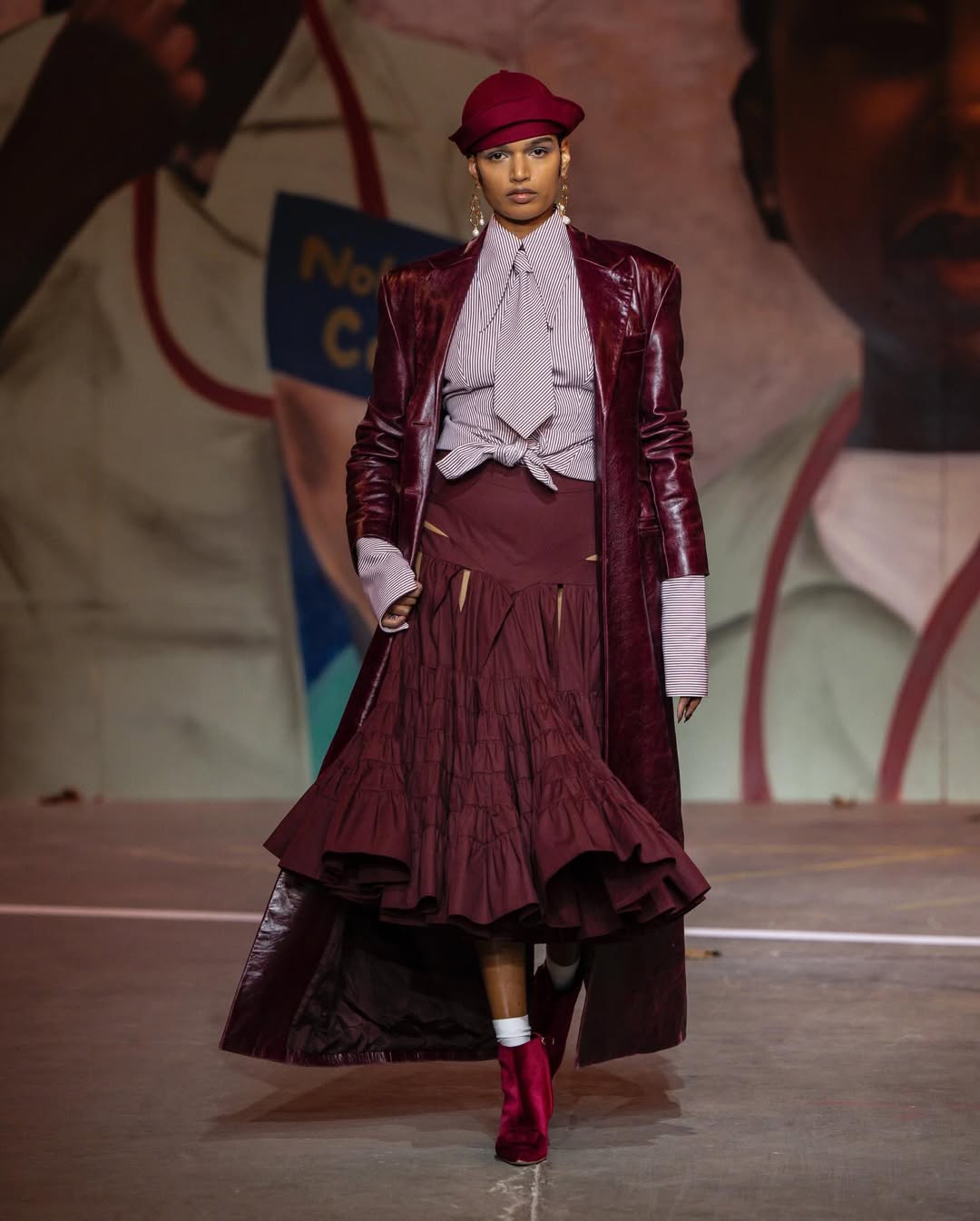
If quiet luxury needed a closing chapter, Paris Fashion Week Fall/Winter 2026 delivered it. The prevailing aesthetic marked a clear departure from the restrained minimalism that defined 2024 and 2025. Statement jewelry, archival couture references, and full-bodied Parisian glamour replaced the clean, pared-back look that had dominated recent seasons.
The real shift was also visible during London and Milan’s Autumn/Winter 2026 shows. Designers rooted in the African diaspora used the runway not just to present clothing, but to assert narrative control, moving beyond aesthetics of struggle into an era of mastery. This wasn’t just a trend cycle; it was a statement.
Designers like Tolu Coker, Tokyo James, and Foday Dumbuya of Labrum helped define the season, each bringing a maximalist perspective grounded in heritage rather than hype. In Milan, sculpted coats, strong shoulders, and defined waists reinforced silhouettes that felt commanding and contemporary, aligning with a visual language Black creatives have been shaping long before the industry caught up.
Outside the shows, street style echoed the same energy. Attendees layered bold pieces with confidence, while viral TikTok clips celebrated pattern clashes and statement accessories. Even red carpets have begun favouring drama over discretion. The runway didn’t start this conversation. It finally caught up to it.
Maximalist Fashion: The Designers Making It Happen
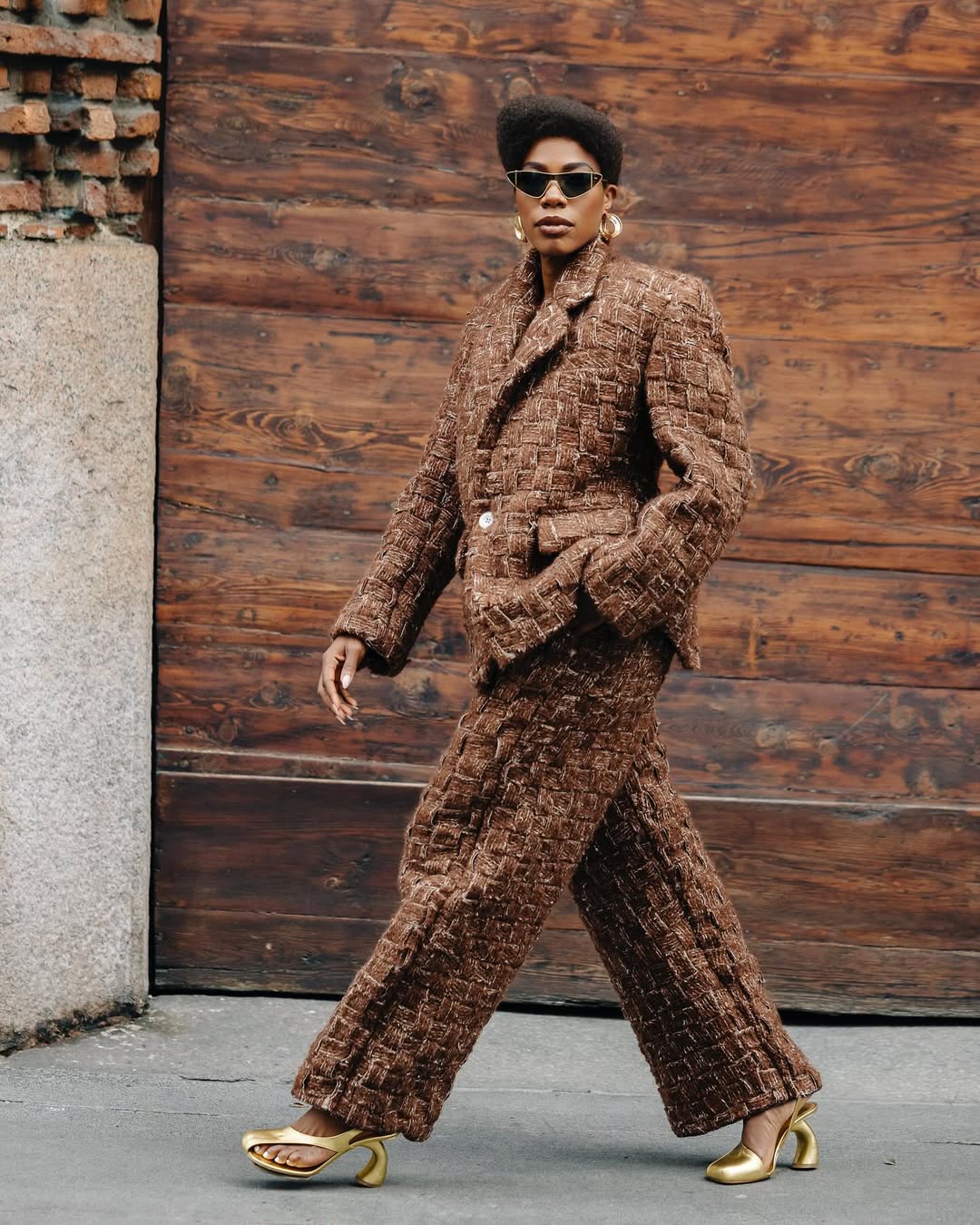
The maximalist moment in 2026 has a clear creative backbone: African and diaspora designers who are finally receiving global recognition. Labels like Maximilian, Tokyo James, and Fruché are no longer niche; they’re industry reference points. Their work blends cultural heritage with forward-thinking construction. Think structured, agbada-inspired shoulders. Heavily embroidered corsetry. Dresses that read as both garments and installations.
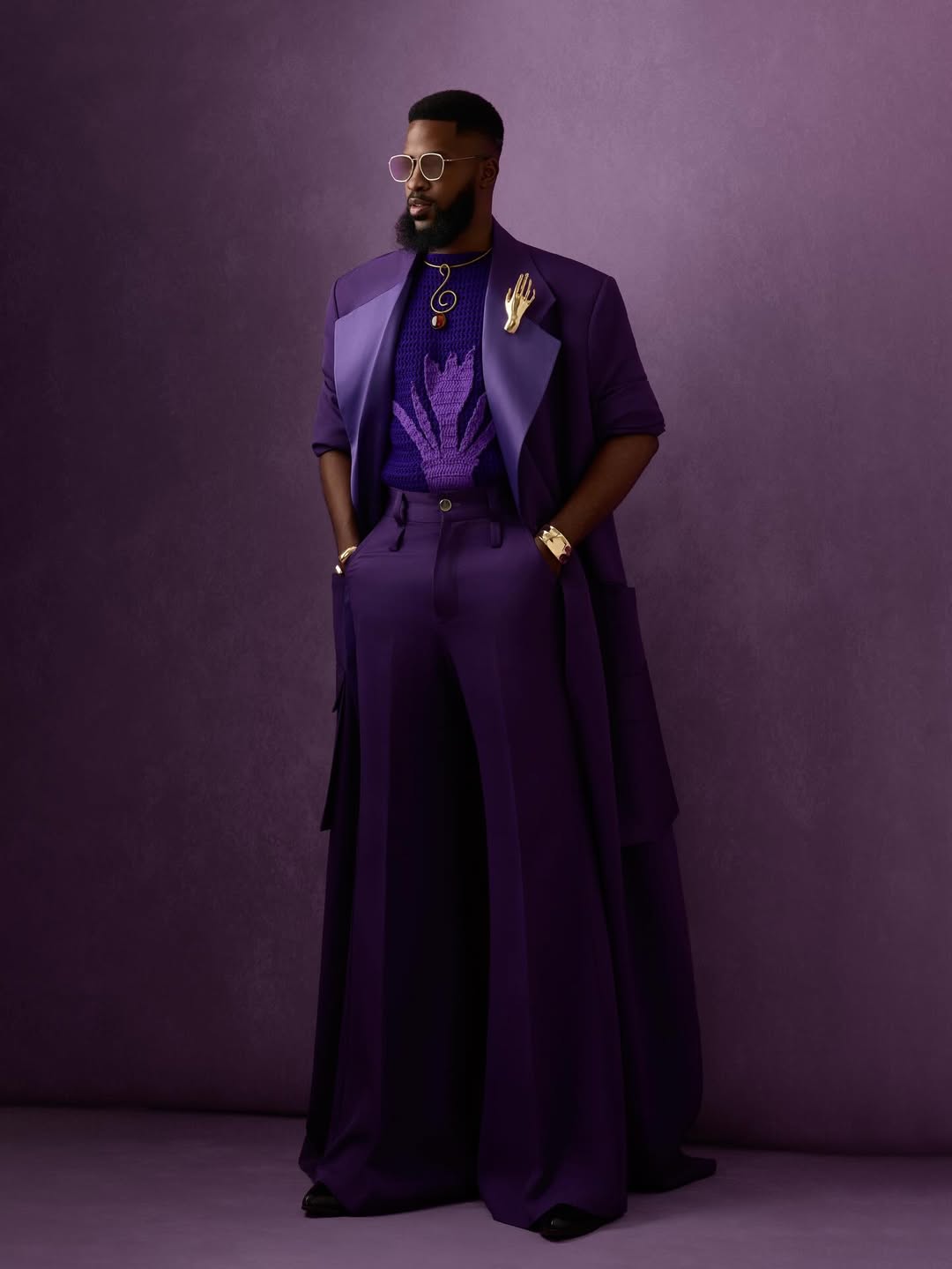
On the continent, designers from Lagos to Accra are pushing maximalism with a distinctly local perspective. Kenneth Ize, known for his loom-woven textiles, continues to demonstrate that African craftsmanship is not just heritage; it’s a blueprint for the future. Orange Culture redefines masculinity through layered, expressive, and emotionally resonant pieces.
And the stylists? They’re the architects behind the scenes. Creatives like Jason Rembert and Law Roach (whose “retirement” only amplified his influence) have long championed bold, maximalist dressing. Their work reframes embellishment and drama as acts of visibility and cultural expression.
What Statement Dressing Looks Like Right Now
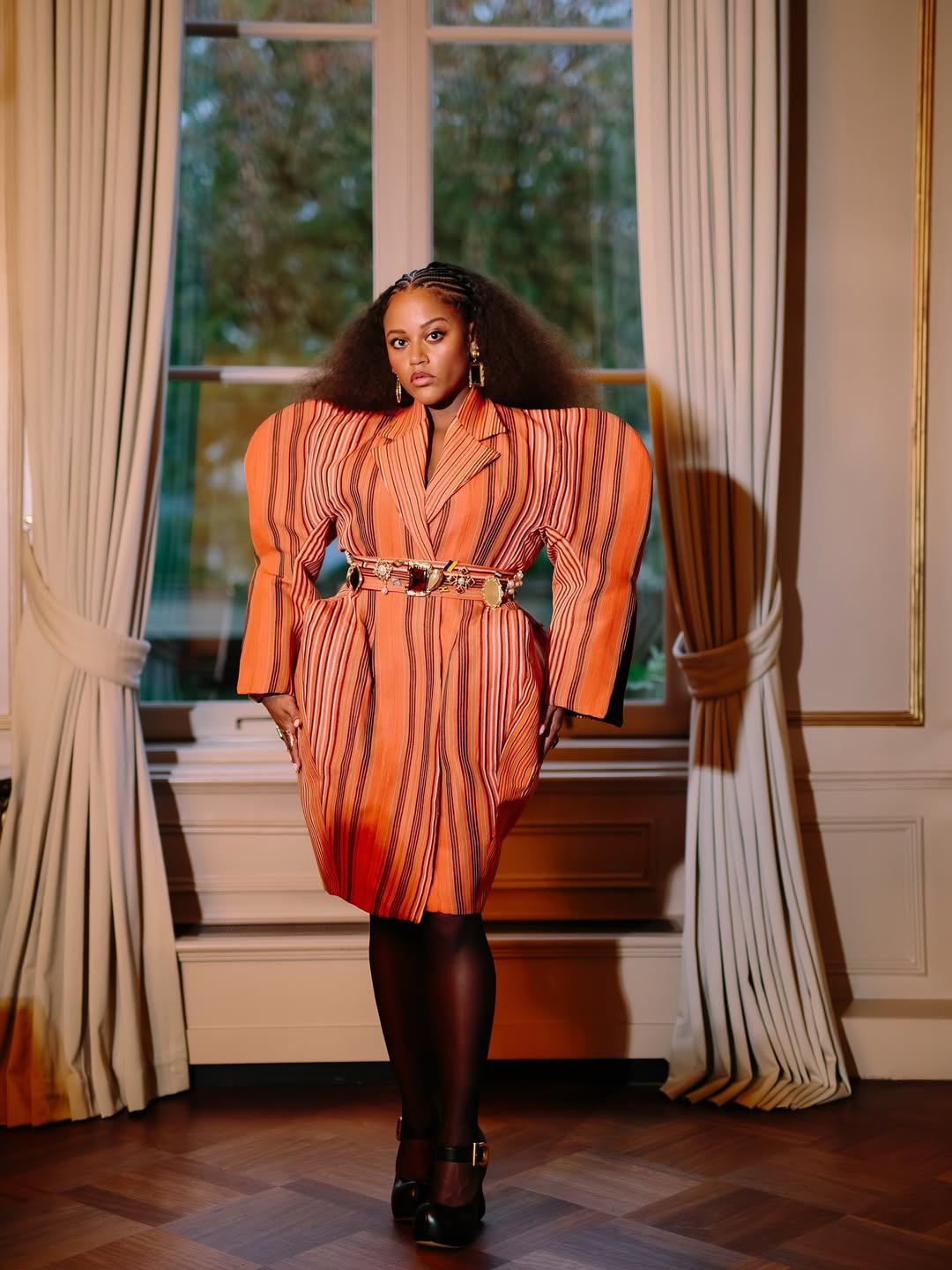
Let’s be specific, because “maximalism” can feel overwhelming if you don’t know what you’re actually shopping for. Here’s what’s driving the look in 2026:
- Bold shoulders: Structured, exaggerated, sculptural. The shoulder is once again the focal point.
- Lace, reimagined: Bodysuits under blazers, lace trousers, and layering pieces that feel modern, not nostalgic.
- Embellishment: Beading, sequins, feathers, embroidery—worn during the day, intentionally.
- Layering with intent: Mixing prints, textures, and eras in a way that feels curated, not chaotic.
- Color as statement: Cobalt, burnt orange, deep emerald, hot pink—often worn head-to-toe or clashed deliberately.
How to Start Wearing It
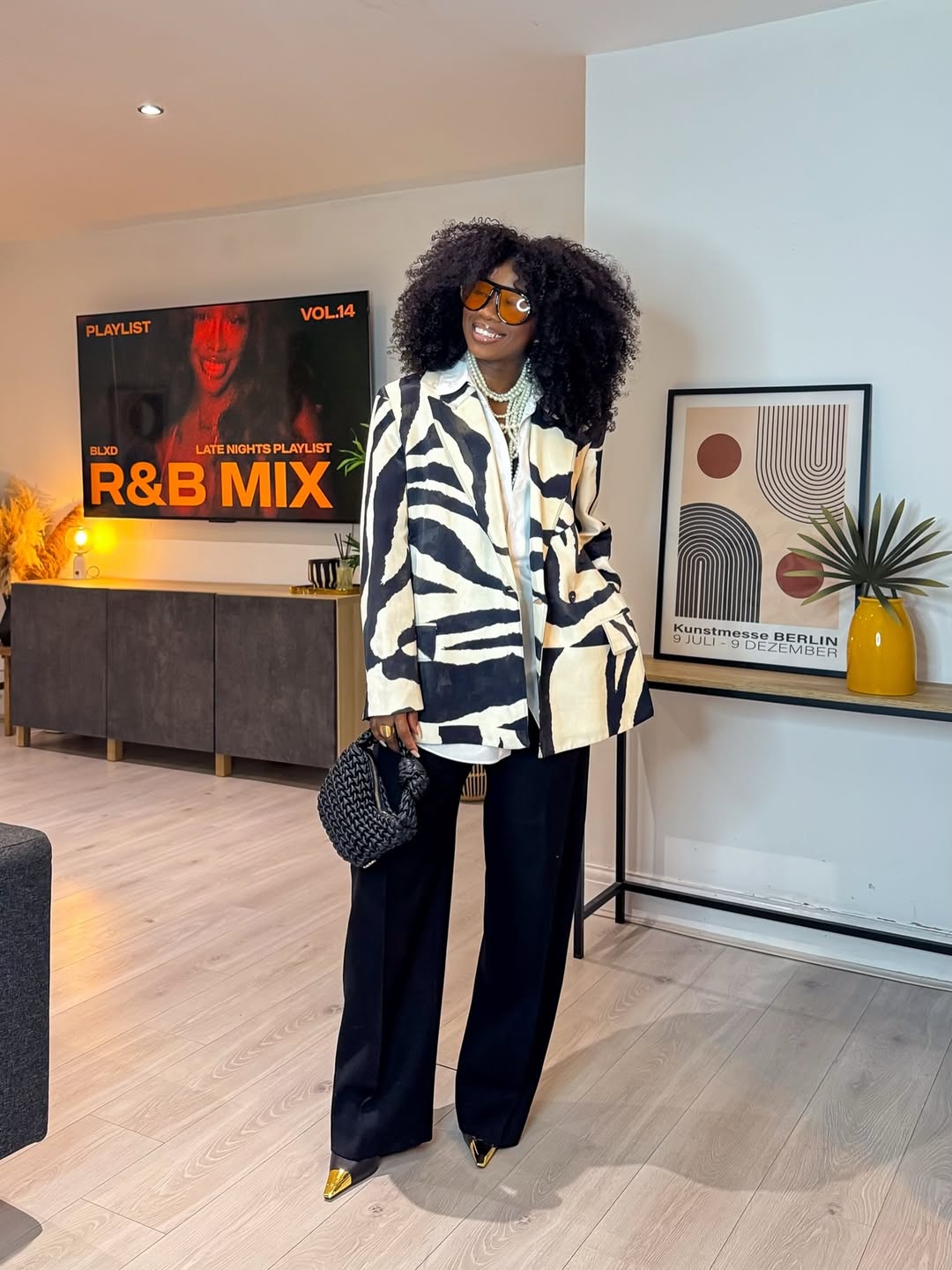
Not everyone wakes up a maximalist, and that’s fine. The easiest entry point is a single statement piece: a heavily embellished blazer, a bold-shoulder dress, or wide-leg trousers in a striking print, paired with simpler elements. Let one piece lead while you build confidence. But ultimately, the only real rule in maximalist dressing is that there are no rules. And that’s exactly what makes it powerful.
The creatives leading this movement, from Lagos runways to London street style, have been saying this for years: fashion is expression. It’s identity. It’s joy. In 2026, the rest of the world is finally listening.
Featured image: Ayo Makinwa

Source link
#Return #Maximalist #Fashion #Black #Creatives #Leading #Charge


Post Comment