×
US Supreme Court Upholds Tennessee’s Ban on Gender-Affirming Care for Minors

US Supreme Court Upholds Tennessee’s Ban on Gender-Affirming Care for Minors

The US Supreme Court’s conservative majority on Wednesday upheld the state of Tennessee’s ban on gender-affirming care for minors.

In a 6–3 decision in United States v. Skrmetti, the justices found that Tennessee’s law is not unconstitutional. The central issue of the case was whether Tennessee’s ban violates the equal protection clause of the 14th Amendment, which states that the government cannot discriminate against individuals based on their race, gender, or other characteristics. The ruling does not affect states where gender-affirming care for youth remains legal, but establishes the precedent that states can ban this kind of treatment.

The lawsuit was brought to the court by three transgender teenagers and their parents, as well as a doctor, with the Biden administration’s Department of Justice joining the plaintiffs. They argued that the Tennessee law discriminates based on sex and gender status by denying medical care to transgender youth that is available to other minors. This is the first case the Supreme Court has taken up on the issue of gender-affirming care for minors.

Gender-affirming care includes a variety of medical services meant to help align a person’s body more closely with their gender identity. It can include hormone therapy, puberty blockers, and surgeries.

Tennessee enacted its law in 2023, which prohibits health care providers from prescribing medication or offering gender-affirming surgical procedures to minors whose gender identities are different from their assigned sex at birth. The law excludes procedures that address congenital defects or physical injuries, as well as gender-affirming medical care for minors whose gender identity conforms with their designated sex at birth. It means, for instance, that a cisgender boy with gynecomastia, a hormonal condition that causes enlarged male breast tissue, could receive medication or undergo surgery to remove breast tissue to conform to their gender identity, but a transgender individual could not receive the same treatment for gender dysmorphia.

Today’s Supreme Court ruling, delivered by Chief Justice John Roberts, maintains that Tennessee’s law is not discriminatory because it “prohibits healthcare providers from administering puberty blockers or hormones to any minor to treat gender dysphoria, gender identity disorder, or gender incongruence, regardless of the minor’s sex.” According to the justices, the Tennessee law does not exclude any individual from medical treatments based on their transgender status. “Rather, it removes one set of diagnoses—gender dysphoria, gender identity disorder, and gender incongruence—from the range of treatable conditions,” the ruling says.

Since 2021, more than two dozen states have adopted laws or policies that prohibit or severely limit gender-affirming care for people under the age of 18. Many of those states also penalize health care practitioners for providing or offering this type of care to minors. According to the health policy nonprofit KFF, 40 percent of trans youth between the ages of 13 and 17 live in a state that has enacted a policy against gender-affirming care.

Though several states were facing legal challenges to their bans, today’s Supreme Court decision means those laws will likely remain intact.

Leading medical organizations—including the American Medical Association, the American Academy of Pediatrics, the American Psychiatric Association, American College of Obstetricians and Gynecologists, and the World Health Organization—support access to gender-affirming care for transgender and gender-diverse youth, which they say is backed by scientific evidence. One study from 2022 surveyed nearly 12,000 transgender and nonbinary youth aged 13 to 24 and found that those who received gender-affirming hormone therapy had lower rates of depression, thoughts of suicide, and attempted suicide than those who had not received hormone therapy.

“Today’s Supreme Court decision is a devastating blow to transgender youth and the families who love them,” said Kelley Robinson, president of the Human Rights Campaign, an organization that promotes LGBTQ+ civil rights, in a statement. “Families may now have to make the heartbreaking choice to leave their state or split their families, or take on extensive financial burdens, in order to ensure that their kids can access medically necessary care.”

Source link
#Supreme #Court #Upholds #Tennessees #Ban #GenderAffirming #Care #Minors

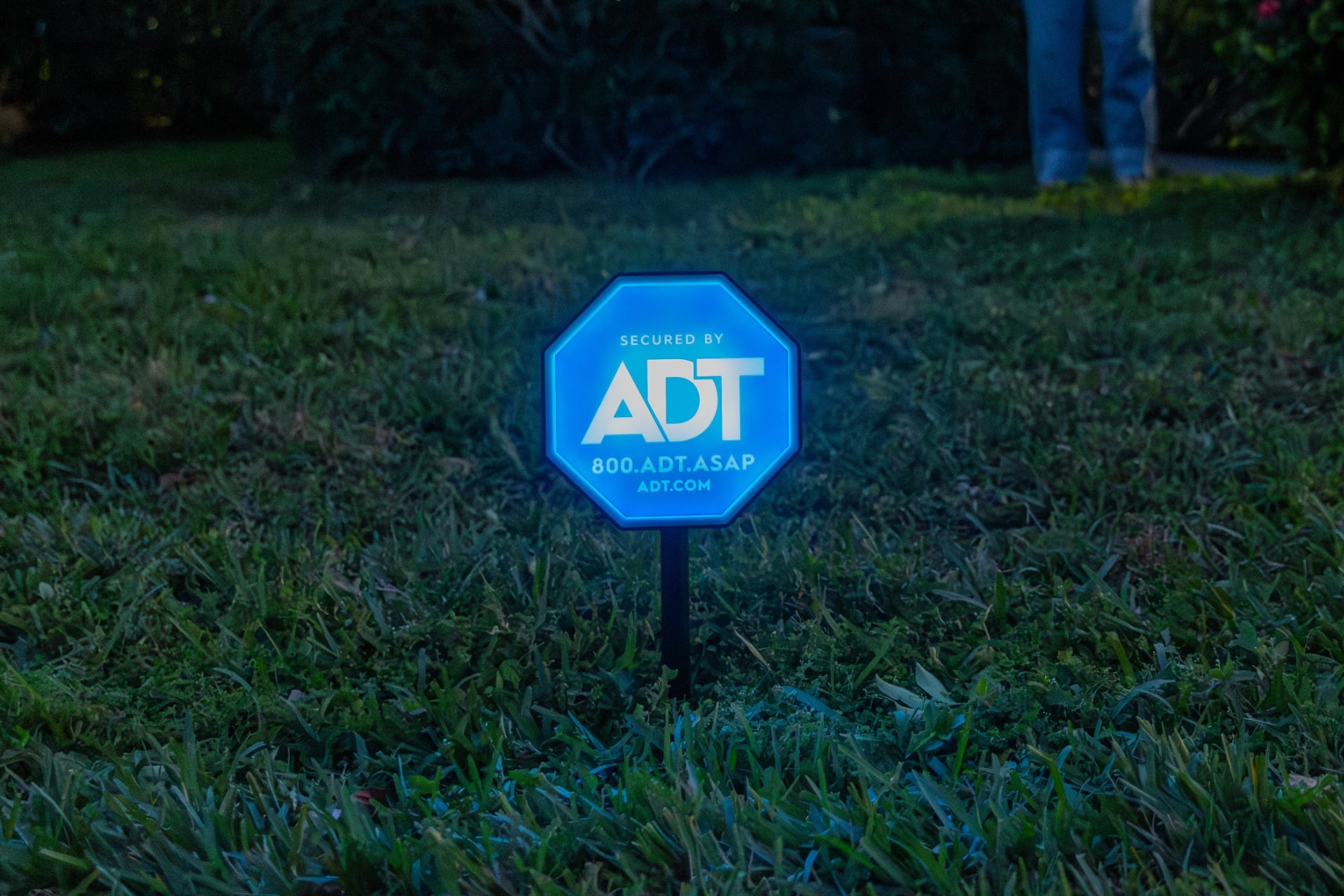
You know those little ADT security signs? You know, the ADT logo-emblazoned yard signs or stickers you find in front of houses or slapped on a window by the front door. Well, ADT is rethinking them: today, the home security company announced the ADT Live Light, a light-up version of its logo yard sign that will—you guessed it—shine when your ADT alarm system has been tripped. 

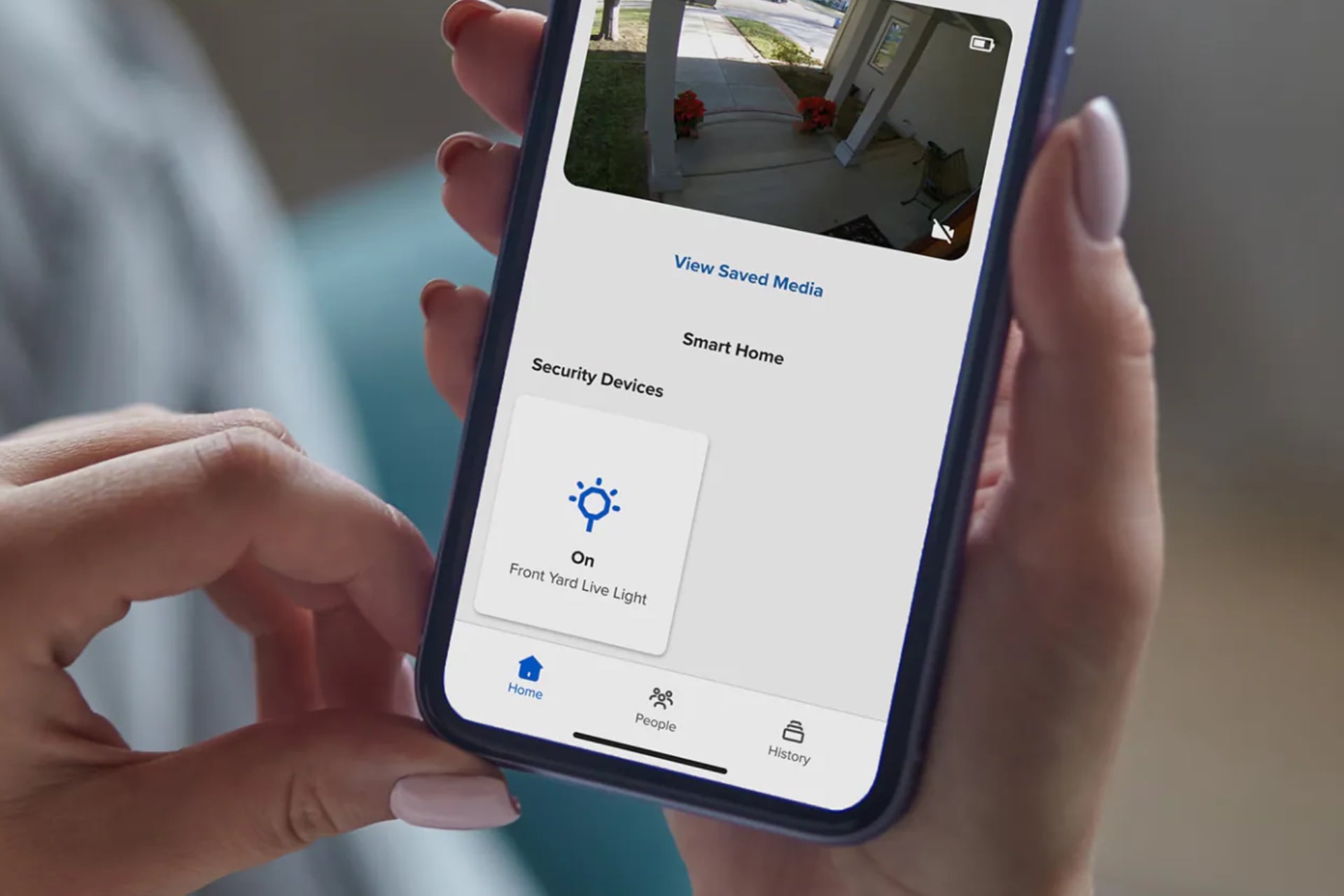
Besides being a visual indicator for your neighbors that something is amiss, ADT says the Live Light could be useful in helping first responders identify which house is yours. It would also serve the same purpose as the stickers and yard signs that came before it: letting would-be intruders know that they risk triggering an alarm by messing with your stuff. And while it can activate automatically, you can also turn it on using the ADT+ app if you want.

The Live Light is wireless and powered by three included AAA lithium batteries. It’s IP65-rated, meaning it should be dust-proof and resistant to water jets from any direction, and should operate in temperatures ranging from 4 to 122 degrees Fahrenheit. Both good things if you’re expecting people to leave their light-up sign out in the elements year-round (although those of us in the Midwest might want to bring it in for a couple of months in the winter). The sign itself is 10 x 10 inches tall and 1.75 inches thick, and goes into the ground with a 21-inch stake, although it can also be wall-mounted. 

The Live Light requires a $25-per-month ADT Professional Monitoring subscription and costs $50, including professional installation. There’s no option to install it yourself; ADT requires that one of its own installers carry out what doesn’t strike me as a terribly complicated procedure. (But what do I know? I’m just a little ol’ country technology reporter.)

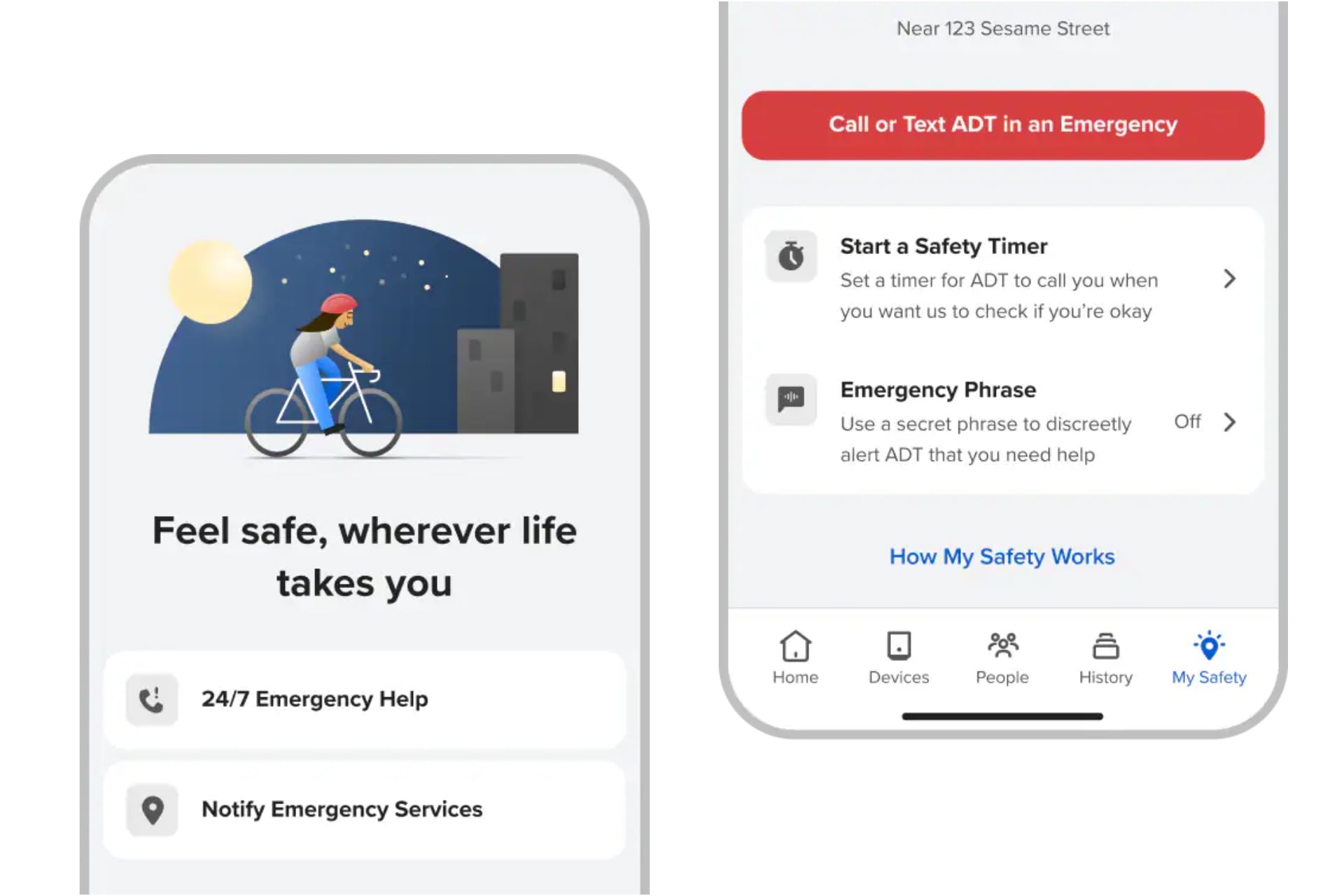
Images showing the ADT My Safety feature in the ADT+ app.
© ADT

ADT also announced a new ADT+ app feature called My Safety. My Safety extends ADT’s subscriber service beyond your house by letting you do things like set a check-in timer that, if missed, will prompt ADT to contact emergency services for you. It also offers the manual options of speaking or texting with ADT agents, or setting an “Emergency Phrase” that lets you speak a custom phrase to summon help—that is, ADT will again contact emergency services for you. The company says subscribers will be able to use that last feature even if their phone isn’t in their hand, and I’ve asked exactly how that works.

For the My Safety feature, there’s no call history, and for subscriptions with multiple people on them, only the person who initiates a call with ADT monitoring will be able to see status, activity, alerts, and notifications. It’s nice to see the company has thought of that—it can be important for victims of abuse to be able to discreetly seek help. An ADT representative told Gizmodo via email that the ADT+ app update with My Safety is available now for all subscribers in the U.S., except in Milwaukee, WI.

#ADTs #Big #Idea #LightUp #ADT #Sign #YardADT,apps,Home security,Smart Home">ADT’s New Big Idea Is a Light-Up ADT Sign for Your Yard
                You know those little ADT security signs? You know, the ADT logo-emblazoned yard signs or stickers you find in front of houses or slapped on a window by the front door. Well, ADT is rethinking them: today, the home security company announced the ADT Live Light, a light-up version of its logo yard sign that will—you guessed it—shine when your ADT alarm system has been tripped. 

 Besides being a visual indicator for your neighbors that something is amiss, ADT says the Live Light could be useful in helping first responders identify which house is yours. It would also serve the same purpose as the stickers and yard signs that came before it: letting would-be intruders know that they risk triggering an alarm by messing with your stuff. And while it can activate automatically, you can also turn it on using the ADT+ app if you want.  			 				 			 				 				© ADT 				 			 				 			 				 				© ADT 				 		  The Live Light is wireless and powered by three included AAA lithium batteries. It’s IP65-rated, meaning it should be dust-proof and resistant to water jets from any direction, and should operate in temperatures ranging from 4 to 122 degrees Fahrenheit. Both good things if you’re expecting people to leave their light-up sign out in the elements year-round (although those of us in the Midwest might want to bring it in for a couple of months in the winter). The sign itself is 10 x 10 inches tall and 1.75 inches thick, and goes into the ground with a 21-inch stake, although it can also be wall-mounted.  The Live Light requires a -per-month ADT Professional Monitoring subscription and costs , including professional installation. There’s no option to install it yourself; ADT requires that one of its own installers carry out what doesn’t strike me as a terribly complicated procedure. (But what do I know? I’m just a little ol’ country technology reporter.) © ADT ADT also announced a new ADT+ app feature called My Safety. My Safety extends ADT’s subscriber service beyond your house by letting you do things like set a check-in timer that, if missed, will prompt ADT to contact emergency services for you. It also offers the manual options of speaking or texting with ADT agents, or setting an “Emergency Phrase” that lets you speak a custom phrase to summon help—that is, ADT will again contact emergency services for you. The company says subscribers will be able to use that last feature even if their phone isn’t in their hand, and I’ve asked exactly how that works.

 For the My Safety feature, there’s no call history, and for subscriptions with multiple people on them, only the person who initiates a call with ADT monitoring will be able to see status, activity, alerts, and notifications. It’s nice to see the company has thought of that—it can be important for victims of abuse to be able to discreetly seek help. An ADT representative told Gizmodo via email that the ADT+ app update with My Safety is available now for all subscribers in the U.S., except in Milwaukee, WI.      #ADTs #Big #Idea #LightUp #ADT #Sign #YardADT,apps,Home security,Smart Home

ADT Live Light, a light-up version of its logo yard sign that will—you guessed it—shine when your ADT alarm system has been tripped. 

Besides being a visual indicator for your neighbors that something is amiss, ADT says the Live Light could be useful in helping first responders identify which house is yours. It would also serve the same purpose as the stickers and yard signs that came before it: letting would-be intruders know that they risk triggering an alarm by messing with your stuff. And while it can activate automatically, you can also turn it on using the ADT+ app if you want.

The Live Light is wireless and powered by three included AAA lithium batteries. It’s IP65-rated, meaning it should be dust-proof and resistant to water jets from any direction, and should operate in temperatures ranging from 4 to 122 degrees Fahrenheit. Both good things if you’re expecting people to leave their light-up sign out in the elements year-round (although those of us in the Midwest might want to bring it in for a couple of months in the winter). The sign itself is 10 x 10 inches tall and 1.75 inches thick, and goes into the ground with a 21-inch stake, although it can also be wall-mounted. 

The Live Light requires a $25-per-month ADT Professional Monitoring subscription and costs $50, including professional installation. There’s no option to install it yourself; ADT requires that one of its own installers carry out what doesn’t strike me as a terribly complicated procedure. (But what do I know? I’m just a little ol’ country technology reporter.)

Images showing the ADT My Safety feature in the ADT+ app.
© ADT

ADT also announced a new ADT+ app feature called My Safety. My Safety extends ADT’s subscriber service beyond your house by letting you do things like set a check-in timer that, if missed, will prompt ADT to contact emergency services for you. It also offers the manual options of speaking or texting with ADT agents, or setting an “Emergency Phrase” that lets you speak a custom phrase to summon help—that is, ADT will again contact emergency services for you. The company says subscribers will be able to use that last feature even if their phone isn’t in their hand, and I’ve asked exactly how that works.

For the My Safety feature, there’s no call history, and for subscriptions with multiple people on them, only the person who initiates a call with ADT monitoring will be able to see status, activity, alerts, and notifications. It’s nice to see the company has thought of that—it can be important for victims of abuse to be able to discreetly seek help. An ADT representative told Gizmodo via email that the ADT+ app update with My Safety is available now for all subscribers in the U.S., except in Milwaukee, WI.

#ADTs #Big #Idea #LightUp #ADT #Sign #YardADT,apps,Home security,Smart Home">ADT’s New Big Idea Is a Light-Up ADT Sign for Your Yard

You know those little ADT security signs? You know, the ADT logo-emblazoned yard signs or stickers you find in front of houses or slapped on a window by the front door. Well, ADT is rethinking them: today, the home security company announced the ADT Live Light, a light-up version of its logo yard sign that will—you guessed it—shine when your ADT alarm system has been tripped. 

Besides being a visual indicator for your neighbors that something is amiss, ADT says the Live Light could be useful in helping first responders identify which house is yours. It would also serve the same purpose as the stickers and yard signs that came before it: letting would-be intruders know that they risk triggering an alarm by messing with your stuff. And while it can activate automatically, you can also turn it on using the ADT+ app if you want.

The Live Light is wireless and powered by three included AAA lithium batteries. It’s IP65-rated, meaning it should be dust-proof and resistant to water jets from any direction, and should operate in temperatures ranging from 4 to 122 degrees Fahrenheit. Both good things if you’re expecting people to leave their light-up sign out in the elements year-round (although those of us in the Midwest might want to bring it in for a couple of months in the winter). The sign itself is 10 x 10 inches tall and 1.75 inches thick, and goes into the ground with a 21-inch stake, although it can also be wall-mounted. 

The Live Light requires a $25-per-month ADT Professional Monitoring subscription and costs $50, including professional installation. There’s no option to install it yourself; ADT requires that one of its own installers carry out what doesn’t strike me as a terribly complicated procedure. (But what do I know? I’m just a little ol’ country technology reporter.)

Images showing the ADT My Safety feature in the ADT+ app.
© ADT

ADT also announced a new ADT+ app feature called My Safety. My Safety extends ADT’s subscriber service beyond your house by letting you do things like set a check-in timer that, if missed, will prompt ADT to contact emergency services for you. It also offers the manual options of speaking or texting with ADT agents, or setting an “Emergency Phrase” that lets you speak a custom phrase to summon help—that is, ADT will again contact emergency services for you. The company says subscribers will be able to use that last feature even if their phone isn’t in their hand, and I’ve asked exactly how that works.

For the My Safety feature, there’s no call history, and for subscriptions with multiple people on them, only the person who initiates a call with ADT monitoring will be able to see status, activity, alerts, and notifications. It’s nice to see the company has thought of that—it can be important for victims of abuse to be able to discreetly seek help. An ADT representative told Gizmodo via email that the ADT+ app update with My Safety is available now for all subscribers in the U.S., except in Milwaukee, WI.

#ADTs #Big #Idea #LightUp #ADT #Sign #YardADT,apps,Home security,Smart Home

Post Comment