
We live in a world where most technology promises to simplify our lives but often ends up demanding more of our attention. Screens have become the default for everything—navigating to a coffee shop, checking the time, capturing a quick moment with a friend. So when a wearable comes along that quietly promises to reduce how often you reach into your pocket, it’s worth taking seriously. Meta’s Ray-Ban glasses have been generating steady buzz since their release, and for good reason. They represent one of the most convincing attempts yet to make smart glasses feel like something you’d actually want to wear every day.
It’s easy to be skeptical. The history of wearable tech is filled with bold promises and awkward execution, gadgets that looked futuristic in a press release but felt out of place in real life. Many still remember the uncomfortable social dynamic that came with Google Glass. So the question with any new entrant isn’t just whether the technology works, but whether people will actually wear it without feeling self-conscious. That’s the bar Meta’s Ray-Ban glasses had to clear, and by most accounts, they have.
They Look Like Glasses, Not a Gadget
Shop here
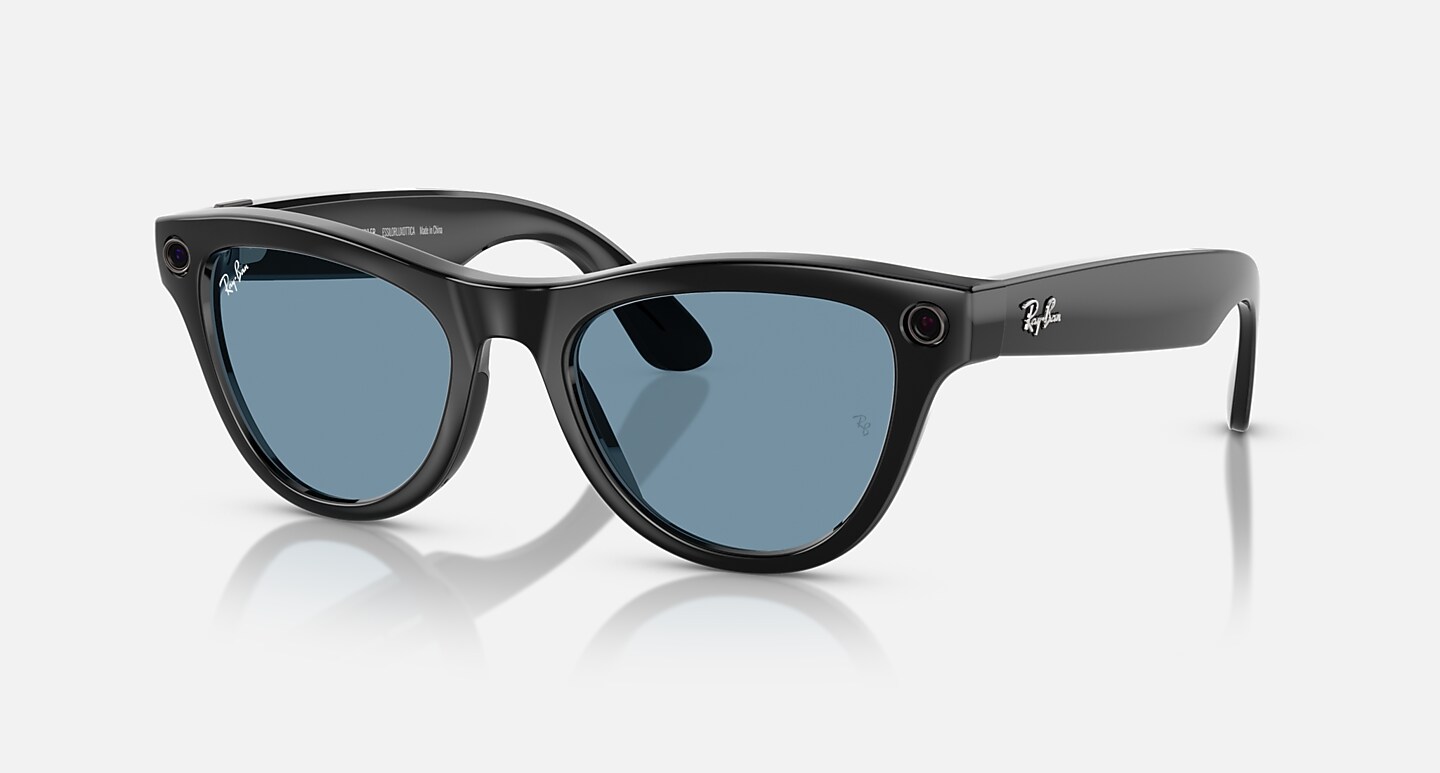
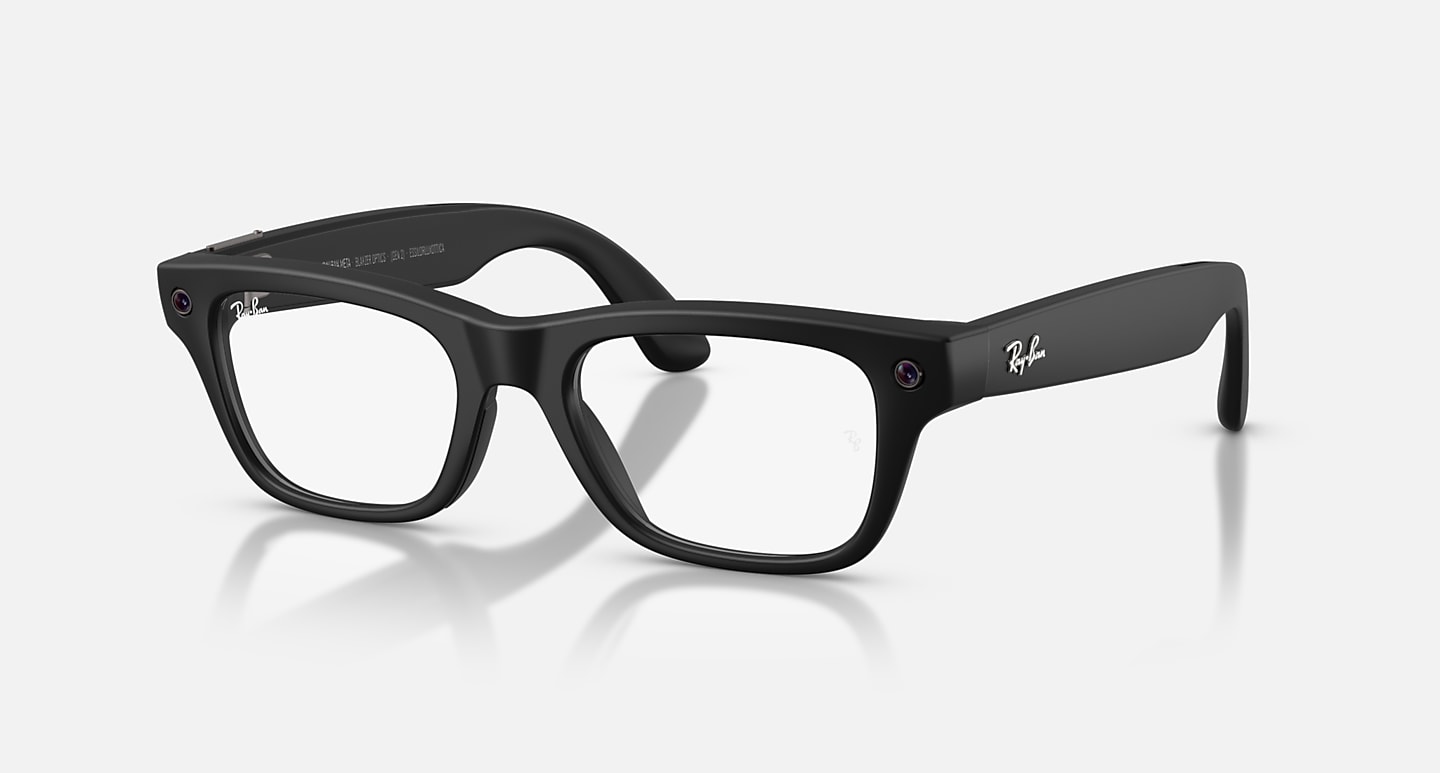
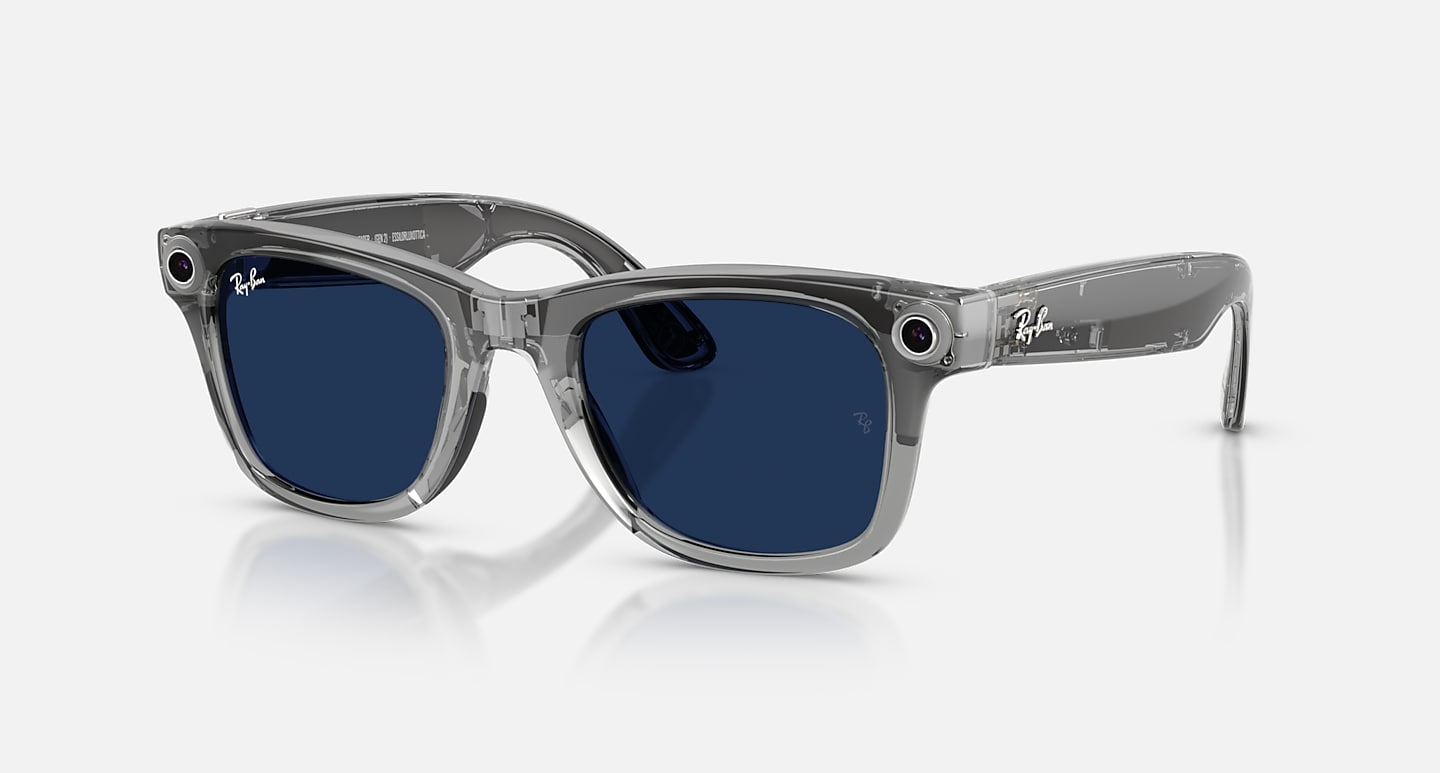
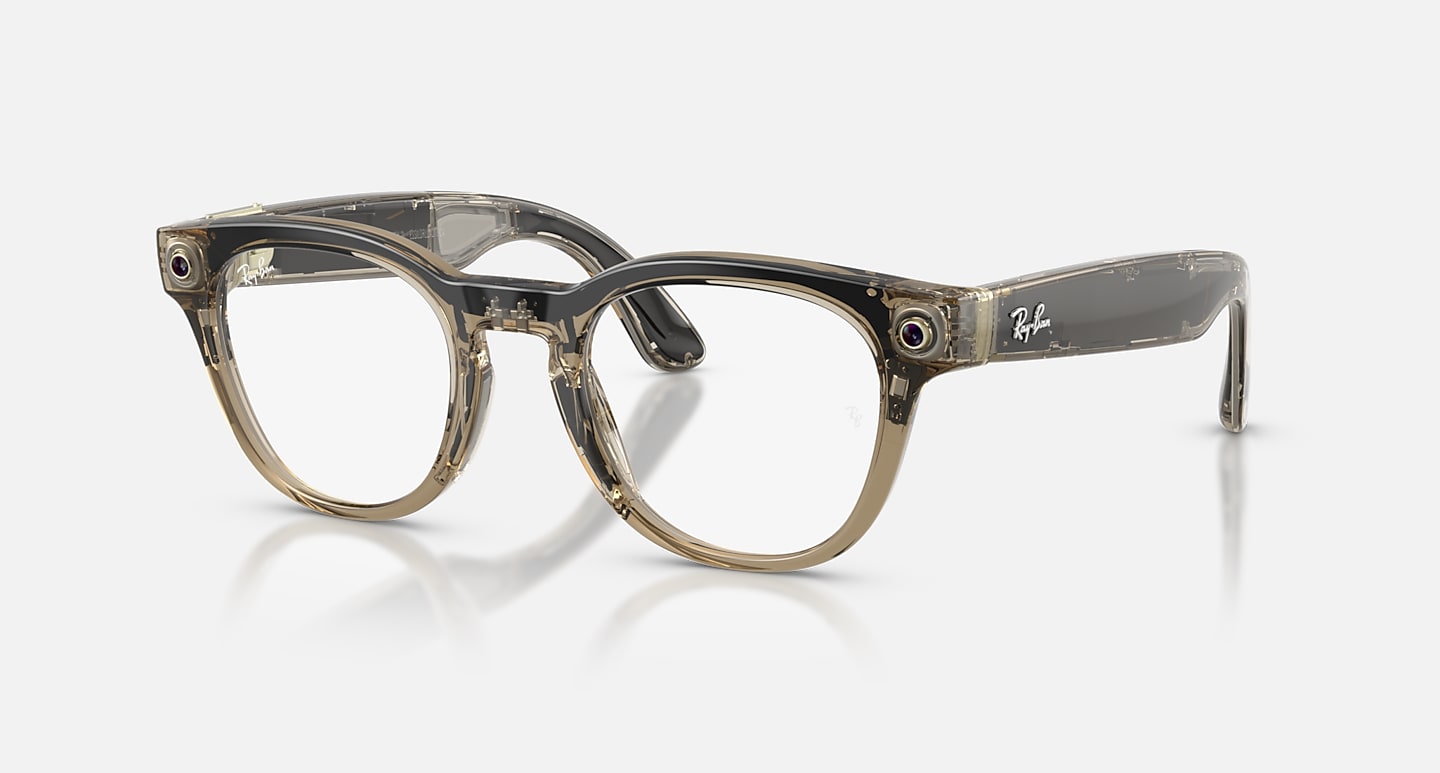
The most significant thing about these glasses isn’t the AI assistant or even the camera; it’s how unremarkable they look. Built on classic Ray-Ban frames, they blend in effortlessly. Most people won’t give them a second glance, and that’s exactly the point. Wearable tech often fails when it feels like a prototype you’re forced to carry in public. These don’t have that problem. You put them on and move on with your day.
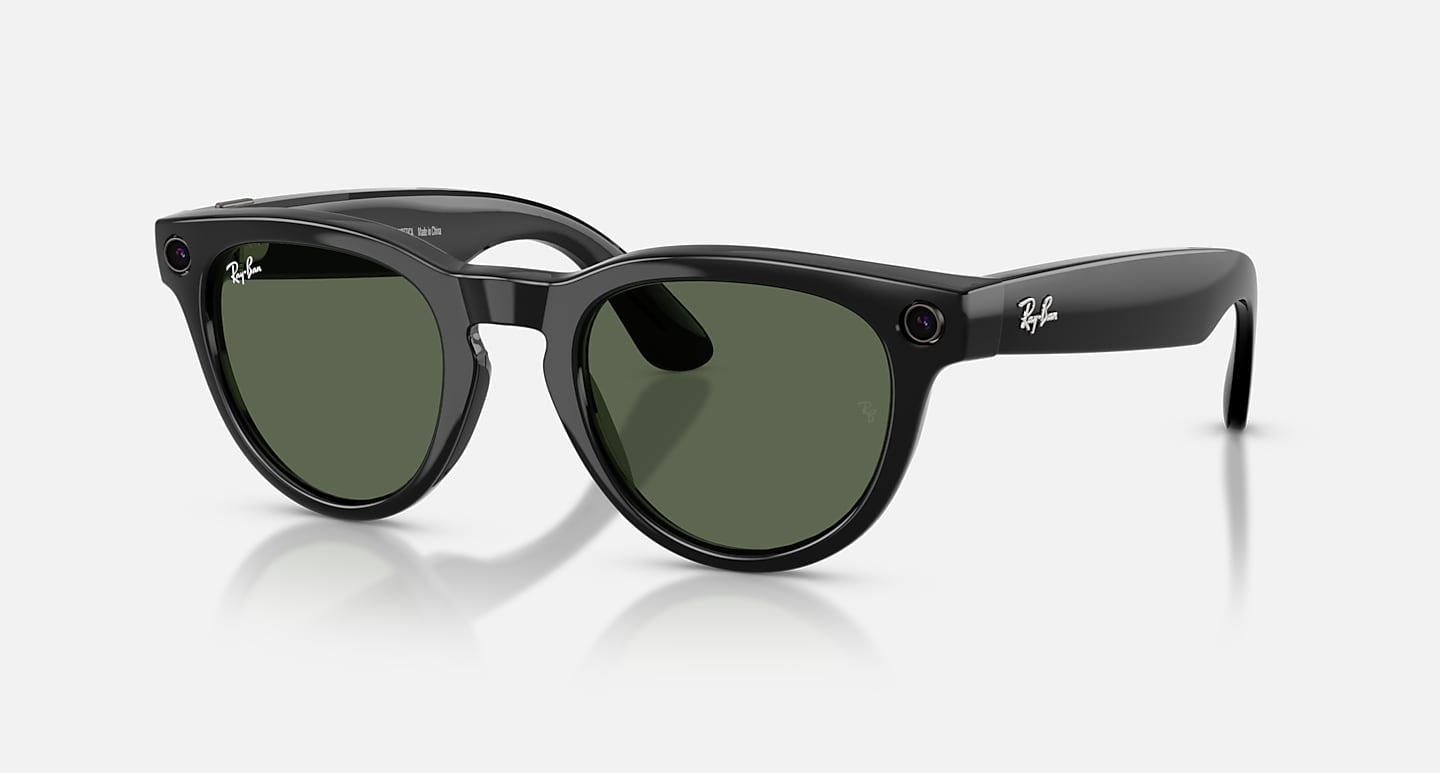
The frames come in multiple styles and lens options, including transition lenses that adjust to indoor and outdoor lighting. That versatility makes them a true year-round accessory rather than a seasonal gadget. The build quality is solid, exactly what you’d expect from Ray-Ban, and the smart components are integrated so seamlessly that the added weight is barely noticeable.
The Camera Changes How You Capture Moments
Shop here
The built-in camera isn’t the most powerful one you own, but it may become the one you use most. The reason comes down to friction. Pulling out your phone, unlocking it, opening the camera app, and framing a shot takes time, just enough to miss something spontaneous. With Meta’s Ray-Ban glasses, a tap on the frame or a quick voice command handles it instantly.
The result is a first-person, hands-free perspective that captures life as you experience it, rather than through a screen held at arm’s length.
For travel, parenting, or simply moving through an interesting city, that shift produces footage that feels more natural—less staged, more present. The image quality is more than sufficient for social sharing and everyday memories, even if it won’t replace a dedicated camera for professional use. It’s a trade-off most users will accept.
Audio That Actually Replaces Your Earbuds
Shop here
Open-ear audio is one of the most underrated features here. Small speakers built into the temples allow you to listen to music, podcasts, and calls without blocking out the world around you. That might sound like a small detail, but it fundamentally changes how you move through your day. You remain aware of your surroundings—traffic, conversations, ambient noise—while still staying connected. For commuters, runners, or anyone who values situational awareness, it offers a more balanced experience than traditional earbuds.
The sound quality won’t satisfy audiophiles, and there can be some audio bleed in quiet environments. Still, for everyday use, it performs well. Calls are clear, and the microphones handle background noise reasonably effectively.
The AI Assistant: A Glimpse of Where This Is Going
Pre-order here
The built-in Meta AI assistant is where things begin to feel genuinely futuristic. You can ask questions, get directions, or identify objects in your environment, all without reaching for your phone. It isn’t flawless. Responses can lag, and context isn’t always perfect. But when it works, the experience of receiving information layered directly into your surroundings, without looking at a screen, feels like a meaningful step forward.
Live language translation is another feature worth noting. While still evolving, it hints at a future where language barriers are handled in real time, hands-free. For frequent travelers, that alone could become a defining feature as the technology matures.
Privacy Considerations Worth Keeping in Mind
Pre-order here
No honest review of Meta’s Ray-Ban glasses can ignore the privacy conversation. These glasses capture video and audio, indicated by a small LED light that can be easy to miss. That raises valid concerns about consent, for both the wearer and those nearby. Meta includes built-in privacy controls, and its data policies are publicly available, but users should approach them thoughtfully and understand how they work.
The fact that these glasses look so normal is a major advantage in terms of usability, but it also makes the privacy discussion more complex than it was with visibly experimental devices like Google Glass. It’s an ongoing conversation, and these glasses sit right at the center of it.
A Subtle but Significant Shift in Wearable Tech
Pre-order here
Meta’s Ray-Ban glasses aren’t essential, and they aren’t perfect. The AI assistant is still evolving, battery life could improve, and privacy concerns deserve continued attention. But they are arguably the first mainstream wearable that genuinely fits into everyday life, not by overwhelming you with features, but by quietly getting out of the way.
If good technology is meant to serve without constantly demanding attention, these glasses move in that direction. They reduce how often you reach for your phone. They help you stay present. And they look good doing it. That’s a difficult balance to achieve, which is exactly why Meta’s Ray-Ban glasses are worth paying attention to, not just as a product, but as a signal of where personal technology is heading next.
Featured image: @raybanmeta/Instagram
—Read Also
Source link
#Metas #RayBan #Glasses #Feel #Beginning #Bigger


Post Comment