
There’s a particular kind of blush look that’s been quietly hijacking every Pinterest board, FYP, and red carpet this season. It doesn’t scream “makeup.” It doesn’t draw the eye like a sharp contour line or a bold lip. Instead, it makes you tilt your head and think: wow, their skin looks incredible. That’s the whole point. The watercolor blush trend has arrived, and it’s here to make the most “done-up” version of your face look like you’ve just come in from a breezy afternoon walk.
But before we get into how to wear it, let’s talk about what it actually is because the original meaning of “watercolor blush” is being thrown around loosely, and it deserves a proper explanation.
So, What Exactly Is Watercolor Blush?
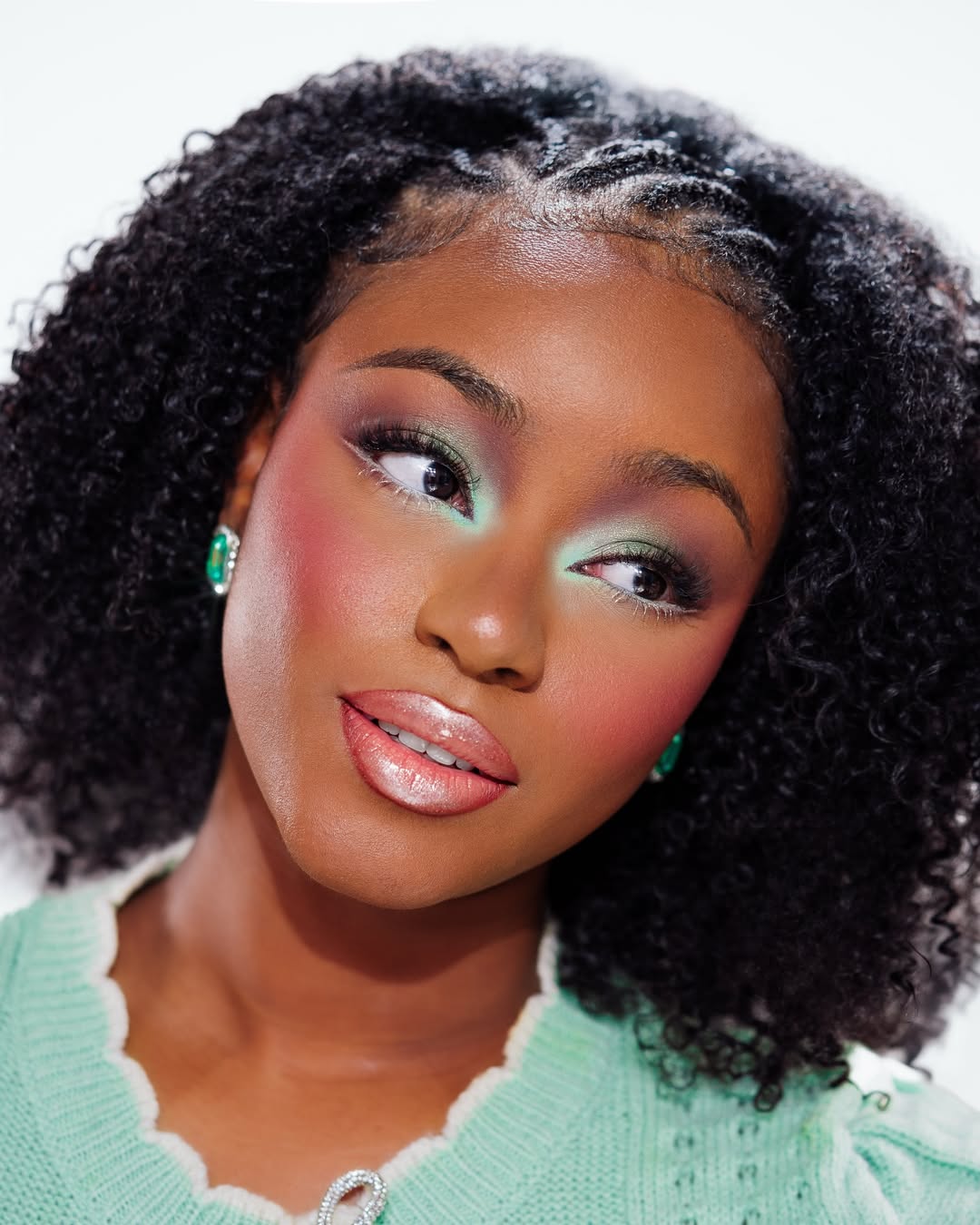
Think about what a watercolor painting looks like compared to an oil painting. Watercolor is translucent, soft-edged, and luminous. You can see the texture of the paper through it. The pigment seems to bleed naturally rather than sit on the surface in a defined shape. That’s precisely the effect this trend chases on your actual face.
The watercolor blush trend is a technique as much as it is an aesthetic. It involves applying ultra-sheer, translucent layers of blush and building them up gradually until the color looks like it’s emanating from beneath the skin rather than resting on top of it.
The key characteristics of a watercolor blush look are:
- Diffused, feathered edges — no defined circles or hard borders
- A stained-skin effect — color that looks like it seeped in, not painted on
- Luminosity without glitter — a dewy, lit-from-within glow rather than shimmer
- Buildable sheerness — you can see skin through the pigment, just like actual watercolor
What it is not is a blush that announces itself. This isn’t the bold, graphic blush-blocking trend or the heavy sculpted color placement of years past. This is color that, at a glance, could easily be mistaken for your natural flush after a laugh or a sprint up the stairs.
Why Blush Is the Hero Product of 2026
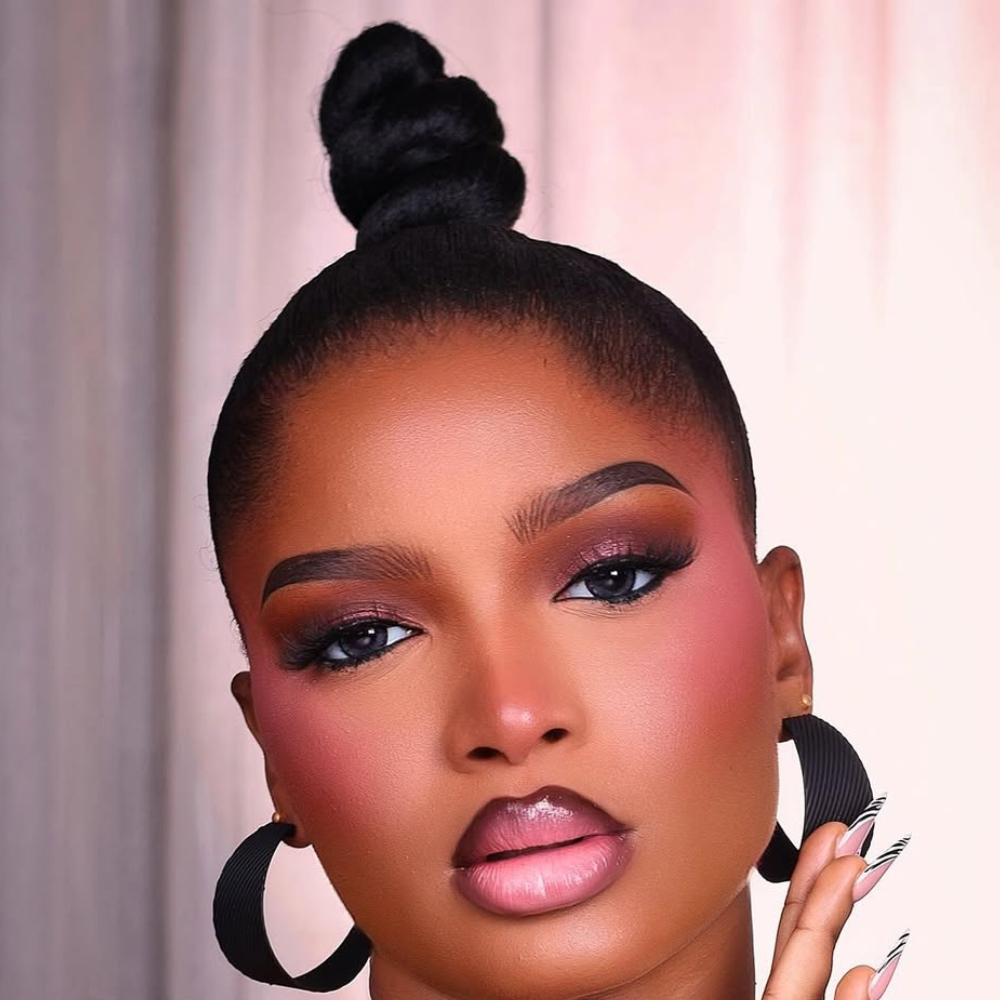
If your makeup bag has seen a lot more blush action lately, you’re not imagining things. Blush has officially reclaimed its status as the most transformative product in your routine, a title it lost for a while to contour sticks and setting powders. This season, it’s front and center again.
Part of what’s driving this is a cultural mood shift. After years of hyper-defined, camera-ready, sculpted-within-an-inch-of-its-life makeup (you know the look: carved cheekbones, baked concealer, ten-step contour), the beauty world collectively exhaled. People want skin that looks responsive, warm, and human. Blush is uniquely positioned to deliver that because it mimics something our bodies do on their own: flush with color.
Celebrities have played no small role in cementing the look. At the 2026 Met Gala, Nicole Kidman, Gigi Hadid, Karlie Kloss, and Joey King all arrived with gorgeous soft washes of blush sweeping across their cheeks.
The runways backed it up, too. Makeup artists backstage at major fashion weeks have described the trend’s technique as “diffused blush application,” dissolving pigment into the skin until the line between makeup and biology disappears entirely.
The Formula Question: Liquid and Gel Win, Powder Steps Back
Here’s where a lot of guides get it wrong, and it matters because the right formula is literally half the battle with this trend. The watercolor blush trend lives and dies by texture. And the textures that make it work are liquid and gel formulas, not traditional powder blush. Here’s why:
Liquid blush is the gold standard for this look. It delivers the lightest, sheerest wash of color, almost like a skin stain. A few drops spread across the cheeks and sink into the skin rather than sitting on it. Gel blush is equally brilliant for this trend because of how it interacts with skin. Celebrity makeup artist Karol Rodriguez notes that “gel blushes blend more seamlessly into the skin and have a more radiant finish than powder blushes,” making them particularly ideal for warmer months when you want that fresh, sun-kissed look without anything feeling heavy.
Powder blush, meanwhile, tends to sit on top of the skin rather than sink into it. It can look dusty, emphasize texture, and create edges that are too defined for the soft, diffused finish the watercolor look demands. It’s not impossible to make work, but it requires significantly more effort to sheer out and blend. And even then, it rarely achieves the same skin-fused quality.
Gel-cream hybrids and serum-like formulas are also worth noting. Experts recommend “lightweight, water-forward formulas” across the board—“serums, skin tints, balms, and gel-cream hybrids that create a veil on the skin rather than sitting on top.”
The bottom line: reach for liquid or gel, and leave the pressed powder for another day.
The Technique: How to Actually Pull This Off
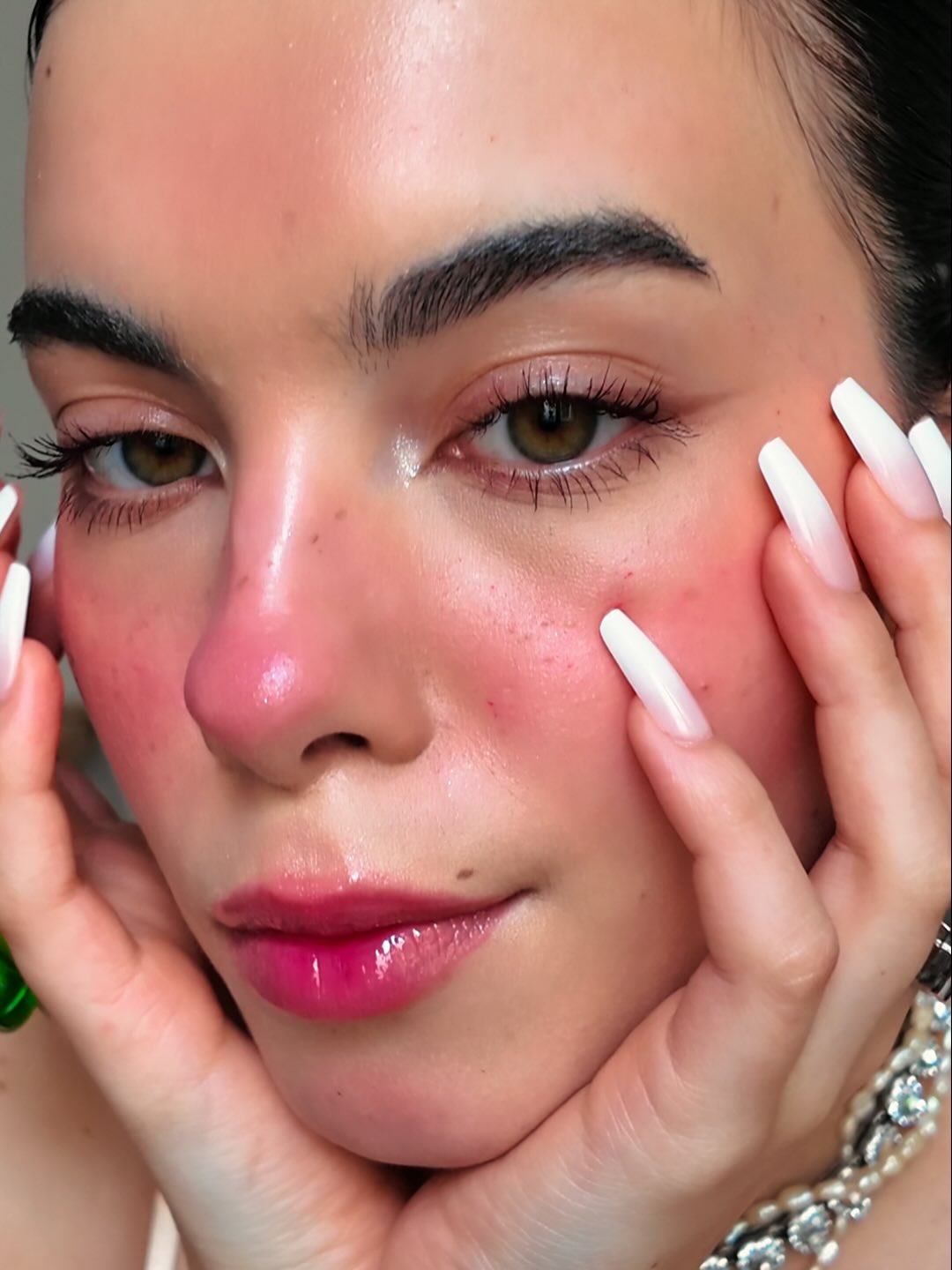
Product choice matters, but technique is what separates a beautiful watercolor blush look from an accidental mess. Here’s what the pros do:
- Start with less than you think you need. The rule is unambiguous: Start with less than you think you need and build slowly, pressing and tapping pigment into the skin rather than swiping. The first layer should feel almost pointless, barely a whisper of color. Let it settle. Then add the next layer. The gradual build is what creates that risen-from-within quality.
- Press and tap, don’t swipe. The motion matters. Swiping drags product across the surface; tapping presses it into the skin. Use your ring finger, a damp beauty sponge, or a fluffy brush, whatever helps you press pigment in rather than pull it around.
- Let each layer settle before adding more. Experts suggest letting each layer settle before adding more. This allows the color to blur into the skin instead of sitting on top and turning patchy. This patience is what separates a polished result from a blotchy one.
- Loosen up your placement. Forget the strict “apples of the cheeks” rule. Watercolor blush belongs on the cheekbones, up toward the temples, sometimes across the bridge of the nose. The color shouldn’t be concentrated in one spot; it should expand and fade.
- Try the nose-bridge sweep. One of the most distinctive features of this trend is a light dusting of blush across the nose bridge, which creates the effect of natural sun-kissed warmth. It evokes the look of someone who’s just spent an hour in the garden, and paired with the cheek flush, it makes the whole face feel cohesive and alive.
- Mix with a luminizing oil for extra dimension. A pro trick: mix your favorite liquid blush with a drop of highlighter or luminizing oil, then tap it onto the cheekbone, nose tip, and temples with your ring finger. This adds depth without any shimmer overload.
Skin Prep Is the Secret Weapon
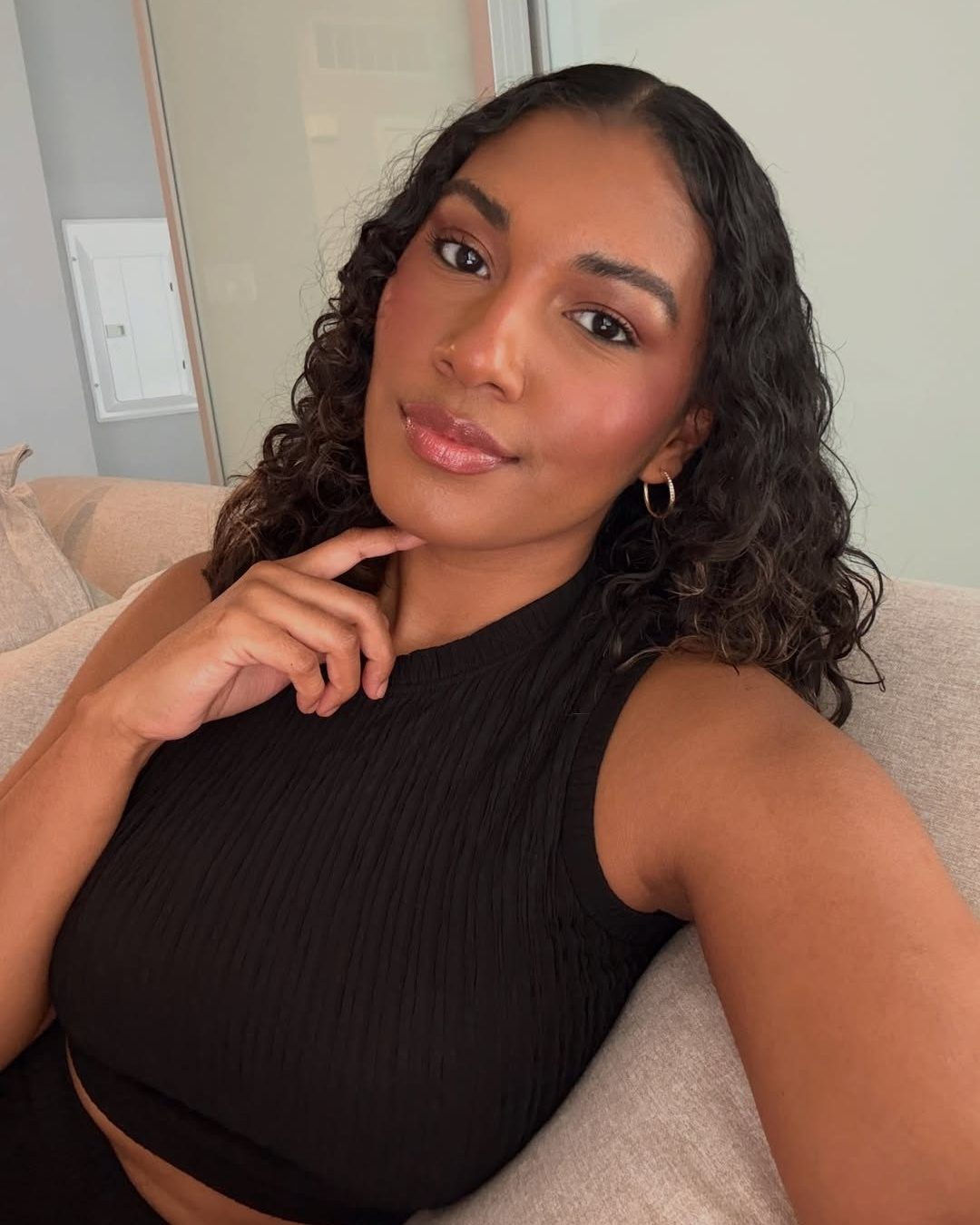
You can’t fake a skin-first look on unprepared skin. Watercolor blush is translucent by design, which means whatever is underneath it is visible. That’s the whole point, but it also means your canvas has to be in good shape.
Ditch the heavy, full-coverage foundation. This trend pairs best with skin tints, tinted moisturizers, or serum foundations that let your natural texture show through. The skin underneath the blush should look hydrated and bouncy, not flat and matte. If your skin is dehydrated, the pigment will cling to dry patches and look uneven.
A light layer of a hydrating primer or a facial oil massaged in before makeup creates the perfect base for liquid or gel blush to melt into.
What This Trend Says About Where Beauty Is Headed
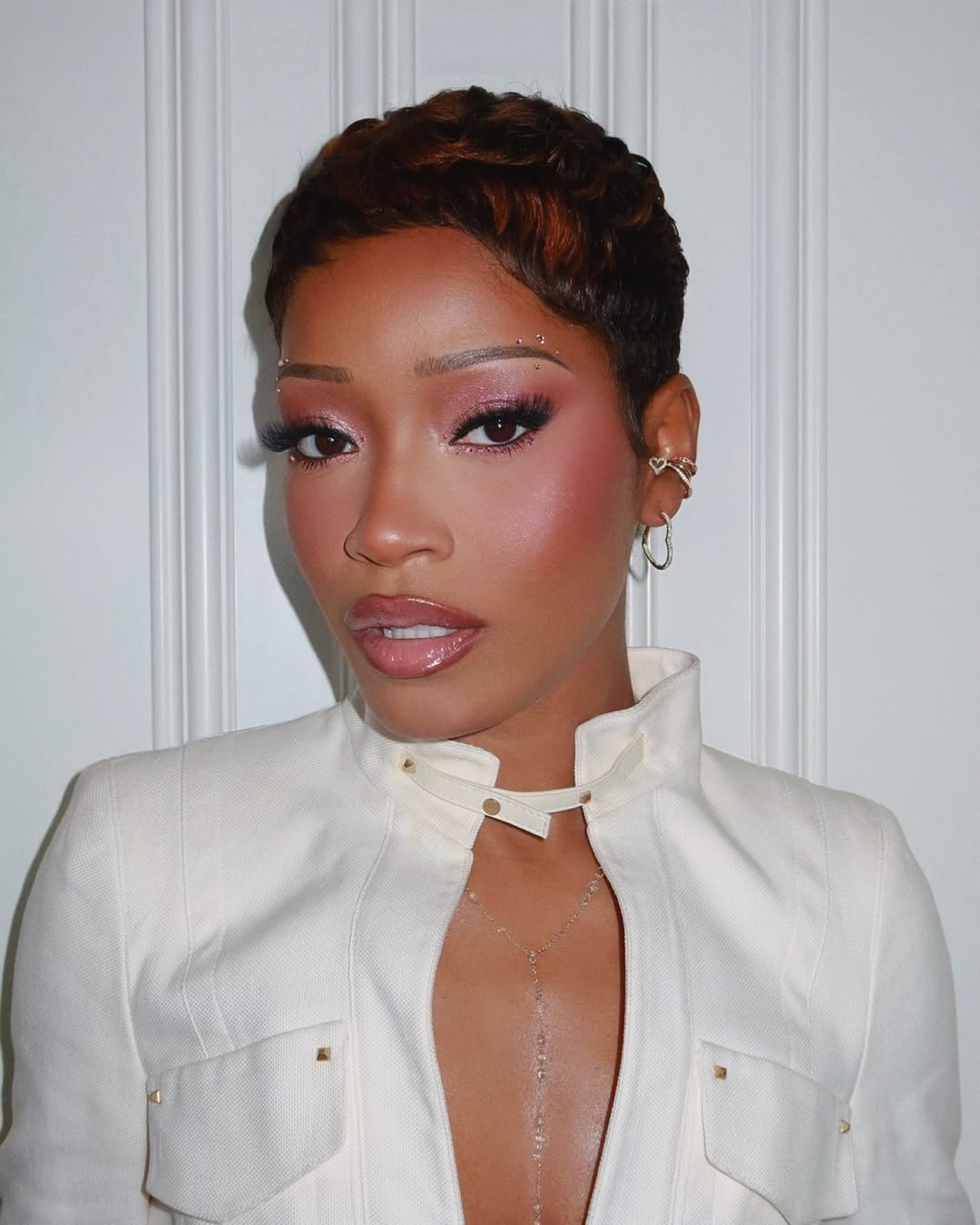
The watercolor blush trend didn’t appear in a vacuum. It’s part of a much bigger shift in beauty toward what’s sometimes called “skin-first” makeup, the idea that the goal of makeup isn’t to cover skin but to enhance it, to make it look more like itself, just on a really good day.
There’s also a practical driver: cameras. High-definition photography, ring lights, and the constant scroll of social media have changed what “natural” looks like. Sharply placed blush and heavy contour, which once read as polished, now tend to look processed and flat under modern lighting. Soft, diffused color reads as emotion, and in a beauty culture where everything is photographed, emotion consistently outperforms perfection.
Even the product development side of the industry is responding. Brands are building peptides, adaptogens, and barrier-repair ingredients directly into color products. Blush is quietly becoming skincare. You’re not just adding color; you’re nourishing the skin at the same time. It’s a small evolution with big implications for how we think about what makeup is for.
The Watercolor Blush Trend Is For Everyone — No Exceptions
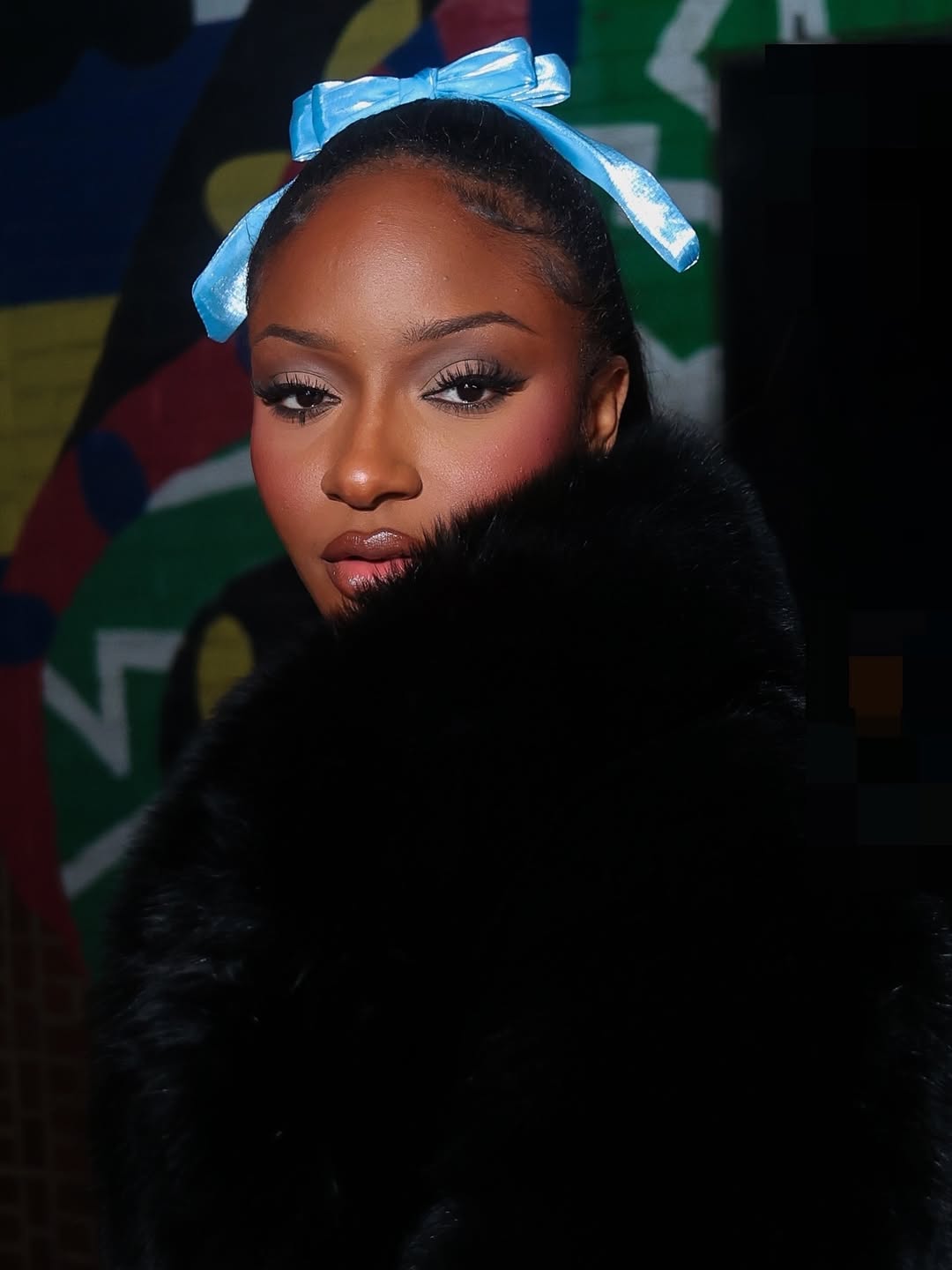
One of the most refreshing things about the watercolor blush trend is its universality. It doesn’t favor one skin tone, face shape, or age bracket. The key is adjusting the shade intensity and placement to suit you:
- Deeper skin tones look stunning with rich coral, berry, or deep rose liquid blushes sheered out to a warm, sun-flushed finish
- Fair skin tones can work with the softest pinks and peaches, building slowly to avoid looking splotchy
- Mature skin benefits from gel formulas and a light hand; the translucency is actually more flattering than a heavy pigment deposit, which can settle into fine lines
- Oily skin should look for gel and liquid options that set to a natural finish rather than staying too dewy
The placement can also be adjusted: a higher sweep toward the temples creates a lifting effect, while color on the lower part of the cheeks gives a softer, more diffused appearance.
Shop the Watercolor Blush Look
This trend extends beyond aesthetics. Products matter because texture drives the effect.
- Cream Blush Sticks: Cream formulas anchor the watercolor blush look. They melt into the skin and create a seamless, lived-in flush.
- Liquid Blush Drops: Liquid blush delivers the strongest watercolor effect. A few drops spread easily, creating a soft, stained-skin finish.
- Blending Brushes & Beauty Sponges: Tools shape the final result. Dense brushes soften edges, while damp sponges press pigment into the skin for a diffused finish.
- Skin Tints for Base Harmony: Watercolor blush performs best on breathable, even-toned skin. Skin tints replace heavy foundation and allow seamless blending.
- Gloss & Balm Finishes: A soft gloss or balm adds dimension without competing with blush, completing the overall look.
Shop editor’s picks
The Bottom Line
The watercolor blush trend is not just another season’s fad; it’s a genuine recalibration of what beautiful, healthy skin is supposed to look like on and off camera. Soft, flushed, and luminously alive beats sculpted and flawless, every single time.
All it takes is the right formula (liquid or gel, always), a patient layering technique, and the willingness to let your skin be part of the look instead of something to be covered up. The result? Cheeks that look like they blushed all on their own. And honestly, that’s the best kind of makeup there is.
Featured image: Fenty Beauty
Source link
#Watercolor #Blush #SoftFocus #Beauty #Trend #Defining #Summer


Post Comment