×
Darren Aronofsky’s New AI Series About the Revolutionary War Looks Like Dogshit

Darren Aronofsky’s New AI Series About the Revolutionary War Looks Like Dogshit

Darren Aronofsky used to be a director who made interesting, if sometimes polarizing, films like Black Swan, Mother!, Noah, and The Wrestler. But it seems like a safe bet that people won’t need to debate whether Aronofsky’s new project is any good. Because anyone with eyes can see that it looks like low-effort AI slop. To put it another way, it looks like absolute dogshit.

Aronofsky is producing a new short-form series with his AI production company Primordial Soup titled “On This Day… 1776,” according to the Hollywood Reporter. The series uses tech from Google DeepMind to create short videos about the Revolutionary War, published on the YouTube channel for Time magazine. In 2018, Salesforce founder Marc Benioff bought Time, and the cloud software giant is sponsoring this monstrosity of a series.

The series uses human voice actors who belong to the Screen Actors Guild (SAG), which is clearly an attempt to tamp down on the inevitable backlash from both inside and outside Hollywood. Folks inside the movie and TV industry have fiercely pushed back against the use of AI to replace the skilled artists and actors who create the media we watch. That concern obviously comes from a place of self-interest because nobody wants to be pushed out of a job. But they also care about the quality of the work being produced. And there’s also been a revolt among the average consumer, people who’ve been inundated with the lowest-grade AI garbage imaginable. It’s really everywhere now.

The first episode, titled “The Flag,” is three-and-a-half minutes long and attempts to tell the story of George Washington raising the Continental Union Flag in Somerville, Massachusetts. It offers nothing compelling in the way of narrative. It’s the kind of thing that you’d skip over as a cut-scene in a particularly bad video game.

Everything has a dead and creepy quality, as the actors’ audio is poorly synced with the lips of the AI concoctions.

Have you ever seen a Spaghetti Western from the 1960s where the audio just doesn’t seem to match, even though it was clearly shot with actors speaking English, and the “dub” is in English? That happened because the audio was added in post-production, a result of direct sound recording being expensive in Italy during the post-war era. You get the same effect here, though there’s no good reason. Well, no good reason outside of presumably saving a ton of money on hiring human actors.

The second episode, titled “Common Sense,” tries to tell the story of Thomas Paine writing Common Sense. Benjamin Franklin makes an appearance, though it proves that the most recognizable of the founding fathers in this series are the weirdest to look at.

The episode jumps around incoherently, much like the first episode, without grounding the viewer in anything we should care about. It’s truly an ugly mess. And if you bother to pause the scenes, you can spot the kind of telltale anomalies that plague other AI-generated video projects, like strangely deformed hands in the background characters. Hands are always giving this stuff away.

Then there are the words that appear on screen in the trailer, like the pamphlet that’s supposed to include the word “America” but instead reads something closer to “Λamereedd.”

The series is specifically made for this sestercentennial year of America’s founding, and each episode will reportedly drop on the 250th anniversary of the day it happened, according to the Hollywood Reporter. And that’s certainly a fun concept if the final product were something worth watching. But it’s not. It’s garbage. The people who are making and distributing it obviously don’t think so.

“This project is a glimpse at what thoughtful, creative, artist-led use of AI can look like — not replacing craft, but expanding what’s possible and allowing storytellers to go places they simply couldn’t before,” Ben Bitonti, president of Time Studios, told the Hollywood Reporter.

The reaction on social media hasn’t been so kind. “I know my expectations were low but holy fuck Darren Aronofsky producing AI slop wasn’t on my bingo card,” one X user wrote. Over on Bluesky another joked, “Used to be that when Darren Aronofsky wanted to feature a dead-eyed actor, he’d just employ Jared Leto.”

And other users have been picking apart all the anomalies, with one Bluesky critic writing: “Love the new Aronofsky scene where the colonist takes off his hat to cheer, revealing that underneath it was a second and somehow larger hat.”

“Nothing represents The End of America after a 250-year run quite like using AI slop to depict the creation of the Declaration of Independence,” another user quipped.

The videos have been up at Time’s YouTube channel for over 7 hours as of the time of this writing, but they’re not gaining much attention in their original format. The first episode has just 5,000 views. The second episode has a little over 2,000. Social media posts ridiculing the production seem to be faring better, simply because people are making fun of them. One video on Bluesky has over 2,500 quote posts, with almost all seemingly making jokes about how awful it looks.

Gizmodo reached out to Ken Burns for comment, but didn’t immediately receive a reply.

Source link
#Darren #Aronofskys #Series #Revolutionary #War #Dogshit

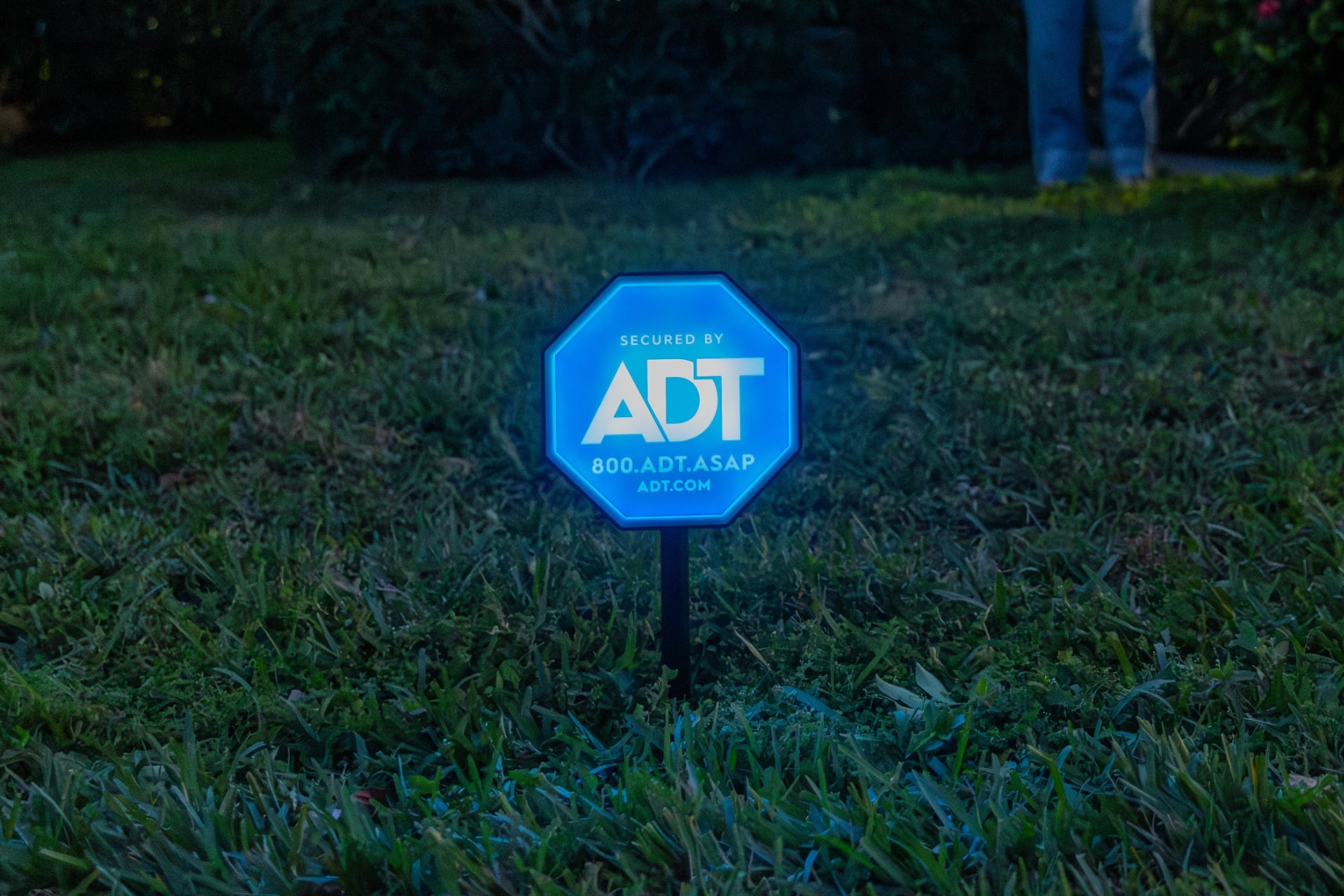
You know those little ADT security signs? You know, the ADT logo-emblazoned yard signs or stickers you find in front of houses or slapped on a window by the front door. Well, ADT is rethinking them: today, the home security company announced the ADT Live Light, a light-up version of its logo yard sign that will—you guessed it—shine when your ADT alarm system has been tripped. 

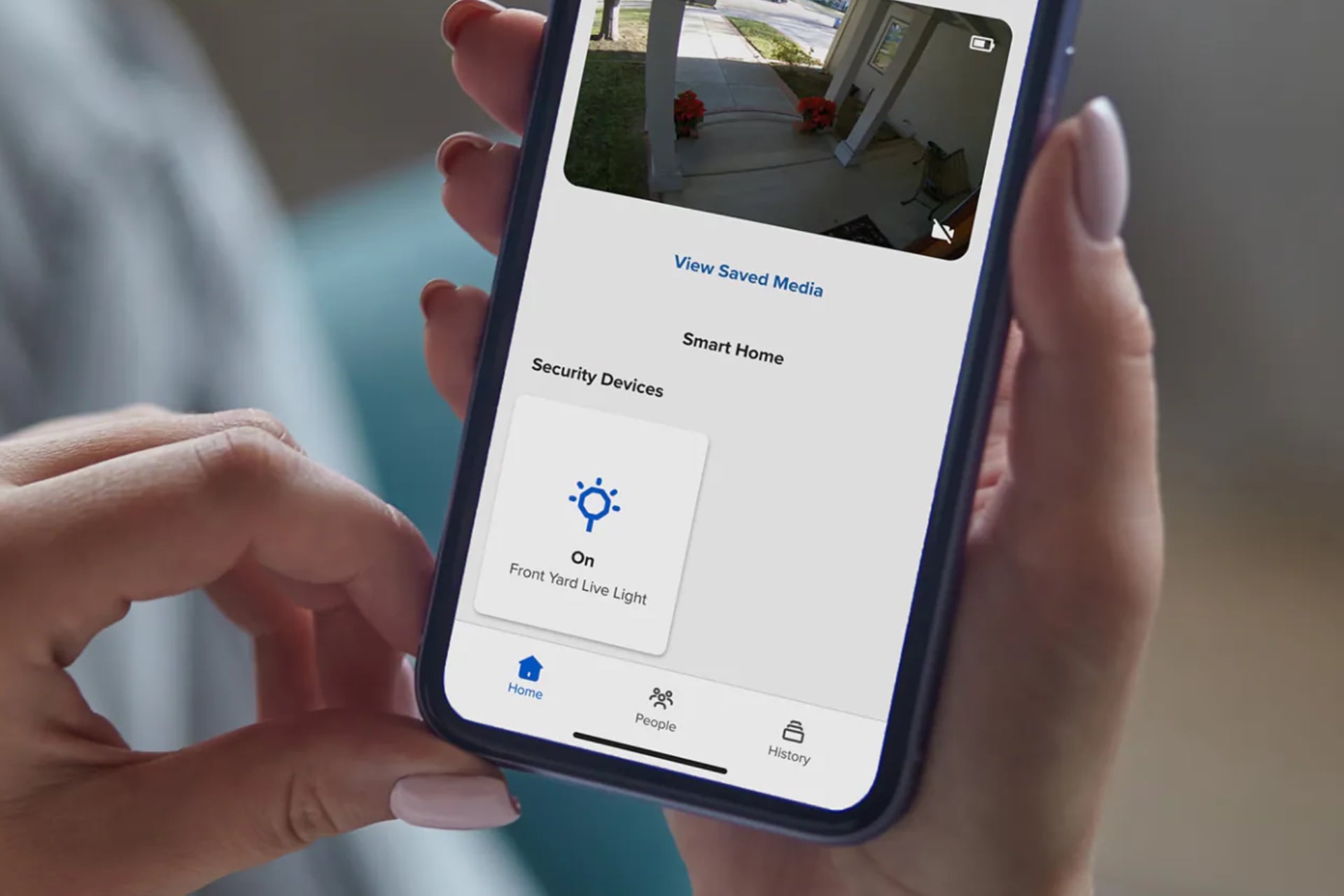
Besides being a visual indicator for your neighbors that something is amiss, ADT says the Live Light could be useful in helping first responders identify which house is yours. It would also serve the same purpose as the stickers and yard signs that came before it: letting would-be intruders know that they risk triggering an alarm by messing with your stuff. And while it can activate automatically, you can also turn it on using the ADT+ app if you want.

The Live Light is wireless and powered by three included AAA lithium batteries. It’s IP65-rated, meaning it should be dust-proof and resistant to water jets from any direction, and should operate in temperatures ranging from 4 to 122 degrees Fahrenheit. Both good things if you’re expecting people to leave their light-up sign out in the elements year-round (although those of us in the Midwest might want to bring it in for a couple of months in the winter). The sign itself is 10 x 10 inches tall and 1.75 inches thick, and goes into the ground with a 21-inch stake, although it can also be wall-mounted. 

The Live Light requires a $25-per-month ADT Professional Monitoring subscription and costs $50, including professional installation. There’s no option to install it yourself; ADT requires that one of its own installers carry out what doesn’t strike me as a terribly complicated procedure. (But what do I know? I’m just a little ol’ country technology reporter.)

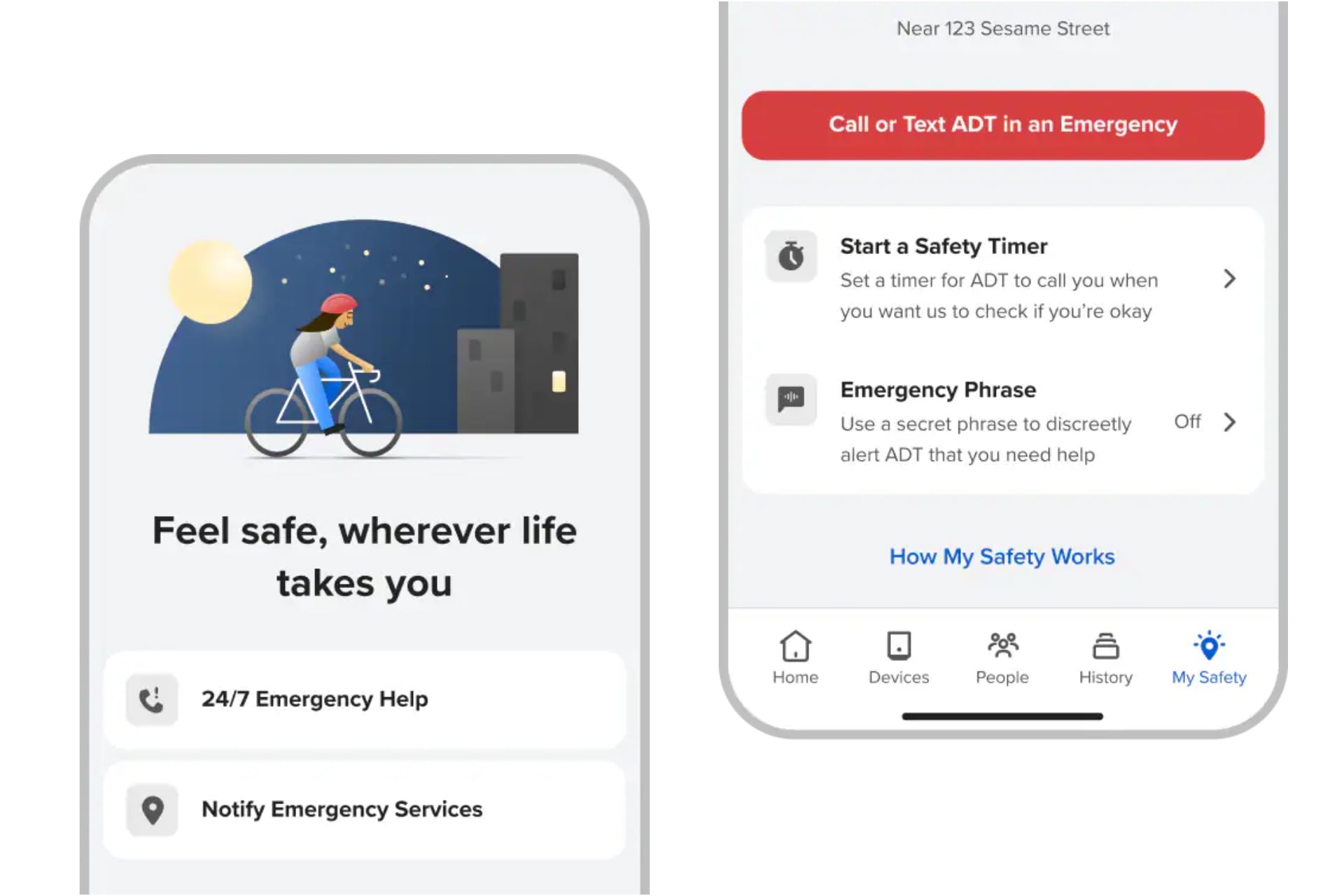
Images showing the ADT My Safety feature in the ADT+ app.
© ADT

ADT also announced a new ADT+ app feature called My Safety. My Safety extends ADT’s subscriber service beyond your house by letting you do things like set a check-in timer that, if missed, will prompt ADT to contact emergency services for you. It also offers the manual options of speaking or texting with ADT agents, or setting an “Emergency Phrase” that lets you speak a custom phrase to summon help—that is, ADT will again contact emergency services for you. The company says subscribers will be able to use that last feature even if their phone isn’t in their hand, and I’ve asked exactly how that works.

For the My Safety feature, there’s no call history, and for subscriptions with multiple people on them, only the person who initiates a call with ADT monitoring will be able to see status, activity, alerts, and notifications. It’s nice to see the company has thought of that—it can be important for victims of abuse to be able to discreetly seek help. An ADT representative told Gizmodo via email that the ADT+ app update with My Safety is available now for all subscribers in the U.S., except in Milwaukee, WI.

#ADTs #Big #Idea #LightUp #ADT #Sign #YardADT,apps,Home security,Smart Home">ADT’s New Big Idea Is a Light-Up ADT Sign for Your Yard
                You know those little ADT security signs? You know, the ADT logo-emblazoned yard signs or stickers you find in front of houses or slapped on a window by the front door. Well, ADT is rethinking them: today, the home security company announced the ADT Live Light, a light-up version of its logo yard sign that will—you guessed it—shine when your ADT alarm system has been tripped. 

 Besides being a visual indicator for your neighbors that something is amiss, ADT says the Live Light could be useful in helping first responders identify which house is yours. It would also serve the same purpose as the stickers and yard signs that came before it: letting would-be intruders know that they risk triggering an alarm by messing with your stuff. And while it can activate automatically, you can also turn it on using the ADT+ app if you want.  			 				 			 				 				© ADT 				 			 				 			 				 				© ADT 				 		  The Live Light is wireless and powered by three included AAA lithium batteries. It’s IP65-rated, meaning it should be dust-proof and resistant to water jets from any direction, and should operate in temperatures ranging from 4 to 122 degrees Fahrenheit. Both good things if you’re expecting people to leave their light-up sign out in the elements year-round (although those of us in the Midwest might want to bring it in for a couple of months in the winter). The sign itself is 10 x 10 inches tall and 1.75 inches thick, and goes into the ground with a 21-inch stake, although it can also be wall-mounted.  The Live Light requires a -per-month ADT Professional Monitoring subscription and costs , including professional installation. There’s no option to install it yourself; ADT requires that one of its own installers carry out what doesn’t strike me as a terribly complicated procedure. (But what do I know? I’m just a little ol’ country technology reporter.) © ADT ADT also announced a new ADT+ app feature called My Safety. My Safety extends ADT’s subscriber service beyond your house by letting you do things like set a check-in timer that, if missed, will prompt ADT to contact emergency services for you. It also offers the manual options of speaking or texting with ADT agents, or setting an “Emergency Phrase” that lets you speak a custom phrase to summon help—that is, ADT will again contact emergency services for you. The company says subscribers will be able to use that last feature even if their phone isn’t in their hand, and I’ve asked exactly how that works.

 For the My Safety feature, there’s no call history, and for subscriptions with multiple people on them, only the person who initiates a call with ADT monitoring will be able to see status, activity, alerts, and notifications. It’s nice to see the company has thought of that—it can be important for victims of abuse to be able to discreetly seek help. An ADT representative told Gizmodo via email that the ADT+ app update with My Safety is available now for all subscribers in the U.S., except in Milwaukee, WI.      #ADTs #Big #Idea #LightUp #ADT #Sign #YardADT,apps,Home security,Smart Home

ADT Live Light, a light-up version of its logo yard sign that will—you guessed it—shine when your ADT alarm system has been tripped. 

Besides being a visual indicator for your neighbors that something is amiss, ADT says the Live Light could be useful in helping first responders identify which house is yours. It would also serve the same purpose as the stickers and yard signs that came before it: letting would-be intruders know that they risk triggering an alarm by messing with your stuff. And while it can activate automatically, you can also turn it on using the ADT+ app if you want.

The Live Light is wireless and powered by three included AAA lithium batteries. It’s IP65-rated, meaning it should be dust-proof and resistant to water jets from any direction, and should operate in temperatures ranging from 4 to 122 degrees Fahrenheit. Both good things if you’re expecting people to leave their light-up sign out in the elements year-round (although those of us in the Midwest might want to bring it in for a couple of months in the winter). The sign itself is 10 x 10 inches tall and 1.75 inches thick, and goes into the ground with a 21-inch stake, although it can also be wall-mounted. 

The Live Light requires a $25-per-month ADT Professional Monitoring subscription and costs $50, including professional installation. There’s no option to install it yourself; ADT requires that one of its own installers carry out what doesn’t strike me as a terribly complicated procedure. (But what do I know? I’m just a little ol’ country technology reporter.)

Images showing the ADT My Safety feature in the ADT+ app.
© ADT

ADT also announced a new ADT+ app feature called My Safety. My Safety extends ADT’s subscriber service beyond your house by letting you do things like set a check-in timer that, if missed, will prompt ADT to contact emergency services for you. It also offers the manual options of speaking or texting with ADT agents, or setting an “Emergency Phrase” that lets you speak a custom phrase to summon help—that is, ADT will again contact emergency services for you. The company says subscribers will be able to use that last feature even if their phone isn’t in their hand, and I’ve asked exactly how that works.

For the My Safety feature, there’s no call history, and for subscriptions with multiple people on them, only the person who initiates a call with ADT monitoring will be able to see status, activity, alerts, and notifications. It’s nice to see the company has thought of that—it can be important for victims of abuse to be able to discreetly seek help. An ADT representative told Gizmodo via email that the ADT+ app update with My Safety is available now for all subscribers in the U.S., except in Milwaukee, WI.

#ADTs #Big #Idea #LightUp #ADT #Sign #YardADT,apps,Home security,Smart Home">ADT’s New Big Idea Is a Light-Up ADT Sign for Your Yard

You know those little ADT security signs? You know, the ADT logo-emblazoned yard signs or stickers you find in front of houses or slapped on a window by the front door. Well, ADT is rethinking them: today, the home security company announced the ADT Live Light, a light-up version of its logo yard sign that will—you guessed it—shine when your ADT alarm system has been tripped. 

Besides being a visual indicator for your neighbors that something is amiss, ADT says the Live Light could be useful in helping first responders identify which house is yours. It would also serve the same purpose as the stickers and yard signs that came before it: letting would-be intruders know that they risk triggering an alarm by messing with your stuff. And while it can activate automatically, you can also turn it on using the ADT+ app if you want.

The Live Light is wireless and powered by three included AAA lithium batteries. It’s IP65-rated, meaning it should be dust-proof and resistant to water jets from any direction, and should operate in temperatures ranging from 4 to 122 degrees Fahrenheit. Both good things if you’re expecting people to leave their light-up sign out in the elements year-round (although those of us in the Midwest might want to bring it in for a couple of months in the winter). The sign itself is 10 x 10 inches tall and 1.75 inches thick, and goes into the ground with a 21-inch stake, although it can also be wall-mounted. 

The Live Light requires a $25-per-month ADT Professional Monitoring subscription and costs $50, including professional installation. There’s no option to install it yourself; ADT requires that one of its own installers carry out what doesn’t strike me as a terribly complicated procedure. (But what do I know? I’m just a little ol’ country technology reporter.)

Images showing the ADT My Safety feature in the ADT+ app.
© ADT

ADT also announced a new ADT+ app feature called My Safety. My Safety extends ADT’s subscriber service beyond your house by letting you do things like set a check-in timer that, if missed, will prompt ADT to contact emergency services for you. It also offers the manual options of speaking or texting with ADT agents, or setting an “Emergency Phrase” that lets you speak a custom phrase to summon help—that is, ADT will again contact emergency services for you. The company says subscribers will be able to use that last feature even if their phone isn’t in their hand, and I’ve asked exactly how that works.

For the My Safety feature, there’s no call history, and for subscriptions with multiple people on them, only the person who initiates a call with ADT monitoring will be able to see status, activity, alerts, and notifications. It’s nice to see the company has thought of that—it can be important for victims of abuse to be able to discreetly seek help. An ADT representative told Gizmodo via email that the ADT+ app update with My Safety is available now for all subscribers in the U.S., except in Milwaukee, WI.

#ADTs #Big #Idea #LightUp #ADT #Sign #YardADT,apps,Home security,Smart Home

Post Comment