×
Deadspin | Japan hope to slay Brazil without star player in World Cup knockouts   June 24, 2026; Miami Gardens, Florida, U.S.; Brazil’s Rayan reacts.  Mandatory Credit: Nathan Ray Seebeck-Imagn Images    In a friendly in Tokyo last October, Brazil surrendered a two-goal halftime lead and watched Japan pull ahead for an eventual 3-2 victory.  Rayan, a 19-year-old forward, was not part of Brazil’s team that day, so perhaps he can be forgiven for admitting he doesn’t know much about the Japanese squad.  “I don’t know who their best player is,” Rayan said when a Japanese reporter asked him. “I’d have to watch the video to be able to tell you. We know that Japan is a very strong team and we have to work hard to give it our all and beat them.”  The Selecao will be on alert when they come face to face with the Samurai Blue in the round of 32 on Monday afternoon in Houston.  Options Rayan could have considered in his answer included Takefusa Kubo, a forward nicknamed “the Japanese Messi,” or perhaps Ayase Ueda, a Feyenoord striker with 18 goals for his national team. But Kubo hasn’t played since suffering a meniscus tear in Japan’s opener against the Netherlands, and Sunday he was ruled out for the Brazil clash.  Ueda and Daichi Kamada are tied for the team lead with two goals apiece in the group stage — and Ueda had the go-ahead goal in that 3-2 upset back in October.  Japan are nevertheless the clear underdogs going into this match. They finished second to Netherlands in Group F with a win over overmatched Tunisia and two draws. They don’t have the history that Brazil can boast, but Japan have qualified for the knockouts at three straight World Cups and four of the past five, though never advancing past the round of 16.   “Brazil are always a leading team. They have a very good chance of winning,” coach Hajime Moriyasu said Sunday. “Some people will say Japan are underdogs. We will play with that in mind. We will respect the opponents, but like last year (in the friendly win) we weren’t given a chance to win. This possibility to win — we can change history.”  After opening with a draw against Morocco, Brazil rang up 3-0 wins over Haiti and Scotland to win Group C. Vinicius Junior (four) and Matheus Cunha (three) have combined to score all of Brazil’s goals thus far, with Bruno Guimaraes earning assists on three.  They’ve made up for the absence of Neymar, who was not ready at the onset of the tournament as he rehabbed a calf injury suffered May 17 while playing for his club. Neymar made his first showing of the tournament Wednesday by subbing on for the last 15 minutes against Scotland.  For what it’s worth, Neymar scored his first goal for the Selecao against Japan in a FIFA Confederations Cup match in 2013, and in a friendly the following year the ex-wunderkind poured in four goals.  The Brazil faithful hope coach Carlo Ancelotti has the team on course for its record sixth World Cup win and first since 2002.  “We’re not perfect. We can improve. For example, our pace on the ball. We can be quicker,” Ancelotti said after the Scotland match. “But I’m pleased because the team has improved a lot since the first match. Now it’s a knockout competition. We need to show real grit.”  –Field Level Media    #Deadspin #Japan #hope #slay #Brazil #star #player #World #Cup #knockouts
Deadspin | Japan hope to slay Brazil without star player in World Cup knockouts
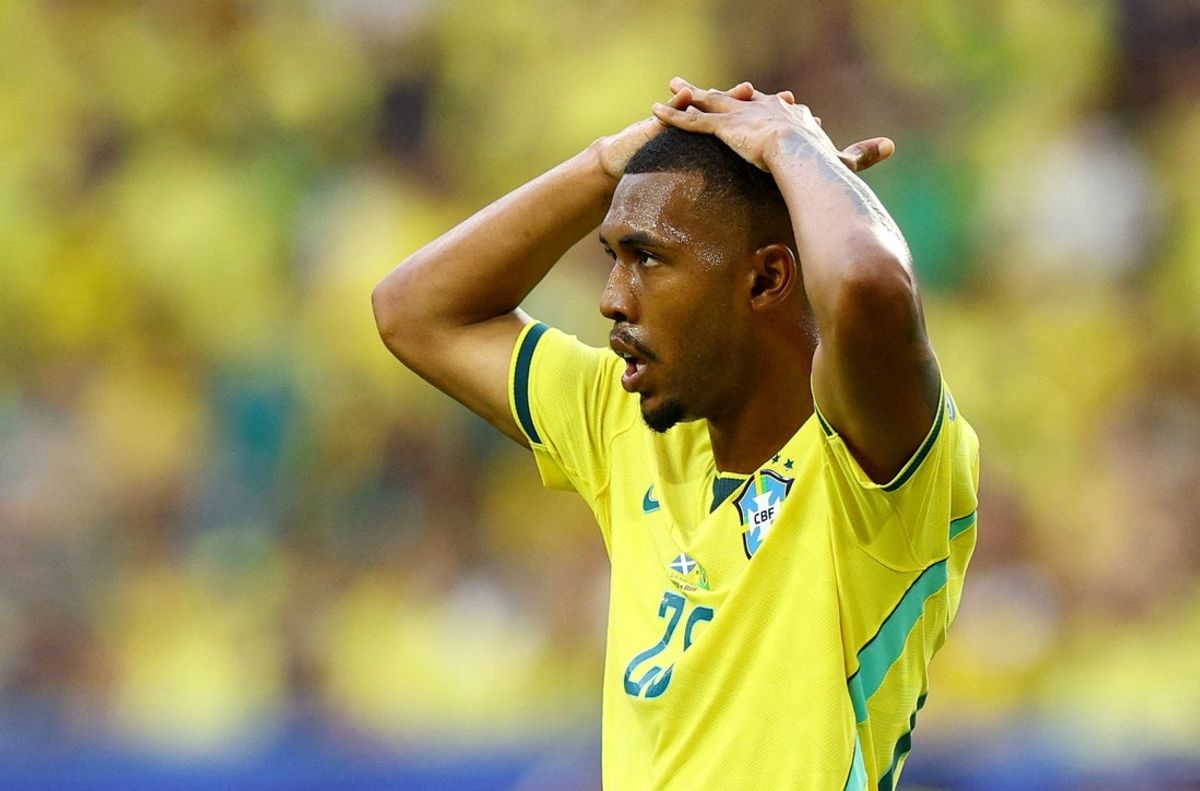
Deadspin | Japan hope to slay Brazil without star player in World Cup knockouts   June 24, 2026; Miami Gardens, Florida, U.S.; Brazil’s Rayan reacts.  Mandatory Credit: Nathan Ray Seebeck-Imagn Images    In a friendly in Tokyo last October, Brazil surrendered a two-goal halftime lead and watched Japan pull ahead for an eventual 3-2 victory.  Rayan, a 19-year-old forward, was not part of Brazil’s team that day, so perhaps he can be forgiven for admitting he doesn’t know much about the Japanese squad.  “I don’t know who their best player is,” Rayan said when a Japanese reporter asked him. “I’d have to watch the video to be able to tell you. We know that Japan is a very strong team and we have to work hard to give it our all and beat them.”  The Selecao will be on alert when they come face to face with the Samurai Blue in the round of 32 on Monday afternoon in Houston.  Options Rayan could have considered in his answer included Takefusa Kubo, a forward nicknamed “the Japanese Messi,” or perhaps Ayase Ueda, a Feyenoord striker with 18 goals for his national team. But Kubo hasn’t played since suffering a meniscus tear in Japan’s opener against the Netherlands, and Sunday he was ruled out for the Brazil clash.  Ueda and Daichi Kamada are tied for the team lead with two goals apiece in the group stage — and Ueda had the go-ahead goal in that 3-2 upset back in October.  Japan are nevertheless the clear underdogs going into this match. They finished second to Netherlands in Group F with a win over overmatched Tunisia and two draws. They don’t have the history that Brazil can boast, but Japan have qualified for the knockouts at three straight World Cups and four of the past five, though never advancing past the round of 16.   “Brazil are always a leading team. They have a very good chance of winning,” coach Hajime Moriyasu said Sunday. “Some people will say Japan are underdogs. We will play with that in mind. We will respect the opponents, but like last year (in the friendly win) we weren’t given a chance to win. This possibility to win — we can change history.”  After opening with a draw against Morocco, Brazil rang up 3-0 wins over Haiti and Scotland to win Group C. Vinicius Junior (four) and Matheus Cunha (three) have combined to score all of Brazil’s goals thus far, with Bruno Guimaraes earning assists on three.  They’ve made up for the absence of Neymar, who was not ready at the onset of the tournament as he rehabbed a calf injury suffered May 17 while playing for his club. Neymar made his first showing of the tournament Wednesday by subbing on for the last 15 minutes against Scotland.  For what it’s worth, Neymar scored his first goal for the Selecao against Japan in a FIFA Confederations Cup match in 2013, and in a friendly the following year the ex-wunderkind poured in four goals.  The Brazil faithful hope coach Carlo Ancelotti has the team on course for its record sixth World Cup win and first since 2002.  “We’re not perfect. We can improve. For example, our pace on the ball. We can be quicker,” Ancelotti said after the Scotland match. “But I’m pleased because the team has improved a lot since the first match. Now it’s a knockout competition. We need to show real grit.”  –Field Level Media    #Deadspin #Japan #hope #slay #Brazil #star #player #World #Cup #knockouts June 24, 2026; Miami Gardens, Florida, U.S.; Brazil’s Rayan reacts. Mandatory Credit: Nathan Ray Seebeck-Imagn Images

In a friendly in Tokyo last October, Brazil surrendered a two-goal halftime lead and watched Japan pull ahead for an eventual 3-2 victory.

Rayan, a 19-year-old forward, was not part of Brazil’s team that day, so perhaps he can be forgiven for admitting he doesn’t know much about the Japanese squad.

“I don’t know who their best player is,” Rayan said when a Japanese reporter asked him. “I’d have to watch the video to be able to tell you. We know that Japan is a very strong team and we have to work hard to give it our all and beat them.”

The Selecao will be on alert when they come face to face with the Samurai Blue in the round of 32 on Monday afternoon in Houston.

Options Rayan could have considered in his answer included Takefusa Kubo, a forward nicknamed “the Japanese Messi,” or perhaps Ayase Ueda, a Feyenoord striker with 18 goals for his national team. But Kubo hasn’t played since suffering a meniscus tear in Japan’s opener against the Netherlands, and Sunday he was ruled out for the Brazil clash.

Ueda and Daichi Kamada are tied for the team lead with two goals apiece in the group stage — and Ueda had the go-ahead goal in that 3-2 upset back in October.


Japan are nevertheless the clear underdogs going into this match. They finished second to Netherlands in Group F with a win over overmatched Tunisia and two draws. They don’t have the history that Brazil can boast, but Japan have qualified for the knockouts at three straight World Cups and four of the past five, though never advancing past the round of 16.

“Brazil are always a leading team. They have a very good chance of winning,” coach Hajime Moriyasu said Sunday. “Some people will say Japan are underdogs. We will play with that in mind. We will respect the opponents, but like last year (in the friendly win) we weren’t given a chance to win. This possibility to win — we can change history.”

After opening with a draw against Morocco, Brazil rang up 3-0 wins over Haiti and Scotland to win Group C. Vinicius Junior (four) and Matheus Cunha (three) have combined to score all of Brazil’s goals thus far, with Bruno Guimaraes earning assists on three.

They’ve made up for the absence of Neymar, who was not ready at the onset of the tournament as he rehabbed a calf injury suffered May 17 while playing for his club. Neymar made his first showing of the tournament Wednesday by subbing on for the last 15 minutes against Scotland.

For what it’s worth, Neymar scored his first goal for the Selecao against Japan in a FIFA Confederations Cup match in 2013, and in a friendly the following year the ex-wunderkind poured in four goals.

The Brazil faithful hope coach Carlo Ancelotti has the team on course for its record sixth World Cup win and first since 2002.

“We’re not perfect. We can improve. For example, our pace on the ball. We can be quicker,” Ancelotti said after the Scotland match. “But I’m pleased because the team has improved a lot since the first match. Now it’s a knockout competition. We need to show real grit.”


–Field Level Media

#Deadspin #Japan #hope #slay #Brazil #star #player #World #Cup #knockouts

June 24, 2026; Miami Gardens, Florida, U.S.; Brazil’s Rayan reacts. Mandatory Credit: Nathan Ray Seebeck-Imagn Images

In a friendly in Tokyo last October, Brazil surrendered a two-goal halftime lead and watched Japan pull ahead for an eventual 3-2 victory.

Rayan, a 19-year-old forward, was not part of Brazil’s team that day, so perhaps he can be forgiven for admitting he doesn’t know much about the Japanese squad.

“I don’t know who their best player is,” Rayan said when a Japanese reporter asked him. “I’d have to watch the video to be able to tell you. We know that Japan is a very strong team and we have to work hard to give it our all and beat them.”

The Selecao will be on alert when they come face to face with the Samurai Blue in the round of 32 on Monday afternoon in Houston.

Options Rayan could have considered in his answer included Takefusa Kubo, a forward nicknamed “the Japanese Messi,” or perhaps Ayase Ueda, a Feyenoord striker with 18 goals for his national team. But Kubo hasn’t played since suffering a meniscus tear in Japan’s opener against the Netherlands, and Sunday he was ruled out for the Brazil clash.

Ueda and Daichi Kamada are tied for the team lead with two goals apiece in the group stage — and Ueda had the go-ahead goal in that 3-2 upset back in October.

Japan are nevertheless the clear underdogs going into this match. They finished second to Netherlands in Group F with a win over overmatched Tunisia and two draws. They don’t have the history that Brazil can boast, but Japan have qualified for the knockouts at three straight World Cups and four of the past five, though never advancing past the round of 16.

“Brazil are always a leading team. They have a very good chance of winning,” coach Hajime Moriyasu said Sunday. “Some people will say Japan are underdogs. We will play with that in mind. We will respect the opponents, but like last year (in the friendly win) we weren’t given a chance to win. This possibility to win — we can change history.”

After opening with a draw against Morocco, Brazil rang up 3-0 wins over Haiti and Scotland to win Group C. Vinicius Junior (four) and Matheus Cunha (three) have combined to score all of Brazil’s goals thus far, with Bruno Guimaraes earning assists on three.

They’ve made up for the absence of Neymar, who was not ready at the onset of the tournament as he rehabbed a calf injury suffered May 17 while playing for his club. Neymar made his first showing of the tournament Wednesday by subbing on for the last 15 minutes against Scotland.

For what it’s worth, Neymar scored his first goal for the Selecao against Japan in a FIFA Confederations Cup match in 2013, and in a friendly the following year the ex-wunderkind poured in four goals.

The Brazil faithful hope coach Carlo Ancelotti has the team on course for its record sixth World Cup win and first since 2002.

“We’re not perfect. We can improve. For example, our pace on the ball. We can be quicker,” Ancelotti said after the Scotland match. “But I’m pleased because the team has improved a lot since the first match. Now it’s a knockout competition. We need to show real grit.”

–Field Level Media

Source link
#Deadspin #Japan #hope #slay #Brazil #star #player #World #Cup #knockouts

Sophie Cunningham understands the brand business, and business is booming. The iconic and infamous finger-pointing Caitlin Clark enforcer preached a message of centrism in her latest profile from ESPN, knowing full well she’s actively courting one side of a culture war. Cunningham has become the collective crush of the internet’s men, feeding the flames of their desperation. The Missouri native is riding this wave as long as possible, garnering fame that eclipses her skill on the court ten times over, and seemingly has no scruples when it comes to the grift.

Cunningham has been the Fever enforcer since arriving via trade in January of 2025. It was a much-needed role, designed to send a message to opponents that they won’t get away with messing with Caitlin Clark without strong retribution. This is precisely what happened in 2025 when Cunningham first went viral for wrestling Jacy Sheldon to the ground after Clark was poked in the eye. The first run-in went viral inside the basketball sphere, but June of 2026 propelled her into the stratosphere when Cunningham argued with officials over a foul between Clark and DeWanna Bonner, resulting in Cunningham taunting Bonner by pointing at her for 22 straight seconds, becoming a meme in the process.

That was the moment everything changed. Cunningham was caught up in the moment and wanted to instigate her opponent in the process, but it took on an entirely different meaning for Cunningham’s core audience. There’s a reason the Bonner point went viral in a way the Sheldon video didn’t, because it became a catch-cry of the culture war, a blonde, white, cisgender woman taunting and infuriating a black woman. It played into every trope one side of the spectrum has about the WNBA as a whole, with Caitlin Clark being an innocent, fragile, Midwestern flower getting abused on all sides by bigger, meaner, “jealous” women who are either black, gay, or both.

Cunningham became a reflection of their online personas in that moment. The men who constantly cry foul of Clark being treated poorly now had their symbol of resistance.

The role of enforcer in basketball is nothing new, nor is the inescapable double standard surrounding it. For years we’ve seen black enforcers like Dennis Rodman or Charles Oakley get labeled as “dirty,” while white compatriots Bill Laimbeer and Kurt Rambis are praised for their “grit” and “courage.” The same happened with Cunningham during her rise to fame. The attention and endorsements ranged from an ad deal with Ring doorbell, to being added to the Sports Illustrated Swimsuit Edition, to appearing on late-night TV, getting her own shoe colorway, and becoming a UFC ring girl. Hundreds of thousands of social media followers rolled in, conveying fame that far outstrips Cunningham’s basketball ability.

That’s not to say Cunningham is a bad player, because she’s been an excellent three-point shooter during her seven-year career, a solid contributor off the bench, and gives much-needed edge — but it’s intellectually dishonest to pretend that the fame Cunningham has experienced is because of her basketball ability. She is garnering a level of attention reserved only for the WNBA’s biggest stars, despite being a role player who has started fewer than 50 percent of her career games.

A brand has grown around Cunningham which may have begun without her consent, but she’s certainly stoked the flames of it. She knows precisely who she’s marketing herself to with daily thirst trap videos, the UFC ring girl schtick, turning up at NASCAR races, and taking shots with country music stars — but when asked about her beliefs she plays the role of centrist, as she did with ESPN.

“I’m very much in the middle. I agree with things on both sides, disagree with things on both sides. And that’s all I’ve ever said about my political beliefs. But people love to assume.”

This is crap. Spend even a few casual minutes looking through her social media history and you’ll find no evidence that she actually has feelings on both sides of the spectrum. In the last year Cunningham has retweeted Riley Gaines, reposted the video of Kash Patel in the locker room of the U.S. Hockey Team, and echoed numerous posts about Charlie Kirk — with the only post that could even remotely be considered “on the other side” was decrying AI data centers, which was carefully put through the lens of being a threat to farm land.

Then there’s the quote making waves on Wednesday where Cunningham took her ESPN profile as a chance to amplify a key transphobic talking point.

“I think that I am here to extend love. But I also think with that love is truth, being honest. And I want to protect young girls in a locker room, or young girls in sport who shouldn’t have to go against biological men.”

There’s careful wording in here too. Cunningham notably puts “girls” in opposition with “men,” a catch-cry for anti-trans groups designed to heighten a predatory nature. We don’t need to litigate the issue continually. Still, data shows that the perceived “threat” of trans athletes is overblown but often used to marginalize trans individuals as part of a systematic plan to remove their rights.

Sophie Cunningham is the enforcer for the Indiana Fever. Not just in terms of gloving up and fighting anyone who messes with Caitlin Clark on the court, but by garnering a lion’s share of the attention off of it. That might have value far beyond the superficial, but by doing this she has cultivated an effective, albeit insidious brand. One that cozies up to the very men who made fun of women’s basketball before Clark came along, the guys who shrieked every time the WNBA was mentioned or given airtime. These are the people who are her consumers, and they view her not as an athlete, but a tool — a tool of their culture war, a tool of their desire, a disposable star occupying space until the next iteration comes along.

I hope it’s worth it for Sophie Cunningham in the long run.

#Sophie #Cunningham #turned #culture #war #brand">Sophie Cunningham has turned culture war into her brand  Sophie Cunningham understands the brand business, and business is booming. The iconic and infamous finger-pointing Caitlin Clark enforcer preached a message of centrism in her latest profile from ESPN, knowing full well she’s actively courting one side of a culture war. Cunningham has become the collective crush of the internet’s men, feeding the flames of their desperation. The Missouri native is riding this wave as long as possible, garnering fame that eclipses her skill on the court ten times over, and seemingly has no scruples when it comes to the grift.Cunningham has been the Fever enforcer since arriving via trade in January of 2025. It was a much-needed role, designed to send a message to opponents that they won’t get away with messing with Caitlin Clark without strong retribution. This is precisely what happened in 2025 when Cunningham first went viral for wrestling Jacy Sheldon to the ground after Clark was poked in the eye. The first run-in went viral inside the basketball sphere, but June of 2026 propelled her into the stratosphere when Cunningham argued with officials over a foul between Clark and DeWanna Bonner, resulting in Cunningham taunting Bonner by pointing at her for 22 straight seconds, becoming a meme in the process.That was the moment everything changed. Cunningham was caught up in the moment and wanted to instigate her opponent in the process, but it took on an entirely different meaning for Cunningham’s core audience. There’s a reason the Bonner point went viral in a way the Sheldon video didn’t, because it became a catch-cry of the culture war, a blonde, white, cisgender woman taunting and infuriating a black woman. It played into every trope one side of the spectrum has about the WNBA as a whole, with Caitlin Clark being an innocent, fragile, Midwestern flower getting abused on all sides by bigger, meaner, “jealous” women who are either black, gay, or both.Cunningham became a reflection of their online personas in that moment. The men who constantly cry foul of Clark being treated poorly now had their symbol of resistance.The role of enforcer in basketball is nothing new, nor is the inescapable double standard surrounding it. For years we’ve seen black enforcers like Dennis Rodman or Charles Oakley get labeled as “dirty,” while white compatriots Bill Laimbeer and Kurt Rambis are praised for their “grit” and “courage.” The same happened with Cunningham during her rise to fame. The attention and endorsements ranged from an ad deal with Ring doorbell, to being added to the Sports Illustrated Swimsuit Edition, to appearing on late-night TV, getting her own shoe colorway, and becoming a UFC ring girl. Hundreds of thousands of social media followers rolled in, conveying fame that far outstrips Cunningham’s basketball ability.That’s not to say Cunningham is a bad player, because she’s been an excellent three-point shooter during her seven-year career, a solid contributor off the bench, and gives much-needed edge — but it’s intellectually dishonest to pretend that the fame Cunningham has experienced is because of her basketball ability. She is garnering a level of attention reserved only for the WNBA’s biggest stars, despite being a role player who has started fewer than 50 percent of her career games.A brand has grown around Cunningham which may have begun without her consent, but she’s certainly stoked the flames of it. She knows precisely who she’s marketing herself to with daily thirst trap videos, the UFC ring girl schtick, turning up at NASCAR races, and taking shots with country music stars — but when asked about her beliefs she plays the role of centrist, as she did with ESPN.“I’m very much in the middle. I agree with things on both sides, disagree with things on both sides. And that’s all I’ve ever said about my political beliefs. But people love to assume.”This is crap. Spend even a few casual minutes looking through her social media history and you’ll find no evidence that she actually has feelings on both sides of the spectrum. In the last year Cunningham has retweeted Riley Gaines, reposted the video of Kash Patel in the locker room of the U.S. Hockey Team, and echoed numerous posts about Charlie Kirk — with the only post that could even remotely be considered “on the other side” was decrying AI data centers, which was carefully put through the lens of being a threat to farm land.Then there’s the quote making waves on Wednesday where Cunningham took her ESPN profile as a chance to amplify a key transphobic talking point.“I think that I am here to extend love. But I also think with that love is truth, being honest. And I want to protect young girls in a locker room, or young girls in sport who shouldn’t have to go against biological men.”There’s careful wording in here too. Cunningham notably puts “girls” in opposition with “men,” a catch-cry for anti-trans groups designed to heighten a predatory nature. We don’t need to litigate the issue continually. Still, data shows that the perceived “threat” of trans athletes is overblown but often used to marginalize trans individuals as part of a systematic plan to remove their rights.Sophie Cunningham is the enforcer for the Indiana Fever. Not just in terms of gloving up and fighting anyone who messes with Caitlin Clark on the court, but by garnering a lion’s share of the attention off of it. That might have value far beyond the superficial, but by doing this she has cultivated an effective, albeit insidious brand. One that cozies up to the very men who made fun of women’s basketball before Clark came along, the guys who shrieked every time the WNBA was mentioned or given airtime. These are the people who are her consumers, and they view her not as an athlete, but a tool — a tool of their culture war, a tool of their desire, a disposable star occupying space until the next iteration comes along.I hope it’s worth it for Sophie Cunningham in the long run.  #Sophie #Cunningham #turned #culture #war #brand

preached a message of centrism in her latest profile from ESPN, knowing full well she’s actively courting one side of a culture war. Cunningham has become the collective crush of the internet’s men, feeding the flames of their desperation. The Missouri native is riding this wave as long as possible, garnering fame that eclipses her skill on the court ten times over, and seemingly has no scruples when it comes to the grift.

Cunningham has been the Fever enforcer since arriving via trade in January of 2025. It was a much-needed role, designed to send a message to opponents that they won’t get away with messing with Caitlin Clark without strong retribution. This is precisely what happened in 2025 when Cunningham first went viral for wrestling Jacy Sheldon to the ground after Clark was poked in the eye. The first run-in went viral inside the basketball sphere, but June of 2026 propelled her into the stratosphere when Cunningham argued with officials over a foul between Clark and DeWanna Bonner, resulting in Cunningham taunting Bonner by pointing at her for 22 straight seconds, becoming a meme in the process.

That was the moment everything changed. Cunningham was caught up in the moment and wanted to instigate her opponent in the process, but it took on an entirely different meaning for Cunningham’s core audience. There’s a reason the Bonner point went viral in a way the Sheldon video didn’t, because it became a catch-cry of the culture war, a blonde, white, cisgender woman taunting and infuriating a black woman. It played into every trope one side of the spectrum has about the WNBA as a whole, with Caitlin Clark being an innocent, fragile, Midwestern flower getting abused on all sides by bigger, meaner, “jealous” women who are either black, gay, or both.

Cunningham became a reflection of their online personas in that moment. The men who constantly cry foul of Clark being treated poorly now had their symbol of resistance.

The role of enforcer in basketball is nothing new, nor is the inescapable double standard surrounding it. For years we’ve seen black enforcers like Dennis Rodman or Charles Oakley get labeled as “dirty,” while white compatriots Bill Laimbeer and Kurt Rambis are praised for their “grit” and “courage.” The same happened with Cunningham during her rise to fame. The attention and endorsements ranged from an ad deal with Ring doorbell, to being added to the Sports Illustrated Swimsuit Edition, to appearing on late-night TV, getting her own shoe colorway, and becoming a UFC ring girl. Hundreds of thousands of social media followers rolled in, conveying fame that far outstrips Cunningham’s basketball ability.

That’s not to say Cunningham is a bad player, because she’s been an excellent three-point shooter during her seven-year career, a solid contributor off the bench, and gives much-needed edge — but it’s intellectually dishonest to pretend that the fame Cunningham has experienced is because of her basketball ability. She is garnering a level of attention reserved only for the WNBA’s biggest stars, despite being a role player who has started fewer than 50 percent of her career games.

A brand has grown around Cunningham which may have begun without her consent, but she’s certainly stoked the flames of it. She knows precisely who she’s marketing herself to with daily thirst trap videos, the UFC ring girl schtick, turning up at NASCAR races, and taking shots with country music stars — but when asked about her beliefs she plays the role of centrist, as she did with ESPN.

“I’m very much in the middle. I agree with things on both sides, disagree with things on both sides. And that’s all I’ve ever said about my political beliefs. But people love to assume.”

This is crap. Spend even a few casual minutes looking through her social media history and you’ll find no evidence that she actually has feelings on both sides of the spectrum. In the last year Cunningham has retweeted Riley Gaines, reposted the video of Kash Patel in the locker room of the U.S. Hockey Team, and echoed numerous posts about Charlie Kirk — with the only post that could even remotely be considered “on the other side” was decrying AI data centers, which was carefully put through the lens of being a threat to farm land.

Then there’s the quote making waves on Wednesday where Cunningham took her ESPN profile as a chance to amplify a key transphobic talking point.

“I think that I am here to extend love. But I also think with that love is truth, being honest. And I want to protect young girls in a locker room, or young girls in sport who shouldn’t have to go against biological men.”

There’s careful wording in here too. Cunningham notably puts “girls” in opposition with “men,” a catch-cry for anti-trans groups designed to heighten a predatory nature. We don’t need to litigate the issue continually. Still, data shows that the perceived “threat” of trans athletes is overblown but often used to marginalize trans individuals as part of a systematic plan to remove their rights.

Sophie Cunningham is the enforcer for the Indiana Fever. Not just in terms of gloving up and fighting anyone who messes with Caitlin Clark on the court, but by garnering a lion’s share of the attention off of it. That might have value far beyond the superficial, but by doing this she has cultivated an effective, albeit insidious brand. One that cozies up to the very men who made fun of women’s basketball before Clark came along, the guys who shrieked every time the WNBA was mentioned or given airtime. These are the people who are her consumers, and they view her not as an athlete, but a tool — a tool of their culture war, a tool of their desire, a disposable star occupying space until the next iteration comes along.

I hope it’s worth it for Sophie Cunningham in the long run.

#Sophie #Cunningham #turned #culture #war #brand">Sophie Cunningham has turned culture war into her brand

Sophie Cunningham understands the brand business, and business is booming. The iconic and infamous finger-pointing Caitlin Clark enforcer preached a message of centrism in her latest profile from ESPN, knowing full well she’s actively courting one side of a culture war. Cunningham has become the collective crush of the internet’s men, feeding the flames of their desperation. The Missouri native is riding this wave as long as possible, garnering fame that eclipses her skill on the court ten times over, and seemingly has no scruples when it comes to the grift.

Cunningham has been the Fever enforcer since arriving via trade in January of 2025. It was a much-needed role, designed to send a message to opponents that they won’t get away with messing with Caitlin Clark without strong retribution. This is precisely what happened in 2025 when Cunningham first went viral for wrestling Jacy Sheldon to the ground after Clark was poked in the eye. The first run-in went viral inside the basketball sphere, but June of 2026 propelled her into the stratosphere when Cunningham argued with officials over a foul between Clark and DeWanna Bonner, resulting in Cunningham taunting Bonner by pointing at her for 22 straight seconds, becoming a meme in the process.

That was the moment everything changed. Cunningham was caught up in the moment and wanted to instigate her opponent in the process, but it took on an entirely different meaning for Cunningham’s core audience. There’s a reason the Bonner point went viral in a way the Sheldon video didn’t, because it became a catch-cry of the culture war, a blonde, white, cisgender woman taunting and infuriating a black woman. It played into every trope one side of the spectrum has about the WNBA as a whole, with Caitlin Clark being an innocent, fragile, Midwestern flower getting abused on all sides by bigger, meaner, “jealous” women who are either black, gay, or both.

Cunningham became a reflection of their online personas in that moment. The men who constantly cry foul of Clark being treated poorly now had their symbol of resistance.

The role of enforcer in basketball is nothing new, nor is the inescapable double standard surrounding it. For years we’ve seen black enforcers like Dennis Rodman or Charles Oakley get labeled as “dirty,” while white compatriots Bill Laimbeer and Kurt Rambis are praised for their “grit” and “courage.” The same happened with Cunningham during her rise to fame. The attention and endorsements ranged from an ad deal with Ring doorbell, to being added to the Sports Illustrated Swimsuit Edition, to appearing on late-night TV, getting her own shoe colorway, and becoming a UFC ring girl. Hundreds of thousands of social media followers rolled in, conveying fame that far outstrips Cunningham’s basketball ability.

That’s not to say Cunningham is a bad player, because she’s been an excellent three-point shooter during her seven-year career, a solid contributor off the bench, and gives much-needed edge — but it’s intellectually dishonest to pretend that the fame Cunningham has experienced is because of her basketball ability. She is garnering a level of attention reserved only for the WNBA’s biggest stars, despite being a role player who has started fewer than 50 percent of her career games.

A brand has grown around Cunningham which may have begun without her consent, but she’s certainly stoked the flames of it. She knows precisely who she’s marketing herself to with daily thirst trap videos, the UFC ring girl schtick, turning up at NASCAR races, and taking shots with country music stars — but when asked about her beliefs she plays the role of centrist, as she did with ESPN.

“I’m very much in the middle. I agree with things on both sides, disagree with things on both sides. And that’s all I’ve ever said about my political beliefs. But people love to assume.”

This is crap. Spend even a few casual minutes looking through her social media history and you’ll find no evidence that she actually has feelings on both sides of the spectrum. In the last year Cunningham has retweeted Riley Gaines, reposted the video of Kash Patel in the locker room of the U.S. Hockey Team, and echoed numerous posts about Charlie Kirk — with the only post that could even remotely be considered “on the other side” was decrying AI data centers, which was carefully put through the lens of being a threat to farm land.

Then there’s the quote making waves on Wednesday where Cunningham took her ESPN profile as a chance to amplify a key transphobic talking point.

“I think that I am here to extend love. But I also think with that love is truth, being honest. And I want to protect young girls in a locker room, or young girls in sport who shouldn’t have to go against biological men.”

There’s careful wording in here too. Cunningham notably puts “girls” in opposition with “men,” a catch-cry for anti-trans groups designed to heighten a predatory nature. We don’t need to litigate the issue continually. Still, data shows that the perceived “threat” of trans athletes is overblown but often used to marginalize trans individuals as part of a systematic plan to remove their rights.

Sophie Cunningham is the enforcer for the Indiana Fever. Not just in terms of gloving up and fighting anyone who messes with Caitlin Clark on the court, but by garnering a lion’s share of the attention off of it. That might have value far beyond the superficial, but by doing this she has cultivated an effective, albeit insidious brand. One that cozies up to the very men who made fun of women’s basketball before Clark came along, the guys who shrieked every time the WNBA was mentioned or given airtime. These are the people who are her consumers, and they view her not as an athlete, but a tool — a tool of their culture war, a tool of their desire, a disposable star occupying space until the next iteration comes along.

I hope it’s worth it for Sophie Cunningham in the long run.

#Sophie #Cunningham #turned #culture #war #brand

The basketball world was ablaze on Wednesday morning after the Miami Heat’s ​YouTube account mistakenly posted a video the night ‌before teasing the possible return of LeBron ​James, who has yet to announce ⁠where he will play his 24th NBA season.

A live stream titled “LeBron James Introductory Press Conference” scheduled for ‌July 27 was uploaded to the Heat’s channel on Tuesday night but was ‌later deleted, leaving fans wondering if ‌the ⁠41-year-old is heading back to the ⁠team he won two championships with.

A team spokesperson told ESPN that the Heat’s social media department was preparing for ​the possibility of ‌James’ signing and mistakenly posted the link to the team’s YouTube page.

The Heat did not immediately respond to a request for comment ‌from Reuters.

James announced he was leaving ​the Los Angeles Lakers last month and where he plays next has become ⁠the most compelling off-season storyline, with the Cleveland Cavaliers, Philadelphia 76ers and Heat all reportedly ‌top candidates.

The anticipation has even seeped into the betting world as BetOnline Sports & Casino is taking wagers on when James will announce his decision, with July 24 leading the way and Miami coming as the favoured destination.

Rich ‌Paul, James’ long-time friend and agent, said on ​a podcast episode released earlier this week that his client will not be ⁠hurried into a decision.

“We’re not going to be ⁠rushed,” Paul said on an episode of “Game Over with Max Kellerman and Rich ‌Paul” released on Monday. “It’s his choice to make and when he makes the choice, ​he’ll make it.”

Published on Jul 22, 2026

#Miami #Heat #mistakenly #posts #video #teasing #LeBron #James #return">Miami Heat mistakenly posts video teasing possible LeBron James return  The basketball world was ablaze on Wednesday morning after the Miami Heat’s        ​YouTube account mistakenly posted a video the night ‌before teasing the possible return of LeBron ​James, who has yet to announce ⁠where he will play his 24th NBA season.A live stream titled “LeBron James Introductory Press Conference” scheduled for ‌July 27 was uploaded to the Heat’s channel on Tuesday night but was ‌later deleted, leaving fans wondering if ‌the ⁠41-year-old is heading back to the ⁠team he won two championships with.A team spokesperson told        ESPN that the Heat’s social media department was preparing for ​the possibility of ‌James’ signing and mistakenly posted the link to the team’s        YouTube page.The Heat did not immediately respond to a request for comment ‌from        Reuters.James announced he was leaving ​the Los Angeles Lakers last month and where he plays next has become ⁠the most compelling off-season storyline, with the Cleveland Cavaliers, Philadelphia 76ers and Heat all reportedly ‌top candidates.The anticipation has even seeped into the betting world as        BetOnline Sports & Casino is taking wagers on when James will announce his decision, with July 24 leading the way and Miami coming as the favoured destination.Rich ‌Paul, James’ long-time friend and agent, said on ​a podcast episode released earlier this week that his client will not be ⁠hurried into a decision.“We’re not going to be ⁠rushed,” Paul said on an episode of “Game Over with Max Kellerman and Rich ‌Paul” released on Monday. “It’s his choice to make and when he makes the choice, ​he’ll make it.”Published on Jul 22, 2026  #Miami #Heat #mistakenly #posts #video #teasing #LeBron #James #return

Post Comment