×
I rode in one of the UK’s first self-driving cars

I rode in one of the UK’s first self-driving cars

I never really believed self-driving cars would make it to the UK, so you can imagine my surprise when I found myself clambering into one of Wayve’s autonomous vehicles for a journey around north London a few weeks ago.

In June, the company announced plans with Uber to begin trialing Level 4 fully autonomous robotaxis in the capital as soon as 2026, part of a government plan to fast-track self-driving pilots ahead of a potential wider rollout in late 2027. Alphabet-owned Waymo, now a staple fixture of US cities like San Francisco, Los Angeles, and Phoenix, also has its eyes on London, announcing plans for its own fully driverless robotaxi service in 2026, one of its first efforts to expand beyond the US.

My skepticism on whether self-driving cars will work in London isn’t unfounded. On many levels, London is a robotaxi’s worst nightmare. At every possible turn, the city is at odds with autonomy. Its road network is narrow, winding, and hellish to navigate, a morass of concrete that emerged over centuries, designed to be used by horses and carts, not cars. Tight streets make avoiding obstacles — potholes, parked cars, you know the drill — even tougher, and this is before we’ve even started to consider the flood of other vehicles, jaywalkers, tourists, cyclists, buses, taxi cabs, and animals (like rogue military horses) sharing the road. And the less said about roundabouts or the weather, the better.

Even if a robotaxi manages to successfully navigate London, it needs Londoners on board with the technology too. This might be tough. We’re a skeptical bunch and when it comes to putting AI in cars; surveys rank Brits among the world’s worst. There’s also been a lot of hype — and failure — surrounding the technology in the past, leaving a legacy of distrust and disbelief entrants must dispel. And there’s the iconic black cabs to contend with, and they’ve been known to drive a hard bargain. When Uber first came on the scene, cabbies repeatedly brought London to a standstill, and the group is still at war with the ridesharing company today. That said, they don’t seem too threatened this time around, dismissing driverless cars as “a fairground ride” and “a tourist attraction in San Francisco.”

Wayve’s headquarters didn’t feel like a San Francisco tourist attraction. The combination of undecorated brick and black metal fencing gives Wayve, which started life in a Cambridge garage in 2017 and is still led by cofounder Alex Kendall, the vibe of a random warehouse. Just 15 minutes away is King’s Cross, a reformed industrial wasteland now home to companies like Google and Meta, which many would consider a more conventional setting for a company that has raised more than $1 billion from titans like Nvidia, Microsoft, and SoftBank (and is reportedly in talks to raise up to $2 billion more).

Its cars — a fleet of Ford Mustang Mach-Es — didn’t look that futuristic either. The only real giveaway that they planned to replace human drivers was a small box of sensors mounted above the windshield, a far cry from the obtrusive humps on top of Waymos.

Inside, it was just as ordinary. As we rolled out of Wayve’s compound, the only thing that really stood out was the big red emergency stop button in the center console, a reminder that, legally speaking, a human driver needs to be ready to seize control at any moment. If it hadn’t been for the shrill buzz going off to indicate the robotaxi had taken over, I don’t think I’d have noticed the driver had given up any control at all.

It handled the city well — far better than I expected. Within minutes, we’d left the quiet side streets near Wayve’s base and joined a busier road. The car eased between parked cars and delivery vehicles, slowed politely when food couriers cut in front of us on electric bikes, and, mercifully, didn’t mow down any of the jaywalkers who treated London’s crossings more like suggestions than rules.

The ride wasn’t exactly smooth, though, and nothing like the ethereal calm I felt when I took my first Waymo in San Francisco this summer. Wayve was more hesitant than I’m used to, a little like when my sister took me out for the first time after earning her license a few years ago.

That hesitancy is especially odd in London. Friends, cabbies, bus drivers, and Uber drivers I’ve ridden with all seem to exude a kind of impatient confidence, a sense of urgency that Wayve utterly lacked. I’ve not driven since I passed my test 15 years ago — the Tube makes it pretty easy to do without in London — but its pauses still managed to test my patience. Our route took us past the high walls of Pentonville Prison in Islington, and we trundled behind a cyclist I was sure even I could safely overtake and any Londoner certainly would have.

I later learned this tentativeness is a feature, not a bug. Unlike Waymo — which uses a combination of detailed maps, rules, sensors, and AI to drive — Wayve employs an end-to-end AI model that lets it drive in a generalizable way. In other words, Wayve drives more like a human and less like a machine. It certainly felt that way; I kept glancing at the safety driver’s hands, half expecting to see them having already retaken control. They never had. Other drivers seemed convinced too. A policeman even raised his hand in thanks as we left him a space to turn into a petrol station, though maybe that was meant for the safety driver.

In theory, this embodied AI approach means you could drop a Wayve car anywhere and it would simply adapt, similar to the way a human driver might when navigating an unfamiliar city. I’m not sure I’m ready to test that myself, but the team said they’d recently been driving out in the Scottish Highlands and came back unscathed.

I later learned the company, which is targeting markets in Japan, Europe, and North America, has been traveling around the world on an AI “roadshow” this year to test its technology in 500 unfamiliar cities. Knowing this, it seems Wayve will have little need to take The Knowledge, a series of exams for London’s black cab drivers to show they have memorized thousands of streets and places, letting them navigate without GPS (it also makes scientists love their brains).

The approach means the technology is also designed to respond to the world more fluidly and react in a more human manner to those unexpected scenarios and edge cases that terrify autonomous carmakers. On my trip, it did just that. Roadworks, learner drivers, groups of cyclists, and London buses, even a person on crutches veering into the street — it handled each capably, albeit more cautiously than a London driver probably would have. The most nerve-wracking moment came when a blind man edged out with his cane between two parked cars — a scene so on the nose I had to ask the company if it had been staged (it hadn’t) — but before I could react, the car had already slowed and shifted course.

By the time we pulled back into Wayve’s compound, I realized I’d stopped wondering who was driving. It was only the repeat of the shrill buzzer that signaled our safety driver was back in control. My brain, it seems, has finally accepted autonomy, at least London’s version of it. It’s rougher around the edges, less sci-fi, more human. And maybe that’s the point.

Follow topics and authors from this story to see more like this in your personalized homepage feed and to receive email updates.


Source link
#rode #UKs #selfdriving #cars

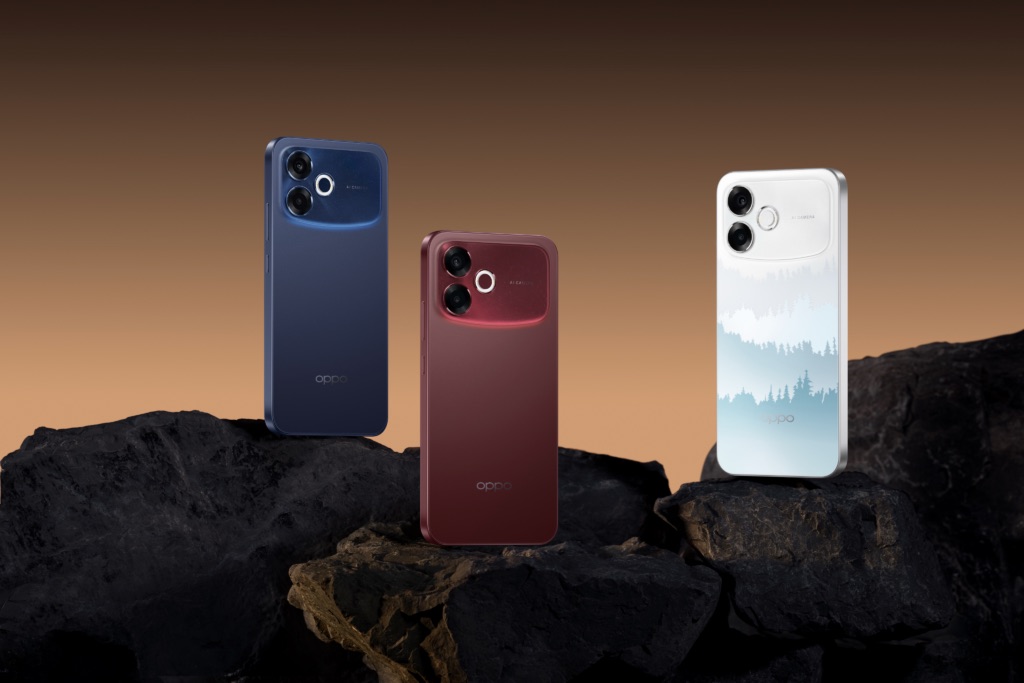
OPPO F-series has always focused on the durability side of things, with some of the toughest phones I’ve ever tested. With the new F33 series, the Chinese smartphone maker is bringing a new type of durability-focused smartphone to India. Based on details shared ahead of launch, the company is positioning the lineup as a solution to everyday smartphone problems like cracked screens, water damage, and battery anxiety.

Built for Indian Conditions

OPPO F33 Series to Launch With IP69K Rating and 7,000mAh Battery
	
The OPPO F-series has always focused on the durability side of things, with some of the toughest phones I’ve ever tested. With the new F33 series, the Chinese smartphone maker is bringing a new type of durability-focused smartphone to India. Based on details shared ahead of launch, the company is positioning the lineup as a solution to everyday smartphone problems like cracked screens, water damage, and battery anxiety.


Built for Indian Conditions


Durability seems to be the core focus here. The OPPO F33 series is said to come with IP69K certification, which is a step above the usual IP67 or IP68 ratings seen in most mid-range phones. In practical terms, this means the device can handle high-pressure, high-temperature water jets and provide complete dust protection. It’s designed to survive not just accidental splashes, but harsher environments like heavy rain, kitchens, or dusty outdoor conditions.


Beyond certifications, OPPO says the F33 series has undergone military-grade durability testing. This includes extreme temperature tests ranging from freezing cold to high heat, salt exposure for coastal conditions, and even simulations of strong winds and heavy rainfall. The devices are also tested for drops, with thousands of simulated falls and immersion tests to ensure real-world reliability.


Structurally, the phones feature a 360-degree armor body, built using an aerospace-grade aluminium frame, reinforced internals, and thicker protective materials for both the display and back panel. There’s also an internal cushioning system designed to absorb shocks during impact.


Long-Term Battery Health


Battery life is another major highlight of the F33 series. OPPO is introducing a 7,000mAh battery that’s designed to retain up to 80% of its capacity even after five years of usage.


The company is using a self-repairing electrolyte technology, which is said to help maintain battery health over time. Combined with 80W fast charging, reverse charging, and bypass charging support, the F33 series aims to reduce both charging time and long-term battery degradation.

#OPPO #F33 #Series #Launch #IP69K #Rating #7000mAh #BatteryOppo

Durability seems to be the core focus here. The OPPO F33 series is said to come with IP69K certification, which is a step above the usual IP67 or IP68 ratings seen in most mid-range phones. In practical terms, this means the device can handle high-pressure, high-temperature water jets and provide complete dust protection. It’s designed to survive not just accidental splashes, but harsher environments like heavy rain, kitchens, or dusty outdoor conditions.

Beyond certifications, OPPO says the F33 series has undergone military-grade durability testing. This includes extreme temperature tests ranging from freezing cold to high heat, salt exposure for coastal conditions, and even simulations of strong winds and heavy rainfall. The devices are also tested for drops, with thousands of simulated falls and immersion tests to ensure real-world reliability.

Structurally, the phones feature a 360-degree armor body, built using an aerospace-grade aluminium frame, reinforced internals, and thicker protective materials for both the display and back panel. There’s also an internal cushioning system designed to absorb shocks during impact.

Long-Term Battery Health

Battery life is another major highlight of the F33 series. OPPO is introducing a 7,000mAh battery that’s designed to retain up to 80% of its capacity even after five years of usage.

The company is using a self-repairing electrolyte technology, which is said to help maintain battery health over time. Combined with 80W fast charging, reverse charging, and bypass charging support, the F33 series aims to reduce both charging time and long-term battery degradation.

#OPPO #F33 #Series #Launch #IP69K #Rating #7000mAh #BatteryOppo">OPPO F33 Series to Launch With IP69K Rating and 7,000mAh Battery
	
The OPPO F-series has always focused on the durability side of things, with some of the toughest phones I’ve ever tested. With the new F33 series, the Chinese smartphone maker is bringing a new type of durability-focused smartphone to India. Based on details shared ahead of launch, the company is positioning the lineup as a solution to everyday smartphone problems like cracked screens, water damage, and battery anxiety.


Built for Indian Conditions


Durability seems to be the core focus here. The OPPO F33 series is said to come with IP69K certification, which is a step above the usual IP67 or IP68 ratings seen in most mid-range phones. In practical terms, this means the device can handle high-pressure, high-temperature water jets and provide complete dust protection. It’s designed to survive not just accidental splashes, but harsher environments like heavy rain, kitchens, or dusty outdoor conditions.


Beyond certifications, OPPO says the F33 series has undergone military-grade durability testing. This includes extreme temperature tests ranging from freezing cold to high heat, salt exposure for coastal conditions, and even simulations of strong winds and heavy rainfall. The devices are also tested for drops, with thousands of simulated falls and immersion tests to ensure real-world reliability.


Structurally, the phones feature a 360-degree armor body, built using an aerospace-grade aluminium frame, reinforced internals, and thicker protective materials for both the display and back panel. There’s also an internal cushioning system designed to absorb shocks during impact.


Long-Term Battery Health


Battery life is another major highlight of the F33 series. OPPO is introducing a 7,000mAh battery that’s designed to retain up to 80% of its capacity even after five years of usage.


The company is using a self-repairing electrolyte technology, which is said to help maintain battery health over time. Combined with 80W fast charging, reverse charging, and bypass charging support, the F33 series aims to reduce both charging time and long-term battery degradation.

#OPPO #F33 #Series #Launch #IP69K #Rating #7000mAh #BatteryOppo

has always focused on the durability side of things, with some of the toughest phones I’ve ever tested. With the new F33 series, the Chinese smartphone maker is bringing a new type of durability-focused smartphone to India. Based on details shared ahead of launch, the company is positioning the lineup as a solution to everyday smartphone problems like cracked screens, water damage, and battery anxiety.

Built for Indian Conditions

OPPO F33 Series to Launch With IP69K Rating and 7,000mAh Battery
	
The OPPO F-series has always focused on the durability side of things, with some of the toughest phones I’ve ever tested. With the new F33 series, the Chinese smartphone maker is bringing a new type of durability-focused smartphone to India. Based on details shared ahead of launch, the company is positioning the lineup as a solution to everyday smartphone problems like cracked screens, water damage, and battery anxiety.


Built for Indian Conditions


Durability seems to be the core focus here. The OPPO F33 series is said to come with IP69K certification, which is a step above the usual IP67 or IP68 ratings seen in most mid-range phones. In practical terms, this means the device can handle high-pressure, high-temperature water jets and provide complete dust protection. It’s designed to survive not just accidental splashes, but harsher environments like heavy rain, kitchens, or dusty outdoor conditions.


Beyond certifications, OPPO says the F33 series has undergone military-grade durability testing. This includes extreme temperature tests ranging from freezing cold to high heat, salt exposure for coastal conditions, and even simulations of strong winds and heavy rainfall. The devices are also tested for drops, with thousands of simulated falls and immersion tests to ensure real-world reliability.


Structurally, the phones feature a 360-degree armor body, built using an aerospace-grade aluminium frame, reinforced internals, and thicker protective materials for both the display and back panel. There’s also an internal cushioning system designed to absorb shocks during impact.


Long-Term Battery Health


Battery life is another major highlight of the F33 series. OPPO is introducing a 7,000mAh battery that’s designed to retain up to 80% of its capacity even after five years of usage.


The company is using a self-repairing electrolyte technology, which is said to help maintain battery health over time. Combined with 80W fast charging, reverse charging, and bypass charging support, the F33 series aims to reduce both charging time and long-term battery degradation.

#OPPO #F33 #Series #Launch #IP69K #Rating #7000mAh #BatteryOppo

Durability seems to be the core focus here. The OPPO F33 series is said to come with IP69K certification, which is a step above the usual IP67 or IP68 ratings seen in most mid-range phones. In practical terms, this means the device can handle high-pressure, high-temperature water jets and provide complete dust protection. It’s designed to survive not just accidental splashes, but harsher environments like heavy rain, kitchens, or dusty outdoor conditions.

Beyond certifications, OPPO says the F33 series has undergone military-grade durability testing. This includes extreme temperature tests ranging from freezing cold to high heat, salt exposure for coastal conditions, and even simulations of strong winds and heavy rainfall. The devices are also tested for drops, with thousands of simulated falls and immersion tests to ensure real-world reliability.

Structurally, the phones feature a 360-degree armor body, built using an aerospace-grade aluminium frame, reinforced internals, and thicker protective materials for both the display and back panel. There’s also an internal cushioning system designed to absorb shocks during impact.

Long-Term Battery Health

Battery life is another major highlight of the F33 series. OPPO is introducing a 7,000mAh battery that’s designed to retain up to 80% of its capacity even after five years of usage.

The company is using a self-repairing electrolyte technology, which is said to help maintain battery health over time. Combined with 80W fast charging, reverse charging, and bypass charging support, the F33 series aims to reduce both charging time and long-term battery degradation.

#OPPO #F33 #Series #Launch #IP69K #Rating #7000mAh #BatteryOppo">OPPO F33 Series to Launch With IP69K Rating and 7,000mAh Battery

The OPPO F-series has always focused on the durability side of things, with some of the toughest phones I’ve ever tested. With the new F33 series, the Chinese smartphone maker is bringing a new type of durability-focused smartphone to India. Based on details shared ahead of launch, the company is positioning the lineup as a solution to everyday smartphone problems like cracked screens, water damage, and battery anxiety.

Built for Indian Conditions

OPPO F33 Series to Launch With IP69K Rating and 7,000mAh Battery
	
The OPPO F-series has always focused on the durability side of things, with some of the toughest phones I’ve ever tested. With the new F33 series, the Chinese smartphone maker is bringing a new type of durability-focused smartphone to India. Based on details shared ahead of launch, the company is positioning the lineup as a solution to everyday smartphone problems like cracked screens, water damage, and battery anxiety.


Built for Indian Conditions


Durability seems to be the core focus here. The OPPO F33 series is said to come with IP69K certification, which is a step above the usual IP67 or IP68 ratings seen in most mid-range phones. In practical terms, this means the device can handle high-pressure, high-temperature water jets and provide complete dust protection. It’s designed to survive not just accidental splashes, but harsher environments like heavy rain, kitchens, or dusty outdoor conditions.


Beyond certifications, OPPO says the F33 series has undergone military-grade durability testing. This includes extreme temperature tests ranging from freezing cold to high heat, salt exposure for coastal conditions, and even simulations of strong winds and heavy rainfall. The devices are also tested for drops, with thousands of simulated falls and immersion tests to ensure real-world reliability.


Structurally, the phones feature a 360-degree armor body, built using an aerospace-grade aluminium frame, reinforced internals, and thicker protective materials for both the display and back panel. There’s also an internal cushioning system designed to absorb shocks during impact.


Long-Term Battery Health


Battery life is another major highlight of the F33 series. OPPO is introducing a 7,000mAh battery that’s designed to retain up to 80% of its capacity even after five years of usage.


The company is using a self-repairing electrolyte technology, which is said to help maintain battery health over time. Combined with 80W fast charging, reverse charging, and bypass charging support, the F33 series aims to reduce both charging time and long-term battery degradation.

#OPPO #F33 #Series #Launch #IP69K #Rating #7000mAh #BatteryOppo

Durability seems to be the core focus here. The OPPO F33 series is said to come with IP69K certification, which is a step above the usual IP67 or IP68 ratings seen in most mid-range phones. In practical terms, this means the device can handle high-pressure, high-temperature water jets and provide complete dust protection. It’s designed to survive not just accidental splashes, but harsher environments like heavy rain, kitchens, or dusty outdoor conditions.

Beyond certifications, OPPO says the F33 series has undergone military-grade durability testing. This includes extreme temperature tests ranging from freezing cold to high heat, salt exposure for coastal conditions, and even simulations of strong winds and heavy rainfall. The devices are also tested for drops, with thousands of simulated falls and immersion tests to ensure real-world reliability.

Structurally, the phones feature a 360-degree armor body, built using an aerospace-grade aluminium frame, reinforced internals, and thicker protective materials for both the display and back panel. There’s also an internal cushioning system designed to absorb shocks during impact.

Long-Term Battery Health

Battery life is another major highlight of the F33 series. OPPO is introducing a 7,000mAh battery that’s designed to retain up to 80% of its capacity even after five years of usage.

The company is using a self-repairing electrolyte technology, which is said to help maintain battery health over time. Combined with 80W fast charging, reverse charging, and bypass charging support, the F33 series aims to reduce both charging time and long-term battery degradation.

#OPPO #F33 #Series #Launch #IP69K #Rating #7000mAh #BatteryOppo

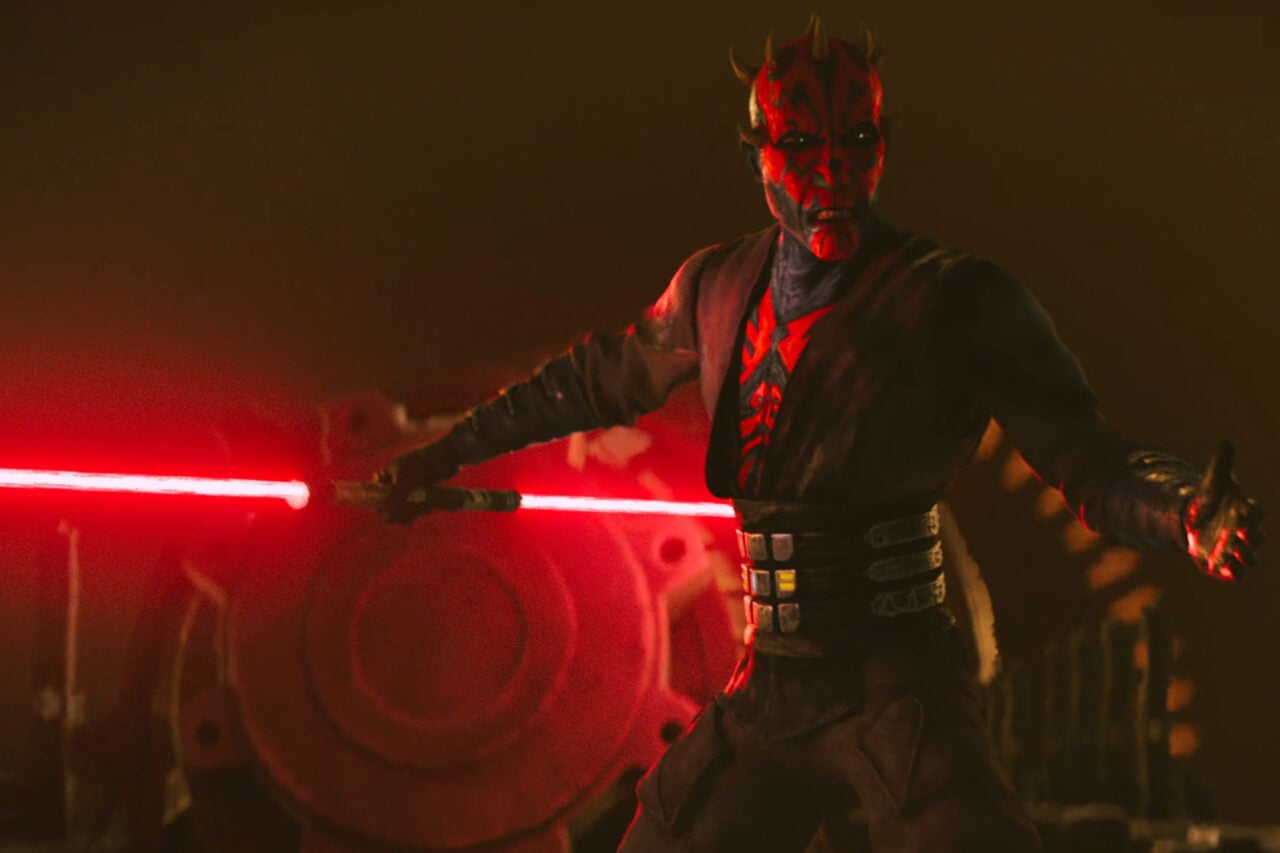
The new Star Wars animated series Maul: Shadow Lord is doing some very cool things with lightsabers—and not just spinning them around with reckless abandon because we’ve got Maul himself and a couple of Inquisitors who all love to do exactly that with their weapons. They look almost unlike any time we’ve seen the weapons in Lucasfilm’s past output: blades that flicker and snarl like their wielders do, living flames that carve paths of incandescent energy across the screen instead of that typically clean, minimalistic energy we see from them.

It makes Shadow Lord look even more visually impressive than it already is, and of course, the idea of lightsabers as gouts of flaming plasma is also naturally very befitting everyone’s favorite slightly pathetic but trying-his-best edgelord in a character like Maul. But it turns out Shadow Lord‘s lightsabers—Maul’s specifically—are going the extra edgelord mile. Because there’s screaming in the sound mix.

Not just any screaming either, but Sam Witwer’s own howls.

The delightfully silly factoid was revealed by the supervising sound editor for the show, David W. Collins, in a new featurette about the process of creating Shadow Lord, which also shows off Witwer performing some of his own moves for animation reference. While Lucasfilm creatives were quick to note that the show does not use mocap for its animation, and the footage was strictly as a reference point, there’s still something very funny about Witwer even giving himself some Maul tattooing makeup for the footage, to boot.

It’s long been clear that Witwer has put a lot of time and thought into his approach to Maul’s animated legacy over the past decade and a half, but now at least he’s put his vocals into it in a very different manner for Shadow Lord.

Want more io9 news? Check out when to expect the latest Marvel, Star Wars, and Star Trek releases, what’s next for the DC Universe on film and TV, and everything you need to know about the future of Doctor Who.

#Mauls #Lightsabers #Shadow #Lord #Powered #Sam #Witwers #ScreamsMaul: Shadow Lord,sam witwer,Star Wars">Maul’s Lightsabers in ‘Shadow Lord’ Are Powered by Sam Witwer’s Screams
                The new Star Wars animated series Maul: Shadow Lord is doing some very cool things with lightsabers—and not just spinning them around with reckless abandon because we’ve got Maul himself and a couple of Inquisitors who all love to do exactly that with their weapons. They look almost unlike any time we’ve seen the weapons in Lucasfilm’s past output: blades that flicker and snarl like their wielders do, living flames that carve paths of incandescent energy across the screen instead of that typically clean, minimalistic energy we see from them. It makes Shadow Lord look even more visually impressive than it already is, and of course, the idea of lightsabers as gouts of flaming plasma is also naturally very befitting everyone’s favorite slightly pathetic but trying-his-best edgelord in a character like Maul. But it turns out Shadow Lord‘s lightsabers—Maul’s specifically—are going the extra edgelord mile. Because there’s screaming in the sound mix.

 Not just any screaming either, but Sam Witwer’s own howls.  The delightfully silly factoid was revealed by the supervising sound editor for the show, David W. Collins, in a new featurette about the process of creating Shadow Lord, which also shows off Witwer performing some of his own moves for animation reference. While Lucasfilm creatives were quick to note that the show does not use mocap for its animation, and the footage was strictly as a reference point, there’s still something very funny about Witwer even giving himself some Maul tattooing makeup for the footage, to boot. It’s long been clear that Witwer has put a lot of time and thought into his approach to Maul’s animated legacy over the past decade and a half, but now at least he’s put his vocals into it in a very different manner for Shadow Lord.  Want more io9 news? Check out when to expect the latest Marvel, Star Wars, and Star Trek releases, what’s next for the DC Universe on film and TV, and everything you need to know about the future of Doctor Who.      #Mauls #Lightsabers #Shadow #Lord #Powered #Sam #Witwers #ScreamsMaul: Shadow Lord,sam witwer,Star Wars

Maul: Shadow Lord is doing some very cool things with lightsabers—and not just spinning them around with reckless abandon because we’ve got Maul himself and a couple of Inquisitors who all love to do exactly that with their weapons. They look almost unlike any time we’ve seen the weapons in Lucasfilm’s past output: blades that flicker and snarl like their wielders do, living flames that carve paths of incandescent energy across the screen instead of that typically clean, minimalistic energy we see from them.

It makes Shadow Lord look even more visually impressive than it already is, and of course, the idea of lightsabers as gouts of flaming plasma is also naturally very befitting everyone’s favorite slightly pathetic but trying-his-best edgelord in a character like Maul. But it turns out Shadow Lord‘s lightsabers—Maul’s specifically—are going the extra edgelord mile. Because there’s screaming in the sound mix.

Not just any screaming either, but Sam Witwer’s own howls.

The delightfully silly factoid was revealed by the supervising sound editor for the show, David W. Collins, in a new featurette about the process of creating Shadow Lord, which also shows off Witwer performing some of his own moves for animation reference. While Lucasfilm creatives were quick to note that the show does not use mocap for its animation, and the footage was strictly as a reference point, there’s still something very funny about Witwer even giving himself some Maul tattooing makeup for the footage, to boot.

It’s long been clear that Witwer has put a lot of time and thought into his approach to Maul’s animated legacy over the past decade and a half, but now at least he’s put his vocals into it in a very different manner for Shadow Lord.

Want more io9 news? Check out when to expect the latest Marvel, Star Wars, and Star Trek releases, what’s next for the DC Universe on film and TV, and everything you need to know about the future of Doctor Who.

#Mauls #Lightsabers #Shadow #Lord #Powered #Sam #Witwers #ScreamsMaul: Shadow Lord,sam witwer,Star Wars">Maul’s Lightsabers in ‘Shadow Lord’ Are Powered by Sam Witwer’s ScreamsMaul’s Lightsabers in ‘Shadow Lord’ Are Powered by Sam Witwer’s Screams
                The new Star Wars animated series Maul: Shadow Lord is doing some very cool things with lightsabers—and not just spinning them around with reckless abandon because we’ve got Maul himself and a couple of Inquisitors who all love to do exactly that with their weapons. They look almost unlike any time we’ve seen the weapons in Lucasfilm’s past output: blades that flicker and snarl like their wielders do, living flames that carve paths of incandescent energy across the screen instead of that typically clean, minimalistic energy we see from them. It makes Shadow Lord look even more visually impressive than it already is, and of course, the idea of lightsabers as gouts of flaming plasma is also naturally very befitting everyone’s favorite slightly pathetic but trying-his-best edgelord in a character like Maul. But it turns out Shadow Lord‘s lightsabers—Maul’s specifically—are going the extra edgelord mile. Because there’s screaming in the sound mix.

 Not just any screaming either, but Sam Witwer’s own howls.  The delightfully silly factoid was revealed by the supervising sound editor for the show, David W. Collins, in a new featurette about the process of creating Shadow Lord, which also shows off Witwer performing some of his own moves for animation reference. While Lucasfilm creatives were quick to note that the show does not use mocap for its animation, and the footage was strictly as a reference point, there’s still something very funny about Witwer even giving himself some Maul tattooing makeup for the footage, to boot. It’s long been clear that Witwer has put a lot of time and thought into his approach to Maul’s animated legacy over the past decade and a half, but now at least he’s put his vocals into it in a very different manner for Shadow Lord.  Want more io9 news? Check out when to expect the latest Marvel, Star Wars, and Star Trek releases, what’s next for the DC Universe on film and TV, and everything you need to know about the future of Doctor Who.      #Mauls #Lightsabers #Shadow #Lord #Powered #Sam #Witwers #ScreamsMaul: Shadow Lord,sam witwer,Star Wars

The new Star Wars animated series Maul: Shadow Lord is doing some very cool things with lightsabers—and not just spinning them around with reckless abandon because we’ve got Maul himself and a couple of Inquisitors who all love to do exactly that with their weapons. They look almost unlike any time we’ve seen the weapons in Lucasfilm’s past output: blades that flicker and snarl like their wielders do, living flames that carve paths of incandescent energy across the screen instead of that typically clean, minimalistic energy we see from them.

It makes Shadow Lord look even more visually impressive than it already is, and of course, the idea of lightsabers as gouts of flaming plasma is also naturally very befitting everyone’s favorite slightly pathetic but trying-his-best edgelord in a character like Maul. But it turns out Shadow Lord‘s lightsabers—Maul’s specifically—are going the extra edgelord mile. Because there’s screaming in the sound mix.

Not just any screaming either, but Sam Witwer’s own howls.

The delightfully silly factoid was revealed by the supervising sound editor for the show, David W. Collins, in a new featurette about the process of creating Shadow Lord, which also shows off Witwer performing some of his own moves for animation reference. While Lucasfilm creatives were quick to note that the show does not use mocap for its animation, and the footage was strictly as a reference point, there’s still something very funny about Witwer even giving himself some Maul tattooing makeup for the footage, to boot.

It’s long been clear that Witwer has put a lot of time and thought into his approach to Maul’s animated legacy over the past decade and a half, but now at least he’s put his vocals into it in a very different manner for Shadow Lord.

Want more io9 news? Check out when to expect the latest Marvel, Star Wars, and Star Trek releases, what’s next for the DC Universe on film and TV, and everything you need to know about the future of Doctor Who.

#Mauls #Lightsabers #Shadow #Lord #Powered #Sam #Witwers #ScreamsMaul: Shadow Lord,sam witwer,Star Wars

Post Comment