
Three months. That is how long it took for one of the most headline-grabbing AI partnerships in entertainment history to collapse entirely. In December, then-Disney CEO Bob Iger announced a deal with OpenAI that had the media giant committing $1 billion to the AI company in exchange for licensing 250 of its most recognizable characters for use in Sora. The ambition was quite enormous, and the industry response was loud. Bob Iger had expressed a desire to introduce user-generated AI content directly onto Disney+, powered by Sora. It was the kind of deal that felt like it was shaping the future of entertainment.
On Tuesday, OpenAI announced it was discontinuing Sora entirely, six months after the standalone app launched, as part of a broader strategic shift away from video generation in favor of productivity tools and enterprise services ahead of a planned IPO. The Disney deal went with it. No money appears to have changed hands. The deal was never finalized. What remains is a cautionary tale about the speed at which AI ambitions can arrive and disappear, and a Hollywood copyright battle that is far from over.
What Sora Was and Why It Mattered
OpenAI is shutting down its AI video slop-making platform Sora. pic.twitter.com/1yzebNdKgf
— DiscussingFilm (@DiscussingFilm) March 24, 2026
When Sora first launched in 2024, filmmakers described the technology as leaps and bounds ahead of anything else in the generative video space. A single text prompt could produce specific camera movements, vivid background detail, and multiple events unfolding within a single sequence. It was genuinely impressive. By the time Sora 2 arrived in September 2025, native sound was possible. The era of cartoonish AI videos was over.
The impact was already being felt in the entertainment space. Sora was appearing at film festivals, including Tribeca. Actors were publicly endorsing its capabilities. Two years earlier, filmmaker Tyler Perry had put an $800 million studio expansion on hold after seeing what the technology could do. The trajectory pointed in one direction only.
The Disney deal reflected that trajectory. Under the three-year licensing agreement, Sora and ChatGPT Images were to generate fan-inspired videos using more than 200 masked, animated, or creature characters from Disney, Marvel, Pixar, and Star Wars. Disney+ was set to add a curated selection of Sora-generated videos. The rollout was expected in early 2026. According to Bloomberg, the deal was structured entirely in stock warrants rather than a cash licensing fee. Which may explain why, when Sora disappeared, the money did too.
Why OpenAI Walked Away From Video
OpenAI is refocusing its efforts on coding tools and other business applications ahead of its planned IPO. The shutdown of Sora is part of a broader portfolio simplification. The company is not abandoning AI video entirely. Video capabilities are expected to be folded into broader products like ChatGPT rather than operating as a standalone tool. The standalone app is gone. The underlying ambition has not been abandoned.
The legal environment almost certainly played a role, too. Sora 2 launched with an opt-out model that required IP owners to proactively flag that they wanted their copyrighted works excluded from the system. In November, Japanese content trade group CODA, whose members include Studio Ghibli, issued a letter demanding OpenAI stop using their content to train Sora 2. The backlash was global, organized, and accelerating. For a company preparing for an IPO, managing that exposure while also defending video generation as a core product may have become an unattractive calculation.
Disney’s Position and What Comes Next for the Studio
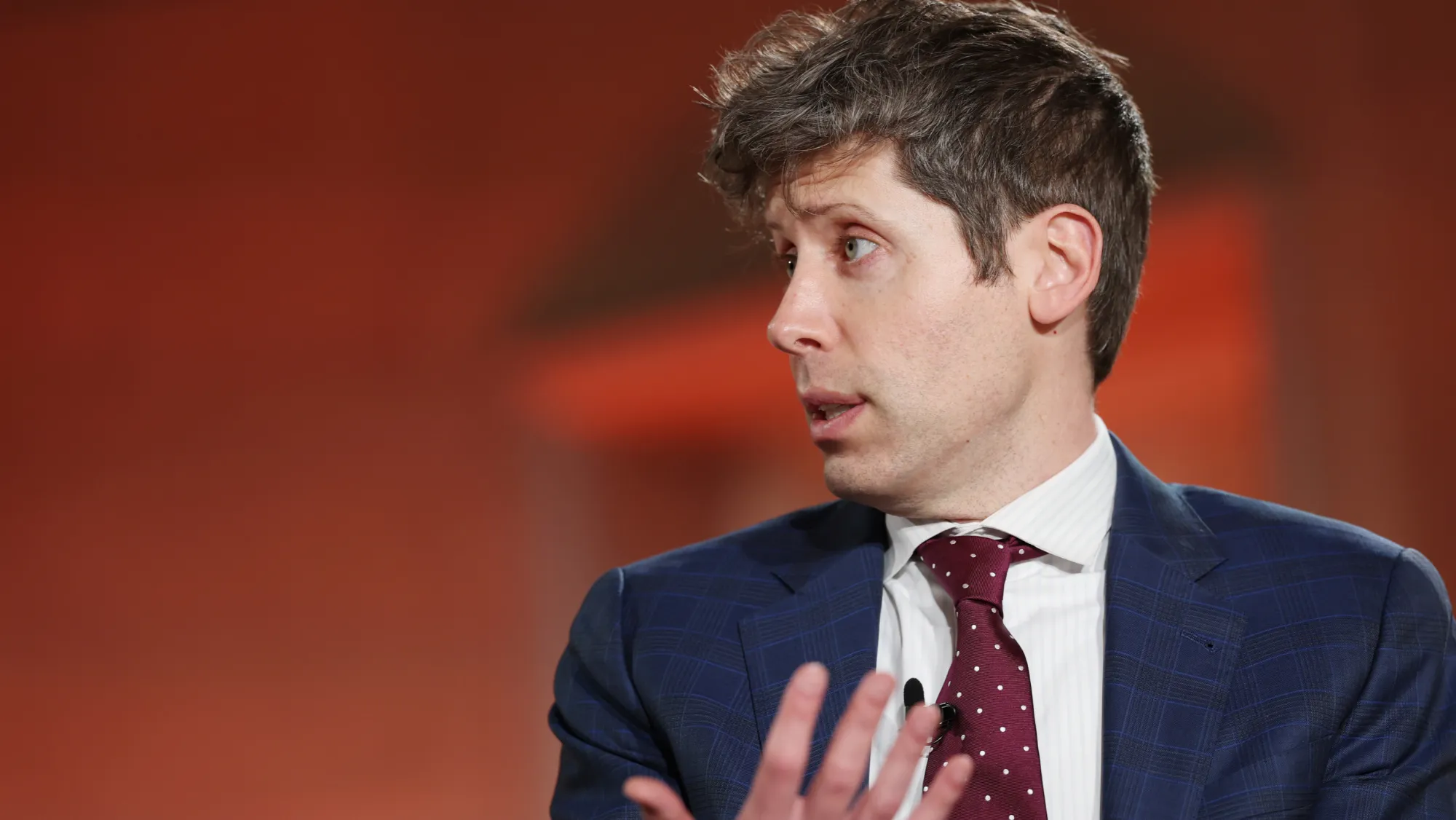
Disney’s public response was measured and careful. A company spokesperson said Disney respects OpenAI’s decision and will continue engaging with AI platforms to find new ways to reach fans while responsibly embracing new technologies that respect IP and creator rights. Reading between the lines, the studio is not closing the door on AI. It is simply opening a different one.
Under new CEO Josh D’Amaro, it is not out of the question that Disney pursues a similar arrangement with a different AI company. Indeed, the appetite for integrating AI into Disney+ remains. Google DeepMind’s Veo 3 and ByteDance’s Seedance 2.0 are both powerful generative video tools still in operation, though both face their own legal scrutiny from studios. Disney has been aggressive on that front. The studio sent Google a cease-and-desist demand alleging copyright infringement on a massive scale, pursued similar action against Meta and Character.AI, and filed lawsuits alongside NBCUniversal and Warner Bros. Discovery against Midjourney and Minimax.
The picture that emerges is of a studio that wants AI on its own terms. It will engage with the technology. It will invest in the technology. But it will not license its most valuable intellectual property to a platform it cannot control or predict. With Sora gone, Google is now arguably the only player in the AI video space with genuine scale. Whether Disney finds its way to a deal with Google, or builds something proprietary, or waits to see how the legal landscape settles — none of those decisions have been made publicly yet. What is certain is that the OpenAI Sora chapter is closed, the billion dollars stayed in Burbank, and the fight over AI and intellectual property in Hollywood is only getting louder.
Featured image: Square Enix
Disney Stock Explained: Why A YouTube Feud, A Blackout, And Market Anxiety Collided This Week

Source link
#OpenAI #Sora #Shutdown #Pulls #Disneys #Billion #Deal


Post Comment