Roblox is filled with millions of anime experiences, and the newest one on the block is Roblox Mugen. This arena-style fighting game combines anime characters, unique battle styles, and themed environments to create a super fun experience. As always, if you’re just starting out, getting the best characters can take a long time. That’s exactly where codes come in, as they offer free rewards, such as spins and Cash. In this guide, we’ve gathered all the latest Roblox Mugen codes for you.
Newest Roblox Mugen Codes
- MUGENSBACK — Redeem for 10 Lucky Spins (NEW)
- THUNDER — Redeem for 4 Lucky Spins (NEW)
- PATCHMEUP — Redeem for 5,000 Yen and 3 Lucky Spins
- THANKS100K — Redeem for 10,000 Yen and 5 Lucky Spins
- RELEASE — Redeem for 5 Lucky Spins
- TESTING — Redeem for 5 Lucky Spins
Found an expired or missing code? Please let us know, and we’ll update the article as soon as possible.
Expired Roblox Mugen Codes
Like other Roblox games, Mugen developers frequently release new codes while retiring older ones. The following codes are no longer active:
How To Redeem Roblox Mugen Codes?
While redeeming these codes is pretty easy, it’s important to remember that they are case-sensitive. We generally recommend copying and pasting the codes directly to avoid errors. Here’s how:
- Open Roblox Mugen on your device.
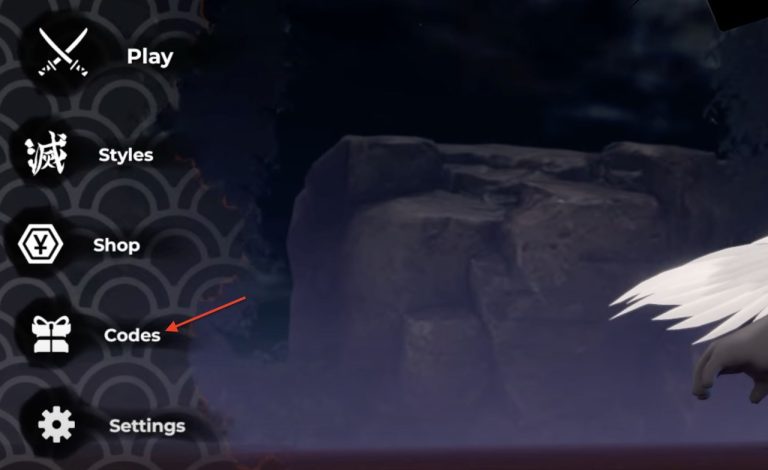
- Click the “Codes” button, located on the left side of your screen.
- Enter your desired codes and hit Redeem.

And that’s it. The game will automatically add your rewards to your inventory. In the meantime, don’t forget to check out codes for other Roblox anime games like Sakura Stand, Ghoul RE, and Blue Lock Rivals.
What Are Spins In Roblox Mugen?
In the game, Spins are basically a way for players to “roll” or gamble for different Styles, which can unlock different character classes or fighting move sets in the game. Each Style is ranked by its rarity and can be divided into four categories: Rare, Epic, Legendary, and Mythic.
How To Get More Codes?
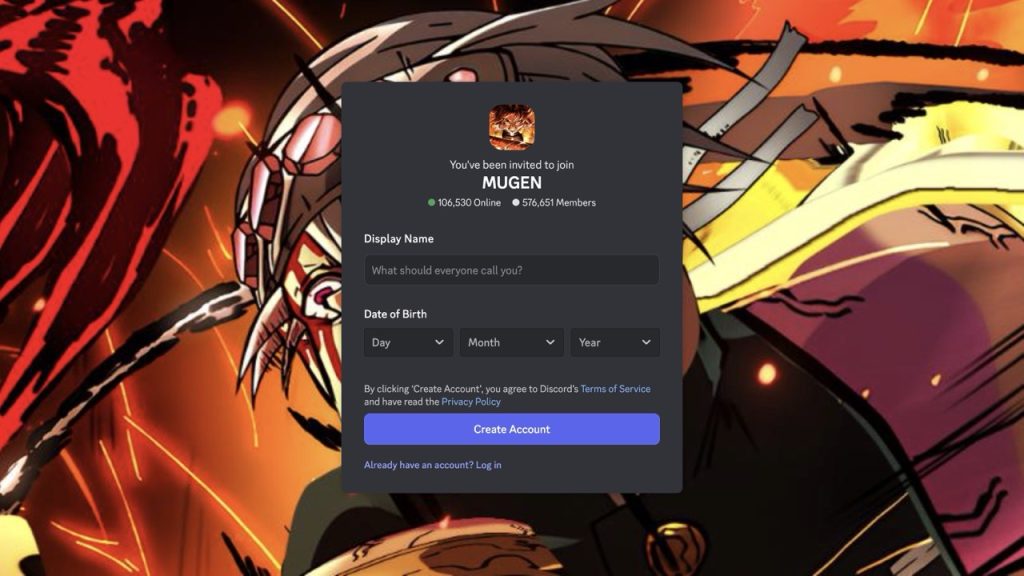
If you don’t want to spend your afternoons manually searching for codes, just bookmark this page. We scour the internet daily for you and update this list as soon as new codes become available. Also, we recommend joining the official Roblox Mugen Discord server and keeping an eye on the #announcements and #updates channels.
Roblox Mugen Code Not Working?
Perhaps the most common reason why your code isn’t working is that you’ve typed the incorrect spelling. It’s important to remember that these codes are case-sensitive and any mistake would render them useless.
However, since these codes are only available for a limited time, with some even expiring after just 24 hours, it’s also possible that a code expired between the time of publishing this article and when you tried to redeem it. If that’s the case, we’ll soon update the article with new codes.
Frequently Asked Questions (FAQs)
How to redeem Roblox Mugen codes?
Open Roblox Mugen, click on the Codes button (left side of the screen), enter your code, and press Redeem.
Is there a Roblox Mugen Trello board?
Yes, there is a Roblox Mugen Trello board where you can learn about the game’s mechanics.
Source link
#Roblox #Mugen #Codes #July
![The ‘Highlander’ Reboot Promises Plenty of Decapitations
The next Insidious gets a new title. Could a sequel to Wonka be in the works? Plus, The Boys remembers the fallen with a series of new meta promo videos. To me, my spoilers! Highlander Speaking with Comic Book, Djimon Hounsou promised the upcoming Highlander reboot will include “a lot of decapitations.” They’re gonna love this movie. The scale of the action in this one…certainly, being directed by Chad [Stahleski], the guy who directed all the John Wick [movies]. And it’s an amazing cast as well. It’s going to be spectacular. The sets, the way how they’re designed…certainly, my set was just [great]. There will be a lot of decapitations. Insidious: Out of the Further Bloody-Disgusting also reports the new Insidious movie is officially titled Insidious: Out of the Further. Man of Tomorrow According to a recent Instagram story from Nicholas Hoult’s wife, Bryana Holly (via Screen Rant), the actor has shaved his head in preparation to play Lex Luthor again in Man of Tomorrow.
Wonka 2 Meanwhile, insider @DanielRPK (via World of Reel) alleges a sequel to Wonka plans to begin filming this August. Eternally Yours Variety reports CBS has ordered Eternally Yours, a new sitcom about vampires from Joe Port and Joe Wiseman, the creators behind the American version of Ghosts. The series is said to follow Charles (Ed Weeks) and Liz (Allegra Edwards), “a vampire couple whose once-passionate romance has devolved into a pulseless marriage after 500 years together. Living in present-day Seattle with their oddball coven, they’ve settled into an eternal rut—until their daughter’s (Helen J. Shen) earnest human boyfriend (Jaren Lewison) unexpectedly enters their lives and forces them to confront whether their love can survive forever… or if forever is a life sentence.”
Ghosts Speaking of, the spirit of a child actor enters the fray in the trailer for this week’s episode of Ghosts. The Boys Finally, Vought International has released three new videos memorializing A-Train, introducing Ashley Barrett as the company’s latest vice president, and an infomercial for The Deep’s new manscaping kit. Want more io9 news? Check out when to expect the latest Marvel, Star Wars, and Star Trek releases, what’s next for the DC Universe on film and TV, and everything you need to know about the future of Doctor Who. #Highlander #Reboot #Promises #Plenty #DecapitationsHighlander,Insidious 6,Man of Tomorrow,Morning Spoilers,The Boys](https://i3.wp.com/gizmodo.com/app/uploads/2025/09/io9-2025-spoiler.png?ssl=1 "The ‘Highlander’ Reboot Promises Plenty of Decapitations
The next Insidious gets a new title. Could a sequel to Wonka be in the works? Plus, The Boys remembers the fallen with a series of new meta promo videos. To me, my spoilers! Highlander Speaking with Comic Book, Djimon Hounsou promised the upcoming Highlander reboot will include “a lot of decapitations.” They’re gonna love this movie. The scale of the action in this one…certainly, being directed by Chad [Stahleski], the guy who directed all the John Wick [movies]. And it’s an amazing cast as well. It’s going to be spectacular. The sets, the way how they’re designed…certainly, my set was just [great]. There will be a lot of decapitations. Insidious: Out of the Further Bloody-Disgusting also reports the new Insidious movie is officially titled Insidious: Out of the Further. Man of Tomorrow According to a recent Instagram story from Nicholas Hoult’s wife, Bryana Holly (via Screen Rant), the actor has shaved his head in preparation to play Lex Luthor again in Man of Tomorrow.
Wonka 2 Meanwhile, insider @DanielRPK (via World of Reel) alleges a sequel to Wonka plans to begin filming this August. Eternally Yours Variety reports CBS has ordered Eternally Yours, a new sitcom about vampires from Joe Port and Joe Wiseman, the creators behind the American version of Ghosts. The series is said to follow Charles (Ed Weeks) and Liz (Allegra Edwards), “a vampire couple whose once-passionate romance has devolved into a pulseless marriage after 500 years together. Living in present-day Seattle with their oddball coven, they’ve settled into an eternal rut—until their daughter’s (Helen J. Shen) earnest human boyfriend (Jaren Lewison) unexpectedly enters their lives and forces them to confront whether their love can survive forever… or if forever is a life sentence.”
Ghosts Speaking of, the spirit of a child actor enters the fray in the trailer for this week’s episode of Ghosts. The Boys Finally, Vought International has released three new videos memorializing A-Train, introducing Ashley Barrett as the company’s latest vice president, and an infomercial for The Deep’s new manscaping kit. Want more io9 news? Check out when to expect the latest Marvel, Star Wars, and Star Trek releases, what’s next for the DC Universe on film and TV, and everything you need to know about the future of Doctor Who. #Highlander #Reboot #Promises #Plenty #DecapitationsHighlander,Insidious 6,Man of Tomorrow,Morning Spoilers,The Boys")
![The ‘Highlander’ Reboot Promises Plenty of Decapitations
The next Insidious gets a new title. Could a sequel to Wonka be in the works? Plus, The Boys remembers the fallen with a series of new meta promo videos. To me, my spoilers! Highlander Speaking with Comic Book, Djimon Hounsou promised the upcoming Highlander reboot will include “a lot of decapitations.” They’re gonna love this movie. The scale of the action in this one…certainly, being directed by Chad [Stahleski], the guy who directed all the John Wick [movies]. And it’s an amazing cast as well. It’s going to be spectacular. The sets, the way how they’re designed…certainly, my set was just [great]. There will be a lot of decapitations. Insidious: Out of the Further Bloody-Disgusting also reports the new Insidious movie is officially titled Insidious: Out of the Further. Man of Tomorrow According to a recent Instagram story from Nicholas Hoult’s wife, Bryana Holly (via Screen Rant), the actor has shaved his head in preparation to play Lex Luthor again in Man of Tomorrow.
Wonka 2 Meanwhile, insider @DanielRPK (via World of Reel) alleges a sequel to Wonka plans to begin filming this August. Eternally Yours Variety reports CBS has ordered Eternally Yours, a new sitcom about vampires from Joe Port and Joe Wiseman, the creators behind the American version of Ghosts. The series is said to follow Charles (Ed Weeks) and Liz (Allegra Edwards), “a vampire couple whose once-passionate romance has devolved into a pulseless marriage after 500 years together. Living in present-day Seattle with their oddball coven, they’ve settled into an eternal rut—until their daughter’s (Helen J. Shen) earnest human boyfriend (Jaren Lewison) unexpectedly enters their lives and forces them to confront whether their love can survive forever… or if forever is a life sentence.”
Ghosts Speaking of, the spirit of a child actor enters the fray in the trailer for this week’s episode of Ghosts. The Boys Finally, Vought International has released three new videos memorializing A-Train, introducing Ashley Barrett as the company’s latest vice president, and an infomercial for The Deep’s new manscaping kit. Want more io9 news? Check out when to expect the latest Marvel, Star Wars, and Star Trek releases, what’s next for the DC Universe on film and TV, and everything you need to know about the future of Doctor Who. #Highlander #Reboot #Promises #Plenty #DecapitationsHighlander,Insidious 6,Man of Tomorrow,Morning Spoilers,The Boys](https://gizmodo.com/app/uploads/2025/09/io9-2025-spoiler.png "The ‘Highlander’ Reboot Promises Plenty of Decapitations
The next Insidious gets a new title. Could a sequel to Wonka be in the works? Plus, The Boys remembers the fallen with a series of new meta promo videos. To me, my spoilers! Highlander Speaking with Comic Book, Djimon Hounsou promised the upcoming Highlander reboot will include “a lot of decapitations.” They’re gonna love this movie. The scale of the action in this one…certainly, being directed by Chad [Stahleski], the guy who directed all the John Wick [movies]. And it’s an amazing cast as well. It’s going to be spectacular. The sets, the way how they’re designed…certainly, my set was just [great]. There will be a lot of decapitations. Insidious: Out of the Further Bloody-Disgusting also reports the new Insidious movie is officially titled Insidious: Out of the Further. Man of Tomorrow According to a recent Instagram story from Nicholas Hoult’s wife, Bryana Holly (via Screen Rant), the actor has shaved his head in preparation to play Lex Luthor again in Man of Tomorrow.
Wonka 2 Meanwhile, insider @DanielRPK (via World of Reel) alleges a sequel to Wonka plans to begin filming this August. Eternally Yours Variety reports CBS has ordered Eternally Yours, a new sitcom about vampires from Joe Port and Joe Wiseman, the creators behind the American version of Ghosts. The series is said to follow Charles (Ed Weeks) and Liz (Allegra Edwards), “a vampire couple whose once-passionate romance has devolved into a pulseless marriage after 500 years together. Living in present-day Seattle with their oddball coven, they’ve settled into an eternal rut—until their daughter’s (Helen J. Shen) earnest human boyfriend (Jaren Lewison) unexpectedly enters their lives and forces them to confront whether their love can survive forever… or if forever is a life sentence.”
Ghosts Speaking of, the spirit of a child actor enters the fray in the trailer for this week’s episode of Ghosts. The Boys Finally, Vought International has released three new videos memorializing A-Train, introducing Ashley Barrett as the company’s latest vice president, and an infomercial for The Deep’s new manscaping kit. Want more io9 news? Check out when to expect the latest Marvel, Star Wars, and Star Trek releases, what’s next for the DC Universe on film and TV, and everything you need to know about the future of Doctor Who. #Highlander #Reboot #Promises #Plenty #DecapitationsHighlander,Insidious 6,Man of Tomorrow,Morning Spoilers,The Boys")


Post Comment