×
Saudi Arabia to end LIV Golf funding this year: reports  Saudi Arabia’s sovereign wealth fund will stop financing LIV Golf at the end of the 2026 season, throwing the future of the breakaway tour into serious doubt, US media reported Wednesday.LIV Golf, founded in 2022 as a main rival to the PGA Tour, plans to inform staff and players on Thursday that the Saudi Public Investment Fund will no longer bankroll the circuit beyond this summer, the Wall Street Journal said.The league, which spent billions of Saudi dollars to lure many of the world’s top players including Bryson DeChambeau and Phil Mickelson, will “evaluate strategic alternatives” to continue operating, CNBC reported.Both the Wall Street Journal and CNBC cited multiple anonymous sources. LIV Golf did not comment when repeatedly contacted by AFP.Reports first emerged earlier this month that the breakaway tour was on the verge of collapse due to the possible withdrawal of Saudi financing.LIV’s deep-pocketed backers in Riyadh were rumoured to have cooled on the extravagantly expensive project, which has reportedly cost them over  billion so far.LIV Golf CEO Scott O’Neil refuted the reports, vowing to continue the season “full throttle,” though he conceded the league would “probably” have to raise money going forward.A collapse of LIV Golf could jeopardize the careers and earnings of its star players.The likes of DeChambeau defected from the PGA Tour in acrimonious circumstances, and may face severe penalties if they try to return.“There were rules, and they were broken,” PGA Tour chief executive Brian Rolapp told the Journal this week. “With rules comes accountability.”LIV Golf this week postponed its planned June tournament in New Orleans on Tuesday, with officials saying they hope to reschedule an event for later this year.LIV’s next tournament is set for May 7-10 at Trump National in suburban Washington.Its final scheduled tournament this season is set to take place in Indianapolis from August 20-23.Published on Apr 30, 2026  #Saudi #Arabia #LIV #Golf #funding #year #reports

Saudi Arabia to end LIV Golf funding this year: reports

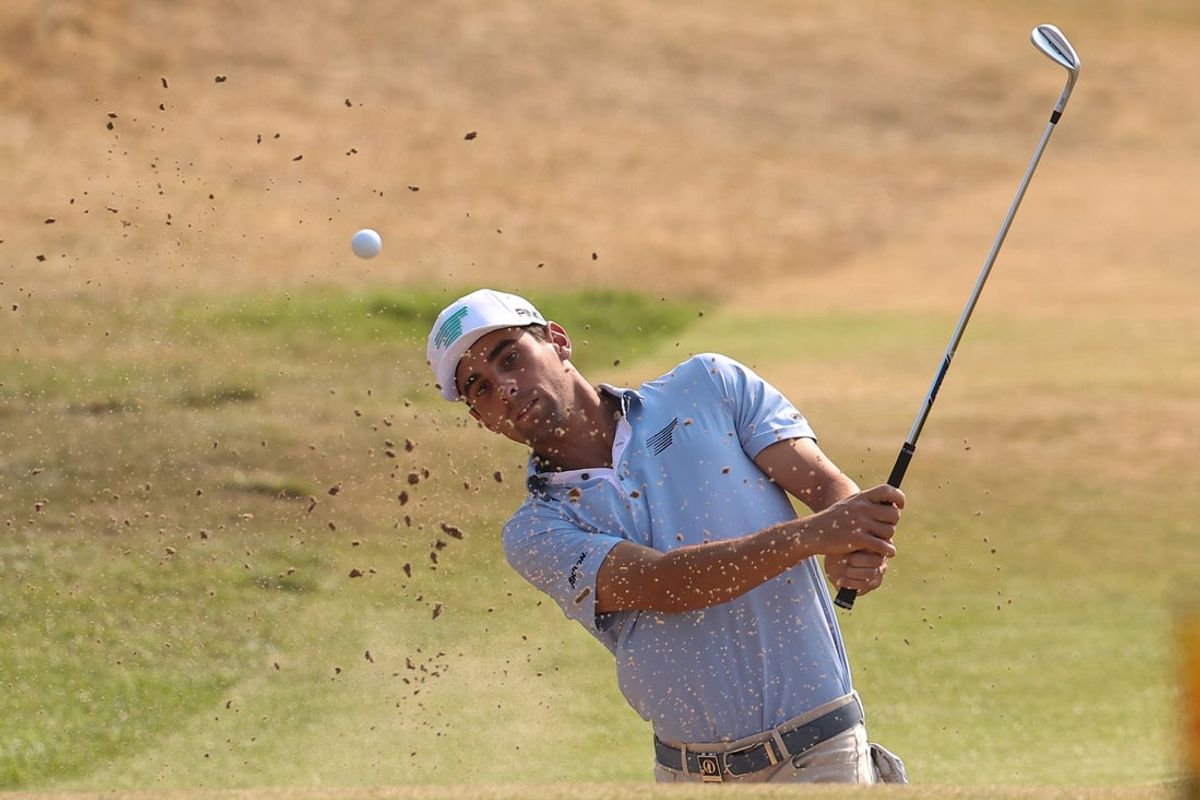
Saudi Arabia’s sovereign wealth fund will stop financing LIV Golf at the end of the 2026 season, throwing the future of the breakaway tour into serious doubt, US media reported Wednesday.

LIV Golf, founded in 2022 as a main rival to the PGA Tour, plans to inform staff and players on Thursday that the Saudi Public Investment Fund will no longer bankroll the circuit beyond this summer, the Wall Street Journal said.

The league, which spent billions of Saudi dollars to lure many of the world’s top players including Bryson DeChambeau and Phil Mickelson, will “evaluate strategic alternatives” to continue operating, CNBC reported.

Both the Wall Street Journal and CNBC cited multiple anonymous sources. LIV Golf did not comment when repeatedly contacted by AFP.

Reports first emerged earlier this month that the breakaway tour was on the verge of collapse due to the possible withdrawal of Saudi financing.

LIV’s deep-pocketed backers in Riyadh were rumoured to have cooled on the extravagantly expensive project, which has reportedly cost them over $5 billion so far.

LIV Golf CEO Scott O’Neil refuted the reports, vowing to continue the season “full throttle,” though he conceded the league would “probably” have to raise money going forward.

A collapse of LIV Golf could jeopardize the careers and earnings of its star players.

The likes of DeChambeau defected from the PGA Tour in acrimonious circumstances, and may face severe penalties if they try to return.

“There were rules, and they were broken,” PGA Tour chief executive Brian Rolapp told the Journal this week. “With rules comes accountability.”

LIV Golf this week postponed its planned June tournament in New Orleans on Tuesday, with officials saying they hope to reschedule an event for later this year.

LIV’s next tournament is set for May 7-10 at Trump National in suburban Washington.

Its final scheduled tournament this season is set to take place in Indianapolis from August 20-23.

Published on Apr 30, 2026

#Saudi #Arabia #LIV #Golf #funding #year #reports

Saudi Arabia’s sovereign wealth fund will stop financing LIV Golf at the end of the 2026 season, throwing the future of the breakaway tour into serious doubt, US media reported Wednesday.

LIV Golf, founded in 2022 as a main rival to the PGA Tour, plans to inform staff and players on Thursday that the Saudi Public Investment Fund will no longer bankroll the circuit beyond this summer, the Wall Street Journal said.

The league, which spent billions of Saudi dollars to lure many of the world’s top players including Bryson DeChambeau and Phil Mickelson, will “evaluate strategic alternatives” to continue operating, CNBC reported.

Both the Wall Street Journal and CNBC cited multiple anonymous sources. LIV Golf did not comment when repeatedly contacted by AFP.

Reports first emerged earlier this month that the breakaway tour was on the verge of collapse due to the possible withdrawal of Saudi financing.

LIV’s deep-pocketed backers in Riyadh were rumoured to have cooled on the extravagantly expensive project, which has reportedly cost them over $5 billion so far.

LIV Golf CEO Scott O’Neil refuted the reports, vowing to continue the season “full throttle,” though he conceded the league would “probably” have to raise money going forward.

A collapse of LIV Golf could jeopardize the careers and earnings of its star players.

The likes of DeChambeau defected from the PGA Tour in acrimonious circumstances, and may face severe penalties if they try to return.

“There were rules, and they were broken,” PGA Tour chief executive Brian Rolapp told the Journal this week. “With rules comes accountability.”

LIV Golf this week postponed its planned June tournament in New Orleans on Tuesday, with officials saying they hope to reschedule an event for later this year.

LIV’s next tournament is set for May 7-10 at Trump National in suburban Washington.

Its final scheduled tournament this season is set to take place in Indianapolis from August 20-23.

Published on Apr 30, 2026

Source link
#Saudi #Arabia #LIV #Golf #funding #year #reports

Previous post

Deadspin | Reports: Rockets not expecting Kevin Durant to play in Game 6 <div id=""><section id="0" class=" w-full"><div class="xl:container mx-0 !px-4 py-0 pb-4 !mx-0 !px-0"><img src="https://images.deadspin.com/tr:w-900/28782602.jpg" srcset="https://images.deadspin.com/tr:w-900/28782602.jpg" alt="NBA: Playoffs-Houston Rockets at Los Angeles Lakers" class="w-full" fetchpriority="high" loading="eager"/><span class="text-0.8 leading-tight">Apr 21, 2026; Los Angeles, California, USA; Houston Rockets forward Kevin Durant (7) is defended by Los Angeles Lakers center Deandre Ayton (5) as he drives to the basket during the second half of game two of the first round of the 2026 NBA Playoffs at Crypto.com Arena. Mandatory Credit: Jayne Kamin-Oncea-Imagn Images<!-- --> <!-- --> </span></div></section><section id="section-1"> <p>If the Rockets force a Game 7 with a third consecutive win in the best-of-seven playoff series with the Los Angeles Lakers, Houston will have to get there without Kevin Durant.</p> </section><section id="section-2"> <p>According to multiple reports, Durant is down for a fourth game in a row and unavailable for Friday’s game in Houston. The Rockets fell behind 3-0 in the series but have won back-to-back games. Durant has played only 41 minutes in the series — all in Game 2 — when he suffered a bone bruise in his left ankle. </p> </section><br/><section id="section-3"> <p>ESPN reported Durant is unlikely to play for two weeks while recovering from the injury suffered on April 21.</p> </section> <section id="section-4"> <p>If the Rockets take Game 6 on Friday night, Game 7 in Los Angeles would be played Sunday, 12 days after Durant was first hurt. </p> </section><section id="section-5"> <p>Durant, 37, averaged 26 points per game in the regular season.</p> </section><br/><section id="section-6"> <p>–Field Level Media</p> </section> </div> #Deadspin #Reports #Rockets #expecting #Kevin #Durant #play #Game

Next post

Deadspin | LIV Golf seeks ‘long-term financial partners’ as Saudi Arabia’s PIF confirms exit <div id=""><section id="0" class=" w-full"><div class="xl:container mx-0 !px-4 py-0 pb-4 !mx-0 !px-0"><img src="https://images.deadspin.com/tr:w-900/28164461.jpg" srcset="https://images.deadspin.com/tr:w-900/28164461.jpg" alt="Golf: LIV Golf Riyadh - Second Round" class="w-full" fetchpriority="high" loading="eager"/><span class="text-0.8 leading-tight">[US, Mexico & Canada customers only] Feb 5, 2026; Riyadh, SAUDI ARABIA; Bryson DeChambeau in action during the second round of play at LIV Golf Riyadh at the Riyadh Golf Club. Mandatory Credit: Reuters via Imagn Images<!-- --> <!-- --> </span></div></section><section id="section-1"> <p>LIV Golf plans to continue without the financial backing of Saudi Arabia’s Public Investment Fund, touting “100% year over year” financial growth in 2026. </p> </section><section id="section-2"> <p>The Public Investment Fund (PIF) formally announced it would end financial support of LIV Golf at the end of the 2026 season.</p> </section><section id="section-3"> <p>“PIF has made the decision to fund LIV Golf only for the remainder of the 2026 season,” a PIF statement read Thursday. “The substantial investment required by LIV Golf over a longer term is no longer consistent with the current phase of PIF’s investment strategy. This decision has been made in light of PIF’s investment priorities and current macro dynamics.”</p> </section><section id="section-4"> <p>Under a reshaped model, LIV established a new, independent board and envisions further commercial agreements to stabilize the intended PGA Tour competitor. </p> </section><br/><section id="section-5"> <p>“LIV Golf is transitioning from a foundational launch phase to a diversified, multi-partner investment model, with a formal process underway to attract long-term financial partners,” the circuit said in a statement Thursday, hours after learning the financial underpinning from the PIF was ended. </p> </section> <section id="section-6"> <p>Signs of a fracture in the PIF-LIV emerged earlier this year and simmered to the surface last week, when ESPN obtained an email LIV CEO Scott O’Neil sent to staff claiming the 2026 season will continue “exactly as planned, uninterrupted and at full throttle.” He made no mention of LIV’s future beyond 2026, however.</p> </section><section id="section-7"> <p>LIV said the new board will be headed by Eugene Davis, the Chairman and Chief Executive Officer of PIRINATE Consulting Group LLC and Jon Zinman, the founder and managing member of JZ Advisors LLC. They are tasked primarily with “institutionalizing the league, formalizing its ownership structure, and evaluating the range of strategic opportunities,” LIV Golf said Thursday.</p> </section><section id="section-8"> <p>Founded in 2021, LIV Golf made its debut in June 2022 and used lavish, guaranteed contracts to lure dozens of stars like Dustin Johnson, Phil Mickelson, Jon Rahm and Bryson DeChambeau away from the PGA. PIF has provided LIV with more than $5 billion, but the league has reportedly lost millions of dollars per year. Earlier this month, Yasir Al-Rumayyan, PIF’s governor and LIV’s main financial backer, shared a plan for the kingdom to cut back on international investments and focus on more domestic projects.</p> </section><section id="section-9"> <p>DeChambeau, Cameron Smith and Rahm reportedly turned down the opportunity to return to the PGA Tour earlier this year. According to MSN.com, some LIV players have reached out to the DP World Tour.</p> </section><br/><section id="section-10"> <p>–Field Level Media</p> </section> </div> #Deadspin #LIV #Golf #seeks #longterm #financial #partners #Saudi #Arabias #PIF #confirms #exit

Victor Wembanyama gave NBA fans a good reminder not to overreact to Las Vegas Summer League after the San Antonio Spurs selected him at No. 1 overall in the 2023 NBA Draft. Wembanyama’s summer league debut was a dud as he finished with nine points on 2-of-13 shooting from the field. It’s safe to say Wemby’s career would turn out just fine after he led the Spurs to the NBA Finals in his third season at age-22.

Still, it’s hard to shake a bad first impression for rookies entering the league. Fans want to think their new players are bound to be stars, or at least dependable role players. When rookies disappoint in summer league, it’s still a bummer even it means basically nothing for the long-term outlook of their career.

Here are the rookies who have underwhelmed in summer league so far. If nothing else, it will be helpful to look back on this list if and when these players become solid contributors to show future rookies that a bad start to summer league isn’t that big of a deal.

Aday Mara, C, Oklahoma City Thunder

Mara was arguably the biggest winner of March Madness, going from a player typically projected in the mid-20s to a surefire lottery pick after Michigan’s national championship run. The Thunder selected him at No. 12 overall, and his rim protection plus high-level passing ability felt like a natural fit for their system. I was on the Mara bandwagon in the predraft process, but during my conversations with front office people and other writers I started to notice that he was perhaps the most polarizing player in the class. Some people viewed him as a low ceiling center who should be a fringe first-round pick, while others had him in the top-10.

Mara has struggled a bit away from Michigan’s amazing infrastructure at the start of his summer league run. He’s only shot 46 percent from the field through his first four games, which is pretty underwhelming for a 7’3 guy. His touch has looked shaky around the rim, and there are moments of passivity defensively. There are positive flashes on the tape too of course, like this overpowering drive and dunk, and some of his signature passing to cutters on the move. I do think it’s fair to question Mara’s scoring utility if he struggles to get deep post position because of a high center of gravity, and there’s no doubt he has to earn his early minutes on the defensive end. I’m not worried, but the Mara skeptics have a little more ammunition after this summer league run.

Dailyn Swain, G, Chicago Bulls

I had a front row seat at the NBA Draft Combine scrimmages, and was surprised to see Dailyn Swain on the court. The combine scrimmages are typically only for fringe draft picks, and by this point Swain had already solidified himself as a mid first-rounder. Even more surprising was that Swain did not play particularly well in a setting where he should have been the best player on the floor, showing a slow and hitchy release on his jumper and looking a bit lost offensively. The Bulls were undeterred and selected Swain at No. 15, but his struggles have continued through his first couple games in summer league.

Swain shot 3-of-10 from the floor in Chicago’s opener in Las Vegas, then shot 0-of-9 from the floor in his second game and 0-of-7 from the floor in the third game. The Bulls have indicated that they see him as a ball handler long-term, but he’s clearly struggled to handle against pressure thus far. That would be less of an issue if Swain had a reliable off-ball game, but right now his jumper looks as broken as ever. The Bulls did Swain no favors with this roster construction, failing to put a dependable point guard next to him that could handle against ball pressure and get him some easier shots. Instead, Swain has admitted he’s overthinking every move on the court. There have been some flashes of the downhill driving that popped this past season at Texas, but for now it’s clear Swain isn’t a point guard and needs to put plenty of work in on fixing his jumper.

Darius Acuff, G, Sacramento Kings

Acuff had a legendary scoring season at Arkansas, but sharp scouts noticed concerns with process on both ends of the floor. The point guard’s shot profile was pretty mid-range heavy, and while his three-point shooting numbers were excellent in the small college sample, they were more concerning if you include the high school data. Acuff’s real questions came on the defensive end, where he didn’t show much effort in addition to having poor tools. These concerns have continued in summer league, where Acuff has posted underwhelming scoring efficiency and ghastly defensive tape while still showing the talent that made him a certain lottery pick.

Acuff hasn’t done anything to show that his NBA defense will be better than the level he showed in college. So far, lazy closeouts, spacey off-ball defense, and a lack of hustle have been all over the tape. It often feels like he’s not actively engaged in the game when his team doesn’t have the ball. There’s going to be a high bar to meet offensively for a guard who is this poor on defense, and Acuff hasn’t been close to it yet. He’s scored 78 points on 82 shots through four games. His decision-making hasn’t been great as a passer either with 18 assists to 14 turnovers. I was way low on Acuff on my mid-season board before he started to win me over by consistently delivering in big games at Arkansas. Will the Kings ever play in any big games while he’s on the team? I hope so, because that fanbase deserves better.

Keaton Wagler, G, Los Angeles Clippers

Wagler hasn’t made anything look easy in summer league. The No. 5 pick has struggled to create separation off the dribble, he hasn’t been a plus with his playmaking, and he’s basically a non-factor on the glass. Wagler’s 8.2 PER is the worst of any top-10 pick through two summer league games despite getting hot in the second half against Utah in his second game. The athletic concerns entering the draft appear to be valid for now. Wagler just doesn’t have a lot of burst as a ball handler, and even some of his effective drives have been pretty ugly. He got dusted by Darryn Peterson on a couple occasions, including on the No. 2 pick’s poster slam where he struggled to get under a screen. With five assists and four turnovers, he looks better suited for shooting guard than point guard at the moment. Wagler has admitted that leaving Illinois’ five-out system has been challenging, and I suspected that would be the case entering the draft. Wagler is naturally going to add muscle to his thin frame as he goes on in the league, and being in an NBA strength and conditioning program should be very good for him long-term. The Clippers can give him both on-ball and off-ball reps this year, and that should be good for his development. When the off-the-dribble shot-making is falling, Wagler looks terrific. He’s far from a finished product, but Clippers fans should still be feeling encouraged long-term.

Christian Anderson, G, Charlotte Hornets

Anderson should have a shot to be Coby White’s backup as a rookie after the Hornets traded LaMelo Ball, but he’s looked pretty far away from being a real contributor during his summer league run. Through three games, Anderson has been unable to catch a rhythm with his shot while struggling with turnovers and not doing much on the defensive end. Anderson had a reputation as one of the draft’s best shooters, but his inability to play to contact inside the arc means he’s settling for a lot of tough pull-up threes right now, which has hurt his scoring efficiency (43.2 percent true shooting). I liked his live-dribble passing at Texas Tech, but the passing windows haven’t been there yet, and it’s resulted in a 6.7 percent assist rate compared to a 20.1 percent turnover rate. Anderson isn’t too big or too athletic, so it’s hard to expect him to be a monster driving to the rim. That means he’s likely going to have to live off tough shots. It’s a good thing the Hornets are one of the best offensive rebounding teams around.

Nate Ament, F, Milwaukee Bucks

While Brayden Burries has been arguably the most impressive rookie at summer league thus far, the Bucks’ other lottery pick Nate Ament hasn’t looked very assertive or effective. Ament has only scored 21 points in 65 minutes, and just doesn’t seem very comfortable getting into his shot yet. He knocked down a couple threes against the Suns, and focusing on spacing the floor and making an impact on defense is probably his best path forward early in his career. Ament has the frame to be a good defender in time, but he’s just not there yet. His awareness is pretty poor right now, and he can struggle with physicality. As long as Ament is a good three-point shooter, he’ll have some immediate utility on offense, and his defense should improve in time as the Bucks continue to beef him up. Until then, just enjoy the Brayden Burries show, Bucks fans.

#NBA #Summer #League #rookies #struggling #live #hype">6 NBA Summer League rookies struggling to live up to the hype so far  Victor Wembanyama gave NBA fans a good reminder not to overreact to Las Vegas Summer League after the San Antonio Spurs selected him at No. 1 overall in the 2023 NBA Draft. Wembanyama’s summer league debut was a dud as he finished with nine points on 2-of-13 shooting from the field. It’s safe to say Wemby’s career would turn out just fine after he led the Spurs to the NBA Finals in his third season at age-22.Still, it’s hard to shake a bad first impression for rookies entering the league. Fans want to think their new players are bound to be stars, or at least dependable role players. When rookies disappoint in summer league, it’s still a bummer even it means basically nothing for the long-term outlook of their career.Here are the rookies who have underwhelmed in summer league so far. If nothing else, it will be helpful to look back on this list if and when these players become solid contributors to show future rookies that a bad start to summer league isn’t that big of a deal.Aday Mara, C, Oklahoma City ThunderMara was arguably the biggest winner of March Madness, going from a player typically projected in the mid-20s to a surefire lottery pick after Michigan’s national championship run. The Thunder selected him at No. 12 overall, and his rim protection plus high-level passing ability felt like a natural fit for their system. I was on the Mara bandwagon in the predraft process, but during my conversations with front office people and other writers I started to notice that he was perhaps the most polarizing player in the class. Some people viewed him as a low ceiling center who should be a fringe first-round pick, while others had him in the top-10.Mara has struggled a bit away from Michigan’s amazing infrastructure at the start of his summer league run. He’s only shot 46 percent from the field through his first four games, which is pretty underwhelming for a 7’3 guy. His touch has looked shaky around the rim, and there are moments of passivity defensively. There are positive flashes on the tape too of course, like this overpowering drive and dunk, and some of his signature passing to cutters on the move. I do think it’s fair to question Mara’s scoring utility if he struggles to get deep post position because of a high center of gravity, and there’s no doubt he has to earn his early minutes on the defensive end. I’m not worried, but the Mara skeptics have a little more ammunition after this summer league run.Dailyn Swain, G, Chicago BullsI had a front row seat at the NBA Draft Combine scrimmages, and was surprised to see Dailyn Swain on the court. The combine scrimmages are typically only for fringe draft picks, and by this point Swain had already solidified himself as a mid first-rounder. Even more surprising was that Swain did not play particularly well in a setting where he should have been the best player on the floor, showing a slow and hitchy release on his jumper and looking a bit lost offensively. The Bulls were undeterred and selected Swain at No. 15, but his struggles have continued through his first couple games in summer league.Swain shot 3-of-10 from the floor in Chicago’s opener in Las Vegas, then shot 0-of-9 from the floor in his second game and 0-of-7 from the floor in the third game. The Bulls have indicated that they see him as a ball handler long-term, but he’s clearly struggled to handle against pressure thus far. That would be less of an issue if Swain had a reliable off-ball game, but right now his jumper looks as broken as ever. The Bulls did Swain no favors with this roster construction, failing to put a dependable point guard next to him that could handle against ball pressure and get him some easier shots. Instead, Swain has admitted he’s overthinking every move on the court. There have been some flashes of the downhill driving that popped this past season at Texas, but for now it’s clear Swain isn’t a point guard and needs to put plenty of work in on fixing his jumper.Darius Acuff, G, Sacramento KingsAcuff had a legendary scoring season at Arkansas, but sharp scouts noticed concerns with process on both ends of the floor. The point guard’s shot profile was pretty mid-range heavy, and while his three-point shooting numbers were excellent in the small college sample, they were more concerning if you include the high school data. Acuff’s real questions came on the defensive end, where he didn’t show much effort in addition to having poor tools. These concerns have continued in summer league, where Acuff has posted underwhelming scoring efficiency and ghastly defensive tape while still showing the talent that made him a certain lottery pick.Acuff hasn’t done anything to show that his NBA defense will be better than the level he showed in college. So far, lazy closeouts, spacey off-ball defense, and a lack of hustle have been all over the tape. It often feels like he’s not actively engaged in the game when his team doesn’t have the ball. There’s going to be a high bar to meet offensively for a guard who is this poor on defense, and Acuff hasn’t been close to it yet. He’s scored 78 points on 82 shots through four games. His decision-making hasn’t been great as a passer either with 18 assists to 14 turnovers. I was way low on Acuff on my mid-season board before he started to win me over by consistently delivering in big games at Arkansas. Will the Kings ever play in any big games while he’s on the team? I hope so, because that fanbase deserves better.Keaton Wagler, G, Los Angeles ClippersWagler hasn’t made anything look easy in summer league. The No. 5 pick has struggled to create separation off the dribble, he hasn’t been a plus with his playmaking, and he’s basically a non-factor on the glass. Wagler’s 8.2 PER is the worst of any top-10 pick through two summer league games despite getting hot in the second half against Utah in his second game. The athletic concerns entering the draft appear to be valid for now. Wagler just doesn’t have a lot of burst as a ball handler, and even some of his effective drives have been pretty ugly. He got dusted by Darryn Peterson on a couple occasions, including on the No. 2 pick’s poster slam where he struggled to get under a screen. With five assists and four turnovers, he looks better suited for shooting guard than point guard at the moment. Wagler has admitted that leaving Illinois’ five-out system has been challenging, and I suspected that would be the case entering the draft. Wagler is naturally going to add muscle to his thin frame as he goes on in the league, and being in an NBA strength and conditioning program should be very good for him long-term. The Clippers can give him both on-ball and off-ball reps this year, and that should be good for his development. When the off-the-dribble shot-making is falling, Wagler looks terrific. He’s far from a finished product, but Clippers fans should still be feeling encouraged long-term.Christian Anderson, G, Charlotte HornetsAnderson should have a shot to be Coby White’s backup as a rookie after the Hornets traded LaMelo Ball, but he’s looked pretty far away from being a real contributor during his summer league run. Through three games, Anderson has been unable to catch a rhythm with his shot while struggling with turnovers and not doing much on the defensive end. Anderson had a reputation as one of the draft’s best shooters, but his inability to play to contact inside the arc means he’s settling for a lot of tough pull-up threes right now, which has hurt his scoring efficiency (43.2 percent true shooting). I liked his live-dribble passing at Texas Tech, but the passing windows haven’t been there yet, and it’s resulted in a 6.7 percent assist rate compared to a 20.1 percent turnover rate. Anderson isn’t too big or too athletic, so it’s hard to expect him to be a monster driving to the rim. That means he’s likely going to have to live off tough shots. It’s a good thing the Hornets are one of the best offensive rebounding teams around.Nate Ament, F, Milwaukee BucksWhile Brayden Burries has been arguably the most impressive rookie at summer league thus far, the Bucks’ other lottery pick Nate Ament hasn’t looked very assertive or effective. Ament has only scored 21 points in 65 minutes, and just doesn’t seem very comfortable getting into his shot yet. He knocked down a couple threes against the Suns, and focusing on spacing the floor and making an impact on defense is probably his best path forward early in his career. Ament has the frame to be a good defender in time, but he’s just not there yet. His awareness is pretty poor right now, and he can struggle with physicality. As long as Ament is a good three-point shooter, he’ll have some immediate utility on offense, and his defense should improve in time as the Bucks continue to beef him up. Until then, just enjoy the Brayden Burries show, Bucks fans.  #NBA #Summer #League #rookies #struggling #live #hype

Wembanyama’s summer league debut was a dud as he finished with nine points on 2-of-13 shooting from the field. It’s safe to say Wemby’s career would turn out just fine after he led the Spurs to the NBA Finals in his third season at age-22.

Still, it’s hard to shake a bad first impression for rookies entering the league. Fans want to think their new players are bound to be stars, or at least dependable role players. When rookies disappoint in summer league, it’s still a bummer even it means basically nothing for the long-term outlook of their career.

Here are the rookies who have underwhelmed in summer league so far. If nothing else, it will be helpful to look back on this list if and when these players become solid contributors to show future rookies that a bad start to summer league isn’t that big of a deal.

Aday Mara, C, Oklahoma City Thunder

Mara was arguably the biggest winner of March Madness, going from a player typically projected in the mid-20s to a surefire lottery pick after Michigan’s national championship run. The Thunder selected him at No. 12 overall, and his rim protection plus high-level passing ability felt like a natural fit for their system. I was on the Mara bandwagon in the predraft process, but during my conversations with front office people and other writers I started to notice that he was perhaps the most polarizing player in the class. Some people viewed him as a low ceiling center who should be a fringe first-round pick, while others had him in the top-10.

Mara has struggled a bit away from Michigan’s amazing infrastructure at the start of his summer league run. He’s only shot 46 percent from the field through his first four games, which is pretty underwhelming for a 7’3 guy. His touch has looked shaky around the rim, and there are moments of passivity defensively. There are positive flashes on the tape too of course, like this overpowering drive and dunk, and some of his signature passing to cutters on the move. I do think it’s fair to question Mara’s scoring utility if he struggles to get deep post position because of a high center of gravity, and there’s no doubt he has to earn his early minutes on the defensive end. I’m not worried, but the Mara skeptics have a little more ammunition after this summer league run.

Dailyn Swain, G, Chicago Bulls

I had a front row seat at the NBA Draft Combine scrimmages, and was surprised to see Dailyn Swain on the court. The combine scrimmages are typically only for fringe draft picks, and by this point Swain had already solidified himself as a mid first-rounder. Even more surprising was that Swain did not play particularly well in a setting where he should have been the best player on the floor, showing a slow and hitchy release on his jumper and looking a bit lost offensively. The Bulls were undeterred and selected Swain at No. 15, but his struggles have continued through his first couple games in summer league.

Swain shot 3-of-10 from the floor in Chicago’s opener in Las Vegas, then shot 0-of-9 from the floor in his second game and 0-of-7 from the floor in the third game. The Bulls have indicated that they see him as a ball handler long-term, but he’s clearly struggled to handle against pressure thus far. That would be less of an issue if Swain had a reliable off-ball game, but right now his jumper looks as broken as ever. The Bulls did Swain no favors with this roster construction, failing to put a dependable point guard next to him that could handle against ball pressure and get him some easier shots. Instead, Swain has admitted he’s overthinking every move on the court. There have been some flashes of the downhill driving that popped this past season at Texas, but for now it’s clear Swain isn’t a point guard and needs to put plenty of work in on fixing his jumper.

Darius Acuff, G, Sacramento Kings

Acuff had a legendary scoring season at Arkansas, but sharp scouts noticed concerns with process on both ends of the floor. The point guard’s shot profile was pretty mid-range heavy, and while his three-point shooting numbers were excellent in the small college sample, they were more concerning if you include the high school data. Acuff’s real questions came on the defensive end, where he didn’t show much effort in addition to having poor tools. These concerns have continued in summer league, where Acuff has posted underwhelming scoring efficiency and ghastly defensive tape while still showing the talent that made him a certain lottery pick.

Acuff hasn’t done anything to show that his NBA defense will be better than the level he showed in college. So far, lazy closeouts, spacey off-ball defense, and a lack of hustle have been all over the tape. It often feels like he’s not actively engaged in the game when his team doesn’t have the ball. There’s going to be a high bar to meet offensively for a guard who is this poor on defense, and Acuff hasn’t been close to it yet. He’s scored 78 points on 82 shots through four games. His decision-making hasn’t been great as a passer either with 18 assists to 14 turnovers. I was way low on Acuff on my mid-season board before he started to win me over by consistently delivering in big games at Arkansas. Will the Kings ever play in any big games while he’s on the team? I hope so, because that fanbase deserves better.

Keaton Wagler, G, Los Angeles Clippers

Wagler hasn’t made anything look easy in summer league. The No. 5 pick has struggled to create separation off the dribble, he hasn’t been a plus with his playmaking, and he’s basically a non-factor on the glass. Wagler’s 8.2 PER is the worst of any top-10 pick through two summer league games despite getting hot in the second half against Utah in his second game. The athletic concerns entering the draft appear to be valid for now. Wagler just doesn’t have a lot of burst as a ball handler, and even some of his effective drives have been pretty ugly. He got dusted by Darryn Peterson on a couple occasions, including on the No. 2 pick’s poster slam where he struggled to get under a screen. With five assists and four turnovers, he looks better suited for shooting guard than point guard at the moment. Wagler has admitted that leaving Illinois’ five-out system has been challenging, and I suspected that would be the case entering the draft. Wagler is naturally going to add muscle to his thin frame as he goes on in the league, and being in an NBA strength and conditioning program should be very good for him long-term. The Clippers can give him both on-ball and off-ball reps this year, and that should be good for his development. When the off-the-dribble shot-making is falling, Wagler looks terrific. He’s far from a finished product, but Clippers fans should still be feeling encouraged long-term.

Christian Anderson, G, Charlotte Hornets

Anderson should have a shot to be Coby White’s backup as a rookie after the Hornets traded LaMelo Ball, but he’s looked pretty far away from being a real contributor during his summer league run. Through three games, Anderson has been unable to catch a rhythm with his shot while struggling with turnovers and not doing much on the defensive end. Anderson had a reputation as one of the draft’s best shooters, but his inability to play to contact inside the arc means he’s settling for a lot of tough pull-up threes right now, which has hurt his scoring efficiency (43.2 percent true shooting). I liked his live-dribble passing at Texas Tech, but the passing windows haven’t been there yet, and it’s resulted in a 6.7 percent assist rate compared to a 20.1 percent turnover rate. Anderson isn’t too big or too athletic, so it’s hard to expect him to be a monster driving to the rim. That means he’s likely going to have to live off tough shots. It’s a good thing the Hornets are one of the best offensive rebounding teams around.

Nate Ament, F, Milwaukee Bucks

While Brayden Burries has been arguably the most impressive rookie at summer league thus far, the Bucks’ other lottery pick Nate Ament hasn’t looked very assertive or effective. Ament has only scored 21 points in 65 minutes, and just doesn’t seem very comfortable getting into his shot yet. He knocked down a couple threes against the Suns, and focusing on spacing the floor and making an impact on defense is probably his best path forward early in his career. Ament has the frame to be a good defender in time, but he’s just not there yet. His awareness is pretty poor right now, and he can struggle with physicality. As long as Ament is a good three-point shooter, he’ll have some immediate utility on offense, and his defense should improve in time as the Bucks continue to beef him up. Until then, just enjoy the Brayden Burries show, Bucks fans.

#NBA #Summer #League #rookies #struggling #live #hype">6 NBA Summer League rookies struggling to live up to the hype so far

Victor Wembanyama gave NBA fans a good reminder not to overreact to Las Vegas Summer League after the San Antonio Spurs selected him at No. 1 overall in the 2023 NBA Draft. Wembanyama’s summer league debut was a dud as he finished with nine points on 2-of-13 shooting from the field. It’s safe to say Wemby’s career would turn out just fine after he led the Spurs to the NBA Finals in his third season at age-22.

Still, it’s hard to shake a bad first impression for rookies entering the league. Fans want to think their new players are bound to be stars, or at least dependable role players. When rookies disappoint in summer league, it’s still a bummer even it means basically nothing for the long-term outlook of their career.

Here are the rookies who have underwhelmed in summer league so far. If nothing else, it will be helpful to look back on this list if and when these players become solid contributors to show future rookies that a bad start to summer league isn’t that big of a deal.

Aday Mara, C, Oklahoma City Thunder

Mara was arguably the biggest winner of March Madness, going from a player typically projected in the mid-20s to a surefire lottery pick after Michigan’s national championship run. The Thunder selected him at No. 12 overall, and his rim protection plus high-level passing ability felt like a natural fit for their system. I was on the Mara bandwagon in the predraft process, but during my conversations with front office people and other writers I started to notice that he was perhaps the most polarizing player in the class. Some people viewed him as a low ceiling center who should be a fringe first-round pick, while others had him in the top-10.

Mara has struggled a bit away from Michigan’s amazing infrastructure at the start of his summer league run. He’s only shot 46 percent from the field through his first four games, which is pretty underwhelming for a 7’3 guy. His touch has looked shaky around the rim, and there are moments of passivity defensively. There are positive flashes on the tape too of course, like this overpowering drive and dunk, and some of his signature passing to cutters on the move. I do think it’s fair to question Mara’s scoring utility if he struggles to get deep post position because of a high center of gravity, and there’s no doubt he has to earn his early minutes on the defensive end. I’m not worried, but the Mara skeptics have a little more ammunition after this summer league run.

Dailyn Swain, G, Chicago Bulls

I had a front row seat at the NBA Draft Combine scrimmages, and was surprised to see Dailyn Swain on the court. The combine scrimmages are typically only for fringe draft picks, and by this point Swain had already solidified himself as a mid first-rounder. Even more surprising was that Swain did not play particularly well in a setting where he should have been the best player on the floor, showing a slow and hitchy release on his jumper and looking a bit lost offensively. The Bulls were undeterred and selected Swain at No. 15, but his struggles have continued through his first couple games in summer league.

Swain shot 3-of-10 from the floor in Chicago’s opener in Las Vegas, then shot 0-of-9 from the floor in his second game and 0-of-7 from the floor in the third game. The Bulls have indicated that they see him as a ball handler long-term, but he’s clearly struggled to handle against pressure thus far. That would be less of an issue if Swain had a reliable off-ball game, but right now his jumper looks as broken as ever. The Bulls did Swain no favors with this roster construction, failing to put a dependable point guard next to him that could handle against ball pressure and get him some easier shots. Instead, Swain has admitted he’s overthinking every move on the court. There have been some flashes of the downhill driving that popped this past season at Texas, but for now it’s clear Swain isn’t a point guard and needs to put plenty of work in on fixing his jumper.

Darius Acuff, G, Sacramento Kings

Acuff had a legendary scoring season at Arkansas, but sharp scouts noticed concerns with process on both ends of the floor. The point guard’s shot profile was pretty mid-range heavy, and while his three-point shooting numbers were excellent in the small college sample, they were more concerning if you include the high school data. Acuff’s real questions came on the defensive end, where he didn’t show much effort in addition to having poor tools. These concerns have continued in summer league, where Acuff has posted underwhelming scoring efficiency and ghastly defensive tape while still showing the talent that made him a certain lottery pick.

Acuff hasn’t done anything to show that his NBA defense will be better than the level he showed in college. So far, lazy closeouts, spacey off-ball defense, and a lack of hustle have been all over the tape. It often feels like he’s not actively engaged in the game when his team doesn’t have the ball. There’s going to be a high bar to meet offensively for a guard who is this poor on defense, and Acuff hasn’t been close to it yet. He’s scored 78 points on 82 shots through four games. His decision-making hasn’t been great as a passer either with 18 assists to 14 turnovers. I was way low on Acuff on my mid-season board before he started to win me over by consistently delivering in big games at Arkansas. Will the Kings ever play in any big games while he’s on the team? I hope so, because that fanbase deserves better.

Keaton Wagler, G, Los Angeles Clippers

Wagler hasn’t made anything look easy in summer league. The No. 5 pick has struggled to create separation off the dribble, he hasn’t been a plus with his playmaking, and he’s basically a non-factor on the glass. Wagler’s 8.2 PER is the worst of any top-10 pick through two summer league games despite getting hot in the second half against Utah in his second game. The athletic concerns entering the draft appear to be valid for now. Wagler just doesn’t have a lot of burst as a ball handler, and even some of his effective drives have been pretty ugly. He got dusted by Darryn Peterson on a couple occasions, including on the No. 2 pick’s poster slam where he struggled to get under a screen. With five assists and four turnovers, he looks better suited for shooting guard than point guard at the moment. Wagler has admitted that leaving Illinois’ five-out system has been challenging, and I suspected that would be the case entering the draft. Wagler is naturally going to add muscle to his thin frame as he goes on in the league, and being in an NBA strength and conditioning program should be very good for him long-term. The Clippers can give him both on-ball and off-ball reps this year, and that should be good for his development. When the off-the-dribble shot-making is falling, Wagler looks terrific. He’s far from a finished product, but Clippers fans should still be feeling encouraged long-term.

Christian Anderson, G, Charlotte Hornets

Anderson should have a shot to be Coby White’s backup as a rookie after the Hornets traded LaMelo Ball, but he’s looked pretty far away from being a real contributor during his summer league run. Through three games, Anderson has been unable to catch a rhythm with his shot while struggling with turnovers and not doing much on the defensive end. Anderson had a reputation as one of the draft’s best shooters, but his inability to play to contact inside the arc means he’s settling for a lot of tough pull-up threes right now, which has hurt his scoring efficiency (43.2 percent true shooting). I liked his live-dribble passing at Texas Tech, but the passing windows haven’t been there yet, and it’s resulted in a 6.7 percent assist rate compared to a 20.1 percent turnover rate. Anderson isn’t too big or too athletic, so it’s hard to expect him to be a monster driving to the rim. That means he’s likely going to have to live off tough shots. It’s a good thing the Hornets are one of the best offensive rebounding teams around.

Nate Ament, F, Milwaukee Bucks

While Brayden Burries has been arguably the most impressive rookie at summer league thus far, the Bucks’ other lottery pick Nate Ament hasn’t looked very assertive or effective. Ament has only scored 21 points in 65 minutes, and just doesn’t seem very comfortable getting into his shot yet. He knocked down a couple threes against the Suns, and focusing on spacing the floor and making an impact on defense is probably his best path forward early in his career. Ament has the frame to be a good defender in time, but he’s just not there yet. His awareness is pretty poor right now, and he can struggle with physicality. As long as Ament is a good three-point shooter, he’ll have some immediate utility on offense, and his defense should improve in time as the Bucks continue to beef him up. Until then, just enjoy the Brayden Burries show, Bucks fans.

#NBA #Summer #League #rookies #struggling #live #hype

By breakfast, the World Cup semifinal had already begun. Hotel lobbies, elevators and street corners around downtown had become meeting points for two of football’s most passionate travelling nations. Argentinians, draped in sky blue and white, cradled their morning mate long before the first beer found its way into their hands. England supporters, wrapped in the white of the Three Lions, preferred to begin the day at the nearest pub, where breakfast arrived mostly in liquid form.

They exchanged smiles, songs and the occasional jab, but beneath the banter was the unmistakable tension that only England against Argentina can summon. This was never just another World Cup semifinal. It was a rivalry that had travelled from Antonio Rattín to Diego Maradona, from David Beckham to Lionel Messi, and was now in Atlanta for the latest battle.

Match Report –Argentina beats England to reach final

Argentina appeared to understand the emotional assignment from the opening whistle. There was an extra spring in every stride and greater force in every collision. Its players clattered into challenges, chased lost causes and celebrated tackles.

More than four decades have passed since the Falklands War, but in Argentina, the islands remain Las Malvinas, part of a national wound that has never completely healed. The 1982 conflict lasted from April 2 to June 14 and ended with Argentina’s surrender. Six hundred and forty-nine Argentine servicemen, 255 British personnel and three civilians were killed.

The dispute has endured across politics, public memory and football. For many Argentinians, an encounter with England cannot be separated entirely from the young men who left for the South Atlantic and never returned.

Maradona understood that instinctively. Four years after the war, he scored twice against England at the Azteca, first with the Hand of God and then with perhaps the greatest goal the World Cup has ever witnessed. Maradona would later describe the victory as revenge. For Argentina, those four minutes in 1986 are more than sporting history. They became part of the country’s mythology.

Malvinas, Maradona and Messi: Argentina draws strength from past and present to defeat England  By breakfast, the World Cup semifinal had already begun. Hotel lobbies, elevators and street corners around downtown had become meeting points for two of football’s most passionate travelling nations. Argentinians, draped in sky blue and white, cradled their morning mate long before the first beer found its way into their hands. England supporters, wrapped in the white of the Three Lions, preferred to begin the day at the nearest pub, where breakfast arrived mostly in liquid form.They exchanged smiles, songs and the occasional jab, but beneath the banter was the unmistakable tension that only England against Argentina can summon. This was never just another World Cup semifinal. It was a rivalry that had travelled from Antonio Rattín to Diego Maradona, from David Beckham to Lionel Messi, and was now in Atlanta for the latest battle.Match Report –Argentina beats England to reach finalArgentina appeared to understand the emotional assignment from the opening whistle. There was an extra spring in every stride and greater force in every collision. Its players clattered into challenges, chased lost causes and celebrated tackles.More than four decades have passed since the Falklands War, but in Argentina, the islands remain Las Malvinas, part of a national wound that has never completely healed. The 1982 conflict lasted from April 2 to June 14 and ended with Argentina’s surrender. Six hundred and forty-nine Argentine servicemen, 255 British personnel and three civilians were killed.The dispute has endured across politics, public memory and football. For many Argentinians, an encounter with England cannot be separated entirely from the young men who left for the South Atlantic and never returned.Maradona understood that instinctively. Four years after the war, he scored twice against England at the Azteca, first with the Hand of God and then with perhaps the greatest goal the World Cup has ever witnessed. Maradona would later describe the victory as revenge. For Argentina, those four minutes in 1986 are more than sporting history. They became part of the country’s mythology. Maradona gave Argentina one of football’s defining moments. Messi ensured the story would continue, not as a replay but as another chapter.
                                                            | Photo Credit: 
                                REUTERS
                            

                            Maradona gave Argentina one of football’s defining moments. Messi ensured the story would continue, not as a replay but as another chapter.
                                                            | Photo Credit: 
                                REUTERS
                                                    Maradona’s image has appeared across stadiums in the United States, along with those of Messi, the heir who eventually delivered the trophy Diego had once lifted. His name has been sung from Dallas to Atlanta, invoked not as a distant memory but as a continuing presence.After Argentina’s dramatic victory over Egypt in the round of 16, the players sang and danced in their dressing room to        La Cuarta Estrella (The Fourth Star), the anthem that has followed the team through its title defence.“I’m Argentine from the cradle to the grave,For Malvinas, for Diego, for Leo’s last one,Argentina, I want to see you become champions again.”The words place the Malvinas, Maradona and Messi within the same national story, where sacrifice, memory and football are intertwined.On Wednesday, Argentina played as though it all still mattered.And when the victory was finally secured, there was a connection between the past and present. Giovani Lo Celso and Nicolas Otamendi unfurled a banner reading: “       Las Malvinas son Argentinas”, or “The Malvinas (Falkland Islands) are Argentine.”It was neither an incidental gesture nor an improvised celebration. It was a message delivered after England was defeated again.Long after the final whistle, Argentina’s players and supporters remained united in celebration. The team stood facing the sky-blue-and-white end, singing and dancing with those who had followed it across cities, time zones and thousands of miles. Players drifted towards the tunnel only to return, lured back by another chorus from the stands.For Argentina, England has never been just another opponent. Forty-four years after the Falklands War and four decades after Maradona transformed this rivalry forever, another generation had carried that history into another World Cup final.Published on Jul 16, 2026  #Malvinas #Maradona #Messi #Argentina #draws #strength #present #defeat #England

Maradona gave Argentina one of football’s defining moments. Messi ensured the story would continue, not as a replay but as another chapter. | Photo Credit: REUTERS

lightbox-info

Maradona gave Argentina one of football’s defining moments. Messi ensured the story would continue, not as a replay but as another chapter. | Photo Credit: REUTERS

Maradona’s image has appeared across stadiums in the United States, along with those of Messi, the heir who eventually delivered the trophy Diego had once lifted. His name has been sung from Dallas to Atlanta, invoked not as a distant memory but as a continuing presence.

After Argentina’s dramatic victory over Egypt in the round of 16, the players sang and danced in their dressing room to La Cuarta Estrella (The Fourth Star), the anthem that has followed the team through its title defence.

“I’m Argentine from the cradle to the grave,

For Malvinas, for Diego, for Leo’s last one,

Argentina, I want to see you become champions again.”

The words place the Malvinas, Maradona and Messi within the same national story, where sacrifice, memory and football are intertwined.

On Wednesday, Argentina played as though it all still mattered.

And when the victory was finally secured, there was a connection between the past and present. Giovani Lo Celso and Nicolas Otamendi unfurled a banner reading: “ Las Malvinas son Argentinas”, or “The Malvinas (Falkland Islands) are Argentine.”

It was neither an incidental gesture nor an improvised celebration. It was a message delivered after England was defeated again.

Long after the final whistle, Argentina’s players and supporters remained united in celebration. The team stood facing the sky-blue-and-white end, singing and dancing with those who had followed it across cities, time zones and thousands of miles. Players drifted towards the tunnel only to return, lured back by another chorus from the stands.

For Argentina, England has never been just another opponent. Forty-four years after the Falklands War and four decades after Maradona transformed this rivalry forever, another generation had carried that history into another World Cup final.

Published on Jul 16, 2026

#Malvinas #Maradona #Messi #Argentina #draws #strength #present #defeat #England">Malvinas, Maradona and Messi: Argentina draws strength from past and present to defeat England  By breakfast, the World Cup semifinal had already begun. Hotel lobbies, elevators and street corners around downtown had become meeting points for two of football’s most passionate travelling nations. Argentinians, draped in sky blue and white, cradled their morning mate long before the first beer found its way into their hands. England supporters, wrapped in the white of the Three Lions, preferred to begin the day at the nearest pub, where breakfast arrived mostly in liquid form.They exchanged smiles, songs and the occasional jab, but beneath the banter was the unmistakable tension that only England against Argentina can summon. This was never just another World Cup semifinal. It was a rivalry that had travelled from Antonio Rattín to Diego Maradona, from David Beckham to Lionel Messi, and was now in Atlanta for the latest battle.Match Report –Argentina beats England to reach finalArgentina appeared to understand the emotional assignment from the opening whistle. There was an extra spring in every stride and greater force in every collision. Its players clattered into challenges, chased lost causes and celebrated tackles.More than four decades have passed since the Falklands War, but in Argentina, the islands remain Las Malvinas, part of a national wound that has never completely healed. The 1982 conflict lasted from April 2 to June 14 and ended with Argentina’s surrender. Six hundred and forty-nine Argentine servicemen, 255 British personnel and three civilians were killed.The dispute has endured across politics, public memory and football. For many Argentinians, an encounter with England cannot be separated entirely from the young men who left for the South Atlantic and never returned.Maradona understood that instinctively. Four years after the war, he scored twice against England at the Azteca, first with the Hand of God and then with perhaps the greatest goal the World Cup has ever witnessed. Maradona would later describe the victory as revenge. For Argentina, those four minutes in 1986 are more than sporting history. They became part of the country’s mythology. Maradona gave Argentina one of football’s defining moments. Messi ensured the story would continue, not as a replay but as another chapter.
                                                            | Photo Credit: 
                                REUTERS
                            

                            Maradona gave Argentina one of football’s defining moments. Messi ensured the story would continue, not as a replay but as another chapter.
                                                            | Photo Credit: 
                                REUTERS
                                                    Maradona’s image has appeared across stadiums in the United States, along with those of Messi, the heir who eventually delivered the trophy Diego had once lifted. His name has been sung from Dallas to Atlanta, invoked not as a distant memory but as a continuing presence.After Argentina’s dramatic victory over Egypt in the round of 16, the players sang and danced in their dressing room to        La Cuarta Estrella (The Fourth Star), the anthem that has followed the team through its title defence.“I’m Argentine from the cradle to the grave,For Malvinas, for Diego, for Leo’s last one,Argentina, I want to see you become champions again.”The words place the Malvinas, Maradona and Messi within the same national story, where sacrifice, memory and football are intertwined.On Wednesday, Argentina played as though it all still mattered.And when the victory was finally secured, there was a connection between the past and present. Giovani Lo Celso and Nicolas Otamendi unfurled a banner reading: “       Las Malvinas son Argentinas”, or “The Malvinas (Falkland Islands) are Argentine.”It was neither an incidental gesture nor an improvised celebration. It was a message delivered after England was defeated again.Long after the final whistle, Argentina’s players and supporters remained united in celebration. The team stood facing the sky-blue-and-white end, singing and dancing with those who had followed it across cities, time zones and thousands of miles. Players drifted towards the tunnel only to return, lured back by another chorus from the stands.For Argentina, England has never been just another opponent. Forty-four years after the Falklands War and four decades after Maradona transformed this rivalry forever, another generation had carried that history into another World Cup final.Published on Jul 16, 2026  #Malvinas #Maradona #Messi #Argentina #draws #strength #present #defeat #England

Argentina beats England to reach final

Argentina appeared to understand the emotional assignment from the opening whistle. There was an extra spring in every stride and greater force in every collision. Its players clattered into challenges, chased lost causes and celebrated tackles.

More than four decades have passed since the Falklands War, but in Argentina, the islands remain Las Malvinas, part of a national wound that has never completely healed. The 1982 conflict lasted from April 2 to June 14 and ended with Argentina’s surrender. Six hundred and forty-nine Argentine servicemen, 255 British personnel and three civilians were killed.

The dispute has endured across politics, public memory and football. For many Argentinians, an encounter with England cannot be separated entirely from the young men who left for the South Atlantic and never returned.

Maradona understood that instinctively. Four years after the war, he scored twice against England at the Azteca, first with the Hand of God and then with perhaps the greatest goal the World Cup has ever witnessed. Maradona would later describe the victory as revenge. For Argentina, those four minutes in 1986 are more than sporting history. They became part of the country’s mythology.

Malvinas, Maradona and Messi: Argentina draws strength from past and present to defeat England  By breakfast, the World Cup semifinal had already begun. Hotel lobbies, elevators and street corners around downtown had become meeting points for two of football’s most passionate travelling nations. Argentinians, draped in sky blue and white, cradled their morning mate long before the first beer found its way into their hands. England supporters, wrapped in the white of the Three Lions, preferred to begin the day at the nearest pub, where breakfast arrived mostly in liquid form.They exchanged smiles, songs and the occasional jab, but beneath the banter was the unmistakable tension that only England against Argentina can summon. This was never just another World Cup semifinal. It was a rivalry that had travelled from Antonio Rattín to Diego Maradona, from David Beckham to Lionel Messi, and was now in Atlanta for the latest battle.Match Report –Argentina beats England to reach finalArgentina appeared to understand the emotional assignment from the opening whistle. There was an extra spring in every stride and greater force in every collision. Its players clattered into challenges, chased lost causes and celebrated tackles.More than four decades have passed since the Falklands War, but in Argentina, the islands remain Las Malvinas, part of a national wound that has never completely healed. The 1982 conflict lasted from April 2 to June 14 and ended with Argentina’s surrender. Six hundred and forty-nine Argentine servicemen, 255 British personnel and three civilians were killed.The dispute has endured across politics, public memory and football. For many Argentinians, an encounter with England cannot be separated entirely from the young men who left for the South Atlantic and never returned.Maradona understood that instinctively. Four years after the war, he scored twice against England at the Azteca, first with the Hand of God and then with perhaps the greatest goal the World Cup has ever witnessed. Maradona would later describe the victory as revenge. For Argentina, those four minutes in 1986 are more than sporting history. They became part of the country’s mythology. Maradona gave Argentina one of football’s defining moments. Messi ensured the story would continue, not as a replay but as another chapter.
                                                            | Photo Credit: 
                                REUTERS
                            

                            Maradona gave Argentina one of football’s defining moments. Messi ensured the story would continue, not as a replay but as another chapter.
                                                            | Photo Credit: 
                                REUTERS
                                                    Maradona’s image has appeared across stadiums in the United States, along with those of Messi, the heir who eventually delivered the trophy Diego had once lifted. His name has been sung from Dallas to Atlanta, invoked not as a distant memory but as a continuing presence.After Argentina’s dramatic victory over Egypt in the round of 16, the players sang and danced in their dressing room to        La Cuarta Estrella (The Fourth Star), the anthem that has followed the team through its title defence.“I’m Argentine from the cradle to the grave,For Malvinas, for Diego, for Leo’s last one,Argentina, I want to see you become champions again.”The words place the Malvinas, Maradona and Messi within the same national story, where sacrifice, memory and football are intertwined.On Wednesday, Argentina played as though it all still mattered.And when the victory was finally secured, there was a connection between the past and present. Giovani Lo Celso and Nicolas Otamendi unfurled a banner reading: “       Las Malvinas son Argentinas”, or “The Malvinas (Falkland Islands) are Argentine.”It was neither an incidental gesture nor an improvised celebration. It was a message delivered after England was defeated again.Long after the final whistle, Argentina’s players and supporters remained united in celebration. The team stood facing the sky-blue-and-white end, singing and dancing with those who had followed it across cities, time zones and thousands of miles. Players drifted towards the tunnel only to return, lured back by another chorus from the stands.For Argentina, England has never been just another opponent. Forty-four years after the Falklands War and four decades after Maradona transformed this rivalry forever, another generation had carried that history into another World Cup final.Published on Jul 16, 2026  #Malvinas #Maradona #Messi #Argentina #draws #strength #present #defeat #England

Maradona gave Argentina one of football’s defining moments. Messi ensured the story would continue, not as a replay but as another chapter. | Photo Credit: REUTERS

lightbox-info

Maradona gave Argentina one of football’s defining moments. Messi ensured the story would continue, not as a replay but as another chapter. | Photo Credit: REUTERS

Maradona’s image has appeared across stadiums in the United States, along with those of Messi, the heir who eventually delivered the trophy Diego had once lifted. His name has been sung from Dallas to Atlanta, invoked not as a distant memory but as a continuing presence.

After Argentina’s dramatic victory over Egypt in the round of 16, the players sang and danced in their dressing room to La Cuarta Estrella (The Fourth Star), the anthem that has followed the team through its title defence.

“I’m Argentine from the cradle to the grave,

For Malvinas, for Diego, for Leo’s last one,

Argentina, I want to see you become champions again.”

The words place the Malvinas, Maradona and Messi within the same national story, where sacrifice, memory and football are intertwined.

On Wednesday, Argentina played as though it all still mattered.

And when the victory was finally secured, there was a connection between the past and present. Giovani Lo Celso and Nicolas Otamendi unfurled a banner reading: “ Las Malvinas son Argentinas”, or “The Malvinas (Falkland Islands) are Argentine.”

It was neither an incidental gesture nor an improvised celebration. It was a message delivered after England was defeated again.

Long after the final whistle, Argentina’s players and supporters remained united in celebration. The team stood facing the sky-blue-and-white end, singing and dancing with those who had followed it across cities, time zones and thousands of miles. Players drifted towards the tunnel only to return, lured back by another chorus from the stands.

For Argentina, England has never been just another opponent. Forty-four years after the Falklands War and four decades after Maradona transformed this rivalry forever, another generation had carried that history into another World Cup final.

Published on Jul 16, 2026

#Malvinas #Maradona #Messi #Argentina #draws #strength #present #defeat #England">Malvinas, Maradona and Messi: Argentina draws strength from past and present to defeat England

By breakfast, the World Cup semifinal had already begun. Hotel lobbies, elevators and street corners around downtown had become meeting points for two of football’s most passionate travelling nations. Argentinians, draped in sky blue and white, cradled their morning mate long before the first beer found its way into their hands. England supporters, wrapped in the white of the Three Lions, preferred to begin the day at the nearest pub, where breakfast arrived mostly in liquid form.

They exchanged smiles, songs and the occasional jab, but beneath the banter was the unmistakable tension that only England against Argentina can summon. This was never just another World Cup semifinal. It was a rivalry that had travelled from Antonio Rattín to Diego Maradona, from David Beckham to Lionel Messi, and was now in Atlanta for the latest battle.

Match Report –Argentina beats England to reach final

Argentina appeared to understand the emotional assignment from the opening whistle. There was an extra spring in every stride and greater force in every collision. Its players clattered into challenges, chased lost causes and celebrated tackles.

More than four decades have passed since the Falklands War, but in Argentina, the islands remain Las Malvinas, part of a national wound that has never completely healed. The 1982 conflict lasted from April 2 to June 14 and ended with Argentina’s surrender. Six hundred and forty-nine Argentine servicemen, 255 British personnel and three civilians were killed.

The dispute has endured across politics, public memory and football. For many Argentinians, an encounter with England cannot be separated entirely from the young men who left for the South Atlantic and never returned.

Maradona understood that instinctively. Four years after the war, he scored twice against England at the Azteca, first with the Hand of God and then with perhaps the greatest goal the World Cup has ever witnessed. Maradona would later describe the victory as revenge. For Argentina, those four minutes in 1986 are more than sporting history. They became part of the country’s mythology.

Malvinas, Maradona and Messi: Argentina draws strength from past and present to defeat England  By breakfast, the World Cup semifinal had already begun. Hotel lobbies, elevators and street corners around downtown had become meeting points for two of football’s most passionate travelling nations. Argentinians, draped in sky blue and white, cradled their morning mate long before the first beer found its way into their hands. England supporters, wrapped in the white of the Three Lions, preferred to begin the day at the nearest pub, where breakfast arrived mostly in liquid form.They exchanged smiles, songs and the occasional jab, but beneath the banter was the unmistakable tension that only England against Argentina can summon. This was never just another World Cup semifinal. It was a rivalry that had travelled from Antonio Rattín to Diego Maradona, from David Beckham to Lionel Messi, and was now in Atlanta for the latest battle.Match Report –Argentina beats England to reach finalArgentina appeared to understand the emotional assignment from the opening whistle. There was an extra spring in every stride and greater force in every collision. Its players clattered into challenges, chased lost causes and celebrated tackles.More than four decades have passed since the Falklands War, but in Argentina, the islands remain Las Malvinas, part of a national wound that has never completely healed. The 1982 conflict lasted from April 2 to June 14 and ended with Argentina’s surrender. Six hundred and forty-nine Argentine servicemen, 255 British personnel and three civilians were killed.The dispute has endured across politics, public memory and football. For many Argentinians, an encounter with England cannot be separated entirely from the young men who left for the South Atlantic and never returned.Maradona understood that instinctively. Four years after the war, he scored twice against England at the Azteca, first with the Hand of God and then with perhaps the greatest goal the World Cup has ever witnessed. Maradona would later describe the victory as revenge. For Argentina, those four minutes in 1986 are more than sporting history. They became part of the country’s mythology. Maradona gave Argentina one of football’s defining moments. Messi ensured the story would continue, not as a replay but as another chapter.
                                                            | Photo Credit: 
                                REUTERS
                            

                            Maradona gave Argentina one of football’s defining moments. Messi ensured the story would continue, not as a replay but as another chapter.
                                                            | Photo Credit: 
                                REUTERS
                                                    Maradona’s image has appeared across stadiums in the United States, along with those of Messi, the heir who eventually delivered the trophy Diego had once lifted. His name has been sung from Dallas to Atlanta, invoked not as a distant memory but as a continuing presence.After Argentina’s dramatic victory over Egypt in the round of 16, the players sang and danced in their dressing room to        La Cuarta Estrella (The Fourth Star), the anthem that has followed the team through its title defence.“I’m Argentine from the cradle to the grave,For Malvinas, for Diego, for Leo’s last one,Argentina, I want to see you become champions again.”The words place the Malvinas, Maradona and Messi within the same national story, where sacrifice, memory and football are intertwined.On Wednesday, Argentina played as though it all still mattered.And when the victory was finally secured, there was a connection between the past and present. Giovani Lo Celso and Nicolas Otamendi unfurled a banner reading: “       Las Malvinas son Argentinas”, or “The Malvinas (Falkland Islands) are Argentine.”It was neither an incidental gesture nor an improvised celebration. It was a message delivered after England was defeated again.Long after the final whistle, Argentina’s players and supporters remained united in celebration. The team stood facing the sky-blue-and-white end, singing and dancing with those who had followed it across cities, time zones and thousands of miles. Players drifted towards the tunnel only to return, lured back by another chorus from the stands.For Argentina, England has never been just another opponent. Forty-four years after the Falklands War and four decades after Maradona transformed this rivalry forever, another generation had carried that history into another World Cup final.Published on Jul 16, 2026  #Malvinas #Maradona #Messi #Argentina #draws #strength #present #defeat #England

Maradona gave Argentina one of football’s defining moments. Messi ensured the story would continue, not as a replay but as another chapter. | Photo Credit: REUTERS

lightbox-info

Maradona gave Argentina one of football’s defining moments. Messi ensured the story would continue, not as a replay but as another chapter. | Photo Credit: REUTERS

Maradona’s image has appeared across stadiums in the United States, along with those of Messi, the heir who eventually delivered the trophy Diego had once lifted. His name has been sung from Dallas to Atlanta, invoked not as a distant memory but as a continuing presence.

After Argentina’s dramatic victory over Egypt in the round of 16, the players sang and danced in their dressing room to La Cuarta Estrella (The Fourth Star), the anthem that has followed the team through its title defence.

“I’m Argentine from the cradle to the grave,

For Malvinas, for Diego, for Leo’s last one,

Argentina, I want to see you become champions again.”

The words place the Malvinas, Maradona and Messi within the same national story, where sacrifice, memory and football are intertwined.

On Wednesday, Argentina played as though it all still mattered.

And when the victory was finally secured, there was a connection between the past and present. Giovani Lo Celso and Nicolas Otamendi unfurled a banner reading: “ Las Malvinas son Argentinas”, or “The Malvinas (Falkland Islands) are Argentine.”

It was neither an incidental gesture nor an improvised celebration. It was a message delivered after England was defeated again.

Long after the final whistle, Argentina’s players and supporters remained united in celebration. The team stood facing the sky-blue-and-white end, singing and dancing with those who had followed it across cities, time zones and thousands of miles. Players drifted towards the tunnel only to return, lured back by another chorus from the stands.

For Argentina, England has never been just another opponent. Forty-four years after the Falklands War and four decades after Maradona transformed this rivalry forever, another generation had carried that history into another World Cup final.

Published on Jul 16, 2026

#Malvinas #Maradona #Messi #Argentina #draws #strength #present #defeat #England

Post Comment