×
The New Face of Masculinity: Why More Men Are Taking Skincare Seriously in 2026

The New Face of Masculinity: Why More Men Are Taking Skincare Seriously in 2026

The stigma is gone. More than half of American men now maintain a daily skincare routine, a figure that would have seemed unlikely a decade ago. The global men’s skincare market is projected to reach $17.5 billion in 2026 and expand to $31.4 billion by 2033, reflecting a compound annual growth rate of 8.7%, according to Persistence Market Research. Men’s skincare is now the fastest-growing segment in personal care, driven by a generational shift in attitudes toward grooming, self-care, and long-term health.

This is not a trend built on vanity. It is built on a growing understanding that skin health is connected to overall health, professional presentation, and the kind of confidence that sustains performance over time.

The numbers behind this shift are significant. Gen Z men are 62% more likely to use skincare products than Gen X men, according to 2026 data from Strive Skin. Social media, influencer culture, and evolving definitions of masculinity are all driving this generational difference. Yet only 29% of men maintain regular skincare routines, compared to 62% of women, according to the same source—a gap that represents both an enormous market opportunity and a clear signal that many men are still leaving real benefits on the table.

The men who have closed that gap are not doing it for anyone else. They are doing it because the results are visible, and visibility matters in a world where first impressions form in seconds.

Men’s Skincare: Why It Matters Beyond Appearance

Photo: Lumin/Unsplash

Interest among men has shifted toward resilience, recovery, and longevity. Increasingly, men are treating their skin as a living record of stress, sleep, environment, and age—not as a surface to be managed cosmetically, but as a system to be maintained functionally. This framing makes skincare feel less like grooming and more like performance infrastructure, which is precisely why it resonates with men who take their health and professional output seriously.

The health case for consistent skincare is straightforward and evidence-based. Daily application of SPF 15 or higher reduces the risk of squamous cell carcinoma by approximately 40% and significantly lowers melanoma risk, according to the Skin Cancer Foundation. Sun damage is also the primary driver of premature skin aging, including wrinkles, uneven tone, and rough texture that can make a man look older than he is.

A daily SPF moisturizer addresses both concerns simultaneously and represents one of the highest-return investments of any skincare product available. It costs less than a coffee per application, and its cumulative benefits compound over time.

Shop editor’s picks

What the Market Is Actually Producing
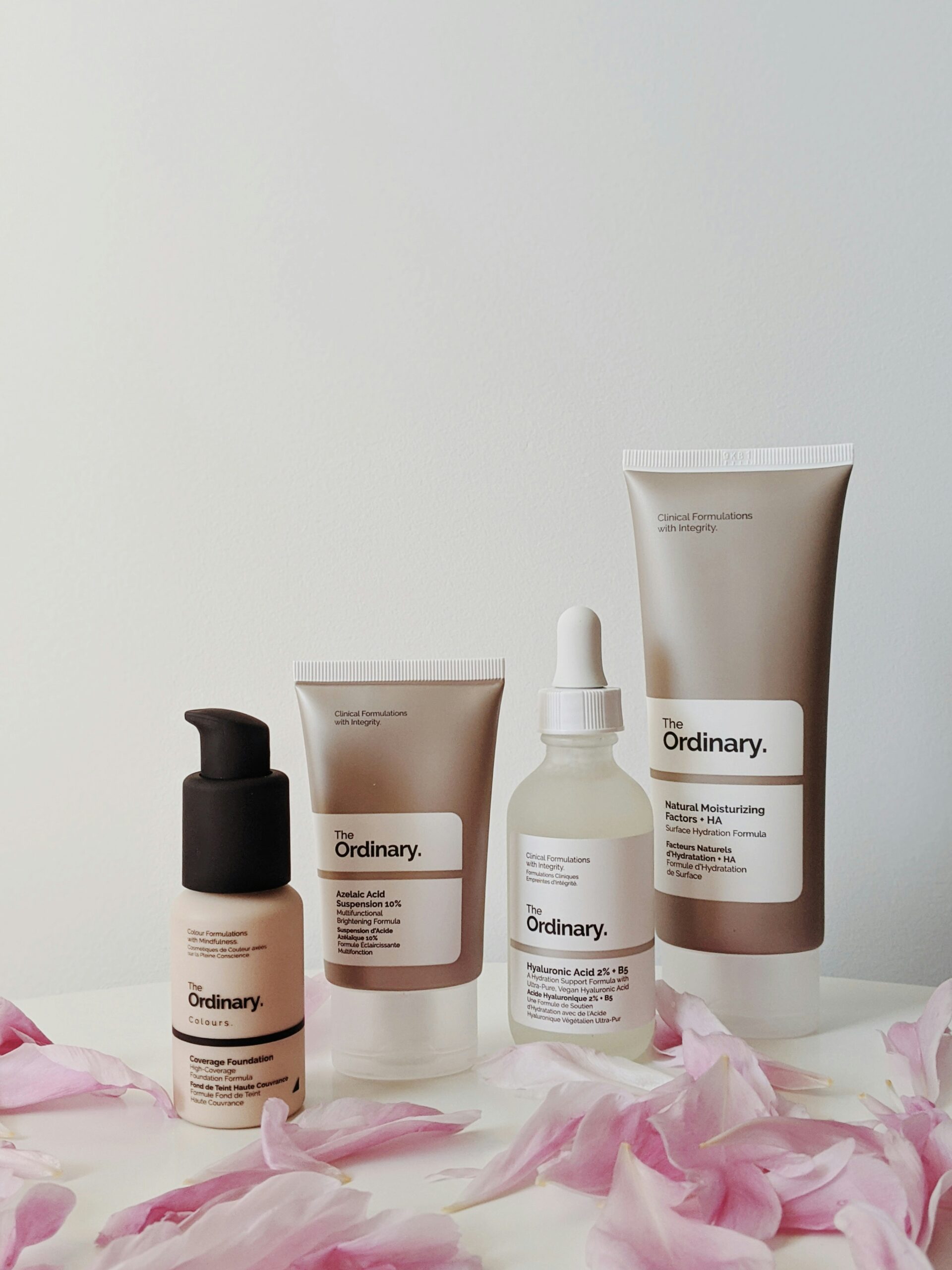
the ordinary skincare products
Photo: Valeriia Miller/Unsplash

The men’s skincare market in 2026 is responding to what men actually want rather than simply repackaging women’s products in darker packaging. Moisturizers and creams lead the category with approximately 34% market share, according to Persistence Market Research, reflecting their everyday utility and multifunctional benefits, including hydration, barrier support, anti-aging properties, and sun protection.

Brands such as L’Oréal Men Expert and Bulldog Skincare are launching multifunctional products that combine hydration, sun protection, and anti-fatigue benefits in a single formula, reducing the barriers to routine adoption.

Demand for natural and organic formulations is also growing alongside these multifunctional products, driven by increased consumer awareness of synthetic ingredients and a preference for plant-based alternatives. This mirrors the broader wellness-first mindset reshaping purchasing decisions across categories. A man who cares about what goes into his body is increasingly likely to care about what goes onto his skin, and the market is responding with more sophisticated formulations than have previously been available at accessible price points.

The Cultural Shift Behind the Numbers

The most interesting aspect of men’s skincare growth in 2026 is not the market data itself. It is what that data represents culturally. Changing societal standards and growing attention to personal grooming are helping drive the market, but the shift is deeper than appearances. Men are increasingly viewing their appearance as an expression of self-respect rather than a performance for others, and skincare is one of the most direct manifestations of that mindset.

Celebrity influence has accelerated this normalization significantly. Public figures such as Jonathan Van Ness, Brad Pitt through his Le Domaine skincare line, Dwayne “The Rock” Johnson and his Papatui brand, and a growing number of professional athletes openly discussing their skincare routines have reduced the social friction around men investing in skincare.

When high-profile men treat skincare as a normal part of personal maintenance rather than an indulgence, it changes the cultural permission structure for everyone else. The result is a market growing at nearly 9% annually, with little indication of slowing down.

The men arriving late to this shift are not missing a trend. They are missing a genuine and measurable quality-of-life improvement.

Shop editor’s picks

Featured image: Style Rave Studio/AI-generated Visual

Korean Skincare Is Winning Over Men Everywhere: Here Are Some Of The Best

Victor Ahonsi

A culture and lifestyle enthusiast sharing stylish, human-centered stories at the intersection of fashion and entertainment. I once planned a whole week’s outfits around a single pair of sneakers–no regrets. At Style Rave, we aim to inspire our readers by providing engaging content to not just entertain but to inform and empower you as you ASPIRE to become more stylish, live smarter and be healthier.


Source link
#Face #Masculinity #Men #Skincare

Previous post

Jelly Roll Files for Divorce From Bunnie Xo After Nearly 10 Years of Marriage

Next post

Sundar Pichai faces boos, walkout at Stanford graduation ceremony over Google’s Israel, ICE ties | TechCrunch<div> <p id="speakable-summary" class="wp-block-paragraph">Over the weekend, Google CEO Sundar Pichai faced a small revolt when he delivered his commencement speech at Stanford University, where he earned his graduate degree in materials science and engineering. About 200 students from the graduating class <a href="https://www.sfgate.com/tech/article/sundar-pichai-stanford-commencement-22304888.php" target="_blank" rel="noreferrer noopener nofollow">reportedly</a> walked out, while others loudly booed the tech executive.</p> <p class="wp-block-paragraph">The focus of the protest was Google’s defense ties — including Project Nimbus, the controversial $1.2 billion contract, shared with Amazon, to provide cloud and AI services to the Israeli military, as well as <a href="https://www.bbc.com/news/articles/cvgjg98vmzjo" target="_blank" rel="noreferrer noopener nofollow">its relationship</a> with the U.S. Immigration and Customs Enforcement agency.</p> <p class="wp-block-paragraph">Student signs included phrases like “ICE SPIES WITH GOOGLE AI” and “GENOCIDE RUNS ON GOOGLE,” as well as “FREE FREE PALESTINE,” a press release associated with the protest notes. Students also waved Palestinian flags and shouted “free Palestine,” <a href="https://x.com/maattttbrown/status/2066215255987163246?s=20" target="_blank" rel="noreferrer noopener nofollow">online video</a> of the protest shows.</p> <p class="wp-block-paragraph">“We are walking out because we refuse to glorify the corporations that fuel this violence and exercise our power to choose differently,” a statement associated with the protest reads. </p> <p class="wp-block-paragraph">The walkout was organized by a number of campus activist groups, including Stanford Students for Justice in Palestine, No Tech for Apartheid, and Tech for Liberation. TechCrunch reached out to Google for comment. </p> <p class="wp-block-paragraph">As the war in Gaza has raged, Google’s participation in Nimbus has drawn protests from both <a href="https://www.aljazeera.com/news/2024/4/23/what-is-project-nimbus-and-why-are-google-workers-protesting-israel-deal" target="_blank" rel="noreferrer noopener nofollow">inside</a> and outside of the company. In 2024, Google <a href="https://www.nbcnews.com/news/us-news/google-fires-workers-protest-israel-contract-project-nimbus-rcna148333" target="_blank" rel="noreferrer noopener nofollow">fired 28 workers</a> for protesting the contract, although it has continued to <a href="https://www.washingtonpost.com/technology/2025/09/13/tech-worker-dissent-gaza-amazon/" target="_blank" rel="noreferrer noopener nofollow">suffer internal dissent</a> over the issue since then. It was also recently criticized by the Electronic Frontier Foundation, <a href="https://www.eff.org/deeplinks/2026/04/google-and-amazon-acknowledged-risks-and-ignored-responsibilities" target="_blank" rel="noreferrer noopener nofollow">which accused it</a> and other companies of “choosing to look the other way” on Israel’s use of their services.</p> <p class="wp-block-paragraph">Project Nimbus also enjoys support from Amazon. Microsoft has also been criticized for its support of the Israeli military, although the company <a href="https://www.amnesty.org/en/latest/news/2025/09/microsoft-block-israel-military-unit-from-using-its-technology/" target="_blank" rel="noreferrer noopener nofollow">restricted the Israeli government’s use</a> of its technology after <a href="https://www.theguardian.com/technology/2026/jun/04/microsoft-to-tighten-human-rights-measures-after-inquiry-into-israels-use-of-its-tech" target="_blank" rel="noreferrer noopener nofollow">an investigation</a> found that its cloud services were being used to mass-surveil Palestinians.</p> <p class="wp-block-paragraph">The student protest also drew criticism from business leaders online. Vinod Khosla, the billionaire co-founder of Sun Microsystems and one of Silicon Valley’s most prominent venture capitalists, <a href="https://x.com/vkhosla/status/2066285877534622086?s=20" target="_blank" rel="noreferrer noopener nofollow">posted on X</a> that the protest was “biased, idiotic, short-sighted and very selfish,” adding that it was selfish because the students “ignored the bottom 3 billion people on this planet that could benefit from AI and they are worried about their misinformed selfish self-interest.”</p> <p class="wp-block-paragraph">Pichai’s appearance at Stanford is part of a broader pattern. Speakers at college graduation ceremonies around the country <a href="https://techcrunch.com/2026/05/17/if-youre-giving-a-commencement-speech-in-2026-maybe-dont-mention-ai/" target="_blank" rel="noreferrer noopener">have faced boos</a> when they have attempted to get outgoing college students excited about AI. But rarely has student animus been as targeted as it was with Pichai, directed not at AI hype, but at the specific business decisions made by the company he leads. In general, young people seem to believe that AI is <a href="https://www.kqed.org/news/12087201/what-do-californias-recent-college-grads-think-about-ai" target="_blank" rel="noreferrer noopener nofollow">threatening their employment</a> opportunities and may be ruining other parts of society as well.</p> </div><p><em>When you purchase through links in our articles, <a href="https://techcrunch.com/techcrunch-affiliate-monetization-standards/">we may earn a small commission</a>. This doesn’t affect our editorial independence.</em></p>#Sundar #Pichai #faces #boos #walkout #Stanford #graduation #ceremony #Googles #Israel #ICE #ties #TechCrunchGoogle,ICE,Israel,Sundar Pichai

Post Comment