
Status used to be easy to read. It was loud, visible, and deliberately unmistakable—designer logos, luxury cars, expansive homes, and possessions that signaled financial success at a glance. It relied on recognition. You didn’t need context to understand it. But that language has changed.
Today, status is less about what is displayed and more about what is understood. It has shifted from visibility to perception, from ownership to interpretation. The modern expression of wealth is quieter, more coded, and often only legible to those who already speak the language. The new markers of status are no longer rooted in excess, but in restraint. They are shaped by taste, time, access, and intention—less about proving wealth, and more about embodying it.
From Ownership To Experience
One of the most defining shifts in modern status is the move away from accumulation toward experience. In previous decades, wealth was measured by how much you owned. Today, it is increasingly measured by how well you live.
This is particularly evident in travel. The value is no longer placed solely on destination, but on how that destination is experienced. A private villa in an understated location, a multi-week slow travel itinerary, or access to spaces that are intentionally difficult to find or book now carry more weight than a recognizable five-star resort. What matters is not just where you go, but how you move discreetly, comfortably, and without friction.
The same shift applies to dining and leisure. Chef-led, reservation-only dining experiences, members-only clubs, and wellness retreats designed around privacy and personalization have replaced more visible forms of luxury consumption. These experiences are often expensive, but more importantly, they are curated. They require knowledge, access, and, in many cases, social proximity. Experience, in this context, is not just consumption. It is cultural capital.
Taste Has Become The New Luxury
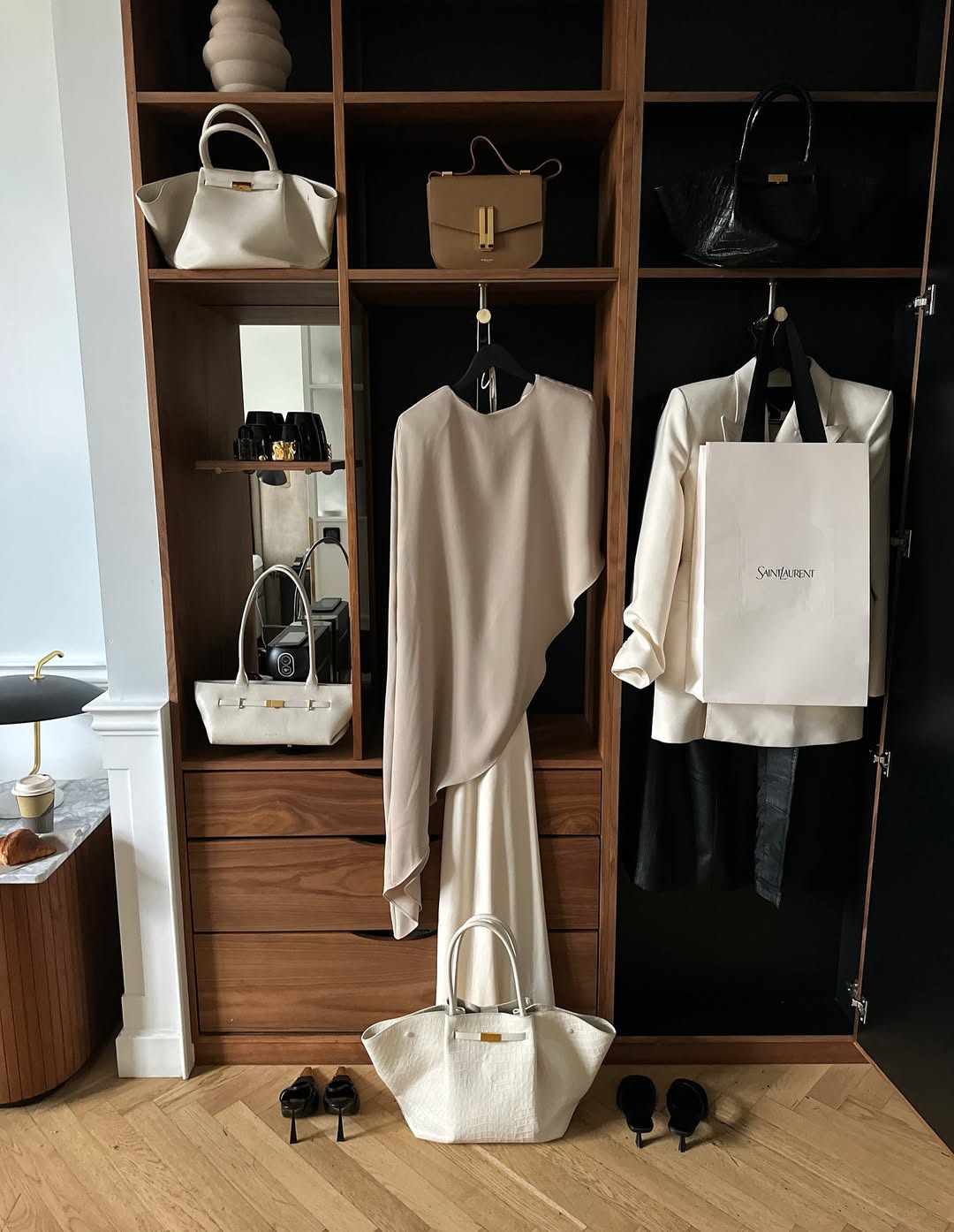
If wealth once relied on visibility, modern status relies on discernment. Taste has emerged as one of the most powerful signals of status—not simply the ability to afford expensive things, but the ability to choose with precision. This includes knowing what is worth investing in, what is fleeting, and what is best left untouched.
This is why minimalism, when executed well, reads as luxury. It is not about having less out of necessity, but about editing with intention. A wardrobe built on quality fabrics and clean silhouettes, a home defined by proportion and material rather than decoration, or a consistent personal aesthetic that does not chase trends, these now communicate a level of refinement that overt branding cannot.
The rise of “quiet luxury” reflects this shift. It prioritizes craftsmanship, construction, and longevity over immediate recognition. Brands like The Row and Bottega Veneta have built their identities around that idea, and tastemakers flock to them for precisely that reason. The absence of logos is not accidental; it is strategic. It assumes that those who understand will recognize it, and those who don’t are not the intended audience. In this way, taste functions as a filter. It separates access from understanding.
The Role of Cultural Capital
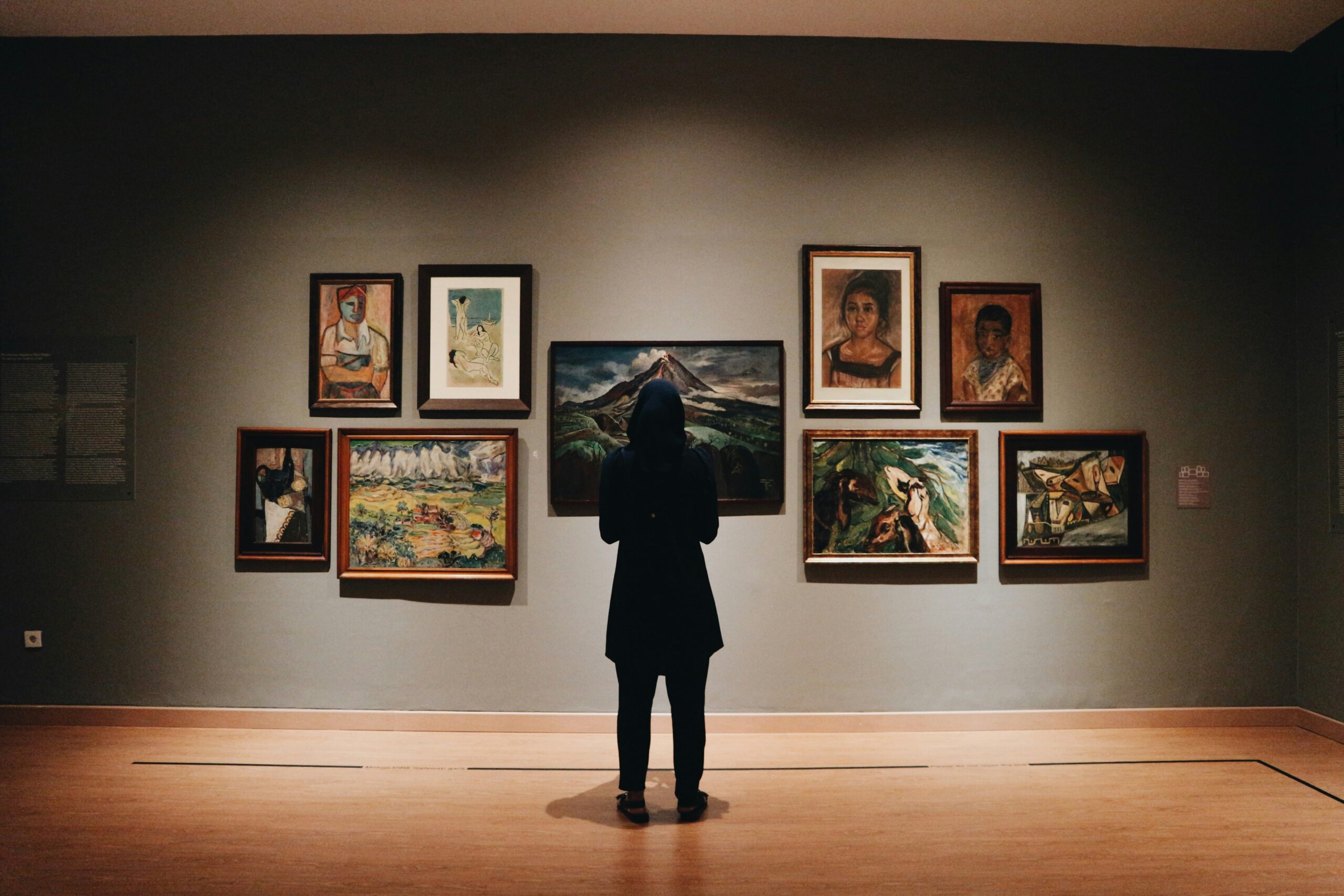
Beyond material choices, modern status is increasingly tied to cultural literacy. What you read, where you go, what you reference, and how you interpret culture have become subtle but powerful indicators of status. This includes familiarity with art, design, architecture, niche travel destinations, and even emerging designers before they reach mainstream visibility.
Cultural capital operates differently from financial capital. It cannot be acquired instantly. It is built over time—through exposure, education, and environment. This is why certain forms of status feel intangible. They are not just about what someone has, but about what they know, and how effortlessly they apply that knowledge.
Time As The New Status Symbol

If there is one resource that defines modern luxury more than money, it is time. The ability to control your schedule, move at your own pace, and opt out of constant urgency has become one of the clearest markers of status. In a culture that often equates busyness with importance, the absence of urgency signals something more powerful: autonomy.
Time wealth shows up in subtle ways. It is the ability to travel without constraint, to prioritize health without compromise, to pursue interests without immediate financial return, and to structure life around preference rather than necessity.
Flexible work, extended breaks, and the freedom to disengage are no longer just lifestyle choices; they are signals of a certain level of economic and professional security. In this context, time is not just a resource. It is proof of control.
Digital Presence and the Power of Restraint
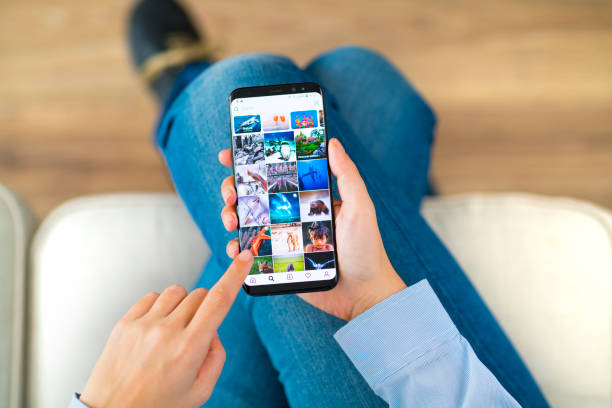
Status has not disappeared from the digital world, but its expression has evolved. Where social media once rewarded visibility, volume, and overt displays of wealth, the current shift favors restraint. A carefully curated online presence, defined by selective sharing, cohesive aesthetics, and intentional gaps, now signals more influence than constant output. There is a growing value placed on digital understatement. Posting less, but with more clarity. Sharing access without overexposure. Maintaining a sense of distance.
Even absence has become a signal. Being offline, or choosing not to document every aspect of life, suggests a level of confidence and security that does not rely on validation. At the same time, the democratization of luxury, through fast fashion, replicas, and mass production, has diluted traditional status symbols. As more people gain access to the appearance of wealth, true status shifts toward what cannot be easily replicated: privacy, discretion, and authenticity.
Wellness as a Long-Term Investment

Wellness has moved beyond trend into infrastructure. It is no longer defined by occasional indulgence—spa visits or fitness fads—but by consistency, access, and long-term thinking. High-quality nutrition, preventative healthcare, personalized fitness, and advanced skincare are now embedded into daily life for those operating at a certain level of wealth. The shift here is from reactive to proactive. From appearance to longevity.
Investing in health early, maintaining it consistently, and having access to specialized care are all indicators of both financial means and informed decision-making. Brands like Dr. Barbara Sturm and Augustinus Bader represent this space, where science, luxury, and self-care intersect. Wellness, in this sense, becomes less about aesthetics and more about the sustainability of the body, energy, and lifestyle. It is quiet, ongoing, and deeply intentional.
Sustainability And Conscious Consumption

Modern status is also increasingly tied to responsibility. Excess, once a defining feature of wealth, is now often viewed as outdated or even careless. In its place is a more considered approach: buying less, choosing better, and thinking long-term.
Sustainability has become part of the status conversation—not just as an ethical stance, but as a reflection of awareness. This includes investing in pieces that last, supporting craftsmanship, and avoiding disposable consumption patterns. What distinguishes this shift is that restraint is no longer a limitation. It is a choice. And that choice signals both confidence and clarity.
In this context, what you choose not to consume becomes just as important as what you do.
Privacy as the Final Luxury

Perhaps the most defining feature of modern status is invisibility. Privacy, once a byproduct of wealth, has now become a primary marker of it. The ability to live well without constant exposure, to access spaces without publicity, and to move without scrutiny represents a level of privilege that is increasingly difficult to attain. This is the ultimate evolution of status: not just being seen, but having the option not to be.
Conclusion: Status Has Become Invisible, but More Powerful
The new markers of status are subtle, layered, and often deliberately understated. They exist in choices rather than declarations: in how time is spent, how environments are curated, and how life is structured. Status has not disappeared. It has become more refined.
It no longer depends on recognition from everyone. Instead, it operates within smaller, more informed circles, where meaning is shared, not announced. And in that shift, status has become not only quieter but more powerful than ever.
Featured Image: @temiotedola/Instagram
.
Source link
#Markers #Status #Luxury #Quiet


Post Comment