×
The unbearable obviousness of AI fitness summaries

The unbearable obviousness of AI fitness summaries

After nearly a decade of wearables testing, I’ve amassed a truly terrifying amount of health and fitness data. And while I enjoy poring over my daily data, there’s one part I’ve come to loathe: AI summaries.

Over the last two years, a deluge of AI-generated summaries has been sprinkled into every fitness, wellness, and wearable app. Strava introduced a feature called Athlete Intelligence, pitched as AI taking your raw workout data and relaying it to you in “plain English.” Whoop has Whoop Coach, an AI chatbot that gives you a “Daily Outlook” report summarizing the weather, your recent activity and recovery metrics, and workout suggestions. Oura added Oura Advisor, another chatbot that summarizes data and pulls out long-term trends. Even my bed greets me with summaries every morning of how its AI helped keep me asleep every night.

Each platform’s AI has its nuances, but the typical morning summary goes a bit like this:

Good morning! You slept 7 hours last night with a resting heart rate of 60 bpm. That’s in line with your weekly average, but your slightly elevated heart rate suggests you may not be fully recovered. If you feel tired, try going to bed earlier tonight. Health is all about balance!

That might seem helpful, but those summaries are usually placed next to a chart with the same data. It’s worse for workouts. Here’s one that Strava’s Athlete Intelligence generated for a recent run:

Intense run with high heart rate zones, pushing into anaerobic territory and logging a relative effort well above your typical range.

Thanks? I can ask Athlete Intelligence to “say more,” but it regurgitates my effort, heart rate zone, and pace metrics I can see in graphs in the workout summary. If you didn’t know anything about my athletic history or the circumstances surrounding this run, this summary might read as insightful. Here’s what the summary left out:

  • It was dangerous to triple my mileage in only my second run of the year, given the high humidity, 85-degree-plus weather, and my spotty workout history over the past two months compared to the six months before it. Strava has access to weather data and every workout I’ve done in the past five years.
  • I had to cut this run short because I fell and shredded my hand and knees. This is information Strava has access to, as I uploaded a gnarly picture in addition to text notes. After adding said notes, the updated summary only reflected that I cut the run short. My injury changed nothing about its insights, even though it’s the most important thing that happened during this run.

I don’t know guys, without Athlete Intelligence, would I have known my elevation gain was a modest 88ft?
Screenshot: Strava

A more helpful insight might’ve been: “You ran during record-breaking heat for your region. While you maintained a consistent and steady pace, you have a bad habit of ramping up mileage too quickly after prolonged breaks, leading to several self-reported injuries in the past five years. A safer alternative would be lower mileage runs over two weeks to acclimate to rising temperatures. Since you’re injured, stick to low-intensity walks until your wounds have healed.”

Runna, a popular running app that also features AI insights, generated a slightly more useful summary. It said my next run should be “easy,” one that’s perfectly timed for me to recharge. I’m sorry, but 48 hours isn’t enough time for my knees to safely heal without risk of re-opening my wounds.

The in-app chatbots aren’t much better. Yesterday morning, I asked Whoop Coach if I should run today because I injured myself on my last run. It told me: “Whoop is unable to reply to the message you sent. Please try sending a different message.” I tried reframing my prompt, saying, “I’m injured and have a limp. Generate a low-intensity workout alternative while I recover.” I was prompted to contact Whoop Membership Services to continue the conversation.

Oura Advisor was more helpful, noting in my daily summary: “With your Readiness dipping and recent stressors like heat, an injury, and higher glucose, your body may feel more fatigued than usual today.” It suggested I prioritize rest. When asked, “What types of movement are okay when you have an injured knee and a slight limp?” it responded with common-sense answers like a short and easy walk if there’s no pain, light stretching, and a reminder to completely rest if I feel any sharp discomfort. This is closer to an ideal response, but I had to guide it to the type of answer I wanted. The insights are so general-purpose that they benefit self-quantification newbies — and even then, only if they’re allergic to googling.

My botched run is exactly the type of scenario where tech CEOs say AI insights could be most useful. In theory, I agree! It would be nice to have a competent, built-in chatbot that I could ask more nuanced questions.

1/3

I tried this exact query twice and got the same result.
Screenshot: Whoop

For example, I’ve had an irregular sleep schedule this month. I asked Oura Advisor if my sleep and readiness trends showed signs of an elevated risk of injury. I also asked if I had abnormally high levels of sleep debt this month. In both cases, it said no — it said I was improving.

What resulted was an hour-long debate with a chatbot that left me questioning my own lived experience. When I tried asking it to delve into a particularly stressful week earlier this month, it told me its insights were “limited to [my] most recent week and current trends.” That sort of defeats the point of having six years’ worth of Oura data.

After months of perusing Reddit and other community forums, I know I’m not the only person who finds these AI features to be laughable. And yet, Holly Shelton, Oura’s chief product officer, tells me that the response to Oura Advisor has been “overwhelmingly positive,” with 60 percent of users using it multiple times a week and 20 percent using it daily. “Beyond frequency,” Shelton says, “It’s delivering real impact: 60 percent say Advisor has helped them better understand metrics or health concepts they previously found confusing.”

Meanwhile, Strava spokesperson Brian Bell tells me Athlete Intelligence was intended to help beginner athletes and that “the response to the feature remains strong” with about “80 percent of those opting in to give feedback finding the feature ‘very helpful’ to ‘helpful.’”

A Whoop spokesperson wasn’t able to respond by publication.

These milquetoast summaries? They’re probably the best compromise between speed, cost, usefulness, data privacy, and legal liability

I understand my frustrations stem from the inherent limitations of LLMs and the messiness of private health data. Strava might be a de facto fitness data hub, but it lacks all the health data points necessary to create holistic, useful, and personalized insights. It’d take Oura Advisor a long time to crunch a year’s worth of sleep data for trends. That latency is guaranteed to offer a bad user experience. Not to mention, they’d likely have to up their subscription from $5.99 a month to add that type of computing power. I’m not sure, but Whoop Coach may have declined my injury-related queries to protect itself from liability if something bad happened to me from following its suggestions. These milquetoast summaries are probably the best compromise between speed, cost, usefulness, data privacy, and legal liability. But if that’s the case, then let’s be honest. Current AI features are repackaged data, much like book reports written by a fourth-grader relying on a Wikipedia summary instead of reading the book. It’s a feature tacked on with duct tape and a dream because AI is the zeitgeist. Perhaps one day, these AI insights will create a useful and personalized experience with actionable insights. That day is not today, and it’s not worth paying extra for.

Source link
#unbearable #obviousness #fitness #summaries

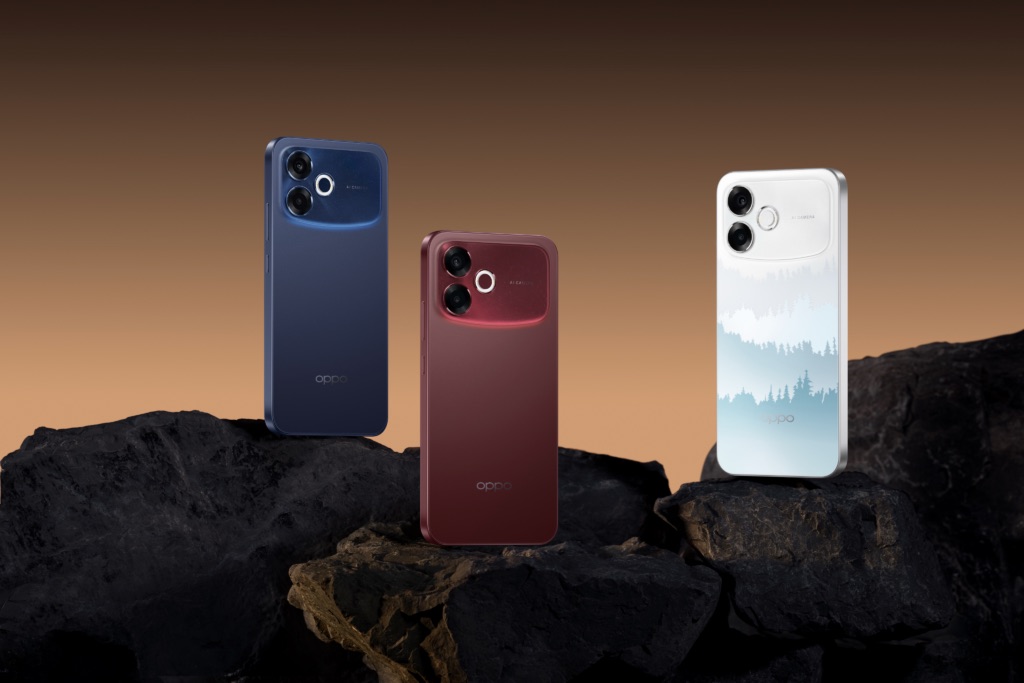
OPPO F-series has always focused on the durability side of things, with some of the toughest phones I’ve ever tested. With the new F33 series, the Chinese smartphone maker is bringing a new type of durability-focused smartphone to India. Based on details shared ahead of launch, the company is positioning the lineup as a solution to everyday smartphone problems like cracked screens, water damage, and battery anxiety.

Built for Indian Conditions

OPPO F33 Series to Launch With IP69K Rating and 7,000mAh Battery
	
The OPPO F-series has always focused on the durability side of things, with some of the toughest phones I’ve ever tested. With the new F33 series, the Chinese smartphone maker is bringing a new type of durability-focused smartphone to India. Based on details shared ahead of launch, the company is positioning the lineup as a solution to everyday smartphone problems like cracked screens, water damage, and battery anxiety.


Built for Indian Conditions


Durability seems to be the core focus here. The OPPO F33 series is said to come with IP69K certification, which is a step above the usual IP67 or IP68 ratings seen in most mid-range phones. In practical terms, this means the device can handle high-pressure, high-temperature water jets and provide complete dust protection. It’s designed to survive not just accidental splashes, but harsher environments like heavy rain, kitchens, or dusty outdoor conditions.


Beyond certifications, OPPO says the F33 series has undergone military-grade durability testing. This includes extreme temperature tests ranging from freezing cold to high heat, salt exposure for coastal conditions, and even simulations of strong winds and heavy rainfall. The devices are also tested for drops, with thousands of simulated falls and immersion tests to ensure real-world reliability.


Structurally, the phones feature a 360-degree armor body, built using an aerospace-grade aluminium frame, reinforced internals, and thicker protective materials for both the display and back panel. There’s also an internal cushioning system designed to absorb shocks during impact.


Long-Term Battery Health


Battery life is another major highlight of the F33 series. OPPO is introducing a 7,000mAh battery that’s designed to retain up to 80% of its capacity even after five years of usage.


The company is using a self-repairing electrolyte technology, which is said to help maintain battery health over time. Combined with 80W fast charging, reverse charging, and bypass charging support, the F33 series aims to reduce both charging time and long-term battery degradation.

#OPPO #F33 #Series #Launch #IP69K #Rating #7000mAh #BatteryOppo

Durability seems to be the core focus here. The OPPO F33 series is said to come with IP69K certification, which is a step above the usual IP67 or IP68 ratings seen in most mid-range phones. In practical terms, this means the device can handle high-pressure, high-temperature water jets and provide complete dust protection. It’s designed to survive not just accidental splashes, but harsher environments like heavy rain, kitchens, or dusty outdoor conditions.

Beyond certifications, OPPO says the F33 series has undergone military-grade durability testing. This includes extreme temperature tests ranging from freezing cold to high heat, salt exposure for coastal conditions, and even simulations of strong winds and heavy rainfall. The devices are also tested for drops, with thousands of simulated falls and immersion tests to ensure real-world reliability.

Structurally, the phones feature a 360-degree armor body, built using an aerospace-grade aluminium frame, reinforced internals, and thicker protective materials for both the display and back panel. There’s also an internal cushioning system designed to absorb shocks during impact.

Long-Term Battery Health

Battery life is another major highlight of the F33 series. OPPO is introducing a 7,000mAh battery that’s designed to retain up to 80% of its capacity even after five years of usage.

The company is using a self-repairing electrolyte technology, which is said to help maintain battery health over time. Combined with 80W fast charging, reverse charging, and bypass charging support, the F33 series aims to reduce both charging time and long-term battery degradation.

#OPPO #F33 #Series #Launch #IP69K #Rating #7000mAh #BatteryOppo">OPPO F33 Series to Launch With IP69K Rating and 7,000mAh Battery
	
The OPPO F-series has always focused on the durability side of things, with some of the toughest phones I’ve ever tested. With the new F33 series, the Chinese smartphone maker is bringing a new type of durability-focused smartphone to India. Based on details shared ahead of launch, the company is positioning the lineup as a solution to everyday smartphone problems like cracked screens, water damage, and battery anxiety.


Built for Indian Conditions


Durability seems to be the core focus here. The OPPO F33 series is said to come with IP69K certification, which is a step above the usual IP67 or IP68 ratings seen in most mid-range phones. In practical terms, this means the device can handle high-pressure, high-temperature water jets and provide complete dust protection. It’s designed to survive not just accidental splashes, but harsher environments like heavy rain, kitchens, or dusty outdoor conditions.


Beyond certifications, OPPO says the F33 series has undergone military-grade durability testing. This includes extreme temperature tests ranging from freezing cold to high heat, salt exposure for coastal conditions, and even simulations of strong winds and heavy rainfall. The devices are also tested for drops, with thousands of simulated falls and immersion tests to ensure real-world reliability.


Structurally, the phones feature a 360-degree armor body, built using an aerospace-grade aluminium frame, reinforced internals, and thicker protective materials for both the display and back panel. There’s also an internal cushioning system designed to absorb shocks during impact.


Long-Term Battery Health


Battery life is another major highlight of the F33 series. OPPO is introducing a 7,000mAh battery that’s designed to retain up to 80% of its capacity even after five years of usage.


The company is using a self-repairing electrolyte technology, which is said to help maintain battery health over time. Combined with 80W fast charging, reverse charging, and bypass charging support, the F33 series aims to reduce both charging time and long-term battery degradation.

#OPPO #F33 #Series #Launch #IP69K #Rating #7000mAh #BatteryOppo

has always focused on the durability side of things, with some of the toughest phones I’ve ever tested. With the new F33 series, the Chinese smartphone maker is bringing a new type of durability-focused smartphone to India. Based on details shared ahead of launch, the company is positioning the lineup as a solution to everyday smartphone problems like cracked screens, water damage, and battery anxiety.

Built for Indian Conditions

OPPO F33 Series to Launch With IP69K Rating and 7,000mAh Battery
	
The OPPO F-series has always focused on the durability side of things, with some of the toughest phones I’ve ever tested. With the new F33 series, the Chinese smartphone maker is bringing a new type of durability-focused smartphone to India. Based on details shared ahead of launch, the company is positioning the lineup as a solution to everyday smartphone problems like cracked screens, water damage, and battery anxiety.


Built for Indian Conditions


Durability seems to be the core focus here. The OPPO F33 series is said to come with IP69K certification, which is a step above the usual IP67 or IP68 ratings seen in most mid-range phones. In practical terms, this means the device can handle high-pressure, high-temperature water jets and provide complete dust protection. It’s designed to survive not just accidental splashes, but harsher environments like heavy rain, kitchens, or dusty outdoor conditions.


Beyond certifications, OPPO says the F33 series has undergone military-grade durability testing. This includes extreme temperature tests ranging from freezing cold to high heat, salt exposure for coastal conditions, and even simulations of strong winds and heavy rainfall. The devices are also tested for drops, with thousands of simulated falls and immersion tests to ensure real-world reliability.


Structurally, the phones feature a 360-degree armor body, built using an aerospace-grade aluminium frame, reinforced internals, and thicker protective materials for both the display and back panel. There’s also an internal cushioning system designed to absorb shocks during impact.


Long-Term Battery Health


Battery life is another major highlight of the F33 series. OPPO is introducing a 7,000mAh battery that’s designed to retain up to 80% of its capacity even after five years of usage.


The company is using a self-repairing electrolyte technology, which is said to help maintain battery health over time. Combined with 80W fast charging, reverse charging, and bypass charging support, the F33 series aims to reduce both charging time and long-term battery degradation.

#OPPO #F33 #Series #Launch #IP69K #Rating #7000mAh #BatteryOppo

Durability seems to be the core focus here. The OPPO F33 series is said to come with IP69K certification, which is a step above the usual IP67 or IP68 ratings seen in most mid-range phones. In practical terms, this means the device can handle high-pressure, high-temperature water jets and provide complete dust protection. It’s designed to survive not just accidental splashes, but harsher environments like heavy rain, kitchens, or dusty outdoor conditions.

Beyond certifications, OPPO says the F33 series has undergone military-grade durability testing. This includes extreme temperature tests ranging from freezing cold to high heat, salt exposure for coastal conditions, and even simulations of strong winds and heavy rainfall. The devices are also tested for drops, with thousands of simulated falls and immersion tests to ensure real-world reliability.

Structurally, the phones feature a 360-degree armor body, built using an aerospace-grade aluminium frame, reinforced internals, and thicker protective materials for both the display and back panel. There’s also an internal cushioning system designed to absorb shocks during impact.

Long-Term Battery Health

Battery life is another major highlight of the F33 series. OPPO is introducing a 7,000mAh battery that’s designed to retain up to 80% of its capacity even after five years of usage.

The company is using a self-repairing electrolyte technology, which is said to help maintain battery health over time. Combined with 80W fast charging, reverse charging, and bypass charging support, the F33 series aims to reduce both charging time and long-term battery degradation.

#OPPO #F33 #Series #Launch #IP69K #Rating #7000mAh #BatteryOppo">OPPO F33 Series to Launch With IP69K Rating and 7,000mAh Battery

The OPPO F-series has always focused on the durability side of things, with some of the toughest phones I’ve ever tested. With the new F33 series, the Chinese smartphone maker is bringing a new type of durability-focused smartphone to India. Based on details shared ahead of launch, the company is positioning the lineup as a solution to everyday smartphone problems like cracked screens, water damage, and battery anxiety.

Built for Indian Conditions

OPPO F33 Series to Launch With IP69K Rating and 7,000mAh Battery
	
The OPPO F-series has always focused on the durability side of things, with some of the toughest phones I’ve ever tested. With the new F33 series, the Chinese smartphone maker is bringing a new type of durability-focused smartphone to India. Based on details shared ahead of launch, the company is positioning the lineup as a solution to everyday smartphone problems like cracked screens, water damage, and battery anxiety.


Built for Indian Conditions


Durability seems to be the core focus here. The OPPO F33 series is said to come with IP69K certification, which is a step above the usual IP67 or IP68 ratings seen in most mid-range phones. In practical terms, this means the device can handle high-pressure, high-temperature water jets and provide complete dust protection. It’s designed to survive not just accidental splashes, but harsher environments like heavy rain, kitchens, or dusty outdoor conditions.


Beyond certifications, OPPO says the F33 series has undergone military-grade durability testing. This includes extreme temperature tests ranging from freezing cold to high heat, salt exposure for coastal conditions, and even simulations of strong winds and heavy rainfall. The devices are also tested for drops, with thousands of simulated falls and immersion tests to ensure real-world reliability.


Structurally, the phones feature a 360-degree armor body, built using an aerospace-grade aluminium frame, reinforced internals, and thicker protective materials for both the display and back panel. There’s also an internal cushioning system designed to absorb shocks during impact.


Long-Term Battery Health


Battery life is another major highlight of the F33 series. OPPO is introducing a 7,000mAh battery that’s designed to retain up to 80% of its capacity even after five years of usage.


The company is using a self-repairing electrolyte technology, which is said to help maintain battery health over time. Combined with 80W fast charging, reverse charging, and bypass charging support, the F33 series aims to reduce both charging time and long-term battery degradation.

#OPPO #F33 #Series #Launch #IP69K #Rating #7000mAh #BatteryOppo

Durability seems to be the core focus here. The OPPO F33 series is said to come with IP69K certification, which is a step above the usual IP67 or IP68 ratings seen in most mid-range phones. In practical terms, this means the device can handle high-pressure, high-temperature water jets and provide complete dust protection. It’s designed to survive not just accidental splashes, but harsher environments like heavy rain, kitchens, or dusty outdoor conditions.

Beyond certifications, OPPO says the F33 series has undergone military-grade durability testing. This includes extreme temperature tests ranging from freezing cold to high heat, salt exposure for coastal conditions, and even simulations of strong winds and heavy rainfall. The devices are also tested for drops, with thousands of simulated falls and immersion tests to ensure real-world reliability.

Structurally, the phones feature a 360-degree armor body, built using an aerospace-grade aluminium frame, reinforced internals, and thicker protective materials for both the display and back panel. There’s also an internal cushioning system designed to absorb shocks during impact.

Long-Term Battery Health

Battery life is another major highlight of the F33 series. OPPO is introducing a 7,000mAh battery that’s designed to retain up to 80% of its capacity even after five years of usage.

The company is using a self-repairing electrolyte technology, which is said to help maintain battery health over time. Combined with 80W fast charging, reverse charging, and bypass charging support, the F33 series aims to reduce both charging time and long-term battery degradation.

#OPPO #F33 #Series #Launch #IP69K #Rating #7000mAh #BatteryOppo

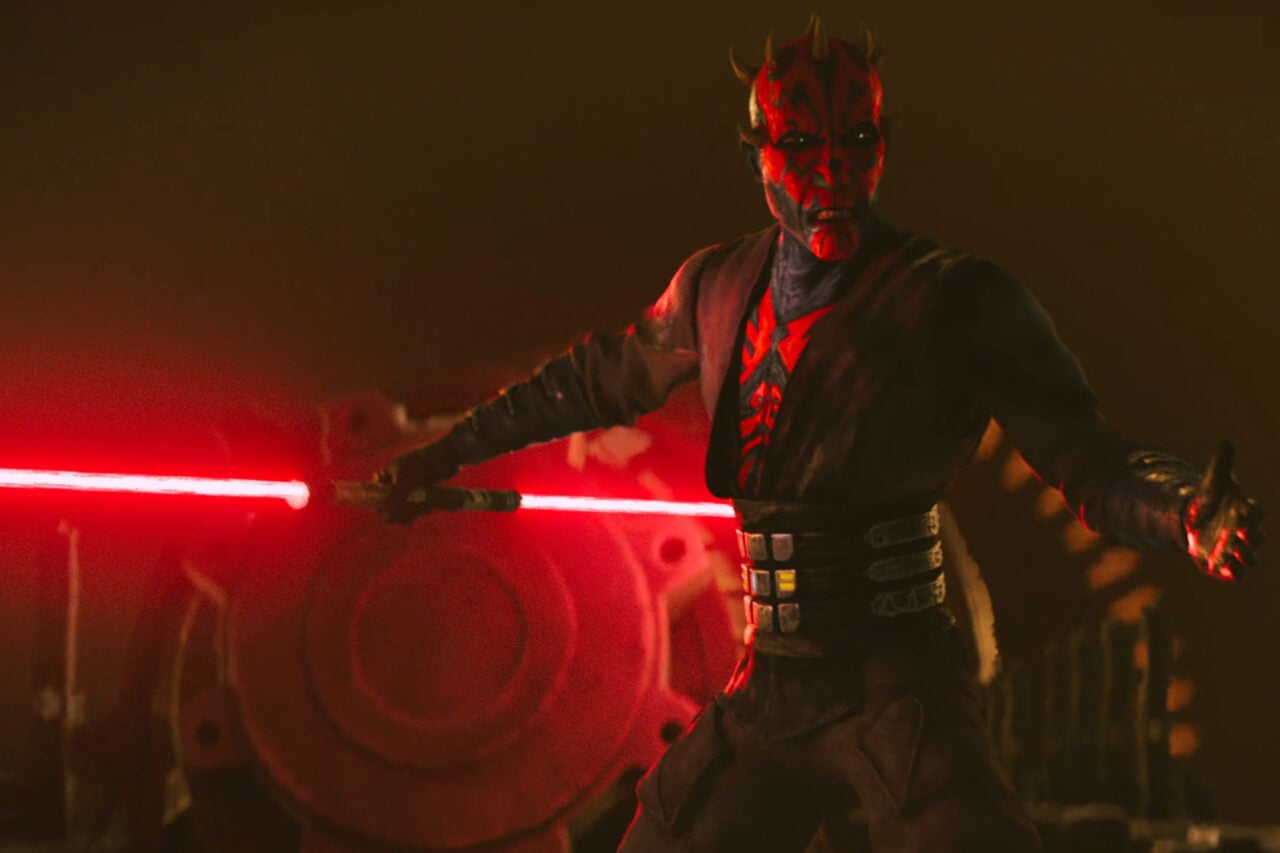
The new Star Wars animated series Maul: Shadow Lord is doing some very cool things with lightsabers—and not just spinning them around with reckless abandon because we’ve got Maul himself and a couple of Inquisitors who all love to do exactly that with their weapons. They look almost unlike any time we’ve seen the weapons in Lucasfilm’s past output: blades that flicker and snarl like their wielders do, living flames that carve paths of incandescent energy across the screen instead of that typically clean, minimalistic energy we see from them.

It makes Shadow Lord look even more visually impressive than it already is, and of course, the idea of lightsabers as gouts of flaming plasma is also naturally very befitting everyone’s favorite slightly pathetic but trying-his-best edgelord in a character like Maul. But it turns out Shadow Lord‘s lightsabers—Maul’s specifically—are going the extra edgelord mile. Because there’s screaming in the sound mix.

Not just any screaming either, but Sam Witwer’s own howls.

The delightfully silly factoid was revealed by the supervising sound editor for the show, David W. Collins, in a new featurette about the process of creating Shadow Lord, which also shows off Witwer performing some of his own moves for animation reference. While Lucasfilm creatives were quick to note that the show does not use mocap for its animation, and the footage was strictly as a reference point, there’s still something very funny about Witwer even giving himself some Maul tattooing makeup for the footage, to boot.

It’s long been clear that Witwer has put a lot of time and thought into his approach to Maul’s animated legacy over the past decade and a half, but now at least he’s put his vocals into it in a very different manner for Shadow Lord.

Want more io9 news? Check out when to expect the latest Marvel, Star Wars, and Star Trek releases, what’s next for the DC Universe on film and TV, and everything you need to know about the future of Doctor Who.

#Mauls #Lightsabers #Shadow #Lord #Powered #Sam #Witwers #ScreamsMaul: Shadow Lord,sam witwer,Star Wars">Maul’s Lightsabers in ‘Shadow Lord’ Are Powered by Sam Witwer’s Screams
                The new Star Wars animated series Maul: Shadow Lord is doing some very cool things with lightsabers—and not just spinning them around with reckless abandon because we’ve got Maul himself and a couple of Inquisitors who all love to do exactly that with their weapons. They look almost unlike any time we’ve seen the weapons in Lucasfilm’s past output: blades that flicker and snarl like their wielders do, living flames that carve paths of incandescent energy across the screen instead of that typically clean, minimalistic energy we see from them. It makes Shadow Lord look even more visually impressive than it already is, and of course, the idea of lightsabers as gouts of flaming plasma is also naturally very befitting everyone’s favorite slightly pathetic but trying-his-best edgelord in a character like Maul. But it turns out Shadow Lord‘s lightsabers—Maul’s specifically—are going the extra edgelord mile. Because there’s screaming in the sound mix.

 Not just any screaming either, but Sam Witwer’s own howls.  The delightfully silly factoid was revealed by the supervising sound editor for the show, David W. Collins, in a new featurette about the process of creating Shadow Lord, which also shows off Witwer performing some of his own moves for animation reference. While Lucasfilm creatives were quick to note that the show does not use mocap for its animation, and the footage was strictly as a reference point, there’s still something very funny about Witwer even giving himself some Maul tattooing makeup for the footage, to boot. It’s long been clear that Witwer has put a lot of time and thought into his approach to Maul’s animated legacy over the past decade and a half, but now at least he’s put his vocals into it in a very different manner for Shadow Lord.  Want more io9 news? Check out when to expect the latest Marvel, Star Wars, and Star Trek releases, what’s next for the DC Universe on film and TV, and everything you need to know about the future of Doctor Who.      #Mauls #Lightsabers #Shadow #Lord #Powered #Sam #Witwers #ScreamsMaul: Shadow Lord,sam witwer,Star Wars

Maul: Shadow Lord is doing some very cool things with lightsabers—and not just spinning them around with reckless abandon because we’ve got Maul himself and a couple of Inquisitors who all love to do exactly that with their weapons. They look almost unlike any time we’ve seen the weapons in Lucasfilm’s past output: blades that flicker and snarl like their wielders do, living flames that carve paths of incandescent energy across the screen instead of that typically clean, minimalistic energy we see from them.

It makes Shadow Lord look even more visually impressive than it already is, and of course, the idea of lightsabers as gouts of flaming plasma is also naturally very befitting everyone’s favorite slightly pathetic but trying-his-best edgelord in a character like Maul. But it turns out Shadow Lord‘s lightsabers—Maul’s specifically—are going the extra edgelord mile. Because there’s screaming in the sound mix.

Not just any screaming either, but Sam Witwer’s own howls.

The delightfully silly factoid was revealed by the supervising sound editor for the show, David W. Collins, in a new featurette about the process of creating Shadow Lord, which also shows off Witwer performing some of his own moves for animation reference. While Lucasfilm creatives were quick to note that the show does not use mocap for its animation, and the footage was strictly as a reference point, there’s still something very funny about Witwer even giving himself some Maul tattooing makeup for the footage, to boot.

It’s long been clear that Witwer has put a lot of time and thought into his approach to Maul’s animated legacy over the past decade and a half, but now at least he’s put his vocals into it in a very different manner for Shadow Lord.

Want more io9 news? Check out when to expect the latest Marvel, Star Wars, and Star Trek releases, what’s next for the DC Universe on film and TV, and everything you need to know about the future of Doctor Who.

#Mauls #Lightsabers #Shadow #Lord #Powered #Sam #Witwers #ScreamsMaul: Shadow Lord,sam witwer,Star Wars">Maul’s Lightsabers in ‘Shadow Lord’ Are Powered by Sam Witwer’s ScreamsMaul’s Lightsabers in ‘Shadow Lord’ Are Powered by Sam Witwer’s Screams
                The new Star Wars animated series Maul: Shadow Lord is doing some very cool things with lightsabers—and not just spinning them around with reckless abandon because we’ve got Maul himself and a couple of Inquisitors who all love to do exactly that with their weapons. They look almost unlike any time we’ve seen the weapons in Lucasfilm’s past output: blades that flicker and snarl like their wielders do, living flames that carve paths of incandescent energy across the screen instead of that typically clean, minimalistic energy we see from them. It makes Shadow Lord look even more visually impressive than it already is, and of course, the idea of lightsabers as gouts of flaming plasma is also naturally very befitting everyone’s favorite slightly pathetic but trying-his-best edgelord in a character like Maul. But it turns out Shadow Lord‘s lightsabers—Maul’s specifically—are going the extra edgelord mile. Because there’s screaming in the sound mix.

 Not just any screaming either, but Sam Witwer’s own howls.  The delightfully silly factoid was revealed by the supervising sound editor for the show, David W. Collins, in a new featurette about the process of creating Shadow Lord, which also shows off Witwer performing some of his own moves for animation reference. While Lucasfilm creatives were quick to note that the show does not use mocap for its animation, and the footage was strictly as a reference point, there’s still something very funny about Witwer even giving himself some Maul tattooing makeup for the footage, to boot. It’s long been clear that Witwer has put a lot of time and thought into his approach to Maul’s animated legacy over the past decade and a half, but now at least he’s put his vocals into it in a very different manner for Shadow Lord.  Want more io9 news? Check out when to expect the latest Marvel, Star Wars, and Star Trek releases, what’s next for the DC Universe on film and TV, and everything you need to know about the future of Doctor Who.      #Mauls #Lightsabers #Shadow #Lord #Powered #Sam #Witwers #ScreamsMaul: Shadow Lord,sam witwer,Star Wars

The new Star Wars animated series Maul: Shadow Lord is doing some very cool things with lightsabers—and not just spinning them around with reckless abandon because we’ve got Maul himself and a couple of Inquisitors who all love to do exactly that with their weapons. They look almost unlike any time we’ve seen the weapons in Lucasfilm’s past output: blades that flicker and snarl like their wielders do, living flames that carve paths of incandescent energy across the screen instead of that typically clean, minimalistic energy we see from them.

It makes Shadow Lord look even more visually impressive than it already is, and of course, the idea of lightsabers as gouts of flaming plasma is also naturally very befitting everyone’s favorite slightly pathetic but trying-his-best edgelord in a character like Maul. But it turns out Shadow Lord‘s lightsabers—Maul’s specifically—are going the extra edgelord mile. Because there’s screaming in the sound mix.

Not just any screaming either, but Sam Witwer’s own howls.

The delightfully silly factoid was revealed by the supervising sound editor for the show, David W. Collins, in a new featurette about the process of creating Shadow Lord, which also shows off Witwer performing some of his own moves for animation reference. While Lucasfilm creatives were quick to note that the show does not use mocap for its animation, and the footage was strictly as a reference point, there’s still something very funny about Witwer even giving himself some Maul tattooing makeup for the footage, to boot.

It’s long been clear that Witwer has put a lot of time and thought into his approach to Maul’s animated legacy over the past decade and a half, but now at least he’s put his vocals into it in a very different manner for Shadow Lord.

Want more io9 news? Check out when to expect the latest Marvel, Star Wars, and Star Trek releases, what’s next for the DC Universe on film and TV, and everything you need to know about the future of Doctor Who.

#Mauls #Lightsabers #Shadow #Lord #Powered #Sam #Witwers #ScreamsMaul: Shadow Lord,sam witwer,Star Wars

Post Comment