×
Verizon outage: How to call 911 when your phone won’t work

Verizon outage: How to call 911 when your phone won’t work

Verizon’s network was down for much of Wednesday, but the company announced around 10:30 p.m. ET that it was now resolved. Thousands of users across the U.S. were left with their phones in SOS mode, meaning they could only make emergency calls. Well, at least in theory. In practice, some attempts to contact 911 reportedly struggled to get through.

SEE ALSO:

Verizon outage cause: What we know, what we don’t

Though the Verizon mobile network was down for hours, one silver lining was that 911 calls should still work. Calls to emergency services can connect to any mobile tower, helping ensure customers of a downed network aren’t cut off from help.

Unfortunately, it seems the system may not be working entirely as intended. Some Verizon users claim this outage prevented them from calling 911, while multiple official emergency services recommended contacting them via alternate means.

“This light caught fire today and my family was unable to call 911 because of @Verizon’s incompetency,” claimed X user @OmarMKAhmad, sharing a photograph of a burnt and melted ceiling light. “Thankfully our cleaners happened to be at the house (who have @TMobile) and called 911.”

The Office of Unified Communications (OUC) acknowledged the ongoing Verizon outage on Wednesday evening via X, warning that the outage was impacting some people attempting to call for emergency services. It also sent a message via AlertDC, the District of Columbia’s official emergency notification system.

“OUC is aware of a nationwide Verizon outage affecting some users trying to reach 911,” wrote OUC. “If you have an emergency and cannot connect using your Verizon device, please connect using a device from another carrier, a landline, or go to a police or fire station to report the emergency.”

New York’s official emergency notification system addressed Verizon’s outage as well. Notify NYC stated that the issue “may affect some users trying to call 911,” and also recommended people who require emergency services reach out via a different network or a landline, or alternatively seek help in person. Fortunately, people in New York can also use LinkNYC kiosks or FDNY call boxes to contact emergency services. 


Source link
#Verizon #outage #call #phone #wont #work

ServiceNow, the U.S. enterprise software company known for automating workflows like IT service management and HR operations, is betting on an Indian banking software specialist to deepen its push into global financial services.

The company has invested $40 million in BusinessNext, valuing the 24-year-old Indian firm at $700 million and taking a roughly 5% stake. The deal gives BusinessNext access to ServiceNow’s global sales network as the companies expand their partnership in AI for financial services.

ServiceNow’s investment reflects BusinessNext’s growing profile beyond India. The profitable, Noida-based company, which generated about $32 million in revenue in its latest financial year, serves more than 70 banks across India, Southeast Asia, the Middle East, and the U.S. Its customers include the Reserve Bank of India, the country’s central bank, and State Bank of India and HDFC Bank, which are India’s largest public- and private-sector lenders, respectively.

About half of BusinessNext’s revenue comes from outside India, with overseas markets expected to drive much of its future growth, founder and CEO Nishant Singh said in an interview.

The company chose ServiceNow over potential financial investors to accelerate its expansion by tapping the U.S. software group’s global reach. Singh told TechCrunch that the partnership would help BusinessNext “borrow” its go-to-marker “machinery” — referring to ServiceNow’s sales infrastructure — in markets where it has a limited presence.

“Think of it as a strategic partnership, which is cemented with funding,” he said.

BusinessNext’s software, Singh said, manages customer-facing banking workflows, while ServiceNow is stronger in workflow automation and back-office systems, a combination the two companies plan to sell jointly to financial institutions.

“India’s financial services sector is at an inflection point — institutions are moving from digital experimentation to full-scale AI-led operations,” Kulmeet Bawa, ServiceNow’s group vice president and managing director for India and SAARC, said. He added that the partnership combines ServiceNow’s enterprise workflow platform with BusinessNext’s banking expertise.

Founded in 2002, BusinessNext — known as CRMNext until 2022 — has spent several years building what Singh calls an “autonomous banking” platform, using AI agents to automate banking workflows while keeping sensitive customer data on private AI infrastructure to meet regulatory and privacy requirements.

Singh told TechCrunch that AI was built into the company’s platform from the outset rather than added later. “We actually renamed our company and we kind of rewrote our stack to put that fundamentally at the core,” he said.

BusinessNext employs more than 1,300 people across its operations and was last valued at $181 million in 2021, per private market intelligence platform Tracxn. It has raised more than $60 million in external funding and counts Avataar Ventures, Norwest Venture Partners, and Ascent Capital among its existing investors.

The deal comes as established enterprise software vendors face pressure from customers who are questioning whether traditional SaaS tools are worth paying for when AI-native alternatives are emerging. For ServiceNow, the deal builds out its position in banking by partnering with a company focused on AI-driven banking software, as it expands its enterprise software portfolio through acquisitions, investments, and partnerships.

When you purchase through links in our articles, we may earn a small commission. This doesn’t affect our editorial independence.

#ServiceNow #bets #million #Indian #banking #software #specialist #expand #financial #services #push #TechCrunchServiceNow">ServiceNow bets  million on Indian banking software specialist to expand its financial services push | TechCrunch
ServiceNow, the U.S. enterprise software company known for automating workflows like IT service management and HR operations, is betting on an Indian banking software specialist to deepen its push into global financial services.

The company has invested  million in BusinessNext, valuing the 24-year-old Indian firm at 0 million and taking a roughly 5% stake. The deal gives BusinessNext access to ServiceNow’s global sales network as the companies expand their partnership in AI for financial services.


ServiceNow’s investment reflects BusinessNext’s growing profile beyond India. The profitable, Noida-based company, which generated about  million in revenue in its latest financial year, serves more than 70 banks across India, Southeast Asia, the Middle East, and the U.S. Its customers include the Reserve Bank of India, the country’s central bank, and State Bank of India and HDFC Bank, which are India’s largest public- and private-sector lenders, respectively.

About half of BusinessNext’s revenue comes from outside India, with overseas markets expected to drive much of its future growth, founder and CEO Nishant Singh said in an interview.

The company chose ServiceNow over potential financial investors to accelerate its expansion by tapping the U.S. software group’s global reach. Singh told TechCrunch that the partnership would help BusinessNext “borrow” its go-to-marker “machinery” — referring to ServiceNow’s sales infrastructure — in markets where it has a limited presence.

“Think of it as a strategic partnership, which is cemented with funding,” he said.

BusinessNext’s software, Singh said, manages customer-facing banking workflows, while ServiceNow is stronger in workflow automation and back-office systems, a combination the two companies plan to sell jointly to financial institutions.


“India’s financial services sector is at an inflection point — institutions are moving from digital experimentation to full-scale AI-led operations,” Kulmeet Bawa, ServiceNow’s group vice president and managing director for India and SAARC, said. He added that the partnership combines ServiceNow’s enterprise workflow platform with BusinessNext’s banking expertise.

Founded in 2002, BusinessNext — known as CRMNext until 2022 — has spent several years building what Singh calls an “autonomous banking” platform, using AI agents to automate banking workflows while keeping sensitive customer data on private AI infrastructure to meet regulatory and privacy requirements.

Singh told TechCrunch that AI was built into the company’s platform from the outset rather than added later. “We actually renamed our company and we kind of rewrote our stack to put that fundamentally at the core,” he said.


BusinessNext employs more than 1,300 people across its operations and was last valued at 1 million in 2021, per private market intelligence platform Tracxn. It has raised more than  million in external funding and counts Avataar Ventures, Norwest Venture Partners, and Ascent Capital among its existing investors.

The deal comes as established enterprise software vendors face pressure from customers who are questioning whether traditional SaaS tools are worth paying for when AI-native alternatives are emerging. For ServiceNow, the deal builds out its position in banking by partnering with a company focused on AI-driven banking software, as it expands its enterprise software portfolio through acquisitions, investments, and partnerships.
When you purchase through links in our articles, we may earn a small commission. This doesn’t affect our editorial independence.#ServiceNow #bets #million #Indian #banking #software #specialist #expand #financial #services #push #TechCrunchServiceNow

BusinessNext, valuing the 24-year-old Indian firm at $700 million and taking a roughly 5% stake. The deal gives BusinessNext access to ServiceNow’s global sales network as the companies expand their partnership in AI for financial services.

ServiceNow’s investment reflects BusinessNext’s growing profile beyond India. The profitable, Noida-based company, which generated about $32 million in revenue in its latest financial year, serves more than 70 banks across India, Southeast Asia, the Middle East, and the U.S. Its customers include the Reserve Bank of India, the country’s central bank, and State Bank of India and HDFC Bank, which are India’s largest public- and private-sector lenders, respectively.

About half of BusinessNext’s revenue comes from outside India, with overseas markets expected to drive much of its future growth, founder and CEO Nishant Singh said in an interview.

The company chose ServiceNow over potential financial investors to accelerate its expansion by tapping the U.S. software group’s global reach. Singh told TechCrunch that the partnership would help BusinessNext “borrow” its go-to-marker “machinery” — referring to ServiceNow’s sales infrastructure — in markets where it has a limited presence.

“Think of it as a strategic partnership, which is cemented with funding,” he said.

BusinessNext’s software, Singh said, manages customer-facing banking workflows, while ServiceNow is stronger in workflow automation and back-office systems, a combination the two companies plan to sell jointly to financial institutions.

“India’s financial services sector is at an inflection point — institutions are moving from digital experimentation to full-scale AI-led operations,” Kulmeet Bawa, ServiceNow’s group vice president and managing director for India and SAARC, said. He added that the partnership combines ServiceNow’s enterprise workflow platform with BusinessNext’s banking expertise.

Founded in 2002, BusinessNext — known as CRMNext until 2022 — has spent several years building what Singh calls an “autonomous banking” platform, using AI agents to automate banking workflows while keeping sensitive customer data on private AI infrastructure to meet regulatory and privacy requirements.

Singh told TechCrunch that AI was built into the company’s platform from the outset rather than added later. “We actually renamed our company and we kind of rewrote our stack to put that fundamentally at the core,” he said.

BusinessNext employs more than 1,300 people across its operations and was last valued at $181 million in 2021, per private market intelligence platform Tracxn. It has raised more than $60 million in external funding and counts Avataar Ventures, Norwest Venture Partners, and Ascent Capital among its existing investors.

The deal comes as established enterprise software vendors face pressure from customers who are questioning whether traditional SaaS tools are worth paying for when AI-native alternatives are emerging. For ServiceNow, the deal builds out its position in banking by partnering with a company focused on AI-driven banking software, as it expands its enterprise software portfolio through acquisitions, investments, and partnerships.

When you purchase through links in our articles, we may earn a small commission. This doesn’t affect our editorial independence.

#ServiceNow #bets #million #Indian #banking #software #specialist #expand #financial #services #push #TechCrunchServiceNow">ServiceNow bets $40 million on Indian banking software specialist to expand its financial services push | TechCrunch

ServiceNow, the U.S. enterprise software company known for automating workflows like IT service management and HR operations, is betting on an Indian banking software specialist to deepen its push into global financial services.

The company has invested $40 million in BusinessNext, valuing the 24-year-old Indian firm at $700 million and taking a roughly 5% stake. The deal gives BusinessNext access to ServiceNow’s global sales network as the companies expand their partnership in AI for financial services.

ServiceNow’s investment reflects BusinessNext’s growing profile beyond India. The profitable, Noida-based company, which generated about $32 million in revenue in its latest financial year, serves more than 70 banks across India, Southeast Asia, the Middle East, and the U.S. Its customers include the Reserve Bank of India, the country’s central bank, and State Bank of India and HDFC Bank, which are India’s largest public- and private-sector lenders, respectively.

About half of BusinessNext’s revenue comes from outside India, with overseas markets expected to drive much of its future growth, founder and CEO Nishant Singh said in an interview.

The company chose ServiceNow over potential financial investors to accelerate its expansion by tapping the U.S. software group’s global reach. Singh told TechCrunch that the partnership would help BusinessNext “borrow” its go-to-marker “machinery” — referring to ServiceNow’s sales infrastructure — in markets where it has a limited presence.

“Think of it as a strategic partnership, which is cemented with funding,” he said.

BusinessNext’s software, Singh said, manages customer-facing banking workflows, while ServiceNow is stronger in workflow automation and back-office systems, a combination the two companies plan to sell jointly to financial institutions.

“India’s financial services sector is at an inflection point — institutions are moving from digital experimentation to full-scale AI-led operations,” Kulmeet Bawa, ServiceNow’s group vice president and managing director for India and SAARC, said. He added that the partnership combines ServiceNow’s enterprise workflow platform with BusinessNext’s banking expertise.

Founded in 2002, BusinessNext — known as CRMNext until 2022 — has spent several years building what Singh calls an “autonomous banking” platform, using AI agents to automate banking workflows while keeping sensitive customer data on private AI infrastructure to meet regulatory and privacy requirements.

Singh told TechCrunch that AI was built into the company’s platform from the outset rather than added later. “We actually renamed our company and we kind of rewrote our stack to put that fundamentally at the core,” he said.

BusinessNext employs more than 1,300 people across its operations and was last valued at $181 million in 2021, per private market intelligence platform Tracxn. It has raised more than $60 million in external funding and counts Avataar Ventures, Norwest Venture Partners, and Ascent Capital among its existing investors.

The deal comes as established enterprise software vendors face pressure from customers who are questioning whether traditional SaaS tools are worth paying for when AI-native alternatives are emerging. For ServiceNow, the deal builds out its position in banking by partnering with a company focused on AI-driven banking software, as it expands its enterprise software portfolio through acquisitions, investments, and partnerships.

When you purchase through links in our articles, we may earn a small commission. This doesn’t affect our editorial independence.

#ServiceNow #bets #million #Indian #banking #software #specialist #expand #financial #services #push #TechCrunchServiceNow
Apple has again announced an increase in the cost of its service in India. This time, Apple has raised the price of subscriptions to Apple Music and Apple One in various plans. These increased prices have already been implemented and include Individual, Family, and Student plans. The price increase follows a recent increase in the price of AppleCare+ subscriptions for Mac and iPad.

According to Apple, higher music licensing costs are the main reason behind the latest price hike. The company says these rising expenses have affected its subscription pricing. Apart from the revised prices, nothing else has changed. Subscribers will continue to receive the same features as before. India is not the only market affected by the latest price increase. Apple has also updated subscription prices in several other countries. The new rates are now live in the US, the UK, Europe, and more regions. Users worldwide will pay the revised subscription charges.

New Apple Music prices: Old vs New

PlanOld PriceNew Price
IndividualRs 119/monthRs 139/month
StudentRs 59/monthRs 69/month
FamilyRs 179/monthRs 229/month

What each Apple Music plan offers

Apple Music offers Individual, Family and Student plans with different benefits. The Individual plan gives one user access to more than 100 million songs. It also includes ad-free streaming, offline downloads, Spatial Audio, Lossless Audio and Apple Music Classical. The subscription works across Apple devices, Android phones, Windows PCs and compatible smart TVs.

The Family plan offers the same benefits and allows up to six family members to share a single subscription. Each member gets a separate music library and personalized recommendations. Apple also offers a Student plan for verified college and university students. Along with all Individual plan features, it includes Apple TV+ at no extra charge.

New Apple One prices: Old vs New

Apple Raised Apple Music and Apple One Prices in India: Full Price List
	
Apple has again announced an increase in the cost of its service in India. This time, Apple has raised the price of subscriptions to Apple Music and Apple One in various plans. These increased prices have already been implemented and include Individual, Family, and Student plans. The price increase follows a recent increase in the price of AppleCare+ subscriptions for Mac and iPad.


According to Apple, higher music licensing costs are the main reason behind the latest price hike. The company says these rising expenses have affected its subscription pricing. Apart from the revised prices, nothing else has changed. Subscribers will continue to receive the same features as before. India is not the only market affected by the latest price increase. Apple has also updated subscription prices in several other countries. The new rates are now live in the US, the UK, Europe, and more regions. Users worldwide will pay the revised subscription charges.


New Apple Music prices: Old vs New


PlanOld PriceNew PriceIndividualRs 119/monthRs 139/monthStudentRs 59/monthRs 69/monthFamilyRs 179/monthRs 229/month


What each Apple Music plan offers


Apple Music offers Individual, Family and Student plans with different benefits. The Individual plan gives one user access to more than 100 million songs. It also includes ad-free streaming, offline downloads, Spatial Audio, Lossless Audio and Apple Music Classical. The subscription works across Apple devices, Android phones, Windows PCs and compatible smart TVs.


The Family plan offers the same benefits and allows up to six family members to share a single subscription. Each member gets a separate music library and personalized recommendations. Apple also offers a Student plan for verified college and university students. Along with all Individual plan features, it includes Apple TV+ at no extra charge.


New Apple One prices: Old vs New


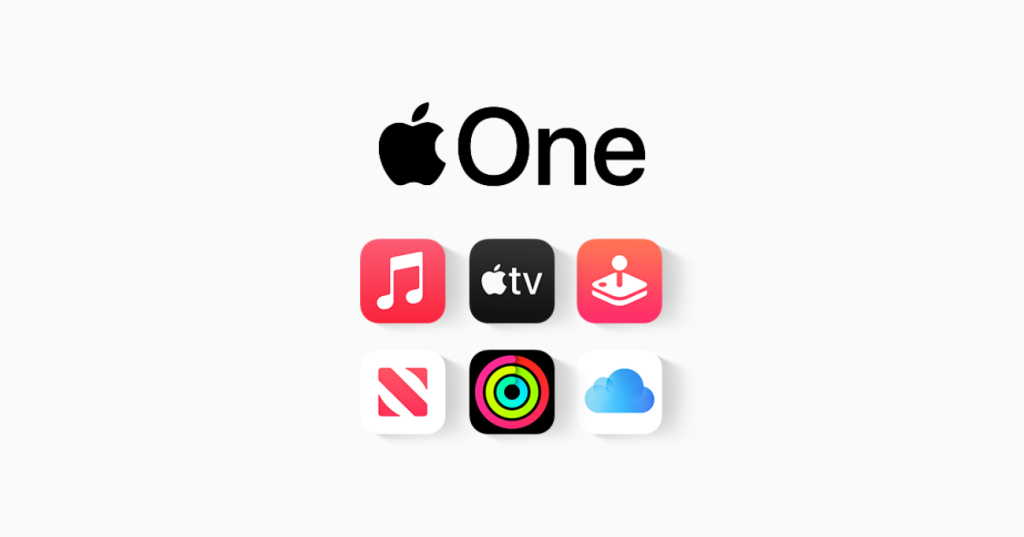
Apple has also updated the pricing of its Apple One plans. Users now have to pay Rs 195 for the Individual plan, Rs 295 for the Family plan, and Rs 995 for the Premier plan. The Apple One subscription brings together multiple Apple services in one package. Depending on the plan, services include Apple Music, Apple TV+, Apple Arcade, and iCloud+.


PlanOld PriceNew PriceIndividualRs 175/monthRs 195/monthFamilyRs 235/monthRs 295/monthPremierRs 899/monthRs 995/month

#Apple #Raised #Apple #Music #Apple #Prices #India #Full #Price #Listapple

Apple has also updated the pricing of its Apple One plans. Users now have to pay Rs 195 for the Individual plan, Rs 295 for the Family plan, and Rs 995 for the Premier plan. The Apple One subscription brings together multiple Apple services in one package. Depending on the plan, services include Apple Music, Apple TV+, Apple Arcade, and iCloud+.

PlanOld PriceNew Price
IndividualRs 175/monthRs 195/month
FamilyRs 235/monthRs 295/month
PremierRs 899/monthRs 995/month
#Apple #Raised #Apple #Music #Apple #Prices #India #Full #Price #Listapple">Apple Raised Apple Music and Apple One Prices in India: Full Price List
	
Apple has again announced an increase in the cost of its service in India. This time, Apple has raised the price of subscriptions to Apple Music and Apple One in various plans. These increased prices have already been implemented and include Individual, Family, and Student plans. The price increase follows a recent increase in the price of AppleCare+ subscriptions for Mac and iPad.


According to Apple, higher music licensing costs are the main reason behind the latest price hike. The company says these rising expenses have affected its subscription pricing. Apart from the revised prices, nothing else has changed. Subscribers will continue to receive the same features as before. India is not the only market affected by the latest price increase. Apple has also updated subscription prices in several other countries. The new rates are now live in the US, the UK, Europe, and more regions. Users worldwide will pay the revised subscription charges.


New Apple Music prices: Old vs New


PlanOld PriceNew PriceIndividualRs 119/monthRs 139/monthStudentRs 59/monthRs 69/monthFamilyRs 179/monthRs 229/month


What each Apple Music plan offers


Apple Music offers Individual, Family and Student plans with different benefits. The Individual plan gives one user access to more than 100 million songs. It also includes ad-free streaming, offline downloads, Spatial Audio, Lossless Audio and Apple Music Classical. The subscription works across Apple devices, Android phones, Windows PCs and compatible smart TVs.


The Family plan offers the same benefits and allows up to six family members to share a single subscription. Each member gets a separate music library and personalized recommendations. Apple also offers a Student plan for verified college and university students. Along with all Individual plan features, it includes Apple TV+ at no extra charge.


New Apple One prices: Old vs New


Apple has also updated the pricing of its Apple One plans. Users now have to pay Rs 195 for the Individual plan, Rs 295 for the Family plan, and Rs 995 for the Premier plan. The Apple One subscription brings together multiple Apple services in one package. Depending on the plan, services include Apple Music, Apple TV+, Apple Arcade, and iCloud+.


PlanOld PriceNew PriceIndividualRs 175/monthRs 195/monthFamilyRs 235/monthRs 295/monthPremierRs 899/monthRs 995/month

#Apple #Raised #Apple #Music #Apple #Prices #India #Full #Price #Listapple

has again announced an increase in the cost of its service in India. This time, Apple has raised the price of subscriptions to Apple Music and Apple One in various plans. These increased prices have already been implemented and include Individual, Family, and Student plans. The price increase follows a recent increase in the price of AppleCare+ subscriptions for Mac and iPad.

According to Apple, higher music licensing costs are the main reason behind the latest price hike. The company says these rising expenses have affected its subscription pricing. Apart from the revised prices, nothing else has changed. Subscribers will continue to receive the same features as before. India is not the only market affected by the latest price increase. Apple has also updated subscription prices in several other countries. The new rates are now live in the US, the UK, Europe, and more regions. Users worldwide will pay the revised subscription charges.

New Apple Music prices: Old vs New

PlanOld PriceNew Price
IndividualRs 119/monthRs 139/month
StudentRs 59/monthRs 69/month
FamilyRs 179/monthRs 229/month

What each Apple Music plan offers

Apple Music offers Individual, Family and Student plans with different benefits. The Individual plan gives one user access to more than 100 million songs. It also includes ad-free streaming, offline downloads, Spatial Audio, Lossless Audio and Apple Music Classical. The subscription works across Apple devices, Android phones, Windows PCs and compatible smart TVs.

The Family plan offers the same benefits and allows up to six family members to share a single subscription. Each member gets a separate music library and personalized recommendations. Apple also offers a Student plan for verified college and university students. Along with all Individual plan features, it includes Apple TV+ at no extra charge.

New Apple One prices: Old vs New

Apple Raised Apple Music and Apple One Prices in India: Full Price List
	
Apple has again announced an increase in the cost of its service in India. This time, Apple has raised the price of subscriptions to Apple Music and Apple One in various plans. These increased prices have already been implemented and include Individual, Family, and Student plans. The price increase follows a recent increase in the price of AppleCare+ subscriptions for Mac and iPad.


According to Apple, higher music licensing costs are the main reason behind the latest price hike. The company says these rising expenses have affected its subscription pricing. Apart from the revised prices, nothing else has changed. Subscribers will continue to receive the same features as before. India is not the only market affected by the latest price increase. Apple has also updated subscription prices in several other countries. The new rates are now live in the US, the UK, Europe, and more regions. Users worldwide will pay the revised subscription charges.


New Apple Music prices: Old vs New


PlanOld PriceNew PriceIndividualRs 119/monthRs 139/monthStudentRs 59/monthRs 69/monthFamilyRs 179/monthRs 229/month


What each Apple Music plan offers


Apple Music offers Individual, Family and Student plans with different benefits. The Individual plan gives one user access to more than 100 million songs. It also includes ad-free streaming, offline downloads, Spatial Audio, Lossless Audio and Apple Music Classical. The subscription works across Apple devices, Android phones, Windows PCs and compatible smart TVs.


The Family plan offers the same benefits and allows up to six family members to share a single subscription. Each member gets a separate music library and personalized recommendations. Apple also offers a Student plan for verified college and university students. Along with all Individual plan features, it includes Apple TV+ at no extra charge.


New Apple One prices: Old vs New


Apple has also updated the pricing of its Apple One plans. Users now have to pay Rs 195 for the Individual plan, Rs 295 for the Family plan, and Rs 995 for the Premier plan. The Apple One subscription brings together multiple Apple services in one package. Depending on the plan, services include Apple Music, Apple TV+, Apple Arcade, and iCloud+.


PlanOld PriceNew PriceIndividualRs 175/monthRs 195/monthFamilyRs 235/monthRs 295/monthPremierRs 899/monthRs 995/month

#Apple #Raised #Apple #Music #Apple #Prices #India #Full #Price #Listapple

Apple has also updated the pricing of its Apple One plans. Users now have to pay Rs 195 for the Individual plan, Rs 295 for the Family plan, and Rs 995 for the Premier plan. The Apple One subscription brings together multiple Apple services in one package. Depending on the plan, services include Apple Music, Apple TV+, Apple Arcade, and iCloud+.

PlanOld PriceNew Price
IndividualRs 175/monthRs 195/month
FamilyRs 235/monthRs 295/month
PremierRs 899/monthRs 995/month
#Apple #Raised #Apple #Music #Apple #Prices #India #Full #Price #Listapple">Apple Raised Apple Music and Apple One Prices in India: Full Price List

Apple has again announced an increase in the cost of its service in India. This time, Apple has raised the price of subscriptions to Apple Music and Apple One in various plans. These increased prices have already been implemented and include Individual, Family, and Student plans. The price increase follows a recent increase in the price of AppleCare+ subscriptions for Mac and iPad.

According to Apple, higher music licensing costs are the main reason behind the latest price hike. The company says these rising expenses have affected its subscription pricing. Apart from the revised prices, nothing else has changed. Subscribers will continue to receive the same features as before. India is not the only market affected by the latest price increase. Apple has also updated subscription prices in several other countries. The new rates are now live in the US, the UK, Europe, and more regions. Users worldwide will pay the revised subscription charges.

New Apple Music prices: Old vs New

PlanOld PriceNew Price
IndividualRs 119/monthRs 139/month
StudentRs 59/monthRs 69/month
FamilyRs 179/monthRs 229/month

What each Apple Music plan offers

Apple Music offers Individual, Family and Student plans with different benefits. The Individual plan gives one user access to more than 100 million songs. It also includes ad-free streaming, offline downloads, Spatial Audio, Lossless Audio and Apple Music Classical. The subscription works across Apple devices, Android phones, Windows PCs and compatible smart TVs.

The Family plan offers the same benefits and allows up to six family members to share a single subscription. Each member gets a separate music library and personalized recommendations. Apple also offers a Student plan for verified college and university students. Along with all Individual plan features, it includes Apple TV+ at no extra charge.

New Apple One prices: Old vs New

Apple Raised Apple Music and Apple One Prices in India: Full Price List
	
Apple has again announced an increase in the cost of its service in India. This time, Apple has raised the price of subscriptions to Apple Music and Apple One in various plans. These increased prices have already been implemented and include Individual, Family, and Student plans. The price increase follows a recent increase in the price of AppleCare+ subscriptions for Mac and iPad.


According to Apple, higher music licensing costs are the main reason behind the latest price hike. The company says these rising expenses have affected its subscription pricing. Apart from the revised prices, nothing else has changed. Subscribers will continue to receive the same features as before. India is not the only market affected by the latest price increase. Apple has also updated subscription prices in several other countries. The new rates are now live in the US, the UK, Europe, and more regions. Users worldwide will pay the revised subscription charges.


New Apple Music prices: Old vs New


PlanOld PriceNew PriceIndividualRs 119/monthRs 139/monthStudentRs 59/monthRs 69/monthFamilyRs 179/monthRs 229/month


What each Apple Music plan offers


Apple Music offers Individual, Family and Student plans with different benefits. The Individual plan gives one user access to more than 100 million songs. It also includes ad-free streaming, offline downloads, Spatial Audio, Lossless Audio and Apple Music Classical. The subscription works across Apple devices, Android phones, Windows PCs and compatible smart TVs.


The Family plan offers the same benefits and allows up to six family members to share a single subscription. Each member gets a separate music library and personalized recommendations. Apple also offers a Student plan for verified college and university students. Along with all Individual plan features, it includes Apple TV+ at no extra charge.


New Apple One prices: Old vs New


Apple has also updated the pricing of its Apple One plans. Users now have to pay Rs 195 for the Individual plan, Rs 295 for the Family plan, and Rs 995 for the Premier plan. The Apple One subscription brings together multiple Apple services in one package. Depending on the plan, services include Apple Music, Apple TV+, Apple Arcade, and iCloud+.


PlanOld PriceNew PriceIndividualRs 175/monthRs 195/monthFamilyRs 235/monthRs 295/monthPremierRs 899/monthRs 995/month

#Apple #Raised #Apple #Music #Apple #Prices #India #Full #Price #Listapple

Apple has also updated the pricing of its Apple One plans. Users now have to pay Rs 195 for the Individual plan, Rs 295 for the Family plan, and Rs 995 for the Premier plan. The Apple One subscription brings together multiple Apple services in one package. Depending on the plan, services include Apple Music, Apple TV+, Apple Arcade, and iCloud+.

PlanOld PriceNew Price
IndividualRs 175/monthRs 195/month
FamilyRs 235/monthRs 295/month
PremierRs 899/monthRs 995/month
#Apple #Raised #Apple #Music #Apple #Prices #India #Full #Price #Listapple

Post Comment