×
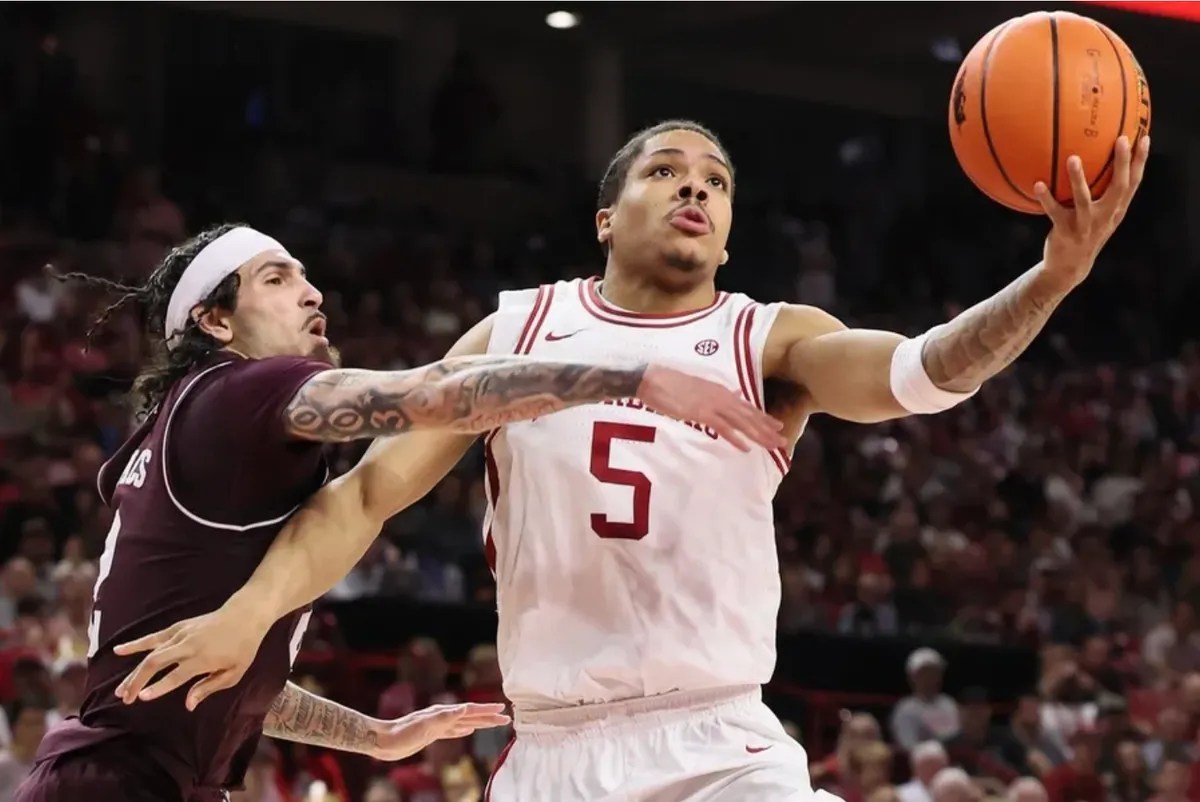
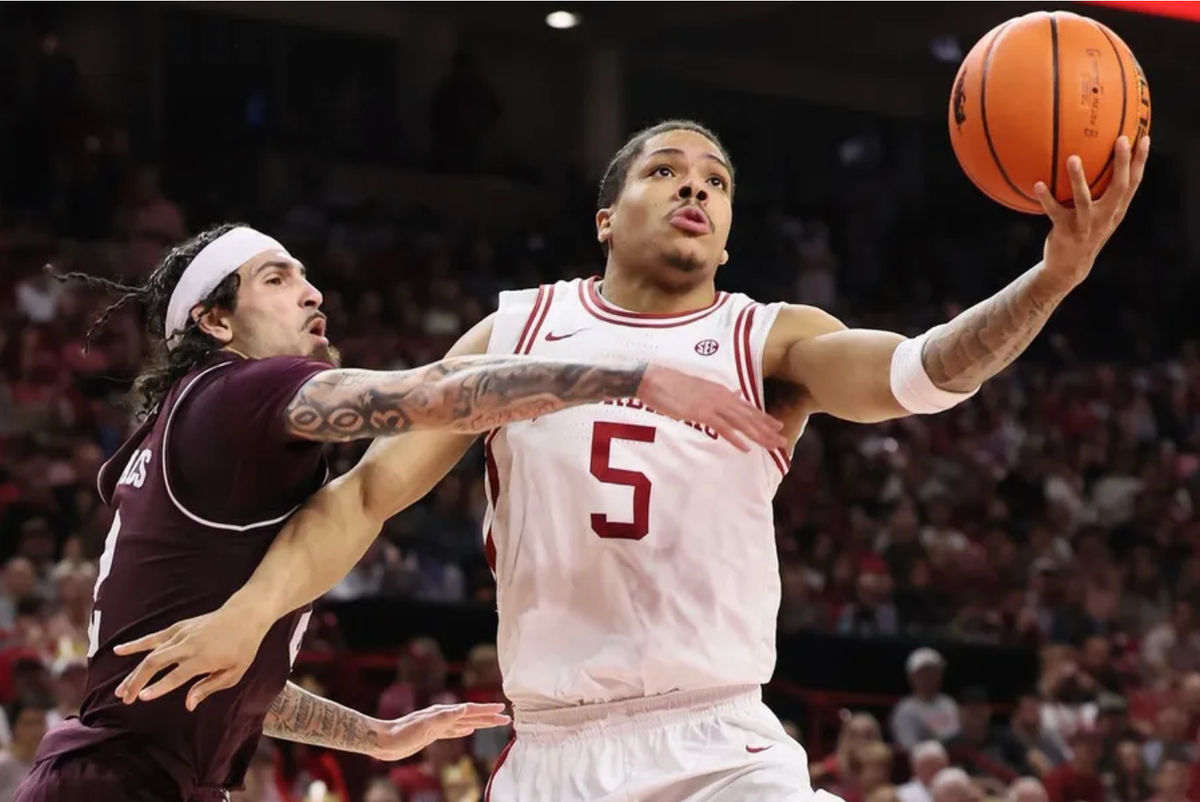
Why Top NBA Draft Prospects Aren’t Guaranteed Stars | Deadspin.com  Feb 25, 2026; Fayetteville, Arkansas, USA; Arkansas Razorbacks guard Darius Acuff Jr. (5) drives to the basket as Texas A&M Aggies guard Pop Isaacs (2) defends during the second half at Bud Walton Arena. Arkansas won 99-84. Mandatory Credit: Nelson Chenault-Imagn Images   For most of the season, the consensus top three players in the draft have been AJ Dybantsa, Darryn Peterson, and Cameron Boozer. Dybantsa has been my consensus top prospect for the entire season, and he will likely be the top pick come draft time. Prediction markets currently give Dybantsa a 75% chance of going first overall, with Peterson and Boozer close behind. Our Current Best OffersChannel debug: basketball  Peterson and Boozer were stars in college, but I’m not entirely sold on either one of them at the NBA level. My issues with the two guys are different, but I believe there are other players closely behind them on big boards that do what they can, but better.The issues with Peterson are pretty simple: Does he have the mentality of an NBA player? Offensively, he has all the skills in the world and is freakishly athletic. There aren’t many guys I have as much faith in to apply consistent rim pressure like he does. He also has a well-developed jumper and can score at all three levels.Aside from his durability and off-court mentality, he isn’t a high-motor defender, and his playmaking leaves a lot to be desired. I think if you’re okay taking a risk on that changing with a full 82-game NBA schedule, then you can take him second overall. If not, Darius Acuff might be a more enticing offensive first guard.Acuff has a lot to work on defensively, but a shooting prospect like him does not come around too often. He can’t provide the rim pressure that Peterson does, but he’s a much better facilitator off the dribble. Offensively, he’s such a complete prospect and should be getting way more top-five buzz.The next guy likely to go top three could not be much different than Peterson. Boozer has an NBA body and looks like a guy who could play all 82 games for the next decade. Unlike Dybantsa or Peterson, Boozer feels like a guy who will be ready to provide real value right away. I’m just not sold on his ceiling.You’re taking a top-three pick because you think they’ll turn into an All-Star, not just an everyday starter. Boozer relied on way too much back-to-the-basket offense at Duke, and he’s just not going to get touches like that in the NBA. Even if he did, he’d be far less efficient.UNC’s Caleb Wilson can provide that same level of post-production, but with far more athleticism. Wilson has work to be done on his jumper, but it’s still fundamentally strong, and I think he can at least be a threat from the outside once he gets further into his professional career. Defensively, versatility is so valuable at the NBA level, and I think Wilson’s explosive play style makes him an equally high-floor option at forward.The 2026 NBA draft class is incredibly deep. If you don’t love the guys at the top of the board, this could be the year to move back and still get a great player for the future. Acuff and Wilson are the guys I’d move back for. Our Current Best OffersChannel debug: basketball   #Top #NBA #Draft #Prospects #Arent #Guaranteed #Stars #Deadspin.com
Why Top NBA Draft Prospects Aren’t Guaranteed Stars | Deadspin.com
Why Top NBA Draft Prospects Aren’t Guaranteed Stars | Deadspin.com  Feb 25, 2026; Fayetteville, Arkansas, USA; Arkansas Razorbacks guard Darius Acuff Jr. (5) drives to the basket as Texas A&M Aggies guard Pop Isaacs (2) defends during the second half at Bud Walton Arena. Arkansas won 99-84. Mandatory Credit: Nelson Chenault-Imagn Images   For most of the season, the consensus top three players in the draft have been AJ Dybantsa, Darryn Peterson, and Cameron Boozer. Dybantsa has been my consensus top prospect for the entire season, and he will likely be the top pick come draft time. Prediction markets currently give Dybantsa a 75% chance of going first overall, with Peterson and Boozer close behind. Our Current Best OffersChannel debug: basketball  Peterson and Boozer were stars in college, but I’m not entirely sold on either one of them at the NBA level. My issues with the two guys are different, but I believe there are other players closely behind them on big boards that do what they can, but better.The issues with Peterson are pretty simple: Does he have the mentality of an NBA player? Offensively, he has all the skills in the world and is freakishly athletic. There aren’t many guys I have as much faith in to apply consistent rim pressure like he does. He also has a well-developed jumper and can score at all three levels.Aside from his durability and off-court mentality, he isn’t a high-motor defender, and his playmaking leaves a lot to be desired. I think if you’re okay taking a risk on that changing with a full 82-game NBA schedule, then you can take him second overall. If not, Darius Acuff might be a more enticing offensive first guard.Acuff has a lot to work on defensively, but a shooting prospect like him does not come around too often. He can’t provide the rim pressure that Peterson does, but he’s a much better facilitator off the dribble. Offensively, he’s such a complete prospect and should be getting way more top-five buzz.The next guy likely to go top three could not be much different than Peterson. Boozer has an NBA body and looks like a guy who could play all 82 games for the next decade. Unlike Dybantsa or Peterson, Boozer feels like a guy who will be ready to provide real value right away. I’m just not sold on his ceiling.You’re taking a top-three pick because you think they’ll turn into an All-Star, not just an everyday starter. Boozer relied on way too much back-to-the-basket offense at Duke, and he’s just not going to get touches like that in the NBA. Even if he did, he’d be far less efficient.UNC’s Caleb Wilson can provide that same level of post-production, but with far more athleticism. Wilson has work to be done on his jumper, but it’s still fundamentally strong, and I think he can at least be a threat from the outside once he gets further into his professional career. Defensively, versatility is so valuable at the NBA level, and I think Wilson’s explosive play style makes him an equally high-floor option at forward.The 2026 NBA draft class is incredibly deep. If you don’t love the guys at the top of the board, this could be the year to move back and still get a great player for the future. Acuff and Wilson are the guys I’d move back for. Our Current Best OffersChannel debug: basketball   #Top #NBA #Draft #Prospects #Arent #Guaranteed #Stars #Deadspin.comFeb 25, 2026; Fayetteville, Arkansas, USA; Arkansas Razorbacks guard Darius Acuff Jr. (5) drives to the basket as Texas A&M Aggies guard Pop Isaacs (2) defends during the second half at Bud Walton Arena. Arkansas won 99-84. Mandatory Credit: Nelson Chenault-Imagn Images

For most of the season, the consensus top three players in the draft have been AJ Dybantsa, Darryn Peterson, and Cameron Boozer. Dybantsa has been my consensus top prospect for the entire season, and he will likely be the top pick come draft time. Prediction markets currently give Dybantsa a 75% chance of going first overall, with Peterson and Boozer close behind.

Our Current Best Offers

Channel debug: basketball

Peterson and Boozer were stars in college, but I’m not entirely sold on either one of them at the NBA level. My issues with the two guys are different, but I believe there are other players closely behind them on big boards that do what they can, but better.

The issues with Peterson are pretty simple: Does he have the mentality of an NBA player? Offensively, he has all the skills in the world and is freakishly athletic. There aren’t many guys I have as much faith in to apply consistent rim pressure like he does. He also has a well-developed jumper and can score at all three levels.

Aside from his durability and off-court mentality, he isn’t a high-motor defender, and his playmaking leaves a lot to be desired. I think if you’re okay taking a risk on that changing with a full 82-game NBA schedule, then you can take him second overall. If not, Darius Acuff might be a more enticing offensive first guard.

Acuff has a lot to work on defensively, but a shooting prospect like him does not come around too often. He can’t provide the rim pressure that Peterson does, but he’s a much better facilitator off the dribble. Offensively, he’s such a complete prospect and should be getting way more top-five buzz.

The next guy likely to go top three could not be much different than Peterson. Boozer has an NBA body and looks like a guy who could play all 82 games for the next decade. Unlike Dybantsa or Peterson, Boozer feels like a guy who will be ready to provide real value right away. I’m just not sold on his ceiling.

You’re taking a top-three pick because you think they’ll turn into an All-Star, not just an everyday starter. Boozer relied on way too much back-to-the-basket offense at Duke, and he’s just not going to get touches like that in the NBA. Even if he did, he’d be far less efficient.

UNC’s Caleb Wilson can provide that same level of post-production, but with far more athleticism. Wilson has work to be done on his jumper, but it’s still fundamentally strong, and I think he can at least be a threat from the outside once he gets further into his professional career. Defensively, versatility is so valuable at the NBA level, and I think Wilson’s explosive play style makes him an equally high-floor option at forward.

The 2026 NBA draft class is incredibly deep. If you don’t love the guys at the top of the board, this could be the year to move back and still get a great player for the future. Acuff and Wilson are the guys I’d move back for.

Our Current Best Offers

Channel debug: basketball
#Top #NBA #Draft #Prospects #Arent #Guaranteed #Stars #Deadspin.com

Feb 25, 2026; Fayetteville, Arkansas, USA; Arkansas Razorbacks guard Darius Acuff Jr. (5) drives to the basket as Texas A&M Aggies guard Pop Isaacs (2) defends during the second half at Bud Walton Arena. Arkansas won 99-84. Mandatory Credit: Nelson Chenault-Imagn Images

For most of the season, the consensus top three players in the draft have been AJ Dybantsa, Darryn Peterson, and Cameron Boozer. Dybantsa has been my consensus top prospect for the entire season, and he will likely be the top pick come draft time. Prediction markets currently give Dybantsa a 75% chance of going first overall, with Peterson and Boozer close behind.

Our Current Best Offers

Channel debug: basketball

Peterson and Boozer were stars in college, but I’m not entirely sold on either one of them at the NBA level. My issues with the two guys are different, but I believe there are other players closely behind them on big boards that do what they can, but better.

The issues with Peterson are pretty simple: Does he have the mentality of an NBA player? Offensively, he has all the skills in the world and is freakishly athletic. There aren’t many guys I have as much faith in to apply consistent rim pressure like he does. He also has a well-developed jumper and can score at all three levels.

Aside from his durability and off-court mentality, he isn’t a high-motor defender, and his playmaking leaves a lot to be desired. I think if you’re okay taking a risk on that changing with a full 82-game NBA schedule, then you can take him second overall. If not, Darius Acuff might be a more enticing offensive first guard.

Acuff has a lot to work on defensively, but a shooting prospect like him does not come around too often. He can’t provide the rim pressure that Peterson does, but he’s a much better facilitator off the dribble. Offensively, he’s such a complete prospect and should be getting way more top-five buzz.

The next guy likely to go top three could not be much different than Peterson. Boozer has an NBA body and looks like a guy who could play all 82 games for the next decade. Unlike Dybantsa or Peterson, Boozer feels like a guy who will be ready to provide real value right away. I’m just not sold on his ceiling.

You’re taking a top-three pick because you think they’ll turn into an All-Star, not just an everyday starter. Boozer relied on way too much back-to-the-basket offense at Duke, and he’s just not going to get touches like that in the NBA. Even if he did, he’d be far less efficient.

UNC’s Caleb Wilson can provide that same level of post-production, but with far more athleticism. Wilson has work to be done on his jumper, but it’s still fundamentally strong, and I think he can at least be a threat from the outside once he gets further into his professional career. Defensively, versatility is so valuable at the NBA level, and I think Wilson’s explosive play style makes him an equally high-floor option at forward.

The 2026 NBA draft class is incredibly deep. If you don’t love the guys at the top of the board, this could be the year to move back and still get a great player for the future. Acuff and Wilson are the guys I’d move back for.

Our Current Best Offers

Channel debug: basketball

Source link
#Top #NBA #Draft #Prospects #Arent #Guaranteed #Stars #Deadspin.com

Previous post

Indore:धार भोजशाला केस- याचिकाकर्ता के वकील ने कहा-धार दरबार ने भोजशाला को मस्जिद के रुप में घोषित किया था

Next post

PBKS vs RR Live Score: पावरप्ले में पंजाब किंग्स ने की दमदार बल्लेबाजी, राजस्थान को मिली एक सफलता

Deadspin | Phillies batter Mets behind Kyle Schwarber, Bryce Harper  Jun 21, 2026; Philadelphia, Pennsylvania, USA; Philadelphia Phillies designated hitter Kyle Schwarber (12) hits a three-run home run against the New York Mets in the second inning at Citizens Bank Park. Mandatory Credit: Kyle Ross-Imagn Images   Kyle Schwarber and Bryce Harper capped their big weekends by each hitting home runs on Sunday night as the host Philadelphia Phillies rolled past the New York Mets 6-2 in the rubber game of a three-contest series between the National League East rivals.  Zack Wheeler pitched into the sixth for the 10th straight start for the Phillies, who outscored the Mets 21-5 over the final two games of the series to improve to 12-6 this month.  Carson Benge homered and scored both runs for the last-place Mets, who went 2-4 on a six-game road trip.  The Phillies picked up where they left off following Saturday’s 15-3 victory by scoring twice in the first against David Peterson (3-6). The left-hander threw 29 pitches in the opening frame of his first start since May 26.  Trea Turner and Schwarber drew leadoff walks against Peterson before Harper struck out. Turner scored on Alec Bohm’s infield single, which landed just fair down the third base line. Schwarber went to third when Brett Baty threw wide of first baseman Jacob Young and raced home one pitch later on Edmundo Sosa’s single.  Schwarber, who hit three homers on Saturday, slugged a 418-foot three-run homer in the second inning on Sunday. Harper, who hit for his first career cycle Saturday, went deep off Austin Warren in the fifth.   Harper finished 3-for-4 and went 7-for-9 in the last two games as he raised his average from .248 to .266.  Wheeler (7-1), who missed the first four weeks recovering from thoracic outlet syndrome surgery near his right shoulder, allowed the two runs on four hits — including Benge’s third-inning homer — and three walks while striking out seven over 5 2/3 innings. His ERA rose from 2.01 to 2.11.  Wheeler issued all three walks in the sixth, when he exited after A.J. Ewing grounded into a forceout to score Benge. Jonathan Bowlan struck out Marcus Semien and the Mets got just two singles the rest of the way.  Ewing had two hits.  Peterson gave up five runs (four earned) on six hits and two walks while striking out five over four innings.  –Field Level Media    #Deadspin #Phillies #batter #Mets #Kyle #Schwarber #Bryce #HarperJun 21, 2026; Philadelphia, Pennsylvania, USA; Philadelphia Phillies designated hitter Kyle Schwarber (12) hits a three-run home run against the New York Mets in the second inning at Citizens Bank Park. Mandatory Credit: Kyle Ross-Imagn Images

Kyle Schwarber and Bryce Harper capped their big weekends by each hitting home runs on Sunday night as the host Philadelphia Phillies rolled past the New York Mets 6-2 in the rubber game of a three-contest series between the National League East rivals.

Zack Wheeler pitched into the sixth for the 10th straight start for the Phillies, who outscored the Mets 21-5 over the final two games of the series to improve to 12-6 this month.

Carson Benge homered and scored both runs for the last-place Mets, who went 2-4 on a six-game road trip.

The Phillies picked up where they left off following Saturday’s 15-3 victory by scoring twice in the first against David Peterson (3-6). The left-hander threw 29 pitches in the opening frame of his first start since May 26.

Trea Turner and Schwarber drew leadoff walks against Peterson before Harper struck out. Turner scored on Alec Bohm’s infield single, which landed just fair down the third base line. Schwarber went to third when Brett Baty threw wide of first baseman Jacob Young and raced home one pitch later on Edmundo Sosa’s single.


Schwarber, who hit three homers on Saturday, slugged a 418-foot three-run homer in the second inning on Sunday. Harper, who hit for his first career cycle Saturday, went deep off Austin Warren in the fifth.

Harper finished 3-for-4 and went 7-for-9 in the last two games as he raised his average from .248 to .266.

Wheeler (7-1), who missed the first four weeks recovering from thoracic outlet syndrome surgery near his right shoulder, allowed the two runs on four hits — including Benge’s third-inning homer — and three walks while striking out seven over 5 2/3 innings. His ERA rose from 2.01 to 2.11.

Wheeler issued all three walks in the sixth, when he exited after A.J. Ewing grounded into a forceout to score Benge. Jonathan Bowlan struck out Marcus Semien and the Mets got just two singles the rest of the way.

Ewing had two hits.

Peterson gave up five runs (four earned) on six hits and two walks while striking out five over four innings.


–Field Level Media

#Deadspin #Phillies #batter #Mets #Kyle #Schwarber #Bryce #Harper">Deadspin | Phillies batter Mets behind Kyle Schwarber, Bryce Harper  Jun 21, 2026; Philadelphia, Pennsylvania, USA; Philadelphia Phillies designated hitter Kyle Schwarber (12) hits a three-run home run against the New York Mets in the second inning at Citizens Bank Park. Mandatory Credit: Kyle Ross-Imagn Images   Kyle Schwarber and Bryce Harper capped their big weekends by each hitting home runs on Sunday night as the host Philadelphia Phillies rolled past the New York Mets 6-2 in the rubber game of a three-contest series between the National League East rivals.  Zack Wheeler pitched into the sixth for the 10th straight start for the Phillies, who outscored the Mets 21-5 over the final two games of the series to improve to 12-6 this month.  Carson Benge homered and scored both runs for the last-place Mets, who went 2-4 on a six-game road trip.  The Phillies picked up where they left off following Saturday’s 15-3 victory by scoring twice in the first against David Peterson (3-6). The left-hander threw 29 pitches in the opening frame of his first start since May 26.  Trea Turner and Schwarber drew leadoff walks against Peterson before Harper struck out. Turner scored on Alec Bohm’s infield single, which landed just fair down the third base line. Schwarber went to third when Brett Baty threw wide of first baseman Jacob Young and raced home one pitch later on Edmundo Sosa’s single.  Schwarber, who hit three homers on Saturday, slugged a 418-foot three-run homer in the second inning on Sunday. Harper, who hit for his first career cycle Saturday, went deep off Austin Warren in the fifth.   Harper finished 3-for-4 and went 7-for-9 in the last two games as he raised his average from .248 to .266.  Wheeler (7-1), who missed the first four weeks recovering from thoracic outlet syndrome surgery near his right shoulder, allowed the two runs on four hits — including Benge’s third-inning homer — and three walks while striking out seven over 5 2/3 innings. His ERA rose from 2.01 to 2.11.  Wheeler issued all three walks in the sixth, when he exited after A.J. Ewing grounded into a forceout to score Benge. Jonathan Bowlan struck out Marcus Semien and the Mets got just two singles the rest of the way.  Ewing had two hits.  Peterson gave up five runs (four earned) on six hits and two walks while striking out five over four innings.  –Field Level Media    #Deadspin #Phillies #batter #Mets #Kyle #Schwarber #Bryce #Harper

Group play is winding down at the 2026 FIFA World Cup, and teams have already booked spots in the Round of 32. Mexico was the first team to clinch a group win, followed by the United States.

But with 30 other teams vying for spots in the knockout round, there are a lot of scenarios unfolding at the World Cup.

And some involve the “team conduct score.”

As the group stage draws to a close, today we are diving into the team conduct score: What it is, how it is calculated, what the current team conduct score standings are, and why those standings might matter at the World Cup.

What is the team conduct score?

The team conduct score is a calculation of the infractions a team has earned in a given tournament, in this case the World Cup. Specifically, it is a tally of the yellow and red cards each team has been given, for both players and team officials.

How is the team conduct score calculated?

Here is how the team conduct score is calculated.

  • Yellow cards: -1 point
  • Indirect red card (resulting from a second yellow card): -3 points
  • Straight red card: -4 points
  • Yellow card plus straight card: -5 points

As each team accumulates cards, the running total changes.

Why might the team conduct score matter?

Why might a team’s team conduct score matter at the World Cup?

Because it can be used to break ties at the end of group play, to see how teams finish in a given group and/or advance to the knockout stage.

To break ties within a group at the end of the group stage, a three-step process will be followed to determine tiebreakers.

In the first step, the greatest number of points in the group matches between the tied teams will be applied. Then, the superior goal difference from the group matches between the tied teams will be applied, and finally, the greatest number of goals scored in all group matches between the tied teams will be applied.

If that cannot determine a tiebreaker, then the teams that are still equal will advance to step two. In this stage, the first step is the goal difference in all group matches, then the greatest number of goals in all group matches, and finally the highest team conduct score (relating to yellow and red cards) will be applied.

So while the team conduct score is one of the final tiebreakers, it could come into play here soon at the 2026 FIFA World Cup.

If the team conduct score does not break the tie, then the teams still equal on points will be ranked according to the most recent FIFA World Rankings.

Then there are the teams looking to advance to the knockout round as a third-place team in a group. With the field expanding to 48 teams, the top two teams in each group advance to the Round of 32, and then the eight best third-place teams fill out the final eight spots.

When it comes to those standings, here is how FIFA will stack the third-place teams for potential tiebreakers:

  • First, the greatest number of points in all group matches
  • Second, the goal difference from all group matches
  • Third, the number of goals scored in all group matches
  • Fourth, a team’s conduct score.

If there are still ties after those four steps are applied, the teams still equal on points will be ranked according to the most recent FIFA World Rankings.

What are the current team conduct scores at the World Cup?

Here is the current team conduct score for each team at the FIFA World Cup.

Note: This table was last updated following Egypt-New Zealand on Sunday, June 21

Team

Team Conduct Score

Germany0
Japan0
Uruguay0
Norway0
France0
Senegal0
Argentina0
Jordan0
Algeria0
England0
Croatia0
Czechia-1
Morocco-1
Tunisia-1
Spain-1
Iraq-1
Austria-1
Colombia-1
DR Congo-1
Uzbekistan-1
Ghana-1
Iran-2
New Zealand-2
Switzerland-2
Ecuador-2
Panama-2
Saudi Arabia-3
Cabo Verde-3
South Korea-3
Sweden-3
Canada-3
Brazil-3
Türkiye-3
Egypt-3
Ivory Coast-3
Netherlands-3
Portugal-3
Scotland-4
Haiti-4
United States-4
Australia-4
Curaçao-5
Mexico-5
Belgium-7
Bosnia and Herzegovina-9
Qatar-11
Paraguay-11
South Africa-12
#World #Cup #Team #conduct #score #explained #standings">World Cup 2026: Team conduct score explained, standings  Group play is winding down at the 2026 FIFA World Cup, and teams have already booked spots in the Round of 32. Mexico was the first team to clinch a group win, followed by the United States.But with 30 other teams vying for spots in the knockout round, there are a lot of scenarios unfolding at the World Cup.And some involve the “team conduct score.”As the group stage draws to a close, today we are diving into the team conduct score: What it is, how it is calculated, what the current team conduct score standings are, and why those standings might matter at the World Cup.What is the team conduct score?The team conduct score is a calculation of the infractions a team has earned in a given tournament, in this case the World Cup. Specifically, it is a tally of the yellow and red cards each team has been given, for both players and team officials.How is the team conduct score calculated?Here is how the team conduct score is calculated.Yellow cards: -1 pointIndirect red card (resulting from a second yellow card): -3 pointsStraight red card: -4 pointsYellow card plus straight card: -5 pointsAs each team accumulates cards, the running total changes.Why might the team conduct score matter?Why might a team’s team conduct score matter at the World Cup?Because it can be used to break ties at the end of group play, to see how teams finish in a given group and/or advance to the knockout stage.To break ties within a group at the end of the group stage, a three-step process will be followed to determine tiebreakers.In the first step, the greatest number of points in the group matches between the tied teams will be applied. Then, the superior goal difference from the group matches between the tied teams will be applied, and finally, the greatest number of goals scored in all group matches between the tied teams will be applied.If that cannot determine a tiebreaker, then the teams that are still equal will advance to step two. In this stage, the first step is the goal difference in all group matches, then the greatest number of goals in all group matches, and finally the highest team conduct score (relating to yellow and red cards) will be applied.So while the team conduct score is one of the final tiebreakers, it could come into play here soon at the 2026 FIFA World Cup.If the team conduct score does not break the tie, then the teams still equal on points will be ranked according to the most recent FIFA World Rankings.Then there are the teams looking to advance to the knockout round as a third-place team in a group. With the field expanding to 48 teams, the top two teams in each group advance to the Round of 32, and then the eight best third-place teams fill out the final eight spots.When it comes to those standings, here is how FIFA will stack the third-place teams for potential tiebreakers:First, the greatest number of points in all group matchesSecond, the goal difference from all group matchesThird, the number of goals scored in all group matchesFourth, a team’s conduct score.If there are still ties after those four steps are applied, the teams still equal on points will be ranked according to the most recent FIFA World Rankings.What are the current team conduct scores at the World Cup?Here is the current team conduct score for each team at the FIFA World Cup.Note: This table was last updated following Egypt-New Zealand on Sunday, June 21TeamTeam Conduct ScoreGermany0Japan0Uruguay0Norway0France0Senegal0Argentina0Jordan0Algeria0England0Croatia0Czechia-1Morocco-1Tunisia-1Spain-1Iraq-1Austria-1Colombia-1DR Congo-1Uzbekistan-1Ghana-1Iran-2New Zealand-2Switzerland-2Ecuador-2Panama-2Saudi Arabia-3Cabo Verde-3South Korea-3Sweden-3Canada-3Brazil-3Türkiye-3Egypt-3Ivory Coast-3Netherlands-3Portugal-3Scotland-4Haiti-4United States-4Australia-4Curaçao-5Mexico-5Belgium-7Bosnia and Herzegovina-9Qatar-11Paraguay-11South Africa-12  #World #Cup #Team #conduct #score #explained #standings

FIFA World Rankings.

Then there are the teams looking to advance to the knockout round as a third-place team in a group. With the field expanding to 48 teams, the top two teams in each group advance to the Round of 32, and then the eight best third-place teams fill out the final eight spots.

When it comes to those standings, here is how FIFA will stack the third-place teams for potential tiebreakers:

  • First, the greatest number of points in all group matches
  • Second, the goal difference from all group matches
  • Third, the number of goals scored in all group matches
  • Fourth, a team’s conduct score.

If there are still ties after those four steps are applied, the teams still equal on points will be ranked according to the most recent FIFA World Rankings.

What are the current team conduct scores at the World Cup?

Here is the current team conduct score for each team at the FIFA World Cup.

Note: This table was last updated following Egypt-New Zealand on Sunday, June 21

Team

Team Conduct Score

Germany0
Japan0
Uruguay0
Norway0
France0
Senegal0
Argentina0
Jordan0
Algeria0
England0
Croatia0
Czechia-1
Morocco-1
Tunisia-1
Spain-1
Iraq-1
Austria-1
Colombia-1
DR Congo-1
Uzbekistan-1
Ghana-1
Iran-2
New Zealand-2
Switzerland-2
Ecuador-2
Panama-2
Saudi Arabia-3
Cabo Verde-3
South Korea-3
Sweden-3
Canada-3
Brazil-3
Türkiye-3
Egypt-3
Ivory Coast-3
Netherlands-3
Portugal-3
Scotland-4
Haiti-4
United States-4
Australia-4
Curaçao-5
Mexico-5
Belgium-7
Bosnia and Herzegovina-9
Qatar-11
Paraguay-11
South Africa-12

#World #Cup #Team #conduct #score #explained #standings">World Cup 2026: Team conduct score explained, standings

Group play is winding down at the 2026 FIFA World Cup, and teams have already booked spots in the Round of 32. Mexico was the first team to clinch a group win, followed by the United States.

But with 30 other teams vying for spots in the knockout round, there are a lot of scenarios unfolding at the World Cup.

And some involve the “team conduct score.”

As the group stage draws to a close, today we are diving into the team conduct score: What it is, how it is calculated, what the current team conduct score standings are, and why those standings might matter at the World Cup.

What is the team conduct score?

The team conduct score is a calculation of the infractions a team has earned in a given tournament, in this case the World Cup. Specifically, it is a tally of the yellow and red cards each team has been given, for both players and team officials.

How is the team conduct score calculated?

Here is how the team conduct score is calculated.

  • Yellow cards: -1 point
  • Indirect red card (resulting from a second yellow card): -3 points
  • Straight red card: -4 points
  • Yellow card plus straight card: -5 points

As each team accumulates cards, the running total changes.

Why might the team conduct score matter?

Why might a team’s team conduct score matter at the World Cup?

Because it can be used to break ties at the end of group play, to see how teams finish in a given group and/or advance to the knockout stage.

To break ties within a group at the end of the group stage, a three-step process will be followed to determine tiebreakers.

In the first step, the greatest number of points in the group matches between the tied teams will be applied. Then, the superior goal difference from the group matches between the tied teams will be applied, and finally, the greatest number of goals scored in all group matches between the tied teams will be applied.

If that cannot determine a tiebreaker, then the teams that are still equal will advance to step two. In this stage, the first step is the goal difference in all group matches, then the greatest number of goals in all group matches, and finally the highest team conduct score (relating to yellow and red cards) will be applied.

So while the team conduct score is one of the final tiebreakers, it could come into play here soon at the 2026 FIFA World Cup.

If the team conduct score does not break the tie, then the teams still equal on points will be ranked according to the most recent FIFA World Rankings.

Then there are the teams looking to advance to the knockout round as a third-place team in a group. With the field expanding to 48 teams, the top two teams in each group advance to the Round of 32, and then the eight best third-place teams fill out the final eight spots.

When it comes to those standings, here is how FIFA will stack the third-place teams for potential tiebreakers:

  • First, the greatest number of points in all group matches
  • Second, the goal difference from all group matches
  • Third, the number of goals scored in all group matches
  • Fourth, a team’s conduct score.

If there are still ties after those four steps are applied, the teams still equal on points will be ranked according to the most recent FIFA World Rankings.

What are the current team conduct scores at the World Cup?

Here is the current team conduct score for each team at the FIFA World Cup.

Note: This table was last updated following Egypt-New Zealand on Sunday, June 21

Team

Team Conduct Score

Germany0
Japan0
Uruguay0
Norway0
France0
Senegal0
Argentina0
Jordan0
Algeria0
England0
Croatia0
Czechia-1
Morocco-1
Tunisia-1
Spain-1
Iraq-1
Austria-1
Colombia-1
DR Congo-1
Uzbekistan-1
Ghana-1
Iran-2
New Zealand-2
Switzerland-2
Ecuador-2
Panama-2
Saudi Arabia-3
Cabo Verde-3
South Korea-3
Sweden-3
Canada-3
Brazil-3
Türkiye-3
Egypt-3
Ivory Coast-3
Netherlands-3
Portugal-3
Scotland-4
Haiti-4
United States-4
Australia-4
Curaçao-5
Mexico-5
Belgium-7
Bosnia and Herzegovina-9
Qatar-11
Paraguay-11
South Africa-12
#World #Cup #Team #conduct #score #explained #standings

Post Comment