Wikipedia editors have decided to remove all links to Archive.today, a web archiving service that they said has been linked to more than 695,000 times across the online encyclopedia.
Archive.today — which also operates under several other domain names, including archive.is and archive.ph — is perhaps most widely used to access content that’s otherwise inaccessible behind paywalls. That also makes it useful as a source for Wikipedia citations.
However, according to the Wikipedia discussion page about this topic, “There is consensus to immediately deprecate archive.today, and, as soon as practicable, add it to the spam blacklist […] and to forthwith remove all links to it.” (Ars Technica first reported on the decision.)
The discussion page says that Archive.today was previously blacklisted in 2013, only to be removed from the blacklist in 2016.
Why reverse course again? Because, the discussion page says, “Wikipedia should not direct its readers towards a website that hijacks users’ computers to run a DDoS attack.” Plus, “evidence has been presented that archive.today’s operators have altered the content of archived pages, rendering it unreliable.”
The distributed denial of service (DDoS) attack in question was allegedly directed at blogger Jani Patokallio. Patokallio wrote that beginning on January 11, users who loaded the archive’s CAPTCHA page have been unknowingly loading and executing JavaScript that sends a search request to his Gyrovague blog, in an apparent attempt to get Patokallio’s attention and increase his hosting bill.
Back in 2023, Patokallio published a blog post examining Archive.today, whose ownership he described as “an opaque mystery.” And while he wasn’t able to track down a specific owner, he concluded the site was likely “a one-person labor of love, operated by a Russian of considerable talent and access to Europe.”
Techcrunch event
Boston, MA | June 9, 2026
More recently, Patokallio said the webmaster at Archive.today asked him to take the post down for two or three months.
“I do not mind the post, but the issue is: journos from mainstream media (Heise, Verge, etc) cherry-pick just a couple of words from your blog, and then construct very different narratives having your post the only citable source; then they cite each other and produce a shitty result to present for a wide audience,” the webmaster said, according to emails shared by Patokallio.
Patokallio said that after he declined to take the post down, the webmaster responded with “an increasingly unhinged series of threats.”
Wikipedia editors also pointed to webpage snapshots in Archive.today that appeared to have been altered to insert Patokallio’s name — hence the concern that it’s become “unreliable” as an archive.
Wikipedia’s guidance now calls for editors to remove links to Archive.today and related sites, replacing them with links to the original source or to other archives like the Wayback Machine.
On a blog linked from the Archive.today website, the site’s apparent owner wrote that Archive.today’s value to Wikipedia was “not about paywalls” but rather “the ability to offload copyright issues.” They later wrote that things had turned out “pretty well” and said they would “scale down the ‘DDoS’.”
“Why didn’t you write about such events earlier, folks of the tabloids?” they said. “I don’t expect you to write anything good, because then who would read you, but there was plenty of dramas, wasn’t there? Because there was no Jani to nudge you?”
Source link
#Wikipedia #blacklists #Archive.today #alleged #DDoS #attack #TechCrunch
On Wednesday, CEO Rishit Jhunjhunwala (pictured above) took to X to publicly challenge the Telecom Regulatory Authority of India (TRAI), accusing the watchdog of preventing Truecaller from displaying community-reported spam information for calls from the country’s dedicated 1400 and 1600 number series, a restriction he said had enabled abuse of those numbers and eroded trust in legitimate business calls.
The dispute stems from a framework introduced in 2024 under which India’s telecom authorities designated the 1400 and 1600 number series for commercial communications, with businesses using the former for telemarketing calls and the latter for service- and transaction-related calls. TRAI later mandated the migration to the dedicated numbering series, saying the move would help consumers identify legitimate business communications and curb spam and scam calls.
The framework was rolled out amid growing concerns over spam and scam calls in India, one of the world’s largest telecom markets, where regulators and telecom operators have rolled out multiple measures to curb fraudulent communications. Last year, the Indian communications ministry said authorities disconnected more than 2.1 million fraudulent mobile numbers and took action against more than 100,000 entities over the preceding year, underscoring the scale of the challenge.
Jhunjhunwala argued the policy has produced unintended consequences. Citing internal company data, he said consumers have increasingly lost trust in the designated number series, with Truecaller users ignoring 81% of calls from the 1400 series and 79% from the 1600 series over the past eight months. During the same period, users manually blocked 74 million calls from the two number series, while daily blocking actions against 1600-series numbers have more than tripled since October 2025, he said.
Unable to mark those numbers as spam, Truecaller instead introduced a “Frequently Blocked” badge to alert users when a number from the designated series has been blocked by many people.
The unusually public criticism came after Indian business daily The Economic Times reported that TRAI had sought powers under India’s Information Technology Act to take action against caller ID apps such as Truecaller, Hiya, and Whoscall for labeling numbers from the designated 1400 and 1600 series as spam.
TRAI and India’s Ministry of Electronics and Information Technology, which would consider any such proposal, did not immediately respond to requests for comment.
Jhunjhunwala said Truecaller would share its data with the Indian IT ministry as part of the regulatory process, arguing that any decision on caller ID apps should be evidence-based.
“Penalize the bad actors, not the ones like Truecaller that make a significant positive impact,” he wrote.
When you purchase through links in our articles, we may earn a small commission. This doesn’t affect our editorial independence.
On Wednesday, CEO Rishit Jhunjhunwala (pictured above) took to X to publicly challenge the Telecom Regulatory Authority of India (TRAI), accusing the watchdog of preventing Truecaller from displaying community-reported spam information for calls from the country’s dedicated 1400 and 1600 number series, a restriction he said had enabled abuse of those numbers and eroded trust in legitimate business calls.
The dispute stems from a framework introduced in 2024 under which India’s telecom authorities designated the 1400 and 1600 number series for commercial communications, with businesses using the former for telemarketing calls and the latter for service- and transaction-related calls. TRAI later mandated the migration to the dedicated numbering series, saying the move would help consumers identify legitimate business communications and curb spam and scam calls.
The framework was rolled out amid growing concerns over spam and scam calls in India, one of the world’s largest telecom markets, where regulators and telecom operators have rolled out multiple measures to curb fraudulent communications. Last year, the Indian communications ministry said authorities disconnected more than 2.1 million fraudulent mobile numbers and took action against more than 100,000 entities over the preceding year, underscoring the scale of the challenge.
Jhunjhunwala argued the policy has produced unintended consequences. Citing internal company data, he said consumers have increasingly lost trust in the designated number series, with Truecaller users ignoring 81% of calls from the 1400 series and 79% from the 1600 series over the past eight months. During the same period, users manually blocked 74 million calls from the two number series, while daily blocking actions against 1600-series numbers have more than tripled since October 2025, he said.
Unable to mark those numbers as spam, Truecaller instead introduced a “Frequently Blocked” badge to alert users when a number from the designated series has been blocked by many people.
The unusually public criticism came after Indian business daily The Economic Times reported that TRAI had sought powers under India’s Information Technology Act to take action against caller ID apps such as Truecaller, Hiya, and Whoscall for labeling numbers from the designated 1400 and 1600 series as spam.
TRAI and India’s Ministry of Electronics and Information Technology, which would consider any such proposal, did not immediately respond to requests for comment.
Jhunjhunwala said Truecaller would share its data with the Indian IT ministry as part of the regulatory process, arguing that any decision on caller ID apps should be evidence-based.
“Penalize the bad actors, not the ones like Truecaller that make a significant positive impact,” he wrote.
When you purchase through links in our articles, we may earn a small commission. This doesn’t affect our editorial independence.
#Truecaller #clashes #Indias #telecom #regulator #antispam #rules #TechCrunchTruecaller,MeitY,TRAI">Truecaller clashes with India’s telecom regulator over anti-spam rules | TechCrunch
Truecaller has opened a public fight with India’s telecom regulator over rules governing caller ID apps, saying the country’s anti-spam framework is making it harder to protect consumers from unwanted calls in its biggest market.
On Wednesday, CEO Rishit Jhunjhunwala (pictured above) took to X to publicly challenge the Telecom Regulatory Authority of India (TRAI), accusing the watchdog of preventing Truecaller from displaying community-reported spam information for calls from the country’s dedicated 1400 and 1600 number series, a restriction he said had enabled abuse of those numbers and eroded trust in legitimate business calls.
The dispute stems from a framework introduced in 2024 under which India’s telecom authorities designated the 1400 and 1600 number series for commercial communications, with businesses using the former for telemarketing calls and the latter for service- and transaction-related calls. TRAI later mandated the migration to the dedicated numbering series, saying the move would help consumers identify legitimate business communications and curb spam and scam calls.
The framework was rolled out amid growing concerns over spam and scam calls in India, one of the world’s largest telecom markets, where regulators and telecom operators have rolled out multiple measures to curb fraudulent communications. Last year, the Indian communications ministry said authorities disconnected more than 2.1 million fraudulent mobile numbers and took action against more than 100,000 entities over the preceding year, underscoring the scale of the challenge.
Jhunjhunwala argued the policy has produced unintended consequences. Citing internal company data, he said consumers have increasingly lost trust in the designated number series, with Truecaller users ignoring 81% of calls from the 1400 series and 79% from the 1600 series over the past eight months. During the same period, users manually blocked 74 million calls from the two number series, while daily blocking actions against 1600-series numbers have more than tripled since October 2025, he said.
Unable to mark those numbers as spam, Truecaller instead introduced a “Frequently Blocked” badge to alert users when a number from the designated series has been blocked by many people.
The unusually public criticism came after Indian business daily The Economic Times reported that TRAI had sought powers under India’s Information Technology Act to take action against caller ID apps such as Truecaller, Hiya, and Whoscall for labeling numbers from the designated 1400 and 1600 series as spam.
TRAI and India’s Ministry of Electronics and Information Technology, which would consider any such proposal, did not immediately respond to requests for comment.
Jhunjhunwala said Truecaller would share its data with the Indian IT ministry as part of the regulatory process, arguing that any decision on caller ID apps should be evidence-based.
“Penalize the bad actors, not the ones like Truecaller that make a significant positive impact,” he wrote.
When you purchase through links in our articles, we may earn a small commission. This doesn’t affect our editorial independence.
It features the latest Intel Core Ultra processor with built-in Copilot+ AI capabilities, allowing users to accelerate AI-powered workloads, meetings, and productivity tasks. ASUS has paired it with a 3K Tandem OLED display for vibrant colors and sharp visuals, while the lightweight magnesium alloy chassis keeps the laptop portable enough for frequent travel.
The laptop also includes enterprise-grade security, fast charging, long battery life, and ASUS’ premium support package, making it the company’s most feature-packed business notebook.
ExpertBook P Series Covers Every Budget
While the ExpertBook Ultra targets power users, the ExpertBook P series is designed for everyday business computing. The lineup consists of the P1, P3, and P5, giving buyers multiple options depending on their performance needs and budget.
Across the range, ASUS offers the latest Intel Core Ultra processors, multiple display sizes, upgradeable RAM and SSD storage, and AI-powered productivity features. Business users also get enterprise security features, military-grade durability, AI-enhanced video conferencing tools, reliable battery life, international warranty coverage, and on-site service support.
Whether you’re handling spreadsheets, attending video meetings all day, or managing multiple applications simultaneously, the P-series is built to deliver dependable everyday performance while remaining easy to upgrade in the future.
Best ASUS ExpertBook Deals
Some of the best offers currently available during the Flipkart GOAT Sale include:
ASUS ExpertBook Ultra – Starts at ₹2,39,990 and qualifies for additional bank discounts, exchange offers, No Cost EMI, and ASUS’ bundled 5+5+5 service package.
It features the latest Intel Core Ultra processor with built-in Copilot+ AI capabilities, allowing users to accelerate AI-powered workloads, meetings, and productivity tasks. ASUS has paired it with a 3K Tandem OLED display for vibrant colors and sharp visuals, while the lightweight magnesium alloy chassis keeps the laptop portable enough for frequent travel.
The laptop also includes enterprise-grade security, fast charging, long battery life, and ASUS’ premium support package, making it the company’s most feature-packed business notebook.
ExpertBook P Series Covers Every Budget
While the ExpertBook Ultra targets power users, the ExpertBook P series is designed for everyday business computing. The lineup consists of the P1, P3, and P5, giving buyers multiple options depending on their performance needs and budget.
Across the range, ASUS offers the latest Intel Core Ultra processors, multiple display sizes, upgradeable RAM and SSD storage, and AI-powered productivity features. Business users also get enterprise security features, military-grade durability, AI-enhanced video conferencing tools, reliable battery life, international warranty coverage, and on-site service support.
Whether you’re handling spreadsheets, attending video meetings all day, or managing multiple applications simultaneously, the P-series is built to deliver dependable everyday performance while remaining easy to upgrade in the future.
Best ASUS ExpertBook Deals
Some of the best offers currently available during the Flipkart GOAT Sale include:
ASUS ExpertBook Ultra – Starts at ₹2,39,990 and qualifies for additional bank discounts, exchange offers, No Cost EMI, and ASUS’ bundled 5+5+5 service package.
#ASUS #ExpertBook #Laptops #Discounts #Flipkart #GOAT #SaleAsus">ASUS ExpertBook Laptops Get Discounts Up to ₹34,000 During Flipkart GOAT Sale
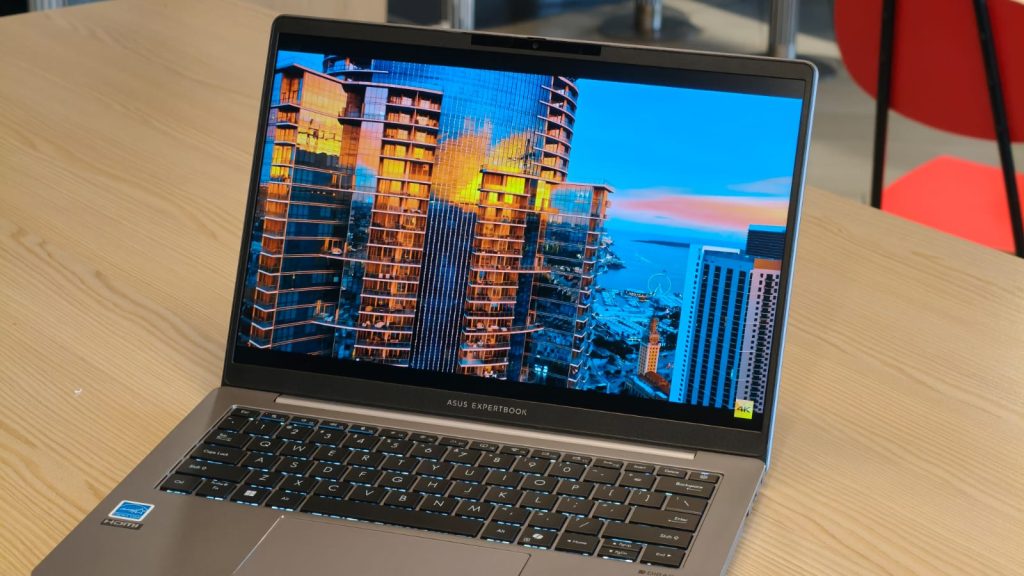
If you’ve been looking to buy a business laptop, ASUS has rolled out a bunch of discounts on its ExpertBook lineup as part of the ongoing Flipkart GOAT Sale. The company is offering deals across 42 ExpertBook models, including the flagship ExpertBook Ultra and the ExpertBook P1, P3, and P5 series. Alongside instant discounts, buyers can also take advantage of exchange offers, cashback, and No Cost EMI options.
ASUS ExpertBook Deals During Flipkart GOAT Sale
The discounts span multiple price segments, making the lineup suitable for everyone from students and startups to enterprise users. ASUS says some models are available at up to 28.5% off, with prices starting at ₹45,990.
The biggest offers are available on the premium ExpertBook Ultra, where buyers can claim bank discounts of up to ₹20,000, exchange bonuses of up to ₹20,000, and up to 24 months of No Cost EMI. ASUS is also bundling its 5+5+5 service package with the laptop for a limited time.
Meanwhile, selected ExpertBook P-series models are available with discounts of up to ₹34,000 during the sale.
ASUS ExpertBook Ultra Is Built for AI Workloads
Sitting at the top of the lineup is the ExpertBook Ultra, ASUS’ flagship business laptop aimed at executives, creators, and professionals who need workstation-level performance without carrying around a bulky machine.
It features the latest Intel Core Ultra processor with built-in Copilot+ AI capabilities, allowing users to accelerate AI-powered workloads, meetings, and productivity tasks. ASUS has paired it with a 3K Tandem OLED display for vibrant colors and sharp visuals, while the lightweight magnesium alloy chassis keeps the laptop portable enough for frequent travel.
The laptop also includes enterprise-grade security, fast charging, long battery life, and ASUS’ premium support package, making it the company’s most feature-packed business notebook.
ExpertBook P Series Covers Every Budget
While the ExpertBook Ultra targets power users, the ExpertBook P series is designed for everyday business computing. The lineup consists of the P1, P3, and P5, giving buyers multiple options depending on their performance needs and budget.
Across the range, ASUS offers the latest Intel Core Ultra processors, multiple display sizes, upgradeable RAM and SSD storage, and AI-powered productivity features. Business users also get enterprise security features, military-grade durability, AI-enhanced video conferencing tools, reliable battery life, international warranty coverage, and on-site service support.
Whether you’re handling spreadsheets, attending video meetings all day, or managing multiple applications simultaneously, the P-series is built to deliver dependable everyday performance while remaining easy to upgrade in the future.
Best ASUS ExpertBook Deals
Some of the best offers currently available during the Flipkart GOAT Sale include:
ASUS ExpertBook Ultra – Starts at ₹2,39,990 and qualifies for additional bank discounts, exchange offers, No Cost EMI, and ASUS’ bundled 5+5+5 service package.
Thousand-Year Blood War. Now, fans are preparing for the beginning of the end with the imminent arrival of The Calamity, its fourth and final season. The Calamity gives the shonen epic the proper farewell fans thought would never come after the original anime ended in 2012, before it reached its climactic final arc.
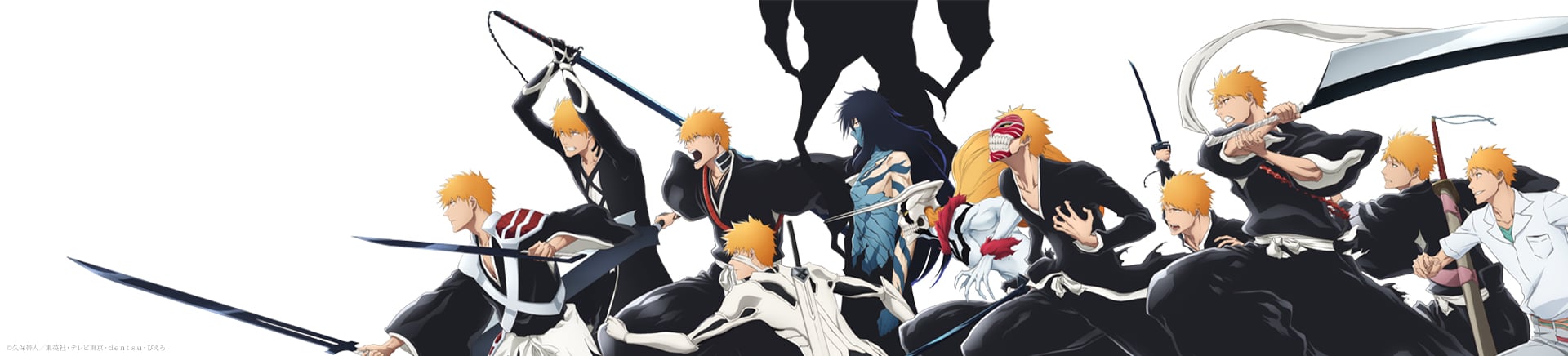
Created by Tite Kubo, Bleach follows Ichigo Kurosaki, a teenager who moonlights as a substitute Soul Reaper, a type of samurai who defends humanity from evil spirits called “Hollows.” He’s sort of a big deal, not only in his own series but in Shonen Jump history, with Bleach being part of Shonen Jump’s “Big Three” alongside Narutoand One Piece, heavy hitters that ran in the magazine concurrently whose impact continues to be felt in the industry today.
Thousand Year Blood War, though polarizing amongst manga readers, sees Ichigo’s tale finally come to an end in an aptly titled all-out war between Soul Reapers and Quincy—the archer yin to Soul Reapers’ sword-wielding yang, with which Ichigo has deep, complicated ties. As far as its anime adaptation is concerned, the show continues to find new ways to exceed expectations with the inclusion of original scenes, cementing its status as one of the greatest shonen anime of all time.
Ahead of the final season’s premiere, io9 spoke with Ichigo Kurosaki’s English and Japanese voice actors, Johnny Yong Bosch and Masakazu Morita, about getting back in the booth for Bleach one last time, as well as a humbling conversation that’s bound to put a moratorium on the eternal subs vs. dubs anime debate in the most wholesome way possible.
Isaiah Colbert, io9: Of all the heroes in shonen anime, especially in the “Big Three,” Ichigo Kurosaki always felt like someone effortlessly cool. For both of you, how has Ichigo differed from other anime roles you’ve played, and what has made him feel special compared with other characters you’ve brought to life?
Johnny Yong Bosch: Ichigo is still very early in my career as far as voicing in anime. Almost immediately, he became a very iconic character in the story and how he wants to protect his friends and his loved ones. And really, most of it is the story, the spiritual aspect of it. For me, it cemented a place pretty early on.
Masakazu Morita: I think he was a really smart character. He’s always thinking ahead of what someone’s gonna do next, and next, even after that. So sometimes when other people hear what he has to say, they don’t know what to do, but it’s because of his insight. So I really try to bring out that smartness around him and chase after thinking like him, and it’s really challenging to follow his thought process.
io9: I’d be remiss not to note that one thing that sets Ichigo far and away from the other members of the “big three” shonen anime is that his theme song, “Number One,” is arguably the greatest piece of anime music of all time. Whenever you hear that theme song kick in, does it give you goosebumps and make you feel like you can walk through a wall? What goes through your mind when his song hits?
Bosch: Yeah, absolutely. It’s funny because when I first heard it, it wasn’t something I would expect. But the more I heard it, I was like, “Oh yeah, this is what it is.” It just took that on for me. So anytime I hear it, it feels like we’re about to get into some action.
Morita: (Laughs) What kind of song did you think it was gonna…?
Bosch: (Laughs) I don’t know. I didn’t expect lyrics, maybe. I was thinking more like a film score or something, which it does have.
Morita: Ah! I’ve had a long history with this song, just like you, Johnny. Ichigo’s theme song, for Bleach fans, you have to have it. In Japan, when we’re recording, usually, there’s no music. But just for Thousand-Year Blood War, the staff has actually put the song in for us when it’s in the series, so it really gets us riled up. The song really brings out a lot of the emotion within me, too.
io9: The Bleach anime is finally finishing its story after so many years, when fans had a looming sense that it wouldn’t follow the Fullbringer arc. What’s more, Pierrot Films is putting its whole foot into its animation to meet the moment with each part as we march toward its series finale. What has that culmination felt like for you, especially after returning to the series after such a long break as Ichigo Kurosaki?
Bosch: (Laughs) That’s a great question. It’s almost like seeing an old friend that you thought had died. It’s like, “Whoa, you’re still alive? Let’s catch up!” Yes, we get to do it. But then to see the animation, it’s just amazing. For me, sometimes, when I record, it’s just three beeps, but sometimes I’m just watching like, “Oh wait, wait, wait. Sorry!” I get caught up in the animation. I always say I need to work, but I just want to watch it.
Morita: What we now say is “the old series,” that was for seven years. So there was a bit of a gap in the anime, but even throughout that time, I was working on the mobile game, so I never really forgot about [Ichigo]. All the other voice actors were doing the same working on the app. So it was really nice that we never got to leave those characters. At the same time, when Thousand-Year Blood War started back up, we saw Ichigo moving in animation form, it gave me goosebumps.
io9: How long has it been since you both last met? What was it like finally meeting each other after voicing the same character for so many years?
Bosch: The very first time we met? I don’t remember the exact year, but I met him in Hawaii. For me, because it’s such an important role in my list of voiceovers—it’s one of the most popular ones—it was a little scary meeting the man who’s carved out this character. It was an honor, but scary.
Morita: (Laughs) When I first met you, I actually thought you were a very powerful person who was just so extroverted, coming out and doing all these things. I didn’t think you were scared!
Bosch: I was acting.
io9: While the subs versus dubs argument will likely outlive all of us, your embodiments of Ichigo as his seiyuu and as his English voice actor are less a point of comparison for anime fans to debate and more one where they have trouble deciding which they love more. What do you appreciate about each other’s portrayal of Ichigo?
Bosch: I love it. I feel like a lot of people don’t understand that he’s setting the stage for me. He makes these choices based on the script that he’s got, and he gets to develop the character. For me, when I walk into the booth, it is the first time I’m seeing it. So once I see it, there’s an excitement for the choices he’s made. It’s almost like rooting for whatever he’s doing because he’s just laid out the playground for me to play in. It’s absolute excitement each time.
Morita: Before we met, I did hear once what you thought of Ichigo and your portrayal of him as a character. I’m not sure you remember. Apparently, you heard me and heard a very passionate character. But you said then that you were trying to give him a little more street hardness in the English portrayal, and that really stuck with me. I was really blown away by the fact that you were not just trying to imitate in another language, but to give him another layer of identity. I really appreciate and was blown away by that.
When I dub a Hollywood movie, I take what I learned from you and try to give it a little bit of my own color to the character. In Japan, there’s not really a culture of doing that, so I really took to heart what you said and learned from that.
Bleach: Thousand-Year Blood War premieres July 25, on Hulu and Disney+.
io9 is on the ground at Anime Expo 2026. We’ll be bringing you updates on all the biggest panels, screenings, and announcements, plus exclusive one-on-one interviews with the people behind some of the best and most popular anime around. You can check out all of io9’s Anime Expo coverage here.
Thousand-Year Blood War. Now, fans are preparing for the beginning of the end with the imminent arrival of The Calamity, its fourth and final season. The Calamity gives the shonen epic the proper farewell fans thought would never come after the original anime ended in 2012, before it reached its climactic final arc.
Created by Tite Kubo, Bleach follows Ichigo Kurosaki, a teenager who moonlights as a substitute Soul Reaper, a type of samurai who defends humanity from evil spirits called “Hollows.” He’s sort of a big deal, not only in his own series but in Shonen Jump history, with Bleach being part of Shonen Jump’s “Big Three” alongside Narutoand One Piece, heavy hitters that ran in the magazine concurrently whose impact continues to be felt in the industry today.
Thousand Year Blood War, though polarizing amongst manga readers, sees Ichigo’s tale finally come to an end in an aptly titled all-out war between Soul Reapers and Quincy—the archer yin to Soul Reapers’ sword-wielding yang, with which Ichigo has deep, complicated ties. As far as its anime adaptation is concerned, the show continues to find new ways to exceed expectations with the inclusion of original scenes, cementing its status as one of the greatest shonen anime of all time.
Ahead of the final season’s premiere, io9 spoke with Ichigo Kurosaki’s English and Japanese voice actors, Johnny Yong Bosch and Masakazu Morita, about getting back in the booth for Bleach one last time, as well as a humbling conversation that’s bound to put a moratorium on the eternal subs vs. dubs anime debate in the most wholesome way possible.
Isaiah Colbert, io9: Of all the heroes in shonen anime, especially in the “Big Three,” Ichigo Kurosaki always felt like someone effortlessly cool. For both of you, how has Ichigo differed from other anime roles you’ve played, and what has made him feel special compared with other characters you’ve brought to life?
Johnny Yong Bosch: Ichigo is still very early in my career as far as voicing in anime. Almost immediately, he became a very iconic character in the story and how he wants to protect his friends and his loved ones. And really, most of it is the story, the spiritual aspect of it. For me, it cemented a place pretty early on.
Masakazu Morita: I think he was a really smart character. He’s always thinking ahead of what someone’s gonna do next, and next, even after that. So sometimes when other people hear what he has to say, they don’t know what to do, but it’s because of his insight. So I really try to bring out that smartness around him and chase after thinking like him, and it’s really challenging to follow his thought process.
io9: I’d be remiss not to note that one thing that sets Ichigo far and away from the other members of the “big three” shonen anime is that his theme song, “Number One,” is arguably the greatest piece of anime music of all time. Whenever you hear that theme song kick in, does it give you goosebumps and make you feel like you can walk through a wall? What goes through your mind when his song hits?
Bosch: Yeah, absolutely. It’s funny because when I first heard it, it wasn’t something I would expect. But the more I heard it, I was like, “Oh yeah, this is what it is.” It just took that on for me. So anytime I hear it, it feels like we’re about to get into some action.
Morita: (Laughs) What kind of song did you think it was gonna…?
Bosch: (Laughs) I don’t know. I didn’t expect lyrics, maybe. I was thinking more like a film score or something, which it does have.
Morita: Ah! I’ve had a long history with this song, just like you, Johnny. Ichigo’s theme song, for Bleach fans, you have to have it. In Japan, when we’re recording, usually, there’s no music. But just for Thousand-Year Blood War, the staff has actually put the song in for us when it’s in the series, so it really gets us riled up. The song really brings out a lot of the emotion within me, too.
io9: The Bleach anime is finally finishing its story after so many years, when fans had a looming sense that it wouldn’t follow the Fullbringer arc. What’s more, Pierrot Films is putting its whole foot into its animation to meet the moment with each part as we march toward its series finale. What has that culmination felt like for you, especially after returning to the series after such a long break as Ichigo Kurosaki?
Bosch: (Laughs) That’s a great question. It’s almost like seeing an old friend that you thought had died. It’s like, “Whoa, you’re still alive? Let’s catch up!” Yes, we get to do it. But then to see the animation, it’s just amazing. For me, sometimes, when I record, it’s just three beeps, but sometimes I’m just watching like, “Oh wait, wait, wait. Sorry!” I get caught up in the animation. I always say I need to work, but I just want to watch it.
Morita: What we now say is “the old series,” that was for seven years. So there was a bit of a gap in the anime, but even throughout that time, I was working on the mobile game, so I never really forgot about [Ichigo]. All the other voice actors were doing the same working on the app. So it was really nice that we never got to leave those characters. At the same time, when Thousand-Year Blood War started back up, we saw Ichigo moving in animation form, it gave me goosebumps.
io9: How long has it been since you both last met? What was it like finally meeting each other after voicing the same character for so many years?
Bosch: The very first time we met? I don’t remember the exact year, but I met him in Hawaii. For me, because it’s such an important role in my list of voiceovers—it’s one of the most popular ones—it was a little scary meeting the man who’s carved out this character. It was an honor, but scary.
Morita: (Laughs) When I first met you, I actually thought you were a very powerful person who was just so extroverted, coming out and doing all these things. I didn’t think you were scared!
Bosch: I was acting.
io9: While the subs versus dubs argument will likely outlive all of us, your embodiments of Ichigo as his seiyuu and as his English voice actor are less a point of comparison for anime fans to debate and more one where they have trouble deciding which they love more. What do you appreciate about each other’s portrayal of Ichigo?
Bosch: I love it. I feel like a lot of people don’t understand that he’s setting the stage for me. He makes these choices based on the script that he’s got, and he gets to develop the character. For me, when I walk into the booth, it is the first time I’m seeing it. So once I see it, there’s an excitement for the choices he’s made. It’s almost like rooting for whatever he’s doing because he’s just laid out the playground for me to play in. It’s absolute excitement each time.
Morita: Before we met, I did hear once what you thought of Ichigo and your portrayal of him as a character. I’m not sure you remember. Apparently, you heard me and heard a very passionate character. But you said then that you were trying to give him a little more street hardness in the English portrayal, and that really stuck with me. I was really blown away by the fact that you were not just trying to imitate in another language, but to give him another layer of identity. I really appreciate and was blown away by that.
When I dub a Hollywood movie, I take what I learned from you and try to give it a little bit of my own color to the character. In Japan, there’s not really a culture of doing that, so I really took to heart what you said and learned from that.
Bleach: Thousand-Year Blood War premieres July 25, on Hulu and Disney+.
io9 is on the ground at Anime Expo 2026. We’ll be bringing you updates on all the biggest panels, screenings, and announcements, plus exclusive one-on-one interviews with the people behind some of the best and most popular anime around. You can check out all of io9’s Anime Expo coverage here.
#Ichigos #Voice #Actors #Ready #Feel #Time #Bleach #ThousandYear #Blood #WarAnime,Anime Expo,bleach,Bleach: Thousand-Year Blood War">Ichigo’s Voice Actors Are Ready to Feel Like ‘#1’ One Last Time in ‘Bleach: Thousand-Year Blood War’
It’s been four years since Bleach fans rejoiced when the anime made its grand return at Anime Expo 2022 with Viz Media and Pierrot Film’s sequel series, Thousand-Year Blood War. Now, fans are preparing for the beginning of the end with the imminent arrival of The Calamity, its fourth and final season. The Calamity gives the shonen epic the proper farewell fans thought would never come after the original anime ended in 2012, before it reached its climactic final arc.
Created by Tite Kubo, Bleach follows Ichigo Kurosaki, a teenager who moonlights as a substitute Soul Reaper, a type of samurai who defends humanity from evil spirits called “Hollows.” He’s sort of a big deal, not only in his own series but in Shonen Jump history, with Bleach being part of Shonen Jump’s “Big Three” alongside Narutoand One Piece, heavy hitters that ran in the magazine concurrently whose impact continues to be felt in the industry today.
Thousand Year Blood War, though polarizing amongst manga readers, sees Ichigo’s tale finally come to an end in an aptly titled all-out war between Soul Reapers and Quincy—the archer yin to Soul Reapers’ sword-wielding yang, with which Ichigo has deep, complicated ties. As far as its anime adaptation is concerned, the show continues to find new ways to exceed expectations with the inclusion of original scenes, cementing its status as one of the greatest shonen anime of all time.
Ahead of the final season’s premiere, io9 spoke with Ichigo Kurosaki’s English and Japanese voice actors, Johnny Yong Bosch and Masakazu Morita, about getting back in the booth for Bleach one last time, as well as a humbling conversation that’s bound to put a moratorium on the eternal subs vs. dubs anime debate in the most wholesome way possible.
Isaiah Colbert, io9: Of all the heroes in shonen anime, especially in the “Big Three,” Ichigo Kurosaki always felt like someone effortlessly cool. For both of you, how has Ichigo differed from other anime roles you’ve played, and what has made him feel special compared with other characters you’ve brought to life?
Johnny Yong Bosch: Ichigo is still very early in my career as far as voicing in anime. Almost immediately, he became a very iconic character in the story and how he wants to protect his friends and his loved ones. And really, most of it is the story, the spiritual aspect of it. For me, it cemented a place pretty early on.
Masakazu Morita: I think he was a really smart character. He’s always thinking ahead of what someone’s gonna do next, and next, even after that. So sometimes when other people hear what he has to say, they don’t know what to do, but it’s because of his insight. So I really try to bring out that smartness around him and chase after thinking like him, and it’s really challenging to follow his thought process.
io9: I’d be remiss not to note that one thing that sets Ichigo far and away from the other members of the “big three” shonen anime is that his theme song, “Number One,” is arguably the greatest piece of anime music of all time. Whenever you hear that theme song kick in, does it give you goosebumps and make you feel like you can walk through a wall? What goes through your mind when his song hits?
Bosch: Yeah, absolutely. It’s funny because when I first heard it, it wasn’t something I would expect. But the more I heard it, I was like, “Oh yeah, this is what it is.” It just took that on for me. So anytime I hear it, it feels like we’re about to get into some action.
Morita: (Laughs) What kind of song did you think it was gonna…?
Bosch: (Laughs) I don’t know. I didn’t expect lyrics, maybe. I was thinking more like a film score or something, which it does have.
Morita: Ah! I’ve had a long history with this song, just like you, Johnny. Ichigo’s theme song, for Bleach fans, you have to have it. In Japan, when we’re recording, usually, there’s no music. But just for Thousand-Year Blood War, the staff has actually put the song in for us when it’s in the series, so it really gets us riled up. The song really brings out a lot of the emotion within me, too.
io9: The Bleach anime is finally finishing its story after so many years, when fans had a looming sense that it wouldn’t follow the Fullbringer arc. What’s more, Pierrot Films is putting its whole foot into its animation to meet the moment with each part as we march toward its series finale. What has that culmination felt like for you, especially after returning to the series after such a long break as Ichigo Kurosaki?
Bosch: (Laughs) That’s a great question. It’s almost like seeing an old friend that you thought had died. It’s like, “Whoa, you’re still alive? Let’s catch up!” Yes, we get to do it. But then to see the animation, it’s just amazing. For me, sometimes, when I record, it’s just three beeps, but sometimes I’m just watching like, “Oh wait, wait, wait. Sorry!” I get caught up in the animation. I always say I need to work, but I just want to watch it.
Morita: What we now say is “the old series,” that was for seven years. So there was a bit of a gap in the anime, but even throughout that time, I was working on the mobile game, so I never really forgot about [Ichigo]. All the other voice actors were doing the same working on the app. So it was really nice that we never got to leave those characters. At the same time, when Thousand-Year Blood War started back up, we saw Ichigo moving in animation form, it gave me goosebumps.
io9: How long has it been since you both last met? What was it like finally meeting each other after voicing the same character for so many years?
Bosch: The very first time we met? I don’t remember the exact year, but I met him in Hawaii. For me, because it’s such an important role in my list of voiceovers—it’s one of the most popular ones—it was a little scary meeting the man who’s carved out this character. It was an honor, but scary.
Morita: (Laughs) When I first met you, I actually thought you were a very powerful person who was just so extroverted, coming out and doing all these things. I didn’t think you were scared!
Bosch: I was acting.
io9: While the subs versus dubs argument will likely outlive all of us, your embodiments of Ichigo as his seiyuu and as his English voice actor are less a point of comparison for anime fans to debate and more one where they have trouble deciding which they love more. What do you appreciate about each other’s portrayal of Ichigo?
Bosch: I love it. I feel like a lot of people don’t understand that he’s setting the stage for me. He makes these choices based on the script that he’s got, and he gets to develop the character. For me, when I walk into the booth, it is the first time I’m seeing it. So once I see it, there’s an excitement for the choices he’s made. It’s almost like rooting for whatever he’s doing because he’s just laid out the playground for me to play in. It’s absolute excitement each time.
Morita: Before we met, I did hear once what you thought of Ichigo and your portrayal of him as a character. I’m not sure you remember. Apparently, you heard me and heard a very passionate character. But you said then that you were trying to give him a little more street hardness in the English portrayal, and that really stuck with me. I was really blown away by the fact that you were not just trying to imitate in another language, but to give him another layer of identity. I really appreciate and was blown away by that.
When I dub a Hollywood movie, I take what I learned from you and try to give it a little bit of my own color to the character. In Japan, there’s not really a culture of doing that, so I really took to heart what you said and learned from that.
Bleach: Thousand-Year Blood War premieres July 25, on Hulu and Disney+.
io9 is on the ground at Anime Expo 2026. We’ll be bringing you updates on all the biggest panels, screenings, and announcements, plus exclusive one-on-one interviews with the people behind some of the best and most popular anime around. You can check out all of io9’s Anime Expo coverage here.



![Ichigo’s Voice Actors Are Ready to Feel Like ‘#1’ One Last Time in ‘Bleach: Thousand-Year Blood War’
It’s been four years since Bleach fans rejoiced when the anime made its grand return at Anime Expo 2022 with Viz Media and Pierrot Film’s sequel series, Thousand-Year Blood War. Now, fans are preparing for the beginning of the end with the imminent arrival of The Calamity, its fourth and final season. The Calamity gives the shonen epic the proper farewell fans thought would never come after the original anime ended in 2012, before it reached its climactic final arc. Created by Tite Kubo, Bleach follows Ichigo Kurosaki, a teenager who moonlights as a substitute Soul Reaper, a type of samurai who defends humanity from evil spirits called “Hollows.” He’s sort of a big deal, not only in his own series but in Shonen Jump history, with Bleach being part of Shonen Jump’s “Big Three” alongside Naruto and One Piece, heavy hitters that ran in the magazine concurrently whose impact continues to be felt in the industry today. Thousand Year Blood War, though polarizing amongst manga readers, sees Ichigo’s tale finally come to an end in an aptly titled all-out war between Soul Reapers and Quincy—the archer yin to Soul Reapers’ sword-wielding yang, with which Ichigo has deep, complicated ties. As far as its anime adaptation is concerned, the show continues to find new ways to exceed expectations with the inclusion of original scenes, cementing its status as one of the greatest shonen anime of all time.
[embed]https://www.youtube.com/watch?v=DLRjhptssns[/embed] Ahead of the final season’s premiere, io9 spoke with Ichigo Kurosaki’s English and Japanese voice actors, Johnny Yong Bosch and Masakazu Morita, about getting back in the booth for Bleach one last time, as well as a humbling conversation that’s bound to put a moratorium on the eternal subs vs. dubs anime debate in the most wholesome way possible.
Left: Johnny Yong Bosch, right: Masakazu Morita © Isaiah Colbert/io9 Isaiah Colbert, io9: Of all the heroes in shonen anime, especially in the “Big Three,” Ichigo Kurosaki always felt like someone effortlessly cool. For both of you, how has Ichigo differed from other anime roles you’ve played, and what has made him feel special compared with other characters you’ve brought to life? Johnny Yong Bosch: Ichigo is still very early in my career as far as voicing in anime. Almost immediately, he became a very iconic character in the story and how he wants to protect his friends and his loved ones. And really, most of it is the story, the spiritual aspect of it. For me, it cemented a place pretty early on.
Masakazu Morita: I think he was a really smart character. He’s always thinking ahead of what someone’s gonna do next, and next, even after that. So sometimes when other people hear what he has to say, they don’t know what to do, but it’s because of his insight. So I really try to bring out that smartness around him and chase after thinking like him, and it’s really challenging to follow his thought process. [embed]https://www.youtube.com/watch?v=mcG93FZupiA[/embed] io9: I’d be remiss not to note that one thing that sets Ichigo far and away from the other members of the “big three” shonen anime is that his theme song, “Number One,” is arguably the greatest piece of anime music of all time. Whenever you hear that theme song kick in, does it give you goosebumps and make you feel like you can walk through a wall? What goes through your mind when his song hits? Bosch: Yeah, absolutely. It’s funny because when I first heard it, it wasn’t something I would expect. But the more I heard it, I was like, “Oh yeah, this is what it is.” It just took that on for me. So anytime I hear it, it feels like we’re about to get into some action.
Morita: (Laughs) What kind of song did you think it was gonna…? Bosch: (Laughs) I don’t know. I didn’t expect lyrics, maybe. I was thinking more like a film score or something, which it does have. Morita: Ah! I’ve had a long history with this song, just like you, Johnny. Ichigo’s theme song, for Bleach fans, you have to have it. In Japan, when we’re recording, usually, there’s no music. But just for Thousand-Year Blood War, the staff has actually put the song in for us when it’s in the series, so it really gets us riled up. The song really brings out a lot of the emotion within me, too.
[embed]https://www.youtube.com/watch?v=dzypzOIG8I4[/embed] io9: The Bleach anime is finally finishing its story after so many years, when fans had a looming sense that it wouldn’t follow the Fullbringer arc. What’s more, Pierrot Films is putting its whole foot into its animation to meet the moment with each part as we march toward its series finale. What has that culmination felt like for you, especially after returning to the series after such a long break as Ichigo Kurosaki? Bosch: (Laughs) That’s a great question. It’s almost like seeing an old friend that you thought had died. It’s like, “Whoa, you’re still alive? Let’s catch up!” Yes, we get to do it. But then to see the animation, it’s just amazing. For me, sometimes, when I record, it’s just three beeps, but sometimes I’m just watching like, “Oh wait, wait, wait. Sorry!” I get caught up in the animation. I always say I need to work, but I just want to watch it. Morita: What we now say is “the old series,” that was for seven years. So there was a bit of a gap in the anime, but even throughout that time, I was working on the mobile game, so I never really forgot about [Ichigo]. All the other voice actors were doing the same working on the app. So it was really nice that we never got to leave those characters. At the same time, when Thousand-Year Blood War started back up, we saw Ichigo moving in animation form, it gave me goosebumps.
[embed]https://www.youtube.com/watch?v=MpHR0OPqCbs[/embed] io9: How long has it been since you both last met? What was it like finally meeting each other after voicing the same character for so many years? Bosch: The very first time we met? I don’t remember the exact year, but I met him in Hawaii. For me, because it’s such an important role in my list of voiceovers—it’s one of the most popular ones—it was a little scary meeting the man who’s carved out this character. It was an honor, but scary. Morita: (Laughs) When I first met you, I actually thought you were a very powerful person who was just so extroverted, coming out and doing all these things. I didn’t think you were scared!
Bosch: I was acting. [embed]https://www.youtube.com/watch?v=wW9TwZdWpjw[/embed] io9: While the subs versus dubs argument will likely outlive all of us, your embodiments of Ichigo as his seiyuu and as his English voice actor are less a point of comparison for anime fans to debate and more one where they have trouble deciding which they love more. What do you appreciate about each other’s portrayal of Ichigo? Bosch: I love it. I feel like a lot of people don’t understand that he’s setting the stage for me. He makes these choices based on the script that he’s got, and he gets to develop the character. For me, when I walk into the booth, it is the first time I’m seeing it. So once I see it, there’s an excitement for the choices he’s made. It’s almost like rooting for whatever he’s doing because he’s just laid out the playground for me to play in. It’s absolute excitement each time.
Morita: Before we met, I did hear once what you thought of Ichigo and your portrayal of him as a character. I’m not sure you remember. Apparently, you heard me and heard a very passionate character. But you said then that you were trying to give him a little more street hardness in the English portrayal, and that really stuck with me. I was really blown away by the fact that you were not just trying to imitate in another language, but to give him another layer of identity. I really appreciate and was blown away by that. When I dub a Hollywood movie, I take what I learned from you and try to give it a little bit of my own color to the character. In Japan, there’s not really a culture of doing that, so I really took to heart what you said and learned from that.
Bosch: Wow, thats very cool to hear. © Pierrot Films Bleach: Thousand-Year Blood War premieres July 25, on Hulu and Disney+. io9 is on the ground at Anime Expo 2026. We’ll be bringing you updates on all the biggest panels, screenings, and announcements, plus exclusive one-on-one interviews with the people behind some of the best and most popular anime around. You can check out all of io9’s Anime Expo coverage here. Want more io9 news? Check out when to expect the latest Marvel, Star Wars, and Star Trek releases, what’s next for the DC Universe on film and TV, and everything you need to know about the future of Doctor Who. #Ichigos #Voice #Actors #Ready #Feel #Time #Bleach #ThousandYear #Blood #WarAnime,Anime Expo,bleach,Bleach: Thousand-Year Blood War](https://gizmodo.com/app/uploads/2026/07/Bleach_-Thousand-Year-Blood-War-Johnny-Yong-Bosch-Masakazu-Morita.jpg "Ichigo’s Voice Actors Are Ready to Feel Like ‘#1’ One Last Time in ‘Bleach: Thousand-Year Blood War’
It’s been four years since Bleach fans rejoiced when the anime made its grand return at Anime Expo 2022 with Viz Media and Pierrot Film’s sequel series, Thousand-Year Blood War. Now, fans are preparing for the beginning of the end with the imminent arrival of The Calamity, its fourth and final season. The Calamity gives the shonen epic the proper farewell fans thought would never come after the original anime ended in 2012, before it reached its climactic final arc. Created by Tite Kubo, Bleach follows Ichigo Kurosaki, a teenager who moonlights as a substitute Soul Reaper, a type of samurai who defends humanity from evil spirits called “Hollows.” He’s sort of a big deal, not only in his own series but in Shonen Jump history, with Bleach being part of Shonen Jump’s “Big Three” alongside Naruto and One Piece, heavy hitters that ran in the magazine concurrently whose impact continues to be felt in the industry today. Thousand Year Blood War, though polarizing amongst manga readers, sees Ichigo’s tale finally come to an end in an aptly titled all-out war between Soul Reapers and Quincy—the archer yin to Soul Reapers’ sword-wielding yang, with which Ichigo has deep, complicated ties. As far as its anime adaptation is concerned, the show continues to find new ways to exceed expectations with the inclusion of original scenes, cementing its status as one of the greatest shonen anime of all time.
[embed]https://www.youtube.com/watch?v=DLRjhptssns[/embed] Ahead of the final season’s premiere, io9 spoke with Ichigo Kurosaki’s English and Japanese voice actors, Johnny Yong Bosch and Masakazu Morita, about getting back in the booth for Bleach one last time, as well as a humbling conversation that’s bound to put a moratorium on the eternal subs vs. dubs anime debate in the most wholesome way possible.
Left: Johnny Yong Bosch, right: Masakazu Morita © Isaiah Colbert/io9 Isaiah Colbert, io9: Of all the heroes in shonen anime, especially in the “Big Three,” Ichigo Kurosaki always felt like someone effortlessly cool. For both of you, how has Ichigo differed from other anime roles you’ve played, and what has made him feel special compared with other characters you’ve brought to life? Johnny Yong Bosch: Ichigo is still very early in my career as far as voicing in anime. Almost immediately, he became a very iconic character in the story and how he wants to protect his friends and his loved ones. And really, most of it is the story, the spiritual aspect of it. For me, it cemented a place pretty early on.
Masakazu Morita: I think he was a really smart character. He’s always thinking ahead of what someone’s gonna do next, and next, even after that. So sometimes when other people hear what he has to say, they don’t know what to do, but it’s because of his insight. So I really try to bring out that smartness around him and chase after thinking like him, and it’s really challenging to follow his thought process. [embed]https://www.youtube.com/watch?v=mcG93FZupiA[/embed] io9: I’d be remiss not to note that one thing that sets Ichigo far and away from the other members of the “big three” shonen anime is that his theme song, “Number One,” is arguably the greatest piece of anime music of all time. Whenever you hear that theme song kick in, does it give you goosebumps and make you feel like you can walk through a wall? What goes through your mind when his song hits? Bosch: Yeah, absolutely. It’s funny because when I first heard it, it wasn’t something I would expect. But the more I heard it, I was like, “Oh yeah, this is what it is.” It just took that on for me. So anytime I hear it, it feels like we’re about to get into some action.
Morita: (Laughs) What kind of song did you think it was gonna…? Bosch: (Laughs) I don’t know. I didn’t expect lyrics, maybe. I was thinking more like a film score or something, which it does have. Morita: Ah! I’ve had a long history with this song, just like you, Johnny. Ichigo’s theme song, for Bleach fans, you have to have it. In Japan, when we’re recording, usually, there’s no music. But just for Thousand-Year Blood War, the staff has actually put the song in for us when it’s in the series, so it really gets us riled up. The song really brings out a lot of the emotion within me, too.
[embed]https://www.youtube.com/watch?v=dzypzOIG8I4[/embed] io9: The Bleach anime is finally finishing its story after so many years, when fans had a looming sense that it wouldn’t follow the Fullbringer arc. What’s more, Pierrot Films is putting its whole foot into its animation to meet the moment with each part as we march toward its series finale. What has that culmination felt like for you, especially after returning to the series after such a long break as Ichigo Kurosaki? Bosch: (Laughs) That’s a great question. It’s almost like seeing an old friend that you thought had died. It’s like, “Whoa, you’re still alive? Let’s catch up!” Yes, we get to do it. But then to see the animation, it’s just amazing. For me, sometimes, when I record, it’s just three beeps, but sometimes I’m just watching like, “Oh wait, wait, wait. Sorry!” I get caught up in the animation. I always say I need to work, but I just want to watch it. Morita: What we now say is “the old series,” that was for seven years. So there was a bit of a gap in the anime, but even throughout that time, I was working on the mobile game, so I never really forgot about [Ichigo]. All the other voice actors were doing the same working on the app. So it was really nice that we never got to leave those characters. At the same time, when Thousand-Year Blood War started back up, we saw Ichigo moving in animation form, it gave me goosebumps.
[embed]https://www.youtube.com/watch?v=MpHR0OPqCbs[/embed] io9: How long has it been since you both last met? What was it like finally meeting each other after voicing the same character for so many years? Bosch: The very first time we met? I don’t remember the exact year, but I met him in Hawaii. For me, because it’s such an important role in my list of voiceovers—it’s one of the most popular ones—it was a little scary meeting the man who’s carved out this character. It was an honor, but scary. Morita: (Laughs) When I first met you, I actually thought you were a very powerful person who was just so extroverted, coming out and doing all these things. I didn’t think you were scared!
Bosch: I was acting. [embed]https://www.youtube.com/watch?v=wW9TwZdWpjw[/embed] io9: While the subs versus dubs argument will likely outlive all of us, your embodiments of Ichigo as his seiyuu and as his English voice actor are less a point of comparison for anime fans to debate and more one where they have trouble deciding which they love more. What do you appreciate about each other’s portrayal of Ichigo? Bosch: I love it. I feel like a lot of people don’t understand that he’s setting the stage for me. He makes these choices based on the script that he’s got, and he gets to develop the character. For me, when I walk into the booth, it is the first time I’m seeing it. So once I see it, there’s an excitement for the choices he’s made. It’s almost like rooting for whatever he’s doing because he’s just laid out the playground for me to play in. It’s absolute excitement each time.
Morita: Before we met, I did hear once what you thought of Ichigo and your portrayal of him as a character. I’m not sure you remember. Apparently, you heard me and heard a very passionate character. But you said then that you were trying to give him a little more street hardness in the English portrayal, and that really stuck with me. I was really blown away by the fact that you were not just trying to imitate in another language, but to give him another layer of identity. I really appreciate and was blown away by that. When I dub a Hollywood movie, I take what I learned from you and try to give it a little bit of my own color to the character. In Japan, there’s not really a culture of doing that, so I really took to heart what you said and learned from that.
Bosch: Wow, thats very cool to hear. © Pierrot Films Bleach: Thousand-Year Blood War premieres July 25, on Hulu and Disney+. io9 is on the ground at Anime Expo 2026. We’ll be bringing you updates on all the biggest panels, screenings, and announcements, plus exclusive one-on-one interviews with the people behind some of the best and most popular anime around. You can check out all of io9’s Anime Expo coverage here. Want more io9 news? Check out when to expect the latest Marvel, Star Wars, and Star Trek releases, what’s next for the DC Universe on film and TV, and everything you need to know about the future of Doctor Who. #Ichigos #Voice #Actors #Ready #Feel #Time #Bleach #ThousandYear #Blood #WarAnime,Anime Expo,bleach,Bleach: Thousand-Year Blood War")
![Ichigo’s Voice Actors Are Ready to Feel Like ‘#1’ One Last Time in ‘Bleach: Thousand-Year Blood War’
It’s been four years since Bleach fans rejoiced when the anime made its grand return at Anime Expo 2022 with Viz Media and Pierrot Film’s sequel series, Thousand-Year Blood War. Now, fans are preparing for the beginning of the end with the imminent arrival of The Calamity, its fourth and final season. The Calamity gives the shonen epic the proper farewell fans thought would never come after the original anime ended in 2012, before it reached its climactic final arc. Created by Tite Kubo, Bleach follows Ichigo Kurosaki, a teenager who moonlights as a substitute Soul Reaper, a type of samurai who defends humanity from evil spirits called “Hollows.” He’s sort of a big deal, not only in his own series but in Shonen Jump history, with Bleach being part of Shonen Jump’s “Big Three” alongside Naruto and One Piece, heavy hitters that ran in the magazine concurrently whose impact continues to be felt in the industry today. Thousand Year Blood War, though polarizing amongst manga readers, sees Ichigo’s tale finally come to an end in an aptly titled all-out war between Soul Reapers and Quincy—the archer yin to Soul Reapers’ sword-wielding yang, with which Ichigo has deep, complicated ties. As far as its anime adaptation is concerned, the show continues to find new ways to exceed expectations with the inclusion of original scenes, cementing its status as one of the greatest shonen anime of all time.
[embed]https://www.youtube.com/watch?v=DLRjhptssns[/embed] Ahead of the final season’s premiere, io9 spoke with Ichigo Kurosaki’s English and Japanese voice actors, Johnny Yong Bosch and Masakazu Morita, about getting back in the booth for Bleach one last time, as well as a humbling conversation that’s bound to put a moratorium on the eternal subs vs. dubs anime debate in the most wholesome way possible.
Left: Johnny Yong Bosch, right: Masakazu Morita © Isaiah Colbert/io9 Isaiah Colbert, io9: Of all the heroes in shonen anime, especially in the “Big Three,” Ichigo Kurosaki always felt like someone effortlessly cool. For both of you, how has Ichigo differed from other anime roles you’ve played, and what has made him feel special compared with other characters you’ve brought to life? Johnny Yong Bosch: Ichigo is still very early in my career as far as voicing in anime. Almost immediately, he became a very iconic character in the story and how he wants to protect his friends and his loved ones. And really, most of it is the story, the spiritual aspect of it. For me, it cemented a place pretty early on.
Masakazu Morita: I think he was a really smart character. He’s always thinking ahead of what someone’s gonna do next, and next, even after that. So sometimes when other people hear what he has to say, they don’t know what to do, but it’s because of his insight. So I really try to bring out that smartness around him and chase after thinking like him, and it’s really challenging to follow his thought process. [embed]https://www.youtube.com/watch?v=mcG93FZupiA[/embed] io9: I’d be remiss not to note that one thing that sets Ichigo far and away from the other members of the “big three” shonen anime is that his theme song, “Number One,” is arguably the greatest piece of anime music of all time. Whenever you hear that theme song kick in, does it give you goosebumps and make you feel like you can walk through a wall? What goes through your mind when his song hits? Bosch: Yeah, absolutely. It’s funny because when I first heard it, it wasn’t something I would expect. But the more I heard it, I was like, “Oh yeah, this is what it is.” It just took that on for me. So anytime I hear it, it feels like we’re about to get into some action.
Morita: (Laughs) What kind of song did you think it was gonna…? Bosch: (Laughs) I don’t know. I didn’t expect lyrics, maybe. I was thinking more like a film score or something, which it does have. Morita: Ah! I’ve had a long history with this song, just like you, Johnny. Ichigo’s theme song, for Bleach fans, you have to have it. In Japan, when we’re recording, usually, there’s no music. But just for Thousand-Year Blood War, the staff has actually put the song in for us when it’s in the series, so it really gets us riled up. The song really brings out a lot of the emotion within me, too.
[embed]https://www.youtube.com/watch?v=dzypzOIG8I4[/embed] io9: The Bleach anime is finally finishing its story after so many years, when fans had a looming sense that it wouldn’t follow the Fullbringer arc. What’s more, Pierrot Films is putting its whole foot into its animation to meet the moment with each part as we march toward its series finale. What has that culmination felt like for you, especially after returning to the series after such a long break as Ichigo Kurosaki? Bosch: (Laughs) That’s a great question. It’s almost like seeing an old friend that you thought had died. It’s like, “Whoa, you’re still alive? Let’s catch up!” Yes, we get to do it. But then to see the animation, it’s just amazing. For me, sometimes, when I record, it’s just three beeps, but sometimes I’m just watching like, “Oh wait, wait, wait. Sorry!” I get caught up in the animation. I always say I need to work, but I just want to watch it. Morita: What we now say is “the old series,” that was for seven years. So there was a bit of a gap in the anime, but even throughout that time, I was working on the mobile game, so I never really forgot about [Ichigo]. All the other voice actors were doing the same working on the app. So it was really nice that we never got to leave those characters. At the same time, when Thousand-Year Blood War started back up, we saw Ichigo moving in animation form, it gave me goosebumps.
[embed]https://www.youtube.com/watch?v=MpHR0OPqCbs[/embed] io9: How long has it been since you both last met? What was it like finally meeting each other after voicing the same character for so many years? Bosch: The very first time we met? I don’t remember the exact year, but I met him in Hawaii. For me, because it’s such an important role in my list of voiceovers—it’s one of the most popular ones—it was a little scary meeting the man who’s carved out this character. It was an honor, but scary. Morita: (Laughs) When I first met you, I actually thought you were a very powerful person who was just so extroverted, coming out and doing all these things. I didn’t think you were scared!
Bosch: I was acting. [embed]https://www.youtube.com/watch?v=wW9TwZdWpjw[/embed] io9: While the subs versus dubs argument will likely outlive all of us, your embodiments of Ichigo as his seiyuu and as his English voice actor are less a point of comparison for anime fans to debate and more one where they have trouble deciding which they love more. What do you appreciate about each other’s portrayal of Ichigo? Bosch: I love it. I feel like a lot of people don’t understand that he’s setting the stage for me. He makes these choices based on the script that he’s got, and he gets to develop the character. For me, when I walk into the booth, it is the first time I’m seeing it. So once I see it, there’s an excitement for the choices he’s made. It’s almost like rooting for whatever he’s doing because he’s just laid out the playground for me to play in. It’s absolute excitement each time.
Morita: Before we met, I did hear once what you thought of Ichigo and your portrayal of him as a character. I’m not sure you remember. Apparently, you heard me and heard a very passionate character. But you said then that you were trying to give him a little more street hardness in the English portrayal, and that really stuck with me. I was really blown away by the fact that you were not just trying to imitate in another language, but to give him another layer of identity. I really appreciate and was blown away by that. When I dub a Hollywood movie, I take what I learned from you and try to give it a little bit of my own color to the character. In Japan, there’s not really a culture of doing that, so I really took to heart what you said and learned from that.
Bosch: Wow, thats very cool to hear. © Pierrot Films Bleach: Thousand-Year Blood War premieres July 25, on Hulu and Disney+. io9 is on the ground at Anime Expo 2026. We’ll be bringing you updates on all the biggest panels, screenings, and announcements, plus exclusive one-on-one interviews with the people behind some of the best and most popular anime around. You can check out all of io9’s Anime Expo coverage here. Want more io9 news? Check out when to expect the latest Marvel, Star Wars, and Star Trek releases, what’s next for the DC Universe on film and TV, and everything you need to know about the future of Doctor Who. #Ichigos #Voice #Actors #Ready #Feel #Time #Bleach #ThousandYear #Blood #WarAnime,Anime Expo,bleach,Bleach: Thousand-Year Blood War](https://i1.wp.com/gizmodo.com/app/uploads/2026/07/Bleach_-Thousand-Year-Blood-War-Johnny-Yong-Bosch-Masakazu-Morita.jpg?ssl=1 "Ichigo’s Voice Actors Are Ready to Feel Like ‘#1’ One Last Time in ‘Bleach: Thousand-Year Blood War’
It’s been four years since Bleach fans rejoiced when the anime made its grand return at Anime Expo 2022 with Viz Media and Pierrot Film’s sequel series, Thousand-Year Blood War. Now, fans are preparing for the beginning of the end with the imminent arrival of The Calamity, its fourth and final season. The Calamity gives the shonen epic the proper farewell fans thought would never come after the original anime ended in 2012, before it reached its climactic final arc. Created by Tite Kubo, Bleach follows Ichigo Kurosaki, a teenager who moonlights as a substitute Soul Reaper, a type of samurai who defends humanity from evil spirits called “Hollows.” He’s sort of a big deal, not only in his own series but in Shonen Jump history, with Bleach being part of Shonen Jump’s “Big Three” alongside Naruto and One Piece, heavy hitters that ran in the magazine concurrently whose impact continues to be felt in the industry today. Thousand Year Blood War, though polarizing amongst manga readers, sees Ichigo’s tale finally come to an end in an aptly titled all-out war between Soul Reapers and Quincy—the archer yin to Soul Reapers’ sword-wielding yang, with which Ichigo has deep, complicated ties. As far as its anime adaptation is concerned, the show continues to find new ways to exceed expectations with the inclusion of original scenes, cementing its status as one of the greatest shonen anime of all time.
[embed]https://www.youtube.com/watch?v=DLRjhptssns[/embed] Ahead of the final season’s premiere, io9 spoke with Ichigo Kurosaki’s English and Japanese voice actors, Johnny Yong Bosch and Masakazu Morita, about getting back in the booth for Bleach one last time, as well as a humbling conversation that’s bound to put a moratorium on the eternal subs vs. dubs anime debate in the most wholesome way possible.
Left: Johnny Yong Bosch, right: Masakazu Morita © Isaiah Colbert/io9 Isaiah Colbert, io9: Of all the heroes in shonen anime, especially in the “Big Three,” Ichigo Kurosaki always felt like someone effortlessly cool. For both of you, how has Ichigo differed from other anime roles you’ve played, and what has made him feel special compared with other characters you’ve brought to life? Johnny Yong Bosch: Ichigo is still very early in my career as far as voicing in anime. Almost immediately, he became a very iconic character in the story and how he wants to protect his friends and his loved ones. And really, most of it is the story, the spiritual aspect of it. For me, it cemented a place pretty early on.
Masakazu Morita: I think he was a really smart character. He’s always thinking ahead of what someone’s gonna do next, and next, even after that. So sometimes when other people hear what he has to say, they don’t know what to do, but it’s because of his insight. So I really try to bring out that smartness around him and chase after thinking like him, and it’s really challenging to follow his thought process. [embed]https://www.youtube.com/watch?v=mcG93FZupiA[/embed] io9: I’d be remiss not to note that one thing that sets Ichigo far and away from the other members of the “big three” shonen anime is that his theme song, “Number One,” is arguably the greatest piece of anime music of all time. Whenever you hear that theme song kick in, does it give you goosebumps and make you feel like you can walk through a wall? What goes through your mind when his song hits? Bosch: Yeah, absolutely. It’s funny because when I first heard it, it wasn’t something I would expect. But the more I heard it, I was like, “Oh yeah, this is what it is.” It just took that on for me. So anytime I hear it, it feels like we’re about to get into some action.
Morita: (Laughs) What kind of song did you think it was gonna…? Bosch: (Laughs) I don’t know. I didn’t expect lyrics, maybe. I was thinking more like a film score or something, which it does have. Morita: Ah! I’ve had a long history with this song, just like you, Johnny. Ichigo’s theme song, for Bleach fans, you have to have it. In Japan, when we’re recording, usually, there’s no music. But just for Thousand-Year Blood War, the staff has actually put the song in for us when it’s in the series, so it really gets us riled up. The song really brings out a lot of the emotion within me, too.
[embed]https://www.youtube.com/watch?v=dzypzOIG8I4[/embed] io9: The Bleach anime is finally finishing its story after so many years, when fans had a looming sense that it wouldn’t follow the Fullbringer arc. What’s more, Pierrot Films is putting its whole foot into its animation to meet the moment with each part as we march toward its series finale. What has that culmination felt like for you, especially after returning to the series after such a long break as Ichigo Kurosaki? Bosch: (Laughs) That’s a great question. It’s almost like seeing an old friend that you thought had died. It’s like, “Whoa, you’re still alive? Let’s catch up!” Yes, we get to do it. But then to see the animation, it’s just amazing. For me, sometimes, when I record, it’s just three beeps, but sometimes I’m just watching like, “Oh wait, wait, wait. Sorry!” I get caught up in the animation. I always say I need to work, but I just want to watch it. Morita: What we now say is “the old series,” that was for seven years. So there was a bit of a gap in the anime, but even throughout that time, I was working on the mobile game, so I never really forgot about [Ichigo]. All the other voice actors were doing the same working on the app. So it was really nice that we never got to leave those characters. At the same time, when Thousand-Year Blood War started back up, we saw Ichigo moving in animation form, it gave me goosebumps.
[embed]https://www.youtube.com/watch?v=MpHR0OPqCbs[/embed] io9: How long has it been since you both last met? What was it like finally meeting each other after voicing the same character for so many years? Bosch: The very first time we met? I don’t remember the exact year, but I met him in Hawaii. For me, because it’s such an important role in my list of voiceovers—it’s one of the most popular ones—it was a little scary meeting the man who’s carved out this character. It was an honor, but scary. Morita: (Laughs) When I first met you, I actually thought you were a very powerful person who was just so extroverted, coming out and doing all these things. I didn’t think you were scared!
Bosch: I was acting. [embed]https://www.youtube.com/watch?v=wW9TwZdWpjw[/embed] io9: While the subs versus dubs argument will likely outlive all of us, your embodiments of Ichigo as his seiyuu and as his English voice actor are less a point of comparison for anime fans to debate and more one where they have trouble deciding which they love more. What do you appreciate about each other’s portrayal of Ichigo? Bosch: I love it. I feel like a lot of people don’t understand that he’s setting the stage for me. He makes these choices based on the script that he’s got, and he gets to develop the character. For me, when I walk into the booth, it is the first time I’m seeing it. So once I see it, there’s an excitement for the choices he’s made. It’s almost like rooting for whatever he’s doing because he’s just laid out the playground for me to play in. It’s absolute excitement each time.
Morita: Before we met, I did hear once what you thought of Ichigo and your portrayal of him as a character. I’m not sure you remember. Apparently, you heard me and heard a very passionate character. But you said then that you were trying to give him a little more street hardness in the English portrayal, and that really stuck with me. I was really blown away by the fact that you were not just trying to imitate in another language, but to give him another layer of identity. I really appreciate and was blown away by that. When I dub a Hollywood movie, I take what I learned from you and try to give it a little bit of my own color to the character. In Japan, there’s not really a culture of doing that, so I really took to heart what you said and learned from that.
Bosch: Wow, thats very cool to hear. © Pierrot Films Bleach: Thousand-Year Blood War premieres July 25, on Hulu and Disney+. io9 is on the ground at Anime Expo 2026. We’ll be bringing you updates on all the biggest panels, screenings, and announcements, plus exclusive one-on-one interviews with the people behind some of the best and most popular anime around. You can check out all of io9’s Anime Expo coverage here. Want more io9 news? Check out when to expect the latest Marvel, Star Wars, and Star Trek releases, what’s next for the DC Universe on film and TV, and everything you need to know about the future of Doctor Who. #Ichigos #Voice #Actors #Ready #Feel #Time #Bleach #ThousandYear #Blood #WarAnime,Anime Expo,bleach,Bleach: Thousand-Year Blood War")
Post Comment