×
WWDC 2025: What to expect from this year’s conference

WWDC 2025: What to expect from this year’s conference

WWDC 2025, Apple’s annual developers conference, starts at 10 a.m. PT / 1 p.m. ET. Monday. Last year’s event was notable for its focus on AI, and this year, there is considerable pressure on the company to build on its promises, and to change the narrative after months of largely negative headlines.

As in previous years, the company will focus on software updates and new technologies, including the next version of iOS, which is rumored to have the most significant design changes since the introduction of iOS 7. But iOS 19 (or 26, if other rumors about the new naming system are true) isn’t the only thing the company will announce at WWDC 2025.

Here’s how you can watch the keynote livestream.

iOS is getting the most dramatic design change in over a decade

When Apple introduced a major overhaul to iOS back in 2013 with the launch of iOS 7, it felt jarring for many users with the shift from the prior skeuomorphic design with gradients and real-world textures to the more colorful, but flat, design style that reflected Apple’s then chief design officer Jony Ive’s taste for minimalism.

Now, new reports suggest that an upcoming redesign could provoke a similar level of reaction.

Reports suggest the new design may have elements referencing visionOS, the software powering Apple’s spatial computing headset, the Apple Vision Pro. If true, that means the new OS could feature a transparent interface and more circular app icons that break away from the traditional square format today.

This visual redesign could be implemented across all of Apple’s ecosystem (including even CarPlay), according to Bloomberg, providing a more seamless experience for consumers moving between their different devices.

iOS will change its naming system

According to Bloomberg, Apple will announce a change in the naming system for iOS at this year’s WWDC. Instead of announcing the next version of iOS as iOS 19, Apple’s operating systems will shift to being named by year. That means we could be set to see the launch of iOS 26 instead, alongside the OSes for other products, including adOS 26, macOS 26, watchOS 26, tvOS 26, and visionOS 26.

Apple may keep the AI news light this year

While it might be challenging to top the news related to Apple Intelligence at WWDC 2024, the company is expected to share a few updates on the AI front.

The company has seemingly been caught flat-footed in the AI race, making announcements about AI capabilities that had yet to ship, leading even some Apple pundits to accuse the company of touting vaporware. While Apple has launched several AI tools like Image Playground, Genmoji, Writing Tools, Photos Clean Up, and more, its promise of an improved Siri, personalized to the end user and able to take action across your apps, has been delayed.

Meanwhile, Apple has turned to outside companies like OpenAI to give its iPhone a boost in terms of its AI capabilities. At WWDC, it may announce support for other AI chatbots, as well. With Jony Ive now working with Sam Altman on an AI hardware device, Apple is under pressure to catch up on AI progress.

Image Credits:Nikolas Kokovlis/NurPhoto / Getty Images

In addition, reports suggest that Apple’s Health app could soon incorporate AI technology, which could include a health chatbot and generative AI insights that provide personalized health-related suggestions based on user data. Additionally, other apps, such as Messages, may receive enhancements with AI capabilities, including a translation feature and polls that offer AI-generated suggestions, per 9to5Mac.

Apple will likely make the most of a number of smaller OS updates that involve AI, given its underwhelming progress. Reports suggest that these updates could include AI-powered battery management features and an AI-powered Shortcuts app, for instance.

iPhone users may get a dedicated gaming app

Bloomberg confirmed a 9to5Mac report that said Apple is developing a dedicated gaming app that will replace the aging Game Center app. The app could include access to Apple Arcade’s subscription-based game store, plus other gaming features like leaderboards, recommendations, and ways to challenge your friends. It could also integrate with iMessage or FaceTime for remote gaming.

Apple Arcade video game subscription service signage is displayed on an iPhone
Image Credits:Gabby Jones/Bloomberg / Getty Images

Updates to Mac, Watch, TV, and more

Along with the new design, reports suggest that Apple’s other operating systems will get some polish, too. For instance, macOS may also see the new gaming app and benefit from the new AirPods features. It’s also expected to be named macOS Tahoe, in keeping with Apple’s naming convention that references California landmarks.

Apple TV may get a visual overhaul, but also changes to its user interface, the new gaming app, and other features.

AirPods to get new features

In addition to Messages getting a translation feature, Bloomberg reported that Apple could also bring a live-translate language feature to its AirPods wireless Bluetooth earbuds, allowing real-time translation during conversations. The iPhone will translate spoken words from another language for the user and will also translate the user’s response back into that language.

A new report from 9to5Mac also suggests that AirPods may get new head gestures to complement today’s ability to either nod or shake your head to respond to incoming calls or messages. Plus, AirPods may get features to auto-pause music after you fall asleep, a way to trigger the camera via Camera Control with a touch, a studio-quality mic mode, and an improved pairing experience in shared AirPods.

AirPods Pro 2 with USB-C
Image Credits:Darrell Etherington

Apple Pencil upgrade

According to reports, the Apple Pencil is also receiving a new update, one that will benefit users who wish to write in Arabic script. In an effort to cater to customers in UAE, Saudi Arabia, and India, Apple is reportedly launching a new virtual calligraphy feature in iPadOS 19. The company may also introduce a bi-directional keyboard so users can switch between Arabic and English on iPhones and iPads.

No hardware announcements?

There haven’t been any rumors regarding new devices, because no hardware is ready for release yet, according to Bloomberg. Although it’s always possible that the company will surprise us with a new Mac Pro announcement, most reports are saying this is highly unlikely at this point.

Some reports indicate that Apple may also announce support for a new input device for its Vision Pro: spatial controllers. The devices would be motion-aware and designed with interaction in a 3D environment in mind, 9to5Mac says. In addition, Vision Pro could get eye-scrolling support, enabling users to scroll through documents on both native and third-party apps.

Bloomberg had reported in November that Apple was expected to announce a smart home tablet in March 2025, featuring a 6-inch touchscreen and voice-activated controls. The device was said to include support for Home Control, Siri, and video calls, but has yet to launch. Following the discovery of a filing for “HomeOS” by PMC’s Parker Ortolani, speculation has arisen that Apple may unveil the software for the device at WWDC.

Source link
#WWDC #expect #years #conference
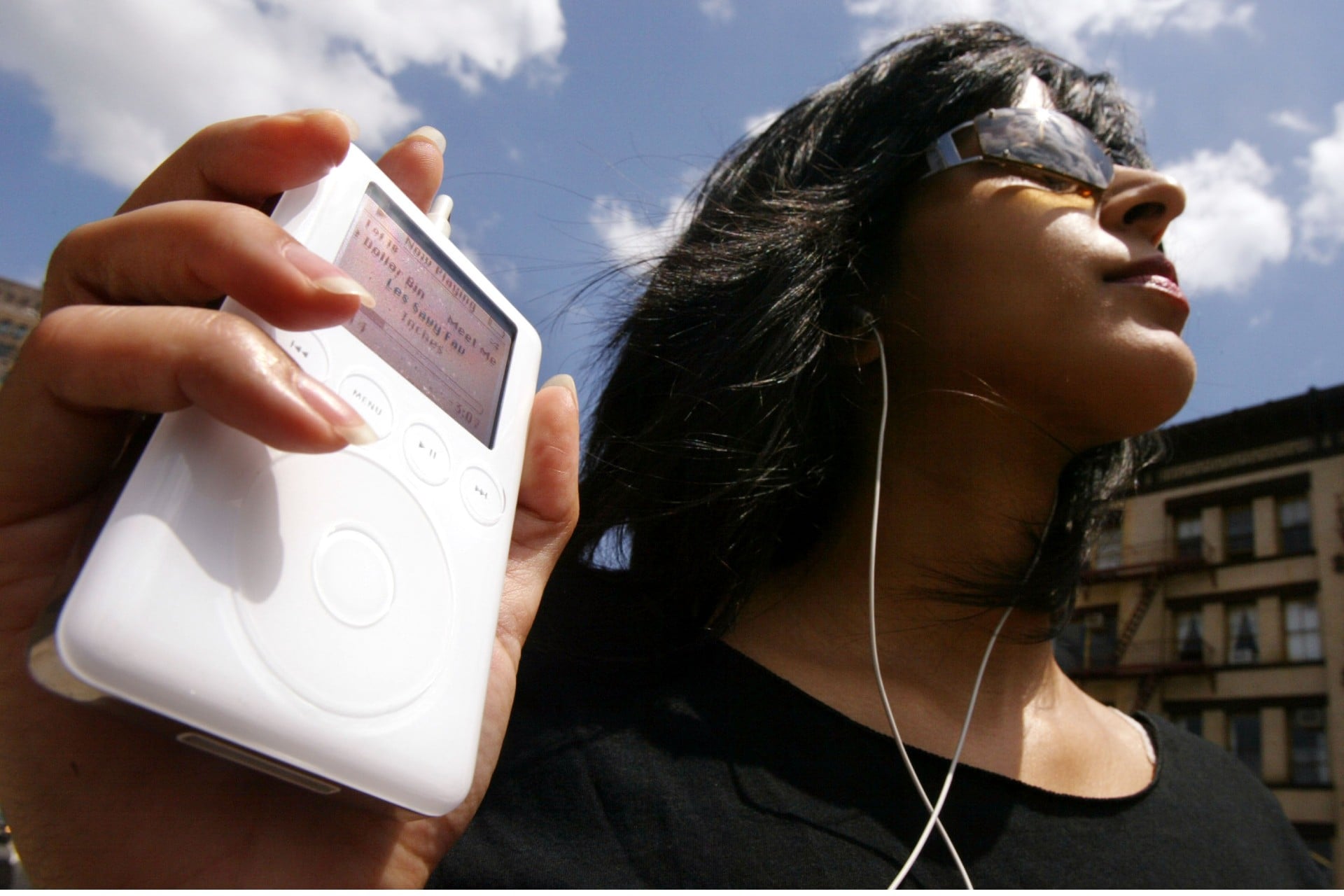
wired earbuds enjoying all of the shine. A yearning for wired audio is bringing its good friend along for the ride: the king of all things MP3. The one, the only, the iPod.

That’s right, the iPod is f*cking back. Not in an official sense, of course—it was discontinued officially in 2022—but it’s back in a very unofficial capacity. By nostalgia’s standards, the iPod is relevant once more, and you’ve probably got your phone (or the icky apps in it) to thank for that.

Okay, but how “back” is it?

The iPod is pretty back, to be honest. As the AP notes, secondhand sites like eBay are basically loaded with listings for used iPods, and on a more empirical level, Back Market, which also sells used and refurbished electronics, tells the AP that used iPod sales jumped 48% since 2024.

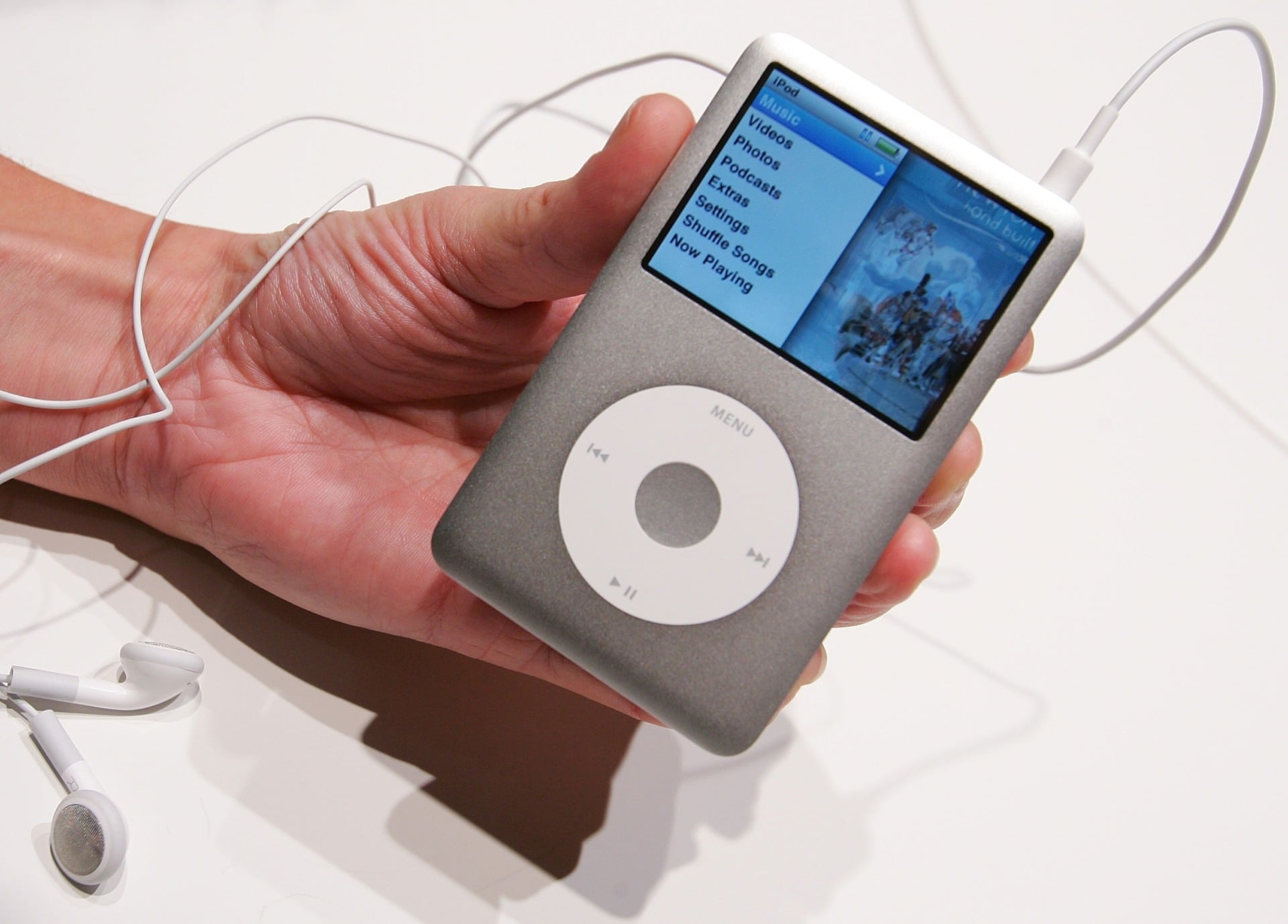
Anecdotally, I’ve been seeing the iPod everywhere, not just in a literal sense, but in a spiritual one. As I’ve written about before, digital audio players (DAPs) are seemingly a real category again, and new DAPs come in all shapes and sizes. There are DAPs shaped like cassette players, big utilitarian rectangles, and tiny little MP3-playing hunks of plastic. None of them has the iPod’s iconic click wheel, of course, but the spirit that the iPod helped popularize is still there. It’s a dedicated device that carries your music and almost nothing more.

The World Is Basically Begging for Another iPod
                Audio nostalgia is a thing right now, and it’s not just wired earbuds enjoying all of the shine. A yearning for wired audio is bringing its good friend along for the ride: the king of all things MP3. The one, the only, the iPod. That’s right, the iPod is f*cking back. Not in an official sense, of course—it was discontinued officially in 2022—but it’s back in a very unofficial capacity. By nostalgia’s standards, the iPod is relevant once more, and you’ve probably got your phone (or the icky apps in it) to thank for that.

 Okay, but how “back” is it? The iPod is pretty back, to be honest. As the AP notes, secondhand sites like eBay are basically loaded with listings for used iPods, and on a more empirical level, Back Market, which also sells used and refurbished electronics, tells the AP that used iPod sales jumped 48% since 2024. Anecdotally, I’ve been seeing the iPod everywhere, not just in a literal sense, but in a spiritual one. As I’ve written about before, digital audio players (DAPs) are seemingly a real category again, and new DAPs come in all shapes and sizes. There are DAPs shaped like cassette players, big utilitarian rectangles, and tiny little MP3-playing hunks of plastic. None of them has the iPod’s iconic click wheel, of course, but the spirit that the iPod helped popularize is still there. It’s a dedicated device that carries your music and almost nothing more. © Mario Tama / Getty Images On a more iPod-specific note, there are also people trying to replicate the iPod experience on your phone, like this guy building an iPod maker. Or how about people marrying AirPods Max with an iPod—wires and all. It’s even inspiring new products, like this upcoming AI gadget from two ex-Apple employees who tell Wired that the iPod Shuffle was a big inspiration design-wise. Those are all just window dressing, though, compared to the loads of people who actually bother to refurbish iPods, whether for personal use, resale, or because they’re nostalgic about the days when you could walk around listening to music without your phone delivering stress-inducing emails.

 None of this interest in iPods is brand new, by any means—people have been modding iPods or selling them secondhand for a while now, but it feels as though it’s reached a tipping point. It’s hard to pinpoint why exactly iPods feel more relevant than ever, but nostalgia doesn’t quite cover it.

 There’s also the Spotify of it all. Remember owning stuff? There’s no denying that nostalgia is a driving force in the iPod’s renewed relevance. Gen Z in particular has zeroed in on the early-2000s for inspiration, whether in fashion or tech, and there’s not a more iconic gadget from the early aughts than the iPod. According to Anshel Sag, a tech analyst for Moor Insights & Strategy, renewed interest in the iPod has been a long time coming. For one, Sag says there’s a resurgence in interest in wired earbuds, specifically EarPods, Apple’s wired earbuds that predate AirPods. Not only are they cheap, but they also deliver much higher fidelity than lots of wireless earbuds you can buy, even in the midrange.

 Then there’s the comeback of formats like vinyl and CDs, which have helped to create more interest in the idea of owning music as opposed to just borrowing it through a streaming service. Owning things! Remember that? It’s that last part, streaming, that feels particularly potent, though. As convenient as streaming music is, people have felt the slow creep of subscriptions on their wallets, and Spotify is a part of that. In January, Spotify raised its prices once again, this time reaching  a month. For context, in 2023, subscription fees rose from .99 to .99, and again in 2024 from .99 to .99. Apple Music is more affordable, but not by much at  per month.

 It’s been a slow turn of the dial, but coupled with the weight of other streaming services, the burden is palpable. And how does one deal with that burden? By opting out, of course. © Cate Gillon / Staff “I think people are evaluating all their streaming services, whether it’s music or TV or movies…because the price has ballooned,” Sag told Gizmodo. “Every time a service goes up in price, they become hyperaware of all the streaming services they’re paying for, and that includes music.

 Sag also says that the younger generation is also more aware of how artists make money and how much of a cut they get from streaming services. “They might not want to actually pay for the streaming service because they don’t think the artists are getting what they deserve and might otherwise just pay for the music directly from the artist and put it on their iPod, or whatever their choice of music player is.” As others have covered, it’s impossible to discount the ripple effects from the backlash against phones when it comes to nostalgic gadgets like iPods. There’s a yearning for phone-free experiences, and iPods deliver that. Sag notes that there’s also independence with gadgets like iPods or CDs and vinyl that appeals to those (particularly Gen Z) who feel bereft of things to hold onto. “There’s a demand for something that isn’t tied to a streaming connection that always sounds good, no matter where you are—and you’re in control of the experience,” Sag says. “And that’s why I think stuff like iPods is having a bit of a comeback.”

 Mostly, it’s what Sag calls “a perfect storm.” There’s no one answer to why iPods are back, and whether our love of them ever left is debatable, but somehow they do feel magnetic again. We’ll probably not live to see the day when new iPods exist, getting churned out of Foxconn like the next iPhone, but that’s for the best. They’d probably just have Apple Music on them anyway.      #World #Basically #Begging #iPodApple,audio,iPod
© Mario Tama / Getty Images

On a more iPod-specific note, there are also people trying to replicate the iPod experience on your phone, like this guy building an iPod maker. Or how about people marrying AirPods Max with an iPod—wires and all. It’s even inspiring new products, like this upcoming AI gadget from two ex-Apple employees who tell Wired that the iPod Shuffle was a big inspiration design-wise. Those are all just window dressing, though, compared to the loads of people who actually bother to refurbish iPods, whether for personal use, resale, or because they’re nostalgic about the days when you could walk around listening to music without your phone delivering stress-inducing emails.

None of this interest in iPods is brand new, by any means—people have been modding iPods or selling them secondhand for a while now, but it feels as though it’s reached a tipping point. It’s hard to pinpoint why exactly iPods feel more relevant than ever, but nostalgia doesn’t quite cover it.

There’s also the Spotify of it all.

Remember owning stuff?

There’s no denying that nostalgia is a driving force in the iPod’s renewed relevance. Gen Z in particular has zeroed in on the early-2000s for inspiration, whether in fashion or tech, and there’s not a more iconic gadget from the early aughts than the iPod.

According to Anshel Sag, a tech analyst for Moor Insights & Strategy, renewed interest in the iPod has been a long time coming. For one, Sag says there’s a resurgence in interest in wired earbuds, specifically EarPods, Apple’s wired earbuds that predate AirPods. Not only are they cheap, but they also deliver much higher fidelity than lots of wireless earbuds you can buy, even in the midrange.

Then there’s the comeback of formats like vinyl and CDs, which have helped to create more interest in the idea of owning music as opposed to just borrowing it through a streaming service. Owning things! Remember that?

It’s that last part, streaming, that feels particularly potent, though. As convenient as streaming music is, people have felt the slow creep of subscriptions on their wallets, and Spotify is a part of that. In January, Spotify raised its prices once again, this time reaching $13 a month. For context, in 2023, subscription fees rose from $9.99 to $10.99, and again in 2024 from $10.99 to $11.99. Apple Music is more affordable, but not by much at $11 per month.

It’s been a slow turn of the dial, but coupled with the weight of other streaming services, the burden is palpable. And how does one deal with that burden? By opting out, of course.

New Ipod Launch
© Cate Gillon / Staff

“I think people are evaluating all their streaming services, whether it’s music or TV or movies…because the price has ballooned,” Sag told Gizmodo. “Every time a service goes up in price, they become hyperaware of all the streaming services they’re paying for, and that includes music.

Sag also says that the younger generation is also more aware of how artists make money and how much of a cut they get from streaming services. “They might not want to actually pay for the streaming service because they don’t think the artists are getting what they deserve and might otherwise just pay for the music directly from the artist and put it on their iPod, or whatever their choice of music player is.”

As others have covered, it’s impossible to discount the ripple effects from the backlash against phones when it comes to nostalgic gadgets like iPods. There’s a yearning for phone-free experiences, and iPods deliver that. Sag notes that there’s also independence with gadgets like iPods or CDs and vinyl that appeals to those (particularly Gen Z) who feel bereft of things to hold onto.

“There’s a demand for something that isn’t tied to a streaming connection that always sounds good, no matter where you are—and you’re in control of the experience,” Sag says. “And that’s why I think stuff like iPods is having a bit of a comeback.”

Mostly, it’s what Sag calls “a perfect storm.” There’s no one answer to why iPods are back, and whether our love of them ever left is debatable, but somehow they do feel magnetic again. We’ll probably not live to see the day when new iPods exist, getting churned out of Foxconn like the next iPhone, but that’s for the best. They’d probably just have Apple Music on them anyway.

#World #Basically #Begging #iPodApple,audio,iPod">The World Is Basically Begging for Another iPod
                Audio nostalgia is a thing right now, and it’s not just wired earbuds enjoying all of the shine. A yearning for wired audio is bringing its good friend along for the ride: the king of all things MP3. The one, the only, the iPod. That’s right, the iPod is f*cking back. Not in an official sense, of course—it was discontinued officially in 2022—but it’s back in a very unofficial capacity. By nostalgia’s standards, the iPod is relevant once more, and you’ve probably got your phone (or the icky apps in it) to thank for that.

 Okay, but how “back” is it? The iPod is pretty back, to be honest. As the AP notes, secondhand sites like eBay are basically loaded with listings for used iPods, and on a more empirical level, Back Market, which also sells used and refurbished electronics, tells the AP that used iPod sales jumped 48% since 2024. Anecdotally, I’ve been seeing the iPod everywhere, not just in a literal sense, but in a spiritual one. As I’ve written about before, digital audio players (DAPs) are seemingly a real category again, and new DAPs come in all shapes and sizes. There are DAPs shaped like cassette players, big utilitarian rectangles, and tiny little MP3-playing hunks of plastic. None of them has the iPod’s iconic click wheel, of course, but the spirit that the iPod helped popularize is still there. It’s a dedicated device that carries your music and almost nothing more. © Mario Tama / Getty Images On a more iPod-specific note, there are also people trying to replicate the iPod experience on your phone, like this guy building an iPod maker. Or how about people marrying AirPods Max with an iPod—wires and all. It’s even inspiring new products, like this upcoming AI gadget from two ex-Apple employees who tell Wired that the iPod Shuffle was a big inspiration design-wise. Those are all just window dressing, though, compared to the loads of people who actually bother to refurbish iPods, whether for personal use, resale, or because they’re nostalgic about the days when you could walk around listening to music without your phone delivering stress-inducing emails.

 None of this interest in iPods is brand new, by any means—people have been modding iPods or selling them secondhand for a while now, but it feels as though it’s reached a tipping point. It’s hard to pinpoint why exactly iPods feel more relevant than ever, but nostalgia doesn’t quite cover it.

 There’s also the Spotify of it all. Remember owning stuff? There’s no denying that nostalgia is a driving force in the iPod’s renewed relevance. Gen Z in particular has zeroed in on the early-2000s for inspiration, whether in fashion or tech, and there’s not a more iconic gadget from the early aughts than the iPod. According to Anshel Sag, a tech analyst for Moor Insights & Strategy, renewed interest in the iPod has been a long time coming. For one, Sag says there’s a resurgence in interest in wired earbuds, specifically EarPods, Apple’s wired earbuds that predate AirPods. Not only are they cheap, but they also deliver much higher fidelity than lots of wireless earbuds you can buy, even in the midrange.

 Then there’s the comeback of formats like vinyl and CDs, which have helped to create more interest in the idea of owning music as opposed to just borrowing it through a streaming service. Owning things! Remember that? It’s that last part, streaming, that feels particularly potent, though. As convenient as streaming music is, people have felt the slow creep of subscriptions on their wallets, and Spotify is a part of that. In January, Spotify raised its prices once again, this time reaching  a month. For context, in 2023, subscription fees rose from .99 to .99, and again in 2024 from .99 to .99. Apple Music is more affordable, but not by much at  per month.

 It’s been a slow turn of the dial, but coupled with the weight of other streaming services, the burden is palpable. And how does one deal with that burden? By opting out, of course. © Cate Gillon / Staff “I think people are evaluating all their streaming services, whether it’s music or TV or movies…because the price has ballooned,” Sag told Gizmodo. “Every time a service goes up in price, they become hyperaware of all the streaming services they’re paying for, and that includes music.

 Sag also says that the younger generation is also more aware of how artists make money and how much of a cut they get from streaming services. “They might not want to actually pay for the streaming service because they don’t think the artists are getting what they deserve and might otherwise just pay for the music directly from the artist and put it on their iPod, or whatever their choice of music player is.” As others have covered, it’s impossible to discount the ripple effects from the backlash against phones when it comes to nostalgic gadgets like iPods. There’s a yearning for phone-free experiences, and iPods deliver that. Sag notes that there’s also independence with gadgets like iPods or CDs and vinyl that appeals to those (particularly Gen Z) who feel bereft of things to hold onto. “There’s a demand for something that isn’t tied to a streaming connection that always sounds good, no matter where you are—and you’re in control of the experience,” Sag says. “And that’s why I think stuff like iPods is having a bit of a comeback.”

 Mostly, it’s what Sag calls “a perfect storm.” There’s no one answer to why iPods are back, and whether our love of them ever left is debatable, but somehow they do feel magnetic again. We’ll probably not live to see the day when new iPods exist, getting churned out of Foxconn like the next iPhone, but that’s for the best. They’d probably just have Apple Music on them anyway.      #World #Basically #Begging #iPodApple,audio,iPod

enjoying all of the shine. A yearning for wired audio is bringing its good friend along for the ride: the king of all things MP3. The one, the only, the iPod.

That’s right, the iPod is f*cking back. Not in an official sense, of course—it was discontinued officially in 2022—but it’s back in a very unofficial capacity. By nostalgia’s standards, the iPod is relevant once more, and you’ve probably got your phone (or the icky apps in it) to thank for that.

Okay, but how “back” is it?

The iPod is pretty back, to be honest. As the AP notes, secondhand sites like eBay are basically loaded with listings for used iPods, and on a more empirical level, Back Market, which also sells used and refurbished electronics, tells the AP that used iPod sales jumped 48% since 2024.

Anecdotally, I’ve been seeing the iPod everywhere, not just in a literal sense, but in a spiritual one. As I’ve written about before, digital audio players (DAPs) are seemingly a real category again, and new DAPs come in all shapes and sizes. There are DAPs shaped like cassette players, big utilitarian rectangles, and tiny little MP3-playing hunks of plastic. None of them has the iPod’s iconic click wheel, of course, but the spirit that the iPod helped popularize is still there. It’s a dedicated device that carries your music and almost nothing more.

The World Is Basically Begging for Another iPod
                Audio nostalgia is a thing right now, and it’s not just wired earbuds enjoying all of the shine. A yearning for wired audio is bringing its good friend along for the ride: the king of all things MP3. The one, the only, the iPod. That’s right, the iPod is f*cking back. Not in an official sense, of course—it was discontinued officially in 2022—but it’s back in a very unofficial capacity. By nostalgia’s standards, the iPod is relevant once more, and you’ve probably got your phone (or the icky apps in it) to thank for that.

 Okay, but how “back” is it? The iPod is pretty back, to be honest. As the AP notes, secondhand sites like eBay are basically loaded with listings for used iPods, and on a more empirical level, Back Market, which also sells used and refurbished electronics, tells the AP that used iPod sales jumped 48% since 2024. Anecdotally, I’ve been seeing the iPod everywhere, not just in a literal sense, but in a spiritual one. As I’ve written about before, digital audio players (DAPs) are seemingly a real category again, and new DAPs come in all shapes and sizes. There are DAPs shaped like cassette players, big utilitarian rectangles, and tiny little MP3-playing hunks of plastic. None of them has the iPod’s iconic click wheel, of course, but the spirit that the iPod helped popularize is still there. It’s a dedicated device that carries your music and almost nothing more. © Mario Tama / Getty Images On a more iPod-specific note, there are also people trying to replicate the iPod experience on your phone, like this guy building an iPod maker. Or how about people marrying AirPods Max with an iPod—wires and all. It’s even inspiring new products, like this upcoming AI gadget from two ex-Apple employees who tell Wired that the iPod Shuffle was a big inspiration design-wise. Those are all just window dressing, though, compared to the loads of people who actually bother to refurbish iPods, whether for personal use, resale, or because they’re nostalgic about the days when you could walk around listening to music without your phone delivering stress-inducing emails.

 None of this interest in iPods is brand new, by any means—people have been modding iPods or selling them secondhand for a while now, but it feels as though it’s reached a tipping point. It’s hard to pinpoint why exactly iPods feel more relevant than ever, but nostalgia doesn’t quite cover it.

 There’s also the Spotify of it all. Remember owning stuff? There’s no denying that nostalgia is a driving force in the iPod’s renewed relevance. Gen Z in particular has zeroed in on the early-2000s for inspiration, whether in fashion or tech, and there’s not a more iconic gadget from the early aughts than the iPod. According to Anshel Sag, a tech analyst for Moor Insights & Strategy, renewed interest in the iPod has been a long time coming. For one, Sag says there’s a resurgence in interest in wired earbuds, specifically EarPods, Apple’s wired earbuds that predate AirPods. Not only are they cheap, but they also deliver much higher fidelity than lots of wireless earbuds you can buy, even in the midrange.

 Then there’s the comeback of formats like vinyl and CDs, which have helped to create more interest in the idea of owning music as opposed to just borrowing it through a streaming service. Owning things! Remember that? It’s that last part, streaming, that feels particularly potent, though. As convenient as streaming music is, people have felt the slow creep of subscriptions on their wallets, and Spotify is a part of that. In January, Spotify raised its prices once again, this time reaching  a month. For context, in 2023, subscription fees rose from .99 to .99, and again in 2024 from .99 to .99. Apple Music is more affordable, but not by much at  per month.

 It’s been a slow turn of the dial, but coupled with the weight of other streaming services, the burden is palpable. And how does one deal with that burden? By opting out, of course. © Cate Gillon / Staff “I think people are evaluating all their streaming services, whether it’s music or TV or movies…because the price has ballooned,” Sag told Gizmodo. “Every time a service goes up in price, they become hyperaware of all the streaming services they’re paying for, and that includes music.

 Sag also says that the younger generation is also more aware of how artists make money and how much of a cut they get from streaming services. “They might not want to actually pay for the streaming service because they don’t think the artists are getting what they deserve and might otherwise just pay for the music directly from the artist and put it on their iPod, or whatever their choice of music player is.” As others have covered, it’s impossible to discount the ripple effects from the backlash against phones when it comes to nostalgic gadgets like iPods. There’s a yearning for phone-free experiences, and iPods deliver that. Sag notes that there’s also independence with gadgets like iPods or CDs and vinyl that appeals to those (particularly Gen Z) who feel bereft of things to hold onto. “There’s a demand for something that isn’t tied to a streaming connection that always sounds good, no matter where you are—and you’re in control of the experience,” Sag says. “And that’s why I think stuff like iPods is having a bit of a comeback.”

 Mostly, it’s what Sag calls “a perfect storm.” There’s no one answer to why iPods are back, and whether our love of them ever left is debatable, but somehow they do feel magnetic again. We’ll probably not live to see the day when new iPods exist, getting churned out of Foxconn like the next iPhone, but that’s for the best. They’d probably just have Apple Music on them anyway.      #World #Basically #Begging #iPodApple,audio,iPod
© Mario Tama / Getty Images

On a more iPod-specific note, there are also people trying to replicate the iPod experience on your phone, like this guy building an iPod maker. Or how about people marrying AirPods Max with an iPod—wires and all. It’s even inspiring new products, like this upcoming AI gadget from two ex-Apple employees who tell Wired that the iPod Shuffle was a big inspiration design-wise. Those are all just window dressing, though, compared to the loads of people who actually bother to refurbish iPods, whether for personal use, resale, or because they’re nostalgic about the days when you could walk around listening to music without your phone delivering stress-inducing emails.

None of this interest in iPods is brand new, by any means—people have been modding iPods or selling them secondhand for a while now, but it feels as though it’s reached a tipping point. It’s hard to pinpoint why exactly iPods feel more relevant than ever, but nostalgia doesn’t quite cover it.

There’s also the Spotify of it all.

Remember owning stuff?

There’s no denying that nostalgia is a driving force in the iPod’s renewed relevance. Gen Z in particular has zeroed in on the early-2000s for inspiration, whether in fashion or tech, and there’s not a more iconic gadget from the early aughts than the iPod.

According to Anshel Sag, a tech analyst for Moor Insights & Strategy, renewed interest in the iPod has been a long time coming. For one, Sag says there’s a resurgence in interest in wired earbuds, specifically EarPods, Apple’s wired earbuds that predate AirPods. Not only are they cheap, but they also deliver much higher fidelity than lots of wireless earbuds you can buy, even in the midrange.

Then there’s the comeback of formats like vinyl and CDs, which have helped to create more interest in the idea of owning music as opposed to just borrowing it through a streaming service. Owning things! Remember that?

It’s that last part, streaming, that feels particularly potent, though. As convenient as streaming music is, people have felt the slow creep of subscriptions on their wallets, and Spotify is a part of that. In January, Spotify raised its prices once again, this time reaching $13 a month. For context, in 2023, subscription fees rose from $9.99 to $10.99, and again in 2024 from $10.99 to $11.99. Apple Music is more affordable, but not by much at $11 per month.

It’s been a slow turn of the dial, but coupled with the weight of other streaming services, the burden is palpable. And how does one deal with that burden? By opting out, of course.

New Ipod Launch
© Cate Gillon / Staff

“I think people are evaluating all their streaming services, whether it’s music or TV or movies…because the price has ballooned,” Sag told Gizmodo. “Every time a service goes up in price, they become hyperaware of all the streaming services they’re paying for, and that includes music.

Sag also says that the younger generation is also more aware of how artists make money and how much of a cut they get from streaming services. “They might not want to actually pay for the streaming service because they don’t think the artists are getting what they deserve and might otherwise just pay for the music directly from the artist and put it on their iPod, or whatever their choice of music player is.”

As others have covered, it’s impossible to discount the ripple effects from the backlash against phones when it comes to nostalgic gadgets like iPods. There’s a yearning for phone-free experiences, and iPods deliver that. Sag notes that there’s also independence with gadgets like iPods or CDs and vinyl that appeals to those (particularly Gen Z) who feel bereft of things to hold onto.

“There’s a demand for something that isn’t tied to a streaming connection that always sounds good, no matter where you are—and you’re in control of the experience,” Sag says. “And that’s why I think stuff like iPods is having a bit of a comeback.”

Mostly, it’s what Sag calls “a perfect storm.” There’s no one answer to why iPods are back, and whether our love of them ever left is debatable, but somehow they do feel magnetic again. We’ll probably not live to see the day when new iPods exist, getting churned out of Foxconn like the next iPhone, but that’s for the best. They’d probably just have Apple Music on them anyway.

#World #Basically #Begging #iPodApple,audio,iPod">The World Is Basically Begging for Another iPod

Audio nostalgia is a thing right now, and it’s not just wired earbuds enjoying all of the shine. A yearning for wired audio is bringing its good friend along for the ride: the king of all things MP3. The one, the only, the iPod.

That’s right, the iPod is f*cking back. Not in an official sense, of course—it was discontinued officially in 2022—but it’s back in a very unofficial capacity. By nostalgia’s standards, the iPod is relevant once more, and you’ve probably got your phone (or the icky apps in it) to thank for that.

Okay, but how “back” is it?

The iPod is pretty back, to be honest. As the AP notes, secondhand sites like eBay are basically loaded with listings for used iPods, and on a more empirical level, Back Market, which also sells used and refurbished electronics, tells the AP that used iPod sales jumped 48% since 2024.

Anecdotally, I’ve been seeing the iPod everywhere, not just in a literal sense, but in a spiritual one. As I’ve written about before, digital audio players (DAPs) are seemingly a real category again, and new DAPs come in all shapes and sizes. There are DAPs shaped like cassette players, big utilitarian rectangles, and tiny little MP3-playing hunks of plastic. None of them has the iPod’s iconic click wheel, of course, but the spirit that the iPod helped popularize is still there. It’s a dedicated device that carries your music and almost nothing more.

The World Is Basically Begging for Another iPod
                Audio nostalgia is a thing right now, and it’s not just wired earbuds enjoying all of the shine. A yearning for wired audio is bringing its good friend along for the ride: the king of all things MP3. The one, the only, the iPod. That’s right, the iPod is f*cking back. Not in an official sense, of course—it was discontinued officially in 2022—but it’s back in a very unofficial capacity. By nostalgia’s standards, the iPod is relevant once more, and you’ve probably got your phone (or the icky apps in it) to thank for that.

 Okay, but how “back” is it? The iPod is pretty back, to be honest. As the AP notes, secondhand sites like eBay are basically loaded with listings for used iPods, and on a more empirical level, Back Market, which also sells used and refurbished electronics, tells the AP that used iPod sales jumped 48% since 2024. Anecdotally, I’ve been seeing the iPod everywhere, not just in a literal sense, but in a spiritual one. As I’ve written about before, digital audio players (DAPs) are seemingly a real category again, and new DAPs come in all shapes and sizes. There are DAPs shaped like cassette players, big utilitarian rectangles, and tiny little MP3-playing hunks of plastic. None of them has the iPod’s iconic click wheel, of course, but the spirit that the iPod helped popularize is still there. It’s a dedicated device that carries your music and almost nothing more. © Mario Tama / Getty Images On a more iPod-specific note, there are also people trying to replicate the iPod experience on your phone, like this guy building an iPod maker. Or how about people marrying AirPods Max with an iPod—wires and all. It’s even inspiring new products, like this upcoming AI gadget from two ex-Apple employees who tell Wired that the iPod Shuffle was a big inspiration design-wise. Those are all just window dressing, though, compared to the loads of people who actually bother to refurbish iPods, whether for personal use, resale, or because they’re nostalgic about the days when you could walk around listening to music without your phone delivering stress-inducing emails.

 None of this interest in iPods is brand new, by any means—people have been modding iPods or selling them secondhand for a while now, but it feels as though it’s reached a tipping point. It’s hard to pinpoint why exactly iPods feel more relevant than ever, but nostalgia doesn’t quite cover it.

 There’s also the Spotify of it all. Remember owning stuff? There’s no denying that nostalgia is a driving force in the iPod’s renewed relevance. Gen Z in particular has zeroed in on the early-2000s for inspiration, whether in fashion or tech, and there’s not a more iconic gadget from the early aughts than the iPod. According to Anshel Sag, a tech analyst for Moor Insights & Strategy, renewed interest in the iPod has been a long time coming. For one, Sag says there’s a resurgence in interest in wired earbuds, specifically EarPods, Apple’s wired earbuds that predate AirPods. Not only are they cheap, but they also deliver much higher fidelity than lots of wireless earbuds you can buy, even in the midrange.

 Then there’s the comeback of formats like vinyl and CDs, which have helped to create more interest in the idea of owning music as opposed to just borrowing it through a streaming service. Owning things! Remember that? It’s that last part, streaming, that feels particularly potent, though. As convenient as streaming music is, people have felt the slow creep of subscriptions on their wallets, and Spotify is a part of that. In January, Spotify raised its prices once again, this time reaching  a month. For context, in 2023, subscription fees rose from .99 to .99, and again in 2024 from .99 to .99. Apple Music is more affordable, but not by much at  per month.

 It’s been a slow turn of the dial, but coupled with the weight of other streaming services, the burden is palpable. And how does one deal with that burden? By opting out, of course. © Cate Gillon / Staff “I think people are evaluating all their streaming services, whether it’s music or TV or movies…because the price has ballooned,” Sag told Gizmodo. “Every time a service goes up in price, they become hyperaware of all the streaming services they’re paying for, and that includes music.

 Sag also says that the younger generation is also more aware of how artists make money and how much of a cut they get from streaming services. “They might not want to actually pay for the streaming service because they don’t think the artists are getting what they deserve and might otherwise just pay for the music directly from the artist and put it on their iPod, or whatever their choice of music player is.” As others have covered, it’s impossible to discount the ripple effects from the backlash against phones when it comes to nostalgic gadgets like iPods. There’s a yearning for phone-free experiences, and iPods deliver that. Sag notes that there’s also independence with gadgets like iPods or CDs and vinyl that appeals to those (particularly Gen Z) who feel bereft of things to hold onto. “There’s a demand for something that isn’t tied to a streaming connection that always sounds good, no matter where you are—and you’re in control of the experience,” Sag says. “And that’s why I think stuff like iPods is having a bit of a comeback.”

 Mostly, it’s what Sag calls “a perfect storm.” There’s no one answer to why iPods are back, and whether our love of them ever left is debatable, but somehow they do feel magnetic again. We’ll probably not live to see the day when new iPods exist, getting churned out of Foxconn like the next iPhone, but that’s for the best. They’d probably just have Apple Music on them anyway.      #World #Basically #Begging #iPodApple,audio,iPod
© Mario Tama / Getty Images

On a more iPod-specific note, there are also people trying to replicate the iPod experience on your phone, like this guy building an iPod maker. Or how about people marrying AirPods Max with an iPod—wires and all. It’s even inspiring new products, like this upcoming AI gadget from two ex-Apple employees who tell Wired that the iPod Shuffle was a big inspiration design-wise. Those are all just window dressing, though, compared to the loads of people who actually bother to refurbish iPods, whether for personal use, resale, or because they’re nostalgic about the days when you could walk around listening to music without your phone delivering stress-inducing emails.

None of this interest in iPods is brand new, by any means—people have been modding iPods or selling them secondhand for a while now, but it feels as though it’s reached a tipping point. It’s hard to pinpoint why exactly iPods feel more relevant than ever, but nostalgia doesn’t quite cover it.

There’s also the Spotify of it all.

Remember owning stuff?

There’s no denying that nostalgia is a driving force in the iPod’s renewed relevance. Gen Z in particular has zeroed in on the early-2000s for inspiration, whether in fashion or tech, and there’s not a more iconic gadget from the early aughts than the iPod.

According to Anshel Sag, a tech analyst for Moor Insights & Strategy, renewed interest in the iPod has been a long time coming. For one, Sag says there’s a resurgence in interest in wired earbuds, specifically EarPods, Apple’s wired earbuds that predate AirPods. Not only are they cheap, but they also deliver much higher fidelity than lots of wireless earbuds you can buy, even in the midrange.

Then there’s the comeback of formats like vinyl and CDs, which have helped to create more interest in the idea of owning music as opposed to just borrowing it through a streaming service. Owning things! Remember that?

It’s that last part, streaming, that feels particularly potent, though. As convenient as streaming music is, people have felt the slow creep of subscriptions on their wallets, and Spotify is a part of that. In January, Spotify raised its prices once again, this time reaching $13 a month. For context, in 2023, subscription fees rose from $9.99 to $10.99, and again in 2024 from $10.99 to $11.99. Apple Music is more affordable, but not by much at $11 per month.

It’s been a slow turn of the dial, but coupled with the weight of other streaming services, the burden is palpable. And how does one deal with that burden? By opting out, of course.

New Ipod Launch
© Cate Gillon / Staff

“I think people are evaluating all their streaming services, whether it’s music or TV or movies…because the price has ballooned,” Sag told Gizmodo. “Every time a service goes up in price, they become hyperaware of all the streaming services they’re paying for, and that includes music.

Sag also says that the younger generation is also more aware of how artists make money and how much of a cut they get from streaming services. “They might not want to actually pay for the streaming service because they don’t think the artists are getting what they deserve and might otherwise just pay for the music directly from the artist and put it on their iPod, or whatever their choice of music player is.”

As others have covered, it’s impossible to discount the ripple effects from the backlash against phones when it comes to nostalgic gadgets like iPods. There’s a yearning for phone-free experiences, and iPods deliver that. Sag notes that there’s also independence with gadgets like iPods or CDs and vinyl that appeals to those (particularly Gen Z) who feel bereft of things to hold onto.

“There’s a demand for something that isn’t tied to a streaming connection that always sounds good, no matter where you are—and you’re in control of the experience,” Sag says. “And that’s why I think stuff like iPods is having a bit of a comeback.”

Mostly, it’s what Sag calls “a perfect storm.” There’s no one answer to why iPods are back, and whether our love of them ever left is debatable, but somehow they do feel magnetic again. We’ll probably not live to see the day when new iPods exist, getting churned out of Foxconn like the next iPhone, but that’s for the best. They’d probably just have Apple Music on them anyway.

#World #Basically #Begging #iPodApple,audio,iPod
A lot of these travel mugs tend to take the form of a sippy cup. But when sitting at home, my ideal pick is the Fellow Carter, which sips like a normal drinking vessel and is stainless steel—not plastic. It’s ceramic-lined on its interior to avoid coffee-oil buildup or any hint of metallic tang. If you like sippy cups, Fellow also offers a nice 3-in-1 lid system ($57) with straw and slider lids.

What I tend to do is drop a four-cup batch of coffee into the Carter, and screw the lid off and on when I take a sip. Sixteen ounces of coffee can stay warm for hours without introducing a lot of oxidation or heat. The coffee in a thermal-insulated drinking container tends to taste better, longer, than any coffee that’s been subjected to the heat and air of a coffee warmer.

This said, while the Carter is prettier than most travel mugs, it’s never going to be my favorite mug (which, for the record, is a Grinderman tour mug from 2010.) The Carter also doesn’t release aromatics quite as well as a more open-topped mug. I could, technically, keep coffee warm in the Carter and then pour it into another mug I am more sentimental about. But in practice, I don’t. I just drink out of the Carter. It’s still a good morning.

Other Coffee Mug Warmers We Recommend

Ember Mug 2 for $150: Oh, the Ember. It is likely the most sophisticated and technologically advanced of self-warming mugs. It has an app. It’ll light up a little LED or even notify your phone when your coffee is ready to drink. Honestly, one can go back and forth on its virtues and excesses. It’ll “wake up” when you pour coffee in. It’ll go to sleep when you’re not around. And unlike other picks here, it’s a true self-heating mug with a battery, and it can travel with you on your dog walk. But after using the Ember for years, WIRED reviewer Simon Hill turned instead to the Ohom Ui 3. Why? In part, it’s that the Ember only works with a proprietary mug that’s not dishwasher-safe or dunk-proof. Replacement mugs and heating elements are expensive. But mostly it was a yen for simplicity: Not everything needs an app, and thermal mugs are now good enough that I sort of prefer them while on the go. Still, the Ember mug has had fervent fans at WIRED, it’s a nifty device, and its makers are continually working to improve it. Arguably, the people at Ember are thinking harder about coffee warming than anyone alive, and I’ll always happily test the next and the next version to see what’s up their sleeve.

Bestinnkits Mug Warmer for $26: This utilitarian little mug warmer turns on when you have a mug atop it, and turns off when you don’t. The scale is its only “smart” feature. No Alexa, no Siri, no app. This is a nice feature, and great for safety. This said, it does mean the warmer doesn’t start warming till your cup’s atop it, vs a warmer like the Cosori or Mr. Coffee that can preheat before your cup is there and thus keep temp immediately. It’s a decision, and it’s yours to make. The cost difference is somewhat negligible among them all.

#Dont #Drink #Lukewarm #Coffee #Warmershopping,kitchen,buying guides,food and drink,coffee">You Don’t Have to Drink Lukewarm Coffee Ever Again. Get a WarmerA lot of these travel mugs tend to take the form of a sippy cup. But when sitting at home, my ideal pick is the Fellow Carter, which sips like a normal drinking vessel and is stainless steel—not plastic. It’s ceramic-lined on its interior to avoid coffee-oil buildup or any hint of metallic tang. If you like sippy cups, Fellow also offers a nice 3-in-1 lid system () with straw and slider lids.What I tend to do is drop a four-cup batch of coffee into the Carter, and screw the lid off and on when I take a sip. Sixteen ounces of coffee can stay warm for hours without introducing a lot of oxidation or heat. The coffee in a thermal-insulated drinking container tends to taste better, longer, than any coffee that’s been subjected to the heat and air of a coffee warmer.This said, while the Carter is prettier than most travel mugs, it’s never going to be my favorite mug (which, for the record, is a Grinderman tour mug from 2010.) The Carter also doesn’t release aromatics quite as well as a more open-topped mug. I could, technically, keep coffee warm in the Carter and then pour it into another mug I am more sentimental about. But in practice, I don’t. I just drink out of the Carter. It’s still a good morning.Other Coffee Mug Warmers We RecommendEmber Mug 2 for 0: Oh, the Ember. It is likely the most sophisticated and technologically advanced of self-warming mugs. It has an app. It’ll light up a little LED or even notify your phone when your coffee is ready to drink. Honestly, one can go back and forth on its virtues and excesses. It’ll “wake up” when you pour coffee in. It’ll go to sleep when you’re not around. And unlike other picks here, it’s a true self-heating mug with a battery, and it can travel with you on your dog walk. But after using the Ember for years, WIRED reviewer Simon Hill turned instead to the Ohom Ui 3. Why? In part, it’s that the Ember only works with a proprietary mug that’s not dishwasher-safe or dunk-proof. Replacement mugs and heating elements are expensive. But mostly it was a yen for simplicity: Not everything needs an app, and thermal mugs are now good enough that I sort of prefer them while on the go. Still, the Ember mug has had fervent fans at WIRED, it’s a nifty device, and its makers are continually working to improve it. Arguably, the people at Ember are thinking harder about coffee warming than anyone alive, and I’ll always happily test the next and the next version to see what’s up their sleeve.Bestinnkits Mug Warmer for : This utilitarian little mug warmer turns on when you have a mug atop it, and turns off when you don’t. The scale is its only “smart” feature. No Alexa, no Siri, no app. This is a nice feature, and great for safety. This said, it does mean the warmer doesn’t start warming till your cup’s atop it, vs a warmer like the Cosori or Mr. Coffee that can preheat before your cup is there and thus keep temp immediately. It’s a decision, and it’s yours to make. The cost difference is somewhat negligible among them all.#Dont #Drink #Lukewarm #Coffee #Warmershopping,kitchen,buying guides,food and drink,coffee

3-in-1 lid system ($57) with straw and slider lids.

What I tend to do is drop a four-cup batch of coffee into the Carter, and screw the lid off and on when I take a sip. Sixteen ounces of coffee can stay warm for hours without introducing a lot of oxidation or heat. The coffee in a thermal-insulated drinking container tends to taste better, longer, than any coffee that’s been subjected to the heat and air of a coffee warmer.

This said, while the Carter is prettier than most travel mugs, it’s never going to be my favorite mug (which, for the record, is a Grinderman tour mug from 2010.) The Carter also doesn’t release aromatics quite as well as a more open-topped mug. I could, technically, keep coffee warm in the Carter and then pour it into another mug I am more sentimental about. But in practice, I don’t. I just drink out of the Carter. It’s still a good morning.

Other Coffee Mug Warmers We Recommend

Ember Mug 2 for $150: Oh, the Ember. It is likely the most sophisticated and technologically advanced of self-warming mugs. It has an app. It’ll light up a little LED or even notify your phone when your coffee is ready to drink. Honestly, one can go back and forth on its virtues and excesses. It’ll “wake up” when you pour coffee in. It’ll go to sleep when you’re not around. And unlike other picks here, it’s a true self-heating mug with a battery, and it can travel with you on your dog walk. But after using the Ember for years, WIRED reviewer Simon Hill turned instead to the Ohom Ui 3. Why? In part, it’s that the Ember only works with a proprietary mug that’s not dishwasher-safe or dunk-proof. Replacement mugs and heating elements are expensive. But mostly it was a yen for simplicity: Not everything needs an app, and thermal mugs are now good enough that I sort of prefer them while on the go. Still, the Ember mug has had fervent fans at WIRED, it’s a nifty device, and its makers are continually working to improve it. Arguably, the people at Ember are thinking harder about coffee warming than anyone alive, and I’ll always happily test the next and the next version to see what’s up their sleeve.

Bestinnkits Mug Warmer for $26: This utilitarian little mug warmer turns on when you have a mug atop it, and turns off when you don’t. The scale is its only “smart” feature. No Alexa, no Siri, no app. This is a nice feature, and great for safety. This said, it does mean the warmer doesn’t start warming till your cup’s atop it, vs a warmer like the Cosori or Mr. Coffee that can preheat before your cup is there and thus keep temp immediately. It’s a decision, and it’s yours to make. The cost difference is somewhat negligible among them all.

#Dont #Drink #Lukewarm #Coffee #Warmershopping,kitchen,buying guides,food and drink,coffee">You Don’t Have to Drink Lukewarm Coffee Ever Again. Get a Warmer

A lot of these travel mugs tend to take the form of a sippy cup. But when sitting at home, my ideal pick is the Fellow Carter, which sips like a normal drinking vessel and is stainless steel—not plastic. It’s ceramic-lined on its interior to avoid coffee-oil buildup or any hint of metallic tang. If you like sippy cups, Fellow also offers a nice 3-in-1 lid system ($57) with straw and slider lids.

What I tend to do is drop a four-cup batch of coffee into the Carter, and screw the lid off and on when I take a sip. Sixteen ounces of coffee can stay warm for hours without introducing a lot of oxidation or heat. The coffee in a thermal-insulated drinking container tends to taste better, longer, than any coffee that’s been subjected to the heat and air of a coffee warmer.

This said, while the Carter is prettier than most travel mugs, it’s never going to be my favorite mug (which, for the record, is a Grinderman tour mug from 2010.) The Carter also doesn’t release aromatics quite as well as a more open-topped mug. I could, technically, keep coffee warm in the Carter and then pour it into another mug I am more sentimental about. But in practice, I don’t. I just drink out of the Carter. It’s still a good morning.

Other Coffee Mug Warmers We Recommend

Ember Mug 2 for $150: Oh, the Ember. It is likely the most sophisticated and technologically advanced of self-warming mugs. It has an app. It’ll light up a little LED or even notify your phone when your coffee is ready to drink. Honestly, one can go back and forth on its virtues and excesses. It’ll “wake up” when you pour coffee in. It’ll go to sleep when you’re not around. And unlike other picks here, it’s a true self-heating mug with a battery, and it can travel with you on your dog walk. But after using the Ember for years, WIRED reviewer Simon Hill turned instead to the Ohom Ui 3. Why? In part, it’s that the Ember only works with a proprietary mug that’s not dishwasher-safe or dunk-proof. Replacement mugs and heating elements are expensive. But mostly it was a yen for simplicity: Not everything needs an app, and thermal mugs are now good enough that I sort of prefer them while on the go. Still, the Ember mug has had fervent fans at WIRED, it’s a nifty device, and its makers are continually working to improve it. Arguably, the people at Ember are thinking harder about coffee warming than anyone alive, and I’ll always happily test the next and the next version to see what’s up their sleeve.

Bestinnkits Mug Warmer for $26: This utilitarian little mug warmer turns on when you have a mug atop it, and turns off when you don’t. The scale is its only “smart” feature. No Alexa, no Siri, no app. This is a nice feature, and great for safety. This said, it does mean the warmer doesn’t start warming till your cup’s atop it, vs a warmer like the Cosori or Mr. Coffee that can preheat before your cup is there and thus keep temp immediately. It’s a decision, and it’s yours to make. The cost difference is somewhat negligible among them all.

#Dont #Drink #Lukewarm #Coffee #Warmershopping,kitchen,buying guides,food and drink,coffee

Post Comment