Studies Show Most Modern-Day Adults Can’t Pass A Vocabulary Test. Can You Make It All The Way Through?
How to play: Stack words to build a tower all the way to the top…
How to play: Stack words to build a tower all the way to the top…
बेसबॉल के दीवाने देश जापान में अब क्रिकेट की आवाज भी सुनाई देने लगी है।…
It’s called OpenEvidence, and NBC says it was “used by about 65% of U.S. doctors across almost 27 million clinical encounters in April alone.” An earlier Bloomberg report on OpenEvidence from seven months ago said it had signed up 50% of American doctors at the time—so reported growth is rapid.
The OpenEvidence homepage trumpets the bot as “America’s Official Medical Knowledge Platform,” and says healthcare professionals qualify for unlimited free use, but non-doctors can try it for free without creating accounts. It gives long, detailed answers with extensive citations that superficially look—to me, a non-doctor—trustworthy and credible.
NBC interviewed doctors for its story, and apparently pressed them on how often they actually click those links to the sources of information, and “most said they only do so when they get an unexpected result,” NBC’s report says.
While it’s free, OpenEvidence is not a charity. It’s a Miami-headquartered tech unicorn with a billionaire founder named David Nadler, and as of January it boasted a $12 billion valuation. NBC says it’s backed by some of the all stars of Sand Hill Road: Sequoia Capital and Andreessen Horowitz, along with Google Ventures, Thrive Capital, and Nvidia.
And its revenue comes from ads (for now), which NBC says are often for “pharmaceutical and medical device companies.”
I’m not capable of stress testing such a piece of software, but I kicked the tires slightly by asking Claude to generate doctor’s notes that are very bad and irresponsible (I said it was just a movie prop).
![Your Doctor Is Most Likely Consulting This Free AI Chatbot, Report Says
How would you like it if, when stumped or just in need of some help with an unfamiliar situation, your doctor consulted a free, ad-supported AI chatbot? That’s not actually a hypothetical. They probably are doing that, a new report from NBC News says. It’s called OpenEvidence, and NBC says it was “used by about 65% of U.S. doctors across almost 27 million clinical encounters in April alone.” An earlier Bloomberg report on OpenEvidence from seven months ago said it had signed up 50% of American doctors at the time—so reported growth is rapid.
The OpenEvidence homepage trumpets the bot as “America’s Official Medical Knowledge Platform,” and says healthcare professionals qualify for unlimited free use, but non-doctors can try it for free without creating accounts. It gives long, detailed answers with extensive citations that superficially look—to me, a non-doctor—trustworthy and credible. NBC interviewed doctors for its story, and apparently pressed them on how often they actually click those links to the sources of information, and “most said they only do so when they get an unexpected result,” NBC’s report says.
While it’s free, OpenEvidence is not a charity. It’s a Miami-headquartered tech unicorn with a billionaire founder named David Nadler, and as of January it boasted a billion valuation. NBC says it’s backed by some of the all stars of Sand Hill Road: Sequoia Capital and Andreessen Horowitz, along with Google Ventures, Thrive Capital, and Nvidia.
And its revenue comes from ads (for now), which NBC says are often for “pharmaceutical and medical device companies.” I’m not capable of stress testing such a piece of software, but I kicked the tires slightly by asking Claude to generate doctor’s notes that are very bad and irresponsible (I said it was just a movie prop). ©OpenEvidence When I told OpenEvidence those were my notes and asked it to make sure they were good, thankfully, it confirmed that they were bad, saying in part:
“This clinical documentation raises serious patient safety concerns. The presentation described contains multiple red flags for subarachnoid hemorrhage (SAH) that appear to have been insufficiently weighted, and the current management plan could result in significant harm.” So that’s somewhat comforting. On the other hand, according to NBC: “[…]some healthcare providers were quick to point out that OpenEvidence occasionally flubbed or exaggerated its answers, particularly on rare conditions or in ‘edge’ cases.” NBC’s report also clocked some worries within the medical community and elsewhere, in particular, a “lack of rigorous scientific studies on the tool’s patient impact,” and signs that OpenEvidence might be stunting the intellectual development of recent med school grads: “One midcareer doctor in Missouri, who requested anonymity given the limited number of providers in their medical field in the country, said he was already seeing the detrimental effects of OpenEvidence on students’ ability to sort signals from noise. ‘My worry is that when we introduce a new tool, any kind of tool that is doing part of your skills that you had trained up for a while beforehand, you start losing those skills pretty quickly” At a recent doctor’s appointment, my doctor asked my permission to use an AI tool on their phone (I don’t know if it was OpenEvidence). I didn’t know what to say other than yes. Do I want that for my doctor’s appointment? Not especially. But if my doctor has come to rely on a tool like this, then what am I supposed to do? Take away their crutch? #Doctor #Consulting #Free #Chatbot #ReportArtificial intelligence,doctors,Medicine](https://gizmodo.com/app/uploads/2026/05/Screenshot-2026-05-13-at-8.02.01 PM.jpg "Your Doctor Is Most Likely Consulting This Free AI Chatbot, Report Says
How would you like it if, when stumped or just in need of some help with an unfamiliar situation, your doctor consulted a free, ad-supported AI chatbot? That’s not actually a hypothetical. They probably are doing that, a new report from NBC News says. It’s called OpenEvidence, and NBC says it was “used by about 65% of U.S. doctors across almost 27 million clinical encounters in April alone.” An earlier Bloomberg report on OpenEvidence from seven months ago said it had signed up 50% of American doctors at the time—so reported growth is rapid.
The OpenEvidence homepage trumpets the bot as “America’s Official Medical Knowledge Platform,” and says healthcare professionals qualify for unlimited free use, but non-doctors can try it for free without creating accounts. It gives long, detailed answers with extensive citations that superficially look—to me, a non-doctor—trustworthy and credible. NBC interviewed doctors for its story, and apparently pressed them on how often they actually click those links to the sources of information, and “most said they only do so when they get an unexpected result,” NBC’s report says.
While it’s free, OpenEvidence is not a charity. It’s a Miami-headquartered tech unicorn with a billionaire founder named David Nadler, and as of January it boasted a billion valuation. NBC says it’s backed by some of the all stars of Sand Hill Road: Sequoia Capital and Andreessen Horowitz, along with Google Ventures, Thrive Capital, and Nvidia.
And its revenue comes from ads (for now), which NBC says are often for “pharmaceutical and medical device companies.” I’m not capable of stress testing such a piece of software, but I kicked the tires slightly by asking Claude to generate doctor’s notes that are very bad and irresponsible (I said it was just a movie prop). ©OpenEvidence When I told OpenEvidence those were my notes and asked it to make sure they were good, thankfully, it confirmed that they were bad, saying in part:
“This clinical documentation raises serious patient safety concerns. The presentation described contains multiple red flags for subarachnoid hemorrhage (SAH) that appear to have been insufficiently weighted, and the current management plan could result in significant harm.” So that’s somewhat comforting. On the other hand, according to NBC: “[…]some healthcare providers were quick to point out that OpenEvidence occasionally flubbed or exaggerated its answers, particularly on rare conditions or in ‘edge’ cases.” NBC’s report also clocked some worries within the medical community and elsewhere, in particular, a “lack of rigorous scientific studies on the tool’s patient impact,” and signs that OpenEvidence might be stunting the intellectual development of recent med school grads: “One midcareer doctor in Missouri, who requested anonymity given the limited number of providers in their medical field in the country, said he was already seeing the detrimental effects of OpenEvidence on students’ ability to sort signals from noise. ‘My worry is that when we introduce a new tool, any kind of tool that is doing part of your skills that you had trained up for a while beforehand, you start losing those skills pretty quickly” At a recent doctor’s appointment, my doctor asked my permission to use an AI tool on their phone (I don’t know if it was OpenEvidence). I didn’t know what to say other than yes. Do I want that for my doctor’s appointment? Not especially. But if my doctor has come to rely on a tool like this, then what am I supposed to do? Take away their crutch? #Doctor #Consulting #Free #Chatbot #ReportArtificial intelligence,doctors,Medicine")
When I told OpenEvidence those were my notes and asked it to make sure they were good, thankfully, it confirmed that they were bad, saying in part:
“This clinical documentation raises serious patient safety concerns. The presentation described contains multiple red flags for subarachnoid hemorrhage (SAH) that appear to have been insufficiently weighted, and the current management plan could result in significant harm.”
So that’s somewhat comforting.
On the other hand, according to NBC:
“[…]some healthcare providers were quick to point out that OpenEvidence occasionally flubbed or exaggerated its answers, particularly on rare conditions or in ‘edge’ cases.”
NBC’s report also clocked some worries within the medical community and elsewhere, in particular, a “lack of rigorous scientific studies on the tool’s patient impact,” and signs that OpenEvidence might be stunting the intellectual development of recent med school grads:
“One midcareer doctor in Missouri, who requested anonymity given the limited number of providers in their medical field in the country, said he was already seeing the detrimental effects of OpenEvidence on students’ ability to sort signals from noise.
‘My worry is that when we introduce a new tool, any kind of tool that is doing part of your skills that you had trained up for a while beforehand, you start losing those skills pretty quickly”
At a recent doctor’s appointment, my doctor asked my permission to use an AI tool on their phone (I don’t know if it was OpenEvidence). I didn’t know what to say other than yes. Do I want that for my doctor’s appointment? Not especially. But if my doctor has come to rely on a tool like this, then what am I supposed to do? Take away their crutch?
![Your Doctor Is Most Likely Consulting This Free AI Chatbot, Report Says
How would you like it if, when stumped or just in need of some help with an unfamiliar situation, your doctor consulted a free, ad-supported AI chatbot? That’s not actually a hypothetical. They probably are doing that, a new report from NBC News says. It’s called OpenEvidence, and NBC says it was “used by about 65% of U.S. doctors across almost 27 million clinical encounters in April alone.” An earlier Bloomberg report on OpenEvidence from seven months ago said it had signed up 50% of American doctors at the time—so reported growth is rapid.
The OpenEvidence homepage trumpets the bot as “America’s Official Medical Knowledge Platform,” and says healthcare professionals qualify for unlimited free use, but non-doctors can try it for free without creating accounts. It gives long, detailed answers with extensive citations that superficially look—to me, a non-doctor—trustworthy and credible. NBC interviewed doctors for its story, and apparently pressed them on how often they actually click those links to the sources of information, and “most said they only do so when they get an unexpected result,” NBC’s report says.
While it’s free, OpenEvidence is not a charity. It’s a Miami-headquartered tech unicorn with a billionaire founder named David Nadler, and as of January it boasted a billion valuation. NBC says it’s backed by some of the all stars of Sand Hill Road: Sequoia Capital and Andreessen Horowitz, along with Google Ventures, Thrive Capital, and Nvidia.
And its revenue comes from ads (for now), which NBC says are often for “pharmaceutical and medical device companies.” I’m not capable of stress testing such a piece of software, but I kicked the tires slightly by asking Claude to generate doctor’s notes that are very bad and irresponsible (I said it was just a movie prop). ©OpenEvidence When I told OpenEvidence those were my notes and asked it to make sure they were good, thankfully, it confirmed that they were bad, saying in part:
“This clinical documentation raises serious patient safety concerns. The presentation described contains multiple red flags for subarachnoid hemorrhage (SAH) that appear to have been insufficiently weighted, and the current management plan could result in significant harm.” So that’s somewhat comforting. On the other hand, according to NBC: “[…]some healthcare providers were quick to point out that OpenEvidence occasionally flubbed or exaggerated its answers, particularly on rare conditions or in ‘edge’ cases.” NBC’s report also clocked some worries within the medical community and elsewhere, in particular, a “lack of rigorous scientific studies on the tool’s patient impact,” and signs that OpenEvidence might be stunting the intellectual development of recent med school grads: “One midcareer doctor in Missouri, who requested anonymity given the limited number of providers in their medical field in the country, said he was already seeing the detrimental effects of OpenEvidence on students’ ability to sort signals from noise. ‘My worry is that when we introduce a new tool, any kind of tool that is doing part of your skills that you had trained up for a while beforehand, you start losing those skills pretty quickly” At a recent doctor’s appointment, my doctor asked my permission to use an AI tool on their phone (I don’t know if it was OpenEvidence). I didn’t know what to say other than yes. Do I want that for my doctor’s appointment? Not especially. But if my doctor has come to rely on a tool like this, then what am I supposed to do? Take away their crutch? #Doctor #Consulting #Free #Chatbot #ReportArtificial intelligence,doctors,Medicine](https://i0.wp.com/gizmodo.com/app/uploads/2026/05/Screenshot-2026-05-13-at-8.02.01 PM.jpg?ssl=1 "Your Doctor Is Most Likely Consulting This Free AI Chatbot, Report Says
How would you like it if, when stumped or just in need of some help with an unfamiliar situation, your doctor consulted a free, ad-supported AI chatbot? That’s not actually a hypothetical. They probably are doing that, a new report from NBC News says. It’s called OpenEvidence, and NBC says it was “used by about 65% of U.S. doctors across almost 27 million clinical encounters in April alone.” An earlier Bloomberg report on OpenEvidence from seven months ago said it had signed up 50% of American doctors at the time—so reported growth is rapid.
The OpenEvidence homepage trumpets the bot as “America’s Official Medical Knowledge Platform,” and says healthcare professionals qualify for unlimited free use, but non-doctors can try it for free without creating accounts. It gives long, detailed answers with extensive citations that superficially look—to me, a non-doctor—trustworthy and credible. NBC interviewed doctors for its story, and apparently pressed them on how often they actually click those links to the sources of information, and “most said they only do so when they get an unexpected result,” NBC’s report says.
While it’s free, OpenEvidence is not a charity. It’s a Miami-headquartered tech unicorn with a billionaire founder named David Nadler, and as of January it boasted a billion valuation. NBC says it’s backed by some of the all stars of Sand Hill Road: Sequoia Capital and Andreessen Horowitz, along with Google Ventures, Thrive Capital, and Nvidia.
And its revenue comes from ads (for now), which NBC says are often for “pharmaceutical and medical device companies.” I’m not capable of stress testing such a piece of software, but I kicked the tires slightly by asking Claude to generate doctor’s notes that are very bad and irresponsible (I said it was just a movie prop). ©OpenEvidence When I told OpenEvidence those were my notes and asked it to make sure they were good, thankfully, it confirmed that they were bad, saying in part:
“This clinical documentation raises serious patient safety concerns. The presentation described contains multiple red flags for subarachnoid hemorrhage (SAH) that appear to have been insufficiently weighted, and the current management plan could result in significant harm.” So that’s somewhat comforting. On the other hand, according to NBC: “[…]some healthcare providers were quick to point out that OpenEvidence occasionally flubbed or exaggerated its answers, particularly on rare conditions or in ‘edge’ cases.” NBC’s report also clocked some worries within the medical community and elsewhere, in particular, a “lack of rigorous scientific studies on the tool’s patient impact,” and signs that OpenEvidence might be stunting the intellectual development of recent med school grads: “One midcareer doctor in Missouri, who requested anonymity given the limited number of providers in their medical field in the country, said he was already seeing the detrimental effects of OpenEvidence on students’ ability to sort signals from noise. ‘My worry is that when we introduce a new tool, any kind of tool that is doing part of your skills that you had trained up for a while beforehand, you start losing those skills pretty quickly” At a recent doctor’s appointment, my doctor asked my permission to use an AI tool on their phone (I don’t know if it was OpenEvidence). I didn’t know what to say other than yes. Do I want that for my doctor’s appointment? Not especially. But if my doctor has come to rely on a tool like this, then what am I supposed to do? Take away their crutch? #Doctor #Consulting #Free #Chatbot #ReportArtificial intelligence,doctors,Medicine")
It’s called OpenEvidence, and NBC says it was “used by about 65% of U.S. doctors across almost 27 million clinical encounters in April alone.” An earlier Bloomberg report on OpenEvidence from seven months ago said it had signed up 50% of American doctors at the time—so reported growth is rapid.
The OpenEvidence homepage trumpets the bot as “America’s Official Medical Knowledge Platform,” and says healthcare professionals qualify for unlimited free use, but non-doctors can try it for free without creating accounts. It gives long, detailed answers with extensive citations that superficially look—to me, a non-doctor—trustworthy and credible.
NBC interviewed doctors for its story, and apparently pressed them on how often they actually click those links to the sources of information, and “most said they only do so when they get an unexpected result,” NBC’s report says.
While it’s free, OpenEvidence is not a charity. It’s a Miami-headquartered tech unicorn with a billionaire founder named David Nadler, and as of January it boasted a $12 billion valuation. NBC says it’s backed by some of the all stars of Sand Hill Road: Sequoia Capital and Andreessen Horowitz, along with Google Ventures, Thrive Capital, and Nvidia.
And its revenue comes from ads (for now), which NBC says are often for “pharmaceutical and medical device companies.”
I’m not capable of stress testing such a piece of software, but I kicked the tires slightly by asking Claude to generate doctor’s notes that are very bad and irresponsible (I said it was just a movie prop).
When I told OpenEvidence those were my notes and asked it to make sure they were good, thankfully, it confirmed that they were bad, saying in part:
“This clinical documentation raises serious patient safety concerns. The presentation described contains multiple red flags for subarachnoid hemorrhage (SAH) that appear to have been insufficiently weighted, and the current management plan could result in significant harm.”
So that’s somewhat comforting.
On the other hand, according to NBC:
“[…]some healthcare providers were quick to point out that OpenEvidence occasionally flubbed or exaggerated its answers, particularly on rare conditions or in ‘edge’ cases.”
NBC’s report also clocked some worries within the medical community and elsewhere, in particular, a “lack of rigorous scientific studies on the tool’s patient impact,” and signs that OpenEvidence might be stunting the intellectual development of recent med school grads:
“One midcareer doctor in Missouri, who requested anonymity given the limited number of providers in their medical field in the country, said he was already seeing the detrimental effects of OpenEvidence on students’ ability to sort signals from noise.
‘My worry is that when we introduce a new tool, any kind of tool that is doing part of your skills that you had trained up for a while beforehand, you start losing those skills pretty quickly”
At a recent doctor’s appointment, my doctor asked my permission to use an AI tool on their phone (I don’t know if it was OpenEvidence). I didn’t know what to say other than yes. Do I want that for my doctor’s appointment? Not especially. But if my doctor has come to rely on a tool like this, then what am I supposed to do? Take away their crutch?
How would you like it if, when stumped or just in need of some help with an unfamiliar situation, your doctor consulted a free, ad-supported AI chatbot? That’s not actually a hypothetical. They probably are doing that, a new report from NBC News says.
It’s called OpenEvidence, and NBC says it was “used by about 65% of U.S. doctors across almost 27 million clinical encounters in April alone.” An earlier Bloomberg report on OpenEvidence from seven months ago said it had signed up 50% of American doctors at the time—so reported growth is rapid.
The OpenEvidence homepage trumpets the bot as “America’s Official Medical Knowledge Platform,” and says healthcare professionals qualify for unlimited free use, but non-doctors can try it for free without creating accounts. It gives long, detailed answers with extensive citations that superficially look—to me, a non-doctor—trustworthy and credible.
NBC interviewed doctors for its story, and apparently pressed them on how often they actually click those links to the sources of information, and “most said they only do so when they get an unexpected result,” NBC’s report says.
While it’s free, OpenEvidence is not a charity. It’s a Miami-headquartered tech unicorn with a billionaire founder named David Nadler, and as of January it boasted a $12 billion valuation. NBC says it’s backed by some of the all stars of Sand Hill Road: Sequoia Capital and Andreessen Horowitz, along with Google Ventures, Thrive Capital, and Nvidia.
And its revenue comes from ads (for now), which NBC says are often for “pharmaceutical and medical device companies.”
I’m not capable of stress testing such a piece of software, but I kicked the tires slightly by asking Claude to generate doctor’s notes that are very bad and irresponsible (I said it was just a movie prop).
When I told OpenEvidence those were my notes and asked it to make sure they were good, thankfully, it confirmed that they were bad, saying in part:
“This clinical documentation raises serious patient safety concerns. The presentation described contains multiple red flags for subarachnoid hemorrhage (SAH) that appear to have been insufficiently weighted, and the current management plan could result in significant harm.”
So that’s somewhat comforting.
On the other hand, according to NBC:
“[…]some healthcare providers were quick to point out that OpenEvidence occasionally flubbed or exaggerated its answers, particularly on rare conditions or in ‘edge’ cases.”
NBC’s report also clocked some worries within the medical community and elsewhere, in particular, a “lack of rigorous scientific studies on the tool’s patient impact,” and signs that OpenEvidence might be stunting the intellectual development of recent med school grads:
“One midcareer doctor in Missouri, who requested anonymity given the limited number of providers in their medical field in the country, said he was already seeing the detrimental effects of OpenEvidence on students’ ability to sort signals from noise.
‘My worry is that when we introduce a new tool, any kind of tool that is doing part of your skills that you had trained up for a while beforehand, you start losing those skills pretty quickly”
At a recent doctor’s appointment, my doctor asked my permission to use an AI tool on their phone (I don’t know if it was OpenEvidence). I didn’t know what to say other than yes. Do I want that for my doctor’s appointment? Not especially. But if my doctor has come to rely on a tool like this, then what am I supposed to do? Take away their crutch?
How would you like it if, when stumped or just in need of some help…
“Like the handcrafted texture of the Crafty Wovens edit, everything we're excited about right now…
Beauty has always sold aspiration to its consumers, but increasingly, it's also selling predictability —…
Florence Pugh is Cathy Ames in Netflix's 'East of Eden' Series Teaser by Alex Billington…
इंटरनेट डेस्क। बॉलीवुड अभिनेत्री सनी लियोनी का आज जन्मदिन है। आज 45 वर्ष की हो चुकी सनी लियोनी का जन्म आज ही के दिन यानी 13 मई 1981 को कनाडा के सार्निया ओंटारियो में हुआ था। एक सिख पंजाबी परिवार में जन्मी सनी ने शानदार अभिनय के दम पर बॉलीवुड में अपनी विशेष पहचान बनाई है।

आज हम आपको सनी लियोनी से जुड़ी कुछ रोचक बातों के बारे में जानकारी देने जा रहे है, जिनके बारे में शायद ही आपको पता हो। आपको बात दें कि उनका असली नाम करनजीत कौर वोहरा है। उनके के पिता तिब्बत में पैदा हुए और दिल्ली में पले-बढ़े। उनकी मां हिमाचल प्रदेश के एक छोटे से गांव सिरमौर के नाहन की रहने वाली थीं। खबरों के अनुसार, सनी लियोनी ने केवल 15 साल की उम्र में एक जर्मन बेकरी में अपनी पहली नौकरी की। इसके बाद उन्होंने 19 साल की उम्र में पोर्न इंडस्ट्री में कदम रखा।

बॉलीवुड में ऐसे चमकी किस्मत
साल 2011 में सनी ने अपने बॉयफ्रेंड और एक्टर डेनियल वेबर से विवाह किया। इसी साल सनी कलर्स टीवी पर प्रसारित होने वाले मशहूर रियलिटी शो 'बिग बॉस' का हिस्सा बनने के बाद उनकी बाॅलीवुड में किस्मत चमकी। इस शो में फिल्ममेकर महेश भट्ट भी पहुंचे, जहां उनकी नजर सनी पर पड़ी। इसके बाद उन्होंने सनी लियोनी को अपनी फिल्म के लिए एक रोल ऑफर किया। इसके बाद उन्हें बॉलीवुड में काम करने का मौका मिला। उन्होंने वर्ष 2012 में प्रदर्शित फिल्म 'जिस्म 2' से बॉलीवुड में डेब्यू किया था। सनी लियोनी ने इसके बाद जैकपॉट, रागिनी एमएमएस, मस्तीजादे, वन नाइट स्टैंड,कुछ कुछ लोचा है, ओ माई घोस्ट, बेईमान लव, एक पहेली लीला समेत कई फिल्मों में अपने अभिनय का जलवा दिखाया।
PC:navbharatlive,filmfare
अपडेट खबरों के लिए हमारावॉट्सएप चैनलफोलो करें

इंटरनेट डेस्क। बॉलीवुड अभिनेत्री सनी लियोनी का आज जन्मदिन है। आज 45 वर्ष की हो चुकी सनी लियोनी का जन्म आज ही के दिन यानी 13 मई 1981 को कनाडा के सार्निया ओंटारियो में हुआ था। एक सिख पंजाबी परिवार में जन्मी सनी ने शानदार अभिनय के दम पर बॉलीवुड में अपनी विशेष पहचान बनाई है।
आज हम आपको सनी लियोनी से जुड़ी कुछ रोचक बातों के बारे में जानकारी देने जा रहे है, जिनके बारे में शायद ही आपको पता हो। आपको बात दें कि उनका असली नाम करनजीत कौर वोहरा है। उनके के पिता तिब्बत में पैदा हुए और दिल्ली में पले-बढ़े। उनकी मां हिमाचल प्रदेश के एक छोटे से गांव सिरमौर के नाहन की रहने वाली थीं। खबरों के अनुसार, सनी लियोनी ने केवल 15 साल की उम्र में एक जर्मन बेकरी में अपनी पहली नौकरी की। इसके बाद उन्होंने 19 साल की उम्र में पोर्न इंडस्ट्री में कदम रखा।
बॉलीवुड में ऐसे चमकी किस्मत
साल 2011 में सनी ने अपने बॉयफ्रेंड और एक्टर डेनियल वेबर से विवाह किया। इसी साल सनी कलर्स टीवी पर प्रसारित होने वाले मशहूर रियलिटी शो 'बिग बॉस' का हिस्सा बनने के बाद उनकी बाॅलीवुड में किस्मत चमकी। इस शो में फिल्ममेकर महेश भट्ट भी पहुंचे, जहां उनकी नजर सनी पर पड़ी। इसके बाद उन्होंने सनी लियोनी को अपनी फिल्म के लिए एक रोल ऑफर किया। इसके बाद उन्हें बॉलीवुड में काम करने का मौका मिला। उन्होंने वर्ष 2012 में प्रदर्शित फिल्म 'जिस्म 2' से बॉलीवुड में डेब्यू किया था। सनी लियोनी ने इसके बाद जैकपॉट, रागिनी एमएमएस, मस्तीजादे, वन नाइट स्टैंड,कुछ कुछ लोचा है, ओ माई घोस्ट, बेईमान लव, एक पहेली लीला समेत कई फिल्मों में अपने अभिनय का जलवा दिखाया।
PC:navbharatlive,filmfare
अपडेट खबरों के लिए हमारावॉट्सएप चैनलफोलो करें
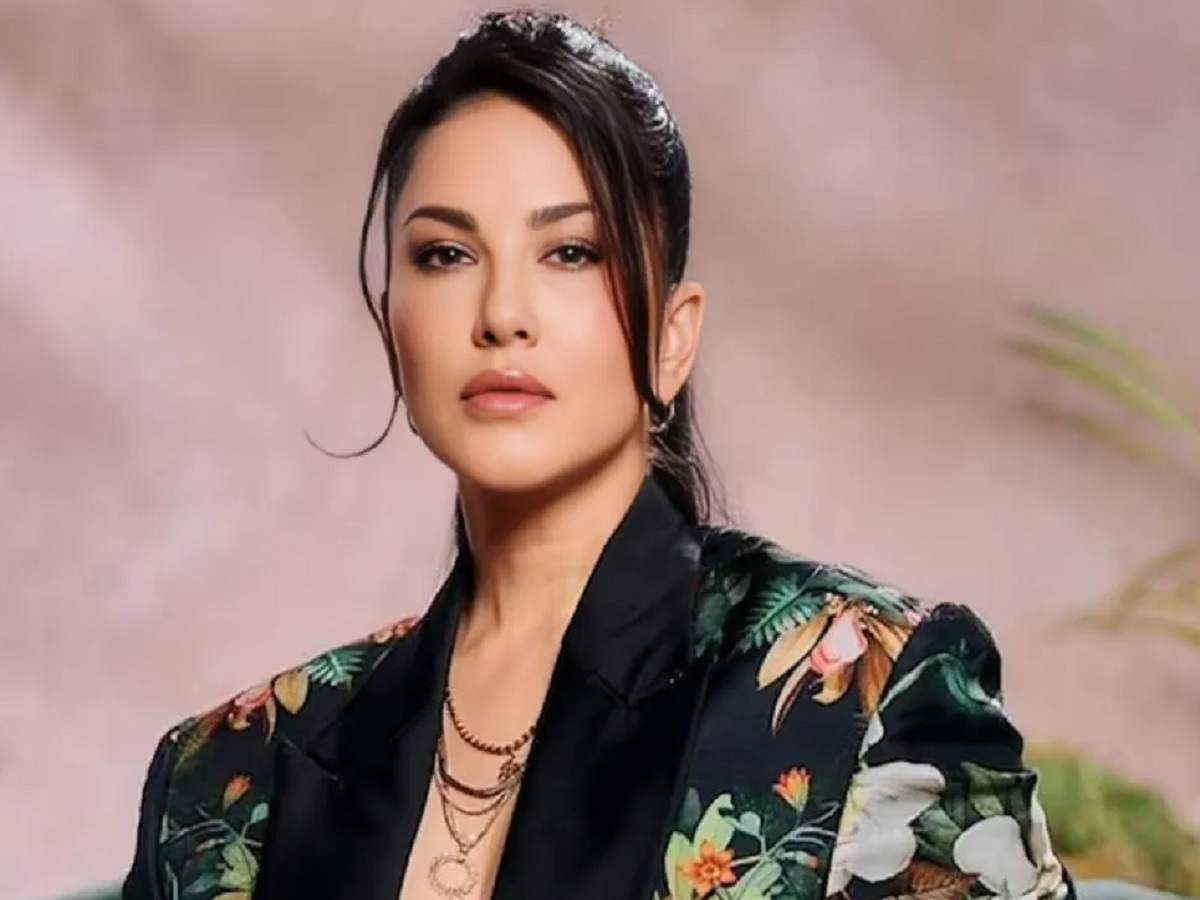
इंटरनेट डेस्क। बॉलीवुड अभिनेत्री सनी लियोनी का आज जन्मदिन है। आज 45 वर्ष की हो चुकी सनी लियोनी का जन्म आज ही के दिन यानी 13 मई 1981 को कनाडा के सार्निया ओंटारियो में हुआ था। एक सिख पंजाबी परिवार में जन्मी सनी ने शानदार अभिनय के दम पर बॉलीवुड में अपनी विशेष पहचान बनाई है।
आज हम आपको सनी लियोनी से जुड़ी कुछ रोचक बातों के बारे में जानकारी देने जा रहे है, जिनके बारे में शायद ही आपको पता हो। आपको बात दें कि उनका असली नाम करनजीत कौर वोहरा है। उनके के पिता तिब्बत में पैदा हुए और दिल्ली में पले-बढ़े। उनकी मां हिमाचल प्रदेश के एक छोटे से गांव सिरमौर के नाहन की रहने वाली थीं। खबरों के अनुसार, सनी लियोनी ने केवल 15 साल की उम्र में एक जर्मन बेकरी में अपनी पहली नौकरी की। इसके बाद उन्होंने 19 साल की उम्र में पोर्न इंडस्ट्री में कदम रखा।
बॉलीवुड में ऐसे चमकी किस्मत
साल 2011 में सनी ने अपने बॉयफ्रेंड और एक्टर डेनियल वेबर से विवाह किया। इसी साल सनी कलर्स टीवी पर प्रसारित होने वाले मशहूर रियलिटी शो 'बिग बॉस' का हिस्सा बनने के बाद उनकी बाॅलीवुड में किस्मत चमकी। इस शो में फिल्ममेकर महेश भट्ट भी पहुंचे, जहां उनकी नजर सनी पर पड़ी। इसके बाद उन्होंने सनी लियोनी को अपनी फिल्म के लिए एक रोल ऑफर किया। इसके बाद उन्हें बॉलीवुड में काम करने का मौका मिला। उन्होंने वर्ष 2012 में प्रदर्शित फिल्म 'जिस्म 2' से बॉलीवुड में डेब्यू किया था। सनी लियोनी ने इसके बाद जैकपॉट, रागिनी एमएमएस, मस्तीजादे, वन नाइट स्टैंड,कुछ कुछ लोचा है, ओ माई घोस्ट, बेईमान लव, एक पहेली लीला समेत कई फिल्मों में अपने अभिनय का जलवा दिखाया।
PC:navbharatlive,filmfare
अपडेट खबरों के लिए हमारावॉट्सएप चैनलफोलो करें
इंटरनेट डेस्क। बॉलीवुड अभिनेत्री सनी लियोनी का आज जन्मदिन है। आज 45 वर्ष की हो…

You know it. I know it. We all know it.
Jordan Spieth is chasing the career grand slam yet again this week at the PGA Championship and given that we so recently got to see somebody climb that mountain last year with Rory McIlroy at the Masters (where he doubled down this year)… we want more.
This year marks Spieth’s 10th run at the Career Grand Slam and the passage of time has seemingly made him have a level of peace about the quest.
At the moment Jordan isn’t exactly believed to be seriously in the mix. Consider that FanDuel Sportsbook has him at +5500 to win at Aronimink with players like Min Woo Lee and Chris Gotterup ahead of him. Even Jordan’s buddy Rickie Fowler is listed in front him after last week’s showing at the Truist.
Isn’t the fact that this is a longshot something that makes us want it all the more, though? How many people seriously went into Augusta last year thinking that Rory was about to do it? He may not have been this far down the odds listing, but he was hardly considered a lock.
We could literally be on the precipice of golf history right now. Think about that.
You know it. I know it. We all know it.
Jordan Spieth is chasing the career grand slam yet again this week at the PGA Championship and given that we so recently got to see somebody climb that mountain last year with Rory McIlroy at the Masters (where he doubled down this year)… we want more.
This year marks Spieth’s 10th run at the Career Grand Slam and the passage of time has seemingly made him have a level of peace about the quest.
At the moment Jordan isn’t exactly believed to be seriously in the mix. Consider that FanDuel Sportsbook has him at +5500 to win at Aronimink with players like Min Woo Lee and Chris Gotterup ahead of him. Even Jordan’s buddy Rickie Fowler is listed in front him after last week’s showing at the Truist.
Isn’t the fact that this is a longshot something that makes us want it all the more, though? How many people seriously went into Augusta last year thinking that Rory was about to do it? He may not have been this far down the odds listing, but he was hardly considered a lock.
We could literally be on the precipice of golf history right now. Think about that.
You know it. I know it. We all know it.Jordan Spieth is chasing the career…
The 2026 World Cup is not only the biggest World Cup in history. It’s the…
ट्रैफिक पुलिस ने हेलमेट नहीं पहनने वालों के खिलाफ 12,601 चालान बनाए और 37.80 लाख…