
A federal proposal that would ban states and local governments from regulating AI for 10 years could soon be signed into law, as Sen. Ted Cruz (R-TX) and other lawmakers work to secure its inclusion into a GOP megabill ahead of a key July 4 deadline.
Those in favor – including OpenAI’s Sam Altman, Anduril’s Palmer Luckey, and a16z’s Marc Andreessen – argue that a “patchwork” of AI regulation among states would stifle American innovation at a time when the race to beat China is heating up.
Critics include most Democrats, many Republicans, Anthropic’s CEO Dario Amodei, labor groups, AI safety nonprofits, and consumer rights advocates. They warn that this provision would block states from passing laws that protect consumers from AI harms and would effectively allow powerful AI firms to operate without much oversight or accountability.
On Friday, a group of 17 Republican governors wrote to Senate Majority Leader John Thune, who has advocated for a “light touch” approach to AI regulation, and House Speaker Mike Johnson calling for the so-called “AI moratorium” to be stripped from the budget reconciliation bill, per Axios.
The provision was squeezed into the bill, nicknamed the “Big Beautiful Bill,” in May. It is designed to prohibit states from “[enforcing] any law or regulation regulating [AI] models, [AI] systems, or automated decision systems” for a decade.
Such a measure could preempt state AI laws that have already passed, such as California’s AB 2013, which requires companies to reveal the data used to train AI systems, and Tennessee’s ELVIS Act, which protects musicians and creators from AI-generated impersonations.
The moratorium’s reach extends far beyond these examples. Public Citizen has compiled a database of AI-related laws that could be affected by the moratorium. The database reveals that many states have passed laws that overlap, which could actually make it easier for AI companies to navigate the “patchwork.” For example, Alabama, Arizona, California, Delaware, Hawaii, Indiana, Montana and Texas have criminalized or created civil liability for distributing deceptive AI-generated media meant to influence elections.
The AI moratorium also threatens several noteworthy AI safety bills awaiting signature, including New York’s RAISE Act, which would require large AI labs nationwide to publish thorough safety reports.
Getting the moratorium into a budget bill has required some creative maneuvering. Because provisions in a budget bill must have a direct fiscal impact, Cruz revised the proposal in June to make compliance with the AI moratorium a condition for states to receive funds from the $42 billion Broadband Equity Access and Deployment (BEAD) program.
Cruz then released another revision on Wednesday, which he says ties the requirement only to the new $500 million in BEAD funding included in the bill – a separate, additional pot of money. However, close examination of the revised text finds the language also threatens to pull already-obligated broadband funding from states that don’t comply.
Sen. Maria Cantwell (D-WA) criticized Cruz’s reconciliation language on Thursday, claiming the provision “forces states receiving BEAD funding to choose between expanding broadband or protecting consumers from AI harms for ten years.”
What’s next?
Currently, the provision is at a standstill. Cruz’s initial revision passed the procedural review earlier this week, which meant that the AI moratorium would be included in the final bill. However, reporting today from Punchbowl News and Bloomberg suggest that talks have reopened, and conversations on the AI moratorium’s language are ongoing.
Sources familiar with the matter tell TechCrunch they expect the Senate to begin heavy debate this week on amendments to the budget, including one that would strike the AI moratorium. That will be followed by a vote-a-rama – a series of rapid votes on the full slate of amendments.
Politico reported Friday that the Senate is slated to take an initial vote on the megabill on Saturday.
Chris Lehane, chief global affairs officer at OpenAI, said in a LinkedIn post that the “current patchwork approach to regulating AI isn’t working and will continue to worsen if we stay on this path.” He said this would have “serious implications” for the U.S. as it races to establish AI dominance over China.
“While not someone I’d typically quote, Vladimir Putin has said that whoever prevails will determine the direction of the world going forward,” Lehane wrote.
OpenAI CEO Sam Altman shared similar sentiments this week during a live recording of the tech podcast Hard Fork. He said while he believes some adaptive regulation that addresses the biggest existential risks of AI would be good, “a patchwork across the states would probably be a real mess and very difficult to offer services under.”
Altman also questioned whether policymakers were equipped to handle regulating AI when the technology moves so quickly.
“I worry that if…we kick off a three-year process to write something that’s very detailed and covers a lot of cases, the technology will just move very quickly,” he said.
But a closer look at existing state laws tells a different story. Most state AI laws that exist today aren’t far-reaching; they focus on protecting consumers and individuals from specific harms, like deepfakes, fraud, discrimination, and privacy violations. They target the use of AI in contexts like hiring, housing, credit, healthcare, and elections, and include disclosure requirements and algorithmic bias safeguards.
TechCrunch has asked Lehane and other members of OpenAI’s team if they could name any current state laws that have hindered the tech giant’s ability to progress its technology and release new models. We also asked why navigating different state laws would be considered too complex, given OpenAI’s progress on technologies that may automate a wide range of white-collar jobs in the coming years.
TechCrunch asked similar questions of Meta, Google, Amazon, and Apple, but has not received any answers.
The case against preemption

“The patchwork argument is something that we have heard since the beginning of consumer advocacy time,” Emily Peterson-Cassin, corporate power director at internet activist group Demand Progress, told TechCrunch. “But the fact is that companies comply with different state regulations all the time. The most powerful companies in the world? Yes. Yes, you can.”
Opponents and cynics alike say the AI moratorium isn’t about innovation – it’s about sidestepping oversight. While many states have passed regulation around AI, Congress, which moves notoriously slowly, has passed zero laws regulating AI.
“If the federal government wants to pass strong AI safety legislation, and then preempt the states’ ability to do that, I’d be the first to be very excited about that,” said Nathan Calvin, VP of state affairs at the nonprofit Encode – which has sponsored several state AI safety bills – in an interview. “Instead, [the AI moratorium] takes away all leverage, and any ability, to force AI companies to come to the negotiating table.”
One of the loudest critics of the proposal is Anthropic CEO Dario Amodei. In an opinion piece for The New York Times, Amodei said “a 10-year moratorium is far too blunt an instrument.”
“AI is advancing too head-spinningly fast,” he wrote. “I believe that these systems could change the world, fundamentally, within two years; in 10 years, all bets are off. Without a clear plan for a federal response, a moratorium would give us the worst of both worlds — no ability for states to act, and no national policy as a backstop.”
He argued that instead of prescribing how companies should release their products, the government should work with AI companies to create a transparency standard for how companies share information about their practices and model capabilities.
The opposition isn’t limited to Democrats. There’s been notable opposition to the AI moratorium from Republicans who argue the provision stomps on the GOP’s traditional support for states’ rights, even though it was crafted by prominent Republicans like Cruz and Rep. Jay Obernolte.
These Republican critics include Senator Josh Hawley (R-MO) who is concerned about states’ rights and is working with Democrats to strip it from the bill. Senator Marsha Blackburn (R-TN) also criticized the provision, arguing that states need to protect their citizens and creative industries from AI harms. Rep. Marjorie Taylor Greene (R-GA) even went so far as to say she would oppose the entire budget if the moratorium remains.
What do Americans want?
Republicans like Cruz and Senate Majority Leader John Thune say they want a “light touch” approach to AI governance. Cruz also said in a statement that “every American deserves a voice in shaping” the future.
However, a recent Pew Research survey found that most Americans seem to want more regulation around AI. The survey found that about 60% of U.S. adults and 56% of AI experts say they’re more concerned that the U.S. government won’t go far enough in regulating AI than they are that the government will go too far. Americans also largely aren’t confident that the government will regulate AI effectively, and they are skeptical of industry efforts around responsible AI.
This article has been updated to reflect newer reporting on the Senate’s timeline to vote on the bill and fresh Republican opposition to the AI moritorium.
Source link
#Congress #block #state #laws #decade #Heres #means #TechCrunch



![Volkswagen Thinks Your E-Bike Needs a Pair of Smart Glasses
Volkswagen is bringing some high-tech car features to a new line of electric bikes, including an optional pair of smart glasses. The German automaker recently unveiled two premium Volkswagen-branded e-bikes developed by n+, a bike company that has previously partnered with Mercedes-AMG’s Formula 1 team. © Volkswagen The companies say the bikes were designed with the same “safety-first philosophy” as a modern passenger vehicle and come packed with tech more commonly found in cars like radar, a rearview camera, blind-spot alerts and turn signals. These e-bikes arrive as automakers and startups are showing growing interest in smaller and cheaper electric vehicles designed for shorter trips. But Volkswagen’s smart bikes are surprisingly loaded with more safety features than many of the alternatives.
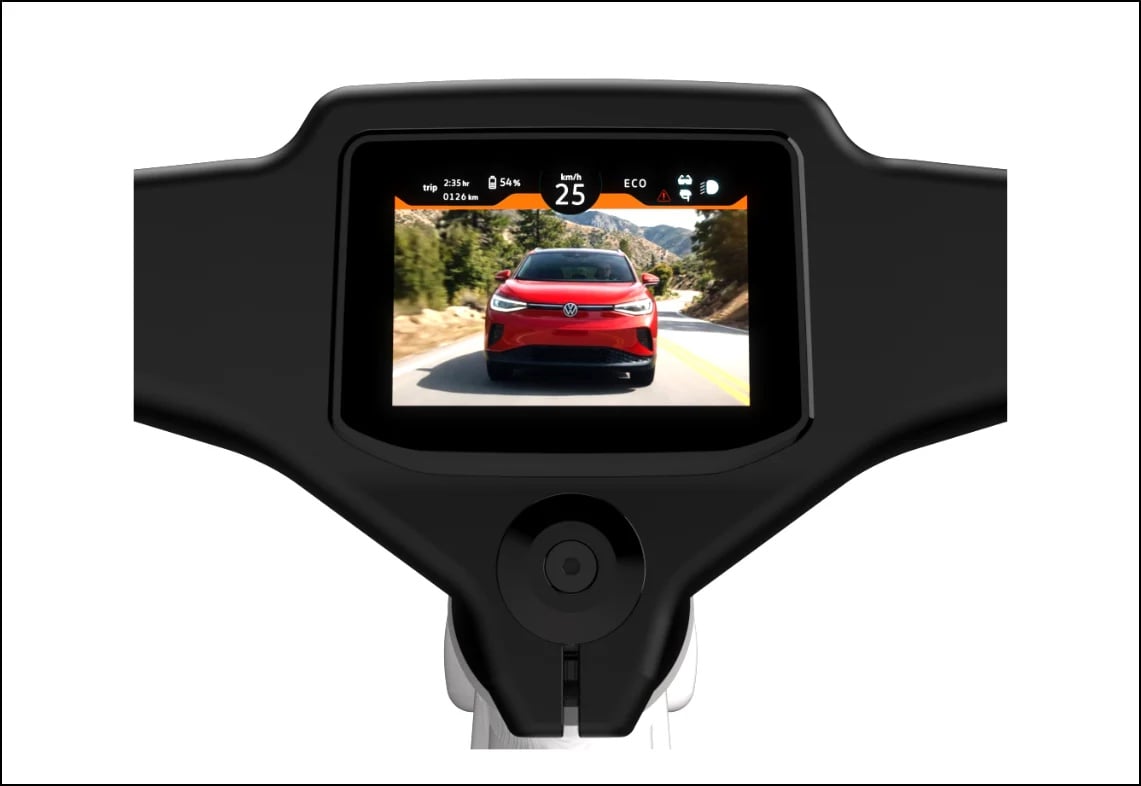
The bikes’ main feature is the Smart View system, which pairs a rear-facing camera with a screen mounted between the bikes’ handlebars. It also uses radar to provide blind-spot alerts, helping riders to stay aware of approaching traffic without having to take their eyes off the road.
© Volkswagen The bikes also feature an LED strip integrated into the frame’s top tube that acts as a high-visibility daytime running light. It glows red when the rider brakes and amber to signal a turn. Beyond those standard features, Volkswagen and n+ are also offering some optional safety gear. The first is a smart helmet that connects to the bike over Bluetooth and uses high-visibility LEDs that synched to the bike’s brake and turn signals. The helmet also includes a built-in accelerometer that can detect a possible crash and automatically send a text message to the rider’s emergency contacts.
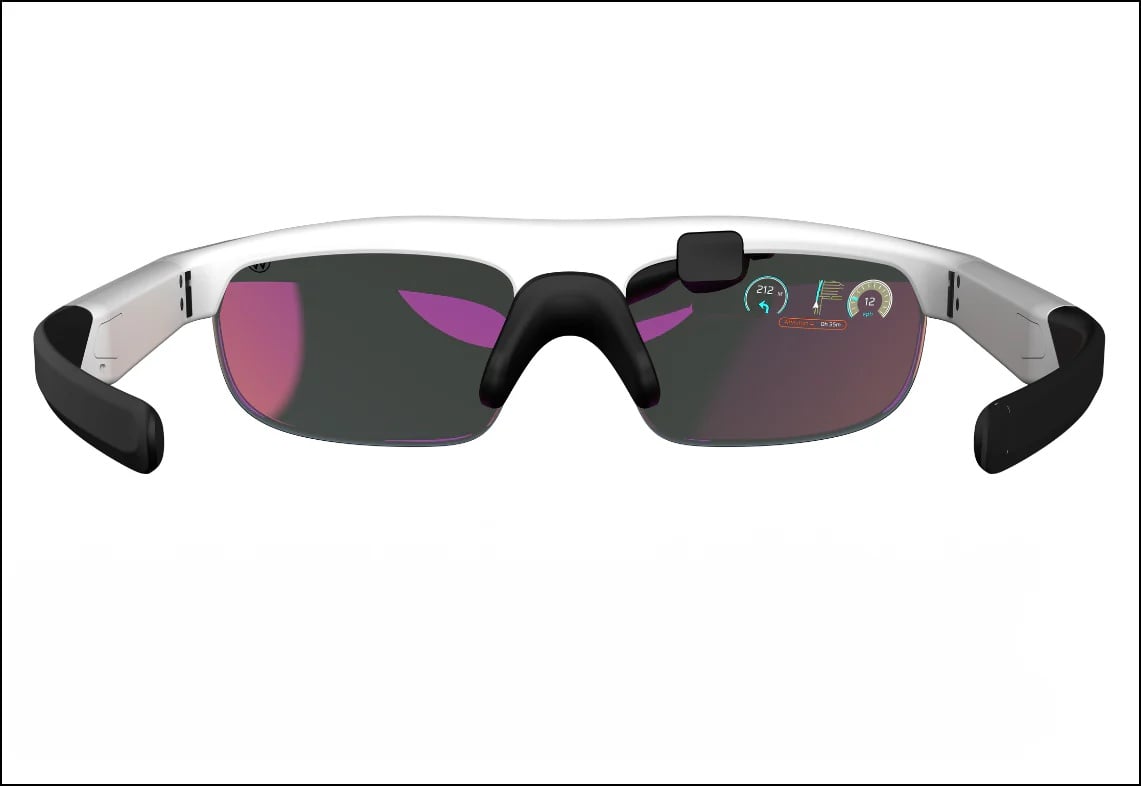
And finally, riders can grab a pair of smart glasses with a heads-up display that puts navigation directions, blind-spot warnings, and other ride information directly within their field of vision. © Volkswagen “[T]echnologies like these are most commonly known from the automotive world. Seeing them make their way onto an e-bike demonstrates how technologies can evolve and be adapted in meaningful ways,” said Peter Jost, CEO of Volkswagen Accessories, Lifestyle & Licenses, in a press release. The smart e-bikes come in two models. The Sport model is designed with agility in mind, while the Crossover model is built for comfort and includes a rear cargo tray. Both bikes offer pedal assistance up to 25 kilometers per hour (about 15.5 mph) and have a maximum estimated range of 160 kilometers (99 miles). The actual range will vary depending on factors like terrain, wind, tire pressure, and rider weight. Battery extenders are available for both models
The Sport model starts at ,999, while the Crossover starts at ,349. The optional smart helmet costs 9, and the smart glasses will set customers back another 9. #Volkswagen #Thinks #EBike #Pair #Smart #Glassese-bikes,smart glasses,Volkswagen](https://gizmodo.com/app/uploads/2026/07/volkswagen-smart-bike.jpeg "Volkswagen Thinks Your E-Bike Needs a Pair of Smart Glasses
Volkswagen is bringing some high-tech car features to a new line of electric bikes, including an optional pair of smart glasses. The German automaker recently unveiled two premium Volkswagen-branded e-bikes developed by n+, a bike company that has previously partnered with Mercedes-AMG’s Formula 1 team. © Volkswagen The companies say the bikes were designed with the same “safety-first philosophy” as a modern passenger vehicle and come packed with tech more commonly found in cars like radar, a rearview camera, blind-spot alerts and turn signals. These e-bikes arrive as automakers and startups are showing growing interest in smaller and cheaper electric vehicles designed for shorter trips. But Volkswagen’s smart bikes are surprisingly loaded with more safety features than many of the alternatives.
The bikes’ main feature is the Smart View system, which pairs a rear-facing camera with a screen mounted between the bikes’ handlebars. It also uses radar to provide blind-spot alerts, helping riders to stay aware of approaching traffic without having to take their eyes off the road.
© Volkswagen The bikes also feature an LED strip integrated into the frame’s top tube that acts as a high-visibility daytime running light. It glows red when the rider brakes and amber to signal a turn. Beyond those standard features, Volkswagen and n+ are also offering some optional safety gear. The first is a smart helmet that connects to the bike over Bluetooth and uses high-visibility LEDs that synched to the bike’s brake and turn signals. The helmet also includes a built-in accelerometer that can detect a possible crash and automatically send a text message to the rider’s emergency contacts.
And finally, riders can grab a pair of smart glasses with a heads-up display that puts navigation directions, blind-spot warnings, and other ride information directly within their field of vision. © Volkswagen “[T]echnologies like these are most commonly known from the automotive world. Seeing them make their way onto an e-bike demonstrates how technologies can evolve and be adapted in meaningful ways,” said Peter Jost, CEO of Volkswagen Accessories, Lifestyle & Licenses, in a press release. The smart e-bikes come in two models. The Sport model is designed with agility in mind, while the Crossover model is built for comfort and includes a rear cargo tray. Both bikes offer pedal assistance up to 25 kilometers per hour (about 15.5 mph) and have a maximum estimated range of 160 kilometers (99 miles). The actual range will vary depending on factors like terrain, wind, tire pressure, and rider weight. Battery extenders are available for both models
The Sport model starts at ,999, while the Crossover starts at ,349. The optional smart helmet costs 9, and the smart glasses will set customers back another 9. #Volkswagen #Thinks #EBike #Pair #Smart #Glassese-bikes,smart glasses,Volkswagen")
![Volkswagen Thinks Your E-Bike Needs a Pair of Smart Glasses
Volkswagen is bringing some high-tech car features to a new line of electric bikes, including an optional pair of smart glasses. The German automaker recently unveiled two premium Volkswagen-branded e-bikes developed by n+, a bike company that has previously partnered with Mercedes-AMG’s Formula 1 team. © Volkswagen The companies say the bikes were designed with the same “safety-first philosophy” as a modern passenger vehicle and come packed with tech more commonly found in cars like radar, a rearview camera, blind-spot alerts and turn signals. These e-bikes arrive as automakers and startups are showing growing interest in smaller and cheaper electric vehicles designed for shorter trips. But Volkswagen’s smart bikes are surprisingly loaded with more safety features than many of the alternatives.
The bikes’ main feature is the Smart View system, which pairs a rear-facing camera with a screen mounted between the bikes’ handlebars. It also uses radar to provide blind-spot alerts, helping riders to stay aware of approaching traffic without having to take their eyes off the road.
© Volkswagen The bikes also feature an LED strip integrated into the frame’s top tube that acts as a high-visibility daytime running light. It glows red when the rider brakes and amber to signal a turn. Beyond those standard features, Volkswagen and n+ are also offering some optional safety gear. The first is a smart helmet that connects to the bike over Bluetooth and uses high-visibility LEDs that synched to the bike’s brake and turn signals. The helmet also includes a built-in accelerometer that can detect a possible crash and automatically send a text message to the rider’s emergency contacts.
And finally, riders can grab a pair of smart glasses with a heads-up display that puts navigation directions, blind-spot warnings, and other ride information directly within their field of vision. © Volkswagen “[T]echnologies like these are most commonly known from the automotive world. Seeing them make their way onto an e-bike demonstrates how technologies can evolve and be adapted in meaningful ways,” said Peter Jost, CEO of Volkswagen Accessories, Lifestyle & Licenses, in a press release. The smart e-bikes come in two models. The Sport model is designed with agility in mind, while the Crossover model is built for comfort and includes a rear cargo tray. Both bikes offer pedal assistance up to 25 kilometers per hour (about 15.5 mph) and have a maximum estimated range of 160 kilometers (99 miles). The actual range will vary depending on factors like terrain, wind, tire pressure, and rider weight. Battery extenders are available for both models
The Sport model starts at ,999, while the Crossover starts at ,349. The optional smart helmet costs 9, and the smart glasses will set customers back another 9. #Volkswagen #Thinks #EBike #Pair #Smart #Glassese-bikes,smart glasses,Volkswagen](https://i1.wp.com/gizmodo.com/app/uploads/2026/07/volkswagen-smart-bike.jpeg?ssl=1 "Volkswagen Thinks Your E-Bike Needs a Pair of Smart Glasses
Volkswagen is bringing some high-tech car features to a new line of electric bikes, including an optional pair of smart glasses. The German automaker recently unveiled two premium Volkswagen-branded e-bikes developed by n+, a bike company that has previously partnered with Mercedes-AMG’s Formula 1 team. © Volkswagen The companies say the bikes were designed with the same “safety-first philosophy” as a modern passenger vehicle and come packed with tech more commonly found in cars like radar, a rearview camera, blind-spot alerts and turn signals. These e-bikes arrive as automakers and startups are showing growing interest in smaller and cheaper electric vehicles designed for shorter trips. But Volkswagen’s smart bikes are surprisingly loaded with more safety features than many of the alternatives.
The bikes’ main feature is the Smart View system, which pairs a rear-facing camera with a screen mounted between the bikes’ handlebars. It also uses radar to provide blind-spot alerts, helping riders to stay aware of approaching traffic without having to take their eyes off the road.
© Volkswagen The bikes also feature an LED strip integrated into the frame’s top tube that acts as a high-visibility daytime running light. It glows red when the rider brakes and amber to signal a turn. Beyond those standard features, Volkswagen and n+ are also offering some optional safety gear. The first is a smart helmet that connects to the bike over Bluetooth and uses high-visibility LEDs that synched to the bike’s brake and turn signals. The helmet also includes a built-in accelerometer that can detect a possible crash and automatically send a text message to the rider’s emergency contacts.
And finally, riders can grab a pair of smart glasses with a heads-up display that puts navigation directions, blind-spot warnings, and other ride information directly within their field of vision. © Volkswagen “[T]echnologies like these are most commonly known from the automotive world. Seeing them make their way onto an e-bike demonstrates how technologies can evolve and be adapted in meaningful ways,” said Peter Jost, CEO of Volkswagen Accessories, Lifestyle & Licenses, in a press release. The smart e-bikes come in two models. The Sport model is designed with agility in mind, while the Crossover model is built for comfort and includes a rear cargo tray. Both bikes offer pedal assistance up to 25 kilometers per hour (about 15.5 mph) and have a maximum estimated range of 160 kilometers (99 miles). The actual range will vary depending on factors like terrain, wind, tire pressure, and rider weight. Battery extenders are available for both models
The Sport model starts at ,999, while the Crossover starts at ,349. The optional smart helmet costs 9, and the smart glasses will set customers back another 9. #Volkswagen #Thinks #EBike #Pair #Smart #Glassese-bikes,smart glasses,Volkswagen")
Post Comment