×
A case for the invisible assist — Why Cricket Needs an ‘Assist’ Column  In sport, memory lives in numbers and often dominates discussions across eras.  Scorecards eventually become history, though for many fans, they are much more.Ardent baseball fans treat scorecards as precious collectibles, while cricket enthusiasts can swear by a legendary “ton” or a definitive “five-fer” in a specific Test match. Yet, truth often slips through the gaps, much like a cover drive imperiously threaded between point and mid-off.Baseball offers a clinical verdict: a batter is retired, and the scorecard records the outcome with total indifference. It matters little whether a fielder hauls in the ball at full stretch in right field or if it settles comfortably into a waiting glove in centre. The act is completed, the moment fades, and the numbers move on—offering no room for the artistry of the effort.A Lesson from the HardwoodBasketball has always had an answer to this conundrum. For the Los Angeles Lakers, whenever Earvin “Magic” Johnson threaded a pass to Kareem Abdul-Jabbar, the finish was only half the act. The assist carried weight, etched into the record books as a vital statistic.In basketball, the creator and the completer share the spotlight, ensuring that fans and history books alike acknowledge the setup as much as the score.Brothers of destruction: Magic Johnson and Kareem Abdul-Jabbar formed one of the deadliest combinations in NBA, leading the attack for Los Angeles Lakers.
                                                            | Photo Credit: 
                                The Hindu Photo Library
                            Brothers of destruction: Magic Johnson and Kareem Abdul-Jabbar formed one of the deadliest combinations in NBA, leading the attack for Los Angeles Lakers.
                                                            | Photo Credit: 
                                The Hindu Photo Library
                                                    The Evolution of the GameStatisticians in cricket seemingly had a different idea. Perhaps pioneers like Bill Frindall, B.B. Mama, Anandji Dossa, and Sudhir Vaidya never anticipated the acrobatic artistry of a Suryakumar Yadav at the Kensington Oval in 2024 or a Shreyas Iyer in 2026.Cricket commentary celebrates the late swing and the diving stop; it applauds fielding brilliance with roars and endless replays. Yet, when the dust settles, the record often ignores this evolving dimension of the game. During a telecast, we are now accustomed to wagon wheels, Manhattan charts, and “the worm”—visual aids that add spice to an already well-made biryani—but the scorecard remains stubbornly static.The Wankhede MiracleA recent night at the Wankhede Stadium during the 2026 Indian Premier League (IPL) season provided a jarring reminder of this oversight. In the 24th match between the Punjab Kings and Mumbai Indians, the ball sailed toward the boundary in the 18th over. Shreyas Iyer produced a moment of pure theatre.Stationed at long-on, he sprinted to his left, launched himself into the air, and plucked the ball from the sky. Mid-flight, as gravity pulled him toward the rope, instinct took over. He flicked the ball back into play just as he crossed the boundary, where Xavier Bartlett completed the relay. Hardik Pandya was sent on his way, and the stadium erupted.Key architect: Shreyas Iyer did not really take the catch of Hardik Pandya, but he played the most significant role in the dismissal.
                                                            | Photo Credit: 
                                PTI
                            Key architect: Shreyas Iyer did not really take the catch of Hardik Pandya, but he played the most significant role in the dismissal.
                                                            | Photo Credit: 
                                PTI
                                                    Ask anyone who “took” that catch, and the name they say will be Iyer. Yet, look at the scorecard, and Iyer’s name is nowhere to be found. In the history books, he doesn’t even receive an asterisk for this breathtaking fusion of athleticism, awareness, and timing.Similarly, when a catch bursts from the grasp of a diving first-slip fielder and is safely completed by a teammate at second slip, the scorecard credits only the finisher, leaving the initial effort, often the defining act, without even a mention.A Call for ChangeThe typical line on a scorecard reads: “c Fielder b Bowler.” Even if a substitute or an “Impact Player” takes the catch, their name is recognised. But in a relay situation, the player who does the heavy lifting—the “creator”—is erased from the official narrative.Cricket has evolved in almost every other dimension. Technology provides mountains of data for batters, bowlers, and coaches, yet we lack the statistical language to preserve teamwork in motion. The boundary relay catch is the purest example of a collaborative effort; without the first player, the second does not exist. Cricket doesn’t lack appreciation for fielding; it lacks the language to preserve it. An assist column would change that.
                                                            | Photo Credit: 
                                AP
                            

                            Cricket doesn’t lack appreciation for fielding; it lacks the language to preserve it. An assist column would change that.
                                                            | Photo Credit: 
                                AP
                                                    Imagine a child twenty years from now speaking about their father’s legendary catch. They pull up the scorecard to prove it, only to find a name that isn’t his. What do they point to? The video might survive in fragments, but the numbers—sport’s most trusted storytellers—will remain silent.Cricket doesn’t lack appreciation for fielding; it lacks the language to preserve it. An assist column wouldn’t just change a statistic; it would honour the invisible hand that shapes the game’s most defining moments. In a sport that prides itself on detail, this is one detail that has waited long enough to be seen.Published on May 12, 2026  #case #invisible #assist #Cricket #Assist #Column

A case for the invisible assist — Why Cricket Needs an ‘Assist’ Column

In sport, memory lives in numbers and often dominates discussions across eras. Scorecards eventually become history, though for many fans, they are much more.

Ardent baseball fans treat scorecards as precious collectibles, while cricket enthusiasts can swear by a legendary “ton” or a definitive “five-fer” in a specific Test match. Yet, truth often slips through the gaps, much like a cover drive imperiously threaded between point and mid-off.

Baseball offers a clinical verdict: a batter is retired, and the scorecard records the outcome with total indifference. It matters little whether a fielder hauls in the ball at full stretch in right field or if it settles comfortably into a waiting glove in centre. The act is completed, the moment fades, and the numbers move on—offering no room for the artistry of the effort.

A Lesson from the Hardwood

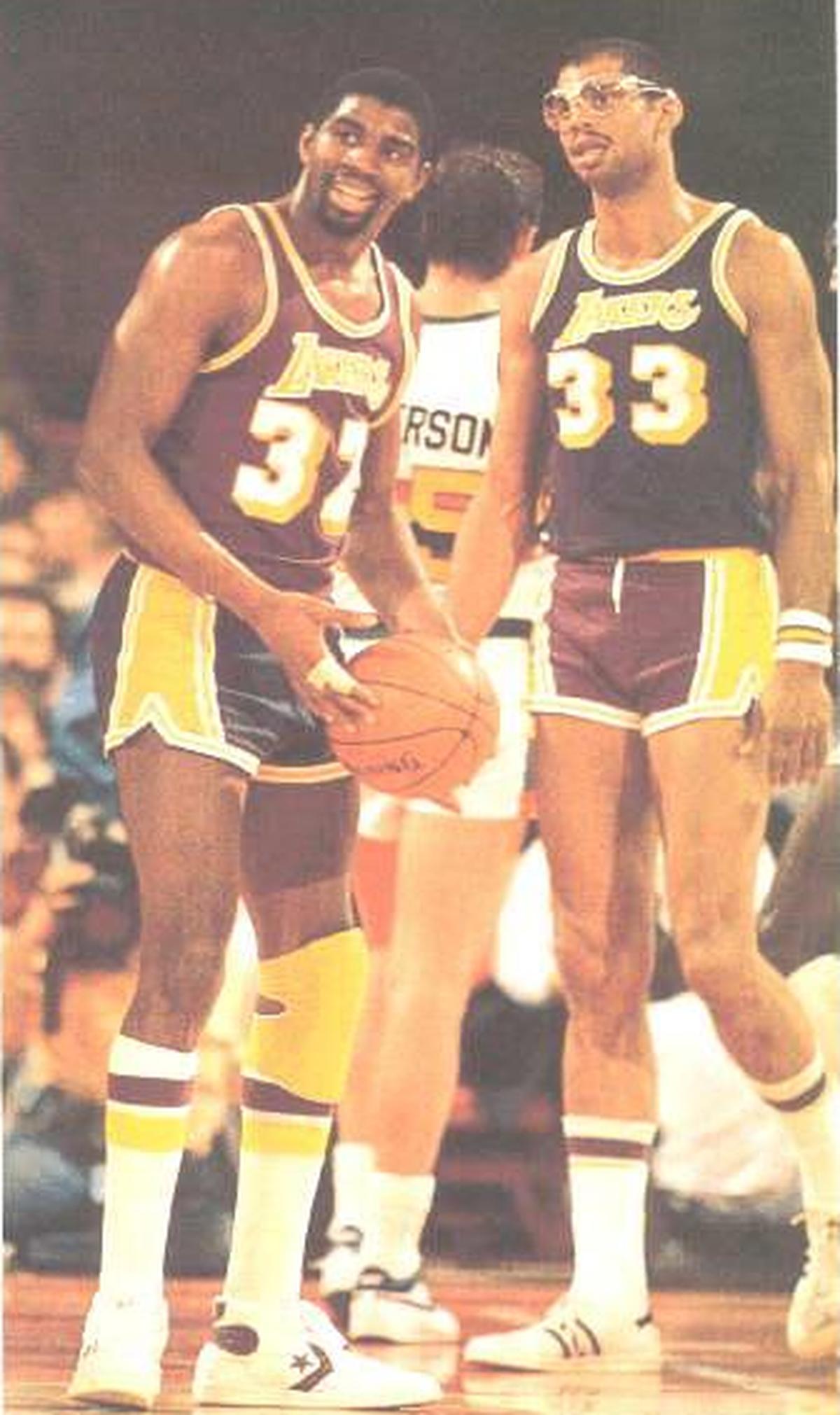
Basketball has always had an answer to this conundrum. For the Los Angeles Lakers, whenever Earvin “Magic” Johnson threaded a pass to Kareem Abdul-Jabbar, the finish was only half the act. The assist carried weight, etched into the record books as a vital statistic.

In basketball, the creator and the completer share the spotlight, ensuring that fans and history books alike acknowledge the setup as much as the score.
A case for the invisible assist — Why Cricket Needs an ‘Assist’ Column  In sport, memory lives in numbers and often dominates discussions across eras.  Scorecards eventually become history, though for many fans, they are much more.Ardent baseball fans treat scorecards as precious collectibles, while cricket enthusiasts can swear by a legendary “ton” or a definitive “five-fer” in a specific Test match. Yet, truth often slips through the gaps, much like a cover drive imperiously threaded between point and mid-off.Baseball offers a clinical verdict: a batter is retired, and the scorecard records the outcome with total indifference. It matters little whether a fielder hauls in the ball at full stretch in right field or if it settles comfortably into a waiting glove in centre. The act is completed, the moment fades, and the numbers move on—offering no room for the artistry of the effort.A Lesson from the HardwoodBasketball has always had an answer to this conundrum. For the Los Angeles Lakers, whenever Earvin “Magic” Johnson threaded a pass to Kareem Abdul-Jabbar, the finish was only half the act. The assist carried weight, etched into the record books as a vital statistic.In basketball, the creator and the completer share the spotlight, ensuring that fans and history books alike acknowledge the setup as much as the score.Brothers of destruction: Magic Johnson and Kareem Abdul-Jabbar formed one of the deadliest combinations in NBA, leading the attack for Los Angeles Lakers.
                                                            | Photo Credit: 
                                The Hindu Photo Library
                            Brothers of destruction: Magic Johnson and Kareem Abdul-Jabbar formed one of the deadliest combinations in NBA, leading the attack for Los Angeles Lakers.
                                                            | Photo Credit: 
                                The Hindu Photo Library
                                                    The Evolution of the GameStatisticians in cricket seemingly had a different idea. Perhaps pioneers like Bill Frindall, B.B. Mama, Anandji Dossa, and Sudhir Vaidya never anticipated the acrobatic artistry of a Suryakumar Yadav at the Kensington Oval in 2024 or a Shreyas Iyer in 2026.Cricket commentary celebrates the late swing and the diving stop; it applauds fielding brilliance with roars and endless replays. Yet, when the dust settles, the record often ignores this evolving dimension of the game. During a telecast, we are now accustomed to wagon wheels, Manhattan charts, and “the worm”—visual aids that add spice to an already well-made biryani—but the scorecard remains stubbornly static.The Wankhede MiracleA recent night at the Wankhede Stadium during the 2026 Indian Premier League (IPL) season provided a jarring reminder of this oversight. In the 24th match between the Punjab Kings and Mumbai Indians, the ball sailed toward the boundary in the 18th over. Shreyas Iyer produced a moment of pure theatre.Stationed at long-on, he sprinted to his left, launched himself into the air, and plucked the ball from the sky. Mid-flight, as gravity pulled him toward the rope, instinct took over. He flicked the ball back into play just as he crossed the boundary, where Xavier Bartlett completed the relay. Hardik Pandya was sent on his way, and the stadium erupted.Key architect: Shreyas Iyer did not really take the catch of Hardik Pandya, but he played the most significant role in the dismissal.
                                                            | Photo Credit: 
                                PTI
                            Key architect: Shreyas Iyer did not really take the catch of Hardik Pandya, but he played the most significant role in the dismissal.
                                                            | Photo Credit: 
                                PTI
                                                    Ask anyone who “took” that catch, and the name they say will be Iyer. Yet, look at the scorecard, and Iyer’s name is nowhere to be found. In the history books, he doesn’t even receive an asterisk for this breathtaking fusion of athleticism, awareness, and timing.Similarly, when a catch bursts from the grasp of a diving first-slip fielder and is safely completed by a teammate at second slip, the scorecard credits only the finisher, leaving the initial effort, often the defining act, without even a mention.A Call for ChangeThe typical line on a scorecard reads: “c Fielder b Bowler.” Even if a substitute or an “Impact Player” takes the catch, their name is recognised. But in a relay situation, the player who does the heavy lifting—the “creator”—is erased from the official narrative.Cricket has evolved in almost every other dimension. Technology provides mountains of data for batters, bowlers, and coaches, yet we lack the statistical language to preserve teamwork in motion. The boundary relay catch is the purest example of a collaborative effort; without the first player, the second does not exist. Cricket doesn’t lack appreciation for fielding; it lacks the language to preserve it. An assist column would change that.
                                                            | Photo Credit: 
                                AP
                            

                            Cricket doesn’t lack appreciation for fielding; it lacks the language to preserve it. An assist column would change that.
                                                            | Photo Credit: 
                                AP
                                                    Imagine a child twenty years from now speaking about their father’s legendary catch. They pull up the scorecard to prove it, only to find a name that isn’t his. What do they point to? The video might survive in fragments, but the numbers—sport’s most trusted storytellers—will remain silent.Cricket doesn’t lack appreciation for fielding; it lacks the language to preserve it. An assist column wouldn’t just change a statistic; it would honour the invisible hand that shapes the game’s most defining moments. In a sport that prides itself on detail, this is one detail that has waited long enough to be seen.Published on May 12, 2026  #case #invisible #assist #Cricket #Assist #Column

Brothers of destruction: Magic Johnson and Kareem Abdul-Jabbar formed one of the deadliest combinations in NBA, leading the attack for Los Angeles Lakers. | Photo Credit: The Hindu Photo Library

lightbox-info

Brothers of destruction: Magic Johnson and Kareem Abdul-Jabbar formed one of the deadliest combinations in NBA, leading the attack for Los Angeles Lakers. | Photo Credit: The Hindu Photo Library

The Evolution of the Game

Statisticians in cricket seemingly had a different idea. Perhaps pioneers like Bill Frindall, B.B. Mama, Anandji Dossa, and Sudhir Vaidya never anticipated the acrobatic artistry of a Suryakumar Yadav at the Kensington Oval in 2024 or a Shreyas Iyer in 2026.

Cricket commentary celebrates the late swing and the diving stop; it applauds fielding brilliance with roars and endless replays. Yet, when the dust settles, the record often ignores this evolving dimension of the game. During a telecast, we are now accustomed to wagon wheels, Manhattan charts, and “the worm”—visual aids that add spice to an already well-made biryani—but the scorecard remains stubbornly static.

The Wankhede Miracle

A recent night at the Wankhede Stadium during the 2026 Indian Premier League (IPL) season provided a jarring reminder of this oversight. In the 24th match between the Punjab Kings and Mumbai Indians, the ball sailed toward the boundary in the 18th over. Shreyas Iyer produced a moment of pure theatre.

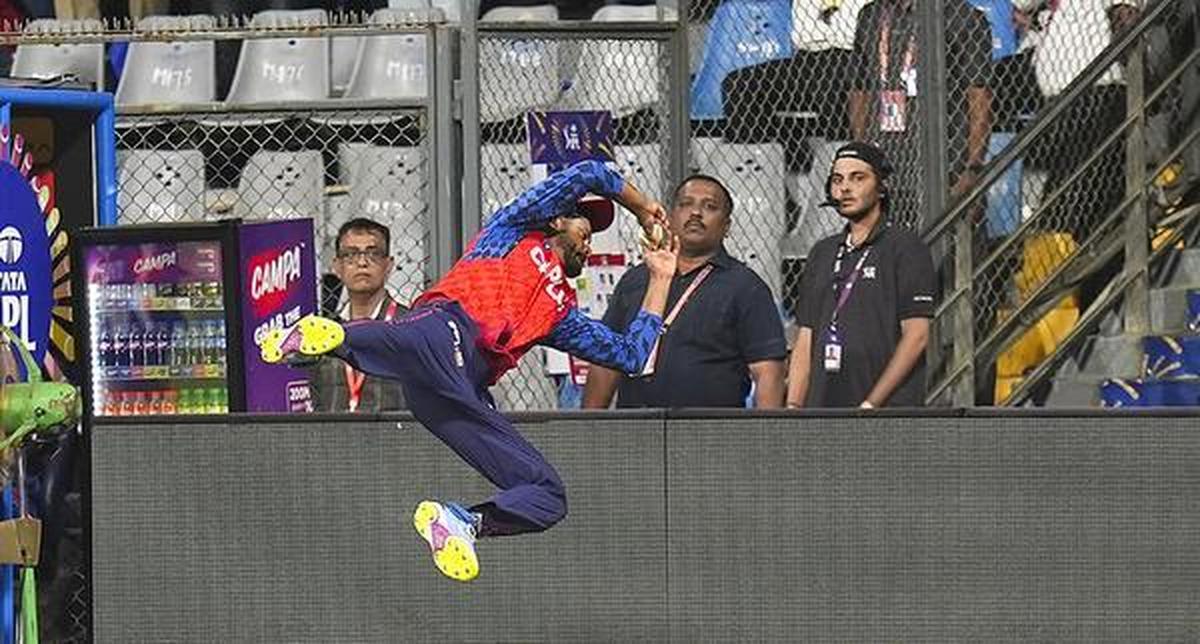
Stationed at long-on, he sprinted to his left, launched himself into the air, and plucked the ball from the sky. Mid-flight, as gravity pulled him toward the rope, instinct took over. He flicked the ball back into play just as he crossed the boundary, where Xavier Bartlett completed the relay. Hardik Pandya was sent on his way, and the stadium erupted.

Key architect: Shreyas Iyer did not really take the catch of Hardik Pandya, but he played the most significant role in the dismissal.

Key architect: Shreyas Iyer did not really take the catch of Hardik Pandya, but he played the most significant role in the dismissal. | Photo Credit: PTI

lightbox-info

Key architect: Shreyas Iyer did not really take the catch of Hardik Pandya, but he played the most significant role in the dismissal. | Photo Credit: PTI

Ask anyone who “took” that catch, and the name they say will be Iyer. Yet, look at the scorecard, and Iyer’s name is nowhere to be found. In the history books, he doesn’t even receive an asterisk for this breathtaking fusion of athleticism, awareness, and timing.

Similarly, when a catch bursts from the grasp of a diving first-slip fielder and is safely completed by a teammate at second slip, the scorecard credits only the finisher, leaving the initial effort, often the defining act, without even a mention.

A Call for Change

The typical line on a scorecard reads: “c Fielder b Bowler.” Even if a substitute or an “Impact Player” takes the catch, their name is recognised. But in a relay situation, the player who does the heavy lifting—the “creator”—is erased from the official narrative.

Cricket has evolved in almost every other dimension. Technology provides mountains of data for batters, bowlers, and coaches, yet we lack the statistical language to preserve teamwork in motion. The boundary relay catch is the purest example of a collaborative effort; without the first player, the second does not exist.

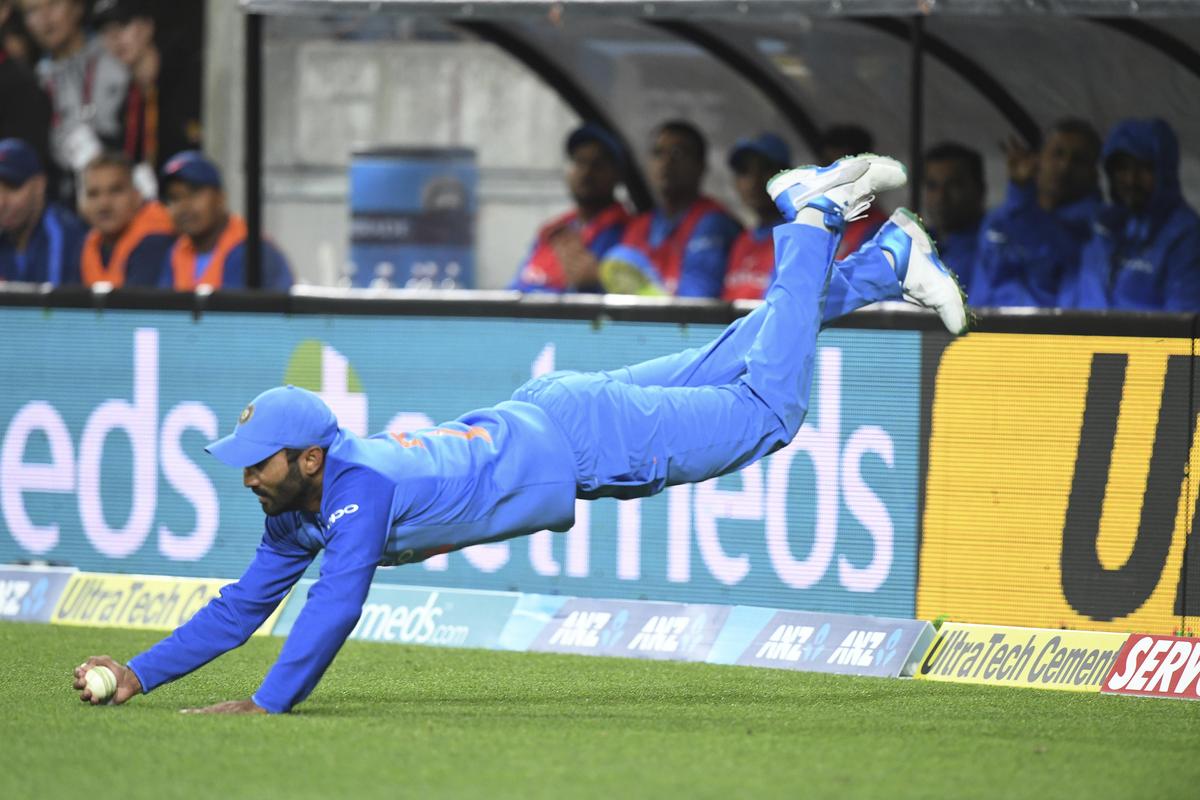
Cricket doesn’t lack appreciation for fielding; it lacks the language to preserve it. An assist column would change that.

Cricket doesn’t lack appreciation for fielding; it lacks the language to preserve it. An assist column would change that. | Photo Credit: AP

lightbox-info

Cricket doesn’t lack appreciation for fielding; it lacks the language to preserve it. An assist column would change that. | Photo Credit: AP

Imagine a child twenty years from now speaking about their father’s legendary catch. They pull up the scorecard to prove it, only to find a name that isn’t his. What do they point to? The video might survive in fragments, but the numbers—sport’s most trusted storytellers—will remain silent.

Cricket doesn’t lack appreciation for fielding; it lacks the language to preserve it. An assist column wouldn’t just change a statistic; it would honour the invisible hand that shapes the game’s most defining moments. In a sport that prides itself on detail, this is one detail that has waited long enough to be seen.

Published on May 12, 2026

#case #invisible #assist #Cricket #Assist #Column

In sport, memory lives in numbers and often dominates discussions across eras. Scorecards eventually become history, though for many fans, they are much more.

Ardent baseball fans treat scorecards as precious collectibles, while cricket enthusiasts can swear by a legendary “ton” or a definitive “five-fer” in a specific Test match. Yet, truth often slips through the gaps, much like a cover drive imperiously threaded between point and mid-off.

Baseball offers a clinical verdict: a batter is retired, and the scorecard records the outcome with total indifference. It matters little whether a fielder hauls in the ball at full stretch in right field or if it settles comfortably into a waiting glove in centre. The act is completed, the moment fades, and the numbers move on—offering no room for the artistry of the effort.

A Lesson from the Hardwood

Basketball has always had an answer to this conundrum. For the Los Angeles Lakers, whenever Earvin “Magic” Johnson threaded a pass to Kareem Abdul-Jabbar, the finish was only half the act. The assist carried weight, etched into the record books as a vital statistic.

In basketball, the creator and the completer share the spotlight, ensuring that fans and history books alike acknowledge the setup as much as the score.

Brothers of destruction: Magic Johnson and Kareem Abdul-Jabbar formed one of the deadliest combinations in NBA, leading the attack for Los Angeles Lakers.
| Photo Credit:
The Hindu Photo Library

lightbox-info

Brothers of destruction: Magic Johnson and Kareem Abdul-Jabbar formed one of the deadliest combinations in NBA, leading the attack for Los Angeles Lakers.
| Photo Credit:
The Hindu Photo Library

The Evolution of the Game

Statisticians in cricket seemingly had a different idea. Perhaps pioneers like Bill Frindall, B.B. Mama, Anandji Dossa, and Sudhir Vaidya never anticipated the acrobatic artistry of a Suryakumar Yadav at the Kensington Oval in 2024 or a Shreyas Iyer in 2026.

Cricket commentary celebrates the late swing and the diving stop; it applauds fielding brilliance with roars and endless replays. Yet, when the dust settles, the record often ignores this evolving dimension of the game. During a telecast, we are now accustomed to wagon wheels, Manhattan charts, and “the worm”—visual aids that add spice to an already well-made biryani—but the scorecard remains stubbornly static.

The Wankhede Miracle

A recent night at the Wankhede Stadium during the 2026 Indian Premier League (IPL) season provided a jarring reminder of this oversight. In the 24th match between the Punjab Kings and Mumbai Indians, the ball sailed toward the boundary in the 18th over. Shreyas Iyer produced a moment of pure theatre.

Stationed at long-on, he sprinted to his left, launched himself into the air, and plucked the ball from the sky. Mid-flight, as gravity pulled him toward the rope, instinct took over. He flicked the ball back into play just as he crossed the boundary, where Xavier Bartlett completed the relay. Hardik Pandya was sent on his way, and the stadium erupted.
Key architect: Shreyas Iyer did not really take the catch of Hardik Pandya, but he played the most significant role in the dismissal.

Key architect: Shreyas Iyer did not really take the catch of Hardik Pandya, but he played the most significant role in the dismissal.
| Photo Credit:
PTI

lightbox-info

Key architect: Shreyas Iyer did not really take the catch of Hardik Pandya, but he played the most significant role in the dismissal.
| Photo Credit:
PTI

Ask anyone who “took” that catch, and the name they say will be Iyer. Yet, look at the scorecard, and Iyer’s name is nowhere to be found. In the history books, he doesn’t even receive an asterisk for this breathtaking fusion of athleticism, awareness, and timing.

Similarly, when a catch bursts from the grasp of a diving first-slip fielder and is safely completed by a teammate at second slip, the scorecard credits only the finisher, leaving the initial effort, often the defining act, without even a mention.

A Call for Change

The typical line on a scorecard reads: “c Fielder b Bowler.” Even if a substitute or an “Impact Player” takes the catch, their name is recognised. But in a relay situation, the player who does the heavy lifting—the “creator”—is erased from the official narrative.

Cricket has evolved in almost every other dimension. Technology provides mountains of data for batters, bowlers, and coaches, yet we lack the statistical language to preserve teamwork in motion. The boundary relay catch is the purest example of a collaborative effort; without the first player, the second does not exist.
Cricket doesn’t lack appreciation for fielding; it lacks the language to preserve it. An assist column would change that.

Cricket doesn’t lack appreciation for fielding; it lacks the language to preserve it. An assist column would change that.
| Photo Credit:
AP

lightbox-info

Cricket doesn’t lack appreciation for fielding; it lacks the language to preserve it. An assist column would change that.
| Photo Credit:
AP

Imagine a child twenty years from now speaking about their father’s legendary catch. They pull up the scorecard to prove it, only to find a name that isn’t his. What do they point to? The video might survive in fragments, but the numbers—sport’s most trusted storytellers—will remain silent.

Cricket doesn’t lack appreciation for fielding; it lacks the language to preserve it. An assist column wouldn’t just change a statistic; it would honour the invisible hand that shapes the game’s most defining moments. In a sport that prides itself on detail, this is one detail that has waited long enough to be seen.

Published on May 12, 2026
Source link
#case #invisible #assist #Cricket #Assist #Column

The Carolina Hurricanes are either the best team in hockey, or the biggest frauds in the Stanley Cup Playoffs — it all depends on who you ask. The Canes made history on Saturday night in Philadelphia with their eighth straight playoff win, and their second sweep in a row. It made them the first team in NHL history to sweep their first two series since the 1987 best-of-seven format began, the first team to start 8-0 in the playoffs since 1985, and only the fifth team in NHL history to start the playoffs 8-0.

Yet nobody can settle on whether this team is really a Stanley Cup favorite yet.

A lot of factors go into the acrimony when discussing Carolina. There’s long-standing bitterness over southern hockey being a thing, especially following back-to-back years of the Florida Panthers hoisting the cup. There’s the fact that the team plays hockey in a manner that runs counter to everything we know about success in the modern NHL. Also, there’s simply a reality that the Canes have had a pretty easy path through the postseason thus far, facing two teams that were bad strategic mismatches for them.

What that doesn’t mean, however, is that either the Ottawa Senators or Philadelphia Flyers are “bad teams.” Finishing with 99 and 98 points on the season, respectively, the Sens and Flyers were better than the entire Western Conference Pacific Division, better than the Utah Mammoth who the Golden Knights beat in the first round, and just one win worse than the Bruins, who the Sabres bested in the opening round. Yet, it’s become cool to hate on the Hurricanes’ opponents thus far as a means to discredit Carolina as being a legitimate team — foisting them with criticism no other team in the field is left with.

It’s absolutely fair to say that both Ottawa and Philadelphia were thrown into a mismatch blender. Both teams thrived during the regular season when playing on clean ice, with open passing lanes and room to set up plays. This is what the Hurricanes excel at stopping, running brutal forechecks with gutsy defensive rotations that flip the formation to send defensemen up ice to hassle opposing defenseman on the puck, allowing the forwards to stay home.

One of the hallmarks of Carolina hockey is to forget the model of play that wins in the NHL, and instead change the game into Hurricanes hockey. They thrive in limiting the effectiveness of star players, making the game be about depth rather than top-line strength, then take over when their third and fourth lines are stronger than their opponents. There’s no coincidence that hockey fans were wondering why Brady Tkachuk and Tim Stützle disappeared in the Sens series, or why Trevor Zegras and Travis Konecny couldn’t make inroads in round two. This was the Canes’ doing, and it worked.

This past week Brady Tkachuk explained why it was near-impossible to deal with the Hurricanes’ defense in his series, and noticing that it was happening to the Flyers as well.

“Their D… they have the best sticks I’ve ever seen. It was crazy. Some of the plays you’d just be like ‘I can get this through,’ like Slav [Jaccob Slavin] has probably the best stick in the league. I had two Grade-A’s [scoring chances] and they hit his stick and up in the netting. I was like ‘how on earth is that not in the back of the net?’”

The length of the Carolina blueliners is causing massive problems for any team trying to play pretty, puck rotation hockey. Throughout the Flyers series we saw the Philly attack get decimated due to deflections from Slavin, K’Andre Miller, and Alexander Nikishin — with their pairings in Jalen Chatfield, Shayne Gostisbehere, and Sean Walker serving more as the more traditional net battlers. This layered defense has been impenetrable in the playoffs and has been offset with the Canes showing more fight and edge that they have previously.

So why is there so much doubt that this can carry over to the cup? There are three fair statements to make:

  1. The Hurricanes haven’t faced an elite, 90+ point player yet in the playoffs
  2. They’ve been so good defensively that it seems impossible to keep it up
  3. Carolina’s best players really haven’t turned up yet

Forgive the pun, but you can see the storm brewing for Carolina that this incredible run could go south quickly (another pun, sorry). Getting the better of Stützle or Konecny is one thing, but when that caliber of player changes to Nathan McKinnon, Martin Nečas, Nick Suzuki, or Kirill Kaprizov — can this same approach still work? Is there a break point to this defensive dominance where Carolina can be overwhelmed by star players, and if that happens can the Canes recover?

That is the real worry right now, and it’s fair to question what is happening with the Carolina top line. The heroes of the playoffs thus far for the Canes has been the Hall/Stankoven/Blake line two, which has been phenomenal — but there has been pronounced quietness from Andrei Svechnikov, Sebastian Aho, and Seth Jarvis on the top line, outside of a few glimmers of magic. We know that historically the NHL playoffs have been won through star power, even by teams like the Panthers who were bruising, but still leaned on Matthew Tkachuk, Sam Bennett, and Brad Marchand to drag them through.

If the Canes can’t get that top-line performance firing then there’s a chance they can’t assert their will on the game, which has a domino effect on the rest of the lines, thereby putting more pressure on the defense to bail the team out.

The biggest questions about the Hurricanes won’t get answered for some time, with Saturday being the earliest their next series can begin. Whether the Sabres or Canadiens come out of the Atlantic, either team will be the best opposition Carolina has faced, with more star power and deeper lines. If the Canes are able to keep up this dominance in the Eastern Conference Finals then we can really talk about their chances to beat the Avs or Wild in the West.

So are the Canes really cup favorites or pretenders? They’re both, and neither, and bizarrely somewhere in the middle. Carolina is a unique Rod Brind’Amour team that approaches hockey in a way no one else does, which means we can’t use the typical yardsticks to measure their potential. It’s all a big guessing game, but that’s what make these playoffs so much fun.

#Carolina #Hurricanes #history #Stanley #Cup #story">The Carolina Hurricanes made history, but the Stanley Cup is a different story  The Carolina Hurricanes are either the best team in hockey, or the biggest frauds in the Stanley Cup Playoffs — it all depends on who you ask. The Canes made history on Saturday night in Philadelphia with their eighth straight playoff win, and their second sweep in a row. It made them the first team in NHL history to sweep their first two series since the 1987 best-of-seven format began, the first team to start 8-0 in the playoffs since 1985, and only the fifth team in NHL history to start the playoffs 8-0.Yet nobody can settle on whether this team is really a Stanley Cup favorite yet.A lot of factors go into the acrimony when discussing Carolina. There’s long-standing bitterness over southern hockey being a thing, especially following back-to-back years of the Florida Panthers hoisting the cup. There’s the fact that the team plays hockey in a manner that runs counter to everything we know about success in the modern NHL. Also, there’s simply a reality that the Canes have had a pretty easy path through the postseason thus far, facing two teams that were bad strategic mismatches for them.What that doesn’t mean, however, is that either the Ottawa Senators or Philadelphia Flyers are “bad teams.” Finishing with 99 and 98 points on the season, respectively, the Sens and Flyers were better than the entire Western Conference Pacific Division, better than the Utah Mammoth who the Golden Knights beat in the first round, and just one win worse than the Bruins, who the Sabres bested in the opening round. Yet, it’s become cool to hate on the Hurricanes’ opponents thus far as a means to discredit Carolina as being a legitimate team — foisting them with criticism no other team in the field is left with.It’s absolutely fair to say that both Ottawa and Philadelphia were thrown into a mismatch blender. Both teams thrived during the regular season when playing on clean ice, with open passing lanes and room to set up plays. This is what the Hurricanes excel at stopping, running brutal forechecks with gutsy defensive rotations that flip the formation to send defensemen up ice to hassle opposing defenseman on the puck, allowing the forwards to stay home.One of the hallmarks of Carolina hockey is to forget the model of play that wins in the NHL, and instead change the game into Hurricanes hockey. They thrive in limiting the effectiveness of star players, making the game be about depth rather than top-line strength, then take over when their third and fourth lines are stronger than their opponents. There’s no coincidence that hockey fans were wondering why Brady Tkachuk and Tim Stützle disappeared in the Sens series, or why Trevor Zegras and Travis Konecny couldn’t make inroads in round two. This was the Canes’ doing, and it worked.This past week Brady Tkachuk explained why it was near-impossible to deal with the Hurricanes’ defense in his series, and noticing that it was happening to the Flyers as well.“Their D… they have the best sticks I’ve ever seen. It was crazy. Some of the plays you’d just be like ‘I can get this through,’ like Slav [Jaccob Slavin] has probably the best stick in the league. I had two Grade-A’s [scoring chances] and they hit his stick and up in the netting. I was like ‘how on earth is that not in the back of the net?’”The length of the Carolina blueliners is causing massive problems for any team trying to play pretty, puck rotation hockey. Throughout the Flyers series we saw the Philly attack get decimated due to deflections from Slavin, K’Andre Miller, and Alexander Nikishin — with their pairings in Jalen Chatfield, Shayne Gostisbehere, and Sean Walker serving more as the more traditional net battlers. This layered defense has been impenetrable in the playoffs and has been offset with the Canes showing more fight and edge that they have previously.So why is there so much doubt that this can carry over to the cup? There are three fair statements to make:The Hurricanes haven’t faced an elite, 90+ point player yet in the playoffsThey’ve been so good defensively that it seems impossible to keep it upCarolina’s best players really haven’t turned up yetForgive the pun, but you can see the storm brewing for Carolina that this incredible run could go south quickly (another pun, sorry). Getting the better of Stützle or Konecny is one thing, but when that caliber of player changes to Nathan McKinnon, Martin Nečas, Nick Suzuki, or Kirill Kaprizov — can this same approach still work? Is there a break point to this defensive dominance where Carolina can be overwhelmed by star players, and if that happens can the Canes recover?That is the real worry right now, and it’s fair to question what is happening with the Carolina top line. The heroes of the playoffs thus far for the Canes has been the Hall/Stankoven/Blake line two, which has been phenomenal — but there has been pronounced quietness from Andrei Svechnikov, Sebastian Aho, and Seth Jarvis on the top line, outside of a few glimmers of magic. We know that historically the NHL playoffs have been won through star power, even by teams like the Panthers who were bruising, but still leaned on Matthew Tkachuk, Sam Bennett, and Brad Marchand to drag them through.If the Canes can’t get that top-line performance firing then there’s a chance they can’t assert their will on the game, which has a domino effect on the rest of the lines, thereby putting more pressure on the defense to bail the team out.The biggest questions about the Hurricanes won’t get answered for some time, with Saturday being the earliest their next series can begin. Whether the Sabres or Canadiens come out of the Atlantic, either team will be the best opposition Carolina has faced, with more star power and deeper lines. If the Canes are able to keep up this dominance in the Eastern Conference Finals then we can really talk about their chances to beat the Avs or Wild in the West.So are the Canes really cup favorites or pretenders? They’re both, and neither, and bizarrely somewhere in the middle. Carolina is a unique Rod Brind’Amour team that approaches hockey in a way no one else does, which means we can’t use the typical yardsticks to measure their potential. It’s all a big guessing game, but that’s what make these playoffs so much fun.  #Carolina #Hurricanes #history #Stanley #Cup #story

The Canes made history on Saturday night in Philadelphia with their eighth straight playoff win, and their second sweep in a row. It made them the first team in NHL history to sweep their first two series since the 1987 best-of-seven format began, the first team to start 8-0 in the playoffs since 1985, and only the fifth team in NHL history to start the playoffs 8-0.

Yet nobody can settle on whether this team is really a Stanley Cup favorite yet.

A lot of factors go into the acrimony when discussing Carolina. There’s long-standing bitterness over southern hockey being a thing, especially following back-to-back years of the Florida Panthers hoisting the cup. There’s the fact that the team plays hockey in a manner that runs counter to everything we know about success in the modern NHL. Also, there’s simply a reality that the Canes have had a pretty easy path through the postseason thus far, facing two teams that were bad strategic mismatches for them.

What that doesn’t mean, however, is that either the Ottawa Senators or Philadelphia Flyers are “bad teams.” Finishing with 99 and 98 points on the season, respectively, the Sens and Flyers were better than the entire Western Conference Pacific Division, better than the Utah Mammoth who the Golden Knights beat in the first round, and just one win worse than the Bruins, who the Sabres bested in the opening round. Yet, it’s become cool to hate on the Hurricanes’ opponents thus far as a means to discredit Carolina as being a legitimate team — foisting them with criticism no other team in the field is left with.

It’s absolutely fair to say that both Ottawa and Philadelphia were thrown into a mismatch blender. Both teams thrived during the regular season when playing on clean ice, with open passing lanes and room to set up plays. This is what the Hurricanes excel at stopping, running brutal forechecks with gutsy defensive rotations that flip the formation to send defensemen up ice to hassle opposing defenseman on the puck, allowing the forwards to stay home.

One of the hallmarks of Carolina hockey is to forget the model of play that wins in the NHL, and instead change the game into Hurricanes hockey. They thrive in limiting the effectiveness of star players, making the game be about depth rather than top-line strength, then take over when their third and fourth lines are stronger than their opponents. There’s no coincidence that hockey fans were wondering why Brady Tkachuk and Tim Stützle disappeared in the Sens series, or why Trevor Zegras and Travis Konecny couldn’t make inroads in round two. This was the Canes’ doing, and it worked.

This past week Brady Tkachuk explained why it was near-impossible to deal with the Hurricanes’ defense in his series, and noticing that it was happening to the Flyers as well.

“Their D… they have the best sticks I’ve ever seen. It was crazy. Some of the plays you’d just be like ‘I can get this through,’ like Slav [Jaccob Slavin] has probably the best stick in the league. I had two Grade-A’s [scoring chances] and they hit his stick and up in the netting. I was like ‘how on earth is that not in the back of the net?’”

The length of the Carolina blueliners is causing massive problems for any team trying to play pretty, puck rotation hockey. Throughout the Flyers series we saw the Philly attack get decimated due to deflections from Slavin, K’Andre Miller, and Alexander Nikishin — with their pairings in Jalen Chatfield, Shayne Gostisbehere, and Sean Walker serving more as the more traditional net battlers. This layered defense has been impenetrable in the playoffs and has been offset with the Canes showing more fight and edge that they have previously.

So why is there so much doubt that this can carry over to the cup? There are three fair statements to make:

  1. The Hurricanes haven’t faced an elite, 90+ point player yet in the playoffs
  2. They’ve been so good defensively that it seems impossible to keep it up
  3. Carolina’s best players really haven’t turned up yet

Forgive the pun, but you can see the storm brewing for Carolina that this incredible run could go south quickly (another pun, sorry). Getting the better of Stützle or Konecny is one thing, but when that caliber of player changes to Nathan McKinnon, Martin Nečas, Nick Suzuki, or Kirill Kaprizov — can this same approach still work? Is there a break point to this defensive dominance where Carolina can be overwhelmed by star players, and if that happens can the Canes recover?

That is the real worry right now, and it’s fair to question what is happening with the Carolina top line. The heroes of the playoffs thus far for the Canes has been the Hall/Stankoven/Blake line two, which has been phenomenal — but there has been pronounced quietness from Andrei Svechnikov, Sebastian Aho, and Seth Jarvis on the top line, outside of a few glimmers of magic. We know that historically the NHL playoffs have been won through star power, even by teams like the Panthers who were bruising, but still leaned on Matthew Tkachuk, Sam Bennett, and Brad Marchand to drag them through.

If the Canes can’t get that top-line performance firing then there’s a chance they can’t assert their will on the game, which has a domino effect on the rest of the lines, thereby putting more pressure on the defense to bail the team out.

The biggest questions about the Hurricanes won’t get answered for some time, with Saturday being the earliest their next series can begin. Whether the Sabres or Canadiens come out of the Atlantic, either team will be the best opposition Carolina has faced, with more star power and deeper lines. If the Canes are able to keep up this dominance in the Eastern Conference Finals then we can really talk about their chances to beat the Avs or Wild in the West.

So are the Canes really cup favorites or pretenders? They’re both, and neither, and bizarrely somewhere in the middle. Carolina is a unique Rod Brind’Amour team that approaches hockey in a way no one else does, which means we can’t use the typical yardsticks to measure their potential. It’s all a big guessing game, but that’s what make these playoffs so much fun.

#Carolina #Hurricanes #history #Stanley #Cup #story">The Carolina Hurricanes made history, but the Stanley Cup is a different story

The Carolina Hurricanes are either the best team in hockey, or the biggest frauds in the Stanley Cup Playoffs — it all depends on who you ask. The Canes made history on Saturday night in Philadelphia with their eighth straight playoff win, and their second sweep in a row. It made them the first team in NHL history to sweep their first two series since the 1987 best-of-seven format began, the first team to start 8-0 in the playoffs since 1985, and only the fifth team in NHL history to start the playoffs 8-0.

Yet nobody can settle on whether this team is really a Stanley Cup favorite yet.

A lot of factors go into the acrimony when discussing Carolina. There’s long-standing bitterness over southern hockey being a thing, especially following back-to-back years of the Florida Panthers hoisting the cup. There’s the fact that the team plays hockey in a manner that runs counter to everything we know about success in the modern NHL. Also, there’s simply a reality that the Canes have had a pretty easy path through the postseason thus far, facing two teams that were bad strategic mismatches for them.

What that doesn’t mean, however, is that either the Ottawa Senators or Philadelphia Flyers are “bad teams.” Finishing with 99 and 98 points on the season, respectively, the Sens and Flyers were better than the entire Western Conference Pacific Division, better than the Utah Mammoth who the Golden Knights beat in the first round, and just one win worse than the Bruins, who the Sabres bested in the opening round. Yet, it’s become cool to hate on the Hurricanes’ opponents thus far as a means to discredit Carolina as being a legitimate team — foisting them with criticism no other team in the field is left with.

It’s absolutely fair to say that both Ottawa and Philadelphia were thrown into a mismatch blender. Both teams thrived during the regular season when playing on clean ice, with open passing lanes and room to set up plays. This is what the Hurricanes excel at stopping, running brutal forechecks with gutsy defensive rotations that flip the formation to send defensemen up ice to hassle opposing defenseman on the puck, allowing the forwards to stay home.

One of the hallmarks of Carolina hockey is to forget the model of play that wins in the NHL, and instead change the game into Hurricanes hockey. They thrive in limiting the effectiveness of star players, making the game be about depth rather than top-line strength, then take over when their third and fourth lines are stronger than their opponents. There’s no coincidence that hockey fans were wondering why Brady Tkachuk and Tim Stützle disappeared in the Sens series, or why Trevor Zegras and Travis Konecny couldn’t make inroads in round two. This was the Canes’ doing, and it worked.

This past week Brady Tkachuk explained why it was near-impossible to deal with the Hurricanes’ defense in his series, and noticing that it was happening to the Flyers as well.

“Their D… they have the best sticks I’ve ever seen. It was crazy. Some of the plays you’d just be like ‘I can get this through,’ like Slav [Jaccob Slavin] has probably the best stick in the league. I had two Grade-A’s [scoring chances] and they hit his stick and up in the netting. I was like ‘how on earth is that not in the back of the net?’”

The length of the Carolina blueliners is causing massive problems for any team trying to play pretty, puck rotation hockey. Throughout the Flyers series we saw the Philly attack get decimated due to deflections from Slavin, K’Andre Miller, and Alexander Nikishin — with their pairings in Jalen Chatfield, Shayne Gostisbehere, and Sean Walker serving more as the more traditional net battlers. This layered defense has been impenetrable in the playoffs and has been offset with the Canes showing more fight and edge that they have previously.

So why is there so much doubt that this can carry over to the cup? There are three fair statements to make:

  1. The Hurricanes haven’t faced an elite, 90+ point player yet in the playoffs
  2. They’ve been so good defensively that it seems impossible to keep it up
  3. Carolina’s best players really haven’t turned up yet

Forgive the pun, but you can see the storm brewing for Carolina that this incredible run could go south quickly (another pun, sorry). Getting the better of Stützle or Konecny is one thing, but when that caliber of player changes to Nathan McKinnon, Martin Nečas, Nick Suzuki, or Kirill Kaprizov — can this same approach still work? Is there a break point to this defensive dominance where Carolina can be overwhelmed by star players, and if that happens can the Canes recover?

That is the real worry right now, and it’s fair to question what is happening with the Carolina top line. The heroes of the playoffs thus far for the Canes has been the Hall/Stankoven/Blake line two, which has been phenomenal — but there has been pronounced quietness from Andrei Svechnikov, Sebastian Aho, and Seth Jarvis on the top line, outside of a few glimmers of magic. We know that historically the NHL playoffs have been won through star power, even by teams like the Panthers who were bruising, but still leaned on Matthew Tkachuk, Sam Bennett, and Brad Marchand to drag them through.

If the Canes can’t get that top-line performance firing then there’s a chance they can’t assert their will on the game, which has a domino effect on the rest of the lines, thereby putting more pressure on the defense to bail the team out.

The biggest questions about the Hurricanes won’t get answered for some time, with Saturday being the earliest their next series can begin. Whether the Sabres or Canadiens come out of the Atlantic, either team will be the best opposition Carolina has faced, with more star power and deeper lines. If the Canes are able to keep up this dominance in the Eastern Conference Finals then we can really talk about their chances to beat the Avs or Wild in the West.

So are the Canes really cup favorites or pretenders? They’re both, and neither, and bizarrely somewhere in the middle. Carolina is a unique Rod Brind’Amour team that approaches hockey in a way no one else does, which means we can’t use the typical yardsticks to measure their potential. It’s all a big guessing game, but that’s what make these playoffs so much fun.

#Carolina #Hurricanes #history #Stanley #Cup #story

The final stages of the 2025-26 Premier League season are fast approaching, and both West Ham United and Tottenham Hotspur are looking to secure their futures in the league. 

Tottenham Hotspur’s draw with Leeds United at the Tottenham Hotspur Stadium and West Ham United’s contentious defeat to Arsenal mean that both sides are still in serious danger of losing their top-flight status. 

Here is how Tottenham Hotspur and West Ham United can still survive relegation:

Tottenham Hotspur

Tottenham still has its fate in its own hands, leading West Ham by two points with two games to spare. A pair of wins would confirm its safety, while a win and a draw would likely be enough as well given its superior goal difference. Any defeats, however, and it leaves itself reliant on West Ham’s result to be sure of safety. 

Remaining fixtures: Chelsea (A), Everton (H)

West Ham United

West Ham United needs Spurs to lose at least once if it is to stay in the league now. Two wins would keep it up if Spurs loses at least once, while a single win would be sufficient if Spurs was to lose twice. 

Remaining fixtures: Newcastle United (A), Leeds United (H) 

Teams Teams MP W D L GS GA GD Points
17. Tottenham 36 9 11 16 46 55 -9 38
18. West Ham United 36 9 9 18 42 62 -20 36

Published on May 12, 2026

#Premier #League #relegation #scenarios #Tottenham #Hotspur #West #Ham #stay #TOT #LEE">Premier League 2025-26 relegation scenarios: How can Tottenham Hotspur, West Ham stay up after TOT vs LEE?   The final stages of the 2025-26 Premier League season are fast approaching, and both West Ham United and Tottenham Hotspur are looking to secure their futures in the league. Tottenham Hotspur’s draw with Leeds United at the Tottenham Hotspur Stadium and West Ham United’s contentious defeat to Arsenal mean that both sides are still in serious danger of losing their top-flight status. Here is how Tottenham Hotspur and West Ham United can still survive relegation:Tottenham HotspurTottenham still has its fate in its own hands, leading West Ham by two points with two games to spare. A pair of wins would confirm its safety, while a win and a draw would likely be enough as well given its superior goal difference. Any defeats, however, and it leaves itself reliant on West Ham’s result to be sure of safety. Remaining fixtures: Chelsea (A), Everton (H)West Ham UnitedWest Ham United needs Spurs to lose at least once if it is to stay in the league now. Two wins would keep it up if Spurs loses at least once, while a single win would be sufficient if Spurs was to lose twice. Remaining fixtures: Newcastle United (A), Leeds United (H)   Teams   Teams  MP  W  D  L  GS  GA  GD  Points  17.  Tottenham  36  9  11  16  46  55  -9  38  18.  West Ham United  36  9  9  18  42  62  -20  36Published on May 12, 2026  #Premier #League #relegation #scenarios #Tottenham #Hotspur #West #Ham #stay #TOT #LEE

Post Comment