
Meta is partnering with Midjourney to license the startup’s AI image and video generation technology, Meta Chief AI Officer Alexandr Wang announced Friday in a post on Threads. Wang says Meta’s research teams will collaborate with Midjourney to bring its technology into future AI models and products.
“To ensure Meta is able to deliver the best possible products for people it will require taking an all-of-the-above approach,” Wang said. “This means world-class talent, ambitious compute roadmap, and working with the best players across the industry.”
The Midjourney partnership could help Meta develop products that compete with industry-leading AI image and video models, such as OpenAI’s Sora, Black Forest Lab’s Flux, and Google’s Veo. Last year, Meta rolled out its own AI image generation tool, Imagine, into several of its products, including Facebook, Instagram, and Messenger. Meta also has an AI video generation tool, Movie Gen, that allows users to create videos from prompts.
The licensing agreement with Midjourney marks Meta’s latest deal to get ahead in the AI race. Earlier this year, CEO Mark Zuckerberg went on a hiring spree for AI talent, offering some researchers compensation packages worth upwards of $100 million. The social media giant also invested $14 billion in Scale AI, and acquired the AI voice startup Play AI.
Meta has held talks with several other leading AI labs about other acquisitions, and Zuckerberg even spoke with Elon Musk about joining his $97 billion takeover bid of OpenAI (Meta ultimately did not join the offer, and OpenAI denied Musk’s bid).
While the terms of Meta’s deal with Midjourney remain unknown, the startup’s CEO, David Holz, said in a post on X that his company remains independent with no investors; Midjourney is one of the few leading AI model developers that has never taken on outside funding. At one point, Meta talked with Midjourney about acquiring the startup, according to Upstarts Media.
Midjourney was founded in 2022 and quickly became a leader in the AI image generation space for its realistic, unique style. By 2023, the startup was reportedly on pace to generate $200 million in revenue. The startup sells subscriptions starting at $10 per month. It offers pricier tiers, which offer more AI image generations, that cost as much as $120 per month. In June, the startup released its first AI video model, V1.
Techcrunch event
San Francisco
|
October 27-29, 2025
Meta’s partnership with Midjourney comes just two months after the startup was sued by Disney and Universal, alleging that it trained AI image models on copyrighted works. Several AI model developers — including Meta — face similar allegations from copyright holders, however, recent court cases pertaining to AI training data have sided with tech companies.
Got a sensitive tip or confidential documents? We’re reporting on the inner workings of the AI industry — from the companies shaping its future to the people impacted by their decisions. Reach out to Rebecca Bellan at rebecca.bellan@techcrunch.com and Maxwell Zeff at maxwell.zeff@techcrunch.com. For secure communication, you can contact us via Signal at @rebeccabellan.491 and @mzeff.88.
We’re always looking to evolve, and by providing some insight into your perspective and feedback into TechCrunch and our coverage and events, you can help us! Fill out this survey to let us know how we’re doing and get the chance to win a prize in return!
Source link
#Meta #partners #Midjourney #image #video #models #TechCrunch
![Volkswagen Thinks Your E-Bike Needs a Pair of Smart Glasses
Volkswagen is bringing some high-tech car features to a new line of electric bikes, including an optional pair of smart glasses. The German automaker recently unveiled two premium Volkswagen-branded e-bikes developed by n+, a bike company that has previously partnered with Mercedes-AMG’s Formula 1 team. © Volkswagen The companies say the bikes were designed with the same “safety-first philosophy” as a modern passenger vehicle and come packed with tech more commonly found in cars like radar, a rearview camera, blind-spot alerts and turn signals. These e-bikes arrive as automakers and startups are showing growing interest in smaller and cheaper electric vehicles designed for shorter trips. But Volkswagen’s smart bikes are surprisingly loaded with more safety features than many of the alternatives.
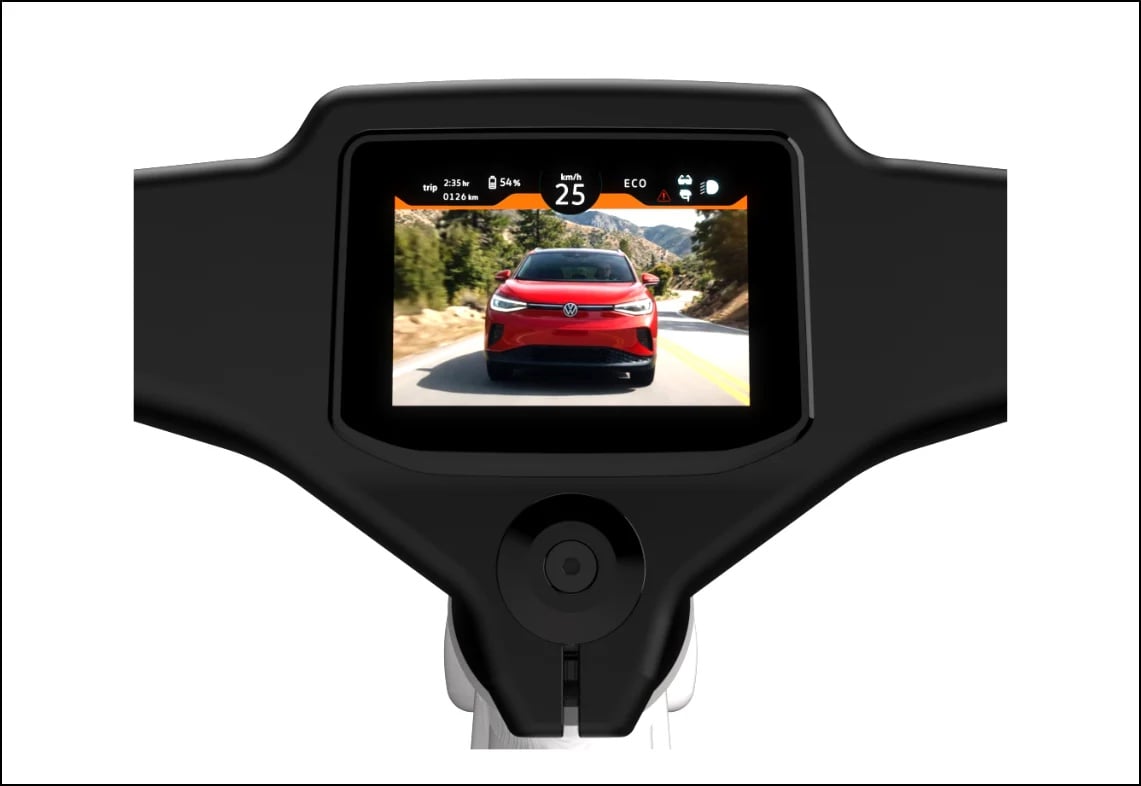
The bikes’ main feature is the Smart View system, which pairs a rear-facing camera with a screen mounted between the bikes’ handlebars. It also uses radar to provide blind-spot alerts, helping riders to stay aware of approaching traffic without having to take their eyes off the road.
© Volkswagen The bikes also feature an LED strip integrated into the frame’s top tube that acts as a high-visibility daytime running light. It glows red when the rider brakes and amber to signal a turn. Beyond those standard features, Volkswagen and n+ are also offering some optional safety gear. The first is a smart helmet that connects to the bike over Bluetooth and uses high-visibility LEDs that synched to the bike’s brake and turn signals. The helmet also includes a built-in accelerometer that can detect a possible crash and automatically send a text message to the rider’s emergency contacts.
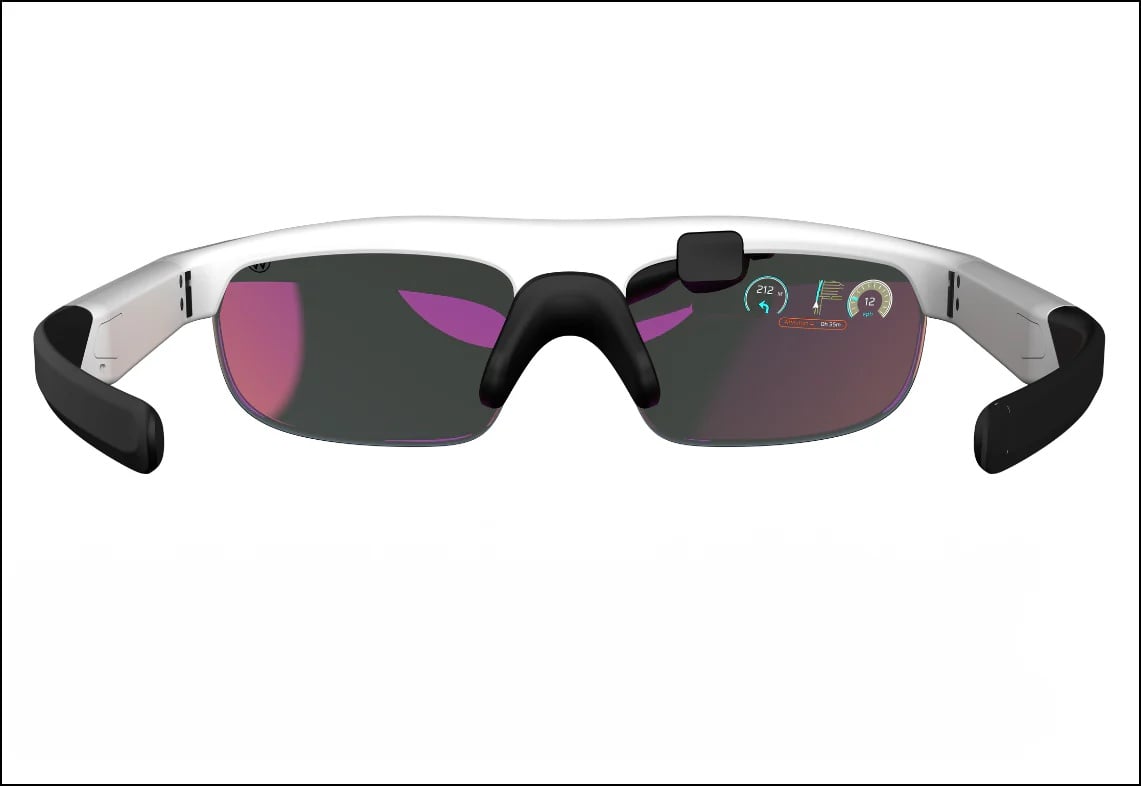
And finally, riders can grab a pair of smart glasses with a heads-up display that puts navigation directions, blind-spot warnings, and other ride information directly within their field of vision. © Volkswagen “[T]echnologies like these are most commonly known from the automotive world. Seeing them make their way onto an e-bike demonstrates how technologies can evolve and be adapted in meaningful ways,” said Peter Jost, CEO of Volkswagen Accessories, Lifestyle & Licenses, in a press release. The smart e-bikes come in two models. The Sport model is designed with agility in mind, while the Crossover model is built for comfort and includes a rear cargo tray. Both bikes offer pedal assistance up to 25 kilometers per hour (about 15.5 mph) and have a maximum estimated range of 160 kilometers (99 miles). The actual range will vary depending on factors like terrain, wind, tire pressure, and rider weight. Battery extenders are available for both models
The Sport model starts at ,999, while the Crossover starts at ,349. The optional smart helmet costs 9, and the smart glasses will set customers back another 9. #Volkswagen #Thinks #EBike #Pair #Smart #Glassese-bikes,smart glasses,Volkswagen](https://gizmodo.com/app/uploads/2026/07/volkswagen-smart-bike.jpeg "Volkswagen Thinks Your E-Bike Needs a Pair of Smart Glasses
Volkswagen is bringing some high-tech car features to a new line of electric bikes, including an optional pair of smart glasses. The German automaker recently unveiled two premium Volkswagen-branded e-bikes developed by n+, a bike company that has previously partnered with Mercedes-AMG’s Formula 1 team. © Volkswagen The companies say the bikes were designed with the same “safety-first philosophy” as a modern passenger vehicle and come packed with tech more commonly found in cars like radar, a rearview camera, blind-spot alerts and turn signals. These e-bikes arrive as automakers and startups are showing growing interest in smaller and cheaper electric vehicles designed for shorter trips. But Volkswagen’s smart bikes are surprisingly loaded with more safety features than many of the alternatives.
The bikes’ main feature is the Smart View system, which pairs a rear-facing camera with a screen mounted between the bikes’ handlebars. It also uses radar to provide blind-spot alerts, helping riders to stay aware of approaching traffic without having to take their eyes off the road.
© Volkswagen The bikes also feature an LED strip integrated into the frame’s top tube that acts as a high-visibility daytime running light. It glows red when the rider brakes and amber to signal a turn. Beyond those standard features, Volkswagen and n+ are also offering some optional safety gear. The first is a smart helmet that connects to the bike over Bluetooth and uses high-visibility LEDs that synched to the bike’s brake and turn signals. The helmet also includes a built-in accelerometer that can detect a possible crash and automatically send a text message to the rider’s emergency contacts.
And finally, riders can grab a pair of smart glasses with a heads-up display that puts navigation directions, blind-spot warnings, and other ride information directly within their field of vision. © Volkswagen “[T]echnologies like these are most commonly known from the automotive world. Seeing them make their way onto an e-bike demonstrates how technologies can evolve and be adapted in meaningful ways,” said Peter Jost, CEO of Volkswagen Accessories, Lifestyle & Licenses, in a press release. The smart e-bikes come in two models. The Sport model is designed with agility in mind, while the Crossover model is built for comfort and includes a rear cargo tray. Both bikes offer pedal assistance up to 25 kilometers per hour (about 15.5 mph) and have a maximum estimated range of 160 kilometers (99 miles). The actual range will vary depending on factors like terrain, wind, tire pressure, and rider weight. Battery extenders are available for both models
The Sport model starts at ,999, while the Crossover starts at ,349. The optional smart helmet costs 9, and the smart glasses will set customers back another 9. #Volkswagen #Thinks #EBike #Pair #Smart #Glassese-bikes,smart glasses,Volkswagen")
![Volkswagen Thinks Your E-Bike Needs a Pair of Smart Glasses
Volkswagen is bringing some high-tech car features to a new line of electric bikes, including an optional pair of smart glasses. The German automaker recently unveiled two premium Volkswagen-branded e-bikes developed by n+, a bike company that has previously partnered with Mercedes-AMG’s Formula 1 team. © Volkswagen The companies say the bikes were designed with the same “safety-first philosophy” as a modern passenger vehicle and come packed with tech more commonly found in cars like radar, a rearview camera, blind-spot alerts and turn signals. These e-bikes arrive as automakers and startups are showing growing interest in smaller and cheaper electric vehicles designed for shorter trips. But Volkswagen’s smart bikes are surprisingly loaded with more safety features than many of the alternatives.
The bikes’ main feature is the Smart View system, which pairs a rear-facing camera with a screen mounted between the bikes’ handlebars. It also uses radar to provide blind-spot alerts, helping riders to stay aware of approaching traffic without having to take their eyes off the road.
© Volkswagen The bikes also feature an LED strip integrated into the frame’s top tube that acts as a high-visibility daytime running light. It glows red when the rider brakes and amber to signal a turn. Beyond those standard features, Volkswagen and n+ are also offering some optional safety gear. The first is a smart helmet that connects to the bike over Bluetooth and uses high-visibility LEDs that synched to the bike’s brake and turn signals. The helmet also includes a built-in accelerometer that can detect a possible crash and automatically send a text message to the rider’s emergency contacts.
And finally, riders can grab a pair of smart glasses with a heads-up display that puts navigation directions, blind-spot warnings, and other ride information directly within their field of vision. © Volkswagen “[T]echnologies like these are most commonly known from the automotive world. Seeing them make their way onto an e-bike demonstrates how technologies can evolve and be adapted in meaningful ways,” said Peter Jost, CEO of Volkswagen Accessories, Lifestyle & Licenses, in a press release. The smart e-bikes come in two models. The Sport model is designed with agility in mind, while the Crossover model is built for comfort and includes a rear cargo tray. Both bikes offer pedal assistance up to 25 kilometers per hour (about 15.5 mph) and have a maximum estimated range of 160 kilometers (99 miles). The actual range will vary depending on factors like terrain, wind, tire pressure, and rider weight. Battery extenders are available for both models
The Sport model starts at ,999, while the Crossover starts at ,349. The optional smart helmet costs 9, and the smart glasses will set customers back another 9. #Volkswagen #Thinks #EBike #Pair #Smart #Glassese-bikes,smart glasses,Volkswagen](https://i1.wp.com/gizmodo.com/app/uploads/2026/07/volkswagen-smart-bike.jpeg?ssl=1 "Volkswagen Thinks Your E-Bike Needs a Pair of Smart Glasses
Volkswagen is bringing some high-tech car features to a new line of electric bikes, including an optional pair of smart glasses. The German automaker recently unveiled two premium Volkswagen-branded e-bikes developed by n+, a bike company that has previously partnered with Mercedes-AMG’s Formula 1 team. © Volkswagen The companies say the bikes were designed with the same “safety-first philosophy” as a modern passenger vehicle and come packed with tech more commonly found in cars like radar, a rearview camera, blind-spot alerts and turn signals. These e-bikes arrive as automakers and startups are showing growing interest in smaller and cheaper electric vehicles designed for shorter trips. But Volkswagen’s smart bikes are surprisingly loaded with more safety features than many of the alternatives.
The bikes’ main feature is the Smart View system, which pairs a rear-facing camera with a screen mounted between the bikes’ handlebars. It also uses radar to provide blind-spot alerts, helping riders to stay aware of approaching traffic without having to take their eyes off the road.
© Volkswagen The bikes also feature an LED strip integrated into the frame’s top tube that acts as a high-visibility daytime running light. It glows red when the rider brakes and amber to signal a turn. Beyond those standard features, Volkswagen and n+ are also offering some optional safety gear. The first is a smart helmet that connects to the bike over Bluetooth and uses high-visibility LEDs that synched to the bike’s brake and turn signals. The helmet also includes a built-in accelerometer that can detect a possible crash and automatically send a text message to the rider’s emergency contacts.
And finally, riders can grab a pair of smart glasses with a heads-up display that puts navigation directions, blind-spot warnings, and other ride information directly within their field of vision. © Volkswagen “[T]echnologies like these are most commonly known from the automotive world. Seeing them make their way onto an e-bike demonstrates how technologies can evolve and be adapted in meaningful ways,” said Peter Jost, CEO of Volkswagen Accessories, Lifestyle & Licenses, in a press release. The smart e-bikes come in two models. The Sport model is designed with agility in mind, while the Crossover model is built for comfort and includes a rear cargo tray. Both bikes offer pedal assistance up to 25 kilometers per hour (about 15.5 mph) and have a maximum estimated range of 160 kilometers (99 miles). The actual range will vary depending on factors like terrain, wind, tire pressure, and rider weight. Battery extenders are available for both models
The Sport model starts at ,999, while the Crossover starts at ,349. The optional smart helmet costs 9, and the smart glasses will set customers back another 9. #Volkswagen #Thinks #EBike #Pair #Smart #Glassese-bikes,smart glasses,Volkswagen")


Post Comment